Author Archives: Tasmanian traveller

Unknown's avatar

About Tasmanian traveller

Through travel, I have experienced the eccentricities of people and their environments around the world. At the same time, I love where I live. So, for people who cannot travel to discover the wonders of my home town, this blog is an attempt to introduce its exoticness. My goal was to walk along both sides of Hobart's Derwent River from the mouth to New Norfolk, and to walk on one or alternating sides of the River between New Norfolk and the source of the River at the southern end of Lake St Clair. The walk was undertaken in stages around my other commitments of my life. Almost all stages of the walk connected with Tasmanian public transport - my intentions was to inspire people, who do not have access to a vehicle, to feel they can replicate the walks. This blog reports on each stage in the hope it will encourage people to either follow in my steps or to create their own walking project where-ever they live. Please note: The blog background and headliner image of 'Hobart from Mt Wellington' is the work of Tourism Tasmania and Garry Moore. It is a free image with unrestricted copyright and available from http://www.tassietrade.com.au/visual_library

Finally I reached the mouth of the Derwent River on the western shore at Pearsons Point

The goal of walking along the western shore of the Derwent River was to reach the mouth and during Stage 13 I reached this destination marked by Pearsons Point.

Before then at 10.44am I walked past a turn off: Mt Louis Road. There was a lump up in the sky on my right.  Maybe another time it might be pleasant to see what is up there and to look at the view – which is probably a spectacular 360 degree outlook along the Derwent River, the D’entrecasteaux Channel and Bruny Island.

As I panted up the final hill, I heard the thwack of balls and realised the fencing I could see in the distance amounted to a tennis court.  A tennis court!  Ye gods! Out here in the bush and miles from anywhere?  Yes it was.  Two women were slamming the balls up and down the court.  Their two cars were the only vehicles in sight.

10.52am: I reached the Pearsons Point Reserve and was feeling rather chuffed.

20150224_105032

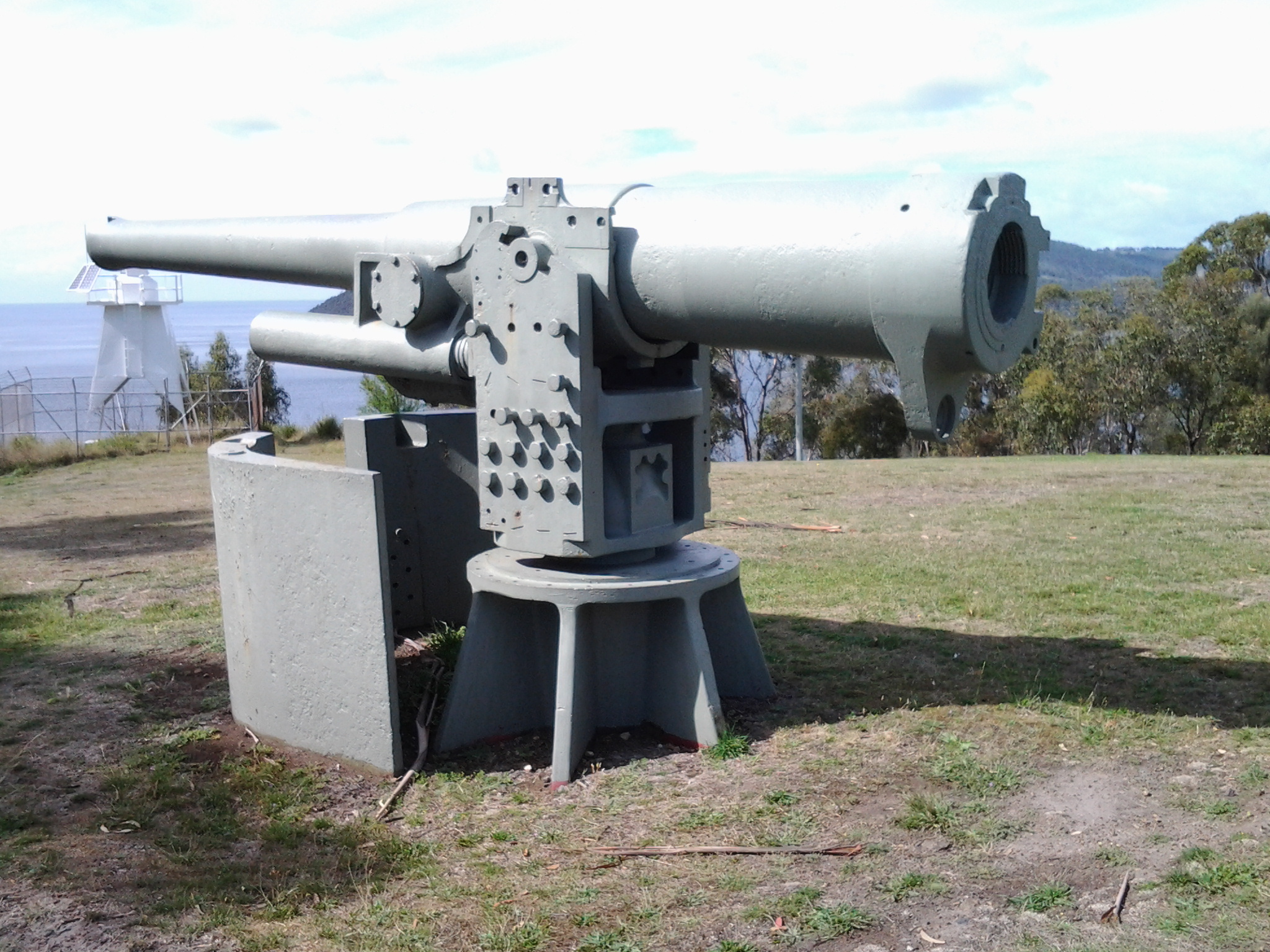
I wandered around the site which included a disused gun emplacement and a couple of large historic cannons.  Guess Pearsons Point would have been the first line of defence against any Russian threat (which seemed to be the main thought through the 19th century).

20150224_105306 20150224_105429

Note: the bump behind the gun emplacement and tennis court is Mt Louis. A large white edifice on the end of the Point (on the other side of the cannon) appeared to be a marine navigation beacon.

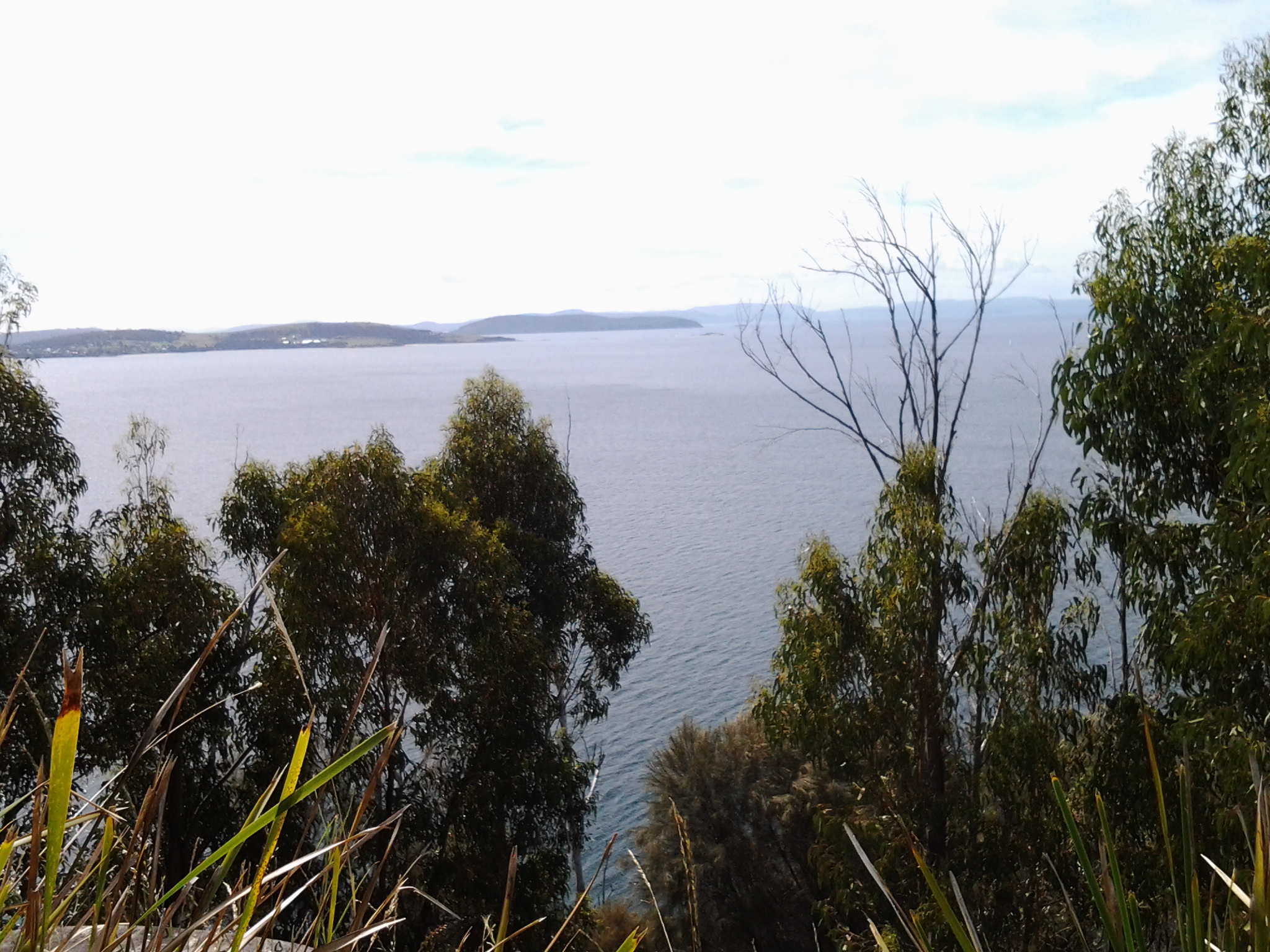
In front of me to the right hand side of the Point, the D’entrecasteaux Channel separated the mainland of Tasmania from Bruny Island (famous for its fresh produce such as cheeses, smoked fish and meats, berries, premium wines, and local oysters).

20150224_105437 20150224_105647

I was very surprised how close Bruny Island (Dennes Point) was to this part of Tasmania’s mainland.  So close.  So accessible.  And its green hills and the white sandy Jetty Beach were most attractive.

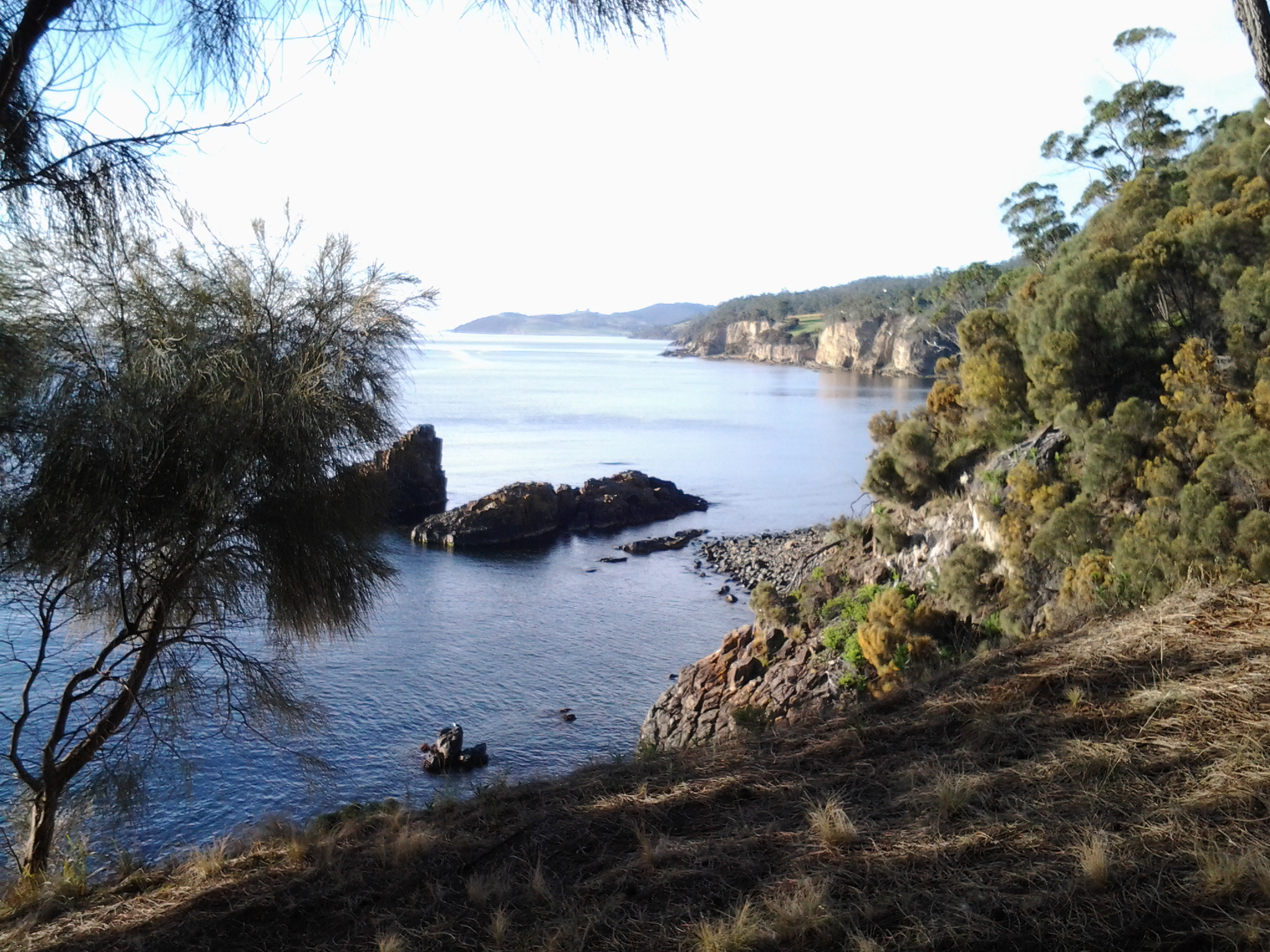
On the other side of Pearsons Point to my left, the Derwent River flowed out to Storm Bay and then onto the ocean. I could see the Iron Pot and Cape Direction at the southern tip of the South Arm peninsula on the eastern shore of the River.

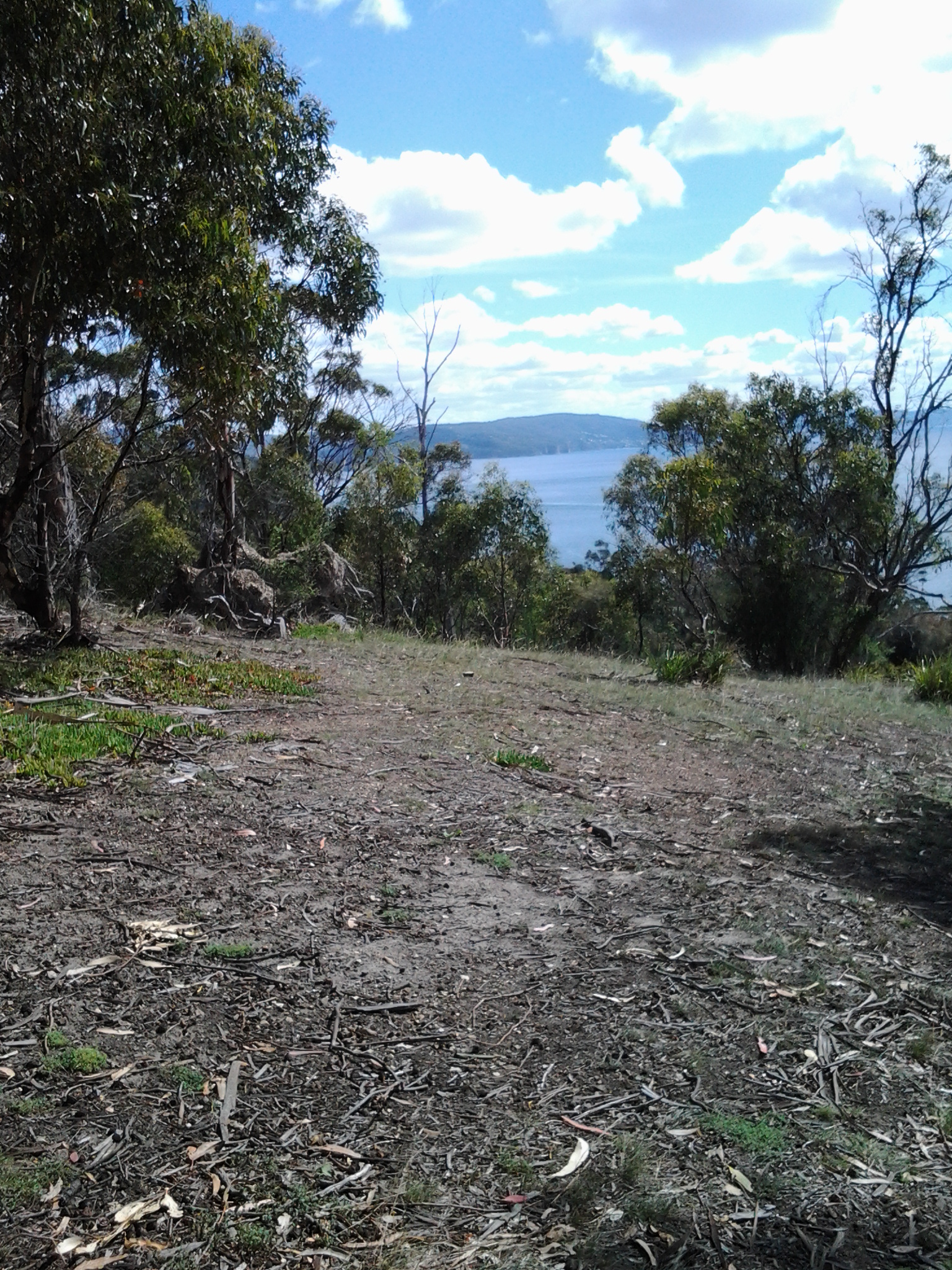
I found a pleasant picnic table and at 11am ate half my lunch under a small cluster of gum trees hoping no branches would be shed on my head.  Feeling on top of the world. The sun was out and the tiniest of breezes moved through the area.  Past the trees I could see motoring boats leaving white streams behind them as they sliced through the River. I looked back northwards to the Alum Cliffs between Taroona and Kingston.
20150224_112527

With a little sadness I left Pearsons Point at 11.25am.

By 12.40pm I was passing the Hidden Cove turnoff, at 1.05pm I reached the Fossil Cove Drive junction, at 1.25pm I walked across the intersection with Treatment Plant Road, and at 1.30 I stopped for a moment at Suncoast Drive.  I looked at the one bus stop (there wasn’t a pair one either side of the road) and it did not have a timetable attached to the post, so I continued walking to Wells Parade.  I had been told this was a long road, and now I know it is.
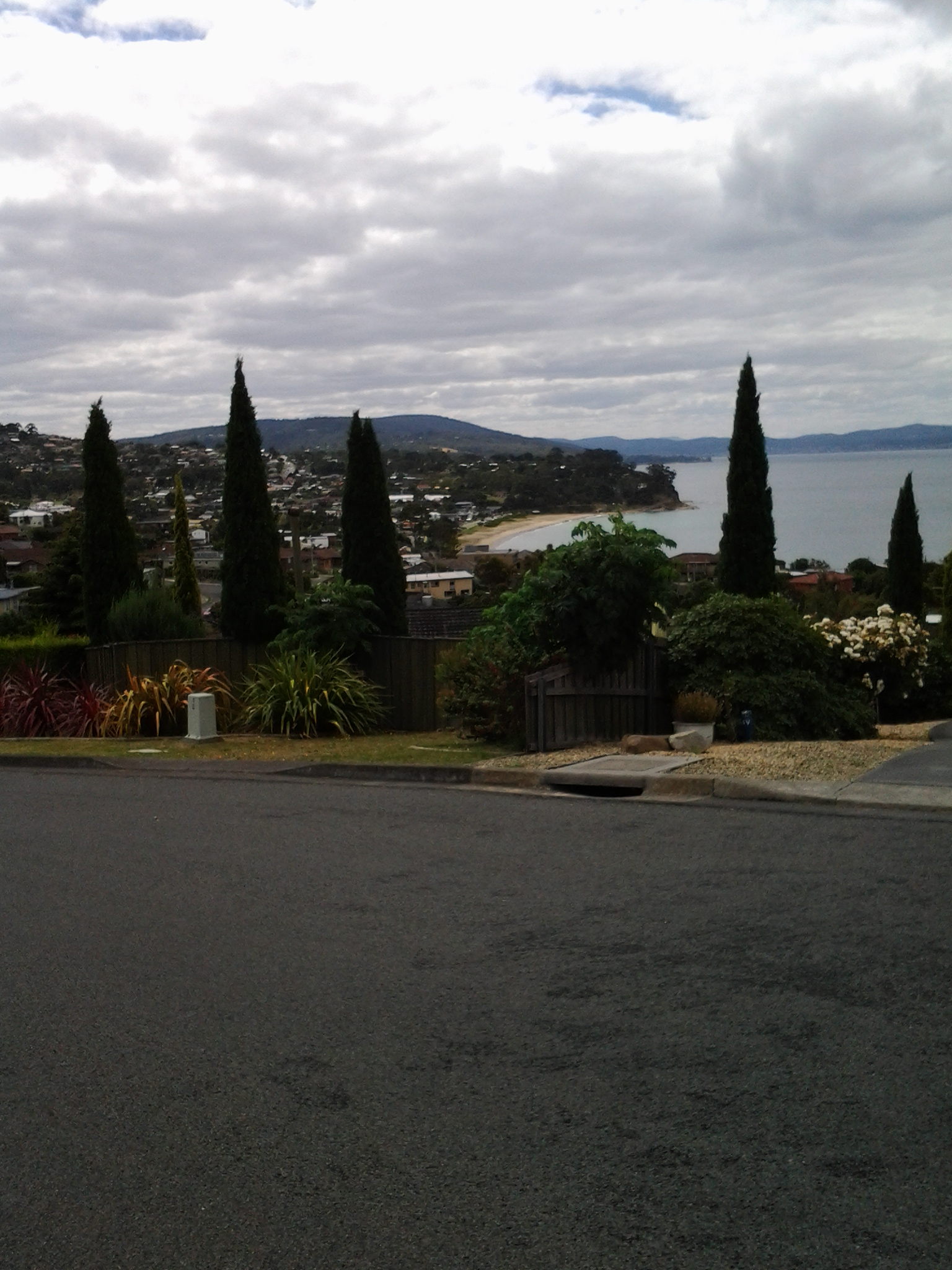
20150224_133752

I stopped and waited for a bus which didn’t come (the first in my entire travels) and left and walked up and down and up and downhill until eventually I was back parallel to the Blackmans Bay Beach.  I sat for a while at the beach soaking in the atmosphere, smelling the salt, and relishing the fact my feet were having a rest.  When the time came (according to my bus timetable), I walked to the bus stop where I had alighted hours earlier in the morning, and before long Metro bus number 85 arrived.  After passing via the Suncoast Drive bus stop that I had looked at earlier in the afternoon on arrival back in Blackmans Bay, Maranoa Heights, other suburbs, and Kingston, I was back in Hobart city by 4pm feeling elated.  Stage 13 was over.
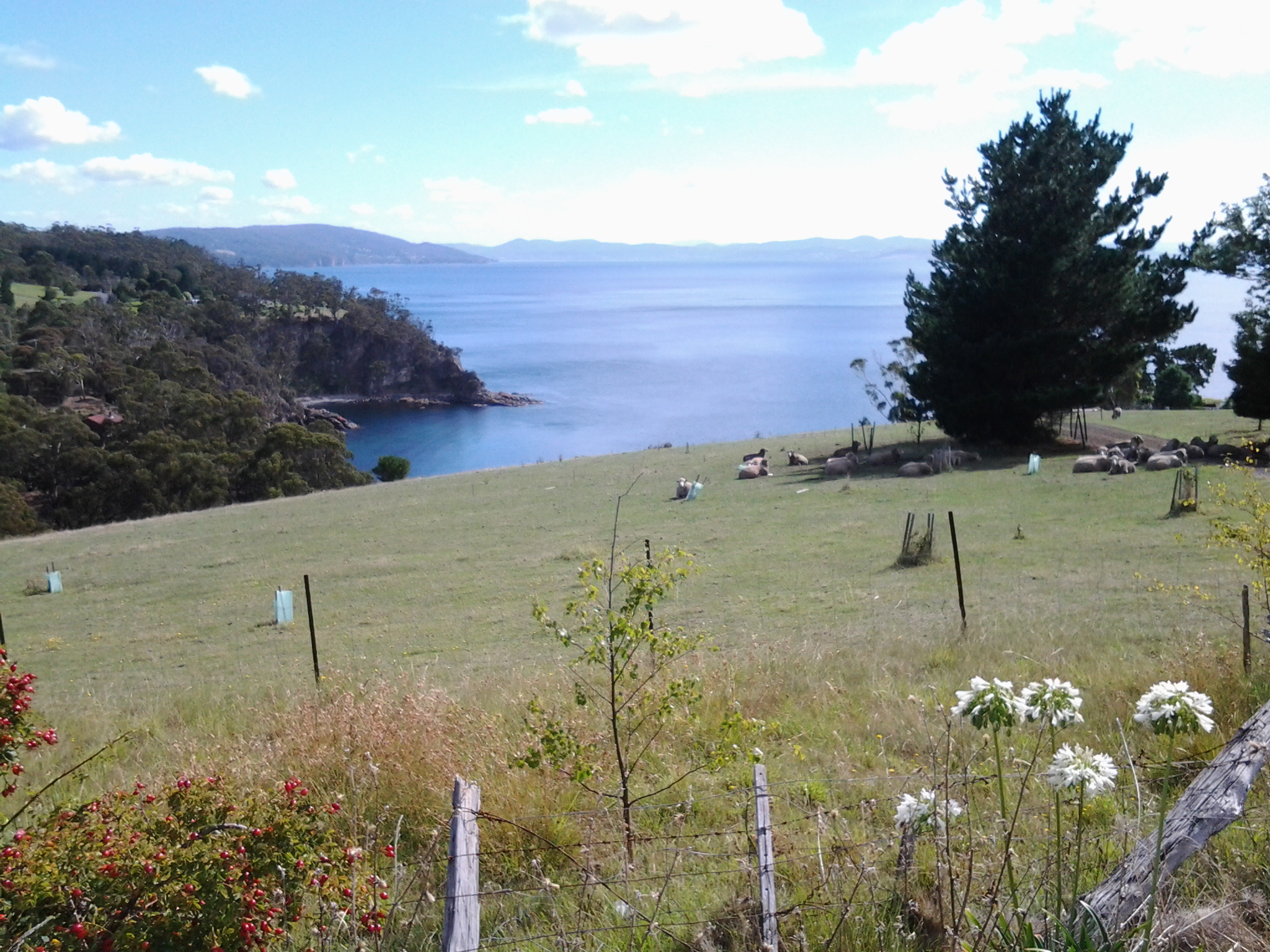
All we like sheep …

Once again Handel’s oratorio The Messiah came to mind when I reached the top of one steep hill climb.

The initial words to the particularly delightful section are: “All we like sheep have gone astray: we have turned everyone to his own way. …”  When sung, the voices start with ‘all we like sheep’ and do not continue immediately to the subsequent words.  Therefore, there is a tendency that if the words are not sung clearly, listeners think that we all like sheep, when the meaning is that we are similar to sheep and may go astray.  As for me, I like sheep and I have never been trusted not to go astray (after all, walking the Derwent isn’t what normal people do).  Nevertheless I am always happy to break out singing this marvellous song.  Have a listen to a choir (Choir of King’s College, Cambridge) which performs it well; at https://www.youtube.com/watch?v=ixmNZQH0NjU The photos of sheep in all sorts of situations are shown while the voices sing the song. Incredibly entertaining.

Watch this video –  

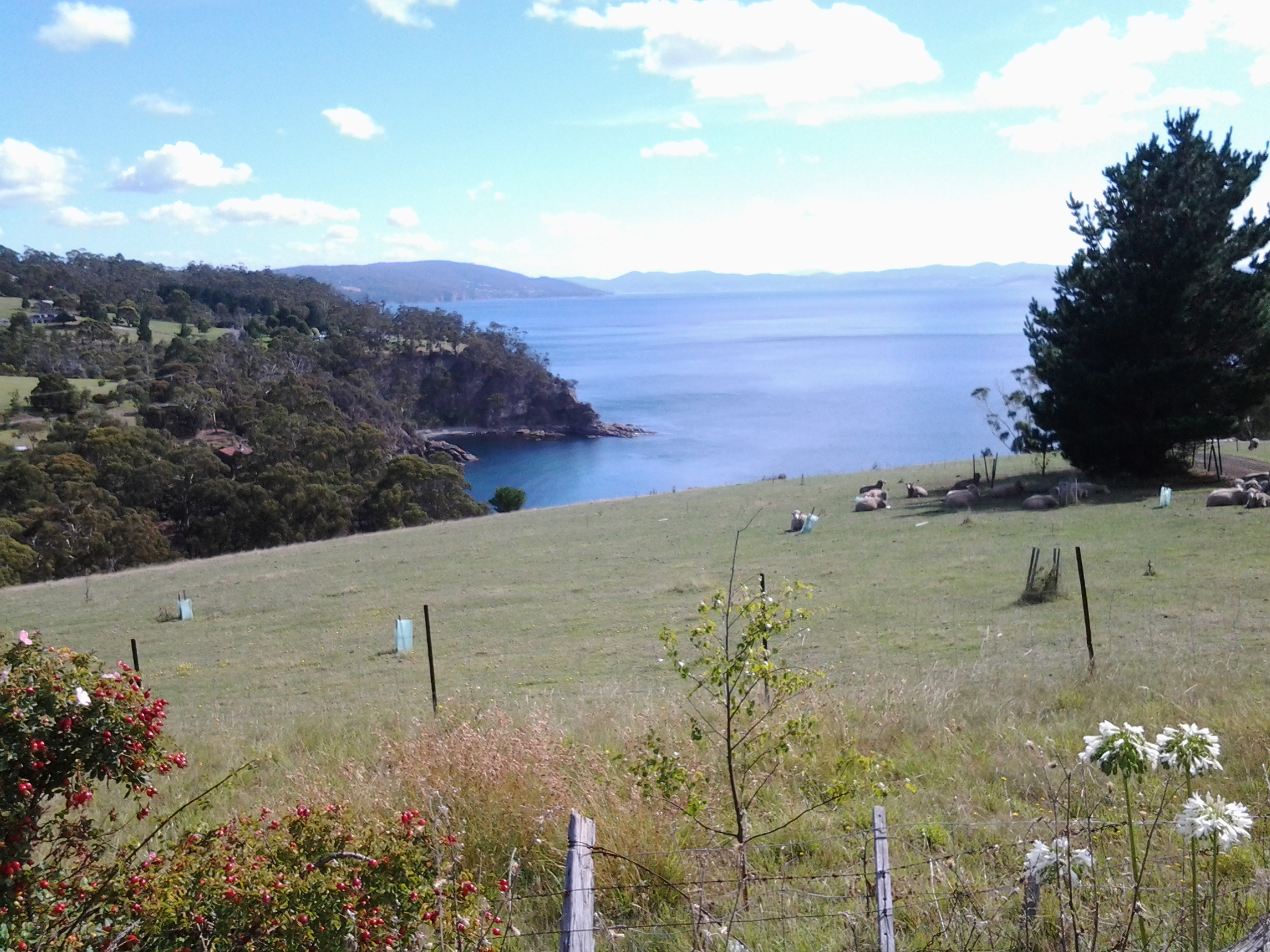
Back to my walk.  Next to Tinderbox Road, I came across a couple of paddocks of resting sheep and ‘everyone had turned to his own way’.

20150224_103542

On my return journey they were up and about grazing independently, but ‘everyone had turned to his own way’.  How could not we all like sheep?

The land begins to open, making possible expansive views across the Derwent River.

Every so often, along Tinderbox Road, a cluster of a few properties on 5 acres or so of land each would appear after a kilometre or so of the densely bush environment.

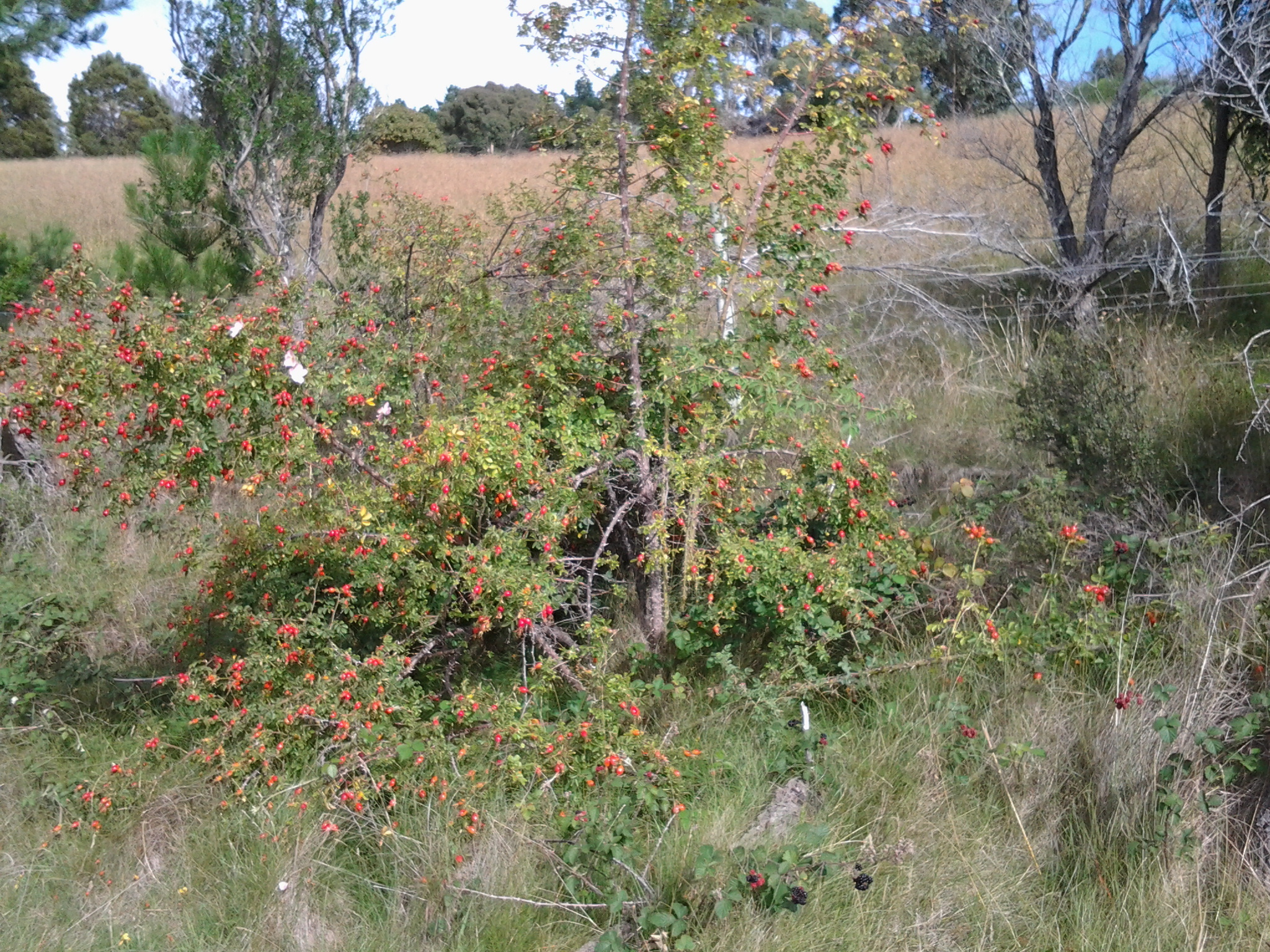
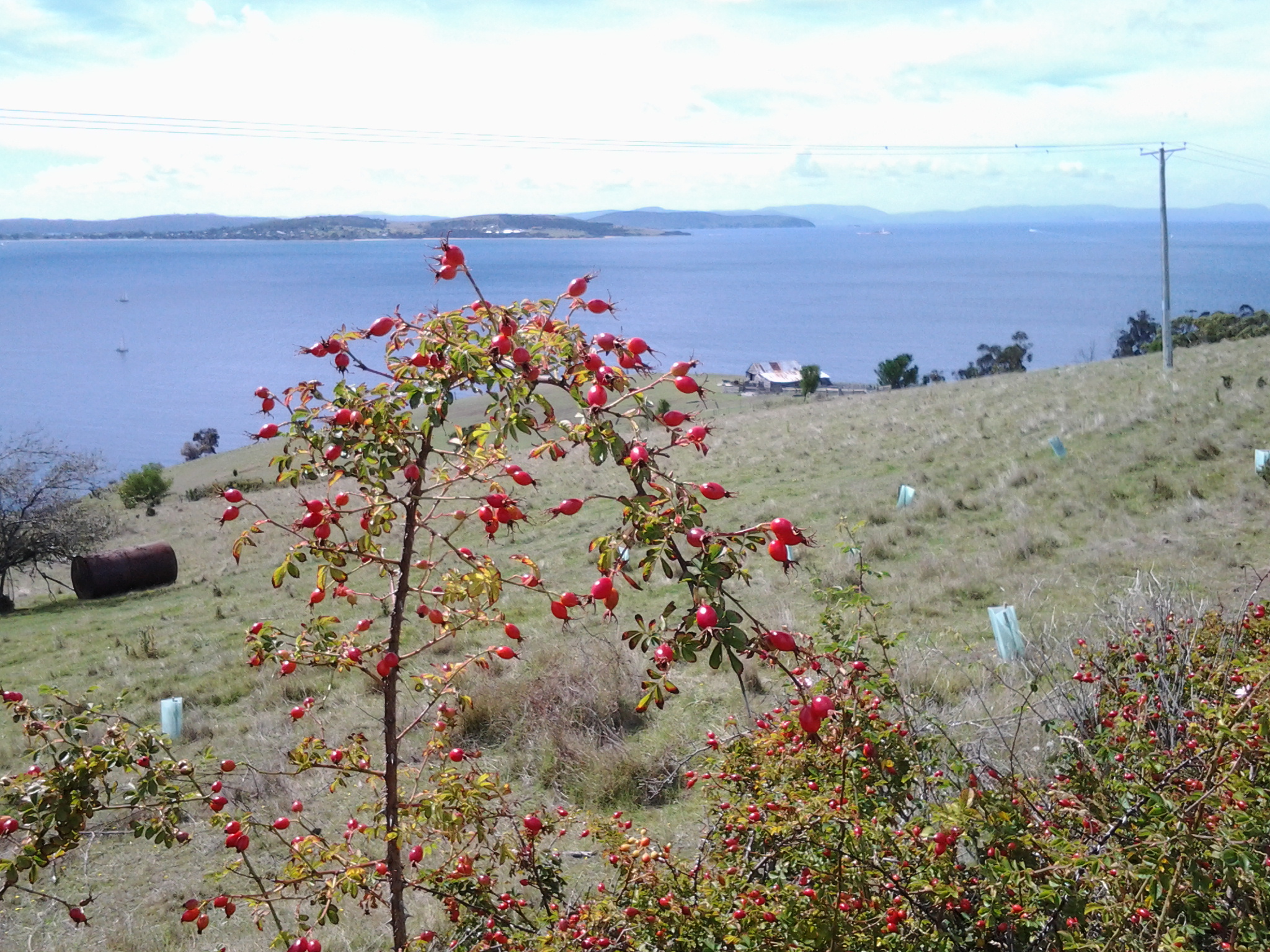
The closer I walked to Pearsons Point the more likely that Tinderbox Road was close to the River or I could see more of the River.  Around 10.20am, while on a long and winding road (on which I considered breaking out into one of the Beatles favourite songs) which undulated so that I was walking uphill then downhill seemingly repeating this process ad nauseum, I was stopped by the beauty of a rose bush in its glorious rose hips stage. I took photographs at that point and in a number of roadside places in the following kilometres.

20150224_101936 20150224_114116

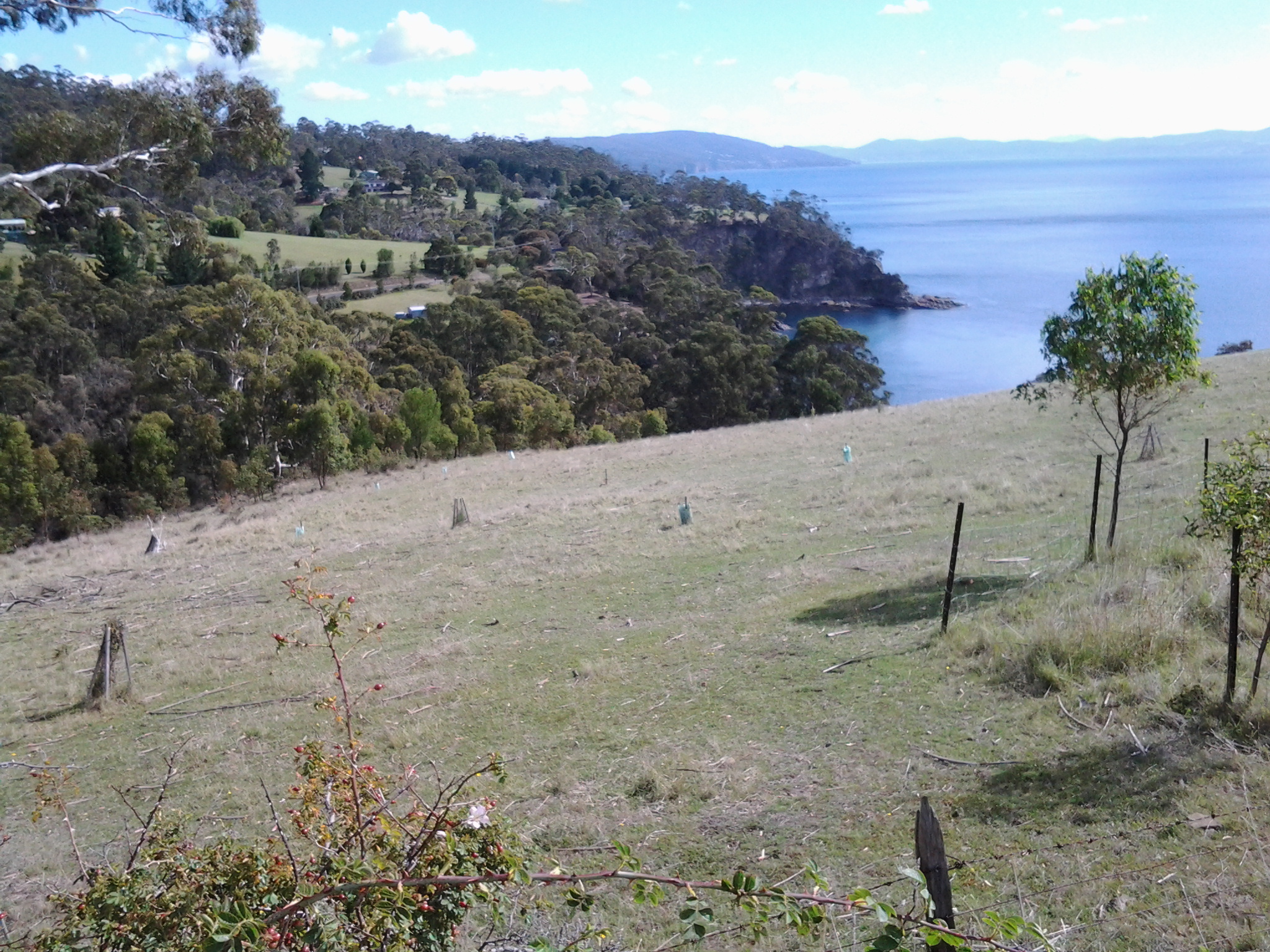
In the distance after climbing one hill, I looked back northwards to Lucas Point behind the steep rock edged bay of ‘Fishermans Haul’ (see photo below).

20150224_103427

In the photo above, the far distant hill on the left is the Alum Cliffs between Taroona and Kingston.  It gives you an idea of the distance covered in these walks.  The other land is on the eastern shore of the Derwent River.

A little further along I was looking down on a disused farmhouse at what I believe was Passage Point.  The photo below shows (green plastic protective shelters around new plants) new trees have been planted in the paddock. I saw such revegetation practices on a number of properties throughout the day.

20150224_103846

Another photo looks across the Derwent River to the southern tip of the South Arm peninsula. The glistening white buildings are those of the Fort Direction defence services complex which I passed through on Stage 1 of my walk along the Derwent River.

 20150224_105611

Through the trees the Derwent River was ever present on my left then later on my right

The Derwent River flowed on my left when I headed southwards to Pearsons Point, and on my right when I returned northwards to Blackmans Bay.

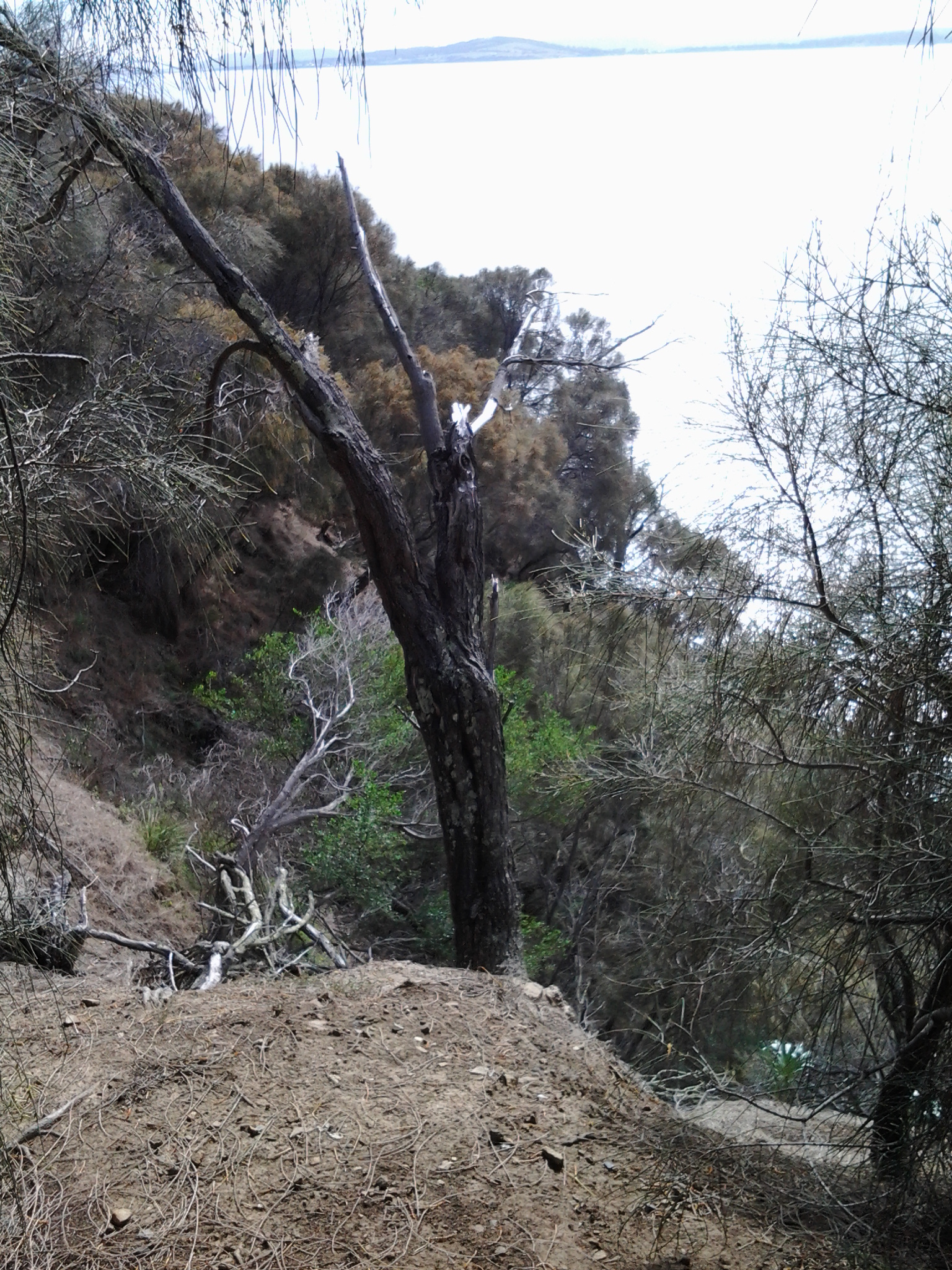
On occasion I could look down the slippery gravel drop offs:

20150224_101315 20150224_101330

From time to time, surprised wallabies crashed away through the bush.  I never knew whether I was more surprised than the wallaby.  I watched wild hens roaming cleared paddocks.  I listened to all manner of froggy sounds emanating from dammed creeks. The occasional cyclist, with tyres whispering along the gravelled bitumen, passed me unexpectedly. These road bikes were always ridden by women and we exchanged brief hellos.

A few vineyards under netting were located on hill sides without afternoon sun – what does that do to the flavour of wine?  Okay – all the sommeliers and expert wine tasters out there.  What sort of wine would you expect to be produced in a cool winter and warm summer climate with the grapes mostly only seeing the morning sun in the summer? Google maps show the ‘street view’ of one vineyard at Bellendena: https://www.google.com.au/maps/place/Bellendena/@-43.037425,147.335291,3a,75y,13.59h,90t/data=!3m4!1e1!3m2!1sGy5X1ubwdRkyt-93Gur9Sw!2e0!4m7!1m4!3m3!1s0xaa6dd119e082ab39:0x68f8df55775fb029!2sTinderbox+Rd+W,+Tinderbox+TAS+7054!3b1!3m1!1s0x0000000000000000:0xce060676af8374e9!6m1!1e1?hl=en I hope you look at this street view and swivel around so you can see the terrain and can appreciate the beautiful country through which I walked.

By ten to ten in the morning I reached “Hidden Cove”, a property which promotes itself as providing a Day Spa and Retreat service: appointments are essential. For a split second I thought I should make a booking for my walk back to Blackmans Bay from Pearsons Point. The idea of a foot massage later in the day was very appealing although I had no idea whether such a service was on offer.  I did take note of the phone number 03 6229 6050 in case I wish to try it out when I return for my walk to Fossil Cove.  Their website makes the business look attractive: http://www.hiddencovedayspa.com.au/

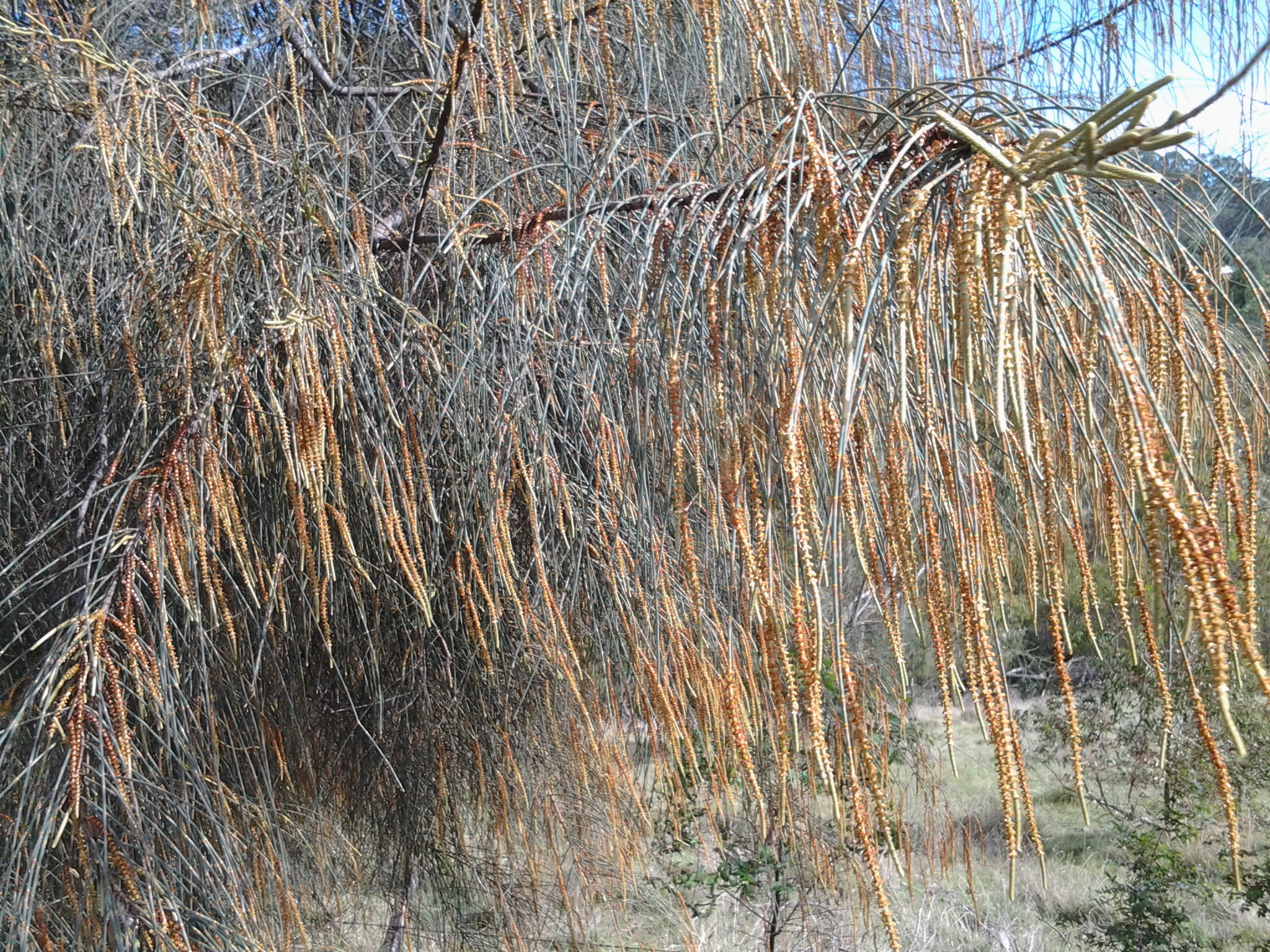
One of the highlights of my walk was seeing casuarina trees ‘weeping’ with the weight of their strands of blooms.  Seemingly so delicate.

20150224_103233 20150224_103250

Pioneering efforts with found objects can be attractive

I am always looking for the quirky and unexpected. Along the early part of Tinderbox Road I noticed many property numbers were mosaiced onto rocks or were on independent panels attached to trees or posts. I wondered if someone had run a mosaic workshop in the locality and the production of these house numbers was the outcome of the learning.

But the creative piece de resistance was the letter box  at 210 Tinderbox Road, shown below. Fashioned from an old milk can and who knows what other cast aside metal items, this ‘bull’ grabbed my attention.  I loved the way the brilliant colours were gradually wearing away. Now I feel inspired to remove my own suburban letterbox and become a little more innovative.

20150224_095219

Does anyone have experience with designing their own ‘one-off’ letterboxes?

Fossil Cove Road T junction with the Tinderbox Road

Close to 9.30am I reached the left hand turn of Fossil Cove Road.

My final decision to proceed to Pearsons Point was made at that juncture.  My reason for wanting to walk to Fossil Cove is that it is on the Derwent River and I would be able to appreciate another part of the River’s western shoreline.  By my reckoning, and never having been down the road to check the situation, I believed the return walk would cover 3-4 kilometres and include steep hills. I thought that if my feet were holding up after I reached Pearsons Point and had returned back to this road then I could finish off the day’s Stage with a walk to see the fossils.  Alas … my feet were not ready for this on the return trip (I still had the walk from there back to a Blackmans Bay bus stop to consider) so I will visit another day to make this deviation from Tinderbox Road.

Including this future walk, I count three additional walks I have promised to do, in order to cover a little more of the Derwent River shoreline. I will return to the area between GASP (Glenorchy Arts and Sculpture Park) and Goodwood on the other side of the Bowen Bridge.  I will find out if I can make special arrangements to visit the industrial property of Nystar which sits against a significant length of the Derwent River.  And finally I will return to walk to the fossils at the end of a track at the end of a road off Tinderbox Road.  Most likely these walks will be undertaken on good weather days in winter when walking inland towards Lake St Clair is impossible because of extreme weather conditions.

To sing or not to sing that was the question

Imagine you are walking along a road and, ahead of you attached to a post is a large sign with one word, SING.  Would you?  Sing?

On this Stage 13 walk when I noticed the sign, I was in a location where I could neither see nor hear any vehicles, and houses and other buildings were absent.  The day was glorious and deserved a song. Without thinking, my mouth opened and I sang.  Full throttle.  (Refer to my first posting for Stage 13 for the song and a You Tube rendition: A new milestone marking the 13th stage of my walk along the Derwent River: I reached the mouth on the western shore.  Whoppee Doo!!)

Breathtakingly delightful. That was freedom at its best. I only felt a little sheepish when I stopped and realised all the birds had stopped making sounds.  The bush was silent except for the hum of bees seeking nectar from native flowers.

I continued on the road and passed another hand painted sign at the entrance of a long gravel driveway. It read: Summer Song.  The sign provided a phone number and declared ‘all welcome’.  I hadn’t needed to walk up a driveway to sing. Besides it was only 9.25am – isn’t anything and everything permissible early in the morning?

Before long I spotted a nest of white wooden bee hives near a house.  I wondered how the owners would label their honey.  Wildflower honey?  Bush honey?  My favourite honey, which is only available in Tasmania, is Leatherwood honey made from the blossom of our native Leatherwood trees. This is a comparatively rare and flavoursome honey, and comes from a different kind of bush wilderness elsewhere in Tasmania.  The website http://tasmanianbeekeepers.org.au/new-page-3/ provides more information about Leatherwood honey.  The purest honey I have yet found is packaged by http://www.miellerie.com.au/ produced by an expatriate Frenchman south of Hobart.

If you are planning to visit Tasmania, then please plan to try some Leatherwood honey on your breakfast toast while you are here.

In writing this posting I discovered five distinct types of native bees exist in Tasmania: Reed bees, Leafcutter bees, Resin bees, Masked bees, and Homalictus bees.  The site http://www.aussiebee.com.au/beesinyourarea.html#maskedbees provides further information and some pictures.  I now wonder which bees were buzzing along Tinderbox Road.

On the long and winding road through the Tinderbox area.

The morning had hardly begun when, a little after 9am, I started walking southwards along the Tinderbox Road, knowing that most of the way would not be and could not be directly next to the Derwent River.

In this area, with the exception of the occasional house surrounded closely by bush (I did imagine most of these households placed their trust against bushfires/wildfires in hope and household insurance), there is no way for easy access to the cliff edges, and there is no track along the top.  I did not think it worth the risk to walk alone in an isolated bush area a long way from a road or houses. I have no doubt it is possible to walk more closely to the Derwent River, but doing so would  not be a smart idea.

No track, pavement or pathway exists beside the two lane Tinderbox Road. Throughout the day I walked on the road when no traffic was in sight or within hearing and I stepped along the verges (where there were any) when traffic was approaching.  Thankfully, there were very few cars and sometimes 10 or 15 minutes would elapse without a vehicle on the road.

The most disturbing vision for the day was a fresh road kill; the glistening innards of a young native animal, a Common Ring Tailed Possum, spread across the road and barely connected to the main body. These possums normally go out for their hunting during the evening and this fellow must have been racing home to bed when struck by a car racing down the road.  The image of a ring tailed possum below was created by Greg Hughes of arrowfire.deviantart.com at http://www.deviantart.com/art/Ringtail-Possum-344619937.

ringtail_possum_by_arrowfire-d5p6eg1

On the upside, I was delighted to have a close encounter with a group of 6 large native Green Rosella birds. My good fortune to see these grand birds at close quarters occurred because the noise of two vehicles crossing paths from the two different directions made the birds comfortable and they did not hear my scrunching sounds as I walked on the roadside gravel. I stopped mid step as soon as I saw these heavy birds. During my walk from Geilston Bay to Risdon, I had the privilege of seeing a couple of these birds close by (read the posting From Risdon to Tommy’s Bight via Porters Bay and finally to the bus stop).  Anywhere on the web, photographs of Green Rosellas can be found easily, however they all emphasise the lime green yellow throats as the main colour. In my experience, their deep green camouflaging backs defines their character.

So … what were the birds doing as I watched them (one was employed only a metre away)? They were snacking on ripe blackberries and loving every moment of it.  Inadvertently I moved a foot and the grating sound surprised them.  The small pack of large Green Rosellas rose from the bushes and, in a flash of blue edged tails, were gone. What a thrill to see them: such private birds. Later a local dismissed my excitement. ‘They are everywhere here, and they try and get my blackberries before me as I work along the canes picking them’, she said.

The Suncoast Headlands Walking Track south from Blackmans Bay

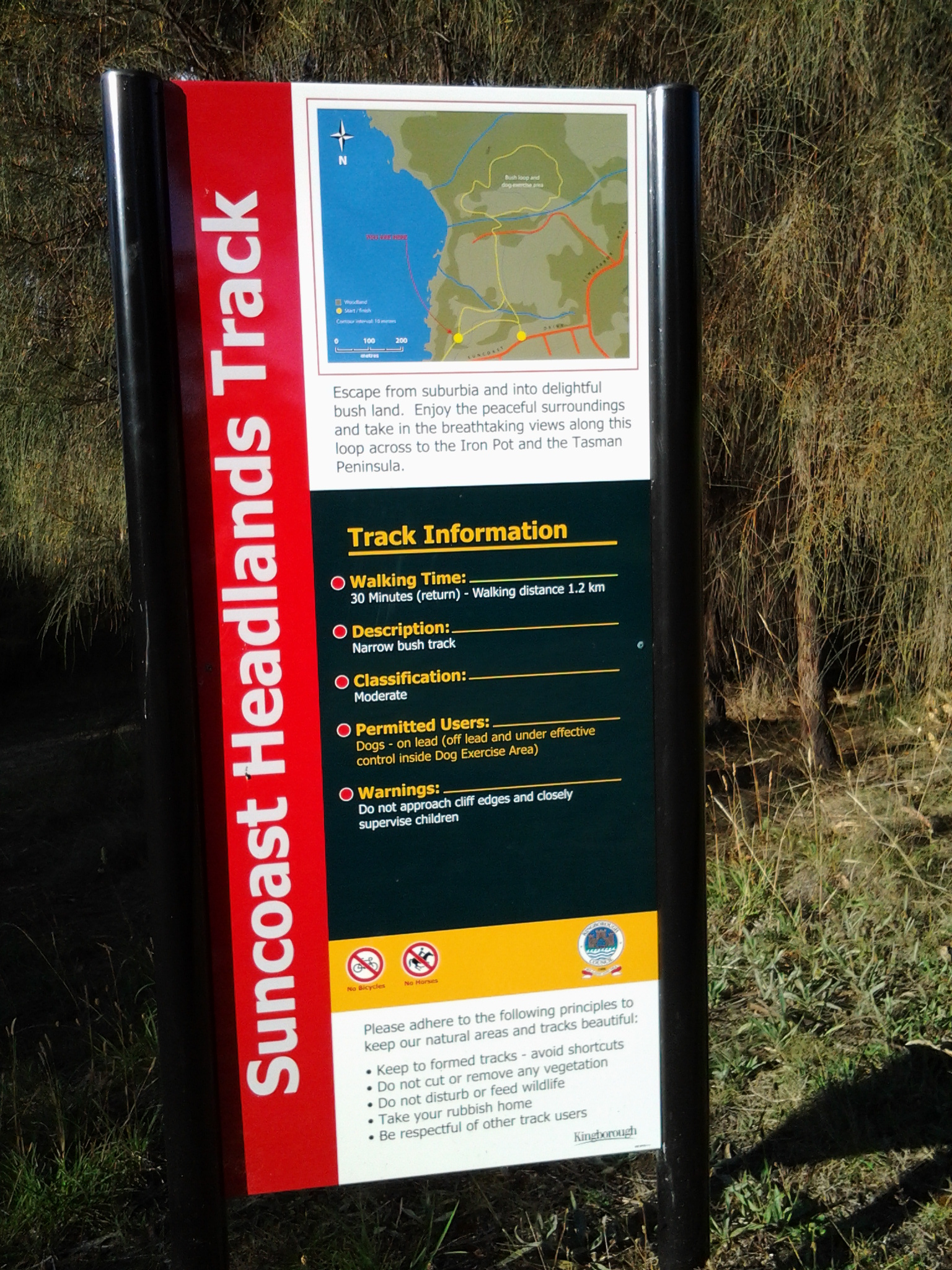
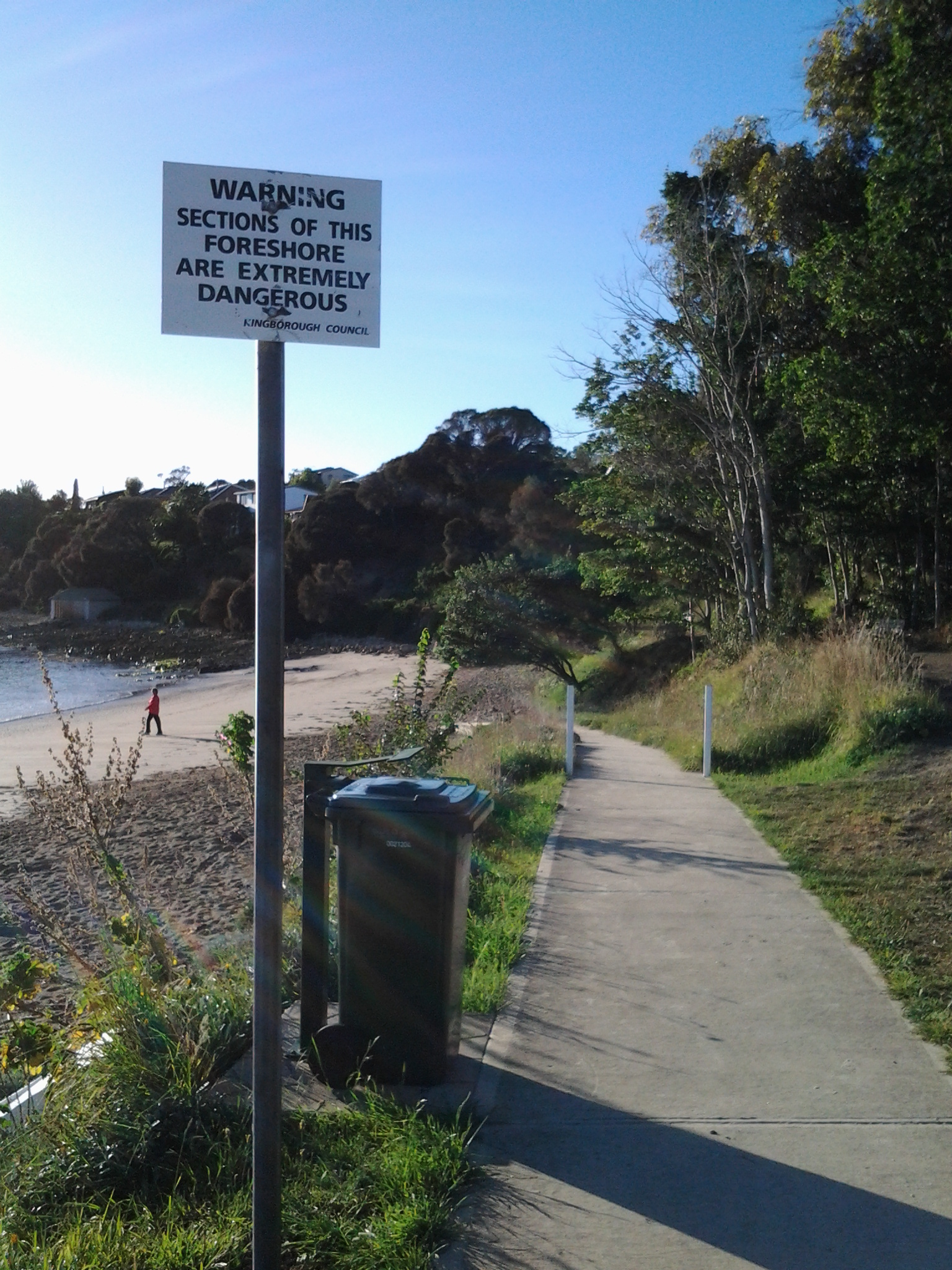
A few minutes before 8am on Stage 13, I started walking on the Suncoast Headlands Walking Track.  Initially, the track ran directly next to the Blackmans Bay Beach and then began to rise up onto the headland and continue between fenced private houses and the Derwent River. The early part of the track was directly west and so I had strong sunlight straight into my eyes, temporarily blinding me from looking at the surrounding vegetation as I walked.

Just after 8am the track turned right and I looked down into a rock edged bay.

20150224_081200

At this point the track was fenced on the River side to prevent walkers slipping over the edge of the cliff. Later on the track was fenced intermittently. I walked up and up higher onto the headland.

20150224_081454

Occasionally I passed tracks leading back into suburban streets.

At 8.13 am I caught a view of some curvy hills in the Tinderbox area headlands way in the far distance.

20150224_081802

At 8.21 am I reached a second Suncoast Headlands Walking Track sign which indicated where the path lay.

20150224_081942

However there were no clearly discernible paths across large expanses of mown grass.  I did the best I could and soon found myself at the Sewage Treatment Plant on the edge of the Derwent.  For a short while I followed a track down to the rocky shore, but at a certain point it was clear that if I reached the water level (and the descent didn’t look anything but potentially dangerous), there would be no way up on the other side of the Treatment Plant.  I retraced my steps. Then I tried to walk along the fence line in front of the Plant, but I soon found this way was impassable.  Wily blackberry canes thwarted further progress. The steep drop to the shore was frightening. And more Kookaburras were laughing. Ha. Ha. Ha. H. H. H. H. Ha. Ha.  So, again I retraced my steps and decided to walk inland along and around the Sewage Treatment Plant’s fence line. There was a semblance of a track on my new route, but obviously I had missed the main ‘thoroughfare’.

I was glad to have walked this way because, for a part of it, I enjoyed moist mosses softly cushioning each footstep.  These mosses were bright lime green in colour.  Soon afterwards, I walked across an area where tall grasses had recently been slashed making it easy to continue.  Of course I did not know where I was going track-wise so, with the sun as my guide, I simply made sure I continued southwards. Once I reached a cleared open meadow with barely visible tracks, I had warmed up, my jacket was off, and I was standing opposite the South Arm township on the eastern shore.  I walked onwards and spotted a tiny yellow sign 50 metres away. From there, at 8.40am, I crossed over the bitumen road that leads to the Sewage Treatment Plant, signed as the Blackmans Bay Wastewater Treatment Plant.

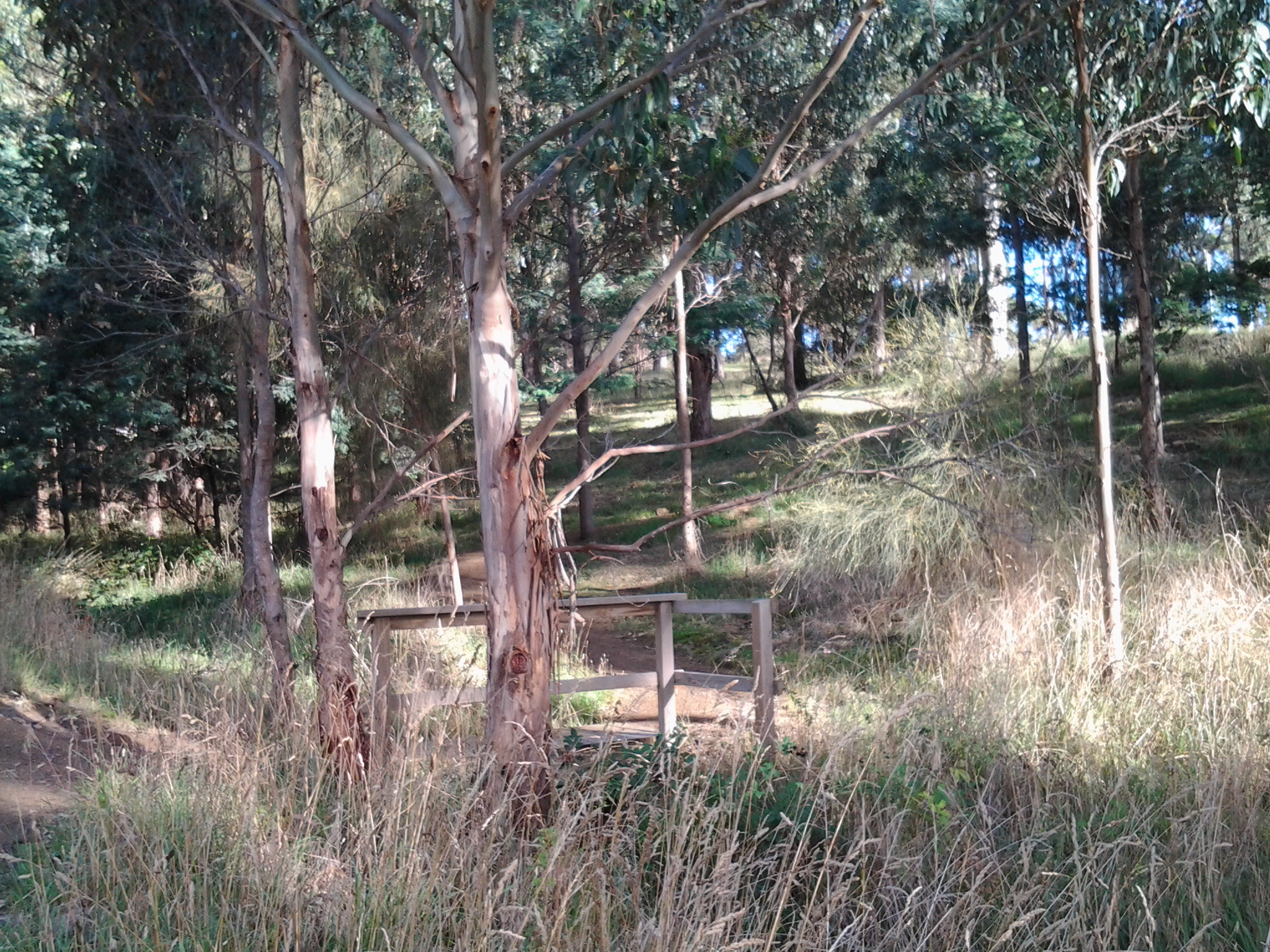
Over the road was a delightful short zig zag track down to an unnamed creek, with a small foot bridge to ensure easy access to the other side.

20150224_084156

I walked through a peaceful grove of gum and wattle trees and found, on the other side, a sign indicating I could walk left or right on a bush loop. I turned left towards the River.  When the loop turned inland away from the River I rechecked my maps and could see the track would never be near the River. I made the decision to retrace my steps and began to continue inland with the intention of reaching Tinderbox Road.

I walked on a gravel track next to the creek until I reached a most unexpected site: a very large area fenced in and designated as a Dog Exercise Area. This is set up with tyres for dogs to jump through, and rows of poles that dogs can practice some sort of slalom around. As I walked past, a massive mowing tractor-like piece of equipment rumbled up and down the large paddock shaving the grass.

20150224_085455

Blackberries galore, waiting to be picked for the pies, lined the creek side of the track next to the Dog Exercise Area.

A few minutes before 9am, I turned left onto the bitumen road that went downhill to the Sewage Treatment Plant and uphill to Tinderbox Road. On the uphill trek I walked between the dense bush and flitting bush birds while listening to their bush songs: Tweets, Chirps, Squeaks and Warbles.

The day was perfect for walking so I began to wonder whether I should aim for the mouth of the Derwent River at Pearsons Point, rather than Fossil Cove many kilometres before the final headland.  As I continued up Treatment Plant Road, and past the Blackmans Bay Scouting Camp buildings (for Joeys, Cubs, Scouts and Venturers) the temptation to head to the mouth strengthened. I reasoned that the day was young, the weather wasn’t too hot or cold and it wasn’t raining, and my feet hadn’t failed me.

At Tinderbox Road I turned left a few minutes after 9am, with the resolve to reach Pearsons Point.

Starting out from Blackmans Bay on Stage 13

Once I was off the bus at Blackmans Bay, the Kookaburras started laughing at me  (again like at the beginning of Stage 12). Ha. Ha. Ha. H.H.H. Ha. Ha. Haa. Was this an omen that I was about to do something foolish? My goal for Stage 13 was to walk to Fossil Cove, and then walk another day for a final stage to the mouth of the Derwent River at Pearson’s Point. If you have already read my posting on the 25 February then you know I reached Pearson’s Point.  Future postings will give more details about this change of mind and destination.

As I turned left from Wells Parade into Hazell St towards the Blackmans Bay Beach, a screech of Sulphur-Crested Cockatoos circled overhead. I was on the beach at 7.45am. The water was calm and I looked over the Derwent River towards South Arm beach on the eastern shore.  The Iron Pot lighthouse on the rocky outcrop just offshore from Cape Direction, on the southern tip of the South Arm peninsula, seemed to stand up from the water like a fat thumb.  Back at Blackmans Bay Beach, the fresh sunny morning was complete with power walkers and dogs leading their owners on a walk. Public toilets are located half way along the Blackmans Bay Beach.  These are the last public toilets for anyone walking further south.

How fortunate Tasmanians are to have morning views along beaches such as that at Blackmans Bay.

20150224_074639

I turned southwards and at 7.51am had reached a tiny yellow sign on a post indicating the Suncoast Headlands Walking Track was ahead. A few minutes later I reached the main sign.

20150224_075230

This sign was accompanied by another nearby.

20150224_075213

I followed the good wide dirt track and initially thought how easy it would be for Mums with prams or people in wheelchairs to follow this path. But not so. Not much further along, I needed to climb rough dirt and log stairs and I encountered such interruptions to a smooth walk a number of times.  There were occasional splits in the track without signage, so it is possible to walk a little way off the main track before you realise what is happening.

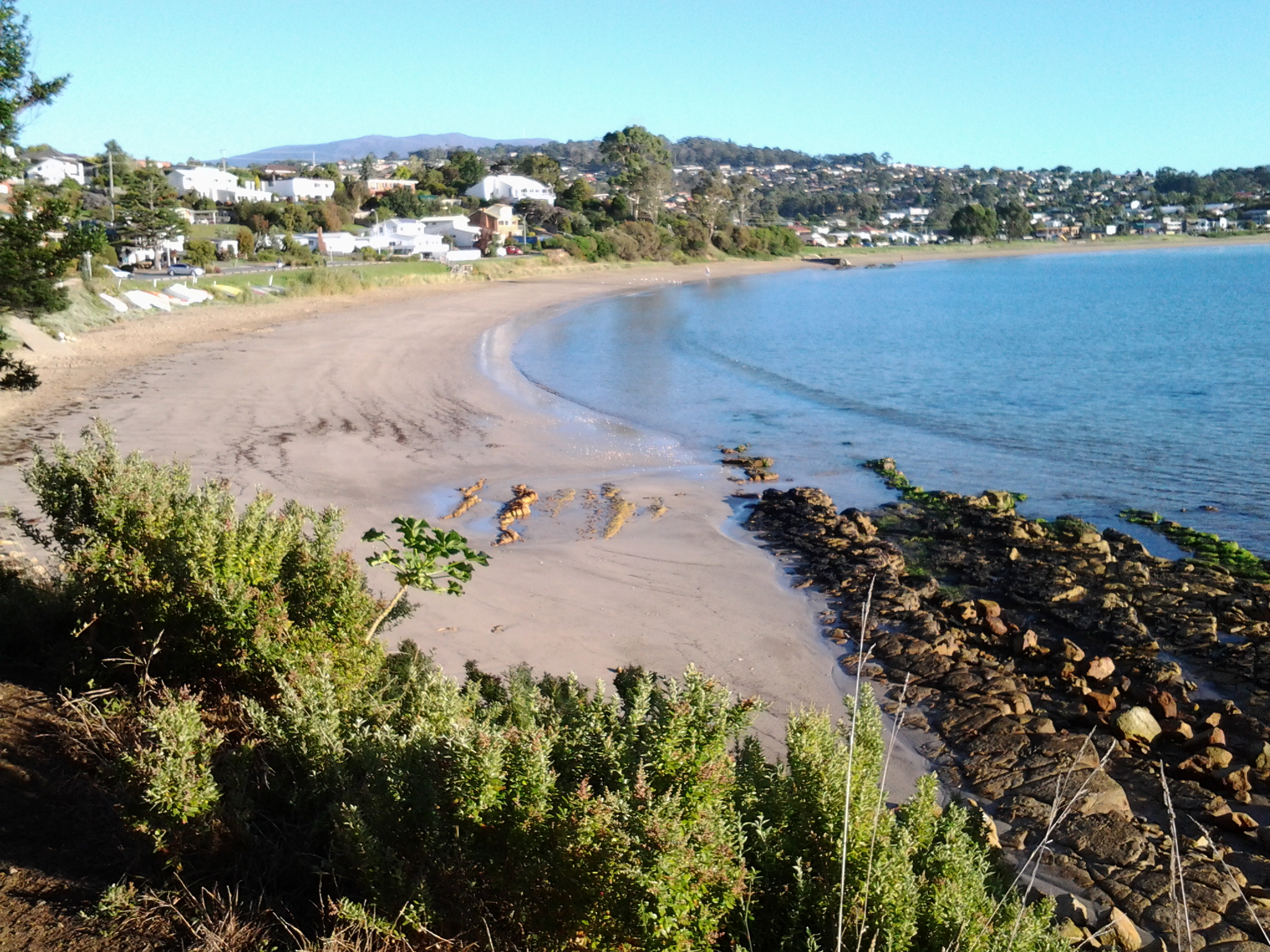
How gorgeous the morning was.  For example, the photo below is looking back to Blackmans Bay Beach.

20150224_075545

In the photo below, the rocky outcrop at the far end of the beach is where the Blackmans Bay Blowhole is located (my Stage 12 walk there was described in Nudging my way into Blackmans Bay on Stage 12 of my walk along the Derwent River).

20150224_075925

Before my walk along the Derwent River last Tuesday

As my bus from home into Hobart city passed over the Tasman Bridge before 7am, I looked down onto a dozen or so rowing boats slipping along the Derwent River. The wedges that their passing craft made were the only patterns on the still surface of the River.

The morning was suffused with golden light forewarning the rise of the sun over the hills.  The few wisps of cloud in an otherwise blue sky were coloured silvery pink.  The temperature was a brisk 8 degrees, but I felt clean and alive prompted by such a vital looking day.

Once in the city, I walked to Franklin Square ready to wait for the next bus to Blackmans Bay, my starting point for Stage 13. While waiting, I walked through the park and admired the grand symmetrical fountain splashes around a large bronze sculpture of the eminent 19th century Rear Admiral Sir John Franklin.  Overhead, I watched a squawk of Sulphur-Crested Cockatoos, with their wings lit by the first rays of sunshine, flying as a family.  Street cleaners were clearing rubbish bins and pathway surfaces.  Very few other people were out and about in the centre of the city (people were being active in the suburbs before commuting to work in the city a while later).

The large public chess set had been set out and was ready for play.

20150224_071013

As the sun struck the Treasury buildings at one end of Franklin Square park, clusters of fat seagulls (Silver Gulls) were nipping at early rising insects across the grass lawns.

Metro bus number 84 departed at 7.17am. By 7.33am we had climbed up and travelled along the Southern Outlet and were passing through Kingston. This gave me a clear cut side view of majestic Mount Wellington.  Every rock was hard edge and clear. The air was so clean.

At 7.41am I stepped off the bus at Wells Parade in Blackmans Bay, the location where I had finished Stage 12 of my walk.  The final walk to the mouth of the Derwent River was about to begin.

Magpies singing

I always love hearing the voices of magpies singing in the bush, and it was no different during my Stage 13 walk.

Today, a follower has made a comment about the connection between blackberry pies and magpies, and then went on to make the connection with the Australian Rules League football match being played tonight in northern Tasmania. One of the teams happens to be ‘my team’ (Collingwood known as the magpies) but unfortunately I can’t be in the stadium to cheer them to a win.

Collingwood logo

The website http://www.afltas.com.au/hawthorn-v-collingwood-launceston-2015-nab-challenge-fixture/ reports that The 2015 NAB Challenge will kick off with a match between Hawthorn and Collingwood at Aurora Stadium on Thursday, February 26 … Launceston Mayor Albert van Zetten said “Hawthorn are back-to-back premiers and this will be their first outing for 2015. On top of that we have another tier-one side in Collingwood, playing their first match at Aurora Stadium and first ever official match in Tasmania. It’s also a fantastic way to kick of the celebrations for the 150th year of football in Tasmania and we would like to acknowledge the role of AFL Tasmania CEO Scott Wade in working with the AFL to bring Collingwood to Tasmania.”

The Collingwood team have the largest paid up membership of any of the AFL teams and  members usually fill the large mainland stadiums when games are played.  In so doing, when the Collingwood team plays, the crowds throng and any match is expected to provide a good revenue stream on the gate.  So, I believe this is the reason the League has never let Collingwood play in Tasmania before, because our island population is so small, our stadiums are smaller by comparison and the entry gate takings are less.  The fact that my magpies are coming to Tassie is a softening of the old approach. Admittedly tonight’s game is not part of the main roster and is part of a warm up series before the main games start later in March.  But the team is here and probably in the early hours of warming up for the big game. ” ‘Carn the ‘pies!”

I have loved the magpie birds all my life.  Perhaps that is why I chose Collingwood to be ‘my team’ when I was a child.  Followers will have seen me mention the song of the magpies on many stages of my walk along the Derwent River.

Blackberry pie for dinner tonight?

During the Stage 13 walk, I noticed blackberry canes running wild and plump with glistening black berries.  Fruiting blackberries grew rampant on the sides of the roads.  On my return trip to Blackmans Bay from Pearson’s Point, I sampled the odd juicy berry; they were sufficiently sweet to enjoy but sufficiently tart to add sugar in the cooking if wished.

My thoughts flew to hot blackberry pies. I imagine as you read this that, if you have known such leasure, you are licking your lips and savouring the memories of their deliciousness.

As I walked, I considered how easy it would be to make a pie.

For Hobart locals, I thought you should buy a pack of frozen puff pastry on the way home from work or wherever.  Throw it into the fridge, grab your pie dish, jump in the car or take a bus then travel through Blackmans Bay and onto the Tinderbox Road.  When you have passed the intersections with Wells Parade and Suncoast Drive, the next road left is the Treatment Plant Road.  Drive/walk down this road until you reach the Dog Exercise Reserve.  Walk to the left of the enclosure just a few metres and all along the path are easily accessible blackberries ready to be picked.  Fill your pie dish. Alternatively you can continue driving up Tinderbox Road and stop wherever you see the multiglobes of these very ripe berries.

When you get back home, if you wish, sprinkle with sugar to taste.  Place a slab of puff pastry over the dish.  Make some fancy holes with the fork tines to let the steam rise away from the pie so the pastry becomes crisp, then place in a preheated oven and bake around 200 degrees until the puff pastry has risen and turned a golden colour.  I know some people eat their portion of blackberry pies neat, while others scoop icecream or pour cream over the dish.

Nowhere did the berry bushes seem as if they had been sprayed with pesticides. I talked with a local woman who was picking berries off the fence line at her property and she was confident none had been sprayed. I suffered no ill effects from eating them.

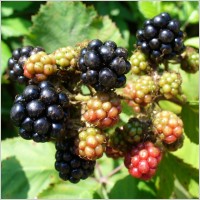
If you are a reader who has never seen a blackberry, here is a photo:

blackberry_blackberries_fruit_224333 free image blackberry_186056

Please tell me if you are now inspired to make a blackberry pie, if you live somewhere close to fruiting blackberry bushes.

A new milestone marking the 13th stage of my walk along the Derwent River: I reached the mouth on the western shore. Whoppee Doo!!

Yesterday, I completed the first part of my walk along the Derwent River: an exciting achievement.

Last August I started walking from the mouth of the River at Cape Direction on the tip of the South Arm peninsula and now, at the end of February, I have completed the distance from that mouth to the Bridgewater Bridge and back on the western shore to Pearson’s Point near the settlement of Tinderbox.

On the 8th stage mid-November, I had the first major milestone when I finished the walk from Cape Direction to the Bridgewater Bridge. This 13th stage was the culmination of walks from the Bridge back to the mouth on the western side of the River.

During yesterday’s walk, I covered about 5km of the length of the Derwent River.  By my reckoning, the total distance of the Derwent River on the western shore from the Bridgewater Bridge to the mouth is 38 3/4 km.

For Stage 13 yesterday, I needed to walk to Pearson’s Point from the bus stop where I finished on Stage 12 and then, on reaching my goal, I needed to retrace my steps back to Blackmans Bay to connect with a bus that could return me to Hobart.  This distance was approximately 17 kms. I have now walked at least 171km not counting getting to and from buses.  But when the walks are staggered over time, this number does not mean much.

The highlights of the walk to Pearson’s Point were mostly small and natural: rosehips, green rosellas, hum of bees, resting sheep, and the taste of delicious ripe blackberries along the way.

20150224_103540

I was surprised how close the northern part of Bruny Island was to the mainland of Tasmania (almost felt like I could swim across the D’entrecasteaux Channel) and I felt overwhelmed by the staggeringly expansive and grand views across and up and down the Derwent River.

20150224_114137

The fun part was singing (including mixing up the words in my excitement) Handel’s Hallelujah chorus (from The Messiah) at the top of my voice when I passed a large sign with the words SING. You can listen to a superb version performed in 2012 by the Royal Choral Society at the Royal Albert Hall in London England at https://www.youtube.com/watch?v=IUZEtVbJT5c

https://www.youtube.com/watch?v=IUZEtVbJT5c

Over the next few days I will write up the journey and the discoveries of Stage 13’s walk.  Then I will be looking towards a long main road walk from the Bridgewater Bridge at Granton to New Norfolk which I expect to undertake in the next couple of weeks.  Once I have reached New Norfolk I will be on the way to Lake St Clair, the source of the Derwent River.

Opera (not Oprah) and the Derwent River

How can I make a connection? This blog is not meant to be a diary of my life rather a record of my walk along the Derwent River in Tasmania. However, when I experience something wonderful I feel enormous pressure to share.  My challenge, therefore, is to make a reasonable connection with the Derwent River.

Yesterday I watched, via their program ‘Live in HD’, one of Metropolitan Opera’s (New York) latest performances of Richard Wagner’s opera Die Meistersinger von Nürnberg.

The connection I am making is slim and relates only to the location of my viewing.  The opera was screened in MONA’s (Museum of New and Old Art) Cinemona theatre.  Long term followers of this blog will know that this internationally renowned Museum is located directly on the western shore of the Derwent River within the Greater Hobart Area (I walked there in Stage 9 and left there on Stage 10).

Another tidbit of connecting information is that a 3 Act opera named ‘Mona’ was premiered at the Metropolitan Opera just over a century ago (yes I am clutching at straws).  In her book American Opera, Elise Kuhl Kirk remarks: “By the time Mona was given its premiere at the Metropolitan Opera in 1912, audiences had wearied of German ideology. Parker’s heroic libretto was ‘somewhat grey’ some said … Parker admired … Wagner.”

The Met’s latest performance of Wagner’s Die Meistersinger von Nürnberg was definitely not grey. It is the story of a man in love who needed to become a mastersinger, but had no experience and possibly no talent, in 16th century Nuremburg Germany. Richard Wagner wrote and composed this opera in the 1860s.

Through their ‘Live in HD’ program, the Met releases a series of operas around the world each year.

Years ago, the CMAX at Devonport on the northwest coast of Tasmania was the only cinema in this State to screen the series. In the past couple of years MONA at Berriedale has also offered the fabulous opportunity to see what amounts to current performances (the actual performance would have been staged in New York only a few weeks ago), current sets and current sophisticated back-stage technology.  The singers are world class at the top of their careers, and the sounds they make can be sublime. During the intermissions, routinely a notable opera singer interviews members of the cast, sometimes the conductor of the orchestra, the Stage Manager or others – all of which adds immeasurably to the pleasure of the experience.

Die Meistersinger von Nürnberg is Wagner’s longest work and the performance lasts over 6 hours including the two intermissions.  The outside temperature in Hobart was very warm yesterday so being able to immerse myself inside watching the performance made me feel extremely fortunate.

Words such as thrilling, brilliant, overwhelming, powerful, breathtaking, and rousing all come to mind when I remember my experience – especially in the third Act.  This opera will be rescreened at MONA tomorrow (23rd Feb) and again on Friday 27th Feb for anyone who is interested to visit MONA by the Derwent River.  I feel sure you will have heard the main theme of this opera before: check out the start of an orchestral performance at  https://www.youtube.com/watch?v=JKG8ZxEOdwE  (Published on Apr 6, 2012 Full Opera Recording “The Mastersingers of Nuremberg”. Sung by Theo Adam, René Kollo, Geraint Evans, Peter Schreier, Helen Donath, Ruth Hesse. Recorded by Staatskapelle Dresden and the Chorus of the Staatsoper Dresden. Conducted by Herbert von Karajan (EMI, studio, 1970).)