Tag Archives: Hobart

Wild West with Ray Mears

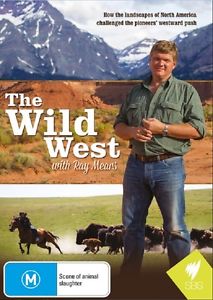
Blog reader, Be, alerted me to the third in a BBC program series, ‘Wild West with Ray Mears’. This episode focused on mountains and followed Mears travelling through the Appalachians, the Rockies and the Sierra Nevada to evaluate the landscape and its effect on the early European settlers as they moved west in North America.  Be indicated there was river edge walking and this reminded her of my quest to walk along the Derwent River in Tasmania – so I was eager to watch the documentary.

Ray Mears and Wild West DVD cover

I found that Ray Mears did access various rivers and streams to emphasize parts of his story, but direct connections to my walking project were slight. However, I found his story to be important because it has prompted me to ask new questions about the Derwent River and its most recent European settler history.  Hopefully others have already conducted research and can supply me with some answers – any leads will be welcome.

  • After initial settlement in Van Diemen’s Land at Risdon on the Derwent River in 1803, what was the nature of the westward push along the Derwent River by European settlers? Do we have names of the people and families of those who moved west? What are the dates associated with these movements?  What are their stories?
  • Why did they move along the River? Did they stop and set up camp, house or agricultural property? Do those buildings or farming properties still exist?  Is the land now in private or organisational hands or is it Crown Land? Or were people only passing through?  If so, what was their intended destination? Did people moving inland along the Derwent find some parts of the wilderness edging the River made their further progress impossible so that they moved away from the River? What are the movement stories?
  • To what extent was the River used for transport between Lake St Clair and New Norfolk? Where and when? What was transported on the River? Can anyone name ships/boats that were used? Were there recognised ferries across the River above New Norfolk?  I know the Derwent River has a series of rapids further towards the source.  Did these inhibit river travel?
  • In the rivers of the United States’ Rockies mountains, the ‘mountain men’ trapped beavers for their fur. Their fur was used to create a strong felt which could be used for those increasingly tall hats that were fashionable in the 18th century. What was the nature of any trade in possum skins and those of other animals that might have persuaded hunters to walk the Derwent River?  What are their stories?
  • Massive removal and usage of natural resources supported the westward movement of European settlers across America. When did forestry operations and logging commence west of Hobart in the Derwent Valley and how was the Derwent River used to support those operations? What mining expeditions and investigations were made along the Derwent River? When and by whom?  What were the outcomes of these searches and trials and finds?

Ray Mears met with a muleteer who explained why he loved being in the wilderness: ‘I leave no trace as I pass and just move through like a shadow’.  I hope that is how I walk.

A traveller – at the Salamanca Market set up by the Derwent River

Since April I have been waiting for the weather to warm up so I can continue my walk to the source of the Derwent River more comfortably. Between then and now my posts have connected with the Derwent River by various degrees. This posting is no different. Months ago I walked past historic Salamanca in Hobart as I walked the edge of the Derwent River and last Saturday, I headed back again to the area for the renowned Salamanca Market.

The big find was an Englishman who has relocated to live in Tasmania and had set up a stall to sell his book.  A few years ago his Tasmanian wife lured him here for a holiday and when she flew back to England, he decided to return by hitching his way half way around the world.  After starting from Hobart by accepting a lift on a Sydney to Hobart Yacht Race yacht returning to Sydney, his trek took 6 months via the countries north of the Himalayas.  Apparently it only took 800 rides, through 19 countries! Out of the adventure and experiences Jamie Maslin wrote his story: ‘The Long Hitch Home’.

The Long Hitch Home Jamie Maslin book cover

In more recent times, Jamie has relocated to Hobart for permanent residence.

Past posts have indicated my awe and amazement about the achievements of people who take on, what seem to me to be, herculean tasks – These always excite me to make yet another step.  Inspiring others to make the first step in their own backyard is one of the goals of this ongoing blog.

Bear Grylls guidance

Barely a newspaper or magazine doesn’t publish a story about Bear Grylls, so it seemed only reasonable that I find a way to incorporate him into this blog. His is a life of extreme adventures and fighting for survival in tough environments, so a peaceful walk along a placid river seems a long way from his favoured pursuits.  And none are documented.  However, it is Bear Grylls guidelines for daily life which are useful for me to recall even if the going is easy.  Some of these ideas are recorded below.

  • Make the first step – that should empower you to take more steps. ‘There’s great power in just beginning and committing to action, even when you don’t feel like it.’
  • Challenge yourself – ‘I believe we are like grapes and it is only when we are squeezed that we can see what we are really made of.’
  • Try something you’re afraid of – ‘My Dad inspired me not to be afraid to go for things and take a few risks.’ ‘Failure is never failure rather it is a stepping stone to success.’
  • Energise your day – ‘a little fresh air can do the world of good.’ ‘Almost all cities have some great iconic open spaces and parks. Use them.’

After reading this list, hopefully blog readers will be inspired to get out and about. I found another blogger at http://cdeanblog.blogspot.com.au/2012/04/derwent-river-flows-and-present-people.html referenced Bear Grylls when she faced her fears and descended the cliffs into the Blowhole at Blackmans Bay, located a few kilometres short of the mouth of the Derwent River near Hobart.  Good for her!

From the Nile River in Africa to the Derwent River in Australia

The Nile River in Africa and the Derwent River in Tasmania Australia.  On two different sides of the world.

Q.     What connects these two rivers?       A.     Agatha Christie

You gasp.

In 1922, the now-world renowned detective fiction novelist Agatha Christie took herself on a ten-month Grand Tour of the British empire, including South Africa, Australia, New Zealand, and Canada. Previously she had spent time in Egypt with her mother in 1910. Her travels helped flesh out details for many of her ‘who-done-it’ mysteries.

For those of my blog followers who have not been devotees of Hercule Poirot, I recommend you read Agatha Christie’s story of Death on the Nile written in 1937, visit the theatre to see Murder on the Nile the 1944 play based on the novel, or watch anyone of the many films that have been produced based on this story. I would be surprised if you cannot access something on the internet.

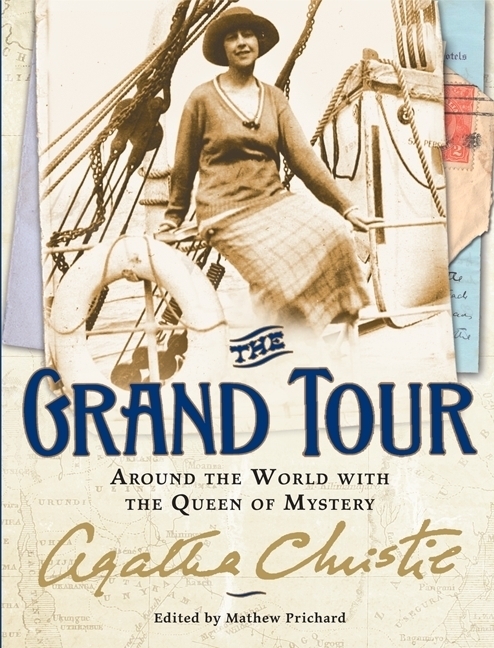
The correspondence of her travels has been collated into the publication The Grand Tour: Around the World with the Queen of Mystery.

 Grand Tour Agatha Christie bookcover

In this book we can read “From Australia we went to Tasmania, driving from Launceston to Hobart. Incredibly beautiful Hobart, with its deep blue sea and harbour, and its flowers, trees and shrubs. I planned to come back and live there one day. From Hobart we went to New Zealand.” Agatha Christie is, of course, referring to the expansive harbour on the sea end of Tasmania’s Derwent River.  She was also making a typical mistake that some mainlanders and most international tourists make. Tasmania is still part of Australia, even though it is a large island to the south.  So, when she left Sydney New South Wales Australia, I suspect Agatha sailed into Launceston Tasmania Australia.

A book reviewer at http://www.amazon.com/The-Grand-Tour-Around-Mystery/dp/006219125X: remarked “The Grand Tour is a fascinating collection of never before published letters and photographs detailing Christie’s travels around the British Empire in 1922. Most of the letters were sent to her mother and included photos taken with Christie’s own camera as well as newspaper clippings and various memorabilia. This collection is an insight into the thoughts and mind of a young Agatha Christie who had just published two novels and would later become the most widely published author of all time. She and her husband, Archie, embarked on a year-long voyage as part of a promotional trade mission, so there was work involved as well as various obligations as they visited South Africa, New Zealand, Hawaii and Canada. Her letters to her mother were, of course, candid which for this reader greatly added to their charm. I especially enjoyed Christie’s slightly wicked sense of humour, such as when she describes a fellow passenger as “the only young thing on the ship, but although very pretty, is a terrible mutt.” Her observations of both people and places are acute and fascinating to read.  Mathew Prichard, Christie’s grandson, has done an excellent job of collecting, editing and introducing these letters. We are in his debt for The Grand Tour reminds us that Christie was not only an outstanding author but a remarkable woman as well.”

The back cover of the book records:

“In 1922 Agatha Christie set sail on a ten-month voyage around the world. Her husband, Archibald Christie, had been invited to join a trade mission to promote the British Empire Exhibition, and Christie was determined to go with him. It was a life-changing decision for the young novelist, a true voyage of discovery that would inspire her future writing for years to come.

Placing her two-year-old daughter in the care of her sister, Christie set sail at the end of January and did not return home until December. Throughout her journey, she kept up a detailed weekly correspondence with her mother, describing the exotic places and the remarkable people she encountered as the mission travelled through South Africa, Australia, New Zealand, Hawaii, and Canada. Reproduced here for the first time, the letters are full of tales of seasickness and sunburn, motor trips and surfboarding, glamor and misery. The Grand Tour also brings to life the places and people Christie encountered through the photos she took on her portable camera, as well as some of the original postcards, newspaper cuttings, and memorabilia she collected on her trip.

Edited and introduced by Agatha Christie’s grandson, Mathew Prichard, and accompanied by reminiscences from her own autobiography, this unique travelogue reveals a new adventurous side to Agatha Christie, one that would ultimately influence the stories that made her a household name.”

Hobart to Lake St Clair in 1850; mostly by foot.

Another of the stories published in Hilary Webster’s compilation: The Tasmanian Traveller A Nineteenth Century Companion For Modern Traveller, recorded the Journey of F.J. Cockburn who on foot travelled ‘From Hobart to Lake St Clair and Return’ in 1850.

The Tasmanian Traveller

Cockburn seems to have been the butt of nonsense advice when he asked around for the best time of year to walk from Hobart to the remote inland Lake St Clair, which is located roughly in the centre of Tasmania. He tells ‘I received replies which induced me to start on May-day.’  By that time of year, temperatures are plummeting and the further you progress away from the coast of Tasmania the more the rain settles in.

He took a steamer to New Norfolk and then it rained for 4 days.  On one of these early walking days he found an essential bridge had been washed away with the deluge. His crossing was memorable. ‘The river remained impassable until 7th, when by letting a long ladder down from the remnant of the bridge onto the ruins of one of the piers, I was able to cross, like a monkey, before an admiring audience’.

Miles later he ‘stopped at a little eating house, in a damp situation surrounded with wet fields …” What was wrong with F.J. Cockburn’s powers of perception?  All the weather signs indicated that proceeding further at that time of the year was a bad idea.  Then came more reasons for abandoning the walk; ‘the last six or seven miles of my day’s journey was along a regular wild bush road, affording admirable opportunities for murder and robbery.’

Despite these factors, F.J. Cockburn persisted with his journey. After losing his way at one point he came across a hut with two shepherds who fed him mutton chops, damper and tea. “My bed was formed on the floor near the fire, of sheepskins, and I was very thankful that it was too cold for fleas.”

When he reached Lake St Clair, his appreciation of the lake was stymied. ‘The sides of the lake being covered with dense forest, almost impenetrable, it cannot be seen to advantage without a boat, and boat there was none.’

Cockburn summed up his experience of Lake St Clair as ‘certainly a gem in its own way. It is as fine as any Scotch lake of its size, excepting in the beauty of the foliage on the banks. It was a wild and striking scene.’

F.J. Cockburn carried a satchel weighing ‘about twelve pounds: one shooting coat, waistcoat and trousers; one pair of shoes; three shirts; three flannel waistcoats; three pairs of socks; three handkerchiefs; one pair of braces; one neck-tie; one travelling dressing case – and when I started, half a pound of “nailrod” tobacco.’  I can’t help wondering how small this man was – these days the clothes on this list would weigh much more for the average sized walker.

He concluded ‘on the whole I was pleased with my trip; the roads were bad, the country wet and the air cold, but on the other hand, the grass was more vividly green than at any other time, the air was clear and crisp, there were no fleas, and walking was pleasant in the cold.’

Long-term followers of this blog know that I found the start of my last walk (in April) from Bridgewater/Granton to New Norfolk way too cold. This led me to the decision to put on hold any further walking towards Lake St Clair until Springtime when the temperature starts to climb towards summer.  I am in awe of walkers around the world who like being cold and wet and find pleasure in achieving walking goals in such environments.  Perhaps I am too soft!

More natural beauties stages 11 -14

As some followers remarked on earlier postings, my selection of past photos on different walk stages has given me a chance to ‘relive’ the experiences. Here are some favourites from the last 4 stages of my walk along the Derwent River.

20150119_071956

I love the Hobart wharf area with its crab and other fishing vessels.

20150119_072334

I love the pretty 19th century buildings lining Hunter St, one of the first settled areas in Hobart.

20150119_071536

I love the drama of the Federation Concert Hall where the Tasmanian Symphony Orchestra presents great performances.

20150119_073636

No water is spared. The Parliamentary gardens are always lush and green.

20150119_084657 20150119_101600

I love the juxtaposition of the old and new: at Wrest Point Casino; at Lower Sandy Bay’s Blinking Billy against new modern houses.

20150119_085149 20150119_100336

Fresh beaches. Serenity.

20150119_095728 20150119_130442

Public sculpture.

20150119_124053 20150202_142013

Coastal walking tracks.

20150224_075230

Great signage

20150202_095936

The heritage listed Shot Tower near Taroona

20150202_112545

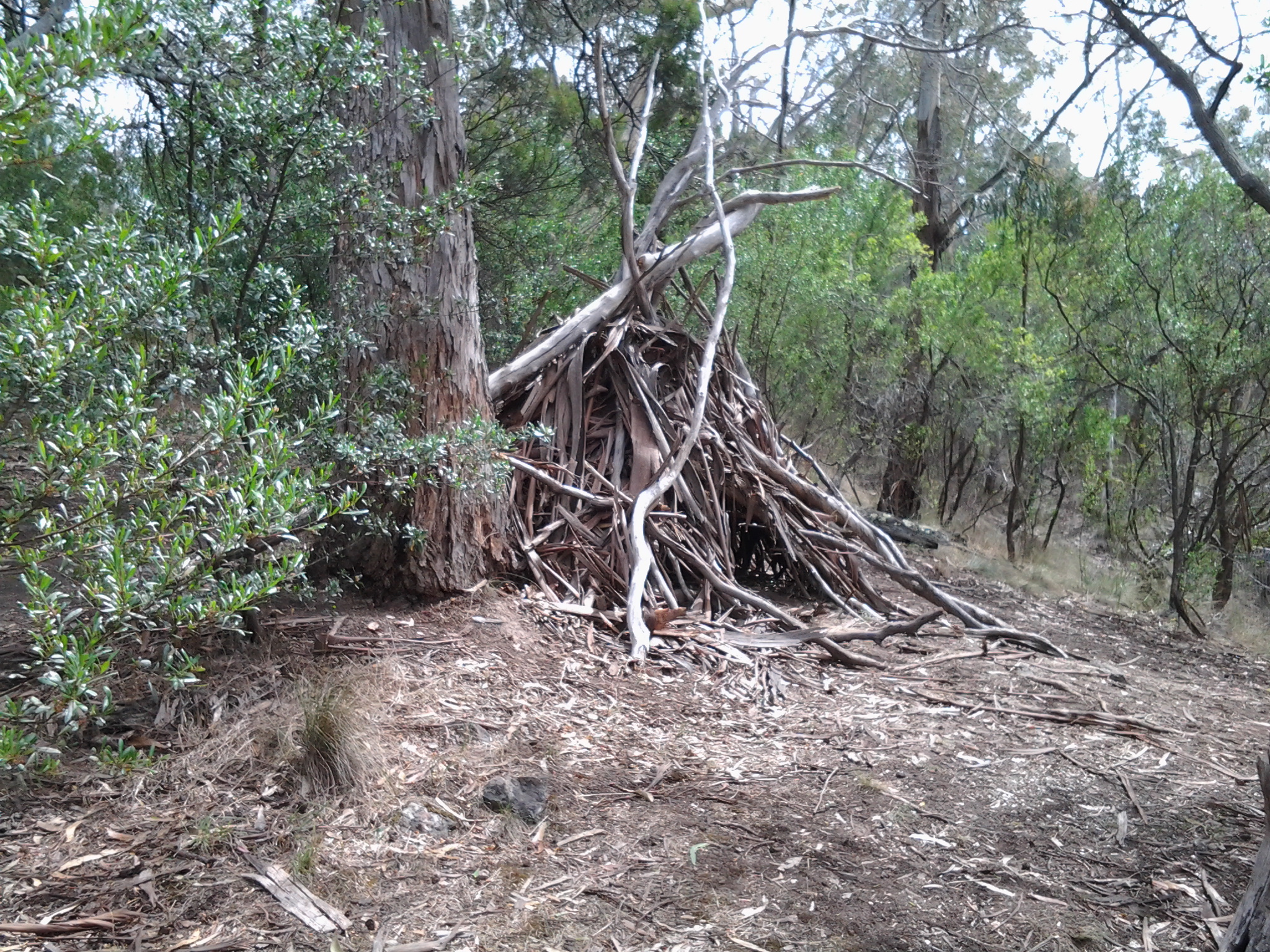
A rough bark and branch ‘hut’ near a track. Shelter from any rain?

20150202_142352

Natural rock caves

20150224_081151

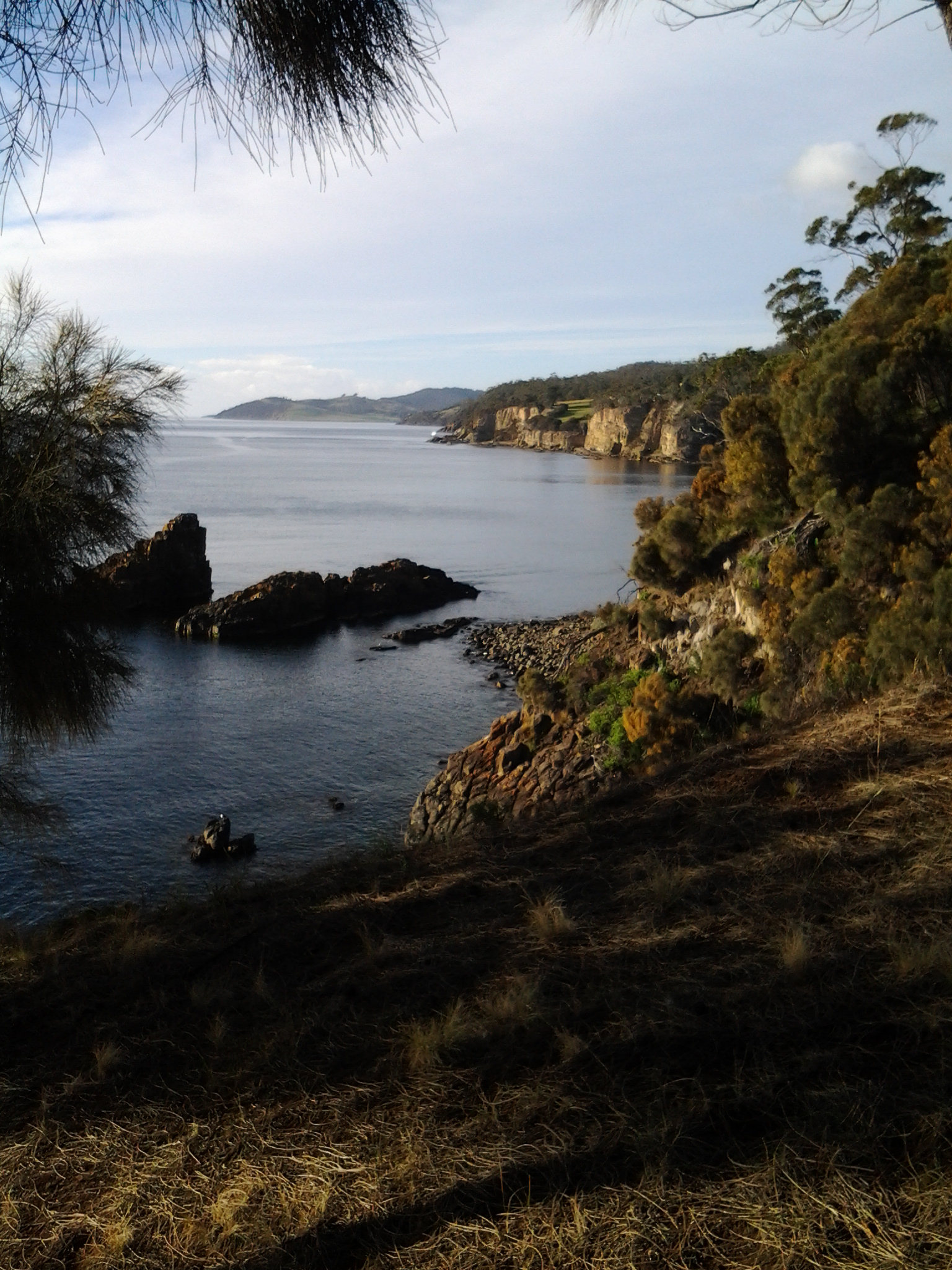
Dramatic viewpoints

20150413_125912

The sun. The reflections.

20150413_131826

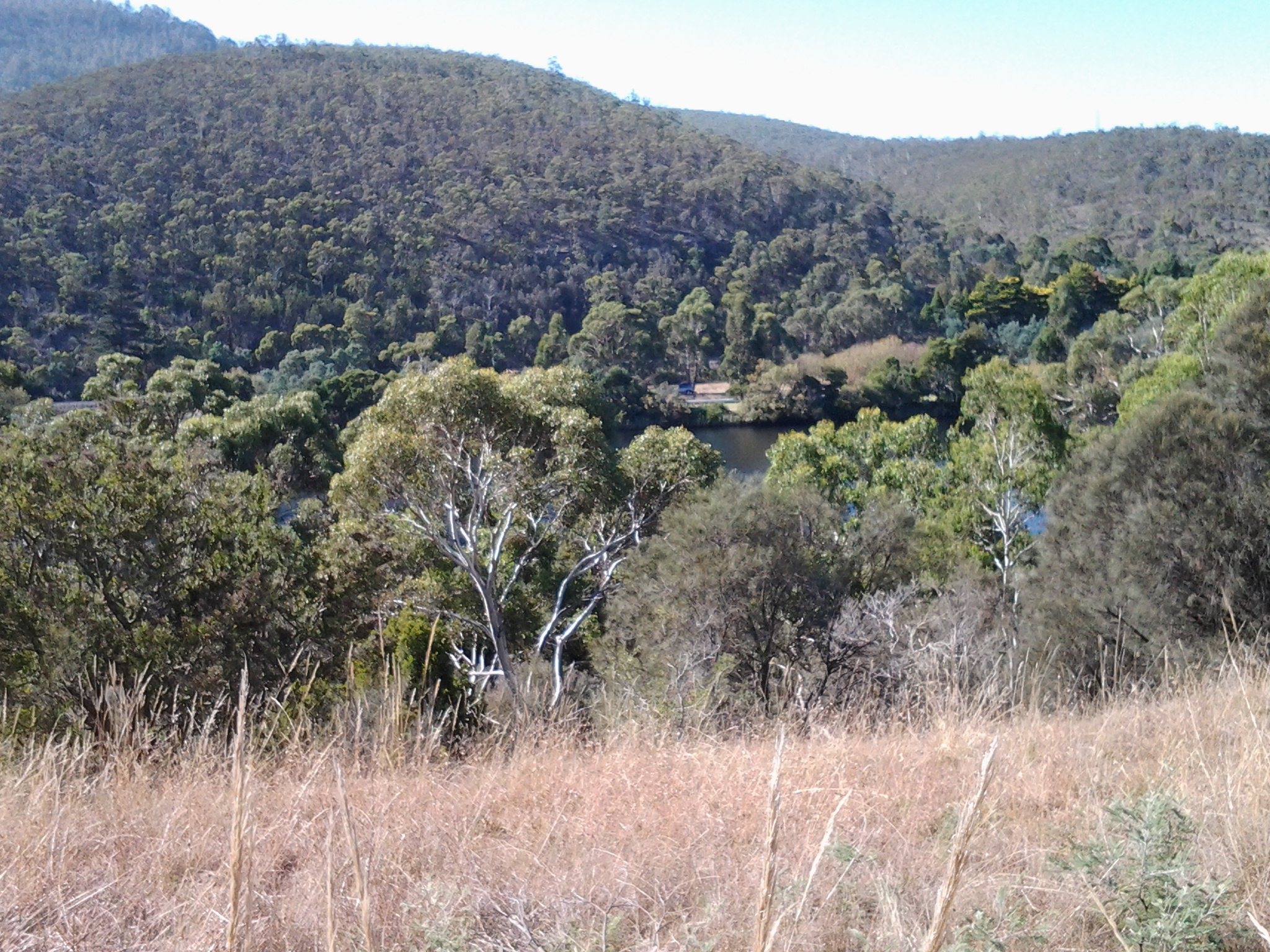
Looking at, listening to, smelling the bush.

20150413_140030 2015-04-13 15.11.08

And I appreciate the glories of introduced trees and man-made vistas.

Collectively these images provide a reminder of what sits beside the Derwent River as it flows from New Norfolk to its mouth.

Another revision: naturally therapeutic images from stages 7-10

I can’t help myself. Having reviewed my favourite images from the first half a dozen stages of my walk along the Derwent River, I felt compelled to continue looking through my collection from the subsequent walks.  I have chosen photos showing aspects of both the natural and man-made world and I believe all will prompt thinking about the Derwent River, Hobart and its suburbs, and the natural environment. My selection of the images with the most memorable impact for me, from stages 7-10, are given below.

20141031_094126

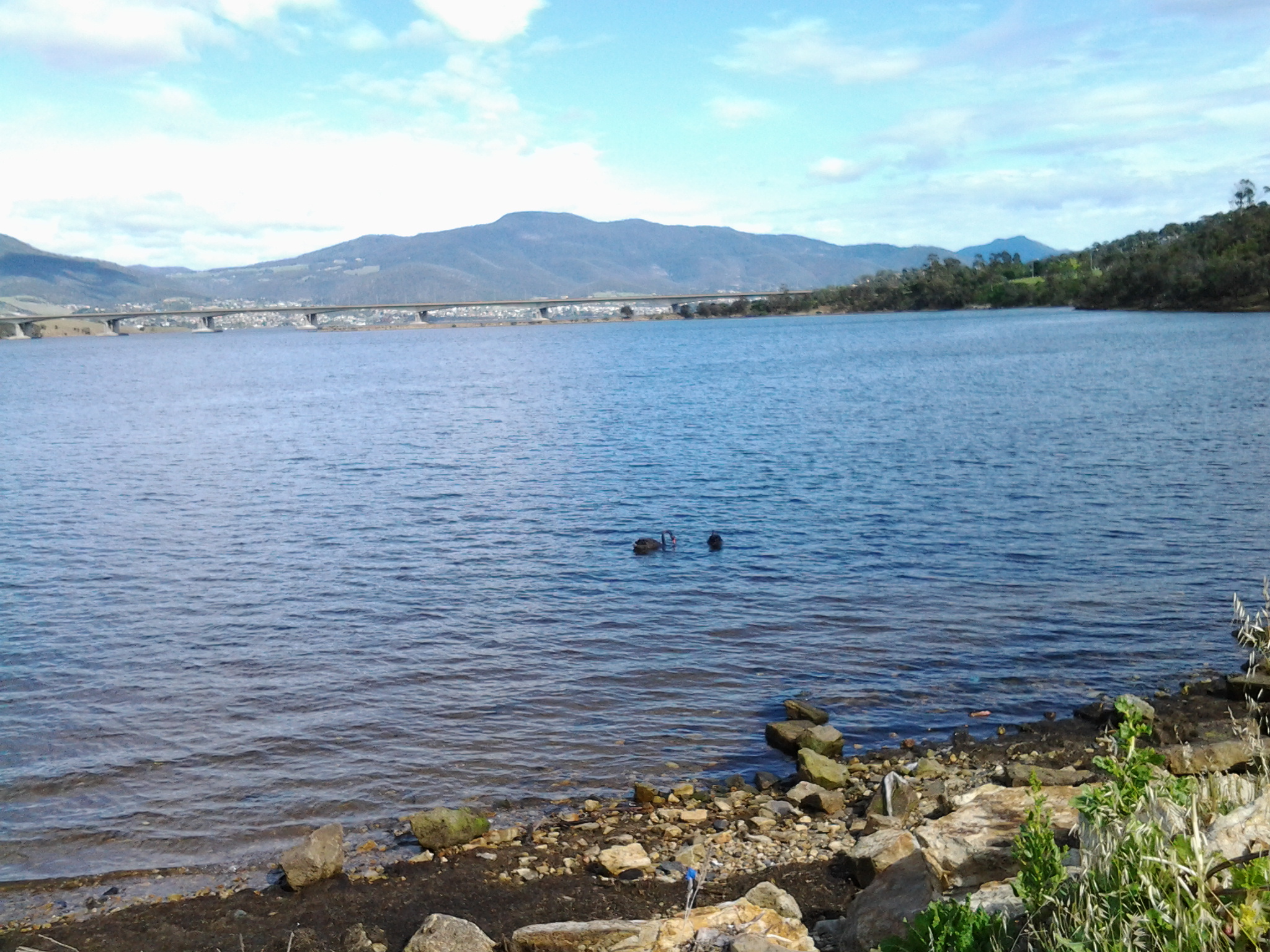
From the eastern shore looking northwards towards the Bowen Bridge, with a couple of black swans on the river.

20141031_100200

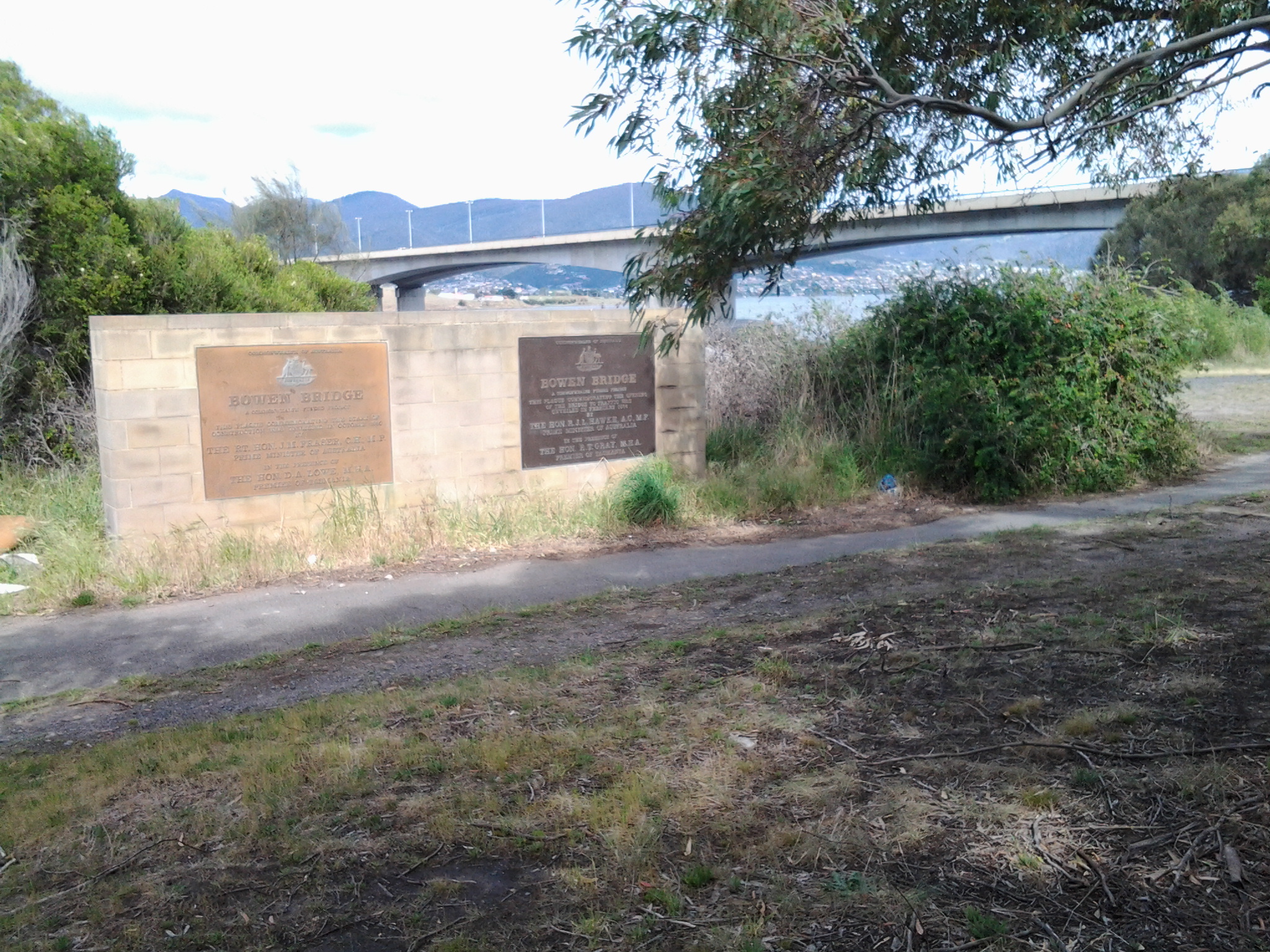
Two plaques ‘opened’ by two great Australian prime ministers near the Bowen Bridge.

20141031_104822

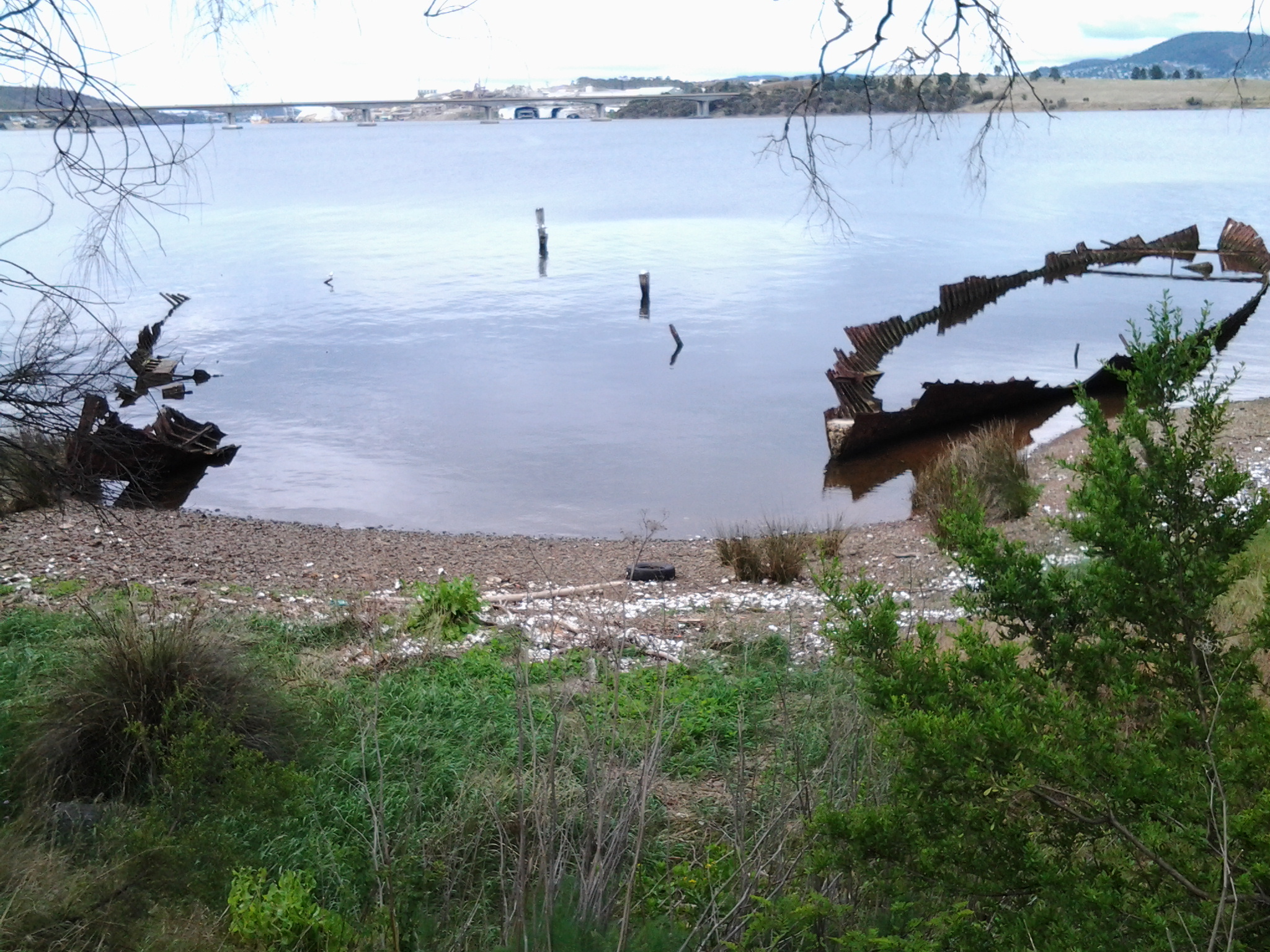
The rusting raw-edged remains of a ship, the Otago, at Otago Bay.

20141031_113132

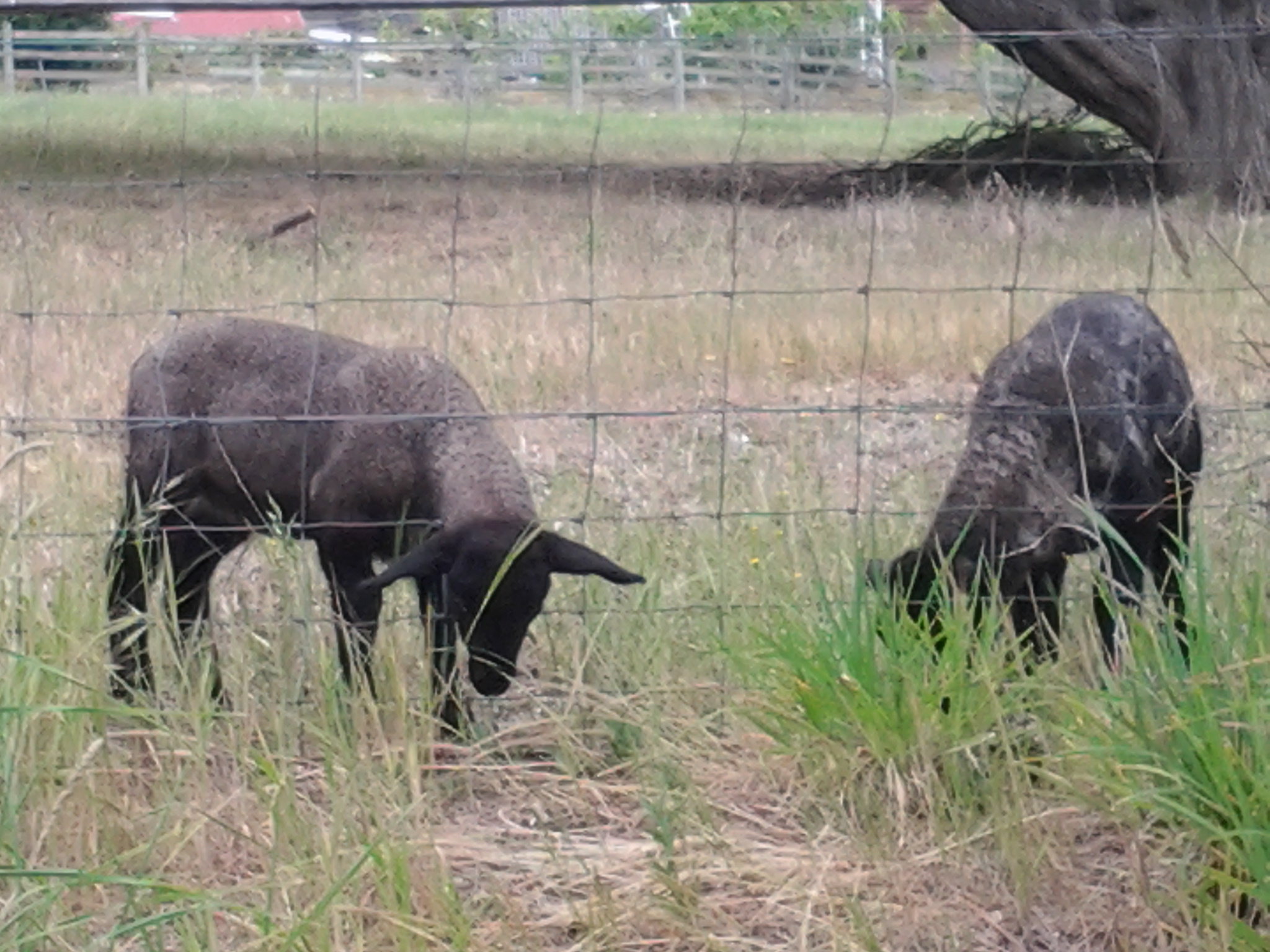
My enjoyment of any family’s black sheep.

20141031_123000

Heading into Old Beach and gradually leaving Mount Wellington behind.

20141031_132519

The gloominess of the approaching storm when I reached Old Beach.

20141111_092342 20141111_092805

The pleasures of well-made pathways, thanks to local government.

Green Point from new Old Beach

Looking northward across the Jordon River to Greens Point.

20141111_103700 20141111_121906

The glories of native flora. In these instances, it was blooming wattle and a spectacular stand of eucalyptus/gum trees which attracted my attention.

20141111_120752

The remains and the signs of a burnt out car on a back track.

20141111_130523

Knowing that it is still possible to have a laugh when walking.

20141111_131133

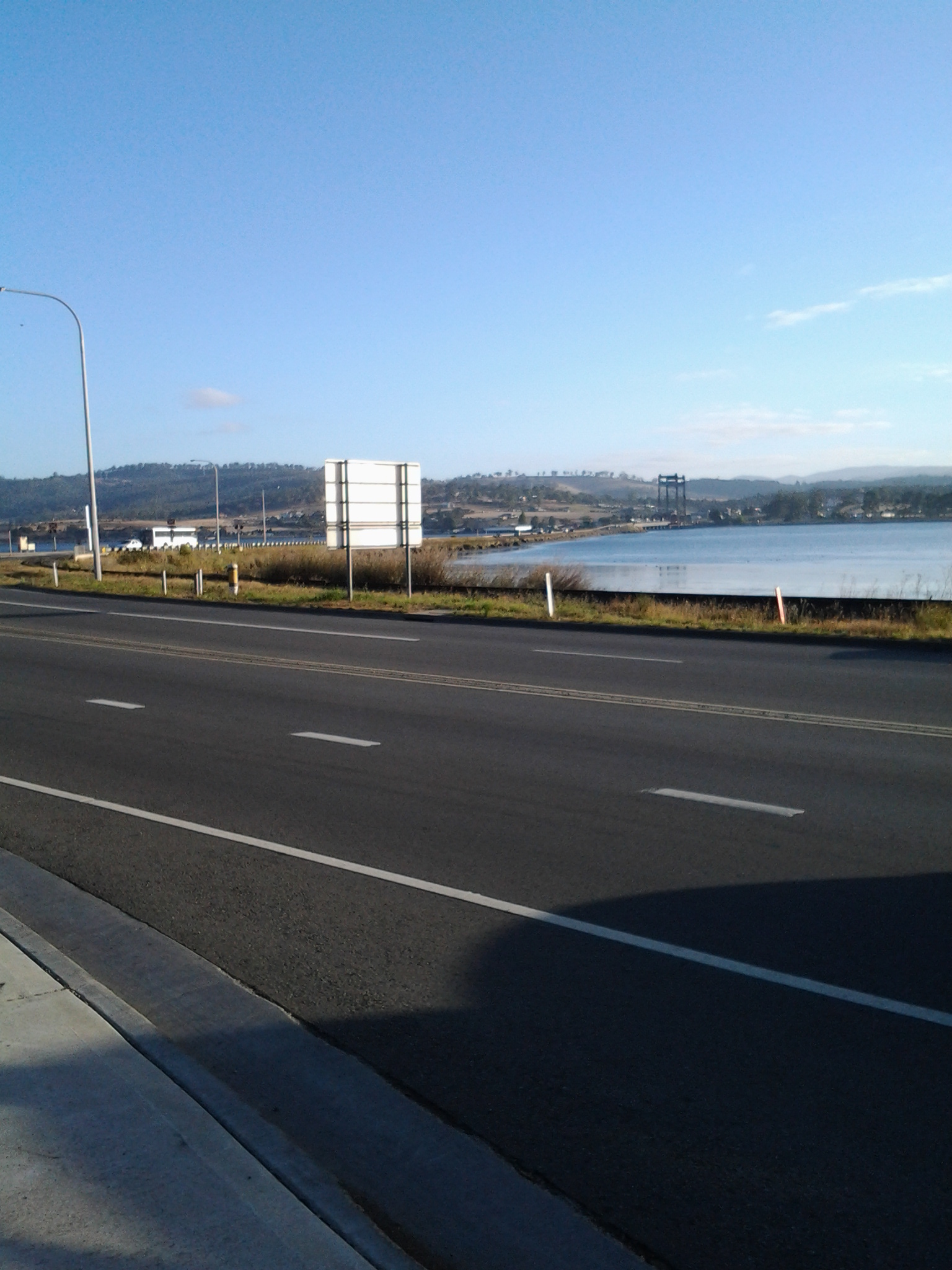
Arriving at the Bridgewater Bridge.

20141111_134311

Walking on the western shore of the Derwent River for the first time during this project.

20141125_095438

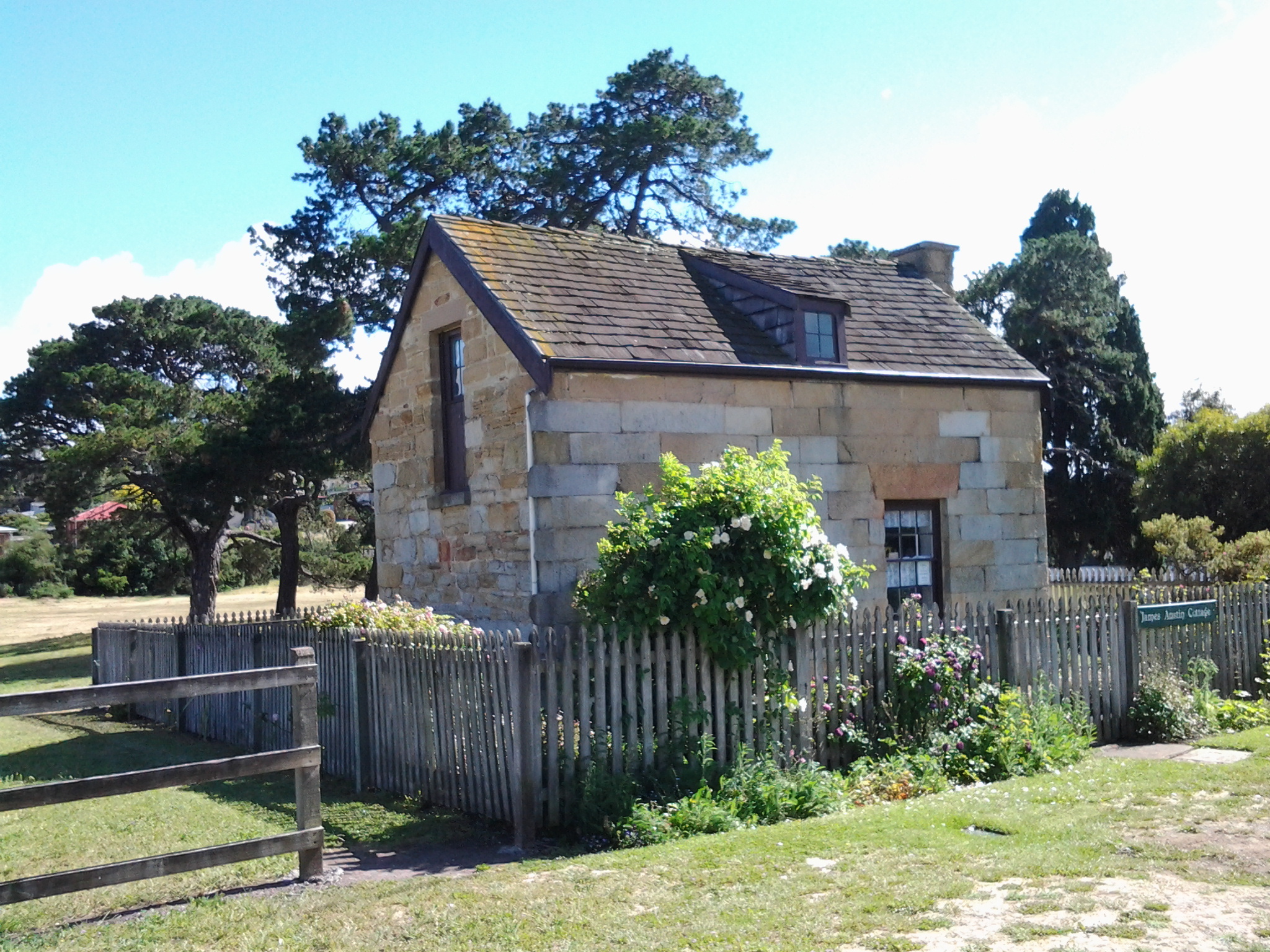
The house of one of first European settlers, James Austin, at Austins Ferry.

20141125_115047

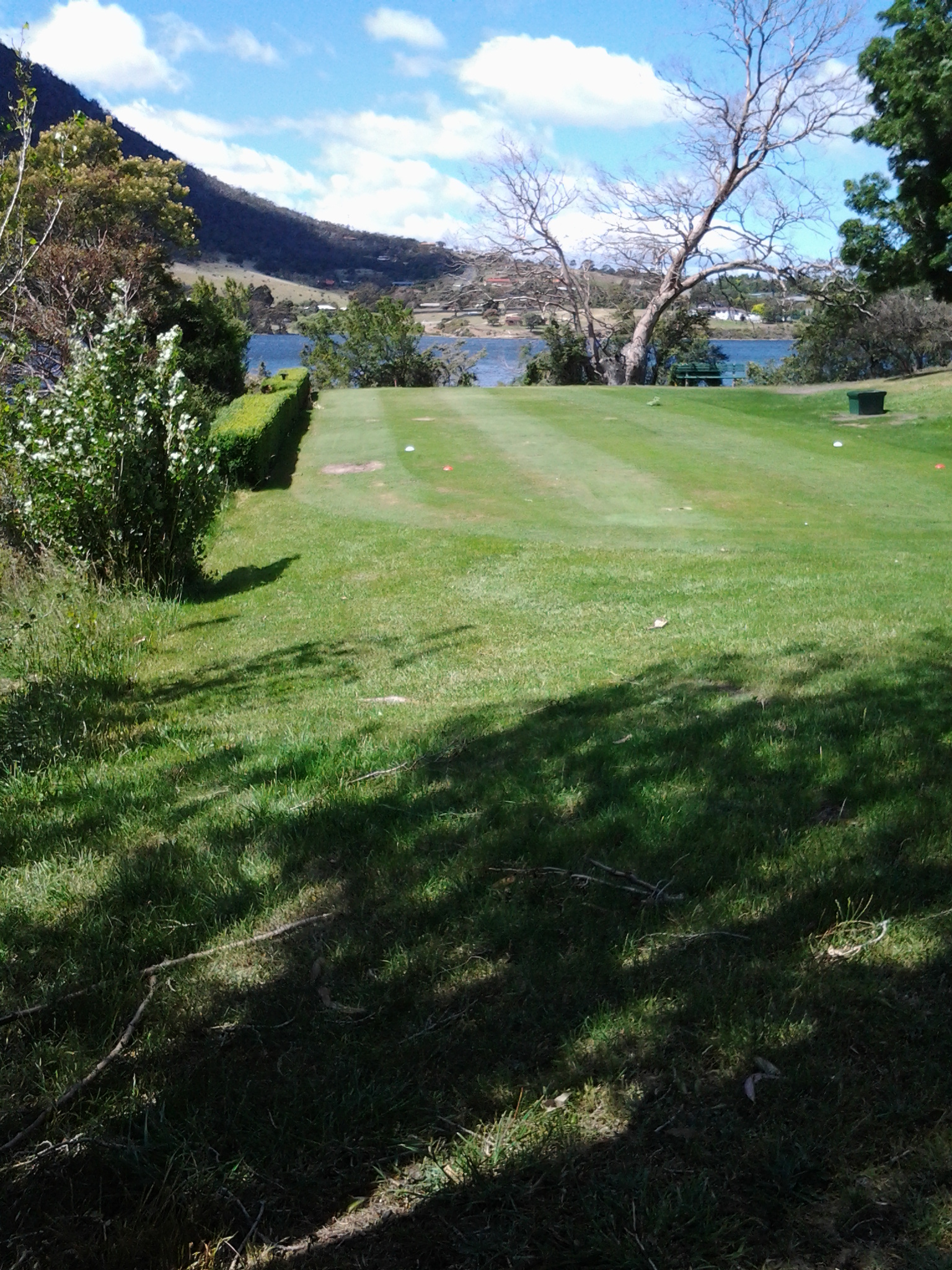
At Dogshear Point, walking around the Claremont golf course, with the thwacking sound of hit balls crossing the greens.

20141125_110906

Reaching Cadbury’s chocolate manufacturing factory in Claremont.

20141125_143454

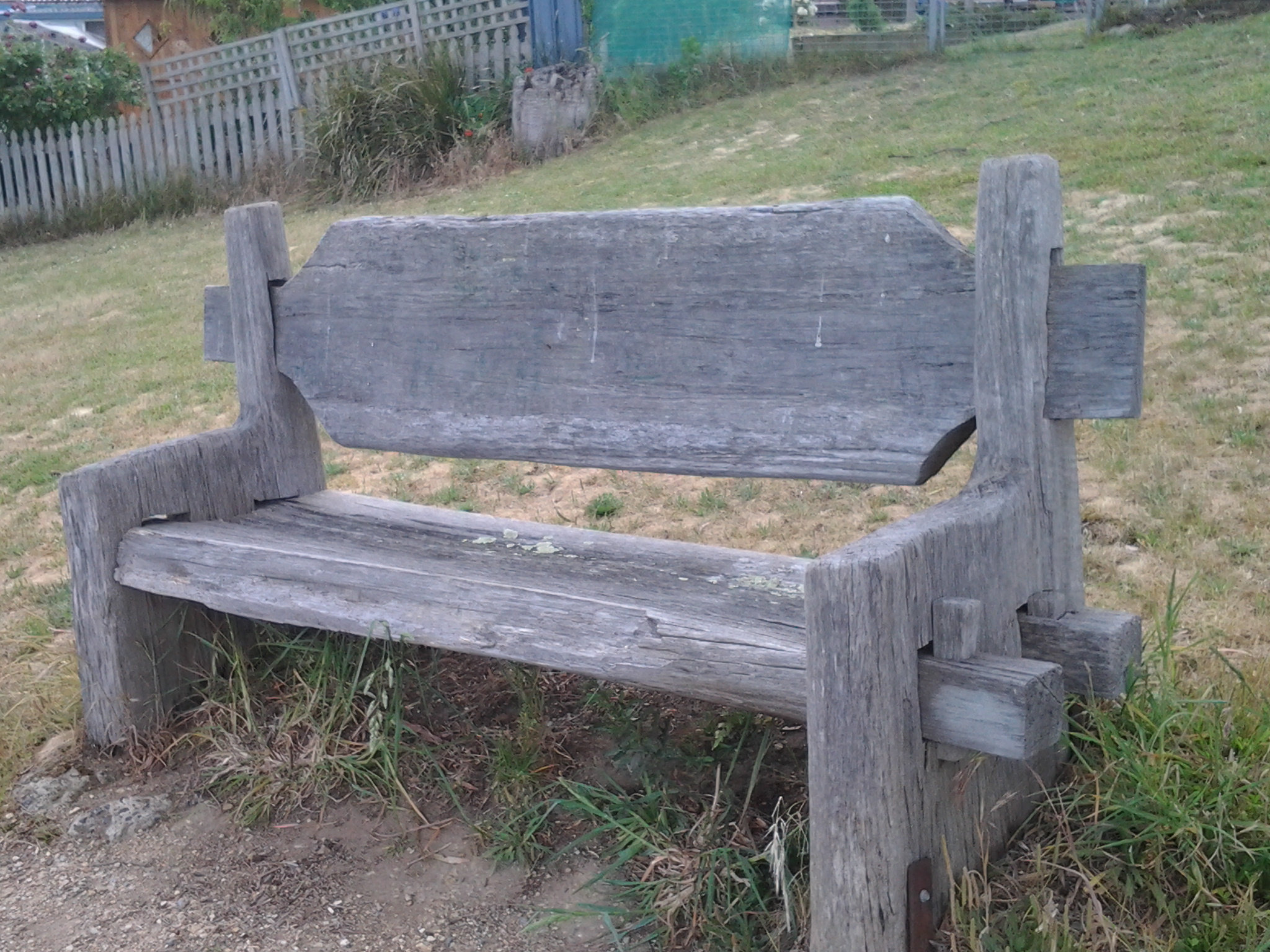
The hand-hewn rustic style seat near Connewarre Bay.

20150109_074126
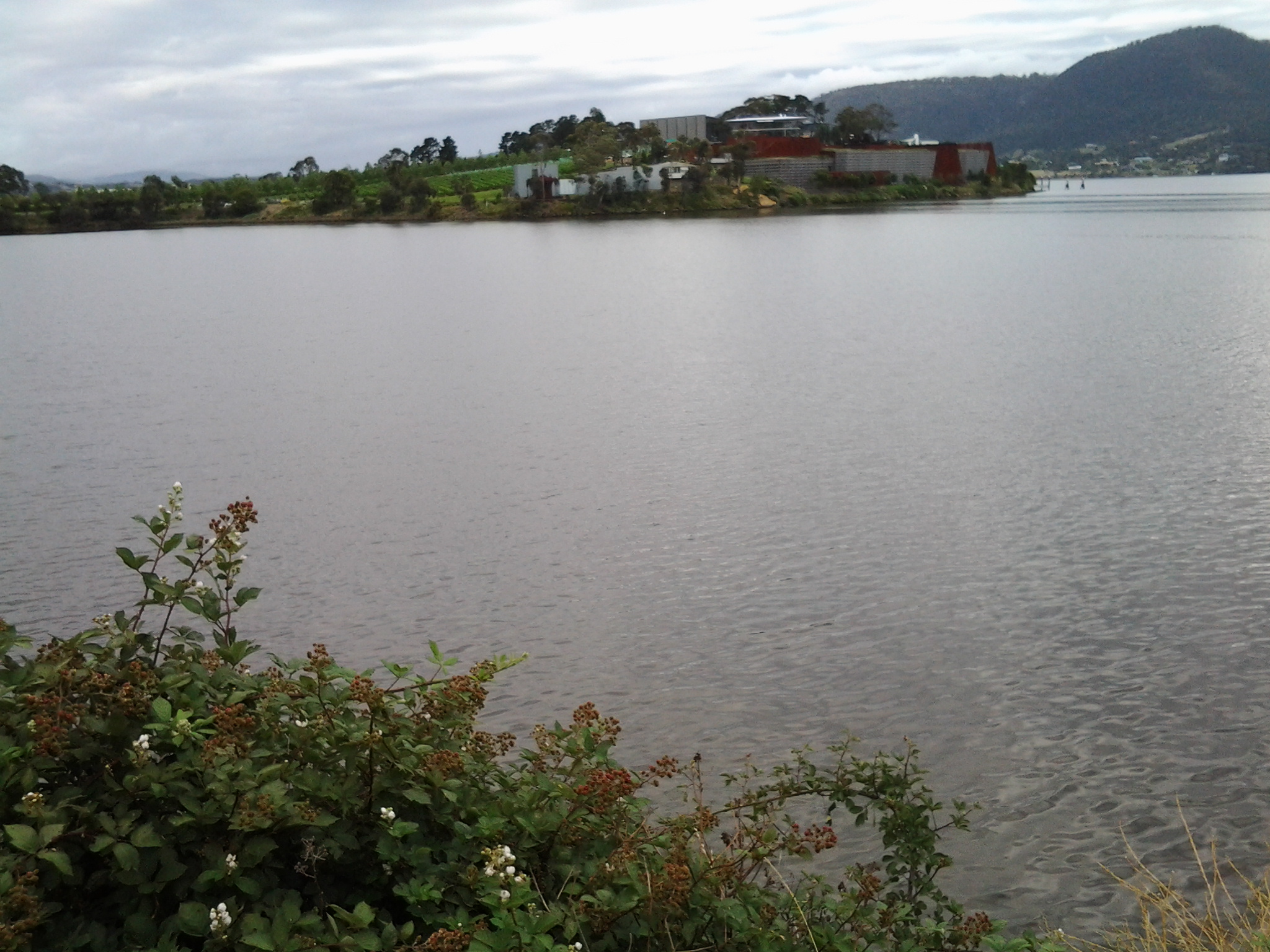
Passing MONA somewhat camouflaged as it nestles into a tiny hill against the Derwent River.

20150109_081644

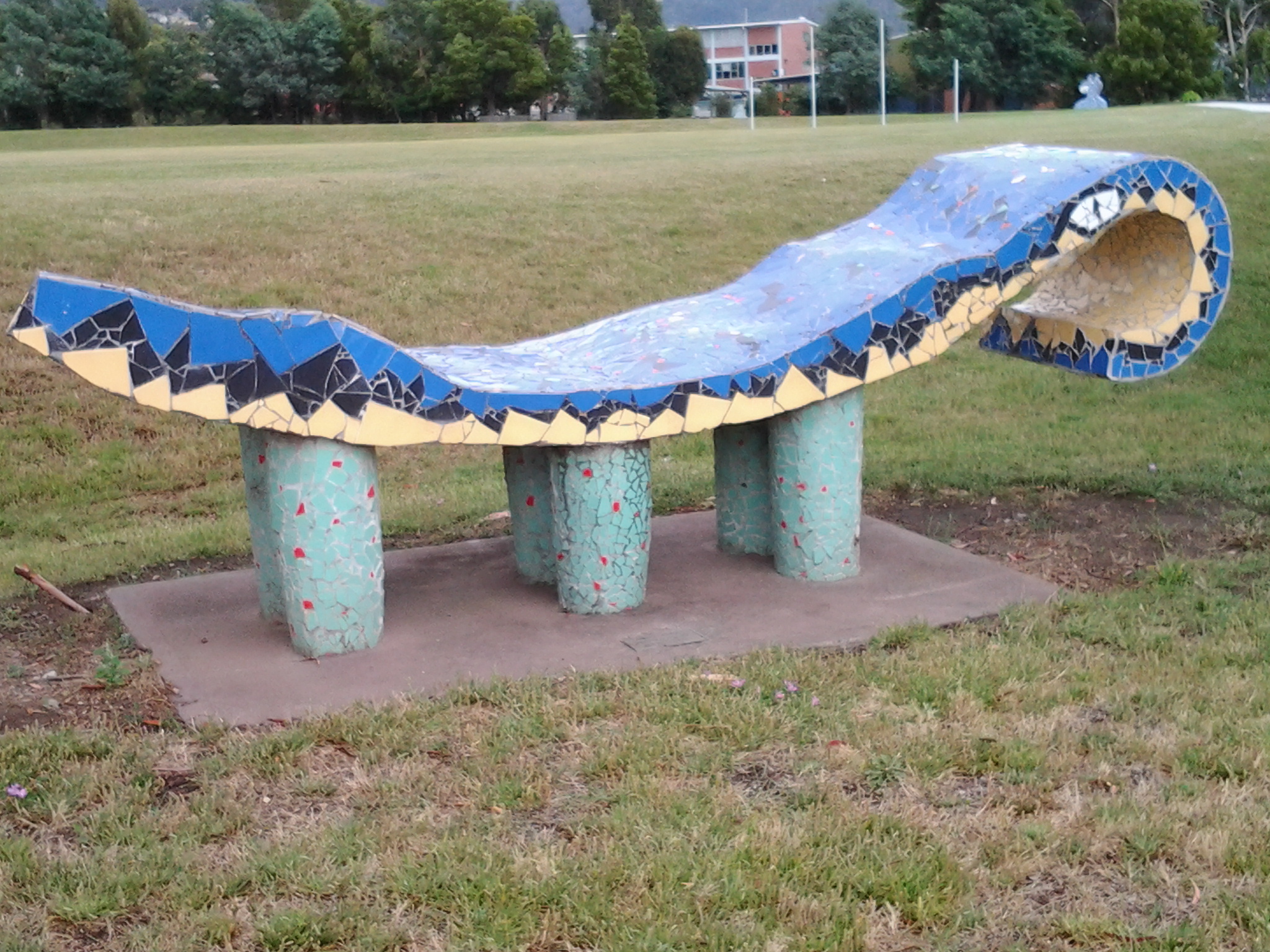
The mosaics along the foreshore.

20150109_101243

The jumble of boats and boat houses at Prince of Wales Bay.

Hoon tyre marks

Road mark making in Lutana.

20150109_132008

Cornelian Bay’s oil tanks up close.

20150109_153103

The Tasman Bridge.

20150109_155515

The circus had come to town.

20150109_161747

The emptiness of an arena of stands waiting to be filled during wood chopping competitions.

20150109_161339

Reaching the ‘end of the line’ on arrival in Hobart city.

Another Derwent River transport service may be disappearing

A few days after I wrote the post about the end of the water taxi business on the Derwent River indicating my sadness for such short sightedness by the community and government agencies, I have discovered another sad tale. It was with horror I read the story at http://www.news.com.au/national/tasmania/tasmanian-air-adventures-in-liquidation/story-fnn32rbc-1227328240883.

Tasmanian Air Adventures, despite being incredibly popular and forever in the air over the Derwent River, has not been able to recoup its establishment expenses and get into a profit position. The result is the owners have run out of money and the business has gone into liquidation.

The outcome has been immediately clear to me. I had become used to seeing, many times a day, the water planes lifting off from the waters of Salamanca Cove in the centre of Hobart, and flying along the Derwent River.  And now only seagulls fly where once flew entranced tourists and locals.

In a city which has one of the best waterways in the world, Hobart is missing the opportunity which any other city in such a location would be grabbing and making work.  Blog followers keep telling me how much they enjoy my photos and information about what can be seen at the shoreline of the Derwent River.  I feel sure others would feel the pleasure which the river can offer, as well as appreciating its functionality to transport them hither and thither.

Years ago the Tasman Bridge was accidentally knocked down and immediately people became used to ferrying across the Derwent River/Harbour to and from work. The concept that the river is a lifeline and a connector of peoples; one which wants to be used, seems not to be factored into any level of serious government thinking.  Meanwhile valuable resources are used to create more and more city carparks.  Say no to car parks, I say. Say yes to ferry and air travel along the river.

Chatting with a traveller

On Stage 14 of my walk from Granton to New Norfolk by the Derwent  River, a car pulled off the road ahead of me at Sorell Creek. The female driver sat motionless. I plodded on and, as I walked past the car, she wound down her side window and asked for help.  A farmer from inland NSW, she and her daughter were staying temporarily in Maydena (http://www.discovertasmania.com.au/about/regions-of-tasmania/hobart-and-south/maydena), a small town on the way to Strathgordon in south western Tasmania – a town where our shy native platypus can be seen in the fast flowing Tyenna River, the waters of which eventually flow downstream to help keep the Derwent River level high.

While her husband worked that day, she decided to take a drive in the car and look around to see more of the country.

When we met, she wanted to find a route to the convict penitentiary at Port Arthur (http://www.portarthur.org.au) without needing to navigate busy Hobart city streets. Her only map was a small abbreviated tourist map of Tasmania that showed the main highways and a few towns. I dragged out some of my maps, and we chatted amiably while many options were considered.  Through these conversations I was clear that our road signage is designed for those who know where they are going, and not always for those who don’t know the terrain.

The thought of encouraging her to take the East Derwent Highway, come out near the Tasman Bridge and then need to cross three lanes of traffic immediately, filled me with dread.  When you are driving and unsure of where you are and how to get there, many signs and endless traffic can be disorienting.  I felt sure she would find herself in suburbia and never understand how to extract herself from there in order to be on her way to Port Arthur.

To take the Midlands Highway by crossing the Bridgewater Bridge, and travel towards Oatlands to find a cross country route, also seemed impractical.  Once off that highway, narrow winding roads lead eventually to Richmond but this would not help her easily to get onto a road leading to her destination, without much more direction asking of locals.

We settled on the option where she would continue along the Lyell Highway, drive along the Brooker Highway towards Hobart city, before taking the left hand exit to the Tasman Bridge near Hobart, and then driving across the Bridge.  I hope the blue airport symbol was posted liberally during that journey.  If she followed that symbol, then once at the final roundabout to the airport she knew to drive straight on.  We didn’t exchange contact details so I continue to wonder if she found Port Arthur without getting lost and without losing time.

At 12.15pm we parted company. I was glad to have had someone to talk with. Besides, she had been considering walking (http://www.bicentennialnationaltrail.com.au/) from the north to the south through Australia (a mere 5330kms from Cooktown in far northern Queensland to Healesville slightly east of Melbourne, Victoria).  I wish her all the best.

Powerboat racing on the Derwent River

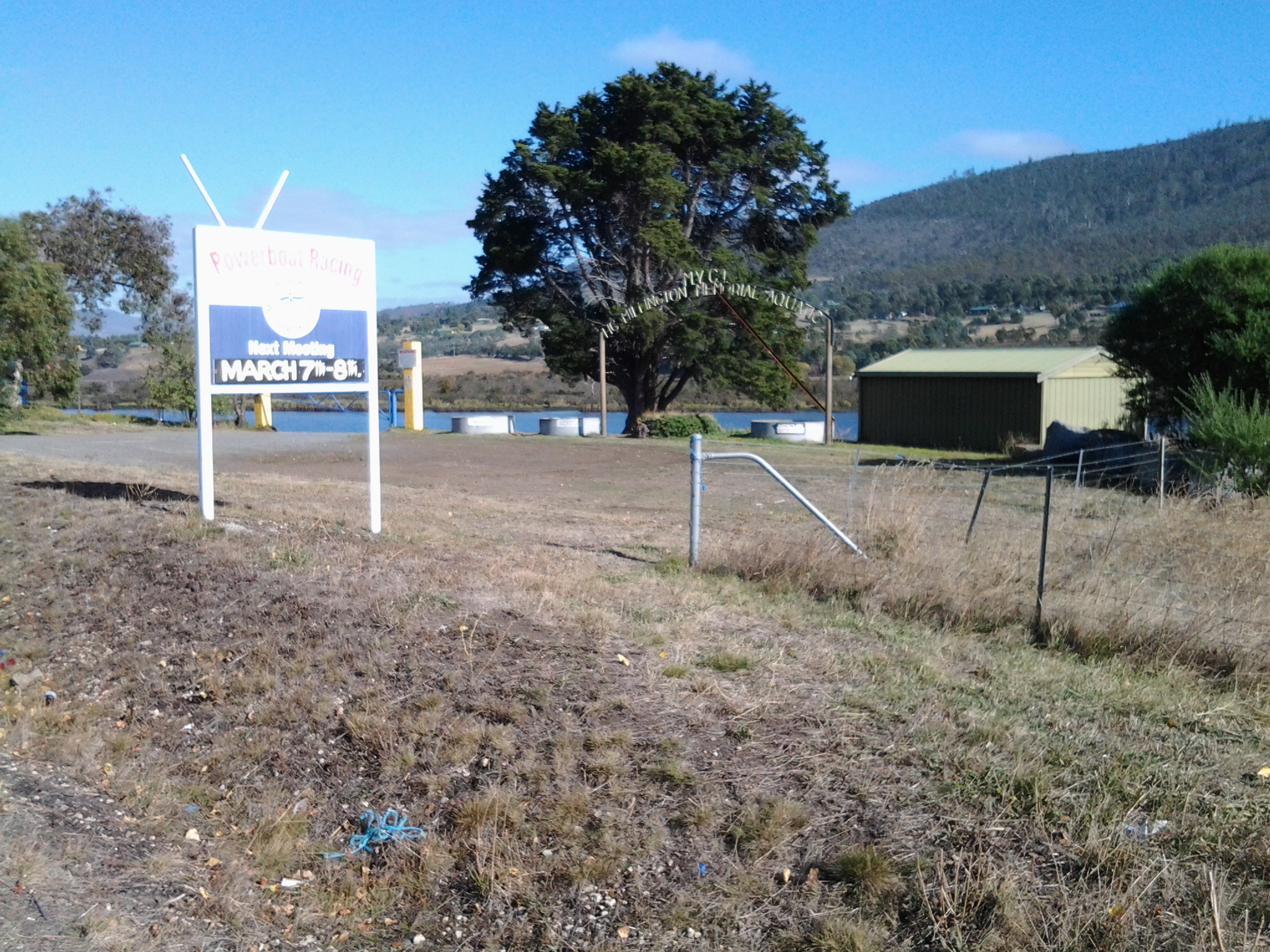
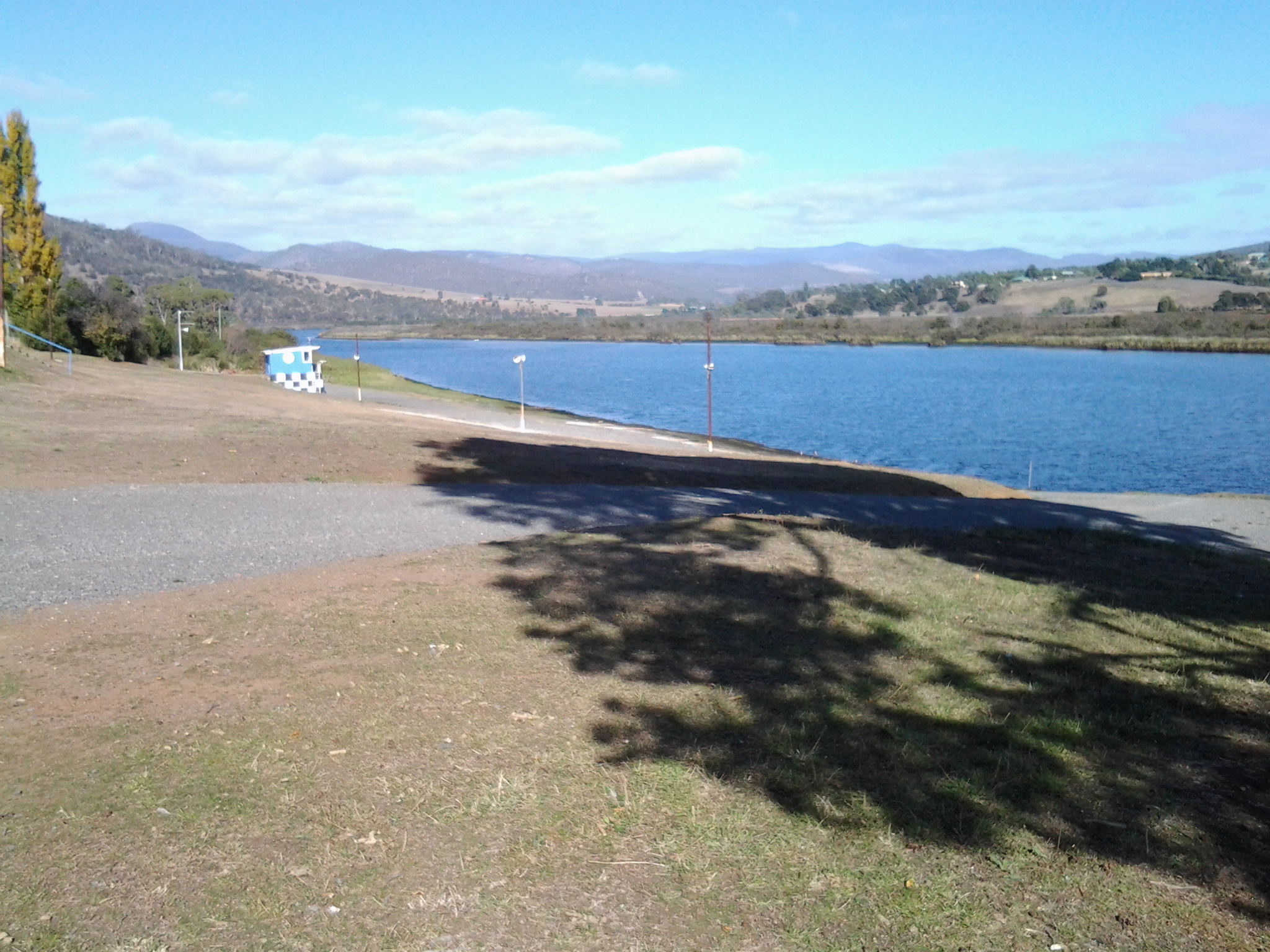
I discovered the northern end of the Murphys Flat wetlands area came abruptly to a stop at the competition grounds for the Motor Yacht Club of Tasmania’s (MYCT) powerboat racing events (more information further below).

The area has a bland, functional entrance and I guess all the action and beauty happens on the Derwent River.

20150413_095502

The site is shared with another aspect of local community history.

20150413_095539

A metal arch over nothing and through which you don’t seem to be directed to walk, features the words HC MILLINGTON MEMORIAL AQUATIC with the letters MYCT over the top of the arch.  Millington’s Funeral Directors are well known in Hobart and it seems that the archway refers to Mr Harold Charles Millington who started out as a sometime professional cyclist and a wood craftsman before entering the funeral industry when, during the 1930s depression, people couldn’t afford new furniture but they died and were in need of burial coffins.  He died in 1969 so I am guessing the archway was built in the 1960s. I found Australian Powerboat Racing Association records for 2012 indicating the HC Millington perpetual trophy was no longer in use or destroyed. Was the dramatic archway and the trophy philanthropy, pure sponsorship or the result of lots of business arising from the area?  Why such an arch in an area where there are no houses and people would seldom visit?  Does anyone know the answer?

The area has been well cleared for vehicles and their boat trailers to be parked. This provided a dramatic contrast after the density of vegetation along Murphys Flat.

20150413_095628 20150413_095621

Even though the MYCT is based in Lindisfarne (I passed its club house during an  earlier walking stage), it runs powerboat racing competitions in conjunction with the Tasmanian Council of the Australian Power Boats Association, around Tasmania including at this Derwent River side facility between Granton and New Norfolk. Interested? Want to know more? Go to http://tasapba.com/about_us.html and at least one or two photos look like they were taken on the Derwent River.

As I researched information about the site, seeking the quirky and unexpected, I found that a Dianas on the Derwent race meeting is scheduled annually. No idea what that really means but I have taken a fancy to the title. In Roman mythology Diana was a virgin goddess of the hunt, the moon and childbirth with the power to talk with and control wild animals.  Perhaps the Dianas on the Derwent is a very young women’s racing event, where they hunt a winner’s trophy by racing at night, and their boats are their wild animals that require taming.  But childbirth?  Where does that fit?  Then I discovered a couple of You Tube videos and a related Facebook page. For example, https://www.youtube.com/watch?v=bs15dNuhMcw. In the video note the hands look male – so my theory about living goddesses driving speedboats seems to have flown. So what is this Diana thing about? Anyone know?

A 10 am I was back walking on the Lyell Highway having discovered that access to the road northwards along the Derwent River shoreline was impossible with barbed wires fences blocking the way.

20150413_100035

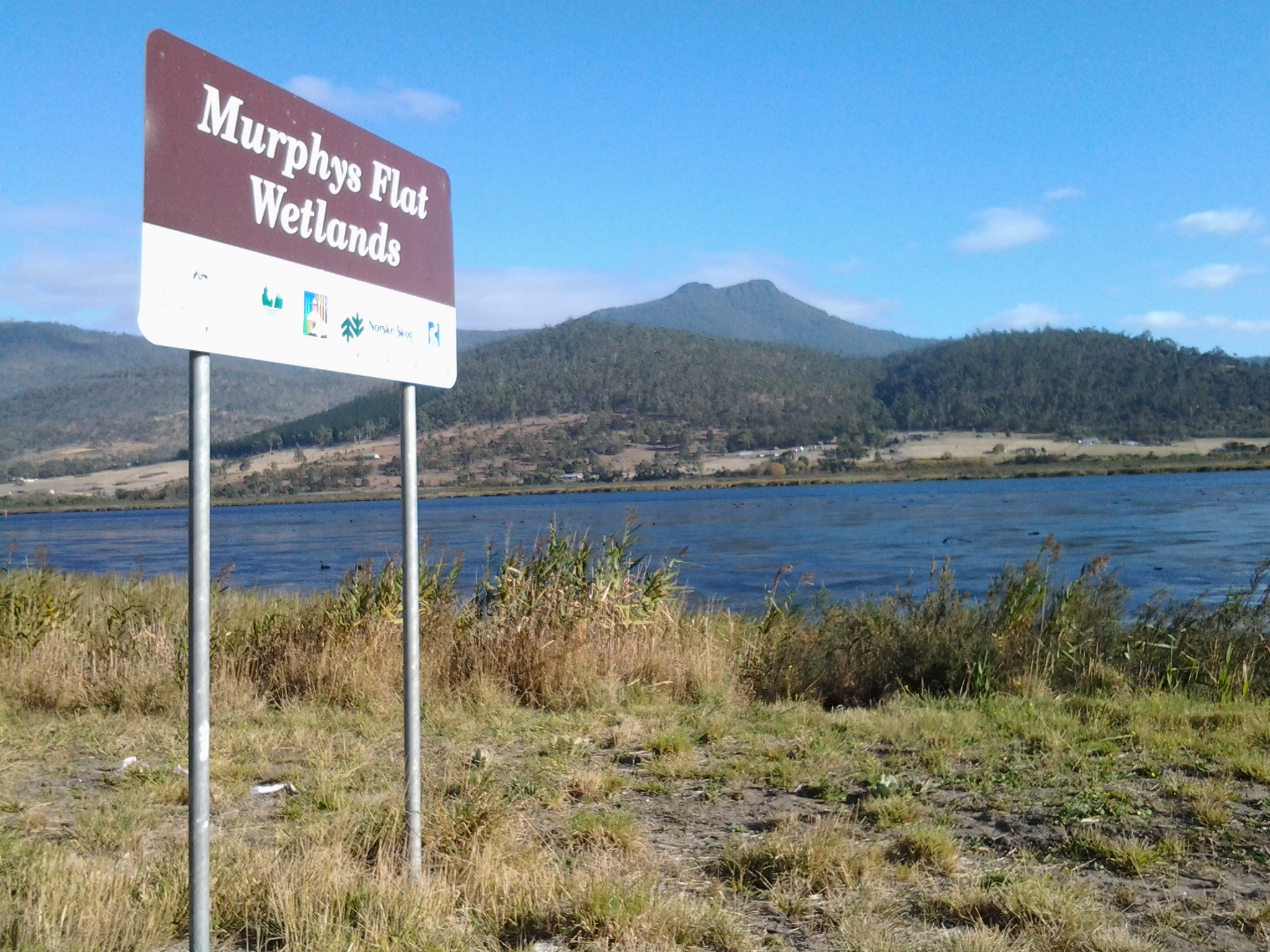
Why are these wetlands called Murphy’s Flats? Who was Murphy?

20150413_090953

Thanks to http://www.parks.tas.gov.au/file.aspx?id=17347  I know that “Murphys Flat Conservation Area historically formed a portion of the property locally referred to as Marsh Farm, which was established through an ambitious land reclamation endeavour begun by Governor Arthur in 1824. The property was hailed as an agricultural “show place” throughout Tasmania and was one of the earliest land reclamations in Australia.”

The site http://www.derwentestuary.org.au/assets/NIE_-_wetlands.pdf provides the information that “In 1997 we nearly lost 40% of these wetlands when a farmer started draining the 66 hectare marsh known as Murphy’s Flat.”  This action was the catalyst for various tiers of government to step in and fund the process to purchase the land and retain it as a conservation area. The area known locally as Murphys Flat was acquired on 1 May 2001 by the Tasmanian Parks and Wildlife Service.

20150413_103930

The 2010 Management Statement at (http://www.parks.tas.gov.au/file.aspx?id=17347) is informative.

Murphys Flat Conservation Area is located within a wetland complex on the southern shore of the River Derwent beside the Lyell Highway between Granton and New Norfolk. The area has been recognised as being particularly species rich, with expansive areas of marshes, underwater grasses, tidal flats and reed beds that provide habitat and breeding areas for large populations of fish, platypus and waterfowl. Murphys Flat Conservation Area comprises 25 to 30 per cent of remaining wetlands in the River Derwent. It is listed within both the Directory of Wetlands of National Significance and the Tasmanian Geoconservation Database.

Birds are particularly abundant in the reserve due largely to the diverse habitat. The vicinity is well known for its large population of black swans and it is a likely hunting and foraging area for five significant bird species including the wedge-tailed eagle, white-bellied sea-eagle, swift parrot, masked owl and great crested grebe. The secretive, little-known Australasian bittern is also known to occur there.

Murphys Flat Conservation Area serves as a nursery for the sandy flathead and also provides important shelter for other juvenile native fish. Backwater areas of the reserve are of particular biological significance with unique botanical assemblages and an abundance of gastropod molluscs.

Until the early years of this century, “Murphys Flat was used as a dump site for domestic rubbish, garden waste and for overburden from road and earthworks. As a result, the area of wetland vegetation communities has decreased and its condition has been further compromised through the spread of weeds, largely from this source.” Now a weed control program has been instituted. “The vision for Murphys Flat Conservation Area is that it will contribute significantly to regional biodiversity and geodiversity in the upper River Derwent estuary, provide water quality services and research opportunities and be a vehicle for increasing public awareness of wetland values.”

In addition to the natural history and situation, Murphy’s Flat has a cultural history.

Firstly, the site is reported to have been on a travelling route for two Aboriginal tribes (http://www.parks.tas.gov.au/file.aspx?id=17347).

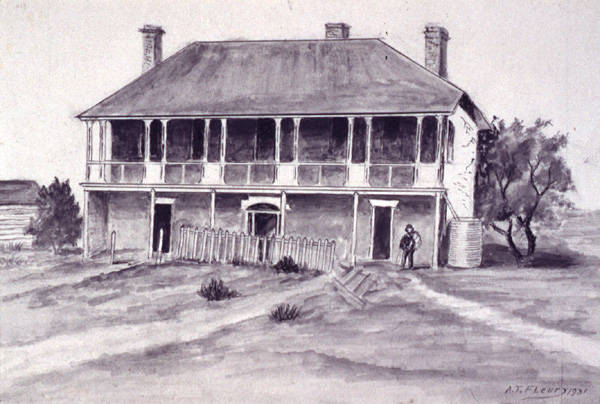
Then, according to Kelvin Markham at http://www.km.com.au/tasmania/ch14.htmFour miles beyond Granton stood a derelict grey stone house, known to all and sundry as The Haunted House. No one can tell why it received its name, though it is popularly (and wrongly) supposed to have been the country seat of early governors. The haunted house was originally the Golden Fleece Inn, licensed on 22 October 1824 to one Henry Fitzgerald. It did not long cater for travellers and in 1837 was on the market. This building was also called Addington Lodge Villa at one time.”

Add Lodge drawing -UTAS library

The image above is a drawing of ‘Addington Lodge Colonel Arthur’s Marsh Farm between Bridgewater and Sorell Creek Derwent Valley’ / ‘The Haunted House on the Granton New-Norfolk Road’ by artist A. T. Fleury c1931 – from the collection of Linc Tasmania

Photo of Addington Lodge

The photograph above is of ‘Addington Lodge, Granton, apparently a former residence of Governor Arthur’ – from the collection of Linc Tasmania

The National Library of Australia (http://trove.nla.gov.au/ndp/del/article/30094484?searchTerm=Anthony+Geiss) offers the information that “Addington Lodge was named after Mr. J.H. Addington, the Secretary to the British Treasury at the time. It was constructed by Governor Sorell to serve as a country house in 1820, a year after the construction of the Hobart to New Norfolk Road. The lodge was a double storey brick house with an architectural style typical of a late Georgian villa with symmetrical doors and windows and a wide fan-lit front door. The lodge was renamed the Golden Fleece Inn and opened to the public after a Mr Barker sold it to Mr. Henry Thomas Fitzgerald in 1824 having owned it for 4 years only. Addington Lodge at Murphys Flat became a popular half-way house for travellers between Hobart and New Norfolk and earned an unsavoury reputation.”

If remains of this house still exist they are now obscured from view by the lush vegetation  growing across the wetlands.  I saw no sign of it as I walked past Murphy’s Flat.

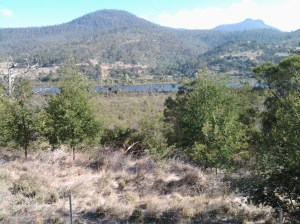
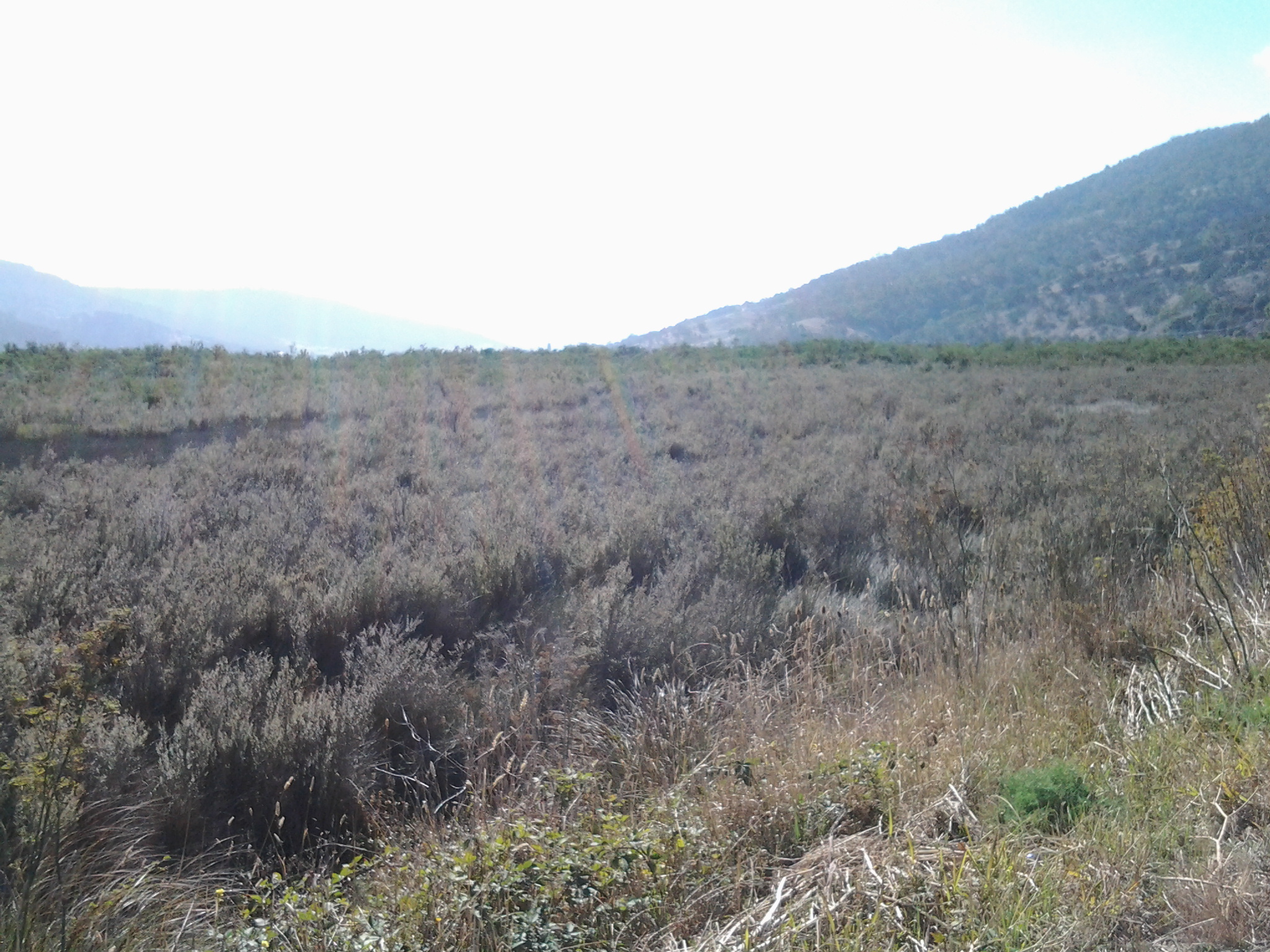
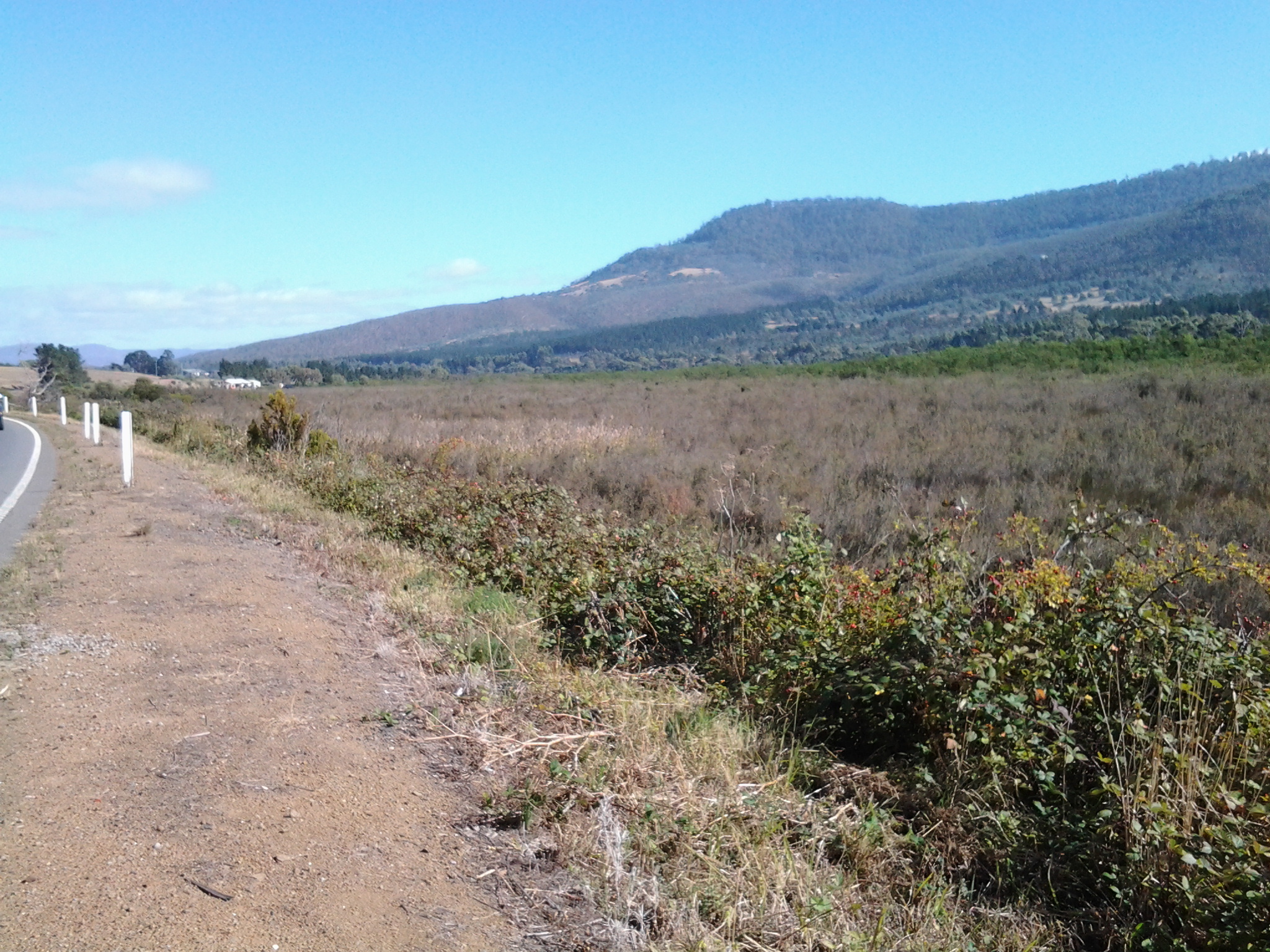
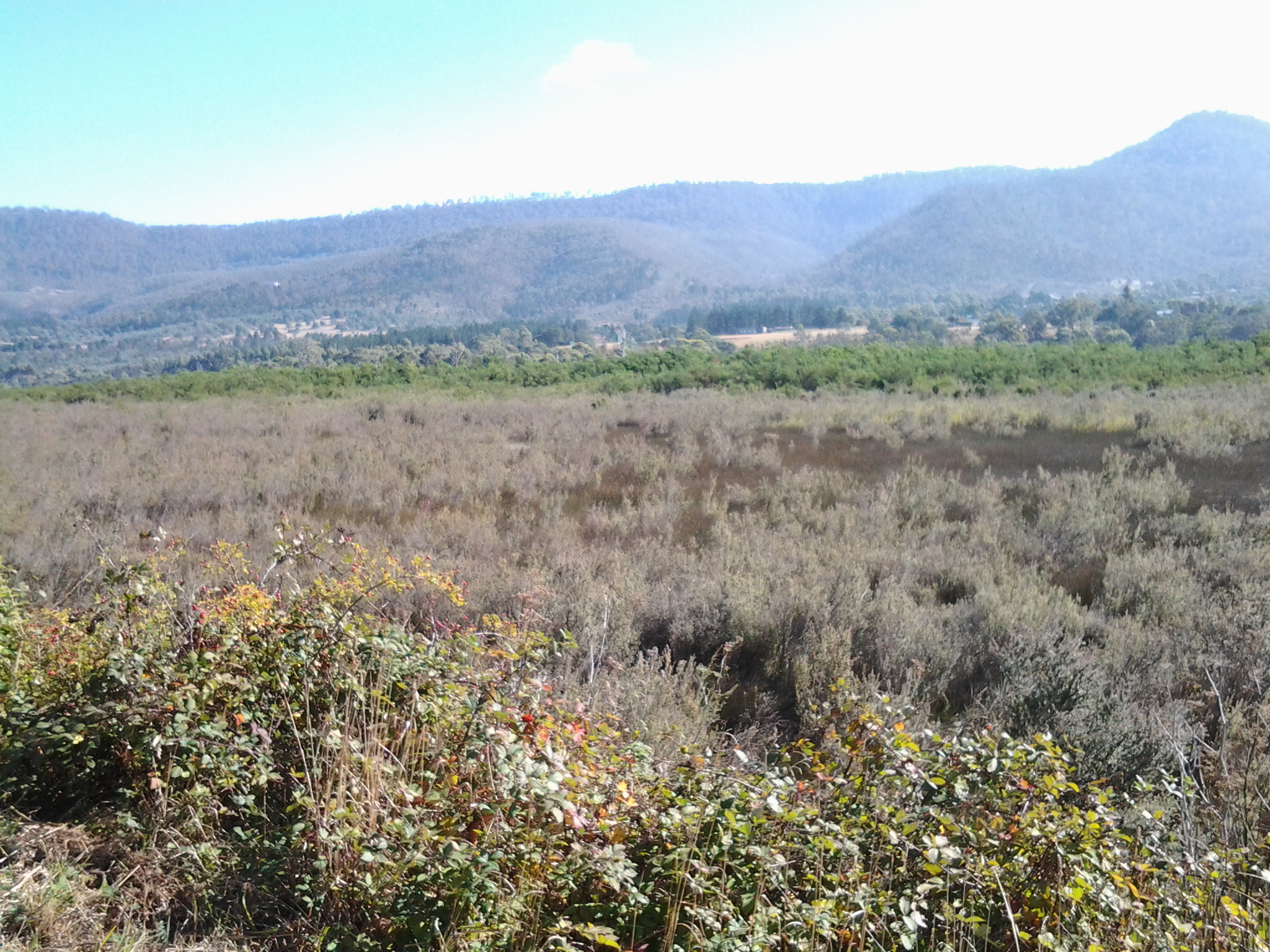
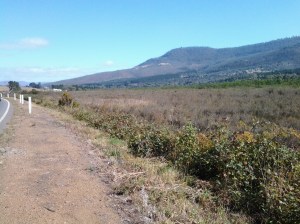
To give you some idea about the look of the wetlands from the Highway, the photo below shows the landscape when I looked back over the road just walked.

20150413_103926

The wetlands looking toward the road yet to be walked.
20150413_103940

Along the kilometres (Murphys Flat Conservation Area is approximately 2.7 kilometres long and 550 metres wide at its maximum width) of Murphy’s Flat Wetlands, the vista consisted of subtle variations of the following:

20150413_091605  20150413_103937

When I walked, most of the landscape between the Lyell Highway and the smoothly flowing Derwent River seemed impenetrable. I can only imagine this is a very safe place for water birds and fishlings to breed, and for native grasses and other plants to re-establish.

This posting started with a question which I have been unable to answer. I cannot discover who Murphy was. Regrettably.

Murphy’s law is a commonly heard saying which is typically stated as: Anything that can go wrong, will go wrong.  I wondered if the land now known as Murphy’s Flat had been purchased for the purpose of grazing animals and growing crops without due checking, and then found the wet soggy land to be useless in the days when preservation of native flora and fauna was not considered – I wondered if someone bought the land without really checking how it was and having spent all their money decided Anything that can go wrong, will go wrong. BUT according to the definitive book The History of Murphy’s Law written by Nick Spark, this adage was named after an American aerospace engineer Captain Edward Murphy who said as much around 1950. The naming of Murphy’s Flat at Granton seems to have preceded this ‘law’ so the area must have been named after a local – but who was it?  More research required.

Map of Murphys Flat 20150413_095018

Google maps cannot locate Murphy’s Flat so I have attempted to indicate the location this posting has referred to.  Within the hand drawn oval above, the Murphys Flat Conservation Area sits contained between the Derwent River and the Lyell Highway.

Between the bridges: Stage 14 of my walk along the Derwent River

The achievement yesterday was to walk from the Bridgewater Bridge to the New Norfolk bridge on the western shore of the Derwent River.

I set off from home before the sun was up and I found Hobart was quiet when I arrived at the city bus mall.

20150413_070843

Then I bussed to Granton and alighted from the bus at the intersection with the Bridgewater Bridge causeway.

20150413_074852

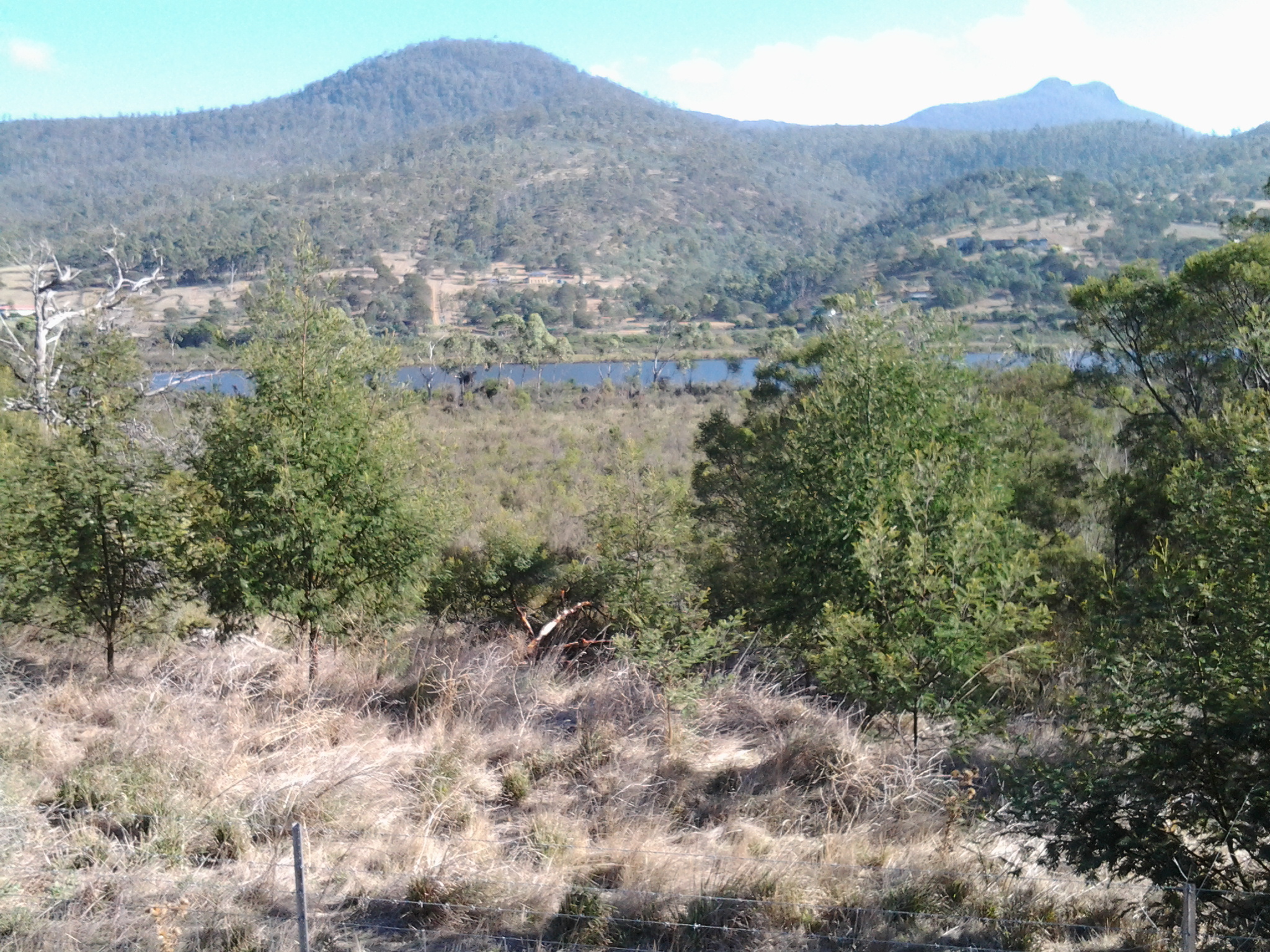
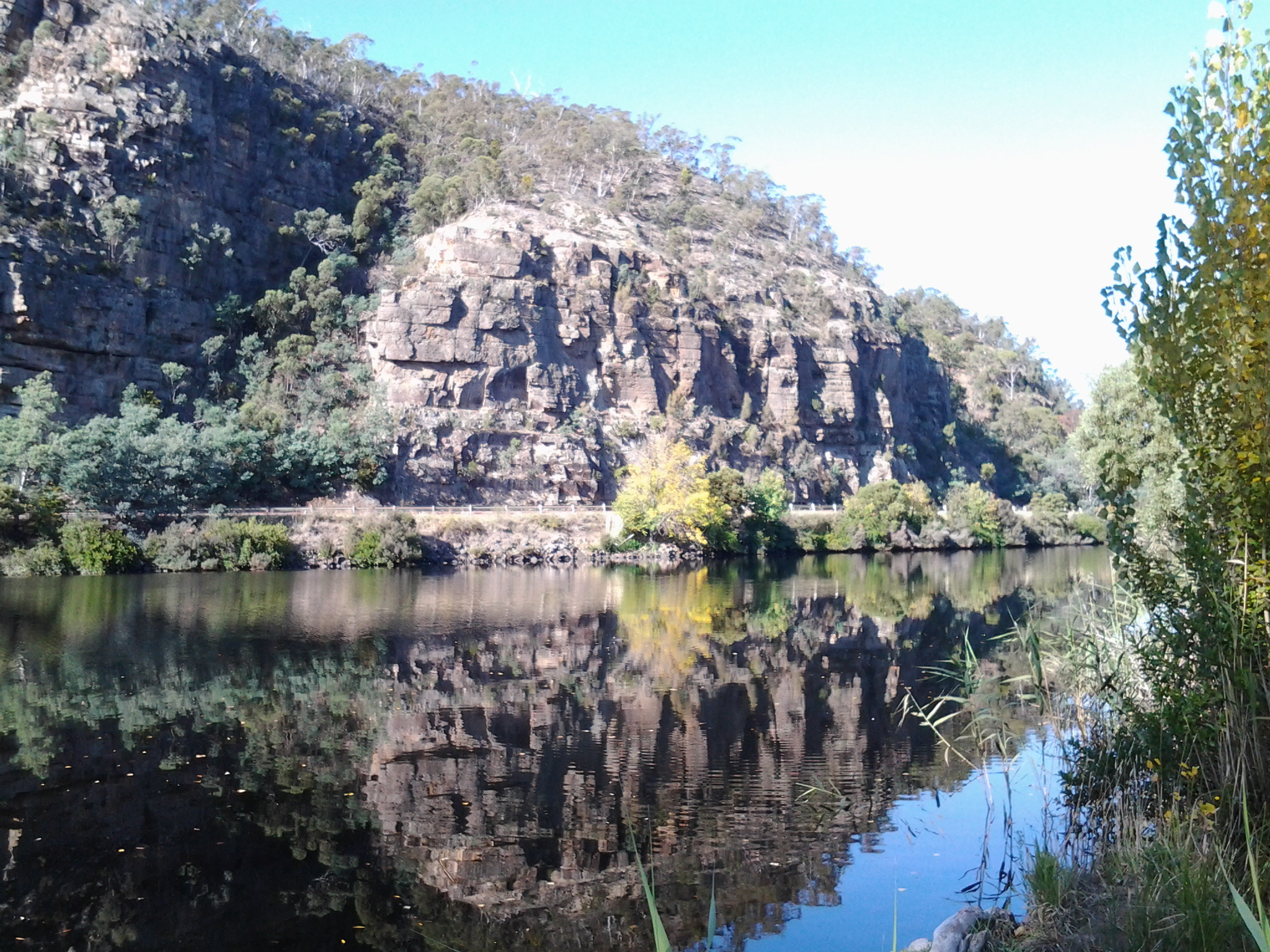
From Granton I walked north-west then west towards the inland town of New Norfolk walking mostly along the Lyell Highway and then on a walking track for the last 5 or so kilometres. The morning was freezing and the afternoon warm.  But the sun was out; its hard autumn light made the world seem alive and sparkling. The Derwent River was splendid, often still and reflecting the trees and hills on its surface, under a bright blue sky with the sun shining gloriously.

20150413_140121

I finished my walk at the bridge crossing the Derwent River in New Norfolk.

20150413_145514

During the walk, I covered about 15½km of the length of the Derwent River.  By my reckoning, the total distance of the Derwent River on the western shore from the mouth of the River to New Norfolk is 54¼ km.

My walking distance was approximately 20¼kms.  I have now walked approximately 191¼ kms not counting getting to and from buses, as part of this project to walk along the Derwent River.

The highlights of the walk to New Norfolk were finding the remnants of two clearly visible heritage lime kilns, seeing a family of 6 pelicans, finding the track along the river leading to New Norfolk, and being mesmerised by the spectacular autumn foliage along the walk and especially in New Norfolk.

20150413_140030

I started walking from Granton around 8am and, despite wearing a thick woollen beanie plus a thermal top under my windproof jacket, I was frozen for the first two and a half hours.  It was 8 degrees Celsius at Bellerive when I left home, 6 degrees at Glenorchy and I suspect much less with a wind chill factor along the first part of the walk.  On this basis, I will not be walking further inland until sometime in Spring, and the timing of starting again towards Lake St Clair will depend on the air temperature.

Over the coming week I plan to enjoy writing up the journey and the discoveries of Stage 14’s walk in a series of different postings.

I pay my own way as I walk along the Derwent River

stockfreeimage.com Aust money notes rolled

Some friends feel sure I must be asking for freebies, discounts, backhanders, cash-in-hand or other special deals from businesses, restaurants, accommodation facilities, buses and other organisations which I comment on in my blog, as I pass along the Derwent River.  No, I do not. I have not asked for, I do not seek for, and I do not expect to receive service or goods for free or cheaper simply because I have something to say about them in my blog.

I would not like to feel fettered by an obligation to ‘go easy’ on a business or product which was substandard.  I would not like to feel pressured to remark on a particular product or service that I was not interested in, or I could not make relevant to the walk along the Derwent.

In the current environment when travel writers routinely have their costs covered and often have access to premium products and services for no charge, I can understand why some people might be surprised to learn I have not joined that gravy train. That way of funding travel is not necessary for me; to date, my only cost has been small local bus fares.  I would like to be able to make any comment I prefer about Hobart’s Metro bus service and, therefore, I have not approached them for assistance.

Of course, the future is a different place and when I venture northwards, no longer will I be able to organise walks as one day events.

I will need places to stay overnight occasionally. In addition, I will be using different public bus services so my costs may be greater than those which I am used to. Despite the likelihood of increased costs, I view these walks as my ‘holidays’ and I am prepared to pay for them.

When I started the blog, one of my intentions was to inspire local people to follow in some or all of my footsteps. I want local readers to know exactly what the situation is and so my walks will not be doctored by special privilege.

???????????????????????????????????????

Another matter concerns me.  I hear rumours that a few tourism operators away from the main cities and towns are not always serving their customers in the hospitable contemporary way many of us feel visitors to Tasmania should expect.  If I find some ‘bad eggs’ in the more remote parts of Tasmania, then I want to be able to expose their weaknesses or recommend possible improvements in my blog (and probably on Trip Advisor as well).

??????????????????????????????????????????????????????????????????????????????????????????????????????????????????????????????????

(Photo above ‘Fresh Start” from Dreamstime.com)

On the other hand, where I find excellent service, I want to reward that with the words and pictures of my choosing. On this basis, I see no reason to persuade people to give me a free night’s accommodation or meal or pay for any other expense which I might incur.

Hmmmm.  Almost seems a shame to take this point of view!  I wonder if blogger jenspen1961 from Cairns, when she sets off walking around Australia, will think differently.

Freeimage sockfreeimage.com of map of money australia

Pumphouses

Tasmania’s productivity was given a boost from the 1930s onwards with the building of hydro-electricity generating schemes to support the development of manufacturing and other industries.  From this activity a number of decommissioned pumphouses now exist across Tasmania.

Recently, when I revisited the Westend Pumphouse (http://www.pumphouse.com.au/) located in Murray Street Hobart, I wanted a reason to document its great service, good wines and terrific food in this blog. From time to time I wander in with a friend and inevitably a Tasmanian sparkling wine finds its way into tall glasses at our table or with us as we loll about on comfortable couches.  Recently a blog follower Ju helped make a couple of connections between this restaurant and bar (which seems to have no connection with hydro-electricity production, except its name) and my Walking the Derwent project.

Firstly, England also has a Derwent River with a pump history which is documented at http://www.middleton-leawood.org.uk/leawood/history.html

Secondly, blog followers may recall that the source of Tasmania’s Derwent River is located at the southern end of Lake St Clair in central Tasmania. A new-you-beaut boutique hotel recently opened near the remote township of Derwent Bridge (located approximately 2 ½ hrs drive from Hobart, and a few minutes from Lake St Clair) – with the name The Pumphouse Point.  This hotel has been repurposed from an original pumphouse. The web site at http://www.pumphousepoint.com.au provides expanses of interesting and useful information, and the photographs are stunning.  According to Charles Woolley in the TasWeekend newspaper of 8/3/15, an ‘abandoned, swallow-haunted piece of mid-20th century hydro technology’ has been ‘transformed’ into ‘a micro resort’. Further viewpoints are expounded at http://hobartandbeyond.com.au/news-posts/architecture-water/.  I do love the title on the home page – ‘the architecture of water’ – I am pondering how to incorporate this idea and those words into my walks.

When I finish walking to Lake St Clair area (in a year or more’s time), surely it will be most reasonable to stay a night at The Pumphouse Point – as a reward for effort.

From Wrest Point to New Norfolk on the Derwent River

‘Have you got a red hat?’ friend An asked me. Recently she became Princess Pollyanna, an esteemed member of Hobart’s Scarlatt O’Hatters (http://www.hobartredhats.com/), and urged me to join particular excursions that have a connection with my walking project.  The delicious carrot being wriggled before my eyes was a ferry trip from Hobart to New Norfolk on the Derwent River.  I paid my membership fee to Queen Poppi and then found a common red beach hat (although others were wearing all manner of superb creations on their heads – are these the modern day ‘mad hatters’, I wondered). I donned a range of purple clothes and, as the newly appointed Lady Walkabout, jumped on the tiny water taxi ferry with 20 colourful new friends to be.

20150304_093216

The wind was strong and some swell across the River kept us bobbing.  However, the ride was comfortable and no one needed to bark at the fish over the side.  Sprays of salt water marked the windows and there were few opportunities to move outside into the clear moist air.  But the day was beautiful, the wind chopped waves dramatic and the panoramic scenery majestic.

What a thrill the journey was. After we left the jetty at Wrest Point Casino in Sandy Bay, a southern suburb of Hobart, we motored with commentary from our driver.  He pointed out environmental and historical features. This was a wonderful reminder of research and findings I made while walking the edges of the Derwent between the mouth of the River and Bridgewater Bridge, and I learned a few new details.

20150304_093514

The surprise sighting of a white sea eagle perched in a high tree against the cliffs in Shag Bay (an inlet between the Bedlam Walls – refer to my Stage 6 report) inspired the driver to stop and allow us outside to get a privileged view of this large bird.

20150304_095143

One of the great treats of the day was motoring underneath the very low Bridgewater Bridge (reminded me of travelling on some flat top boats in Paris where you feel sure the boat will become wedged against the bridge metal) and passing through without a bump or grind.

During our trip, at one stage hundreds of coots flew up from the water, we were accompanied for part of the journey by a small flock of sleek long necked swans, and in a small inlet a large family of pelicans were flying around.  Our eyes focused on all these birds.

As we continued on the Derwent River against landscape which I am yet to see on foot, it was clear my earlier belief that marshlands will prevent me from walking directly next to the River for most of the way from the Bridgewater Bridge to New Norfolk, is correct.  Occasionally it will be possible to walk on paths and grass, but mostly I will be tramping the hard road verges.  I was not aware the remains of a historic Lime Kiln sits beside the water, and it was good to see that I should be able to walk pass this on my way northwards.

As a result of this one-day excursion and from many car trips up and back to New Norfolk, I have a good understanding of the route. However, I realise that at foot level the world looks completely different and I look forward to finding out more in the near future.

understanding of the route. However, I realise that at foot level the world looks completely different and I look forward to finding out more in the near future.