Category Archives: Hobart

Blackberry pie for dinner tonight?

During the Stage 13 walk, I noticed blackberry canes running wild and plump with glistening black berries.  Fruiting blackberries grew rampant on the sides of the roads.  On my return trip to Blackmans Bay from Pearson’s Point, I sampled the odd juicy berry; they were sufficiently sweet to enjoy but sufficiently tart to add sugar in the cooking if wished.

My thoughts flew to hot blackberry pies. I imagine as you read this that, if you have known such leasure, you are licking your lips and savouring the memories of their deliciousness.

As I walked, I considered how easy it would be to make a pie.

For Hobart locals, I thought you should buy a pack of frozen puff pastry on the way home from work or wherever.  Throw it into the fridge, grab your pie dish, jump in the car or take a bus then travel through Blackmans Bay and onto the Tinderbox Road.  When you have passed the intersections with Wells Parade and Suncoast Drive, the next road left is the Treatment Plant Road.  Drive/walk down this road until you reach the Dog Exercise Reserve.  Walk to the left of the enclosure just a few metres and all along the path are easily accessible blackberries ready to be picked.  Fill your pie dish. Alternatively you can continue driving up Tinderbox Road and stop wherever you see the multiglobes of these very ripe berries.

When you get back home, if you wish, sprinkle with sugar to taste.  Place a slab of puff pastry over the dish.  Make some fancy holes with the fork tines to let the steam rise away from the pie so the pastry becomes crisp, then place in a preheated oven and bake around 200 degrees until the puff pastry has risen and turned a golden colour.  I know some people eat their portion of blackberry pies neat, while others scoop icecream or pour cream over the dish.

Nowhere did the berry bushes seem as if they had been sprayed with pesticides. I talked with a local woman who was picking berries off the fence line at her property and she was confident none had been sprayed. I suffered no ill effects from eating them.

If you are a reader who has never seen a blackberry, here is a photo:
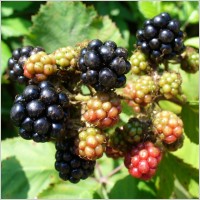
blackberry_blackberries_fruit_224333 free image blackberry_186056

Please tell me if you are now inspired to make a blackberry pie, if you live somewhere close to fruiting blackberry bushes.
Opera (not Oprah) and the Derwent River

How can I make a connection? This blog is not meant to be a diary of my life rather a record of my walk along the Derwent River in Tasmania. However, when I experience something wonderful I feel enormous pressure to share.  My challenge, therefore, is to make a reasonable connection with the Derwent River.

Yesterday I watched, via their program ‘Live in HD’, one of Metropolitan Opera’s (New York) latest performances of Richard Wagner’s opera Die Meistersinger von Nürnberg.

The connection I am making is slim and relates only to the location of my viewing.  The opera was screened in MONA’s (Museum of New and Old Art) Cinemona theatre.  Long term followers of this blog will know that this internationally renowned Museum is located directly on the western shore of the Derwent River within the Greater Hobart Area (I walked there in Stage 9 and left there on Stage 10).

Another tidbit of connecting information is that a 3 Act opera named ‘Mona’ was premiered at the Metropolitan Opera just over a century ago (yes I am clutching at straws).  In her book American Opera, Elise Kuhl Kirk remarks: “By the time Mona was given its premiere at the Metropolitan Opera in 1912, audiences had wearied of German ideology. Parker’s heroic libretto was ‘somewhat grey’ some said … Parker admired … Wagner.”

The Met’s latest performance of Wagner’s Die Meistersinger von Nürnberg was definitely not grey. It is the story of a man in love who needed to become a mastersinger, but had no experience and possibly no talent, in 16th century Nuremburg Germany. Richard Wagner wrote and composed this opera in the 1860s.

Through their ‘Live in HD’ program, the Met releases a series of operas around the world each year.

Years ago, the CMAX at Devonport on the northwest coast of Tasmania was the only cinema in this State to screen the series. In the past couple of years MONA at Berriedale has also offered the fabulous opportunity to see what amounts to current performances (the actual performance would have been staged in New York only a few weeks ago), current sets and current sophisticated back-stage technology.  The singers are world class at the top of their careers, and the sounds they make can be sublime. During the intermissions, routinely a notable opera singer interviews members of the cast, sometimes the conductor of the orchestra, the Stage Manager or others – all of which adds immeasurably to the pleasure of the experience.

Die Meistersinger von Nürnberg is Wagner’s longest work and the performance lasts over 6 hours including the two intermissions.  The outside temperature in Hobart was very warm yesterday so being able to immerse myself inside watching the performance made me feel extremely fortunate.

Words such as thrilling, brilliant, overwhelming, powerful, breathtaking, and rousing all come to mind when I remember my experience – especially in the third Act.  This opera will be rescreened at MONA tomorrow (23rd Feb) and again on Friday 27th Feb for anyone who is interested to visit MONA by the Derwent River.  I feel sure you will have heard the main theme of this opera before: check out the start of an orchestral performance at  https://www.youtube.com/watch?v=JKG8ZxEOdwE  (Published on Apr 6, 2012 Full Opera Recording “The Mastersingers of Nuremberg”. Sung by Theo Adam, René Kollo, Geraint Evans, Peter Schreier, Helen Donath, Ruth Hesse. Recorded by Staatskapelle Dresden and the Chorus of the Staatsoper Dresden. Conducted by Herbert von Karajan (EMI, studio, 1970).)

Cruise ships berthing at Hobart

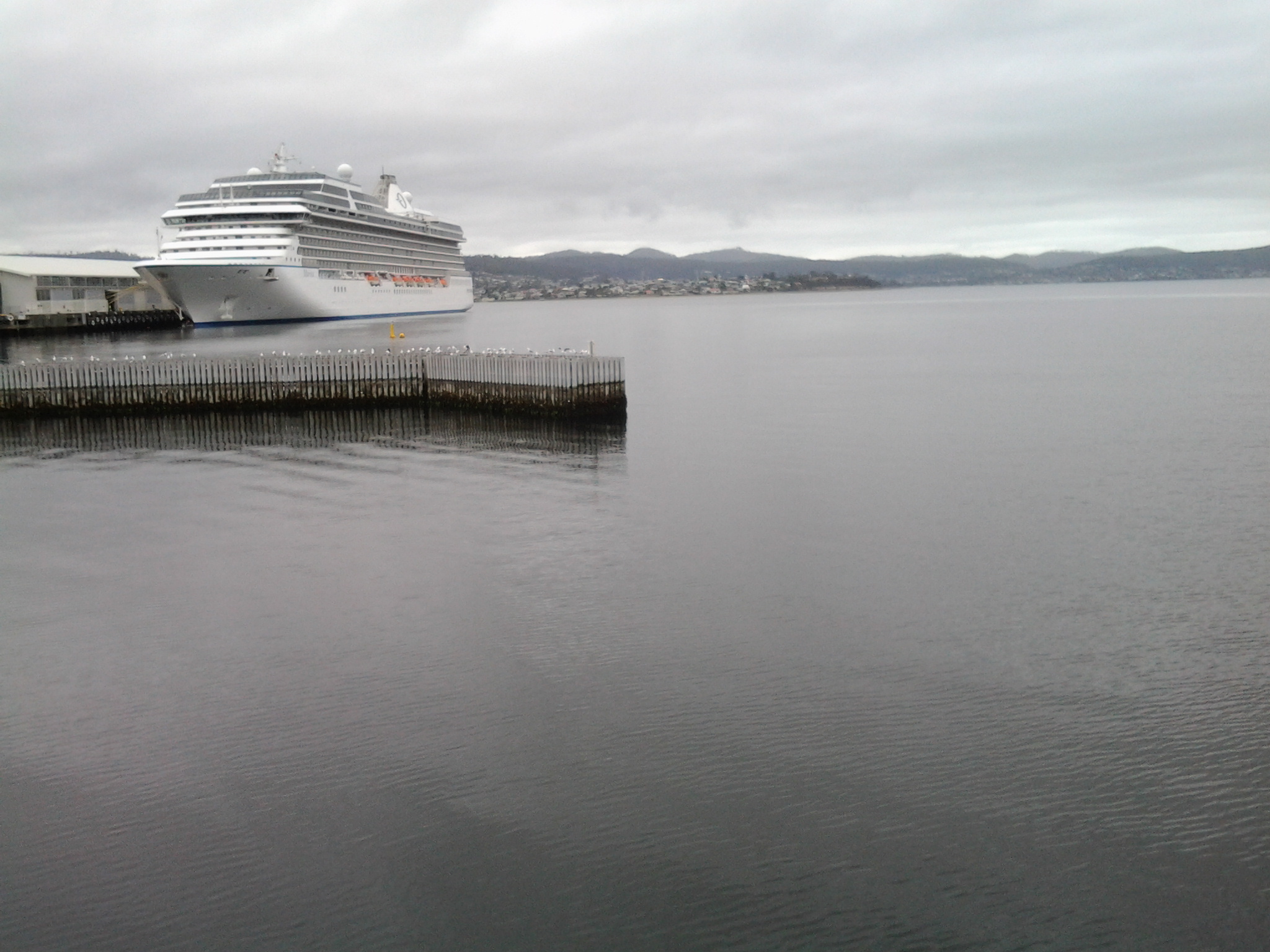
On a recent afternoon I could see the Marina cruise ship berthed at MAC2/3 (the name of one of Hobart piers). This ship arrived early in the morning from Geelong in southern Victoria on mainland Australia.

20150217_145044 20150217_145014

For more information about the ship go to http://www.cruiseaway.com.au/ship/marina?gclid=Cj0KEQiA6ounBRCq0LKBjKGgysEBEiQAZmpvAxP6_HcT_3xcTvA4bqjanWX6gz9rMqc1ga4ZVAGuCFoaAiMt8P8HAQ

Later, I watched the Marina depart at 6pm.  The early evening sun sparkled across the Derwent River and brightened the ship so it made a spectacle as it gathered steam. The Marina’s next destination is Milford Sound on the south island of New Zealand.

20150217_181250

This cruise ship is one of many which dock in Hobart and release thousands of tourists across the city and further beyond, for day trips. If you want to know which ships  are due in port in the coming days then read http://www.tasports.com.au/port_services/arrivalshobart.html

The overall cruise ship schedule into Tasmanian ports can be read at http://www.tasports.com.au/port_services/arrivalscruise.html. This list is staggering because it shows the bookings up until 2020!

From my Bellerive home I can see these large ‘towns’ on water as they arrive and depart.  I can almost feel the thrill that I expect new arrivals might experience as they reach this new destination ready to discover a new world.  One day I hope one of my blog followers will be on such a cruise ship and will ask me to take them on a walk somewhere along the Derwent River.

T42 on the Derwent River, Tasmania

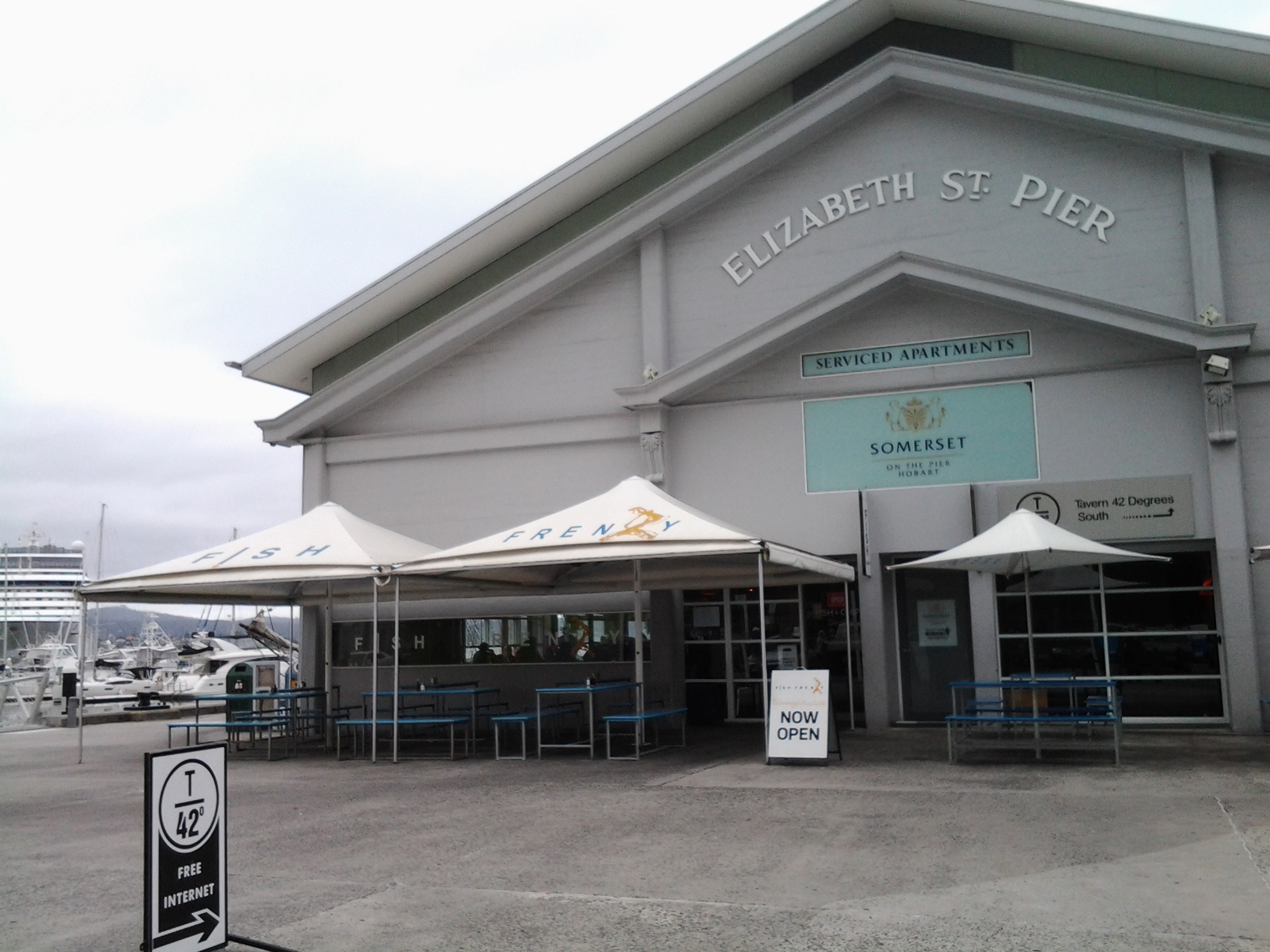
When a friend suggested we meet for a drink and named the place, I said ‘yes’ immediately. The Tavern 42 Degrees South Elizabeth St Pier Hobart ,usually known as T42, is one of my favourite haunts on the Hobart wharves edging the Derwent River. Late afternoon and into the evening a couple of days ago I enjoyed sitting outside in the fresh air while sipping a sparkling wine or two and, all the while, watching yachts and other boats and ships come and go, as tourists and locals wandered around.  Exceptionally easy and pleasant.

20150217_144651

What does 42 Degrees South mean?  If you read http://en.wikipedia.org/wiki/42nd_parallel_south you can see a list of the countries through which passes the 42nd latitude south of the equator (most of it passes across oceans). Historically Tasmania has made a noise about this parallel in order to make it easier for people elsewhere in the world to locate our island.  It is celebrated in an outstanding quarterly periodical aptly titled TASMANIA 40oSOUTH. More information including subscription details can be read at http://www.fortysouth.com.au.  The stories and the photographs contained in each issue are nothing short of inspiring and glorious.

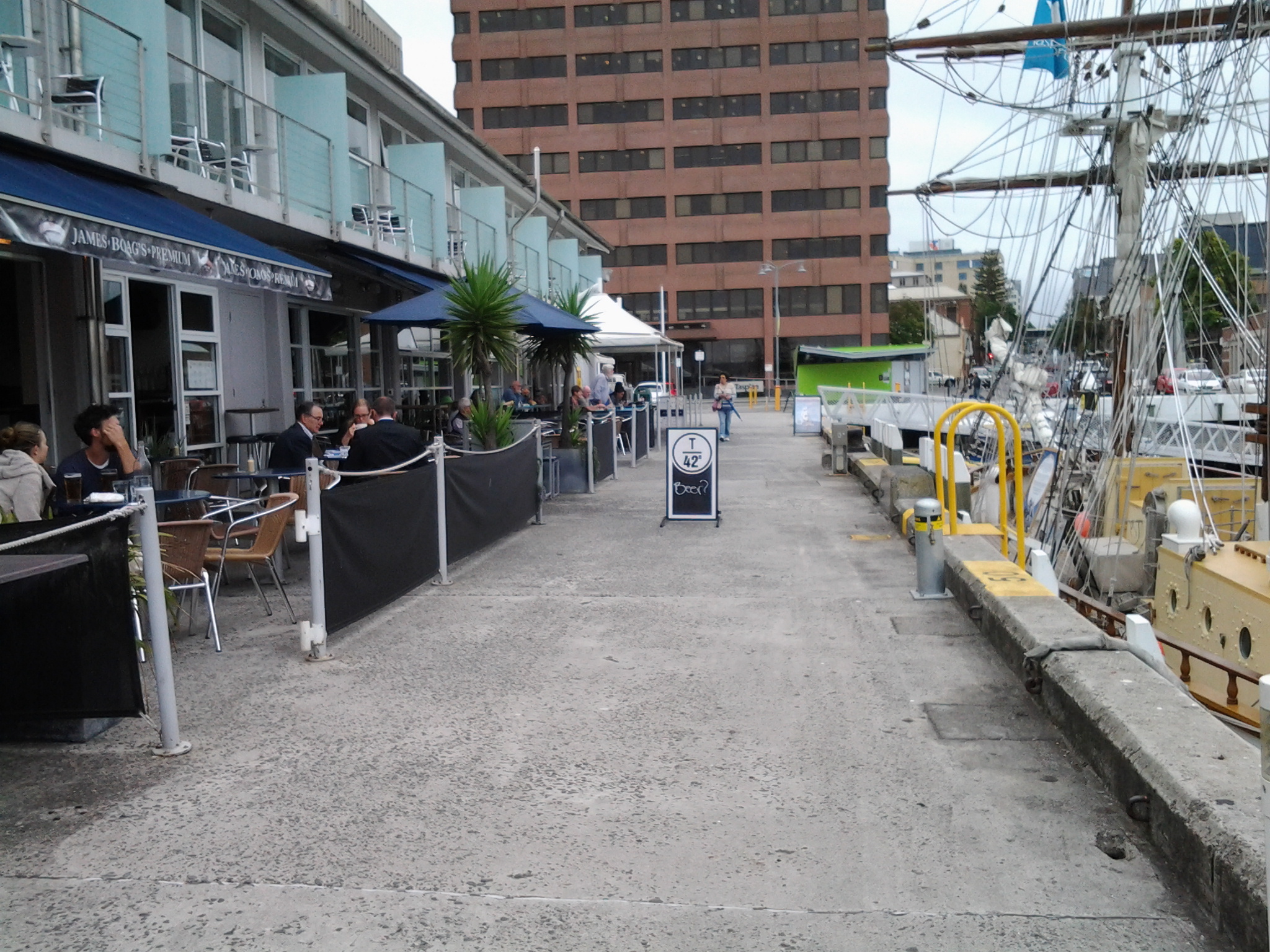
The tavern T42 on the edge of Elizabeth Pier, one of Hobart’s easily accessible wharves, also acknowledges Tasmania’s location in its name.  To reach the restaurant at the end of Elizabeth Street in the centre of Hobart, firstly you will see another well patronised restaurant, Fish Frenzy, then you walk either to the left or right and find T42 which has entrances both sides of the Pier.

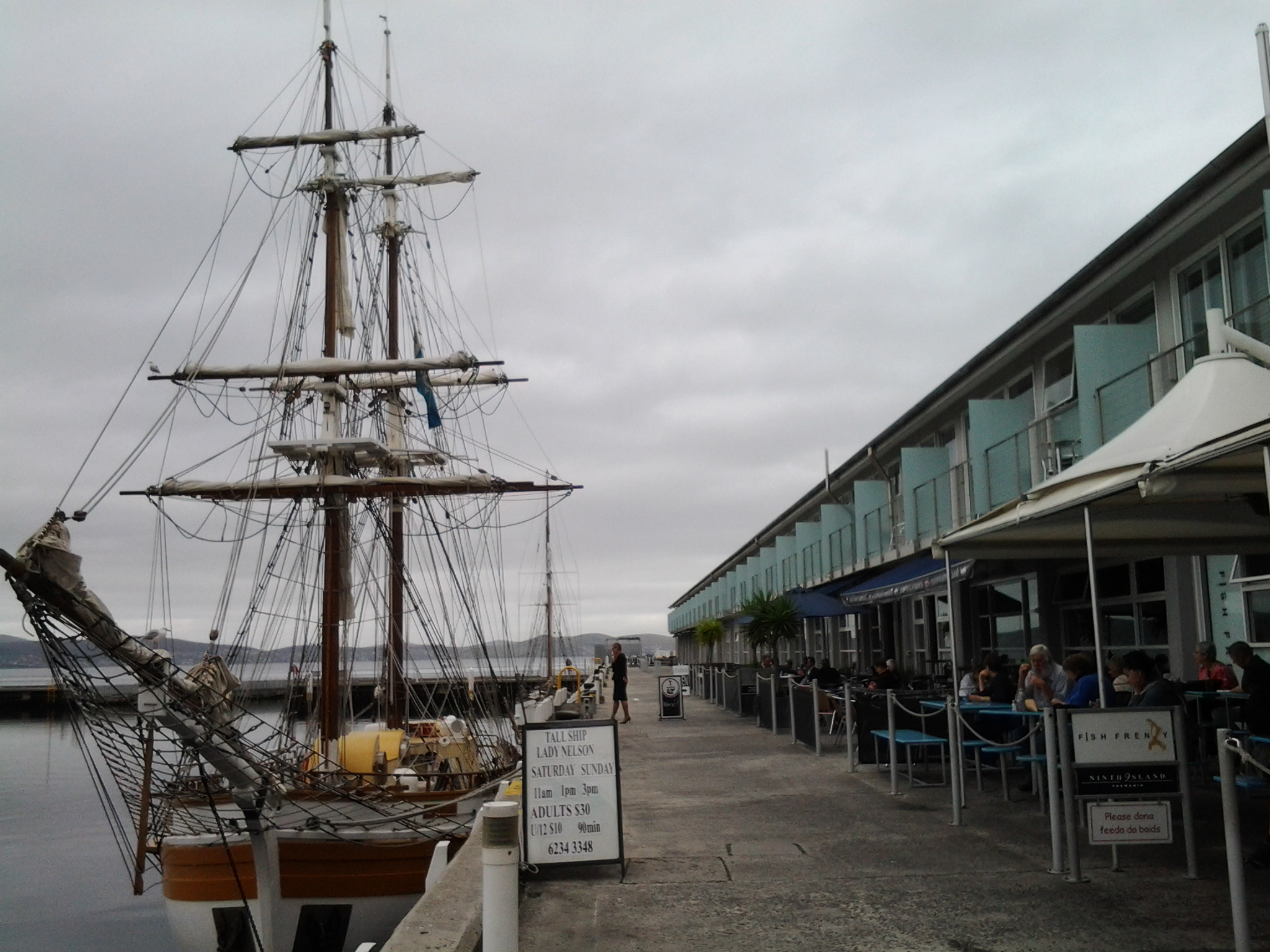
I always prefer to walk on the left side where the Lady Nelson is often moored.

20150217_144739 20150217_145310

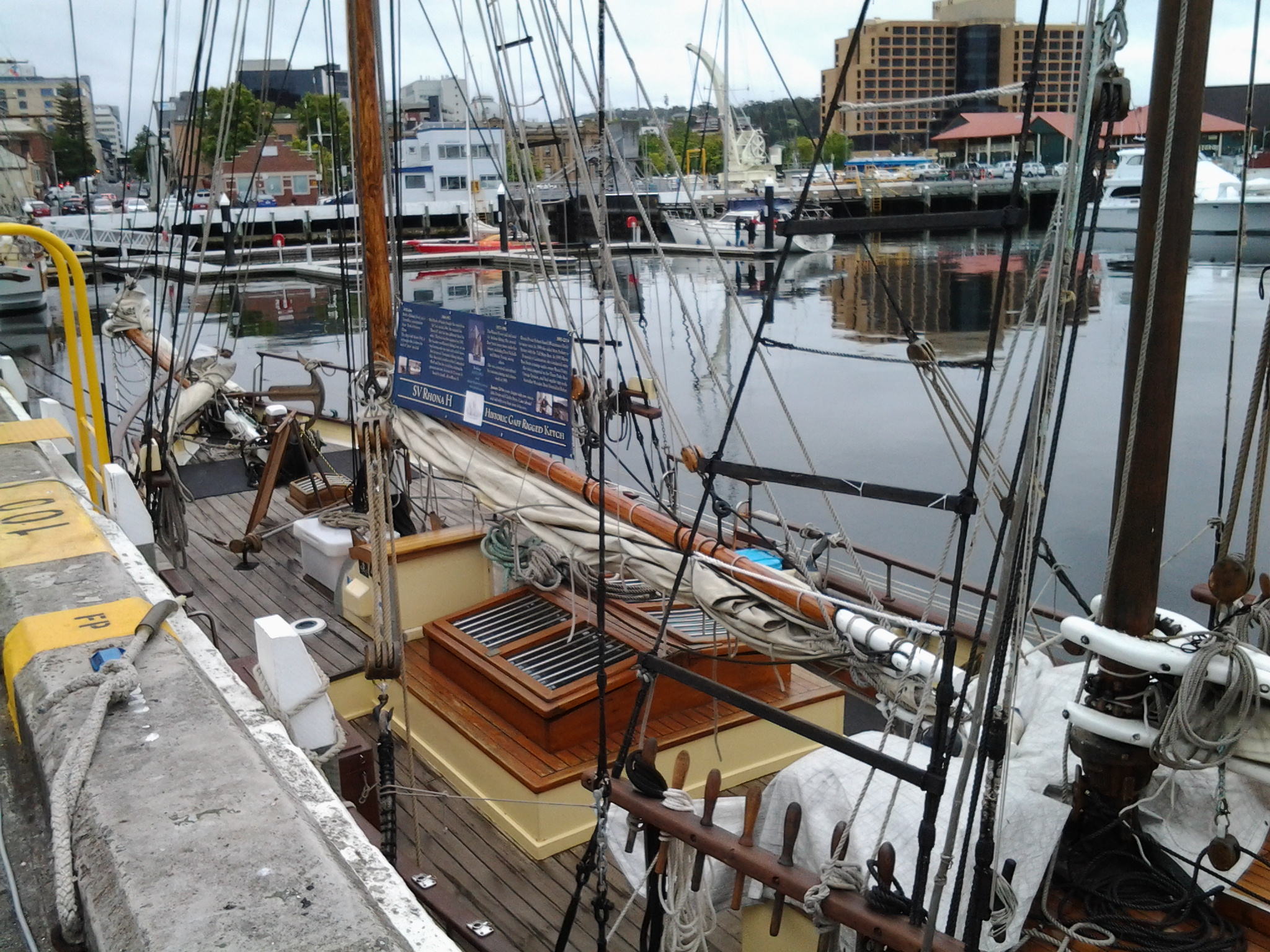
Further along, another sailing ship, the SV Rhona H was sitting pretty.

20150217_145208 20150217_145220

Relaxing comfortably at outdoor tables I did not realise my view was so visually obstructed as the following photograph seems to indicate. Instead I found the changing view enthralling.

20150217_154406

The skies were clouded but the atmosphere was not gloomy. The day was mildly humid and not cold.  The water was often mirror smooth and picture perfect.

20150217_145202

This was the place to be!  And I will return.

Straight Up (from the Derwent River?)

When I find a good thing/place/event, I try to discern a connection with the Derwent River so that I can write a blog post.  A lunchtime restaurant named ‘Straight Up’, where I enjoyed a wonderful vegetarian meal yesterday with a friend, is one such place.  It is located in Liverpool St, Hobart between Harrington and Barrack St and is not in sight of the Derwent River.  But my friend An gave me the clue:  she said the restaurant is located ‘straight up’ Elizabeth St from the wharf on the Derwent River, and then straight up Liverpool.  After the meal, I walked ‘straight’ down Liverpool and turned right into Harrington St, then straight down and through St David’s historic Park and the Parliamentary Gardens to the water’s edge of the Derwent River.

Why is this restaurant ‘Straight Up’ worth mentioning?

Partly because the service provided by the waiters and other staff is fast, to the point, helpful, informative, and obliging. Mostly because the good clean vegetarian food has been transformed into sophisticated tasty dishes. The food is presented attractively but simply so that it doesn’t appear as if Masterchef contestants have been in the kitchen. There is plenty of food on the plate without seeming like it’s a dump from a smorgasbord. And perhaps because my friend and I always seem to be given a seat in the window (yes we have been before and we are working our way through the menu) away from other patrons. The ambience is one of space and privacy so that we relax over our meal.
You can visit ‘Straight Up’ for breakfast or lunch. Reservations are not required, although you may need to wait until someone leaves before you get a table.

More information and photos are available on http://www.designful.com.au/uncategorized/straight-up/,

https://www.facebook.com/straightupcoffeeandfood, and

http://twoclownstripping.com/2014/10/16/straight-up-vegetarian-hobart-tasmania/

I found a ratings page at http://www.eatability.com.au/hobart/cafes/straight-up-coffee-food/ indicating other people think like I do.  Although I might have awarded 10/10 ratings.

Clarence Jazz Festival (mostly bordering the Derwent River) in southern Tasmania

jazz-1-052314-akp

I don’t know when the Clarence Jazz Festival first started, but it was up and running when I returned to Tasmania to live, in 2000. Ever since, it has grown in scale and excitement.

From one Sunday to the next in the third week of each February, performances are scheduled in historic buildings such as the Rosny Barn, next to the water on various bays such as Kangaroo Bay and Lindisfarne Bay (that empty into the Derwent River, and which blog followers may remember from earlier stages of my walk), at beach reserves and on village greens across the local government area of Clarence City Council.

Most are free events and they culminate in the big day next Sunday.  On that day the Bellerive Boardwalk, with its stunning backdrop of sun-drenched water covered in yachts, hosts a grand finale when many different Tasmanian and national jazz musicians perform on an open stage in front of changing throngs of people sitting and moving around the Boardwalk.  Food, wine and coffee stalls surround the venue, and the Clarence City Council offers free sunscreen for those who come unprotected.  At the Jazz at the Boardwalk is where you can expect me to be next Sunday!  Bring on those sexy saxophones!

TheresaKnott-Saxophone

Typically people walk from home often carrying picnics and refreshments to drink.  Families sit outdoors and soak in the atmosphere while kids clamber over public playground equipment when nearby.  Where I live, sometimes the sounds of music float across the air and I am able to enjoy concerts when I cannot get away from home.

The festival Facebook site shows images of past musos and performances and some of the guests for this year (https://www.facebook.com/clarencejazzfestival).

If you are a Hobart local and have forgotten about the Festival go to http://www.ccc.tas.gov.au/page.aspx?u=933&c=386, read the program, and be prepared to see some musicians strut their stuff.

free_3807275 Trumpet in the lights

Claremont House, Tasmania

At the time of my walk along the Derwent River through the suburb of Claremont, I explained Claremont House was not close enough for me to deviate from the tracks near the shores of the River – so I did not visit.  However, yesterday I was delighted to be able to explore the historic property of Claremont House, tour its premises and enjoy High Tea with friends over three wonderful hours.  What a great experience!  A big thanks to one of my blog followers Me for organising this.

In my earlier posting History of our Claremont by the Derwent River, I referred to Claremont House (alternatively known as Lady Clark House), gave the street address, and explained it was built in the early 19th century by Henry Bilton who lived there for some time. If you revisit that posting you can click on many websites giving photographs and further information.

I now know that the property once extended to the edge of the Derwent River and included the entire peninsula on which the Cadbury chocolate factory and the Claremont Golf Course sit currently.  On this basis, and because Claremont House’s current view looks across the River, it seemed appropriate to include the story of my visit into this blog.

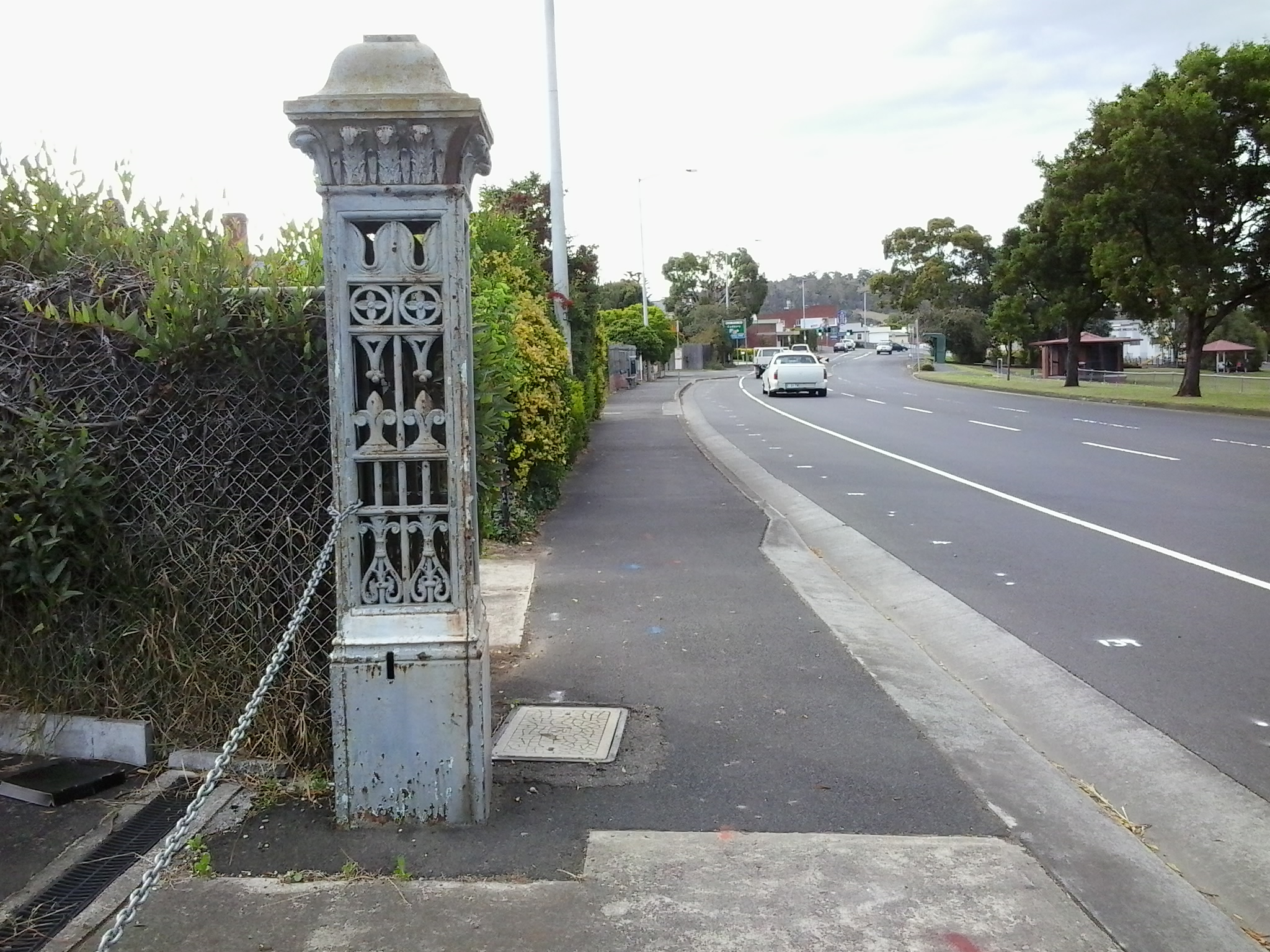
After turning off the main road through Claremont into Lady Clark Avenue, ornate wrought iron gates signalled arrival at the current boundary of the Claremont House property.

2015-02-15 17.21.11

I learnt these were not original gate structures and that the originals, excepting one, were removed and dumped into the Derwent River at some stage.  The one remaining original post, looking rather worse for wear, is currently located on Claremont’s main road around the corner from Lady Clark Avenue.

2015-02-15 17.24.03

We drove up a winding driveway then immediately enjoyed the moist summer air as we and other visitors strolled past a couple of horses towards the house.

2015-02-15 13.52.52

Looking along the bottom balcony it was clear the wisteria was doing its best to take over.  Tranquillity reigned.

2015-02-15 13.55.12

The 33 room house, with its ‘widows walk’ topping the structure, has suffered from a chequered history of public and private ownership, but the current owner Joel Van Sanden is passionate about restoring the property in alignment with a specialist conservation plan, and the changes are proceeding.  It has been a painstaking and slow process enlisting the involvement of the few remaining tradesmen who specialise in heritage work of the type needed for this House.

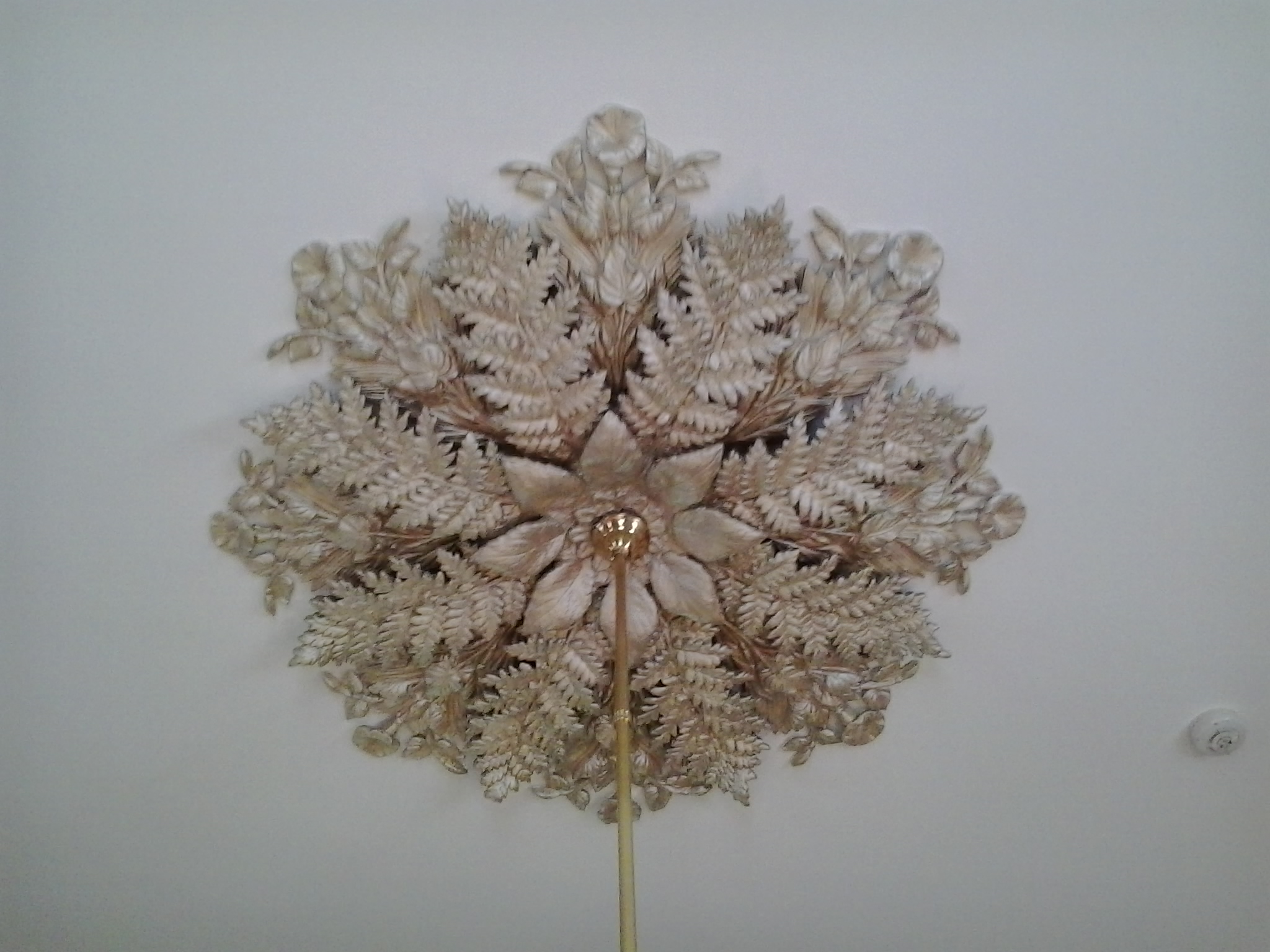
I was especially impressed by the ceiling ‘rose’ in the original ballroom for the fine quality of the tree fern fronds. It was the highlight of my visit.

2015-02-15 13.57.09

The full size pool table weighing over 4 tonnes, is a magnificent piece of furniture. I noted its feet rested on stone foundations.

2015-02-15 13.56.52

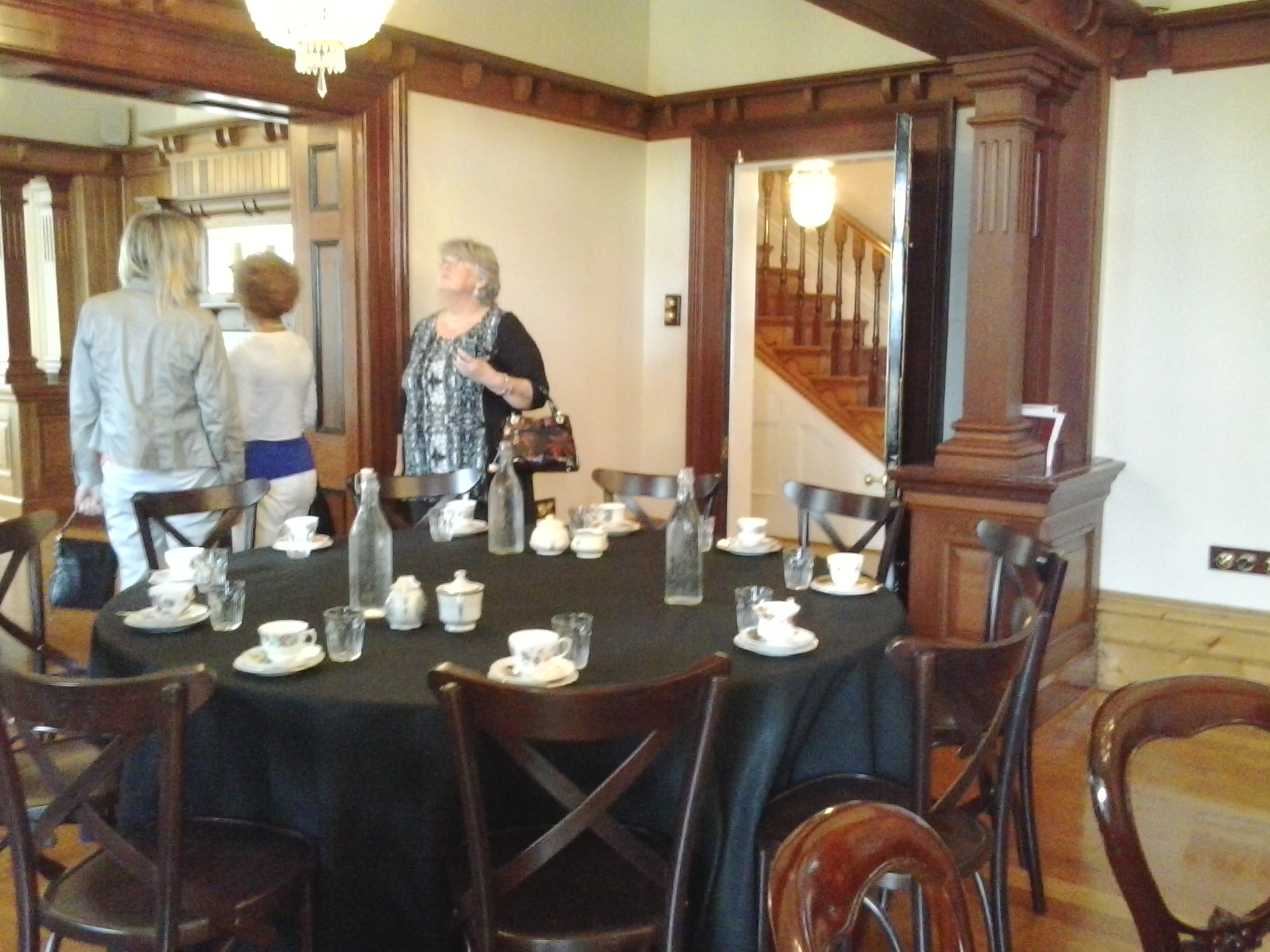
The generous and freshly made High Tea (scones jam and cream, mini quiches, egg sandwiches, chicken sandwiches, and much more) was served in a beautifully restored ballroom.  The photo below shows only a small portion of the space.

2015-02-15 13.59.27

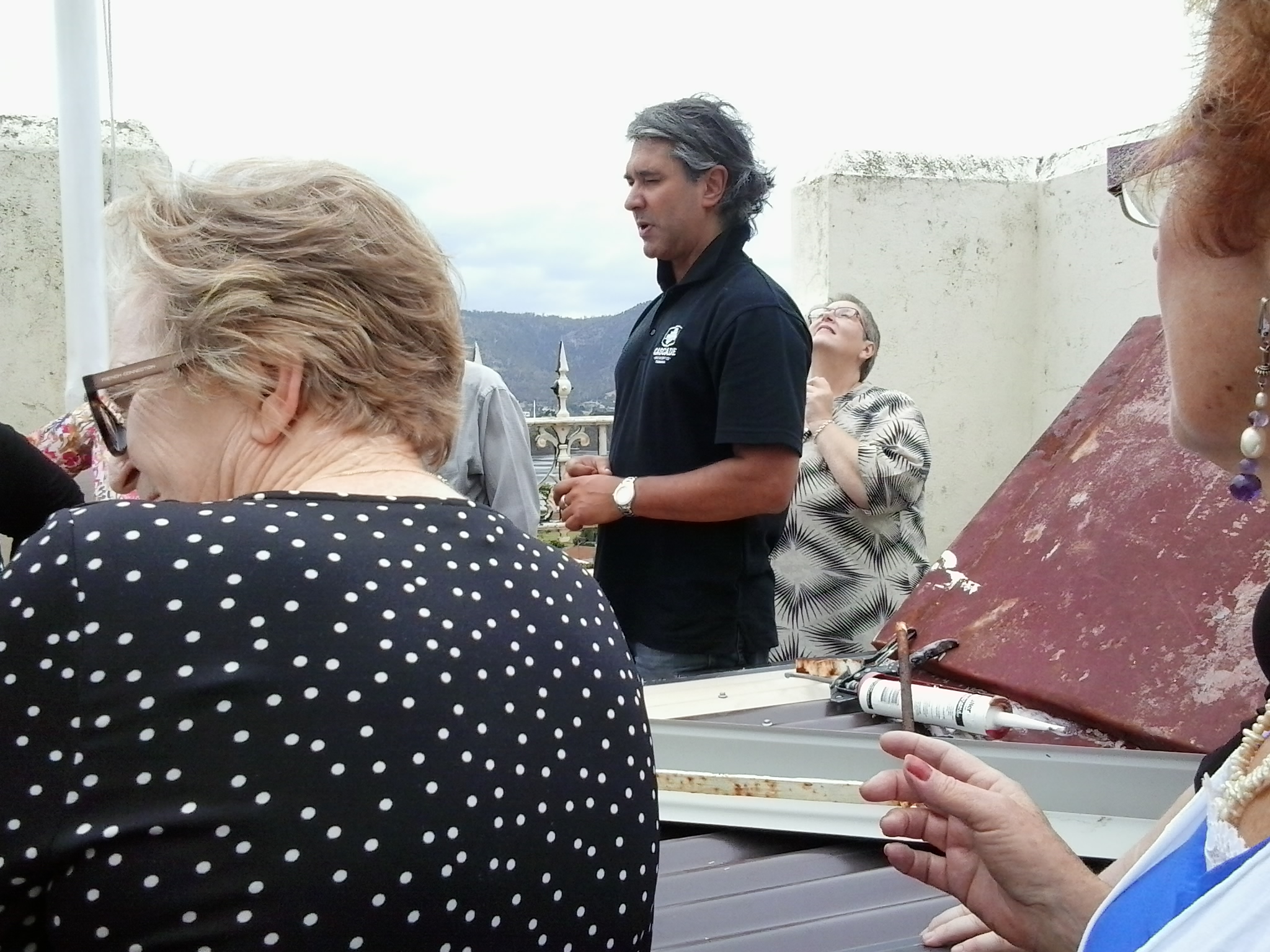
We listened to the owner explain the history of ownership and the effects on the shape and state of the building. In small groups he led us on a series of interesting staircases up to the ‘widows walk’ from where we had a 360 degree view covering the Derwent River, Mount Wellington and much much more.

2015-02-15 14.25.17 2015-02-15 14.29.30

2015-02-15 14.33.39 2015-02-15 14.34.06 2015-02-15 14.27.46 2015-02-15 14.28.38

Later we strolled through the grounds and learnt about past extensions and outer buildings, extensive gardens and glass houses.

2015-02-15 15.35.28 2015-02-15 15.38.32

Finally I ambled down the hill to see the House from another angle, and found myself at a fountain below a walkway sided with apple trees.

2015-02-15 17.18.30

If I had been told in advance that the tour and tea visit would take 3 hours, I might have baulked. I am glad I did not know this because my time at Claremont House offered me a rich and varied experience.  The owner was energetic, well informed, and experienced with the process of turning Claremont House from what it had become, a sow’s ear, into a silk purse. The restoration process continues and I will look forward to revisiting from time to time, to see new developments. The price is $30 full adult and $25 concession.  This has to be the best value around.

Huon Quays has been purchased

On Stage 10 when I walked to the Hobart Regatta Grounds after passing under the Tasman Bridge on Stage, I stopped to have a look at the cluster of old white painted buildings, which had started their lives as a navy depot.

20150109_160439

These buildings, now known as Huon Quays, have been sold to Tasports.  Read more about it at: http://www.themercury.com.au/lifestyle/tasports-snaps-up-prime-huon-quays-waterfront-site/story-fnj64ocs-1227202042732 I wait with interest to see how this heritage site will be developed.  I hope the development will be sympathetic to its history and the surrounding environment.

Last weekend Hobart focused on the Derwent River

Last week I posted information in advance of the Royal Hobart Regatta and the Australian Wooden Boat Festival both of which celebrated Hobart’s water-based history on and in relation to the Derwent River.

On Friday afternoon, the Parade of Sails offered a flotilla of yachts and sailing ships which manoeuvred to the starting point of John Garrow Light and then headed upriver to Sullivans Cove at the wharf in Hobart. Followers may recall that, on an earlier stage of my walk along the Derwent River, I passed the John Garrow navigation light in Lower Sandy Bay when I reached Blinking Billy Point.

Last Friday I thought that a raised vantage point would give me a great view of the Parade of Sails, so I joined with neighbours from their balcony to watch.  I saw hundreds of marine craft sailing up the river on a heavenly blue sky day. The wind pushed them quickly upriver to Sandy Bay and then they seemed to stall. The sails congregated en masse close to shore between Wrest Point Hotel Casino and the suburb of Battery Point.

20150206_123340

This was so far away and unless you enlarge my photos you will believe there were few vessels on the Derwent River that day.  When not much forward movement happened, I realised that the finishing time for the Parade of Sails was 1.30pm but it wasn’t yet 1pm. Therefore, I presumed the ships decided to wait so the grand entrance/arrival into the Hobart docks could be on time.

On Monday I watched a swooping display from 4 synchronised planes, the Roulettes. They flew in complex formations around the city, across Mount Wellington and along the Derwent River, spewing steam behind to mark their athletic twists and turns.

It was a packed weekend and the media provided spectacular views of all the activities.  Have a look and consider being around when these events are held next time.

The Royal Hobart Regatta site is at: http://www.royalhobartregatta.com/

The Australian Wooden Boat Festival site is at: http://www.australianwoodenboatfestival.com.au/home

Colourful media coverage of this year’s events include:

Nudging into Blackmans Bay on Stage 12 of my walk along the Derwent River

At 3pm I turned left onto Roslyn Ave having walked up from Boronia Beach. Within 10 minutes I could see Blackmans Bay Beach.

20150202_150926

Five minutes later I turned left at Blowhole Road in search of a Blowhole. The road was narrow with no pathway and limited edges on which to walk.  Wattle trees were blooming and I passed an apple orchard laden with red globes. Flowering gums are spectacular at the moment.

20150202_150406

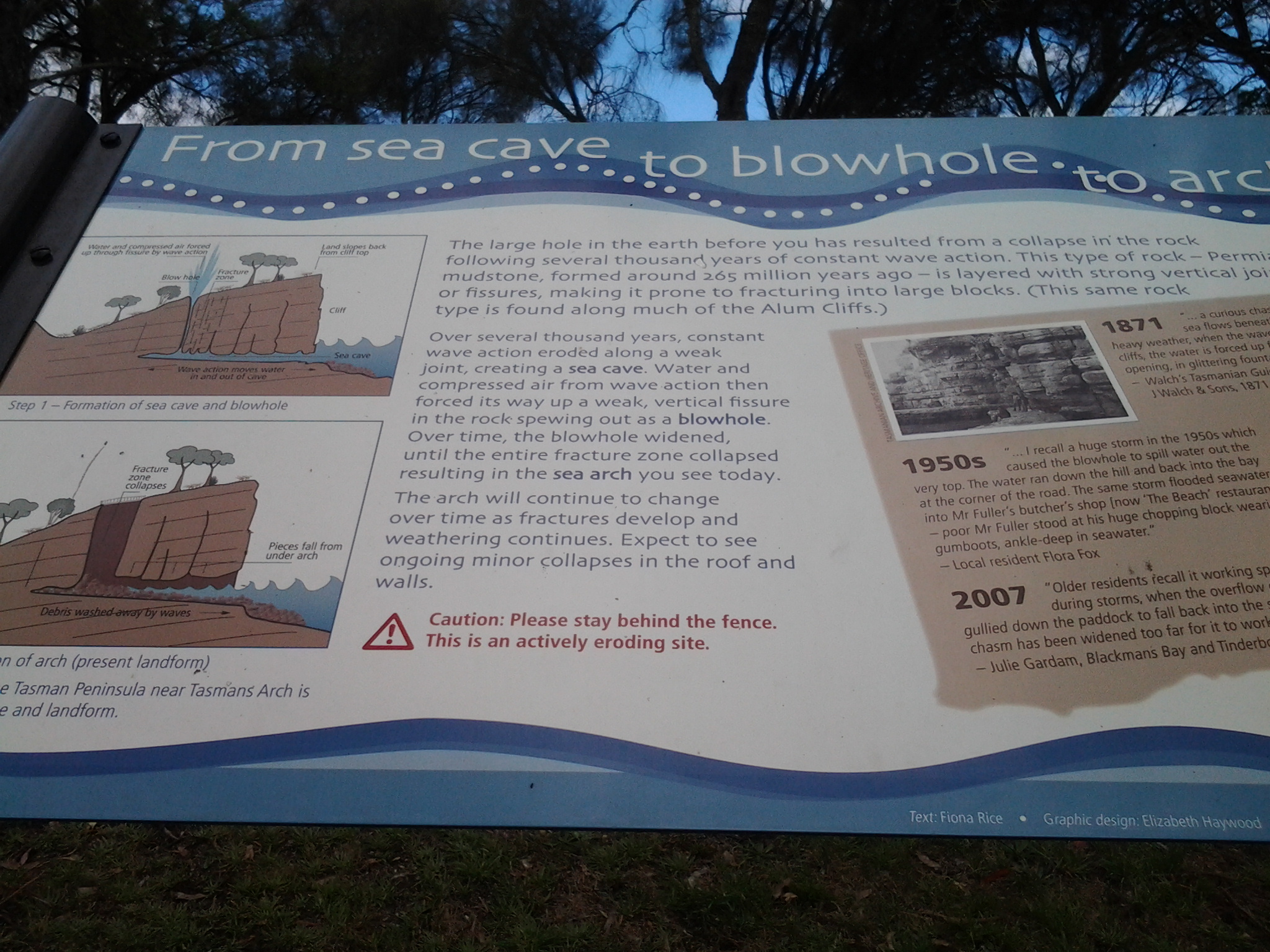
I reached the Blowhole sign, which indicated the entrance to a small park on a hill at the northern end of Blackmans Bay Beach, at 3.22 pm.

20150202_152145 20150202_152210

The weather wasn’t gusty and so the water ebbed and flowed rhythmically but undramatically beneath a rock bridge. There was no blowing of water through the gap.

20150202_152241

I continued down hill.

20150202_152611 20150202_153012

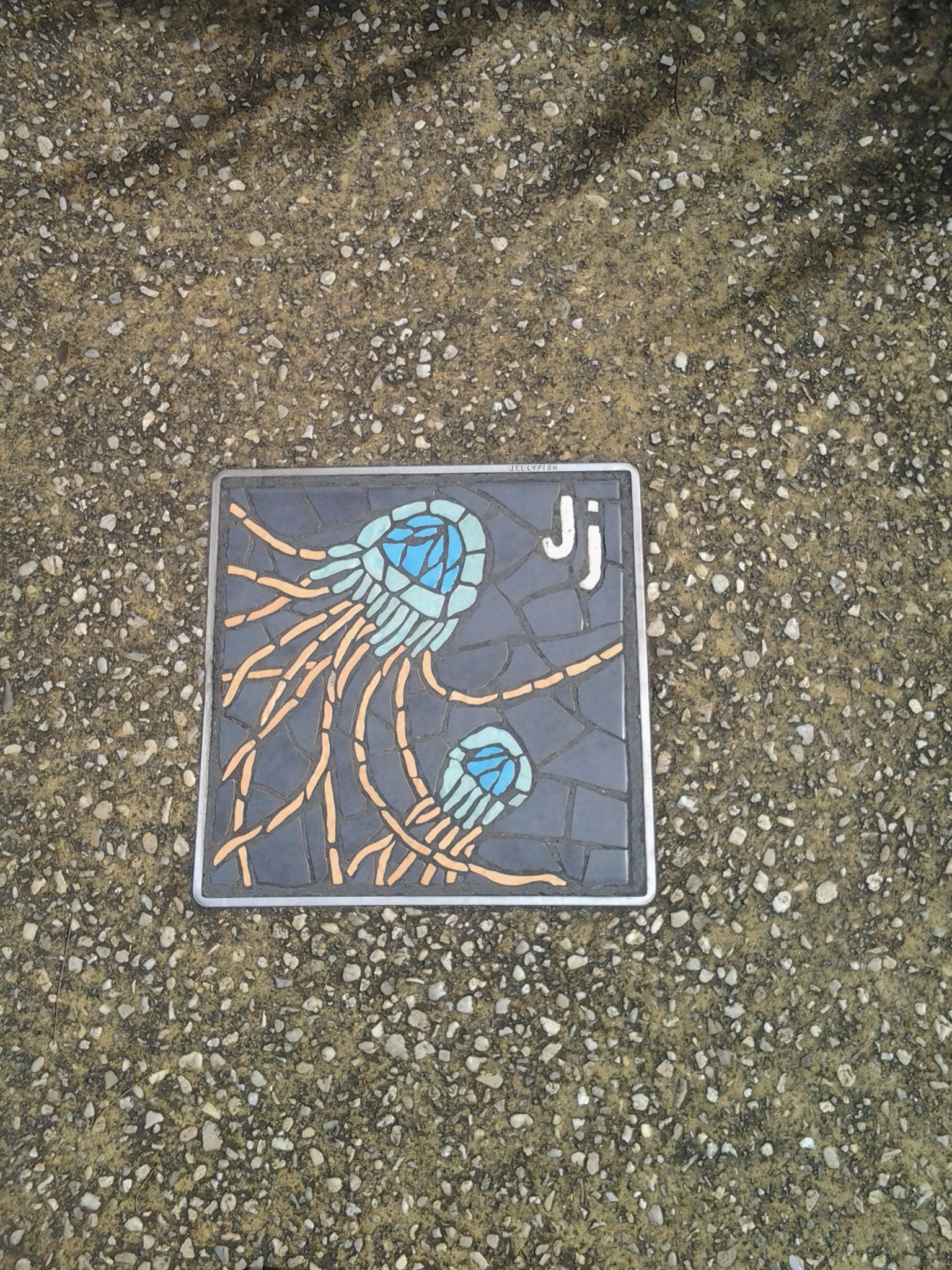
I reached beach level at 3.34pm and proceeded to walk on the path beside Ocean Esplanade. Inset into the pavement were handmade tiles and mosaics presumably made by community effort.  These were similar to those impressed into the footpath in parts of Kingston.

20150202_153808 20150202_153822

A little way along the Esplanade public toilets and a kid’s playground provided useful amenities.

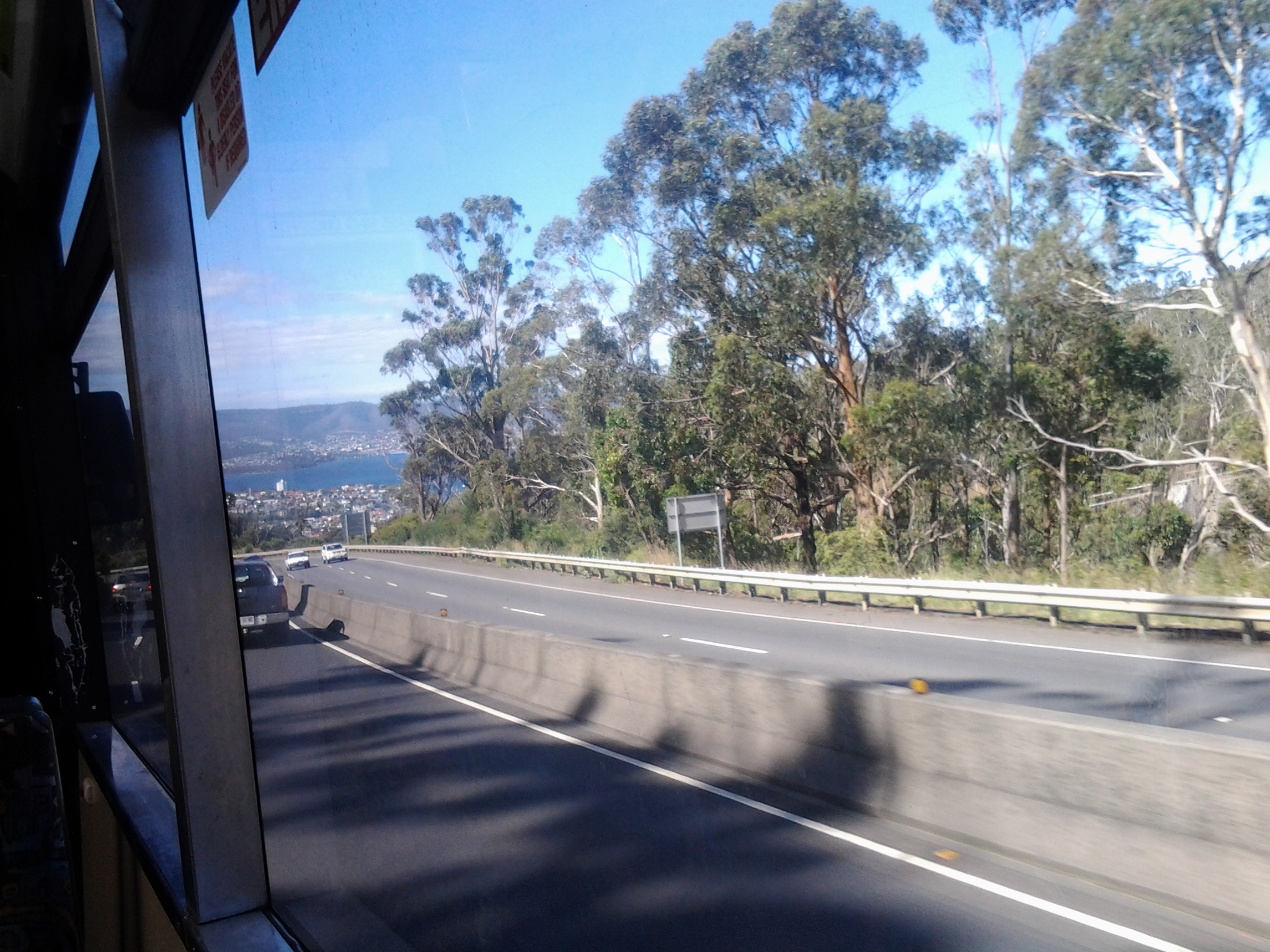
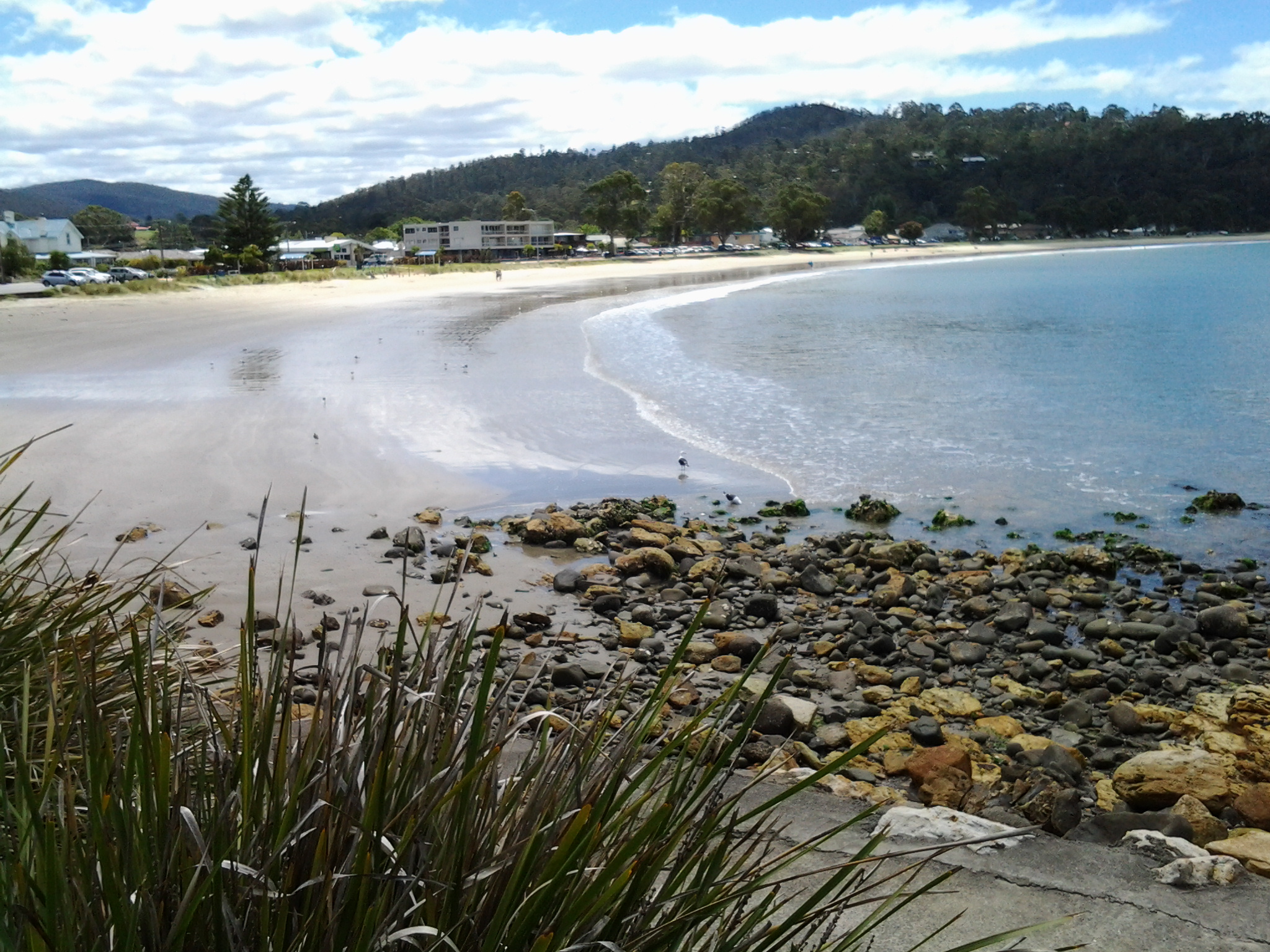
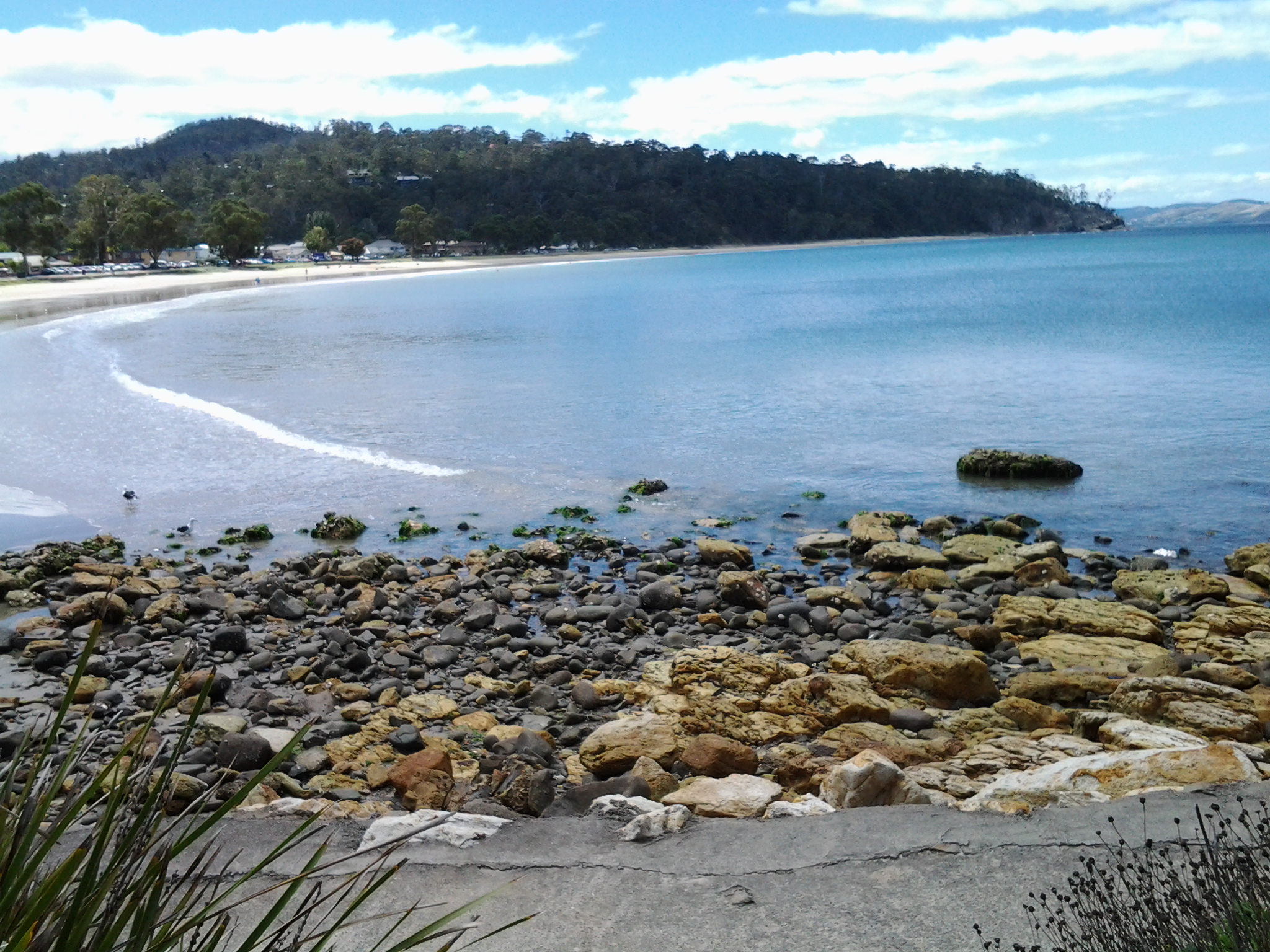
I decided to stop, look, listen and smell. Looking over the Derwent River to the South Arm peninsula and around about me watching people enjoying the beach and surrounds, listening to the seagulls calling, and smelling the salty air kept me seated for 10 minutes. I had walked two thirds of the way along Blackmans Bay Beach and it seemed a reasonable place to stop for Stage 12.  So I headed for  a bus stop.  I found one by turning into Hazell St and then into Wells Parade.  As I arrived at the stop, a Metro bus came over the hill in the distance.  Wonderful timing.  It was 4pm. The experiences of the day had been rich. I enjoyed the bus trip back into Hobart via the main Kingston shopping centre, and then the southern outlet highway. The view when we came to the top of the final hill is majestic (please ignore the dirty bus windows in the photos below).

20150202_161915 20150202_162002 20150202_162024

Some of Hobart and the eastern shore suburbs are laid out below with the blue Derwent River flowing between. Always stunning. After half an hour on the bus I arrived in Hobart city, then headed off for my Bellerive bus and was home before 5pm.  All together a brilliant day.  Stage 12 was complete!  Because of personal commitments and what I have seen in the weather forecast, I do not expect to walk Stage 13 until next week.

An extra historical morsel regarding Browns River which runs out into the Derwent River

Browns River separates Tyndall Beach (below the Alum Cliffs) from Kingston Beach. On the Kingston side, a plaque remembers Robert Brown.

According to http://www.rampantscotland.com/placenames/placename_hobart.htm  the township of “Browns River was named after the noted Scottish botanist Robert Brown who explored the area a week after Hobart was founded. “  Apparently Hobart (Sullivans Cove) was established on 21 February 1804 (I shall remember the date because it is my birthday – well not the 1804 bit) and therefore before the end of February this ‘township’ of Browns River was in its infancy. A week – ye gods!  How quickly these pioneering settlers got around.  Nothing could happen so fast these days.  But, is the timing true or simply a legend? I don’t know.

The name was changed to Kingston in 1851 by the Governor of Van Diemens Land, Sir William Thomas Denison.  The website http://tasmaniaforeveryone.com/tasmanias-names-the-suburbs-of-hobart suggests “The name Kingston was advocated by the then Police Magistrate, Mr Lucas. Although his exact reason for deciding on the name of Kingston is unknown, there are many theories. His parents, Thomas and Anne Lucas, the district’s first settlers, lived at Norfolk Island before coming to Van Diemen’s Land and the capital of Norfolk Island was Kingston. Another possible reason is that Thomas was born in Surrey, England in a village close to New Kingston. It had been settled in 1808 by Thomas Lucas and his family, who were evacuated from Norfolk Island. He named his property ‘Kingston’, after the settlement on Norfolk Island. “

On through Kingston still heading southwards past Boronia Beach

I finished my lunch on the south side of Browns River, crossed the pedestrian bridge over Browns River at 12.17 pm then proceeded along Osborne Esplanade (parallel and next to the Derwent River) towards the Kingston shops.  Over Christmas I holidayed in Kingston and my 3 posts titled I am on holiday watching over the Derwent River, Getting out into the air at Kingston Tasmania and Kingston Beach, Tasmania offer more information about this leg of my walk along the Derwent River.

I had the pleasure of meeting with Em for cups of tea and a long happy chat and saying hello to people I knew as they walked past the outdoor café Beachfront 32.  Immensely pleasant.

At 1.52 pm I restarted my walk southwards amidst foreshore joggers, walkers and seagulls – the sun was shining again and my world was warm.

By 1.59 pm I reached the Kingston Beach Sailing Club and could look back northwards across the sweep of water and the arc of Kingston’s white sandy beach.

20150202_135849 20150202_135818 20150202_135809 20150202_135813

The last photo looks north to the headland at the end of Tyndall Beach which was spread at the bottom of the southern end of the Alum Cliffs.

A minute later I reached the Boronia Beach Walking Track and turned left.

20150202_135909

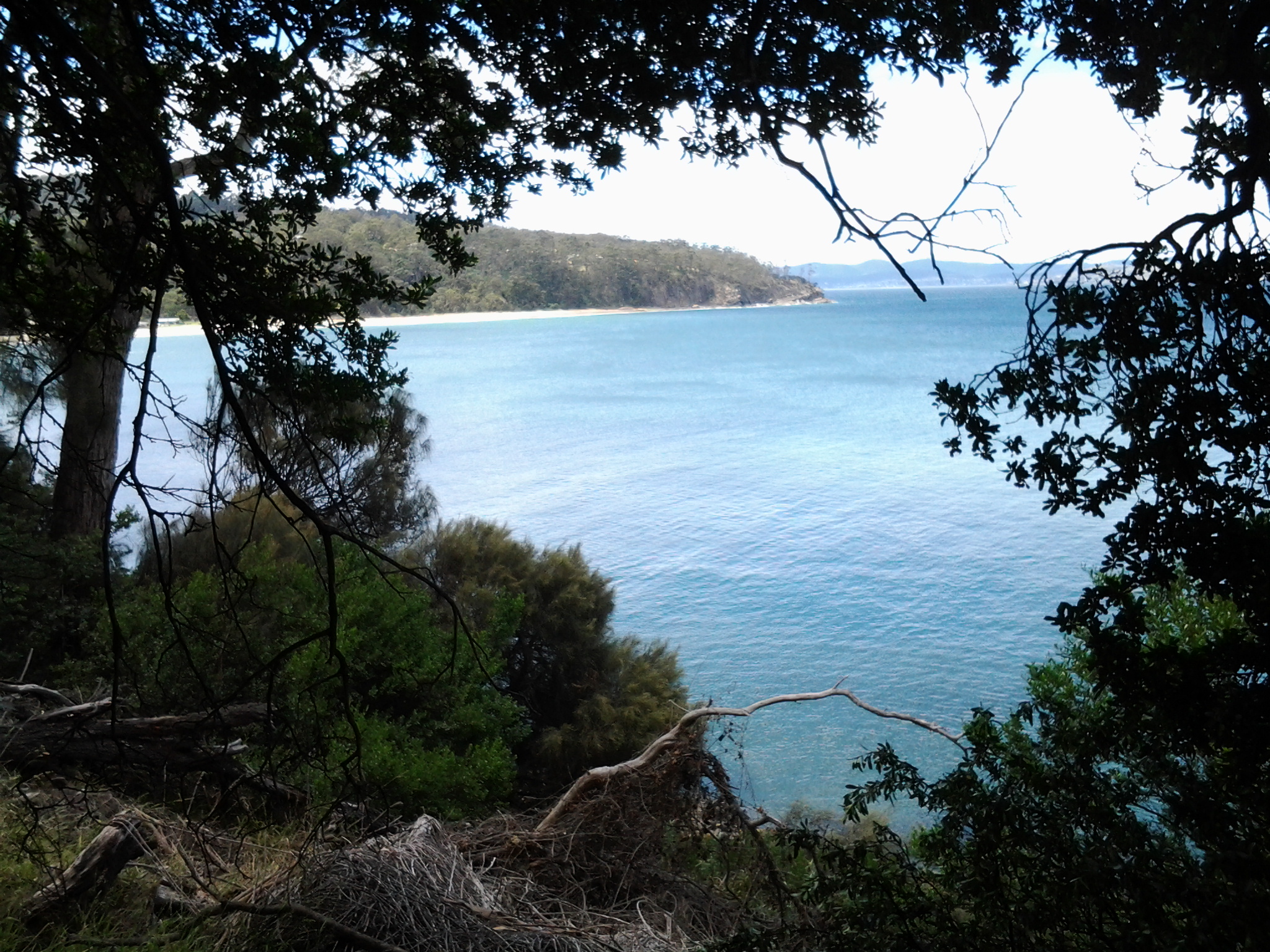
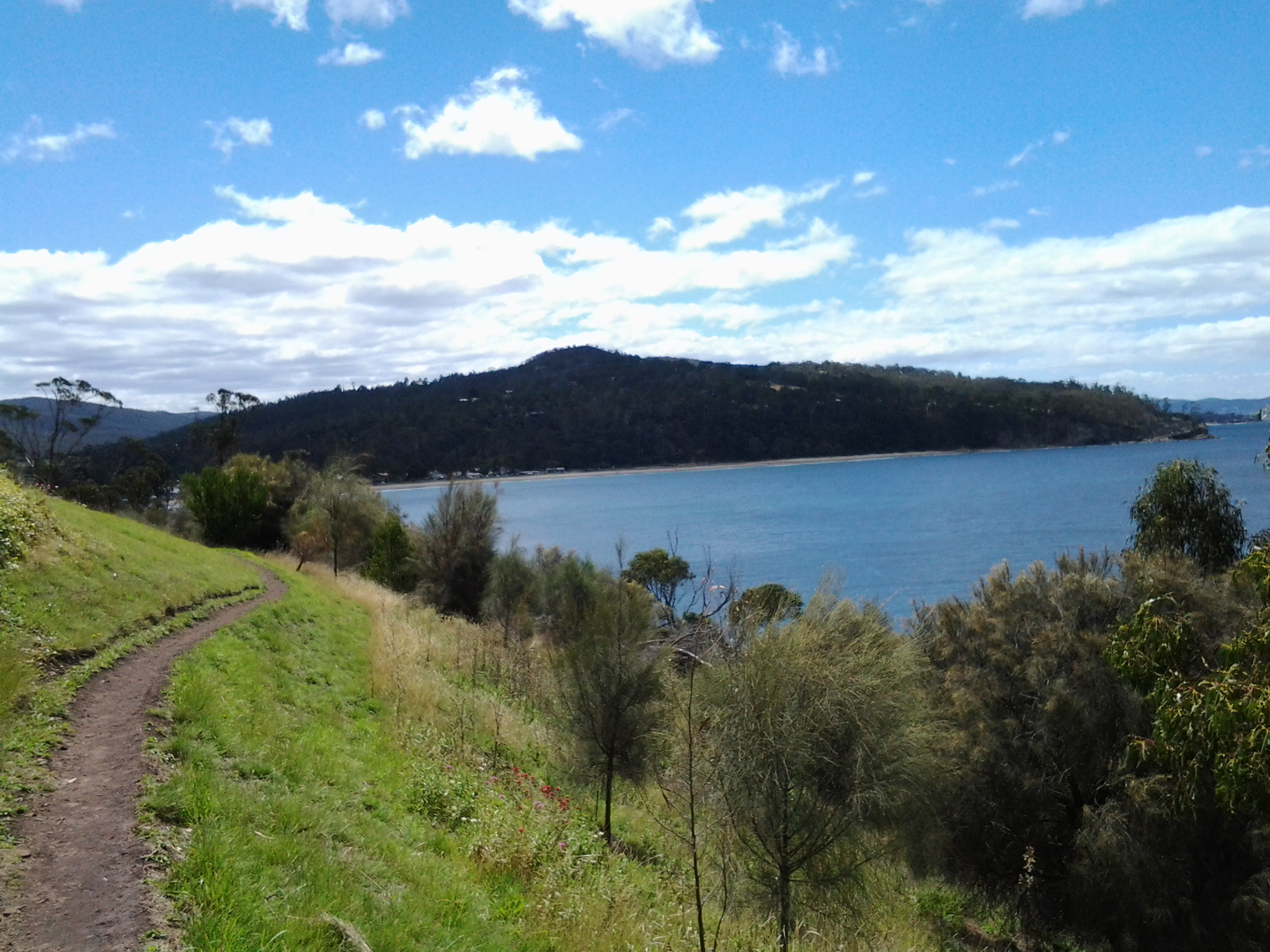
A gentle shady path meandered along above the water and I could hear happy voices on the rocks below.   The views through the trees were spectacular.

20150202_140623

Up above me on my right were large houses with massive picture windows surrounded by high mesh fences. Then the landscape opened out and I could still look northwards to the Alum Cliffs where I had walked during the morning.

20150202_141612

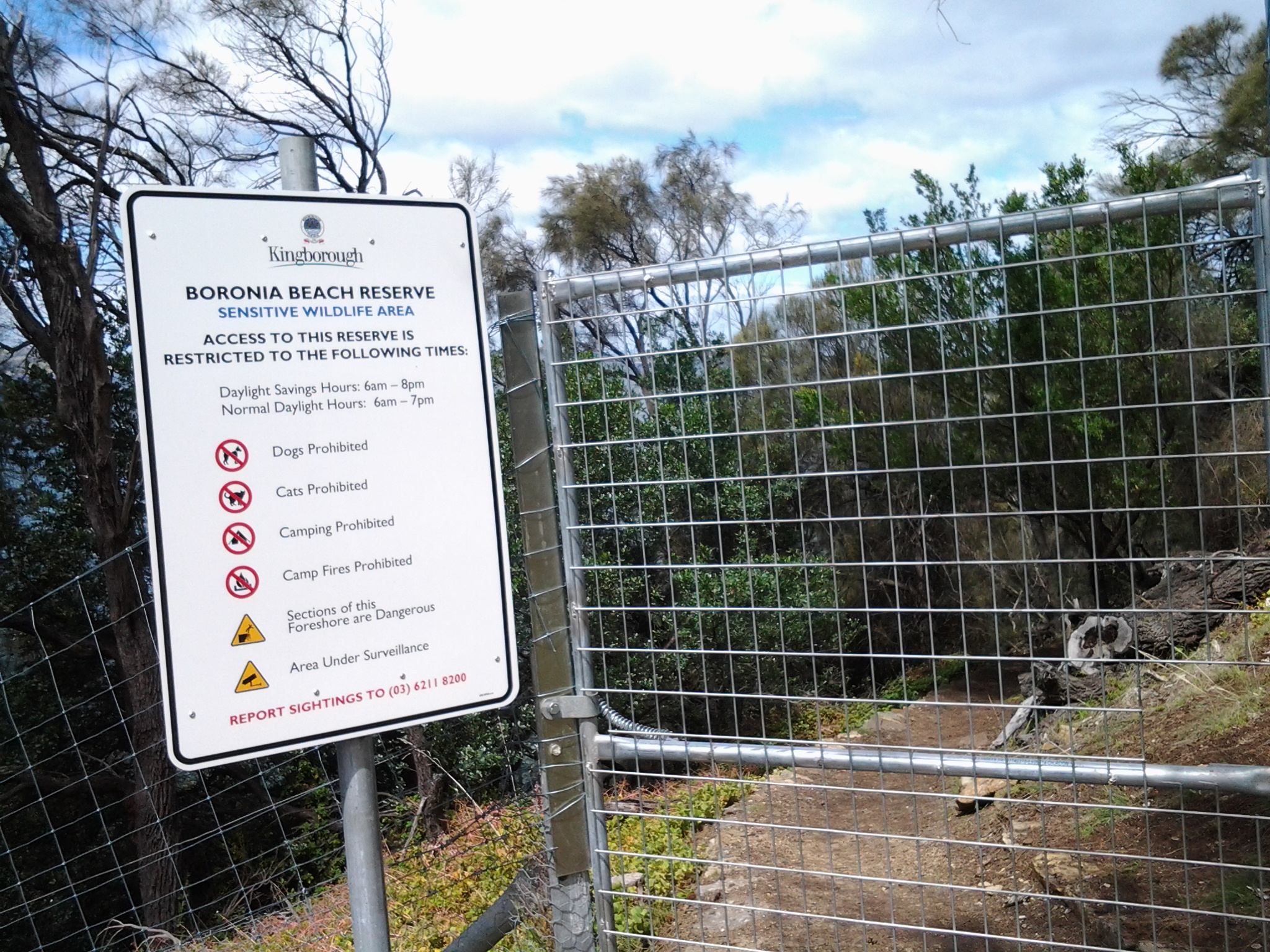
At 2.18 pm I reached a gate marking the entrance to the track down to Boronia Beach, a beach that I had previously not known existed.

20150202_141714 20150202_141816 20150202_141954 20150202_142008

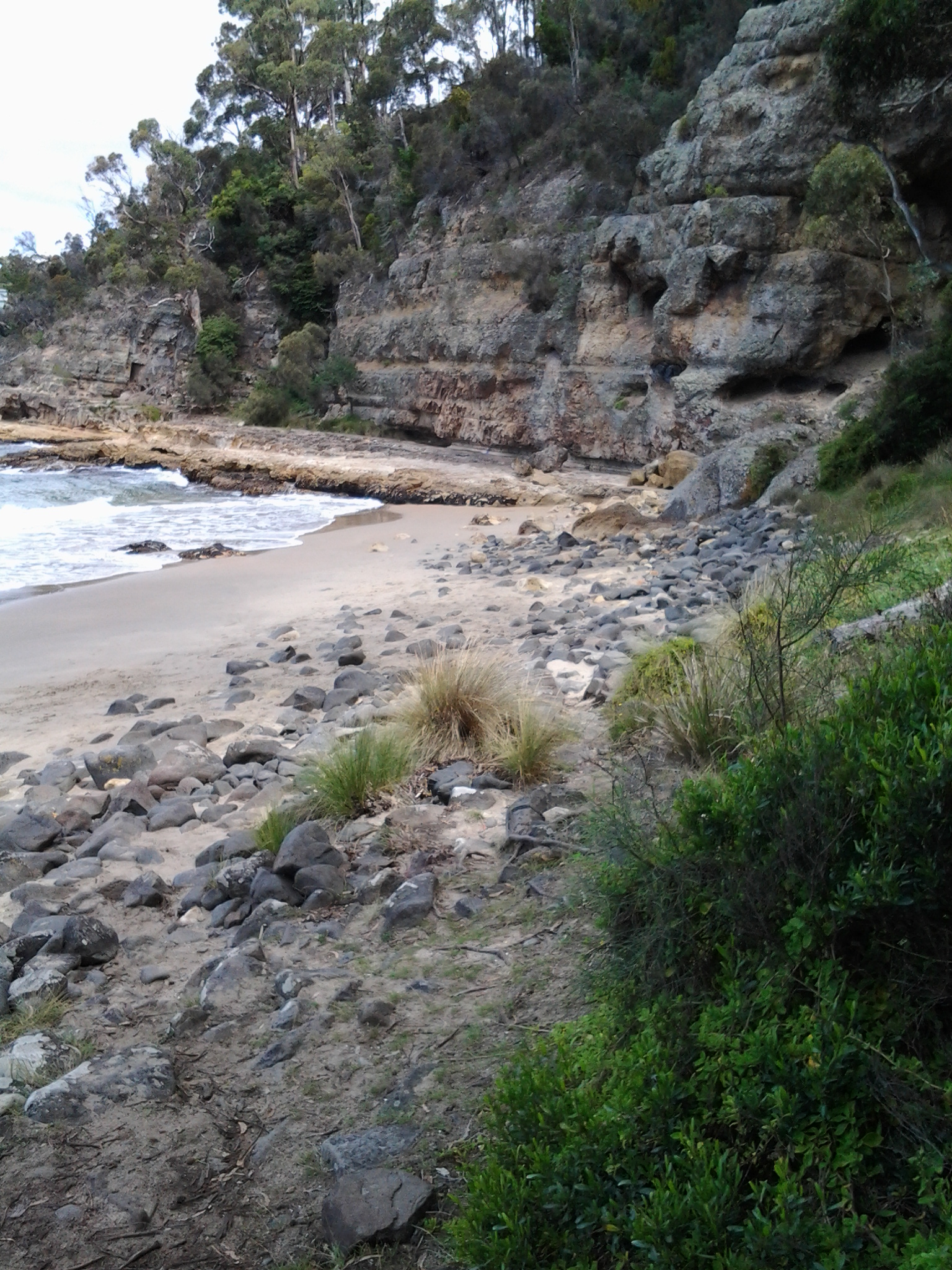
By 2.24 pm I was walking on the beach.

20150202_142513 20150202_142154

I remembered the chitons which had featured on a public art work at Taroona Beach and wondered whether they could be found on this beach (refer back to my posting Public art works along the Derwent River –Taroona’s Chiton for more information). I checked the rocks but found none.  I  concluded the chitons must collect together only on the Taroona Beach rocks.

The rock formations at the southern end of the beach were a surprise.  The soft sandstone has been weathered and small caves were formed into the cliff.

20150202_142346 20150202_142436

Seeing these caves cast my mind back to Kalambaka in north western Greece. Last year I visited this town and marvelled at the stunning beauties of the Meteora (refer http://en.wikipedia.org/wiki/Meteora for more information) Below is one of my photos showing the caves in some of the cliffs which hermits used to climb up and live in (and which Roger Moore as James Bond climbed over dramatically in the movie “For Your Eyes Only”).

20140607_190315 20140608_094209

Boronia Beach’s caves are smaller and different in many ways from those of the Meteora.  However they surprised me in this tucked away gem of a beach.

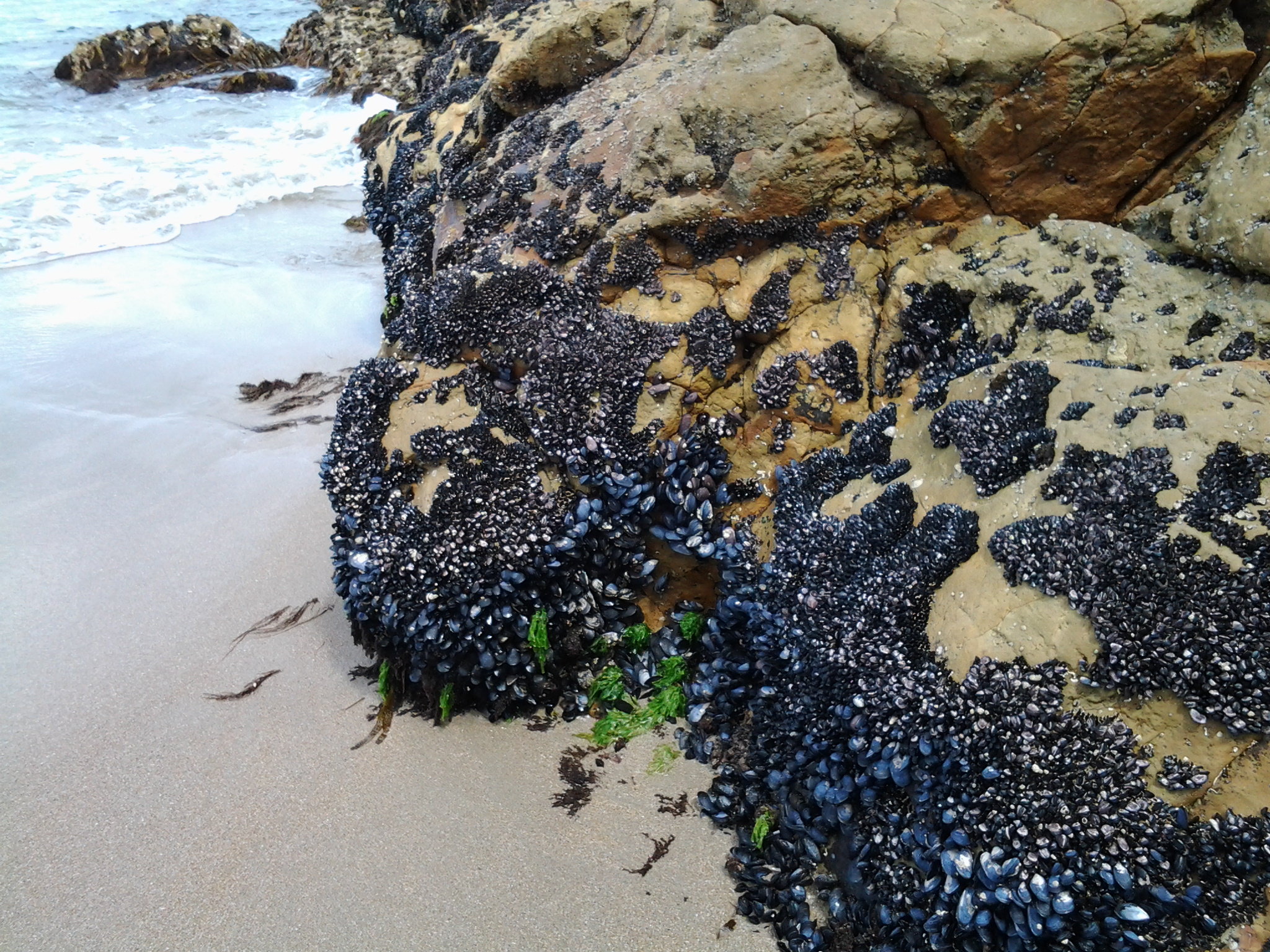
For those who loved the photo of mussels growing on Boronia Beach rocks which I provided in an earlier posting about the Stage 12 walk, here is another.

20150202_142536

Five or so minutes later I began the trek uphill out of Boronia Beach under old pine trees.

20150202_143006 20150202_143214

I was horrified to see thousands of escaped ‘forget me not’ plants, some flowering as they carpeted lots of the area near the beach and up the hill. I pulled out a few dozen and their roots came out easily but a concerted effort of a few days’ work to remove these before they spread any further is essential if the wild bush is to stay as pure as it can.

A gate half way up the hill let me out onto a continuing walking track at 2.36pm.  Not long after I decided to sit on the steep steps and smell, look and listen to the environment. Very peaceful.

By 2.45pm  I was walking again and a couple of minutes later I reached a gate to exit the entire walking track area.

20150202_144535

The entry was signed but, while the exit was easy, it was entirely unclear whether to turn left or right.  At the end of the dirt road in both directions I could see gates closed over the road.  Murphy’s Law has it that I will often make the wrong choice and it was no different at that point. I chose to walk down to the gate at the bottom of the road but found it entered into private property. Back up the road, lined one side with large girthed pine trees, I walked to the other gate and found no obstacle to walk around it. At 2.54 pm, I was continuing along the road watching a family of magpies fossicking in an open paddock, and later marvelling at an old crab apple and a pear tree both of which were laden with fruit.

At 3 pm I arrived at the junction with Kingston and Blackmans Bay’s main linking road, Roslyn Avenue.  The address for the dirt road on which I had been walking is Roslyn Ave 82-88, and it is directly across from Jindabyne St over the roundabout on Roslyn Ave.  One corner of the intersection is occupied by the Catholic Church of Christ the Priest and the Aloysius Primary School.

Onto the ‘proper’ Alum Cliffs track near Taroona Tasmania

After walking across the Shot Tower carpark I had one last look back to where I had been. The sky was amazing.

20150202_100551

In the trees then and often further again along the track, Kookaburra birds laughed at me many times. Ha Ha Ha Ha!  Ha Ha Ha! Ha Ha Ha Ha Ha.  Their feathers camouflaged perfectly with the shadows from leaves and the colours of tree trunks and branches.  They were impossible to photograph. Ha Ha Ha Ha!  Ha Ha Ha!

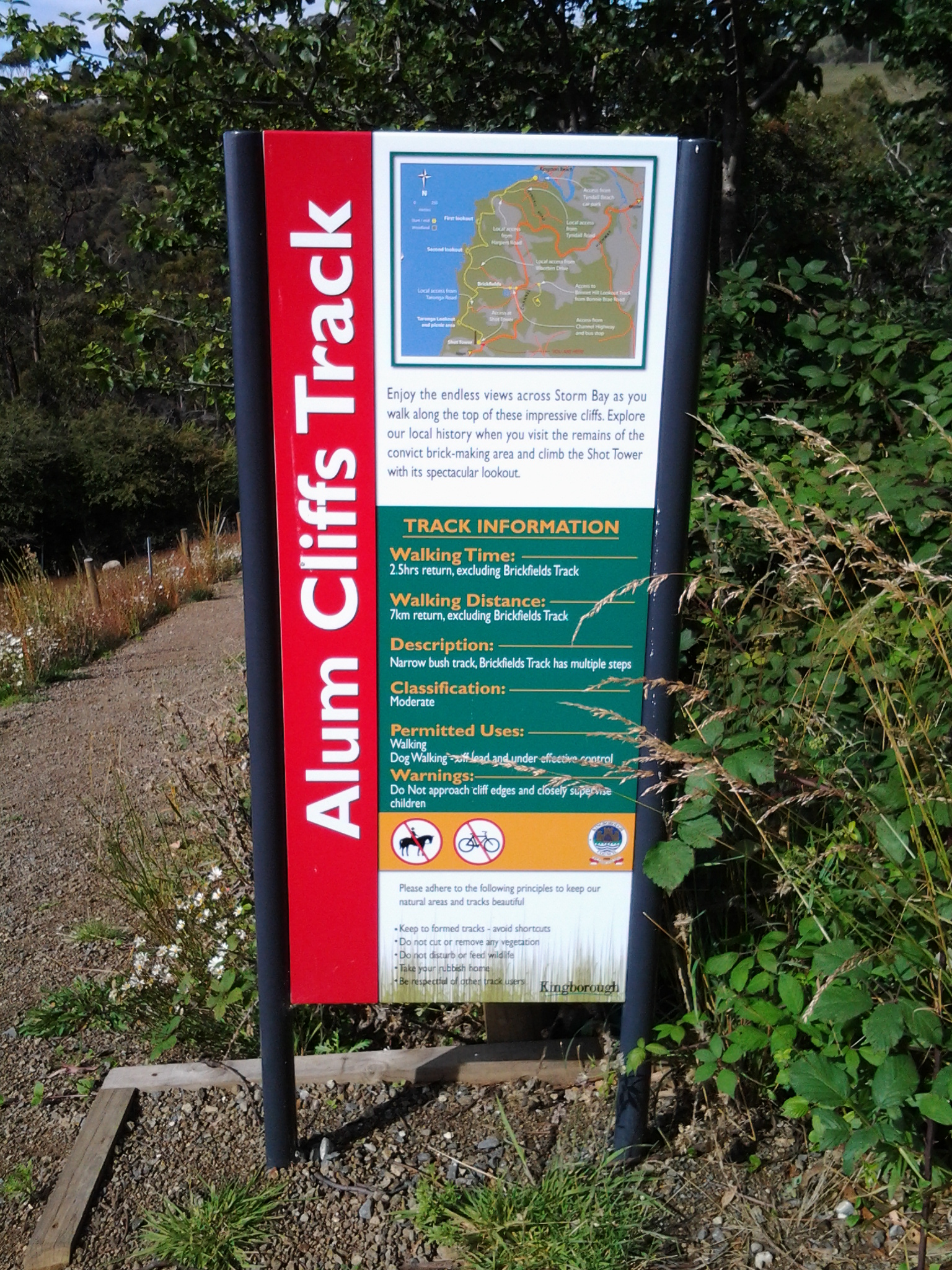
A sign seen at 10.08am indicated the start of the Alum Cliffs track.

20150202_100632

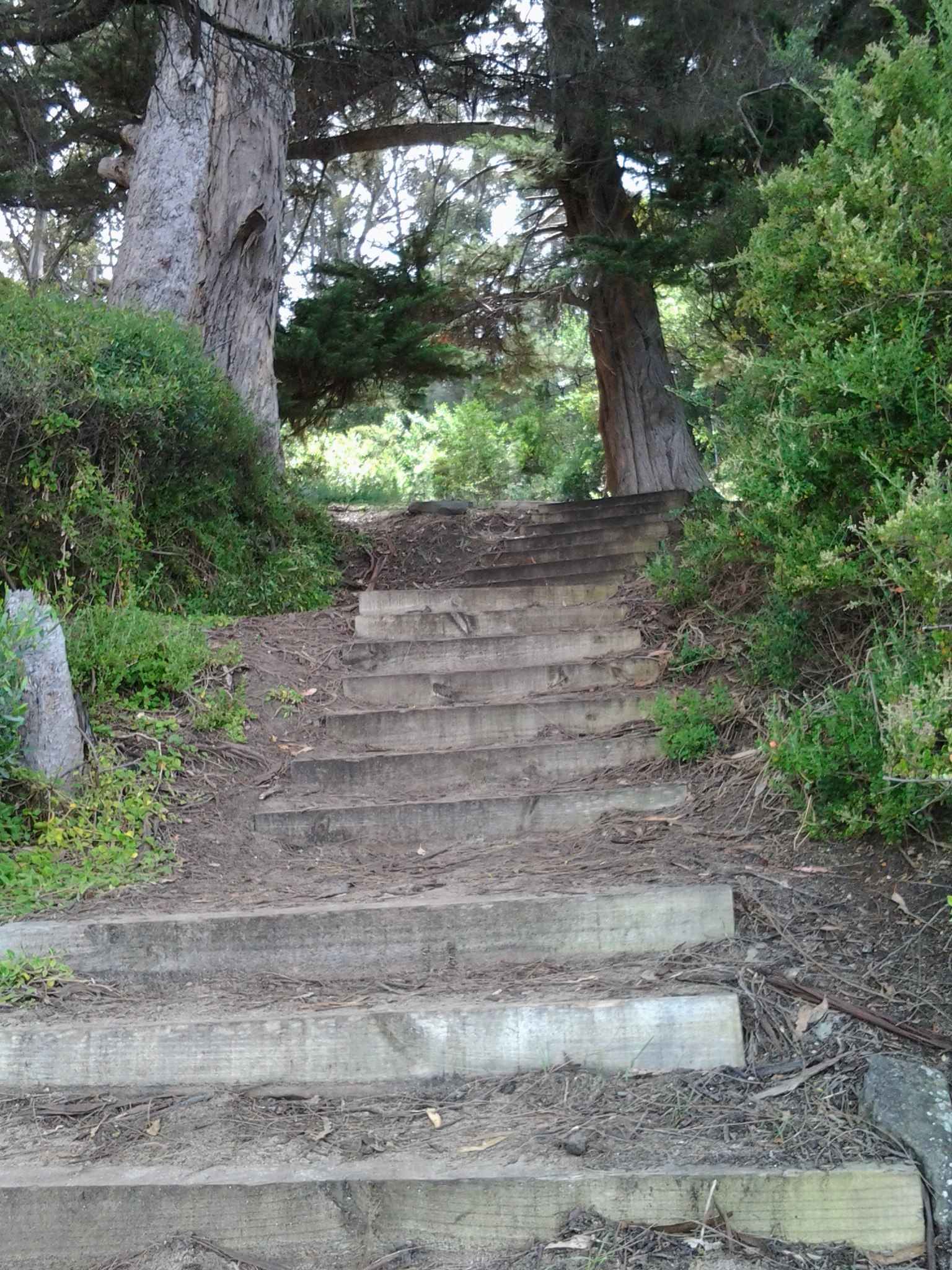
Then I began the careful descent on a steep 100 metres or so length of a four wheel drive wide smooth gravel track. Partly eroded. Basic stairs were irregularly constructed on one side of this incline.  Bush either side.  A small wallaby surprised me bouncing through the undergrowth.

At 10.15 am I reached the creek crossing below. Peaceful.  Looking up, an even longer climb on the other side was rather dispiriting. On the trek uphill I stopped and sat for a while to take in the view of dense gum tree foliage. There were smooth gum trunks as far as the eye could see.  No wind. Trickling creek below. Peaceful.   As I walked higher, the Shot Tower came into view bit by bit over the trees.

20150202_102950

It was 10.33am when I reached a picnic table and lookout at the top of the Alum Cliffs.
Passing white crowned toadstools with sharp white gills when open, I walked along a shady path which was quiet except for the occasional birdsong, rustling water in the creek below, or the soft voices of other walkers. I learnt from one of the walkers that the Alum Cliffs track used to follow the edge and in order to cross creek gullies, ropes were installed up and down the cliff to steady yourself during the climbs.  Part of those walks included rock hopping along the shoreline as well.

At 10.45am I reached the turn-off to Taronga Road – I did not want to exit the Cliff walk so I continued on. At 10.53am I reached the junction with the Brickfields Track – another time I will return to this area and walk that track to look at the remains of any social history along the way.

A few minutes afterwards, I felt I was identifying exposed alum rock.  I decided it was the rock which had partly oxidised into a greenish colour in places. Whether or not it is the real deal I cannot say.

20150202_105708

Despite tree roots and rocks intruding on this track, the well-trodden dirt with a slight leaf covering made for very easy walking.  Off to the side of the track walking would not have been quick and easy.

20150202_104740 20150202_113018

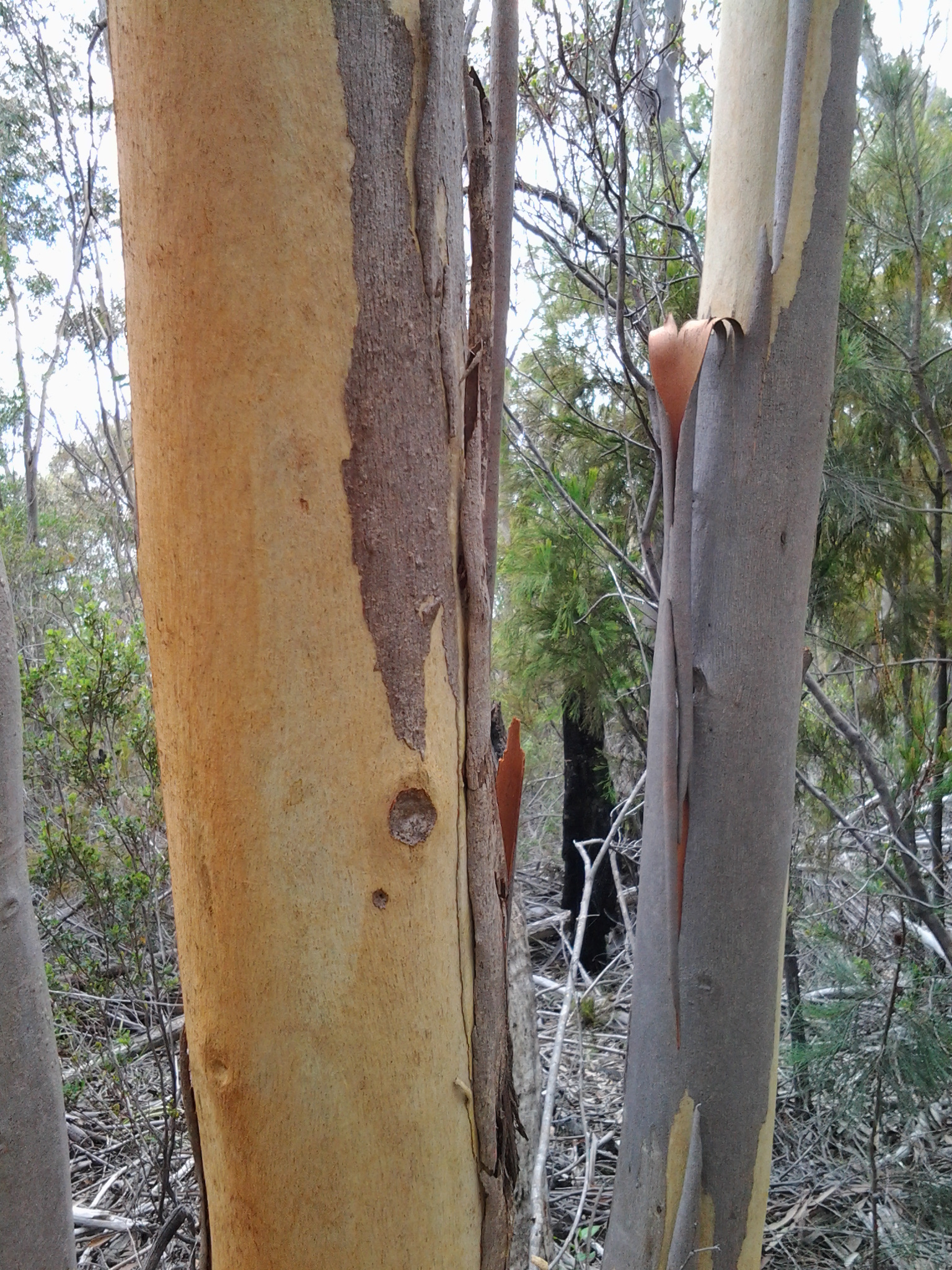
I loved the colours on gum tree trunks as bark peeled away naturally.

20150202_105347

I loved seeing the signs of insects which once burrowed their way under the tree bark.

20150202_112428

At 11.07am I reached a seat with a viewing platform from where I watched an oil tanker motoring up the Derwent, having passed Gellibrand Point on the eastern shore.

20150202_110637

It was a long way down to the River over the Cliffs.

20150202_110656

Then I walked some way with another walker until I needed to stop and start with notetaking and the clicking of photographs.  I continued down across another creek and stopped when I noticed the clay at the bottom.  My earlier research/posting had indicated a connection between the alum rock and clay.

20150202_113327 20150202_113303

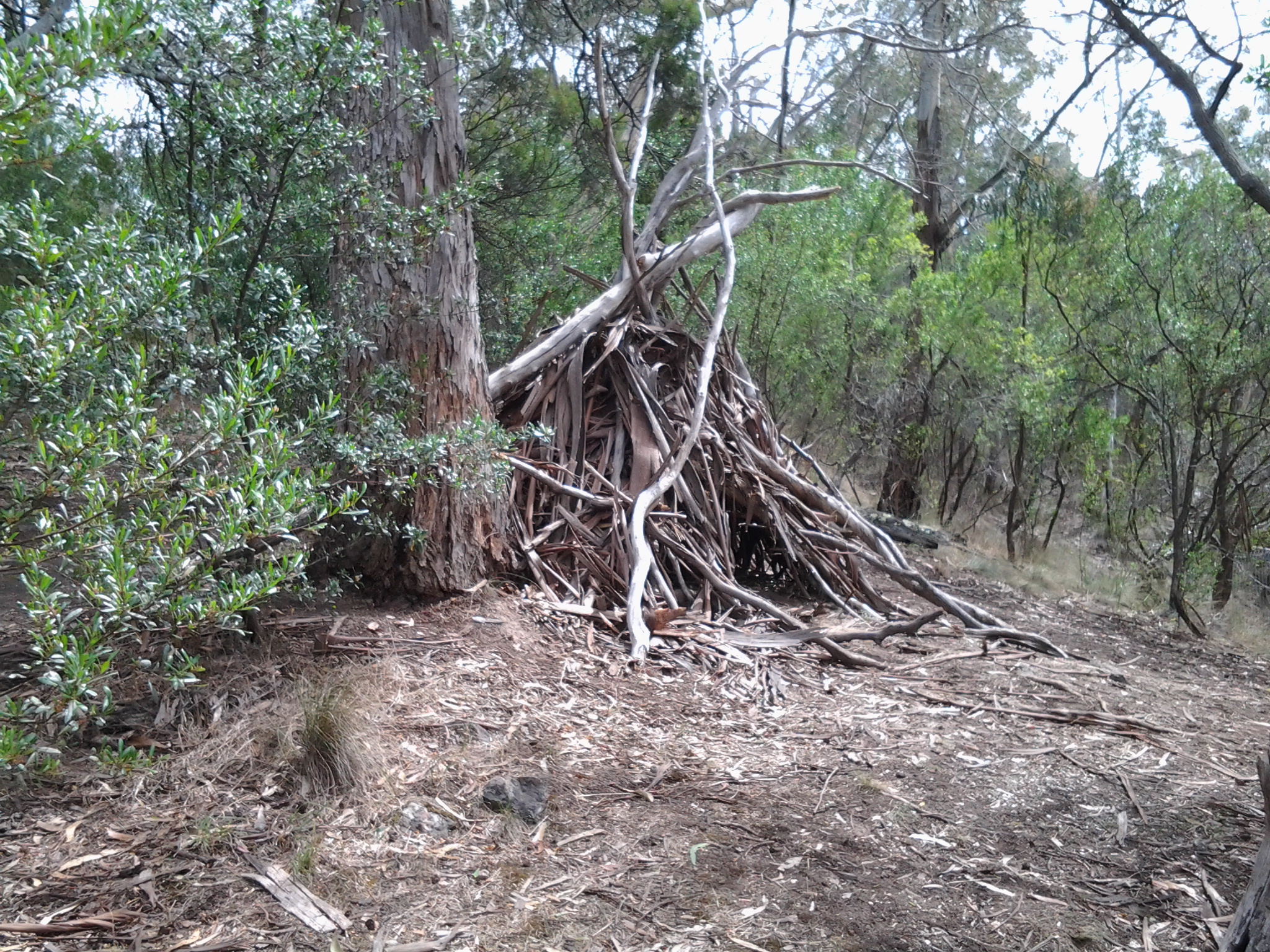
The track passed through a tiny wet forest area with green pronged tree ferns.  Back up onto a drier track I reached a picnic table at 11.26am. Nearby, a teepee of tree branches and leaves had been built casually.  Would it be better than no shelter in a rainy storm?  Not too sure how long the ‘tent’ would survive much wind.

20150202_112545

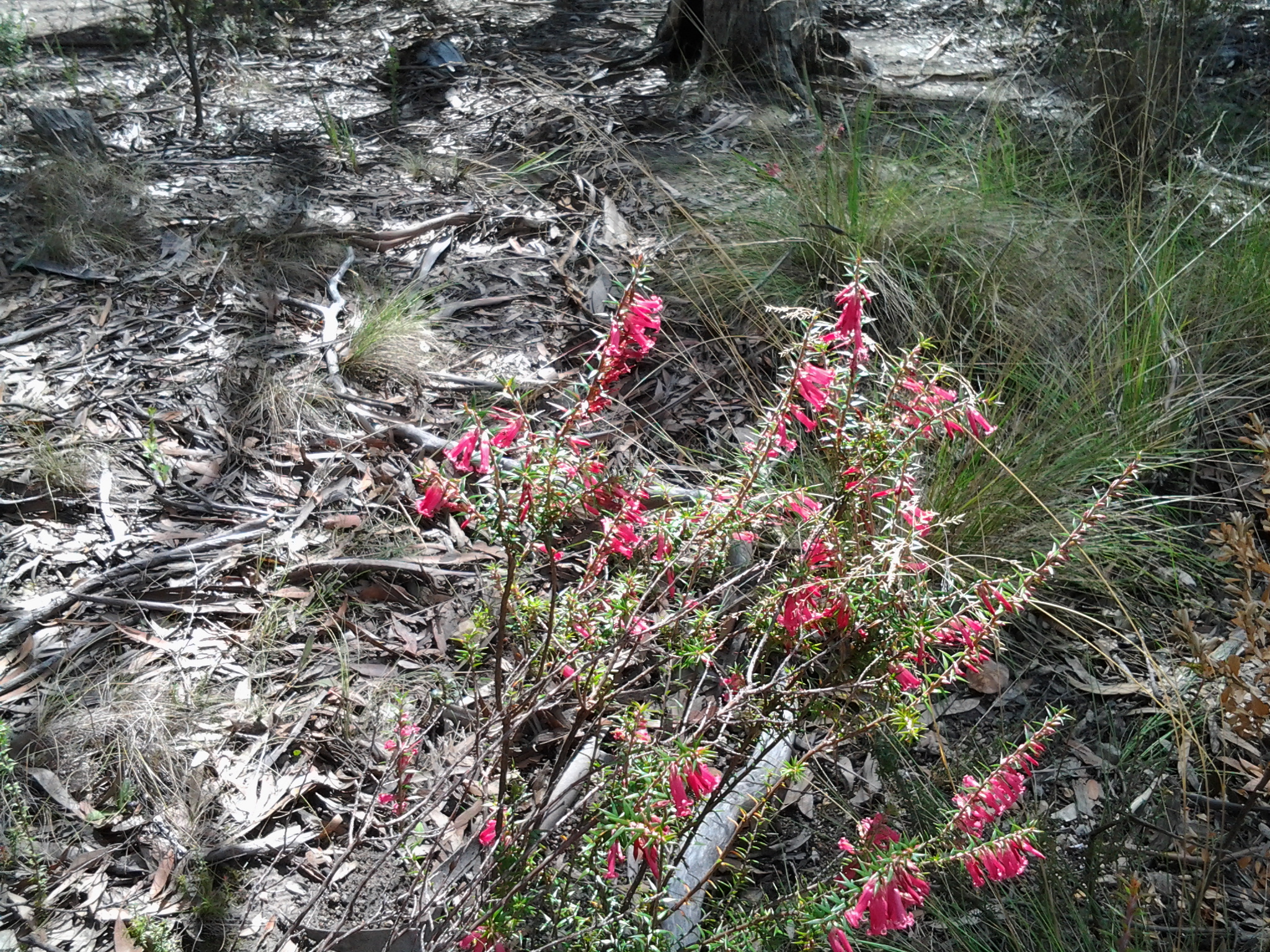
Walking past native flowers; pink heath, lots of yellow tiny daisy like flowers, and a delicate 5 petal lavender blue coloured solitary flower.

20150202_103455

I passed smaller tracks off to the left which ended by hovering over the edge of the Cliff, and some to the right which I imagine found their way back into suburbia or onto the Channel Highway.

A glossy scarlet red spider, black legs with a blue iridescent tail crossed my path.  I have never seen one before and knew nothing until I researched once back home; this was Nicodamidae –Red and Black Spider.  Apparently, ‘toxicity unknown, treat with caution’.  Trust me – I didn’t touch it.  The size was that of a woman’s finger nail.

Not long after chatting with a man and his dog, at 11.40am through the trees I could see bits and pieces of Kingston Beach.  My trek across the Alum Cliffs was almost over.

The Shot Tower, Taroona, Tasmania

Was someone shot here?  Was gunshot made here? What is the story of Taroona’s Shot Tower?

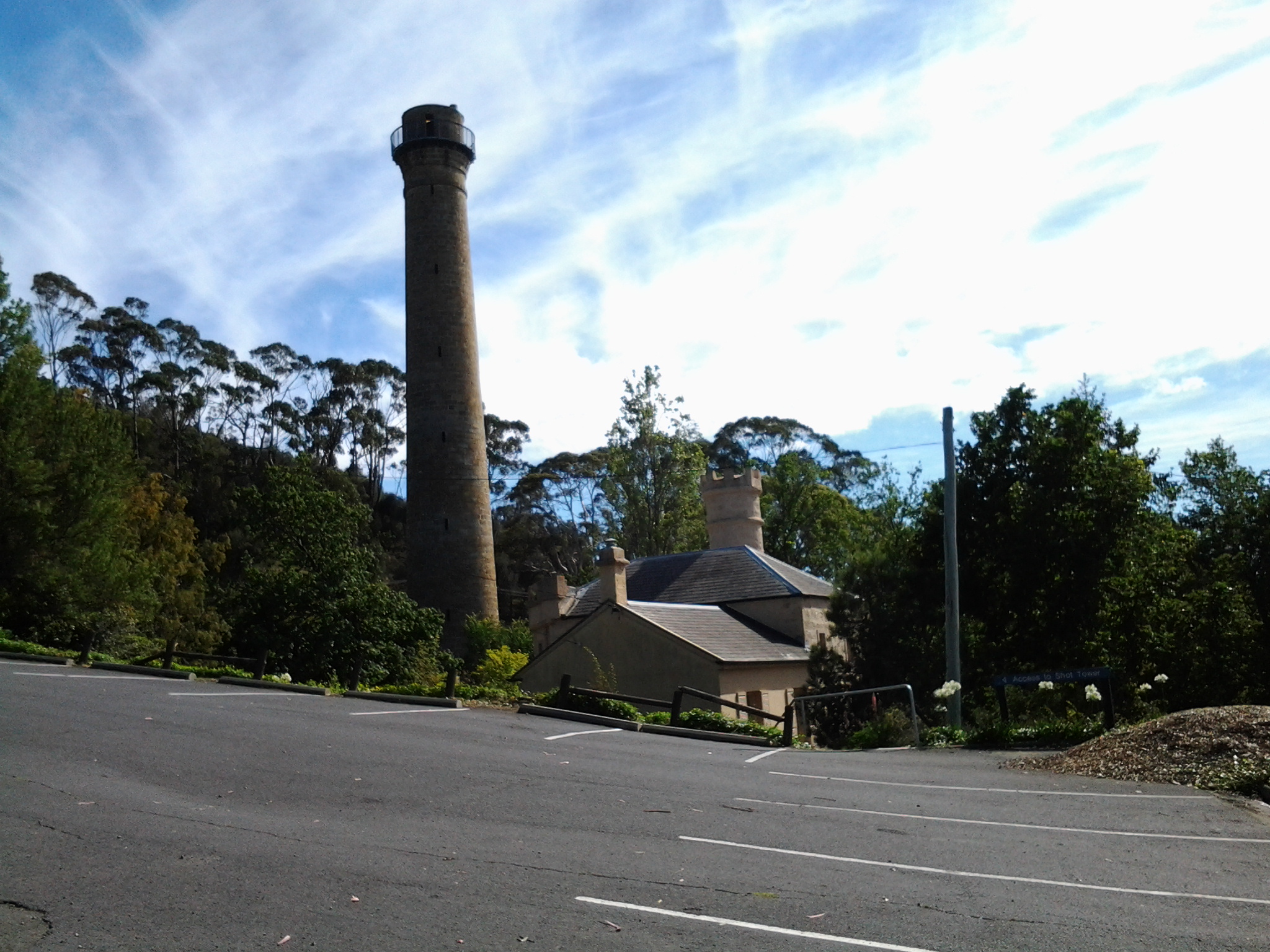
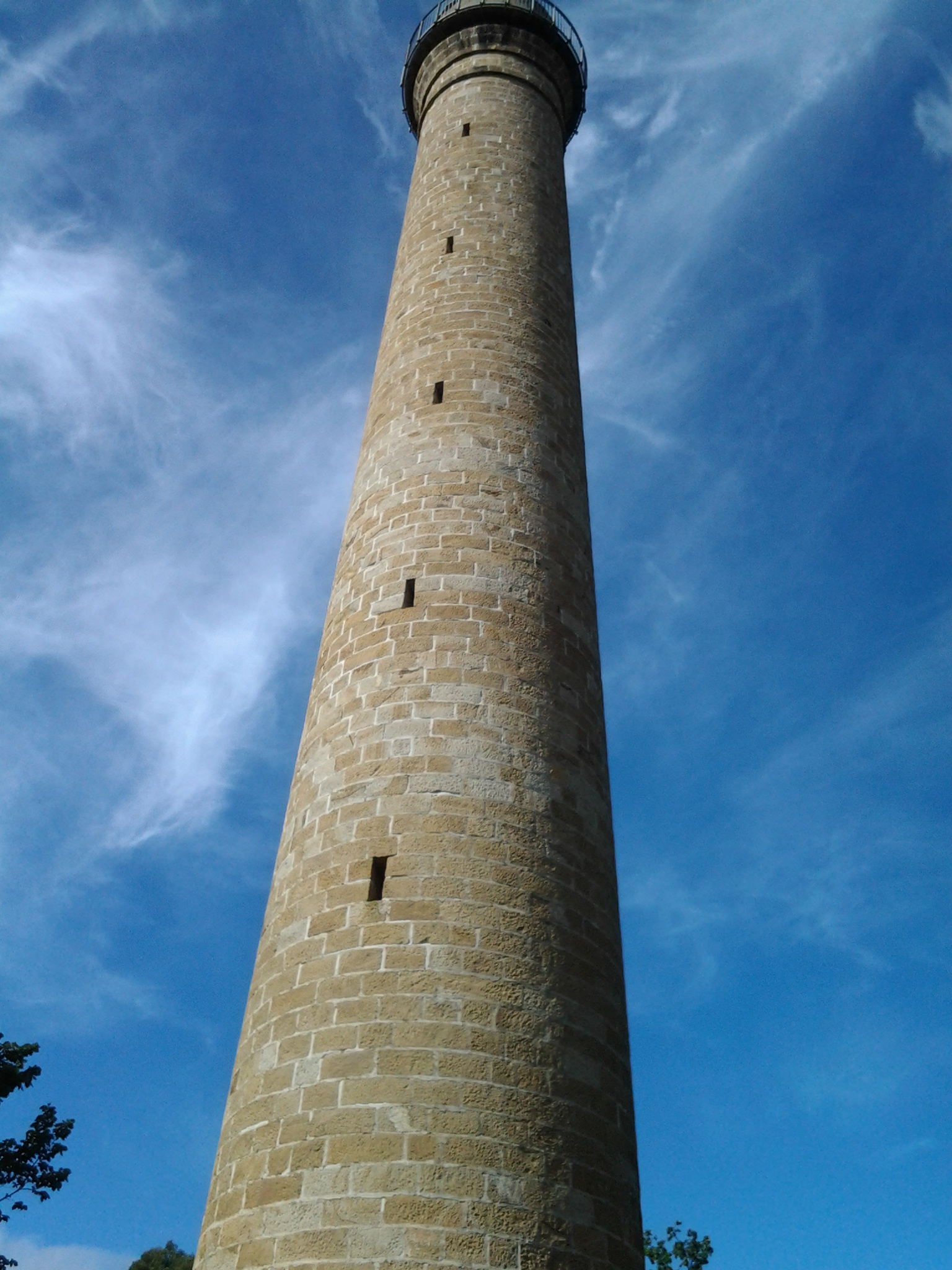
The website http://taroona.tas.au/shot-tower provides the full and correct name of what I visited on Stage 12 of my walk: Joseph Moir’s Shot Tower.

20150202_095850

Another website http://www.parks.tas.gov.au/index.aspx?base=2820, explains “Joseph Moir’s factory, which operated for 35 years from 1870, manufactured lead shot for contemporary muzzle loading sports guns.”  This second website offers background information about Moir: a Scot, he arrived in Van Diemens Land as a free settler in 1829. Details and photographs of some buildings, the choice of the site, the manufacturing process and Moir’s burial are all covered on this website for those who are interested to know more.

The man seems to have been both industrious and enterprising. Wikipedia claims he “issued tokens in his own name during a currency shortage in the colony”.  The Museum of Victoria (http://museumvictoria.com.au/collections/themes/2164/joseph-moir-ironmonger-1809-1874) confirms this story and offers more detail.

In relation to shot towers generally, the first one in history was created in 1783 in England, not many years before Moir was born and emigrated half way around the world. The early process involved molten metal being dropped from a great height in order to turn it into spherical shapes, and letting it land in a pool of water which cooled the metal.  Late in the 19th century, a wind method (short fall and blast of cool air) replaced the long drop and water method.

20150202_095810

Wandella Avenue to the Shot Tower, Tasmania

My previous posting explained that the first part of my Stage 12 walk along the Derwent River took me to Wandella Ave but then I retraced some steps and took an Alum Cliff-side disused track, which ultimately resulted in my returning to Wandella Avenue.

So – when you walk from Hinsby Beach and the track arrives at Wandella Ave, turn left, walk for a short while and then turn right into Baringa Rd (the signpost for this is missing). Continue walking around and uphill until you reach the junction with the Channel Highway. I reached there at 9.44am

Nearby was bus stop 32.

I enjoyed soaking in the view across the Derwent River where I could see Gellibrand Point and Opossum Bay.

20150202_094257

Further down the River, South Arm and Fort Direction Hill were visible at the mouth of the Derwent on the eastern shore.

20150202_094443

I turned left onto the Channel Highway (which has no footpath) and was able, for some metres, to walk inside a guard rail and then later on a narrow gravel verge with traffic streaming by.  At 9.50 am I was passing the sign indicating this was the Huon Trail Touring Route.

In the bush which I had clambered through earlier and now as I walked along the road, I was concerned to see an exotic which has escaped and been self-seeding rapidly everywhere.  I don’t know the name of the plant but from experience in my own garden, I know it grows fast and furiously into a medium sized plant with a purple pea flower. I did pull out some of the smaller plants and with the moist soil the roots came out as well.  But there were thousands of plants and continuing my walk was the greater priority, so I stopped pulling.

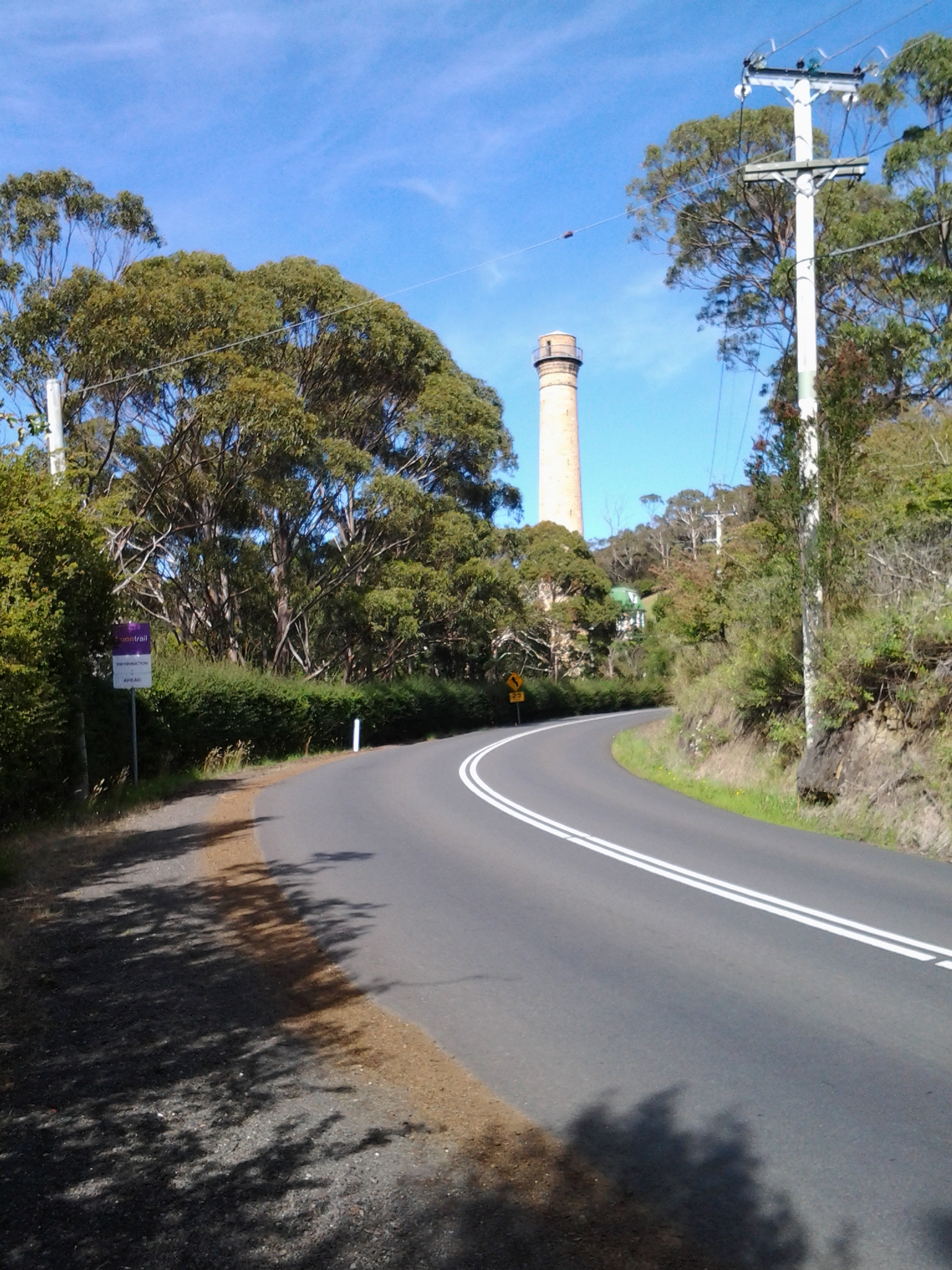
Further up the road, I could see the top of the Shot Tower above the trees.

20150202_095550

Before long I was standing outside the Shot Tower complex. The time was 10.05am.

20150202_095803 20150202_095850 20150202_095810 20150202_095929

The person manning the souvenir shop and entrance to the Tower gave me a booklet with all the tracks and walks in the Kingborough area, and he pointed out a nearby gum tree just over a rise. ‘That’s where the Alum Cliffs track starts’, he told me. He felt sure the Kingborough Council were ready to build the final part of the Alum Cliffs track from the Shot Tower to Hinsby Beach so I guess we wait and see what progress is made in the months to come.  However, it does seem the track won’t be marked out close to the Cliff edges on that northern part.

On my list of things to do in the future will be to return to the Shot Tower to take the walk up the many stairs and look out over where I have walked. The cost is only $8 including the opportunity to watch an interpretative DVD. The Shot Tower site includes a shop, museum, carpark and public toilets.  Plus the fabulous view!