Category Archives: Tasmania

The Derwent River is 215 km long – the authoritative answer!

I am so excited.

Blog followers know I have been frustrated in my attempt to discover the official length of the Derwent River. Now I have found the answer in Australia’s most reliable source of information.  Today I found that the Australian Bureau of Statistics gives the length as 215 km.  I feel vindicated.  Previously, using an Opisometer on 1:25,000 Tasmanian maps, I had calculated the length of the River at 214 km – all the time knowing that some inaccuracy was possible with this device. You can read my earlier post here.  Now all I have to do is to persuade Google to change their information!  What chance do I have?

UNESCO and Tasmania’s wilderness

Matt Smith reported (‘Heritage sites get UN check. Team on way to state’, in Sunday Tasmanian 8 Nov 2015) that Tasmanian government agencies and land conservation associations are ‘gearing up for a visit from UNESCO officials who investigate concerns about logging and mining in World Heritage Areas’.  Apparently UNESCO’s World Heritage Committee has concerns about the current Tasmanian government’s ‘plan to allow logging and mining in the state’s 1.5 million hectares of protected world heritage area. The World Heritage Committee has repeatedly reiterated its position that mineral exploration and exploitation is incompatible with World Heritage status’.  Acting Environment, Parks and Heritage Minister Jeremy Rockliff is reported as saying, ‘We recognise the importance and significance of the TWWHA (Tasmanian Wilderness World Heritage Area) and the importance of managing it in a way that is respectful of its natural and cultural values’. I hope to see UNESCO’s decision is accepted.

Fires above the Derwent River

On too many nights last week the sky was dense with a rosy fire haze across my suburb.  The smoke slipped through crevices in my house so that, through each evening, I felt like I inhaled a camp fire.  Back then I checked the Tas Fire Alert website and learned the closest fire was in Quarry Road less than half a kilometre away. Today I went off to see what the burn looked like.

I chose to walk through the bushland of Waverley Flora Park first and then descend down Quarry Road.

2015-11-09 09.37.10

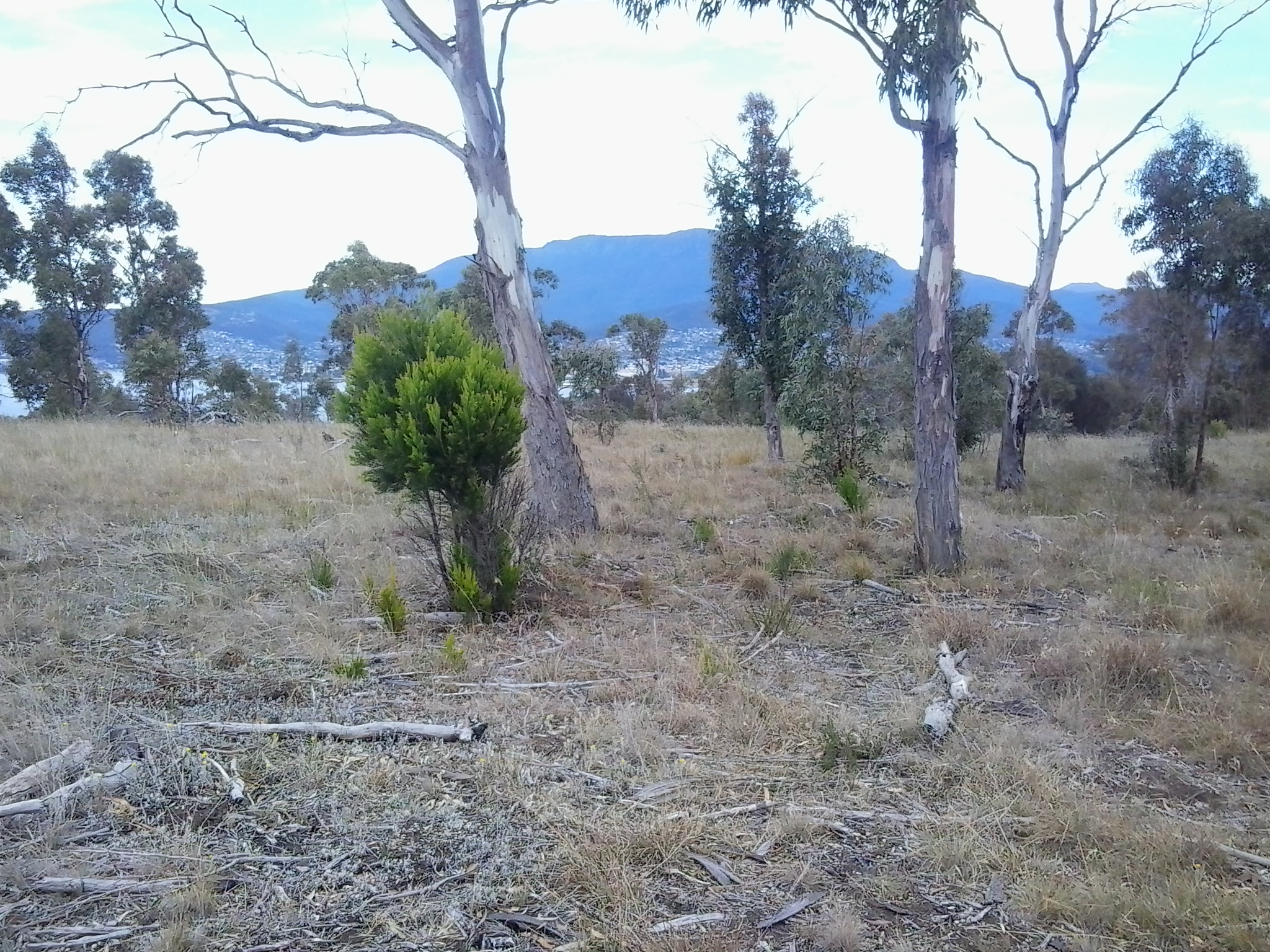
From the top of one of the Park’s walking tracks, I looked through stands of gum trees towards the mouth of the Derwent River.

2015-11-09 09.22.36 2015-11-09 09.22.51

In the other direction Mount Wellington loomed large over the Hobart CBD and the Derwent Harbour.

2015-11-09 09.24.47

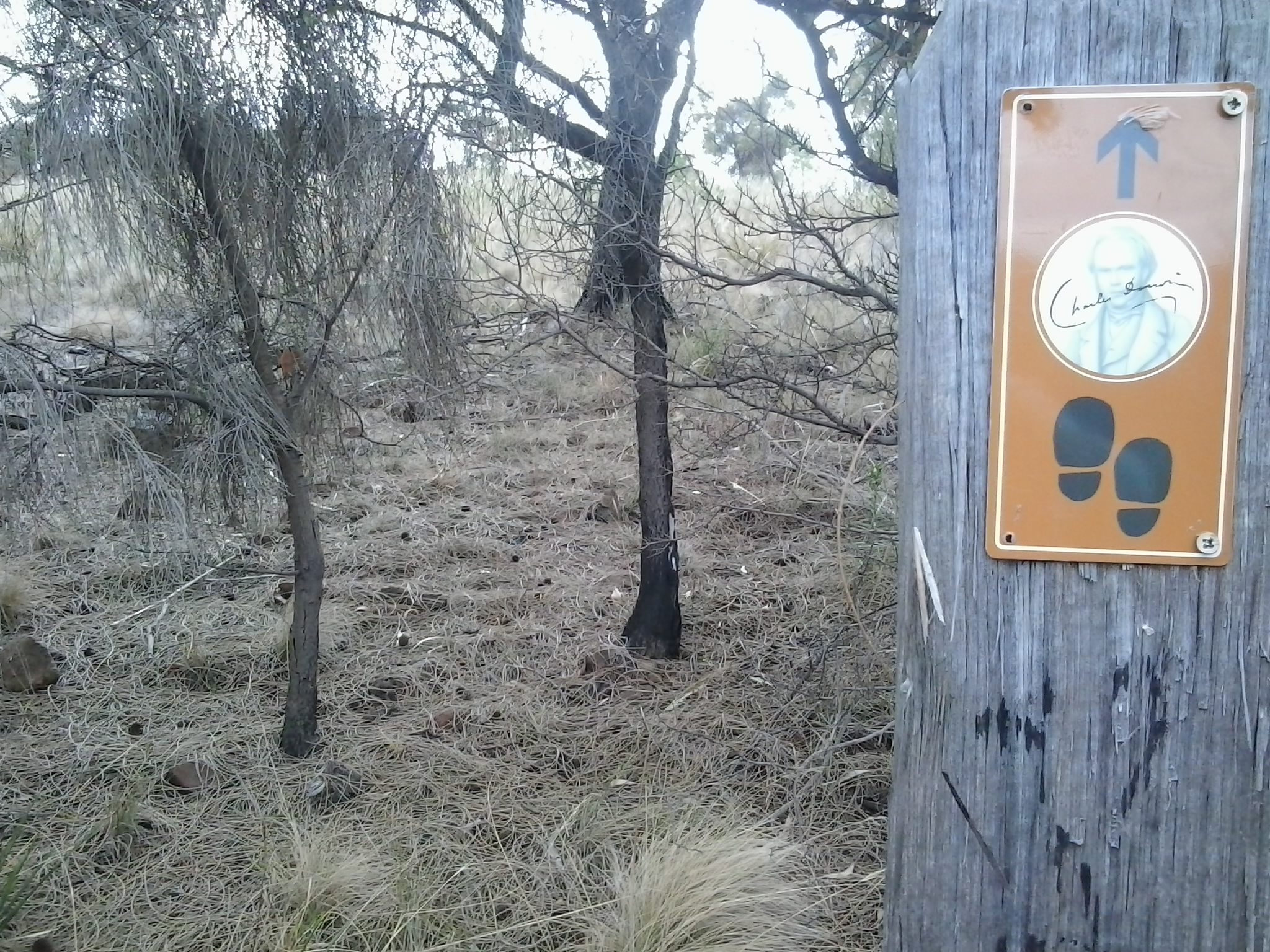
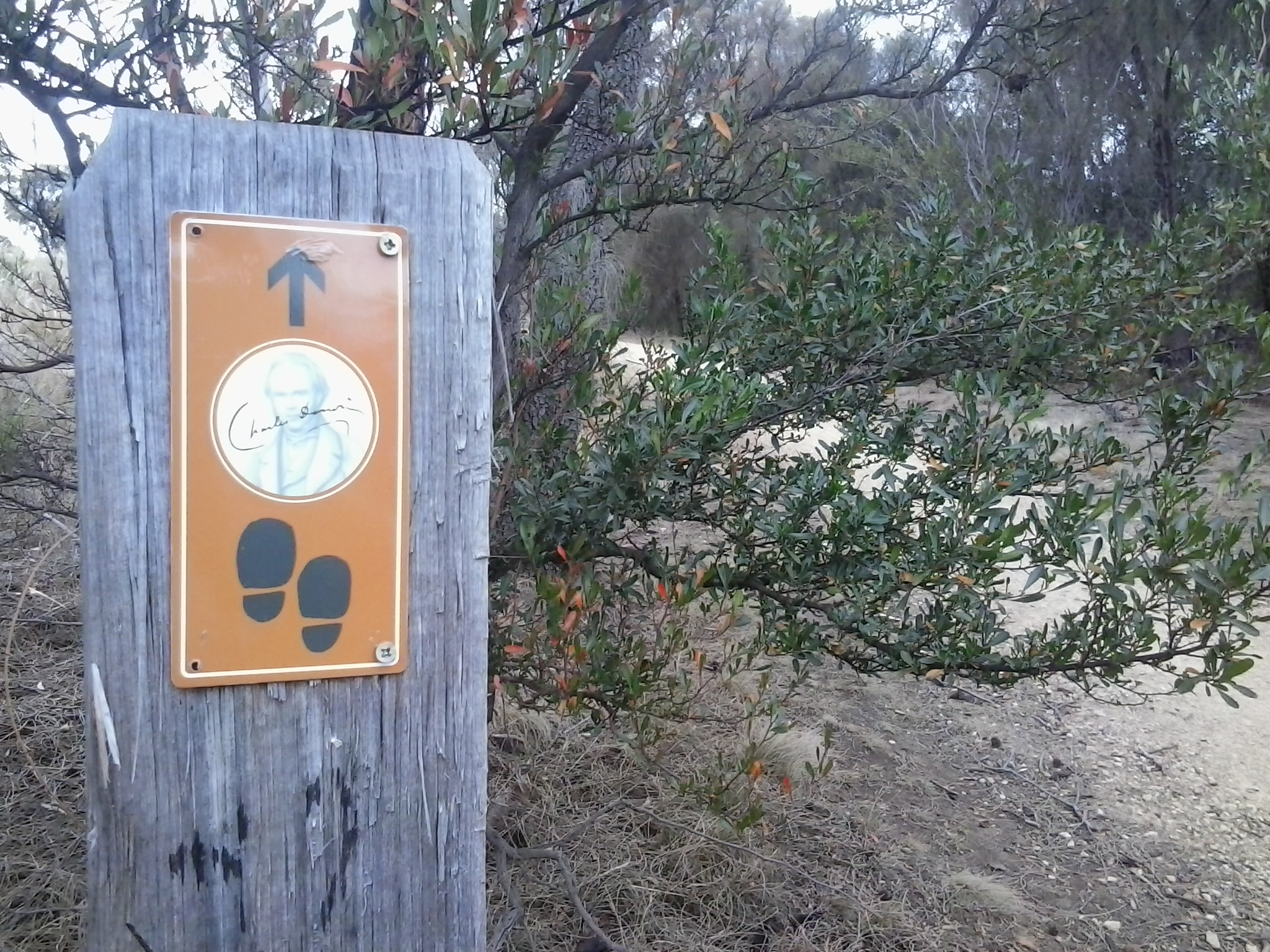
I followed in the footsteps of Charles Darwin, ‘father’ of the theory of evolution, who walked around Hobart in 1836. At some time during that visit he crossed to the eastern shore and wandered around the Bellerive suburb and beyond.

2015-11-09 09.22.59 2015-11-09 09.20.23 2015-11-09 09.20.15

I saw unfamiliar medium-sized birds collecting nesting material and insect food morsels (who flitted away far too fast for me to take a photograph): one was dressed in silvery greys with a long strand floating after its tail, and another with a rich olive green coat. None of my bird books help me to identify either of these birds – any locals with bird knowledge?

A profusion of native spring flowers carpeted parts of the Park, or stood as single colourful spikes amidst the dull dry green grasses.

2015-11-09 09.32.36 2015-11-09 09.25.26

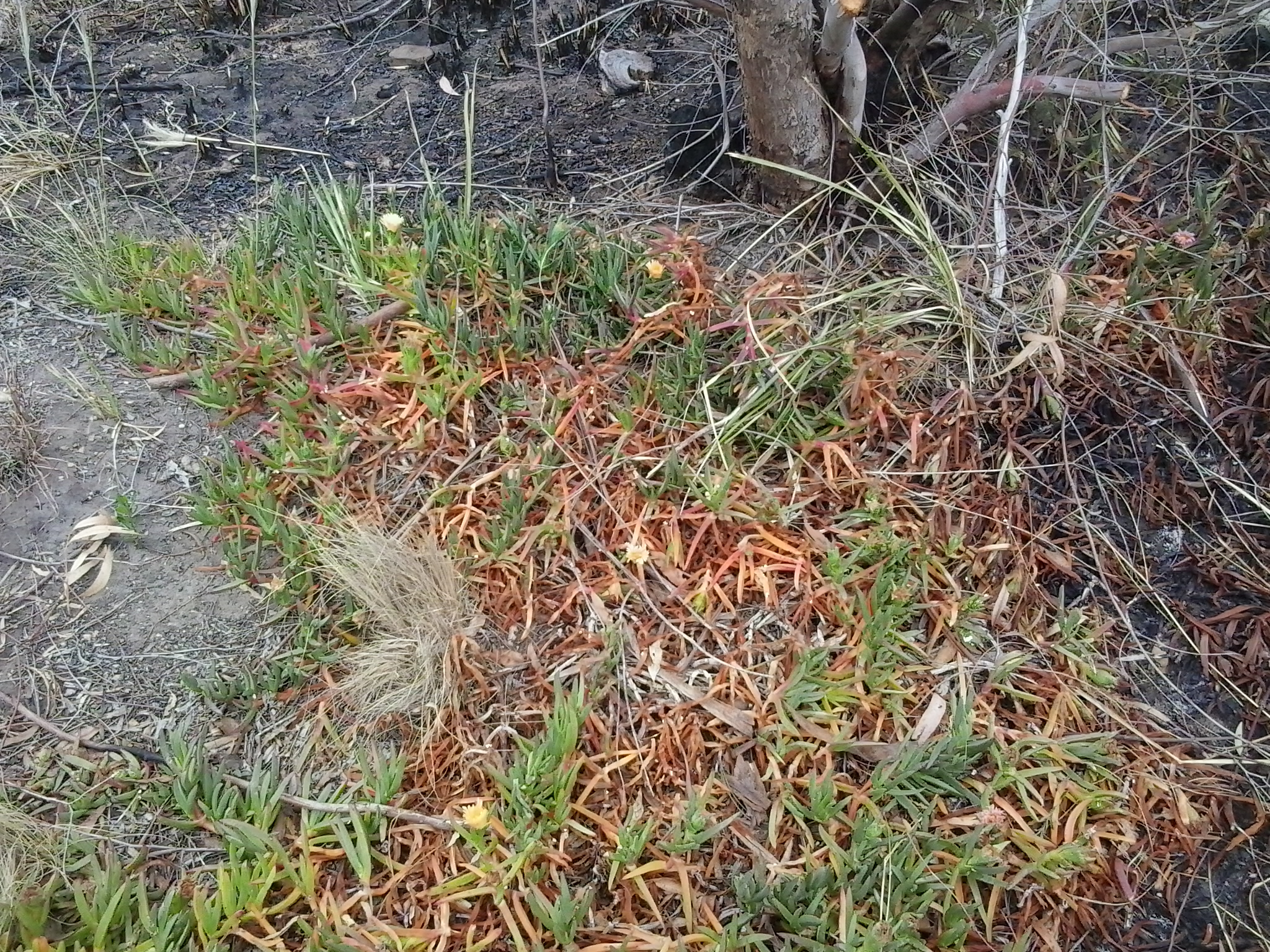
It soon became clear that lots of burned vegetation and scorched earth passages were scattered next to the walking track and beyond.

2015-11-09 09.29.05 2015-11-09 09.28.19

Later when I walked down Quarry Road with not a burn mark in sight, I realised that for bureaucratic purposes the Tas Fire Alert site had to indicate the best road for fire trucks to follow.  It had been parts of the Waverley Flora Park that suffered fire damage.

As I continued downhill, I heard the siren sounds of a fire truck and watched it whip past the intersection below.  When I turned the corner, the truck was parked askew with hefty yellow clad guys preparing their gear.  The screams of other sirens were closing in. I watched wisps of smoke escaping from all manner of slits and slots and dirty brown smoke puffing from the front door of the house below.  I saw an approaching ambulance and guessed this wasn’t someone’s best day.

Personal Locator Beacon – walkers have one with them

Recently I posted the story of a man who got lost for two days and then was lucky to get out of the Mt Anne region without a Personal Locator Beacon.  Today the news is that a couple of walkers needed to use their Personal Locator Beacon in the same area.  This good news can be read here.  I am pleased to read that the walkers plan to make a donation because the cost of their rescue would have been thousands of dollars.

Both stories are timely reminders of how difficult the terrain can be in Tasmania. When coupled with the uncertainties of extreme weather, the walking experience can become very dangerous.

Our Hops hop it to international markets

You may recall my earlier posts after my walks in the Bushy Park area and its hop fields. You may also recall reading that new paddocks were being set up for growing more hops.  Perhaps this article is related. For more information read Tassie hops make their way into US craft brews.

Derwent River: time-lapse photographic display

The Derwent Project’s website contains engaging images from cameras located at various points along the edge of the Derwent River.

There is a great deal of viewing to be done across this site including the page with the time-lapse videos.

Because of the imagery on this site, I find it possible to appreciate the environment and weather changes in a simpler way.  I feel sure that if you can’t walk or drive along the Derwent River, watching these videos should give some sense of the pleasure that is possible.

The sheen on Shene

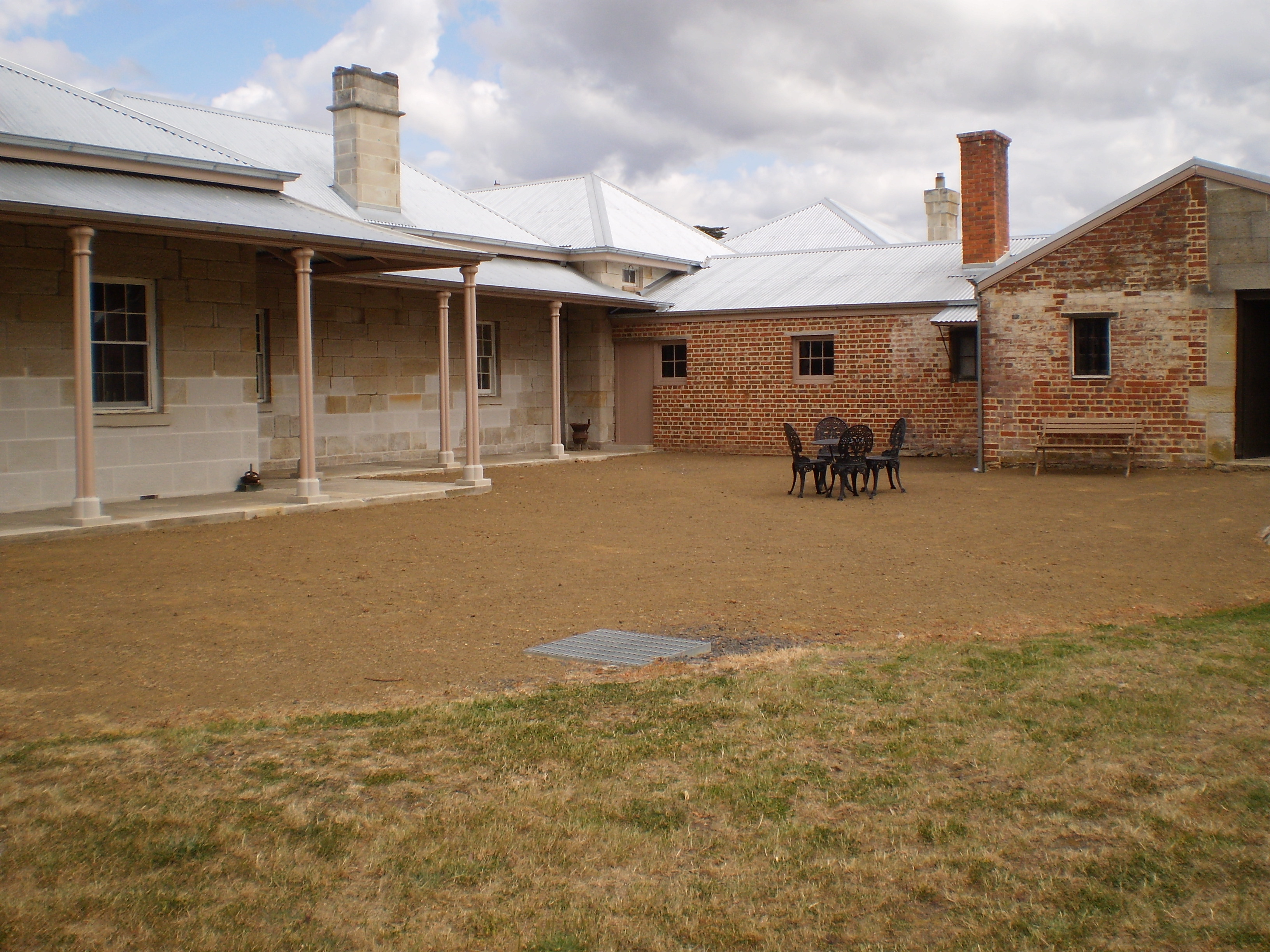
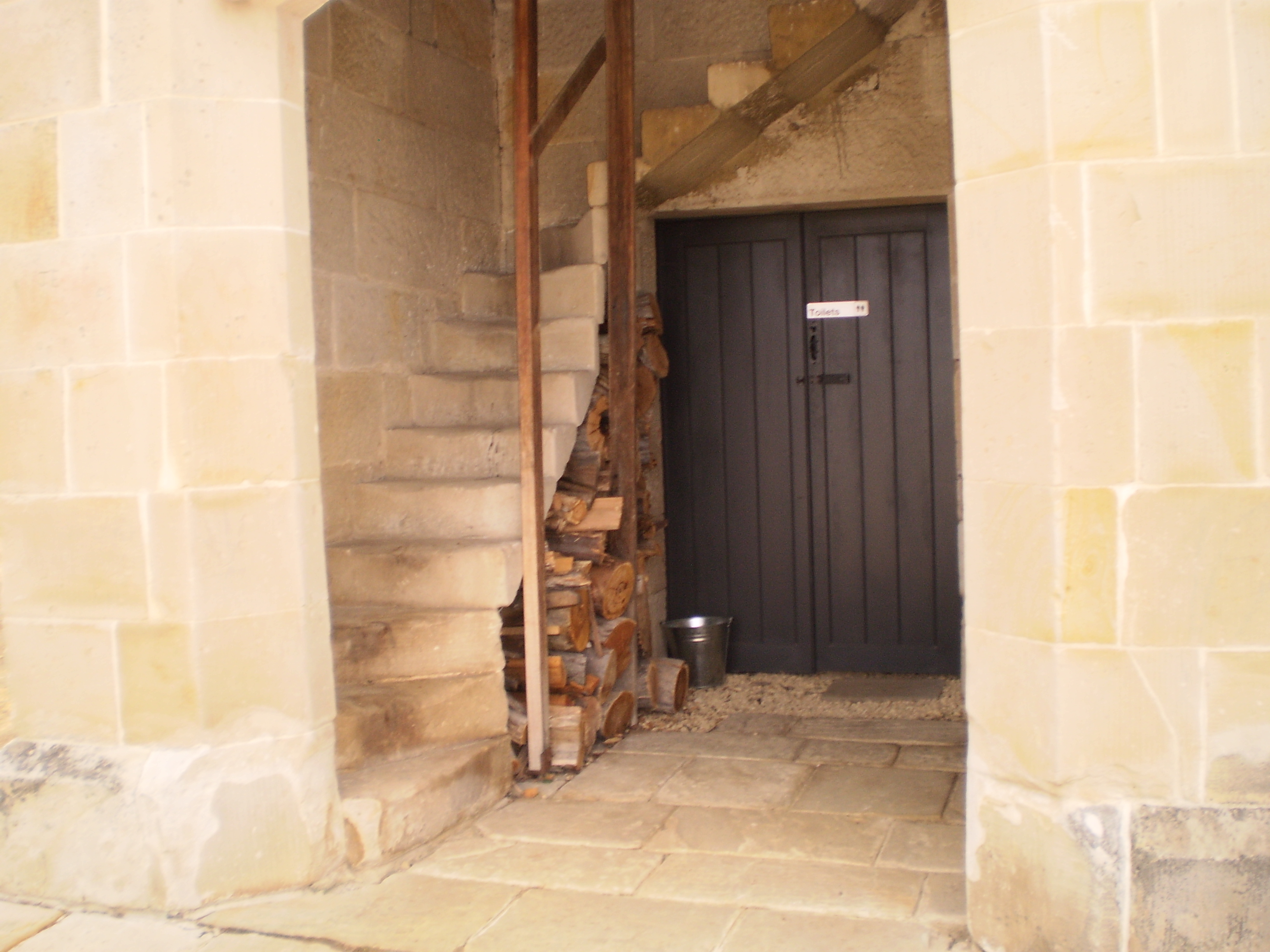
No.  The historic Shene property is not reflected in the Derwent River. Nevertheless it shines bright in my memory for the number of stunningly well restored and conserved 19th century sandstone buildings.

OLYMPUS DIGITAL CAMERA

OLYMPUS DIGITAL CAMERA

OLYMPUS DIGITAL CAMERA

OLYMPUS DIGITAL CAMERA

The Shene Estate, located just north of Pontville, covers many acres only a few kilometres inland from Bridgewater which sits on the Derwent River.  A few months ago a brilliant photographer, one of my blog followers, presented a set of images that stopped me in my tracks (pun not intended) – have a look.

When I visited last Friday, one of the owners, Anne Kernke enthralled me with the history of the property. Long term blog readers know that I get excited by many things and where possible I try and make a connection with the Derwent River, simply because I want to write a record.  I was on high alert the moment Anne mentioned the Derwent.  When she said that one of the key family members died near Pearson’s Point which is the location where I suggest the mouth of the river is located on the western shore, I knew I had reason to create a post.

Edward Paine/Payne emigrated to Van Diemens Land in 1820 and his eldest daughter married Gamaliel Butler who established the Shene estate. Unfortunately Edward drowned when travelling in a small boat with others because a boatman went “to the mast-head, which a small boat would not bear”. The boat capsized and it seems Edward could not swim. Anne Kernke has provided the following information: “an ill-fated boat trip to North West Bay, where Paine was looking for land to purchase.[1] The Hobart Town Gazette gave a very detailed account of the day’s tragic events:

It falls to our painful lot to record one of the most distressing and melancholy accidents which has ever occurred in this Settlement. On Saturday afternoon last, Mr. Edward Payne (who arrived recently in the ‘Deveron’), Mr Wickham Whitchurch, Mr James Kay, and Mr George Read, Superintendent of Government carpenters, left the port in a boat with three men to go to North-west Bay. On their way, they put into Tinder-box Bay, about 10 o’clock at night; but not finding the landing good, they determined to go on to the Government huts at North West Bay. When the boat had got about 300 yards, from the shore, the halyards being jammed in the mast-head, one of the boatmen went up to clear them, and in an instant the boat overset. With difficulty, and by the assistance of a Government boat which was in the bay, all were saved but Mr. Payne and Mr. Read. There was scarcely any wind or swell at the time; and this unhappy accident was caused solely by the man going to the mast-head, which a small boat would not bear. Mr. Whitchurch is an expert swimmer, and knowing that Mr. Kay could not swim, laid hold of him, and conveyed him within 50 yards of the shore, but from extreme weakness, was compelled to leave him for his own preservation. Mr Kay, although he never swam before, struggled through a thick bed of sea-kelp in deep water, and made the shore. Mr W. in the meantime floated on his back to recover his strength, until the Government boat came to their help.

Late on Sunday evening, accounts of the melancholy event reached Hobart Town; and upon its general circulation on Monday morning, it occasioned a sensation of feeling and regret proportioned to the estimation in which the unfortunate sufferers were held, and the loss inflicted by their sudden and premature fate. The body of Mr. Payne was found on Sunday, near the place where the boat overset. A Coroner’s Inquest on Tuesday gave a verdict of Drowned by Accident.’[2]

1]Journal of Peter Harrison, 1822, Royal Society of Tasmania, p.40 (typed copy)

[2] Hobart Town Gazette, 13 July 1822, p.2

On the following day, the distraught Mrs Paine was visited by the Reverend Robert Knopwood, who spent the evening trying to console her for her loss. Several days later, Knopwood conducted Paine’s burial service at the Hobart Town Cemetery (now St. David’s Park) on the 6th July 1822. The headstone was removed when the old cemetery was converted to the present day park.”  St David’s Park is in the Salamanca precinct which sits by the Derwent River at the edge of Hobart’s CBD.

Currently, to help support the expensive and meticulous restoration work across the Shene property, the owners provide guided tours by appointment, keep polo horses and will soon have competitions (the Hobart Polo Club now call Shene home and they use the 1851 stables as their clubhouse), they operate a distillery making a filtered and an unfiltered smooth tasting Gin, and much much more. More information can be read on the Shene website.

Revisiting sites

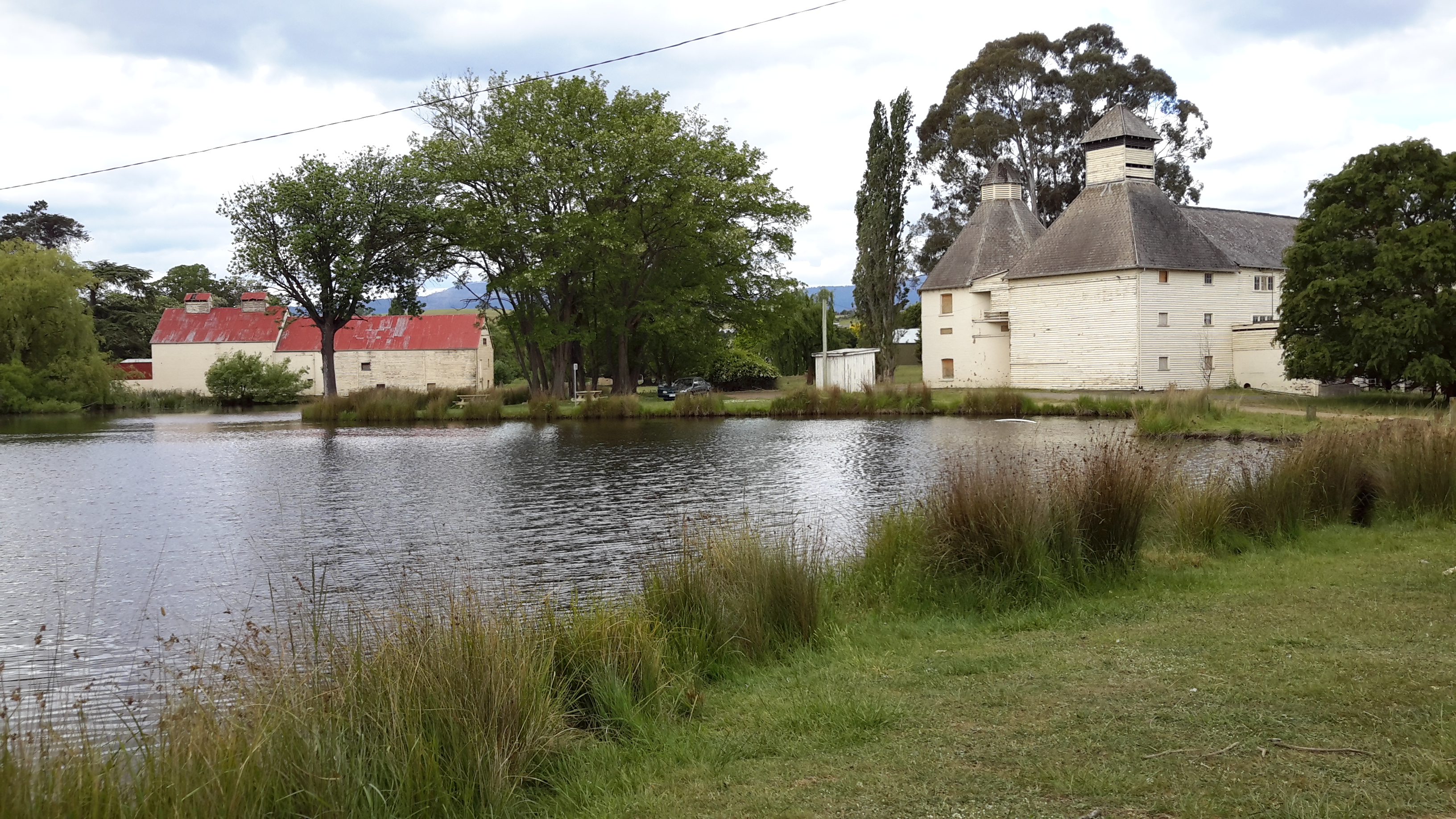
With a friend last Thursday and then with another yesterday I returned to Bushy Park,  where I introduced them to the hop kilns/Oasthouse precinct that is hidden at the end of 10 Acre Lane, next to the Derwent River.  They were amazed and delighted with the discovery.

20151031_151004

As it was when I first walked there, no-one else appeared on site. Thanks Alex and Andrew for the revisits. This site proves to be enthralling and special each visit.

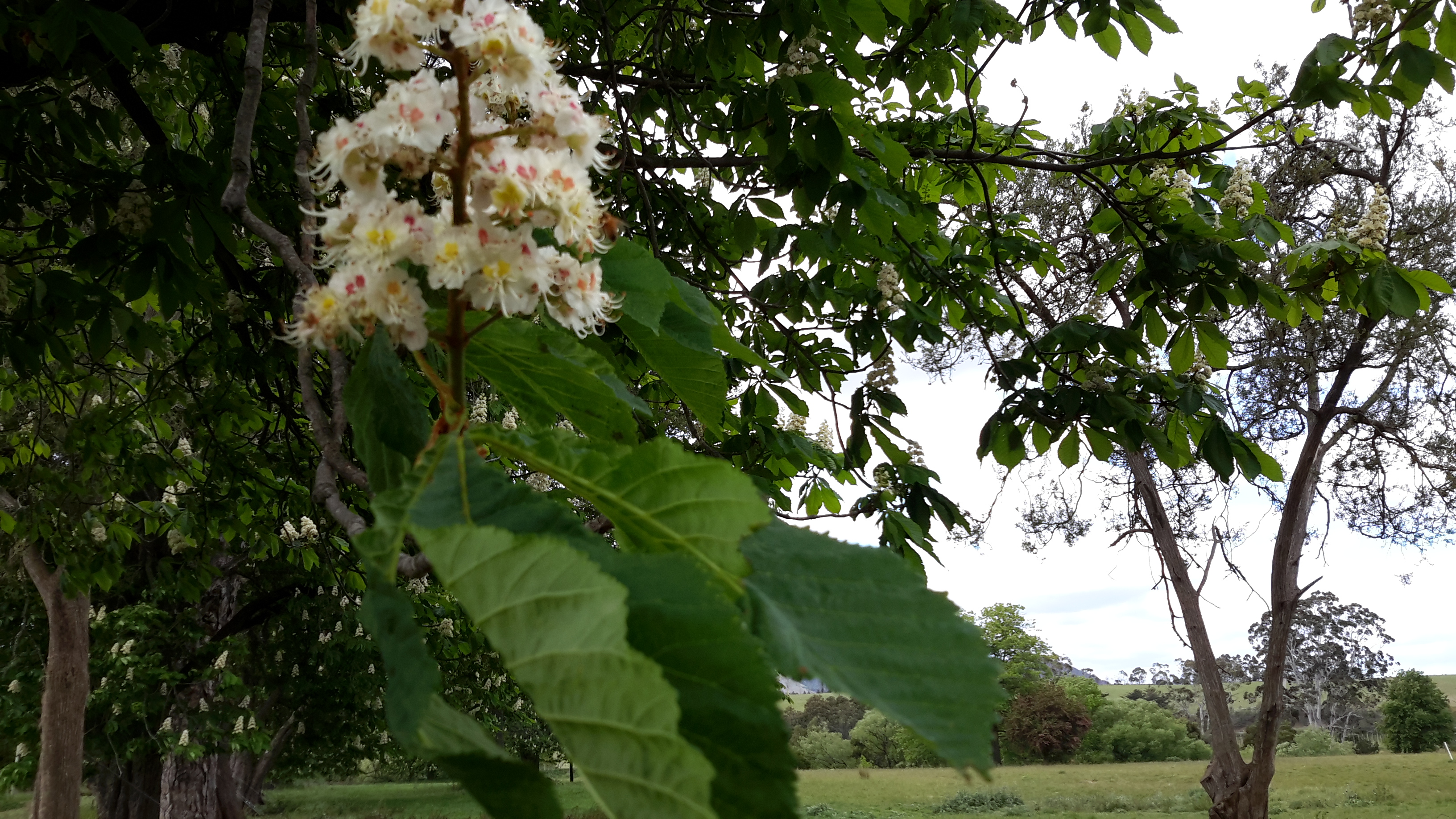
Yesterday I realised the vegetation had grown dramatically and lushly in recent weeks so that ‘fences’ of flowering and green leafed Hawthorn blocked some previously easy views.  When Alex and I smelt delicate fragrant perfumes floating in the air, our noses were led to a throng of tiny roses clambering over themselves with a very strong but beautiful perfume. Standing beside this tangle was a flowering tree with perfumed drops of flowers somewhat similar to those on a wisteria, although coloured white.  We couldn’t identify this tree.  In another part of the precinct was a mass of trees with flowers in cone shaped clusters sitting up above their branches. Alex thought they might be chestnut trees.

20151031_150204 20151031_150217

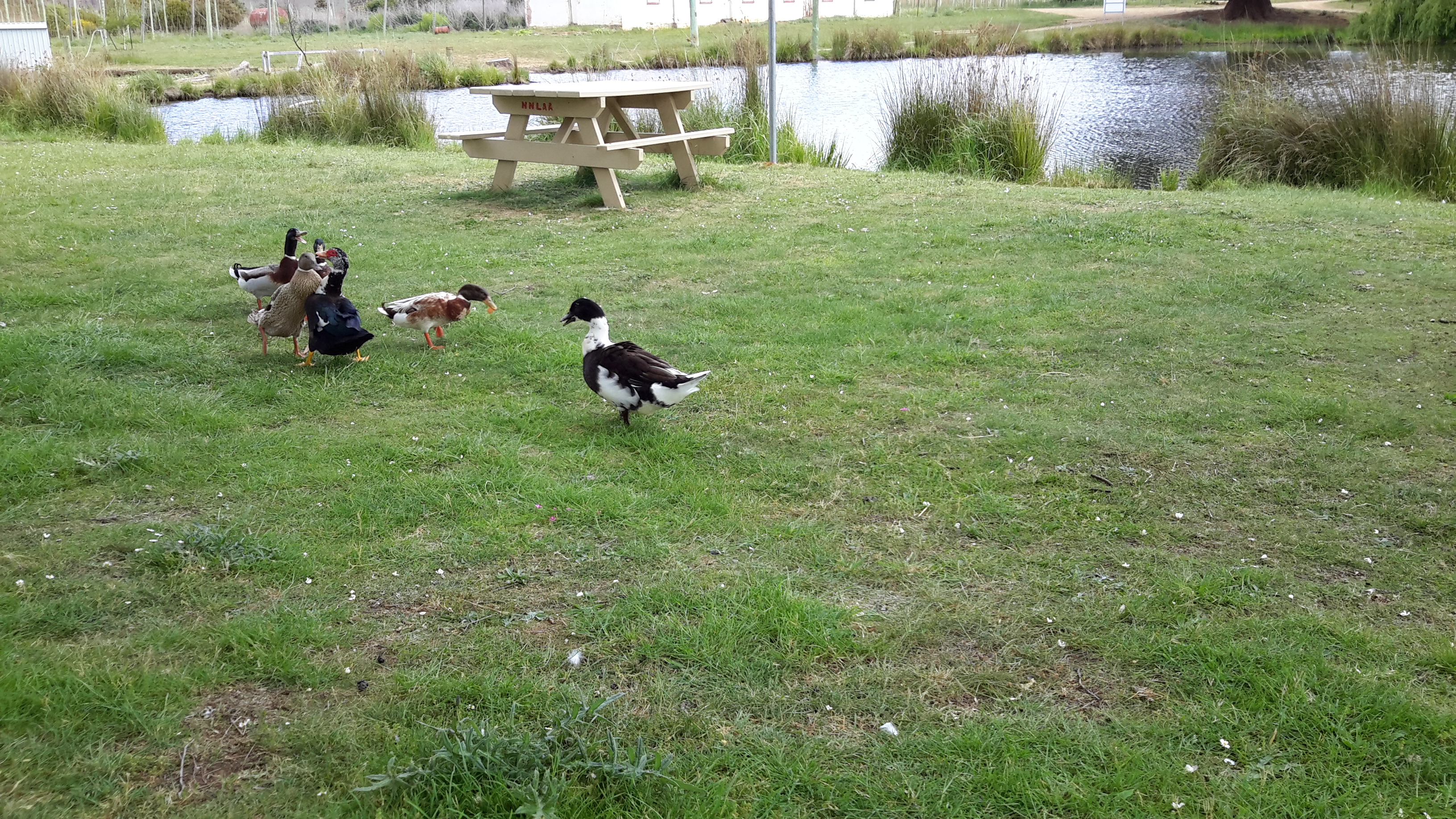
The ducks ran out of the Junior Angling Pool hoping for a feed.

20151031_143852

Idyllic.

Revisiting the hop kilns was my reward after walking a little more of the edge of the Derwent River. But more about that in later posts.

20151031_140708

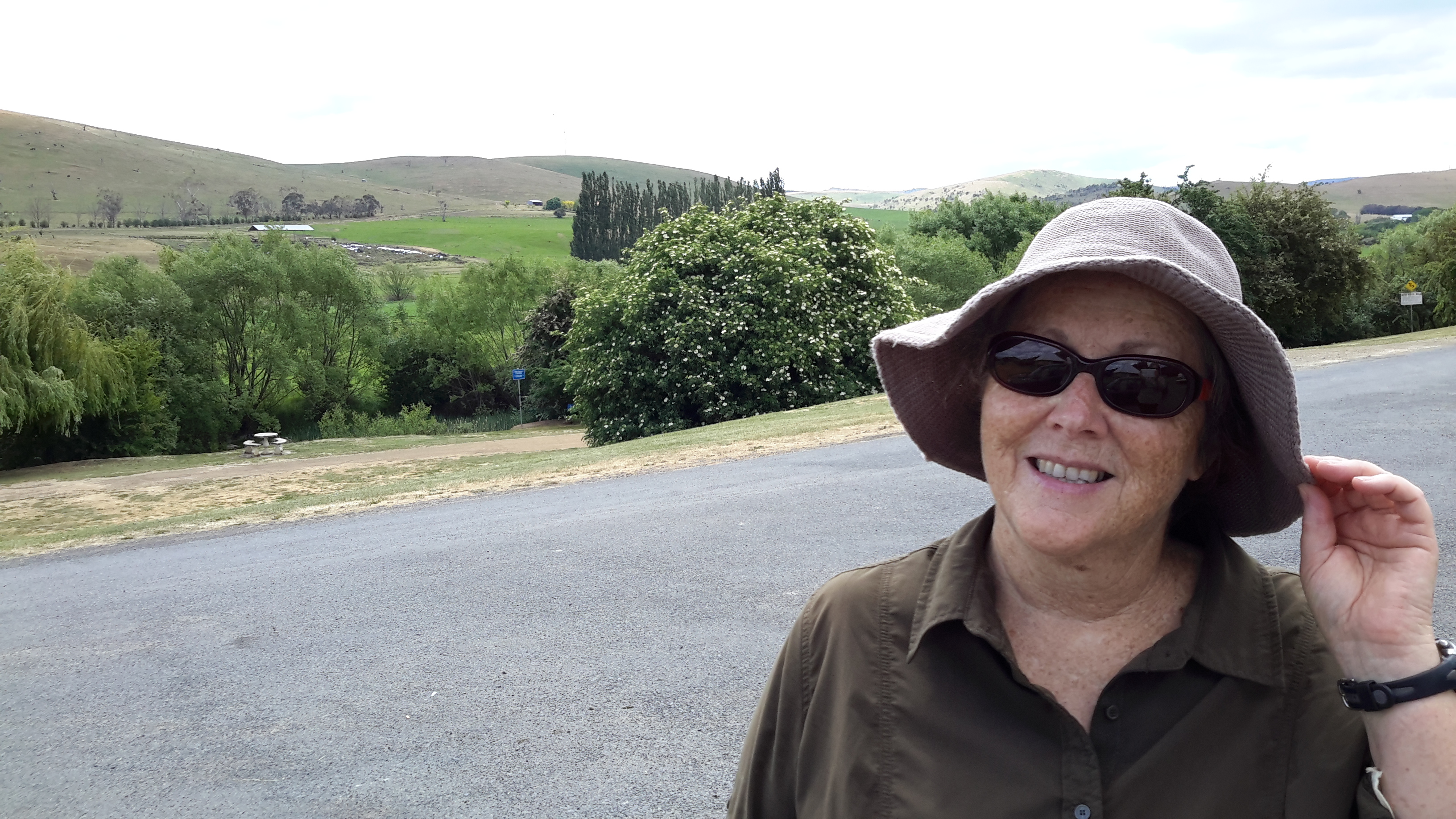
My sunhat has seen better days but it has a long way to go yet.

The euphoria continues

Yesterday a friend An drove me up along the Derwent River where we stopped off at a few dams, power stations and lakes. I was studying the terrain at ground level (our most recent Service Tasmania maps are aged and Google Earth photos are not current either), seeing where forestry and hydro tracks existed and determining where I will need to make my way through bush ‘with walls’. I can see a line of fiction here – turning an almost impassable density of bush into a character (an evil character – even though the bush is sublimely beautiful and bountiful) that has to be overcome.  My strategy will be as always, one slow step at a time and then the bush won’t even know I have come and gone (although my muscles will).

I walked some small sections yesterday, but I won’t write them up until I have walked in the areas westwards from Gretna to those sections.  I know now that it is difficult for some local readers to understand where I have been and therefore, if I change the blog posts from being a chronological record, it may be even more unclear.  Besides, by writing the stories in order and finishing with the last walk to the source it will be clear I have walked the Derwent.

Yesterday explorations and walks were as uplifting as the previous day’s flight; it was as equally wonderful, just different.  I feel gushy with delight when I am in the bush on a blue sky day, with no wind, and with a temp that rises sufficiently but not so that I boil.  Once I am sitting on rocks in the river bed with my lunch, listening to the birds, and sensing the spirit of the place, my life feels so right.  This is the place for me.

Then, despite the day’s experiences already being a treat, life added a new wonderful surprise.  Recently one of my blog followers, Justy, alerted me to the fact she and her partner were engaged in creating a new work of art for GASP beside the Derwent River at Glenorchy, a city in the Greater Hobart Area.  As part of their project, they had already walked along the Derwent River in Cumbria, England and now were planning to walk from the sea to the source of the Derwent early next year.  I hadn’t met them and only communicated a few times by email.  But yesterday, as An drove me towards Cluny Dam, I saw two women step from their car.  I waved and smiled as you do on a country road. As we drove on, I said to An “I bet they’re the two women who are engaged in the GASP project, out conducting a reconnaissance trip”. There was no reason to believe this except I felt I knew it to be the truth (the bush works its miracles). Nevertheless we continued on and had parked near the northern end of Cluny Lagoon when the two women drove past us. Again we waved. On a later road we found ourselves coming towards each other from opposite directions, so An waved them to a stop. The women looked at us queryingly. “Are either of you Justy or Margaret? we asked.” “Yes”, they responded. Instantly I called out, “I’m Helen”.  Their nod of acknowledgement followed. And then we all poured out of our cars, and hugged and had a lively chat standing on a dusty road in strong Spring sunlight. It was a brilliant unexpected meeting and capped off what had been a day of immense discovery and pleasure.

Best wishes for your project Justy and Margaret!

Dams on the Derwent River

The potential of the volume of water passing down the Derwent River for hydro-electricity generation was seen over a century ago.  While a few power stations were built in the early decades of the 20th century, with an influx of migrants from war ravaged Europe in the 1940s-50s, the numbers of dams and power stations increased quickly.  Overall, many dams and approximately 30 power stations have been built across central Tasmania.

On my way to Lake St Clair, I will reach and walk past each of the following 7 markers along the River:

  • Meadowbank
  • Cluny
  • Repulse
  • Catagunya
  • Wayatinah
  • Tarraleah
  • Butlers Gorge

One of the Hydro websites provides detailed information about these and others which feed into the Derwent River catchment.  In addition, the site includes the diagram below.

Derwent dams

Award winning buildings edging or overlooking the Derwent River 2015

Recently the Master Builders of Tasmania Association announced Housing and Construction Excellence Award winners.  Here are a selection.

  • The winner of the Unique Achievement in Construction was project MONA Turrell Amarna. This massive sculptural structure was designed by artist James Turrell and titled Amarna. Its construction needed extraordinary creativity and engineering nous to build.
  • The winner of the Excellence in Heritage Listed or Period Home Restoration/Renovation – Open Value was the ‘Colonial Cottage’, Sorell Creek, New Norfolk. The original building was constructed around 1870.
  • The winner of Heritage Listed or Period Building Restoration / Renovation – Open Value was ‘Pumphouse Point’  which overlooks both Lake St Clair and Derwent Basin.
  • The winner of New Construction – $5 million to $10 million was ‘Brooke Street Pier’. This innovative floating structure almost next to Salamanca, replaced a series of tiny old ferry offices, and is now the gateway for ferrying visitors to MONA, supplying interesting locally produced Tasmanian souvenirs of quality, and providing a welcome drink or two.

Brilliant bird’s eye view

Thankyou blog follower Ju.  Recently Ju connected me with a woman with a husband who has a Private Pilot’s Licence.  Once I made contact, Michelle and Dave were delighted to fly me in their four seater plane, a Cirrus SR20 which Michelle referred to as the BMW of the skies.

Today we flew.  Not a cloud in the sky.  Clean blue sky. Hardly a breeze.  The landscape rich and varied.  The Derwent River sparkled from start to finish.

The experience was stunningly magnificent.  I love words but I find it difficult to express my excitement, my pleasure, and the sheer joy of the flight in the depth which I felt.  There below me was the river I have come to love and know a little more. There below me were the tracks, paths, roads and landscape over which I have walked – and I laughed occasionally remembering certain experiences during my walks. There below me were logging tracks, dam roads, and fading vehicular pathways.  And then we were flying over impenetrable sections which may not be walkable.

We left Hobart airport and flew to Storm Bay by rounding the Iron Pot, then we followed the river upstream to the source. Dave flew on until we reached the northern most point of Lake St Clair. The return journey was equally as beautiful and engaging. The light had changed presenting us with a ‘new’ landscape.

Of the hundreds of photos taken by Michelle, friend Chantale and myself, I include a tiny selection here.

OLYMPUS DIGITAL CAMERA

The photo above taken by Michelle caught me totally preoccupied by the view.

OLYMPUS DIGITAL CAMERA

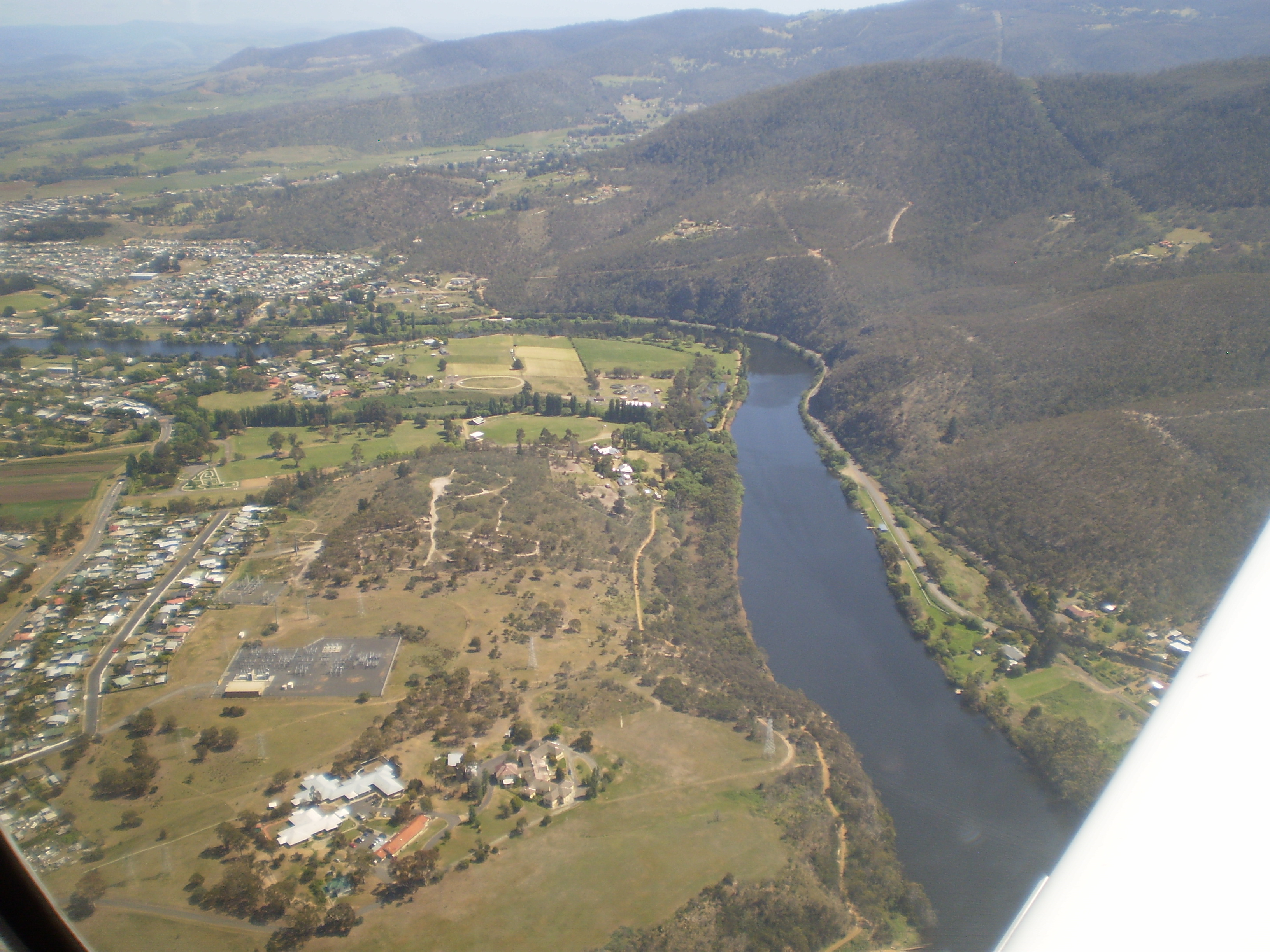
MIchelle’s photo above shows the Derwent River snaking around the Claremont Golf course with Cadbury’s Chocolate Manufacturing buildings in white to the left.

OLYMPUS DIGITAL CAMERA

The photo above shows a straight section of the Derwent River before the township of New Norfolk on the upper left.

OLYMPUS DIGITAL CAMERA

The photo above shows the Derwent River circling part of Reid’s cherry orchards.

IMG_3864

Chantale’s photo of the Pumphouse Point accommodation projecting into Lake St Clair, also shows the dam across the Derwent Basin where the water enters St Clair Lagoon.  The source of the Derwent River starts to the right of the photo.

OLYMPUS DIGITAL CAMERA

Michelle’s photo above shows part of sprawling Hobart set against the Derwent Harbour.

Those photos taken while flying over the river westwards of Gretna will be incorporated into the stories of my walks from Gretna onwards, in future posts.  From now on, you can expect both ground-based and aerial photos to enrich the stories.
I feel like the luckiest person in the world for the opportunity to travel in a smooth flying small plane, to see the Derwent River winding through the landscape in glorious blueness, and to be reminded Tasmania is a superb place. A truly wonderful and memorable day. Thankyou to all concerned.

Dangerous rivers

The Derwent is ranked No.8 in the country’s top 10 most dangerous inland waterways, with 12 victims since 2001,’ said David Beniuk in his article “Don’t run the risk in rivers”, published in The Sunday Tasmanian yesterday.

He explained that ‘Tasmanians are being reminded of the dangers of their beautiful, but potentially deadly rivers in a national campaign.’

The Royal Life Saving Society says ‘We are a state that absolutely loves our waterways … But our inland waterways, in terms of drowning fatalities, are really where it’s happening in Tasmania. The perception is that the still waters of a river are calm and are safe. But it’s what we don’t see and don’t know, things like ice cold water, snags, things like tree branches as well as river currents, that often get people without notice.’

Beniuk reports that ‘The state registered the highest per capita rate in the country, with men over 55 at risk.’  He noted a number of things we can do which offer protection: ‘wearing a regularly serviced life jacket, avoiding alcohol, never swimming alone, knowing the area, telling people where and when you’re going and learning first aid.’ In addition, ‘checking weather conditions and the Maritime and Safety Tasmania website were also important.’

This article was timely; over the weekend a friend urged me to stay with my decision not to canoe/kayak down the Derwent River.  As I mentioned in a recent post, a strong fit male family friend canoed down a short section and had never been so frightened.  I got the message then.

Plea as lost walker is found

My recent post Personal Locator Beacon explained how taking only a mobile phone when you walk in our Tassie wilderness isn’t smart: the batteries will go flat over time and any GPS location function may not operate.

A couple of days ago a man phoned the Police to say he was lost in some of Tasmania’s most inhospitable territory.  He carried only a mobile phone and had left his camping gear at a spot while he took off on a solo day walk. Thankfully, after two near freezing nights, the man who was described as an “experienced day walker”, found his way to Tasmania Police and their searchers.

If anyone is planning a walk in remote areas in any part of the world, please protect yourself and make it easy for emergency services in the event of an injury, illness or getting lost. Remember in some parts of Tasmania you can be 10 metres away from another person and not be able to see or hear them because of the density and size of the bush.

Tasmania Police made a plea for everyone to carry an EPIRB location device; a Personal Locator Beacon. “With a mobile phone you can only communicate with us, until the battery fails. AN EPIRB tells us where you are.”

Derwent River Wildlife Guide

This booklet titled Derwent River Wildlife Guide, by Veronica Thorp and published in 2000, is a 73 page listing with colour photographs and basic information about all the environments, the flora and the fauna which can be seen at some point along the Derwent River. The booklet is available for loan through the Tasmanian State Library system.

I am sorry that my discovery of this information has come after I have walked so far – it would have been most useful for me to walk with this booklet from day 1 of the entire project. Having said this, there is only one photograph per item and a tiny paragraph of information so that identifying plants and fungi correctly would have been a challenge.  While some entries indicate a location where a plant could be expected, most do not have this information. I have a sneaking suspicion that the listings in the booklet may only cover the areas that I have walked which are easiest to access.  I suspect that intensive investigation of the Derwent River shoreline and general vicinity between Gretna and Lake St Clair might not have been studied so rigorously.

A Visitor Guide (http://www.parks.tas.gov.au/file.aspx?id=16546) to Tasmania offers a limited selection of animals and environments compared to the comprehensive catalogue available in the Derwent River Wildlife Guide.  The Visitor Guide covers all Tasmania which is much broader.