Tag Archives: Lake Repulse Dam

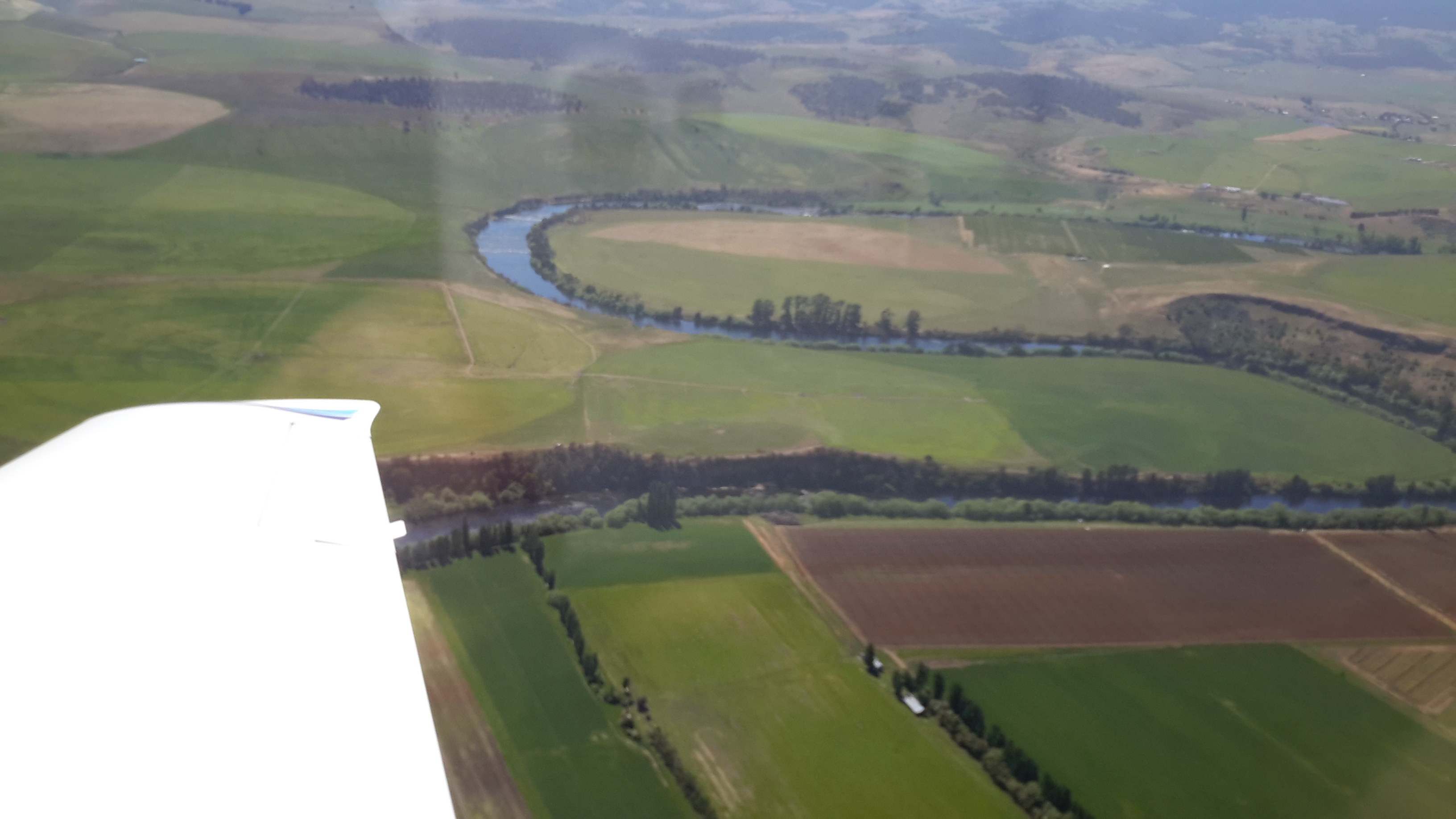
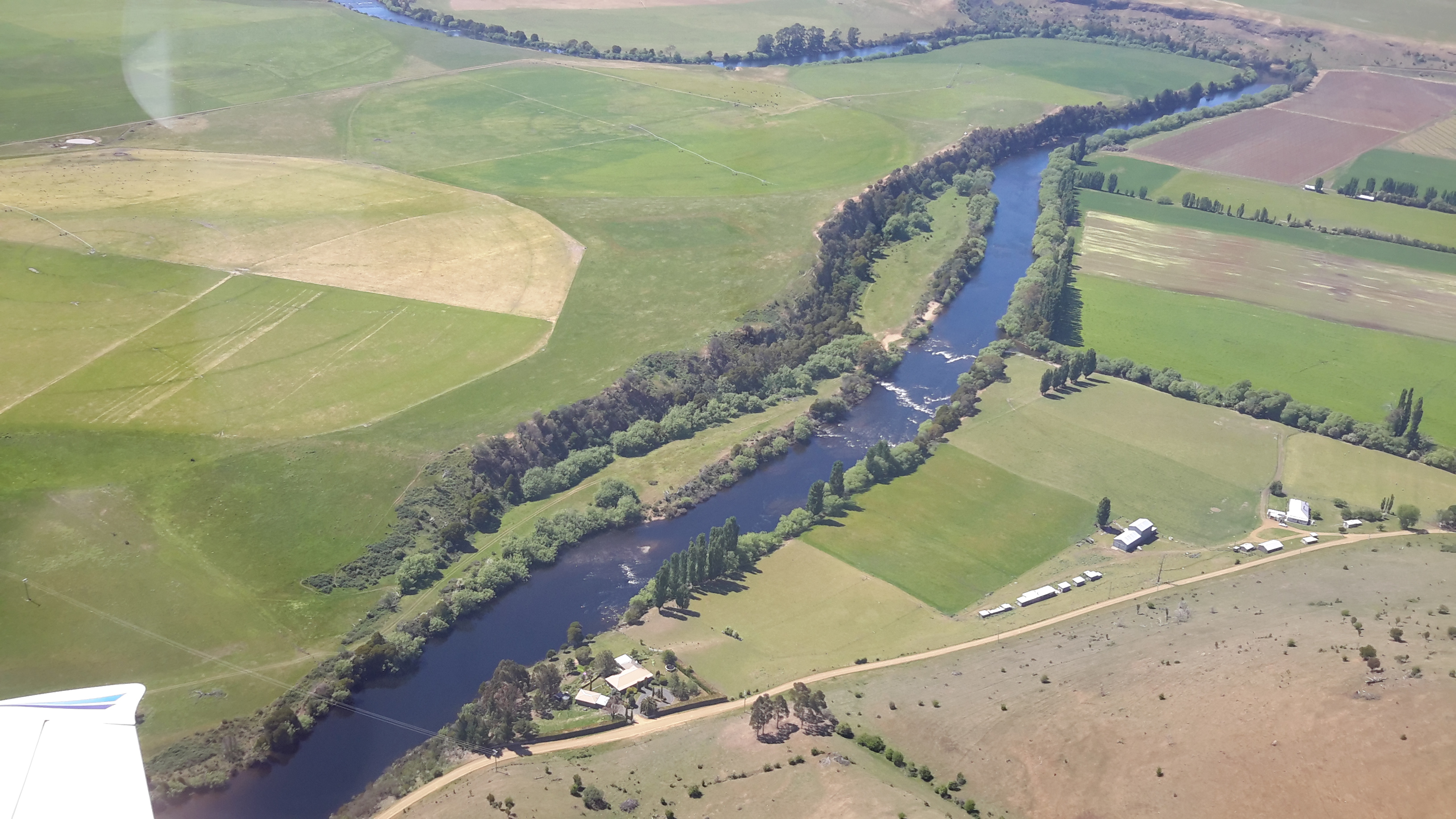
Gretna to Lake Repulse Dam – an aerial perspective: 1of 3

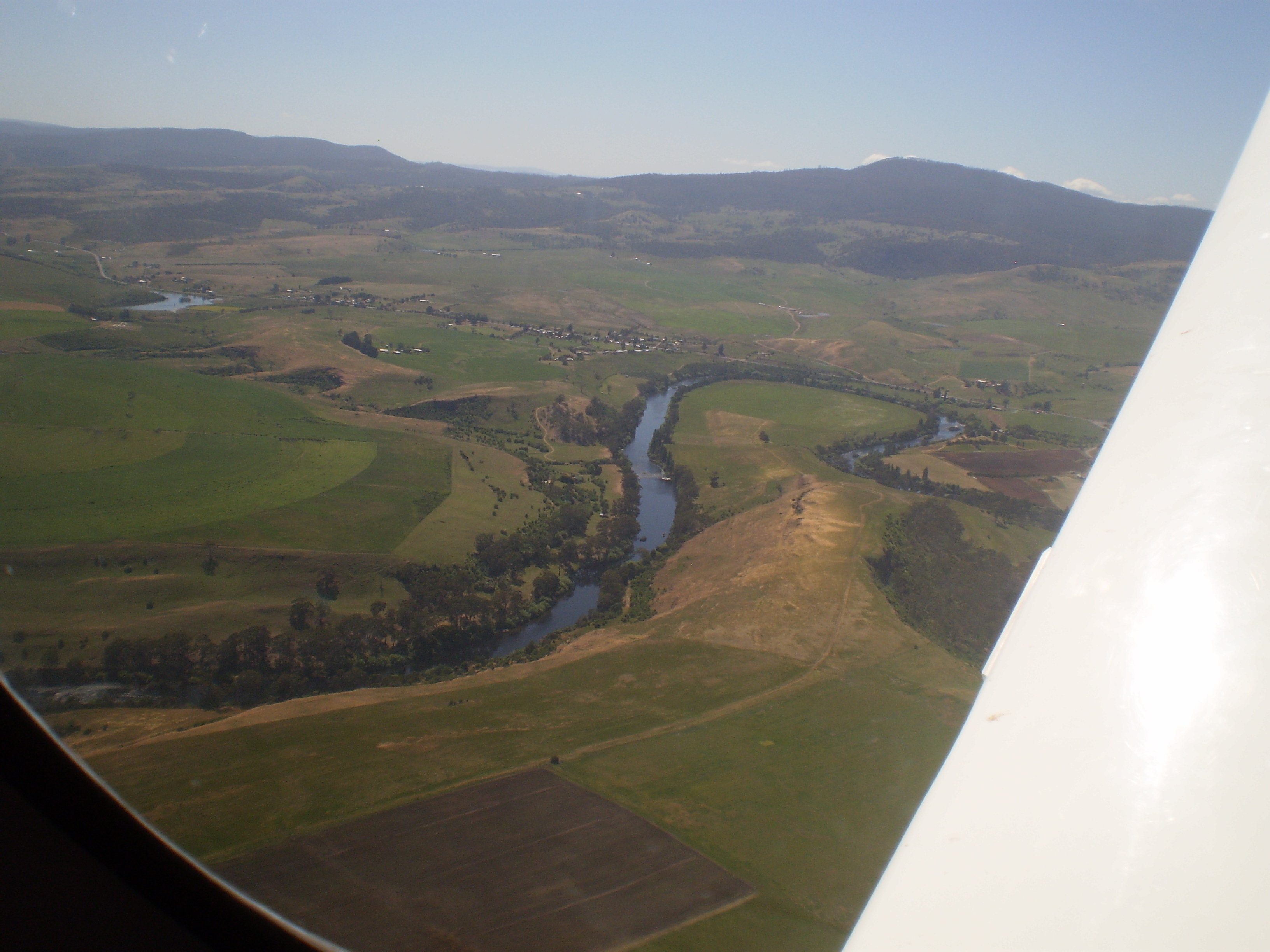
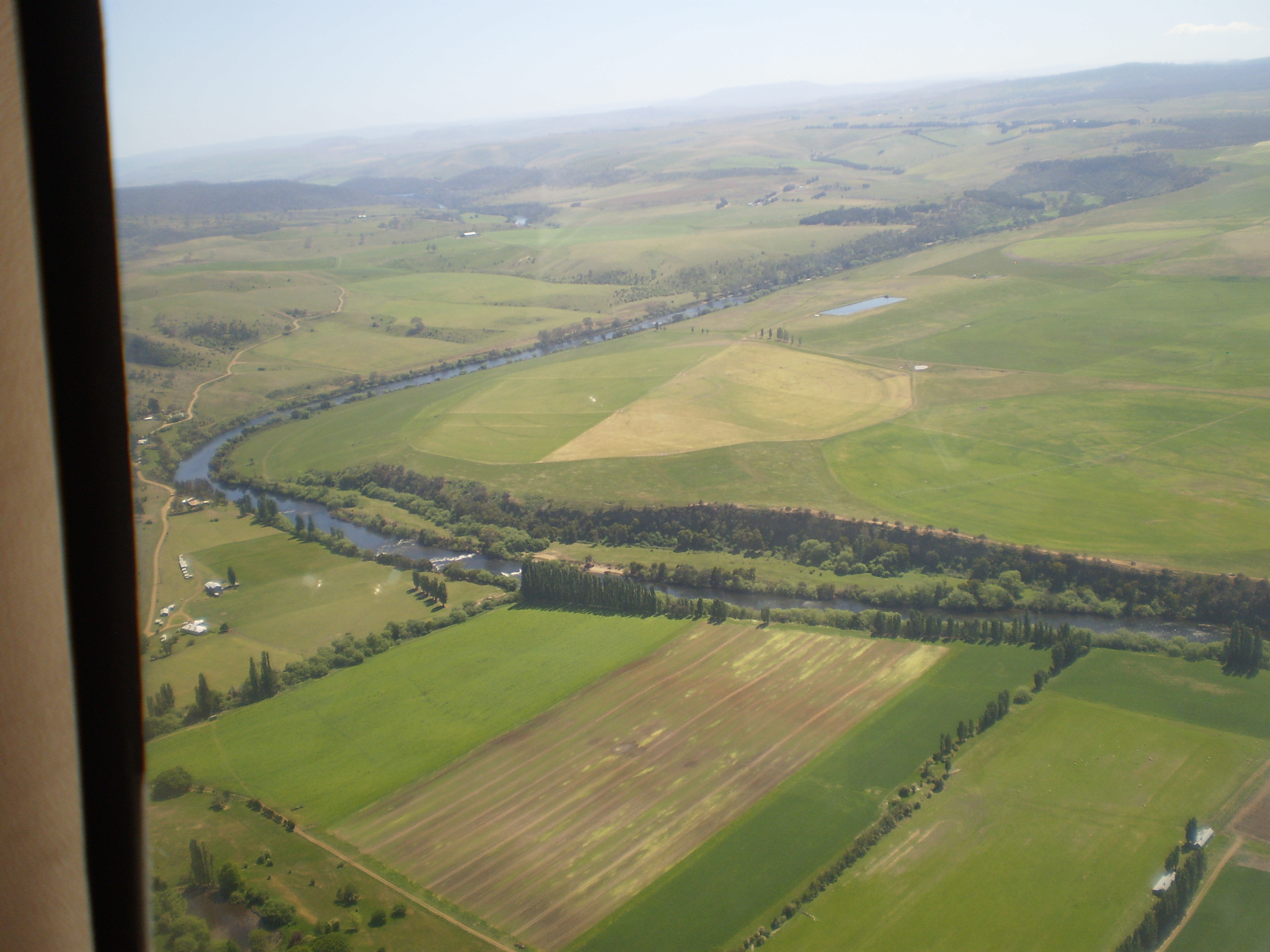
I have felt bereft at the constraint of not being able to provide details of where I have walked nor present photographs of grand scenery of the Derwent River and its surrounds.  Then I remembered the flight I took from the mouth to the source and return.  I realised I could use a selection of the photos that my two companions and I took during the flight. This series of postings will show you aerial shots covering the area between Gretna and Lake Repulse Dam.  I hope readers will be as thrilled as I am to see the rich expanses of our land by the River and then to be excited by that blue ribbon that winds through that landscape.

Sitting astride the Lyell Highway, Gretna is the tiny town at one end (the closest end to Hobart) of this Gretna to Lake Repulse Dam distance. Approximately 52 kms of Derwent River stretches between these two points and to walk it requires covering considerably more kms.

Between Gretna and Meadowbank Dam and Power Station, Michelle saw:

OLYMPUS DIGITAL CAMERA

OLYMPUS DIGITAL CAMERA

OLYMPUS DIGITAL CAMERA

OLYMPUS DIGITAL CAMERA

OLYMPUS DIGITAL CAMERA

OLYMPUS DIGITAL CAMERA

OLYMPUS DIGITAL CAMERA

PA280073.JPG

Between Gretna and Meadowbank Dam and Power Station, Chantale saw:

IMG_3912.JPG

IMG_3911.JPGIMG_3909.JPG

Between Gretna and Meadowbank Dam and Power Station, I saw:

20151028_11415220151028_114203.jpg20151028_114222.jpg20151028_114228.jpg


Walking between Gretna and Lake Repulse Dam – 2 of 3

Fences and gates

Avid readers of this blog know that locked and impassable gates, and barbed wire and electric fences have stymied my progress in recent walks. As I expected, these exist not only on the perimeters of properties but also throughout.

20151129_103034.jpg

Therefore, my recent walks involved a great deal of walking away from the River in search of a way to continue; looking for a way to access the next paddock. I always hope for uninterrupted access to the river edge, but experience shows that hill climbing must be part of the process.  This means a simple 5 km section of the River might take 8 km of walking.  Being forever positive, I am glad for the expansive views of the River when I am up high.  But I am not in love with clambering up hills. Despite the deviations, I negotiated dozens of fences/gates.

The land

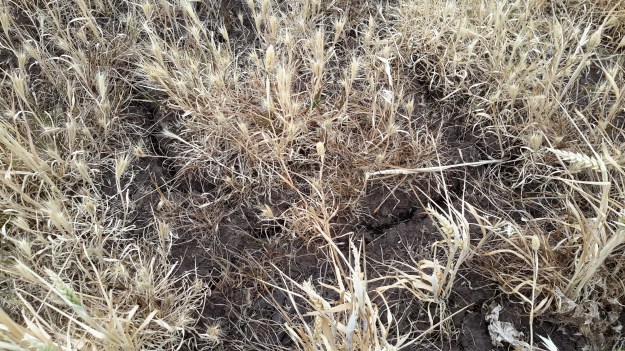
Farmers tell me that normally the land dries out in around six weeks’ time. However this year, the non-irrigated paddocks are parched.  The ‘soil’ of some land is sand and rock making me wonder whether it has been so for millennia or is only now tending towards a desert.  In other places, large fissures have cracked open the ground.

20151128_145455.jpg 20151129_124914.jpg

20151129_104801.jpg

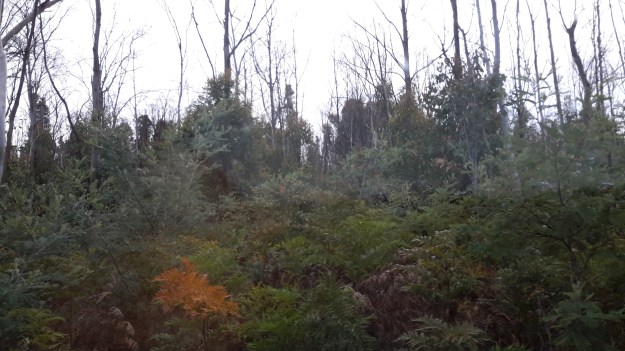
Elsewhere, I saw evidence of large bushfires that probably rushed through the bush three or so years ago. New growth surrounded blackened trunks.
20151128_093004.jpg

Negotiating paddocks with livestock

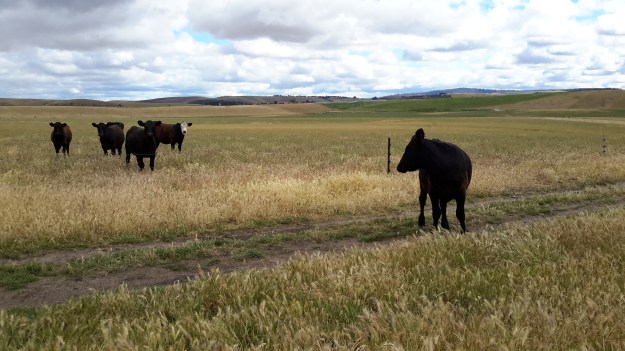
Sheep and cattle wander through large paddocks on either side of the River in much of this area.

I do my best not to enter a paddock with livestock and always try to find alternative routes.  The result is grand deviations from the ‘straight line’ of walking the Derwent.

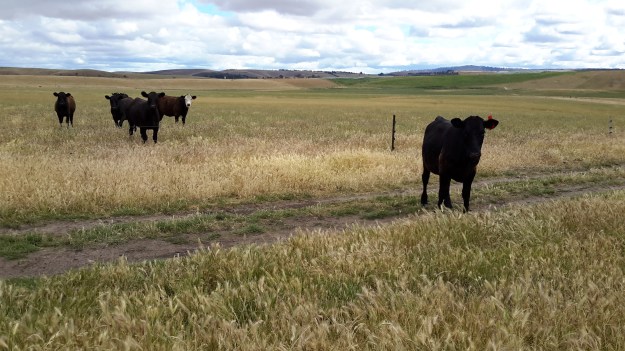
Cattle are curious or expect food and with their big bodies swaying they tend to walk towards you. Then at a point when I begin to feel most uncomfortable, skittishly they run off.  On the other hand, sheep stand and stare until alarmed. Then they run off, bleating madly.
20151129_102014.jpg 20151129_102019.jpg

I don’t believe it is useful to raise either their or my stress levels.  At this time of the year when lots of mothers and their calves or lambs abound, the last thing I want to do is stress these creatures.

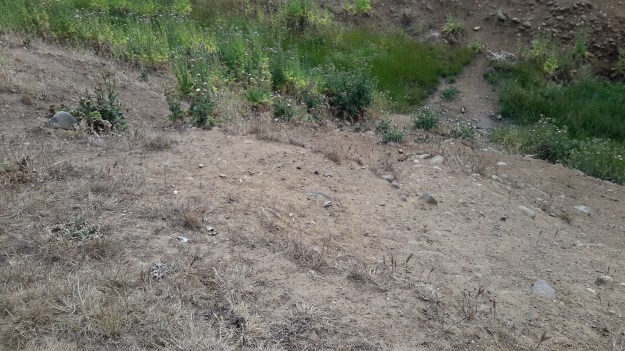
Occasionally, I have shared a paddock with either cattle or sheep. When in a paddock with the animals, I have done my best to walk in such a way that they move slowly away rather than charging off manically.  However, when I saw rams staring at me from under their sharp curly horns, I saw no point in confrontation, and took an alternative route – which in this particular circumstance required me to descend a very very steep hill, knowing I would have to climb back up further along. And I don’t like hills.

20151129_095124.jpg

20151129_104549.jpg

Crops

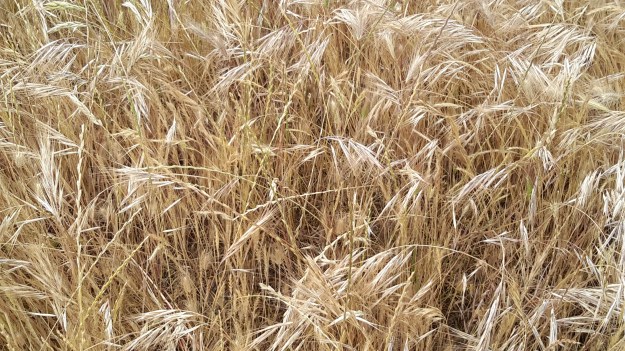
Commercial and feed crops cover some of the land. I am not a farmer but I think the following photo shows wheat. Can anyone advise me?
20151129_093640.jpg

I feel sure this is barley below but am I correct?

20151129_122007.jpg

And I know the photo below shows oats.  I once had bales of oat straw brought to mulch my garden. Ever since, wild oats have sprouted and I have come to love their lacy heads.

20151129_121756.jpg

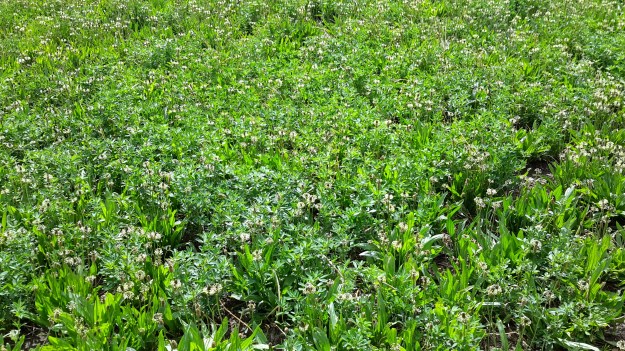
I have no idea what I was looking at when I came across this irrigated crop – can anyone identify the vegetation below?
20151129_101204.jpg


Walking between Gretna and Lake Repulse Dam – 1 of 3

I no longer believe that walking the Derwent River from the mouth to the source is possible as a normal public option. The reasons why others should not follow in my footsteps and expect to walk the length of the River include:

  1. Private landowners will not grant access permission to cross their land for a range of very sound reasons.
  2. There are no public pathways, roads or tracks near most of the River.
  3. Fences and gates make forward progress difficult or impossible.

Let me explain by focusing on the situation in one inland section.

The Derwent River winds around mostly cleared hills between Gretna and Lake Repulse Dam, and on two occasions its travel is impeded:  by the Meadowbank and Cluny Dams. The Derwent between these two locations measures approximately 52 kms.

As a result of privileged access and after a series of recent walks, I have covered the majority of these kilometres, sometimes walking on one side of the River and sometimes on the other.  I expect to finish this section by filling in the few small ‘gaps’ in the near future.  Once the 52 kms are completed then I will add the details into my blog under USEFUL ADDITIONAL INFORMATION. Weather (not snowing, raining, excessively windy or hot – I’m not fussy!) and the availability of chauffeurs will influence when and where I walk in the future.

Some of the many landowners along the way have granted me permission to walk on their land with the proviso that specific details which allow identification of them and their properties will not be provided.  I understand the reasons for their positions and will not share the information. Unfortunately, so many of my glorious panoramic photos of the Derwent River feature rapids or other indicators such as hills, dramatic cliffs and distant properties which show the side of the River on which I walked. As such, these would help locate the properties on which I walked.  Therefore, for the first time, I am disappointed to include only a couple of River shots in my blog posts.

20151128_155033

Many blog followers have enjoyed the details of what I see and experience in each walk.  Without providing identifying information, I will do my best to present some of the ‘flavour’ of the River between Gretna and Lake Repulse Dam in the next couple of blog posts.

Thanks to blog follower Jeanette, I was chauffeured to some starting points and collected from destinations in the section between Gretna and Lake Repulse Dam.  In addition, she walked with me on one occasion. At the time we tried out hand-me-down walking poles (my doctor says they will support my knees) but since they were no longer collapsible, we soon discarded them.  For blog followers wondering how my knees are holding up – very well, thank you.  Now that I wrap and support them, walking has become so much easier.

Tackling the Derwent in the Meadowbank Lake region

Meadowbank Lake, which backs up behind Meadowbank Dam and its Power Station, is approximately 15 kms long. Downstream, the Derwent River snakes its way through the landscape for about 23 kms until it passes Gretna and heads on towards the sea.  Upstream, after approximately 9 to 10 kms, the Derwent River finishes at Cluny Dam.  The Cluny Lagoon which extends to Lake Repulse Dam extends a further 4 kms.

To walk the Derwent between Lake Repulse Dam and Gretna is not straightforward because some private property owners cannot afford to let strangers on their property for insurance reasons, or their granted permission is a one off special case for me.  As a result, I have walked and will walk sometimes on the western and sometimes on the eastern side of the River and Lake, but I will not be providing a map and location details in my blog.  In this way I will protect the privacy of landowners, and respect the privilege their permission to access their property has given me.

I expect to tackle parts of the area on a total of 6 or 7 separate days. On each of these walks there will be a considerable amount of retracing of steps and walking away from the river/lake in order to reach roads where friends can collect me. For most of this area, public transport will either be absent or a great distance away.  Only the walk between Cluny and Lake Repulse Dams offers a reasonable amount of public access.

To date, I have walked a few sections, but I am not sure how to write up this Meadowbank area considering the confidentiality and privacy agreements I have made.  Once I have started moving west of Lake Repulse Dam and all the walks in the Meadowbank area are complete, then I will create one or more blogs that introduce at least some of the wonders of that environment.

Lake Repulse Dam

Lake Repulse Map

Looking inland, Michelle’s photo shows the Lake Repulse Dam wall backed by Lake Repulse, with Cluny Lagoon in the foreground.

PA280087 Repulse dam.JPG

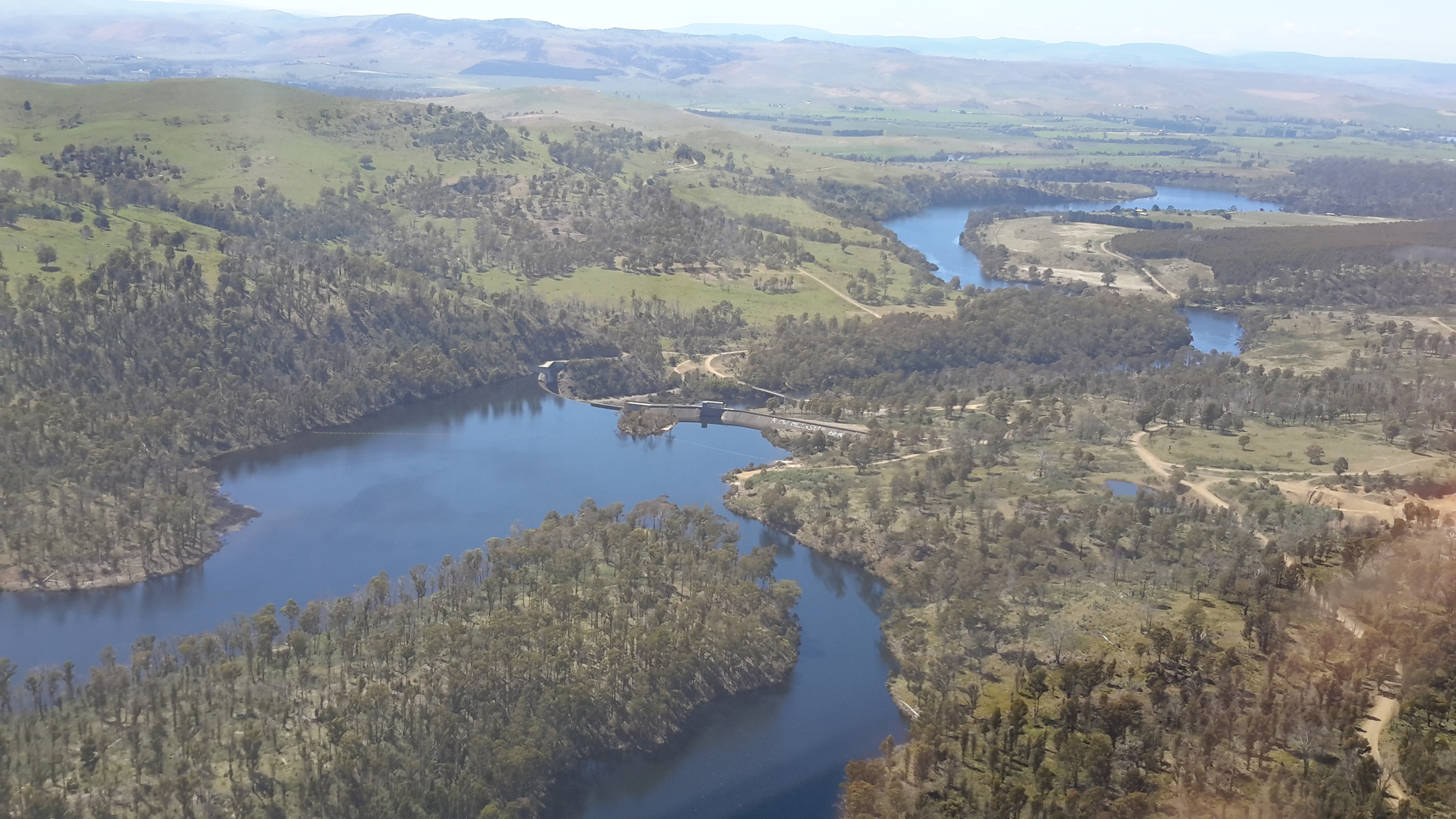
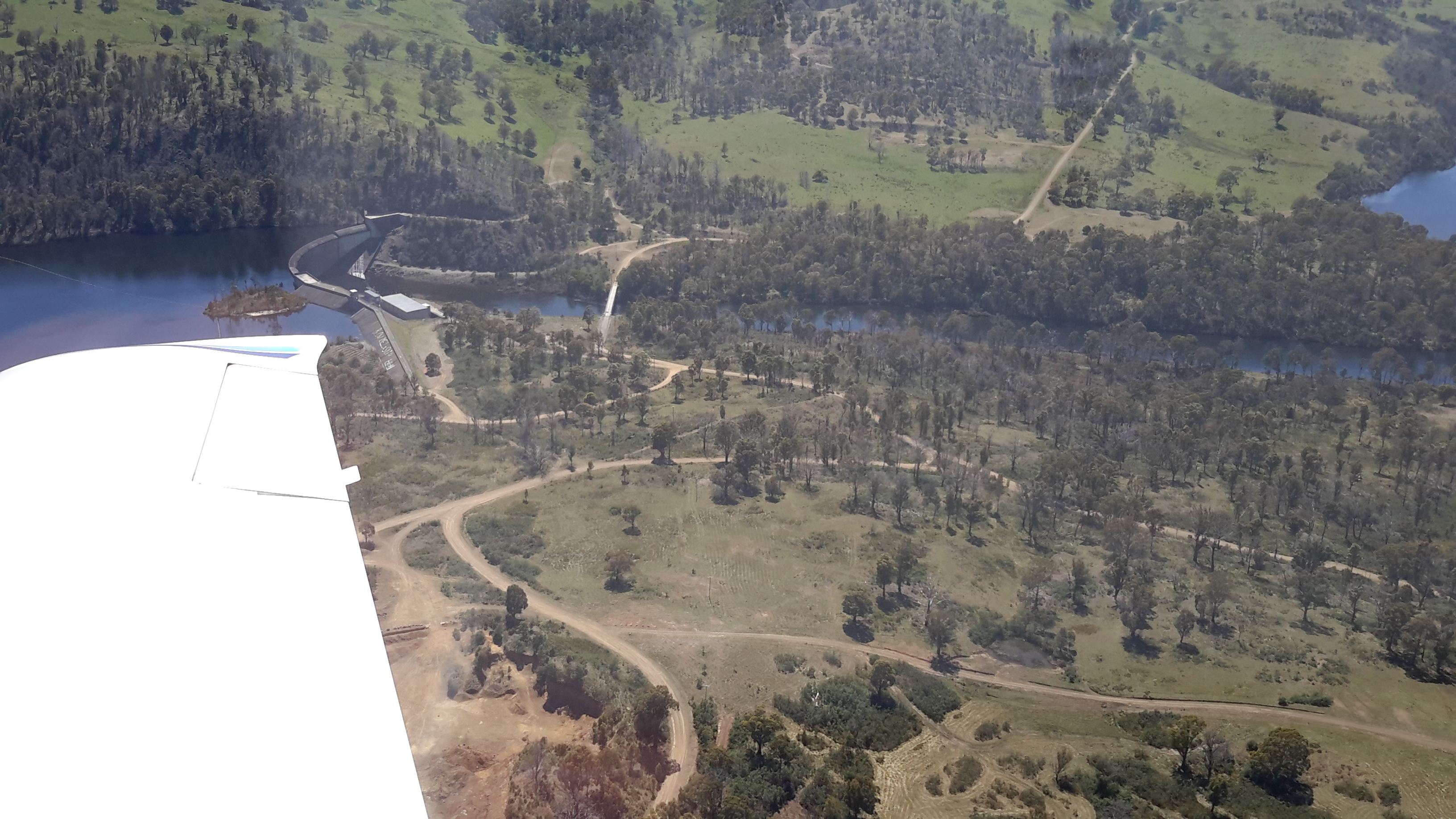
Looking towards Hobart, my aerial photo below shows Lake Repulse, the Repulse Dam and then Cluny Lagoon in the distance.

20151028_114913

Chantale’s photo provides an excellent overhead view of the Lake Repulse Dam. The photo also gives walkers an indication of the challenges which the landscape offers beside Lake Repulse.

IMG_3893Repulse Dam.JPG

For vehicle drivers, the Dam is reached by heading westward past the Ouse township, turning off the Lyell Highway and travelling down Lake Repulse Road. Aerial views show the roads at the Dam site clearly.

20151028_114858.jpg

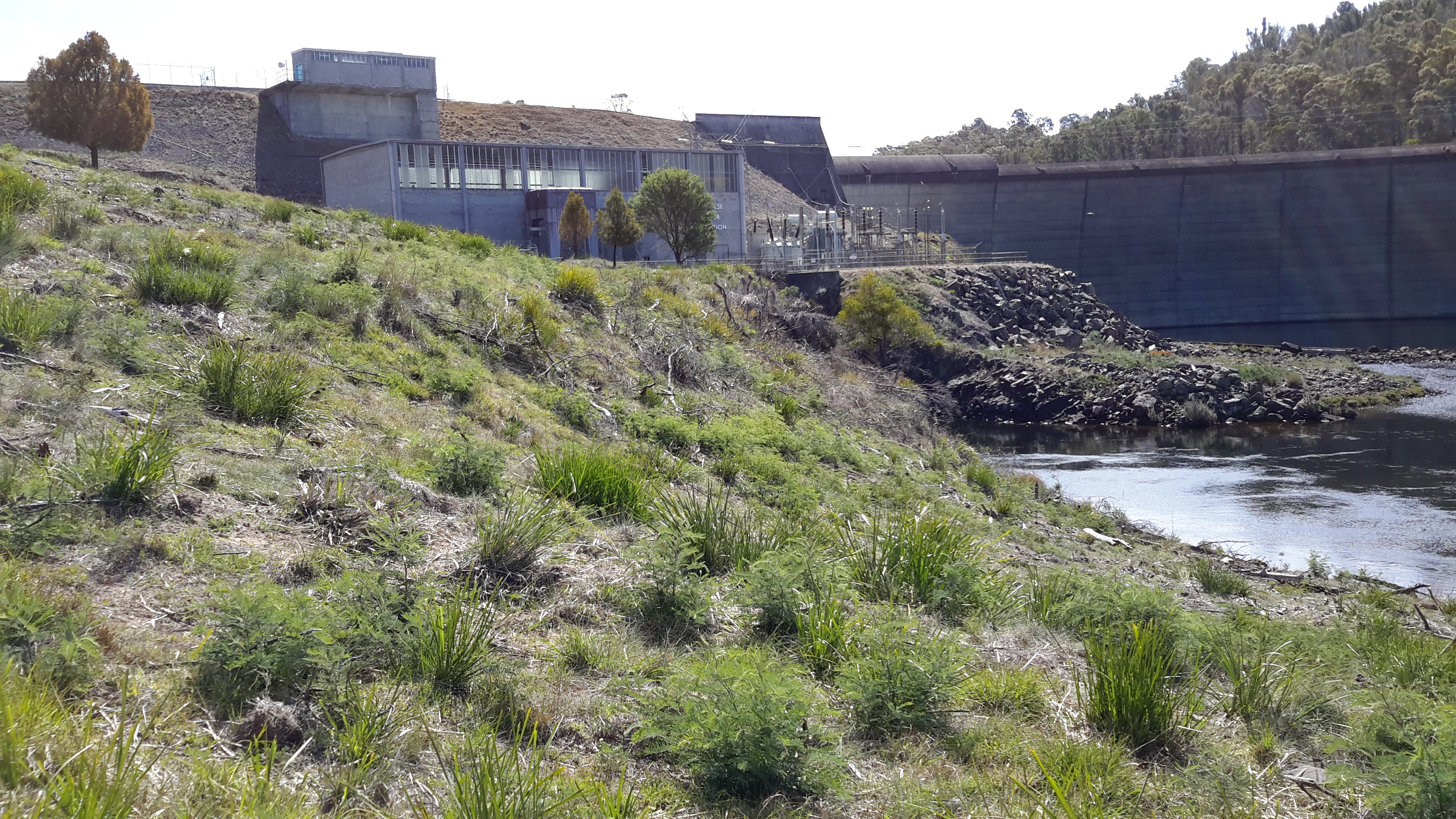
The road continues across the Derwent River below Repulse Dam giving you an excellent opportunity for a close look at the structure.

20151029_151244

20151029_151355.jpg

The western end of Cluny Lagoon, located a little downstream from the Repulse Dam, is stunning.

20151029_151317.jpg

To walk further inland around the Dam wall and then along the edge of Lake Repulse, the following photograph gives an indication of the landscape to be encountered.

20151029_151400.jpg

Michelle’s photo below shows part of the 8 km long Lake Repulse is a handsome water storage area.

PA280088Lake repulse.JPG

Historical information can be read, although I cannot vouch for the accuracy of the information.  Hydro Tasmania provides details and adds a technical fact sheet.

Cluny Dam

Cluny Dam holds back the water of Cluny Lagoon.  Compared to other dam walls and other lagoons on the Derwent River, these are comparatively small.  The Cluny Dam wall is easily accessible by driving from the Lyell Highway down Lake Repulse Road and then making a left hand turn onto a road which takes you to the water.

20151029_155825.jpg 20151029_160029.jpg

20151029_160115.jpg

The westward end of the Lagoon finishes slightly east of Lake Repulse Dam further upstream.  Parts of the shore line are open forested and there are no walking challenges heading westward around the Lagoon, if you walk on the northern side (the side you arrive at from the Lyell Highway).  The river distance covered between Cluny and Lake Repulse Dams is a mere 4 kms.  Private property and creeks will make the southern side less accessible for walking.

Michelle’s aerial photo shows the beautiful Cluny Lagoon. The Cluny Dam Power Station structure is roughly  located in the middle of the photograph.

PA280086Cluny dam and lagoon.JPG

Chantale’s aerial photo shows the Cluny Dam.

IMG_3895Cluny dam.JPG

This is an extremely picturesque part of the world and one that is easily accessible by car for blog followers who want to take a picnic and enjoy the scenery.

Hydro Tasmania offers a technical factsheet about Cluny Power Station.

Possible locations where the Derwent River can be ‘touched’

I have compiled a list of those locations where I believe, with a vehicle, it will be possible to ‘touch’ the Derwent River occasionally along its length between Gretna and Lake St Clair.  Please let me know if any section listed below takes your fancy and if you would be interested to try it out.

Almost all sections include driving on bitumen highway, gravel roads and poor tracks. Some of these may be forestry roads.  If you wish to volunteer to take me to one of these sections (let me know on walkingthederwent@gmail.com), please feel comfortable that your car can handle the different conditions.  Of course, common sense will prevail and we will never push on if a road is too rough for your vehicle and your peace of mind.

If you are happy to help me reach my goal, albeit differently than originally expected, I would like to fill up your tank with petrol as some compensation.  You know my ‘walking the Derwent’ is a non-commercial project, but since I do not own a car nor drive, I need transport – and therefore, I am happy to cover the cost.

  1. On eastern shore – From New Norfolk drive along the Lyell Highway and then, not far past Gretna’s Sports ground, take a left turn into Clarendon Road and drive to farmstead buildings about 250 metres from the river on a hill. Perhaps 140km return trip.
  2. On western shore – From New Norfolk drive along Glenora Road, and turn left at Bushy Park then right onto Meadowbank Road over the Tyenna River then next to Derwent, then on over Meadowbank Creek to a hill top with buildings. It may be possible to continue quite a way on this road. Minimum 130 and maybe up to 160kms return trip
  3. On eastern shore – From New Norfolk drive along the Lyell Highway and turn left off the Highway onto Meadowbank Dam Road. Continue to dam and southern end of Meadowbank Lake. At least 170 kms for round trip.
  4. On western shore – Travel from New Norfolk and turn left into Gordon River Road at Bushy Park, then turn right off Gordon River Rd into Ellendale Rd and then right onto Rockmount Road before you reach the township of Ellendale. There seem to be many dirt forestry tracks to Meadowbank Lake. At least 170kms return trip and maybe 200kms return or more depending on roads.
  5. On western shore – Travel from New Norfolk and turn left into Gordon River Road at Bushy Park, then turn right off Gordon River Rd into Ellendale Rd and drive on through the township of Ellendale until you reach Dawson Rd / Dunrobin bridge over Meadowbank Lake. Turn left before bridge and it seems we can drive 2kms further up along the Lake edge. Return to Ellendale Road, cross bridge and connect with the Lyell Highway. At least 170kms return trip and maybe 200kms return or more depending on roads.
  6. On eastern shore – From New Norfolk drive up Lyell Highway and continue past the left turn off to Dunrobin bridge and afterwards and to the left there are a number of dirt tracks seemingly without gates. After a while these tracks/roads only extend to the Ouse River and not the Derwent River so map consultation is crucial. At least 180kms return and maybe over 200kms return depending on how many side roads/tracks can be driven along.
  7. On eastern shore – Drive up Lyell Highway past Ouse then turn left at Lake Repulse Road. Continue to intersection with Cluny Lagoon Road and turn left and go to Cluny Dam. Return to intersection and continue on Lake Repulse Road to the Repulse Dam. Can cross a bridge and continue back south around Cluny Lagoon to a ‘settlement’ named Cluny.  Perhaps could access this road from the Ellendale Rd on the western shore? By driving north from Repulse Dam along Dawson Road/then renamed Thunderbolt Road it seems we can take right hand detours to Lake Repulse. Over 200kms maybe 250kms or more minimum round trip.
  8. On eastern shore – Drive up Lyell Highway past Ouse, over the Dee River until the sign appears for a left turn at Catagunya Road. Drive down to Catagunya Dam. 200kms minimum return trip
  9. On eastern shore – Drive up Lyell Highway past Ouse, over the Dee River, past Black Bobs and turn left at Long Spur Road. This runs around Wayatinah Lagoon. Go past the intersection to Wayatinah Dam, turn left and travel to Wayatinah Power Station on Lake Catagunya. Return to intersection and turn left and travel to Wayatinah Dam. Cross bridge and continue on to Wayatinah township. Access dirt tracks in the vicinity of all. Drive south from the Wayatinah Dam on the western shore along the Florentine Road but don’t bother crossing the Florentine River because the road goes inland away from the river. Minimum of 230kms but most likely  at least 300kms round trip.
  10. On eastern shore – Drive up Lyell Highway and when you reach a canal passing under the road, and where the road turns right to go to Tarraleah, go straight ahead on Butlers Gorge Road. Note there are limited roads off and around going closer to the river near that intersection. Continue along Butlers Gorge Road for 10-15 kms heading for Lake King William. Reach Clark Dam and Power Station. Continue onto Switchback Track along side of Lake King William. This track stops and you have to return the same way – swamp separates you from the track north about 500 metres away. This would be a big day and I suggest take overnight accommodation at Tarraleah before setting out. PERHAPS it is possible to walk across the swamp and then walk about 7 kms to Derwent Bridge. Unknown over 300 kms return trip.
  11. On eastern shore – Drive up Lyell Highway to Derwent Bridge and continue past to left hand turn off on the western side of Lake King William and drive the track to the lake. 360 kms return trip minimum.
  12. On eastern shore – Drive up Lyell Highway to Derwent Bridge. Walk from the bridge over the Derwent River near the township of Derwent Bridge to St Clair Dam at the bottom of Lake St Clair Lagoon where the Derwent River starts. Walk to Pump House Point and St Clair Weir at the southern end of the Derwent Basin. 350kms return trip minimum.