Category Archives: Derwent River

Being out there

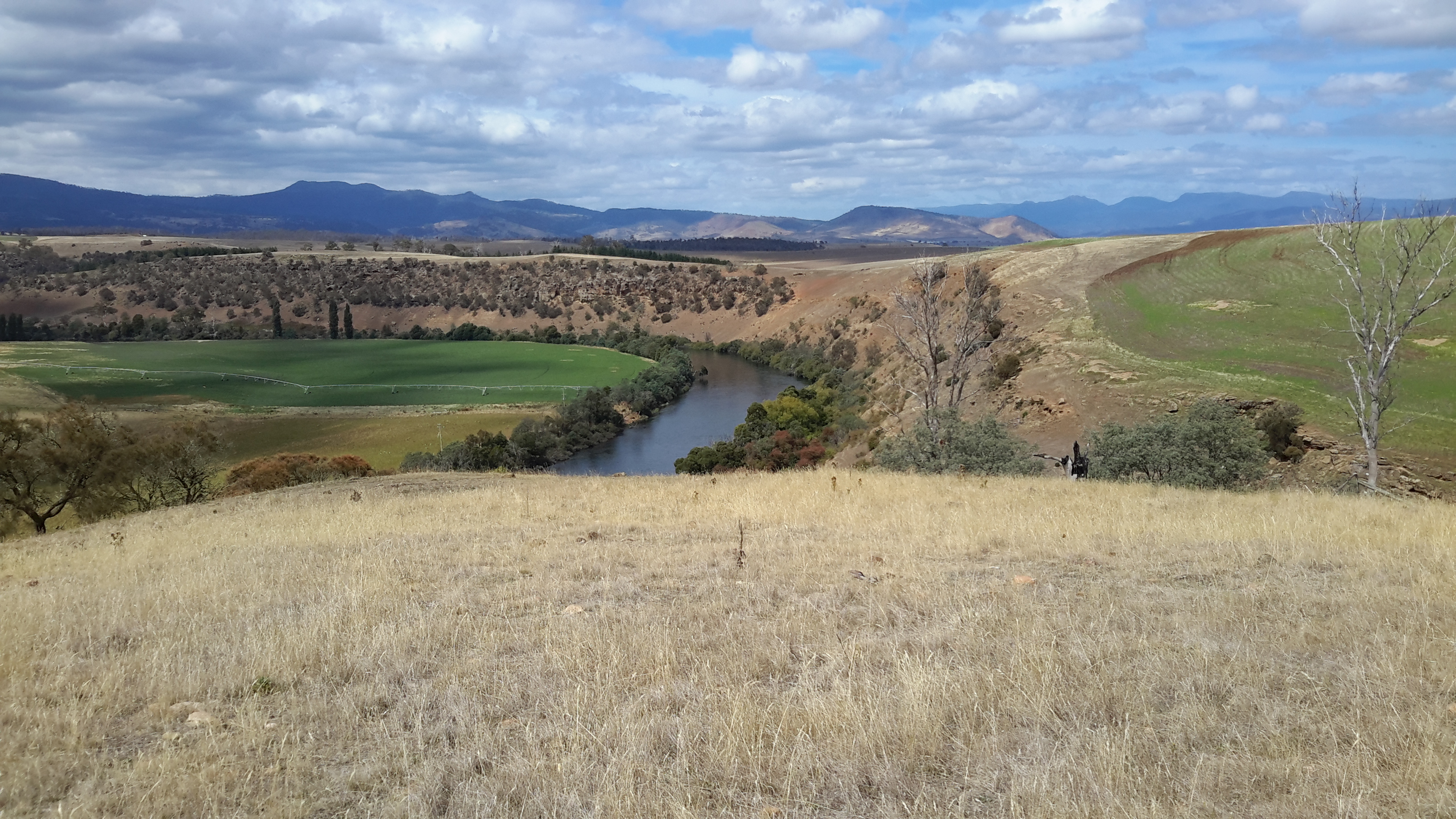
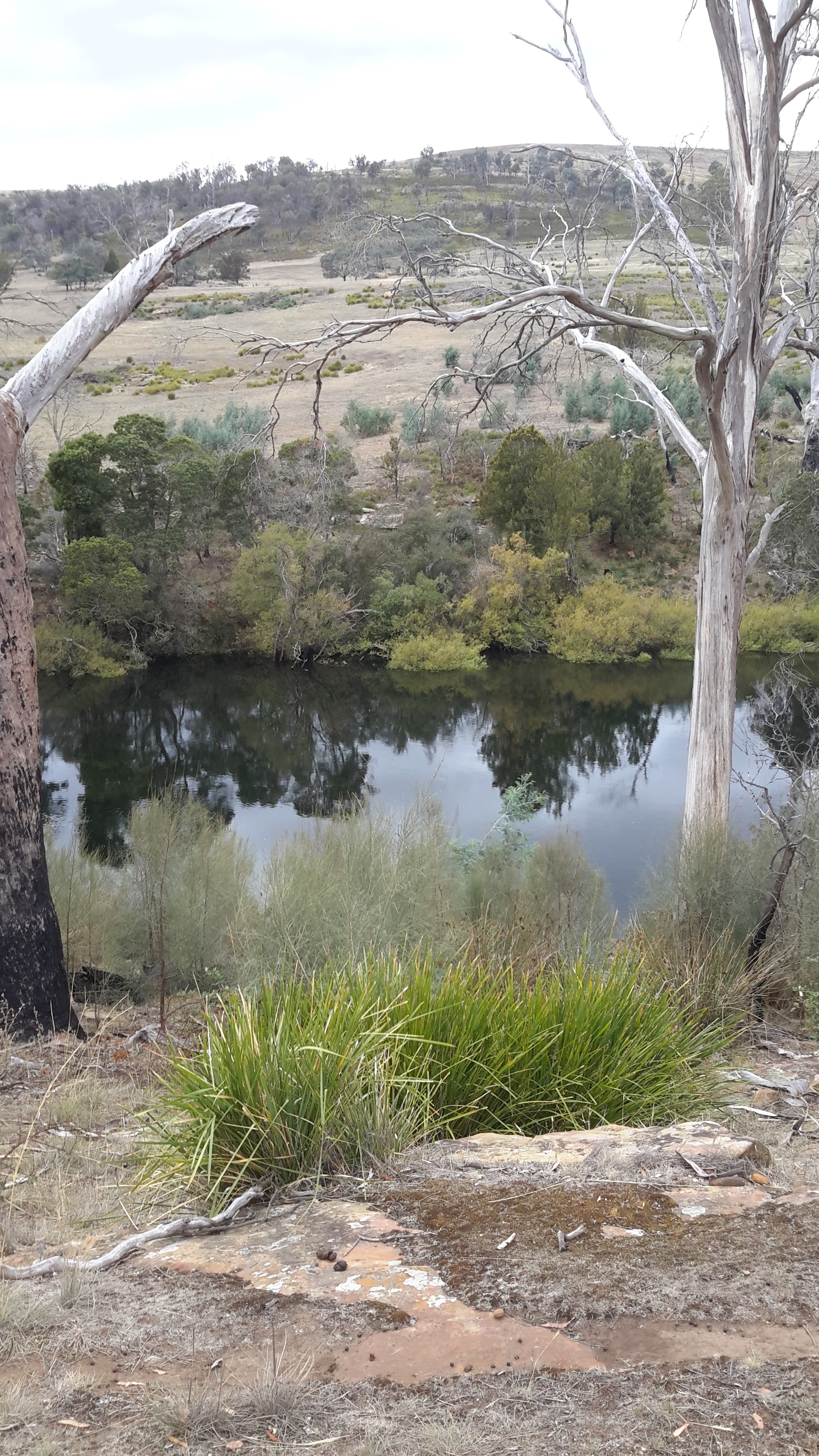
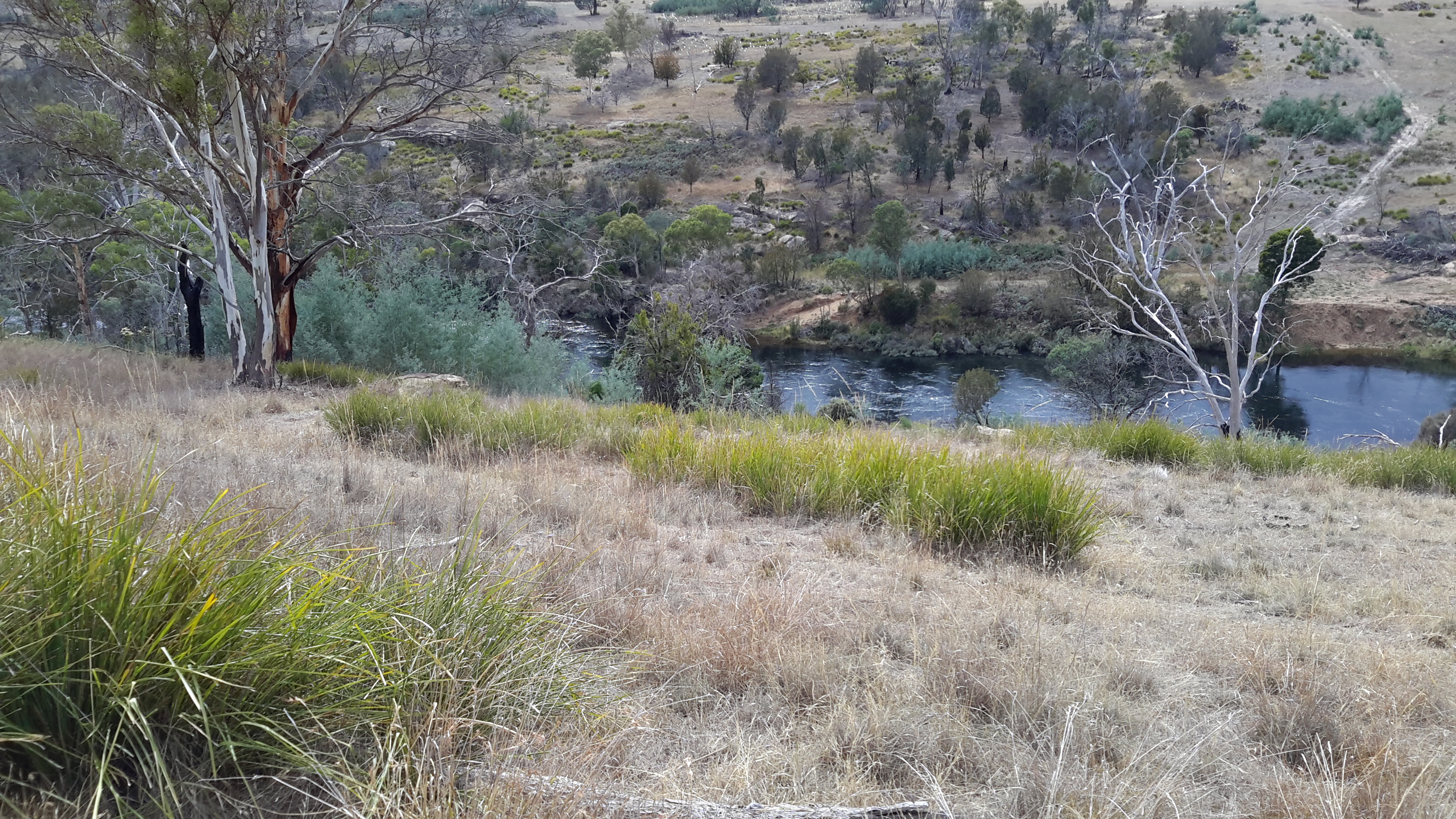
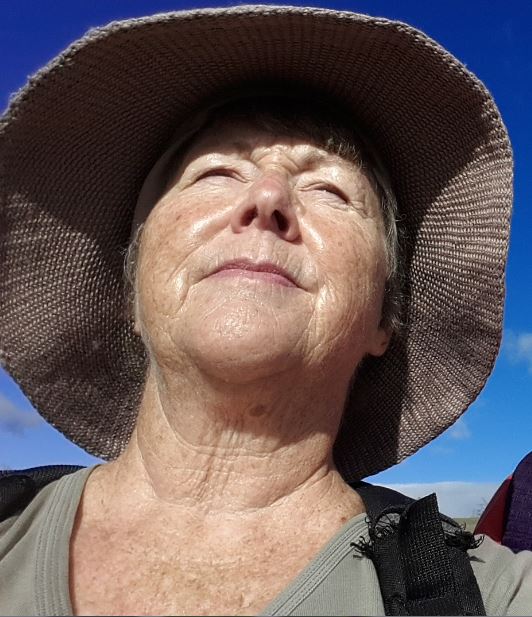
I am always squinting as I search for ‘my’ beloved river (getting more and more sun damage on my skin despite heavy lathers of sunscreen).  As I look at the photos which I am adding to the new blog posts,  I have a sense of homesickness – that Derwent River edge is not my home, but it became almost my total preoccupation for a while.  I so loved every discovery, every blade of grass, every bird cry and all the sounds of the River.  What a privilege it was to be free to walk next to that wonderful ribbon of water.

20160328_095838 cropped.JPG


Natural bush remnants amidst agricultural lands – posting 5 of 5

I hope you enjoy the subtle colours in the reflections on the Derwent River in this  video.  Did you hear the kookaburra?

I hope you enjoy the sounds (make sure your volume is turned up) and the sense of peace as the Derwent River rushed past me in the next two videos:  here with the sound of a crow, and here.

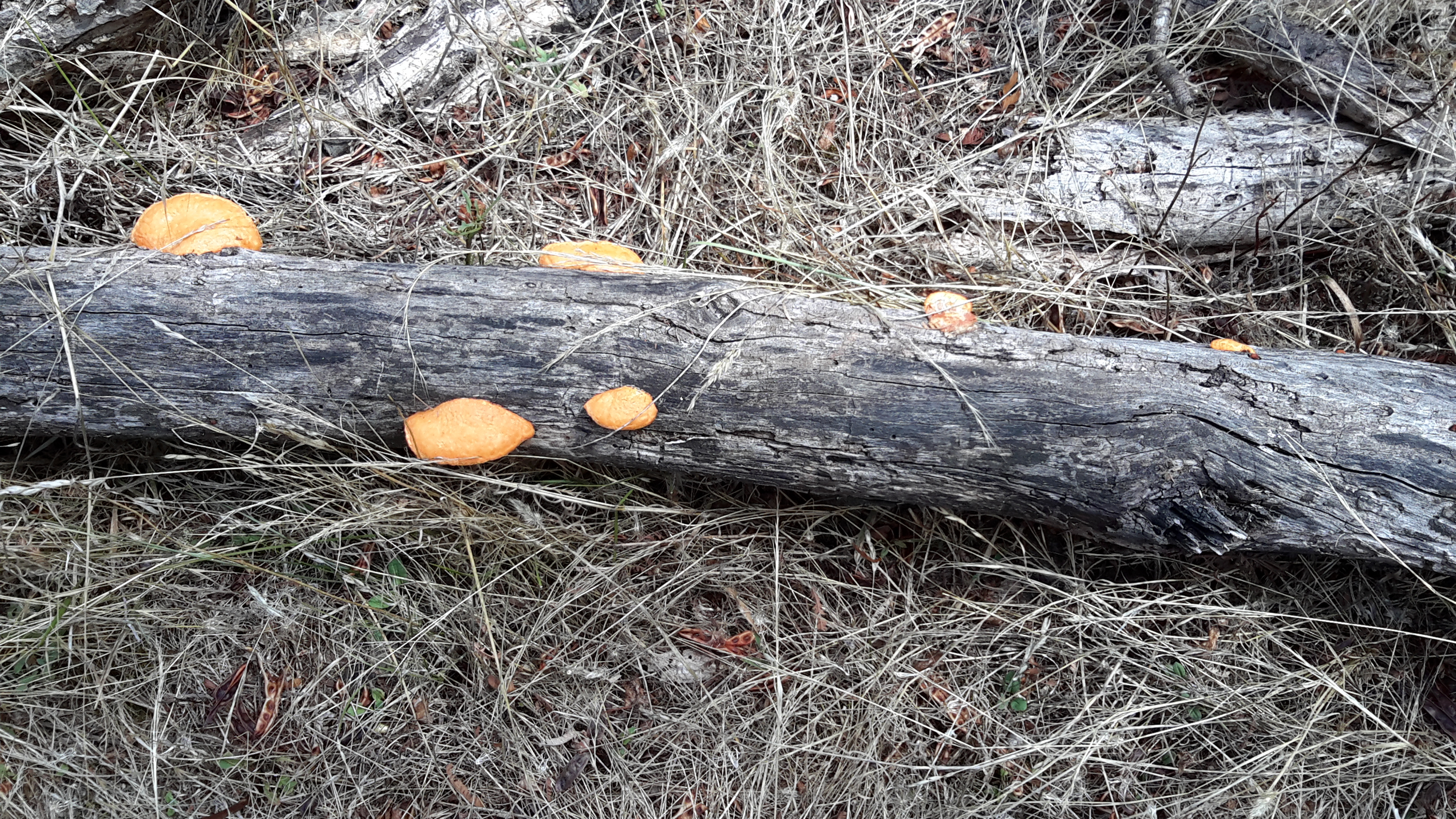
I always enjoy pretty sights of decay, although my photo doesn’t bring out the intense orange colour of the fungi that I remember.

20160301_130015.jpg


Natural bush remnants amidst agricultural lands – posting 3 of 5

20160301_131606.jpg

20160301-131732cropped.JPG

20160301_132050.jpg

20160301_132055.jpg

20160301_132641.jpg

And sometimes, inadvertently I am there in the landscape.

20160301_132228.jpg


Natural bush remnants amidst agricultural lands – posting 2 of 5

20160301_113747.jpg

20160301_114838.jpg

20160301_115532.jpg

20160301_115537.jpg

20160301_120651.jpg

20160301_131427.jpg

Feel free to place any photo as your computer background


Natural bush remnants amidst agricultural lands –posting 1 of 5

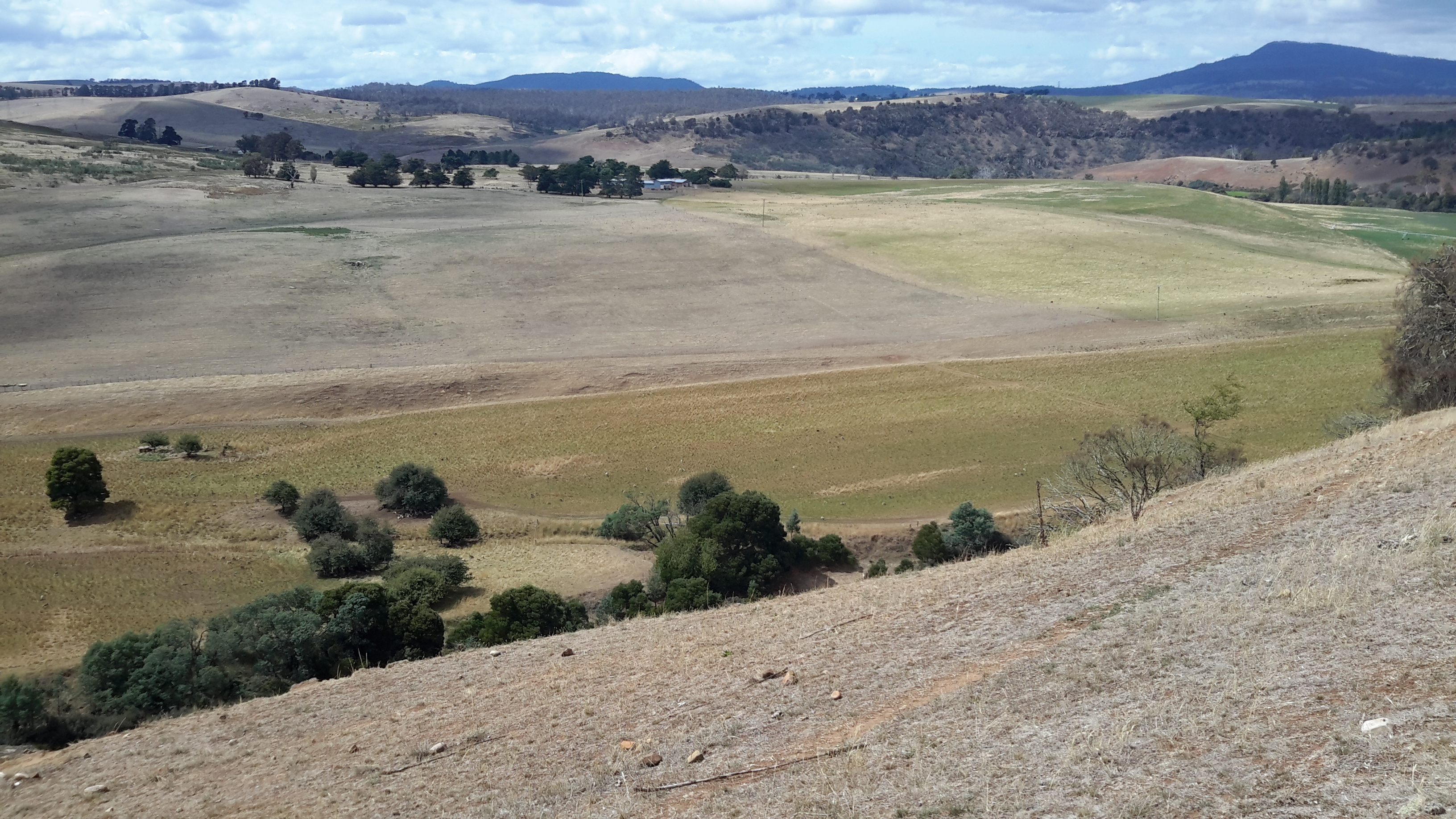
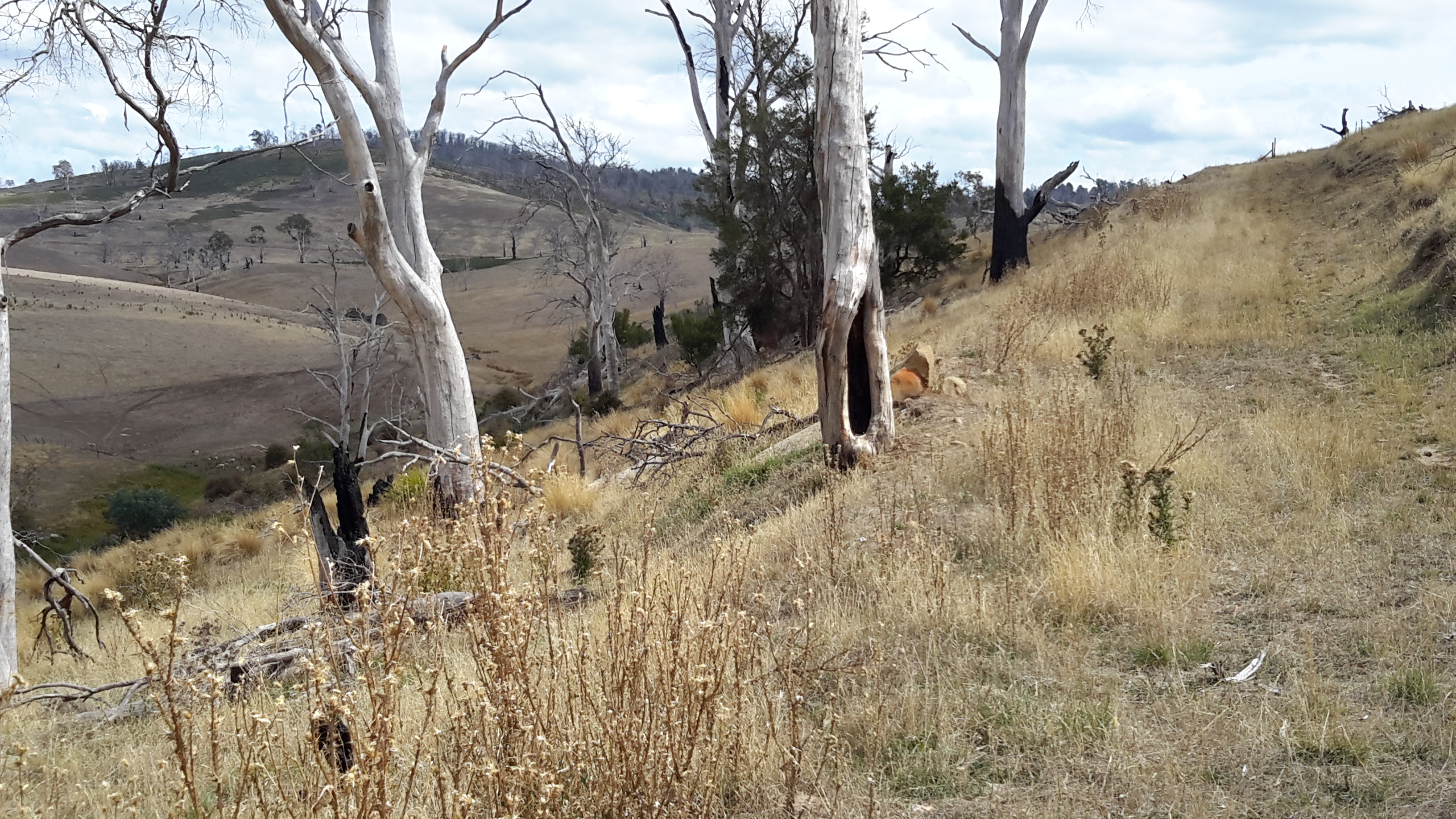
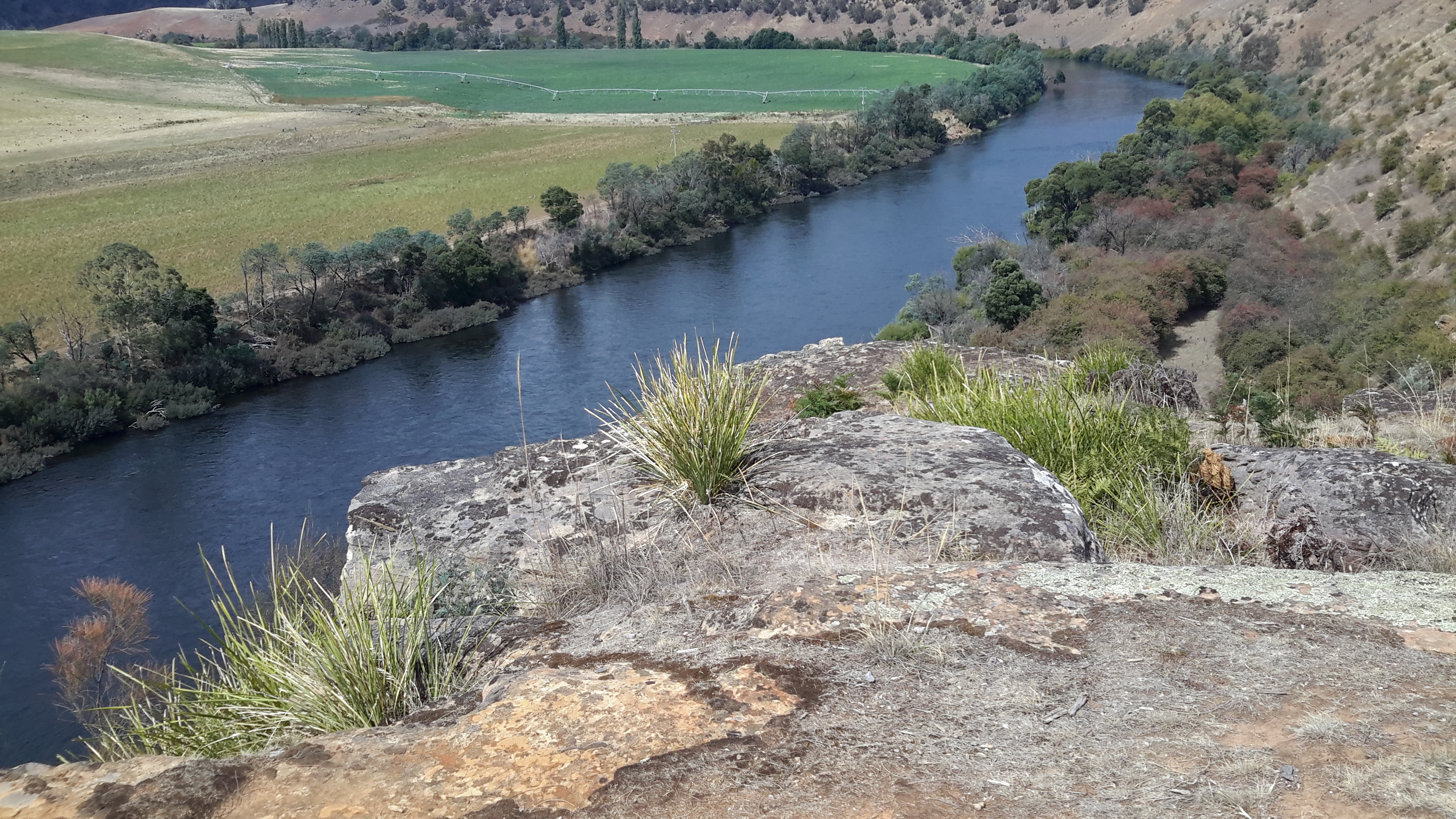
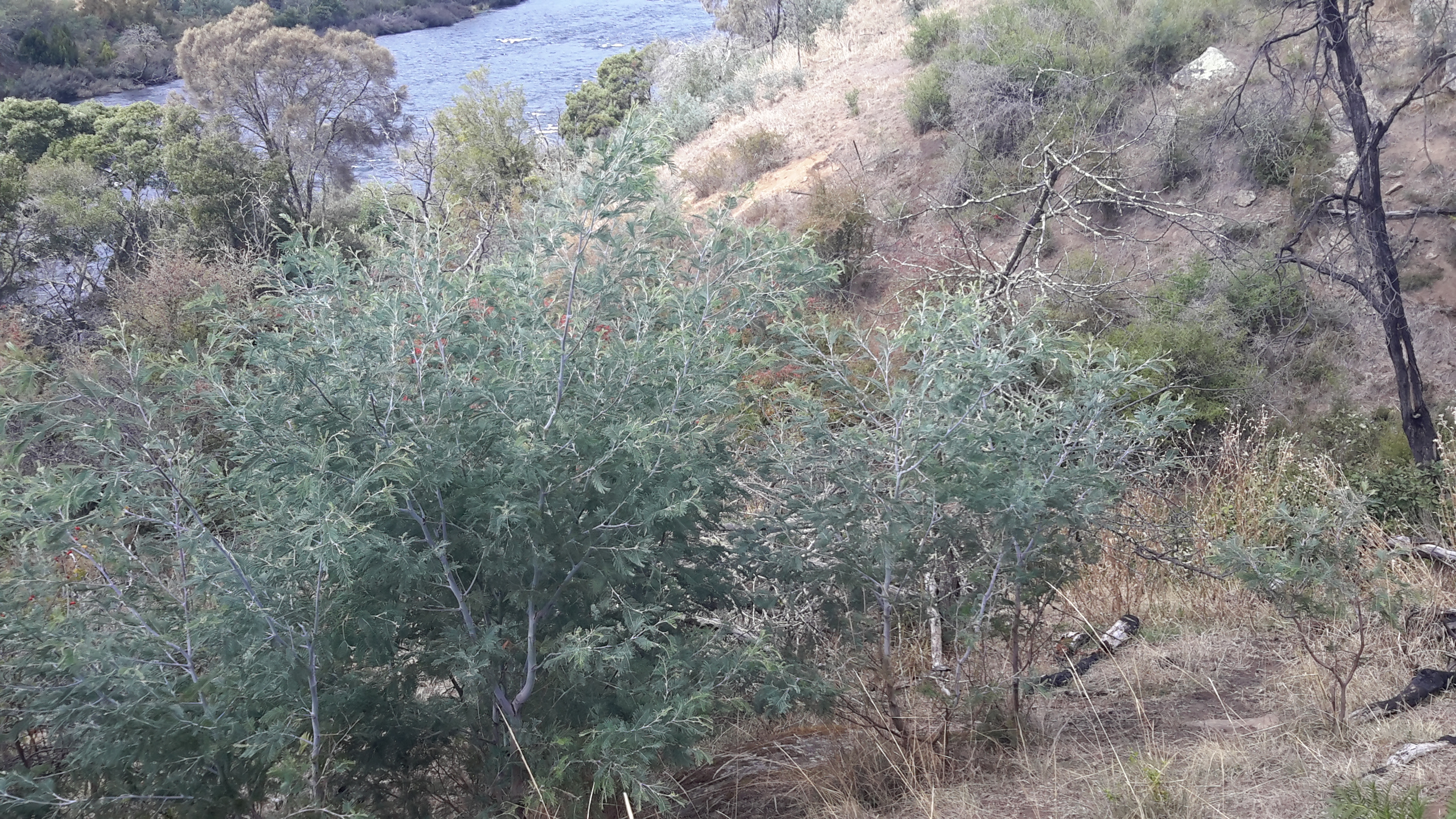
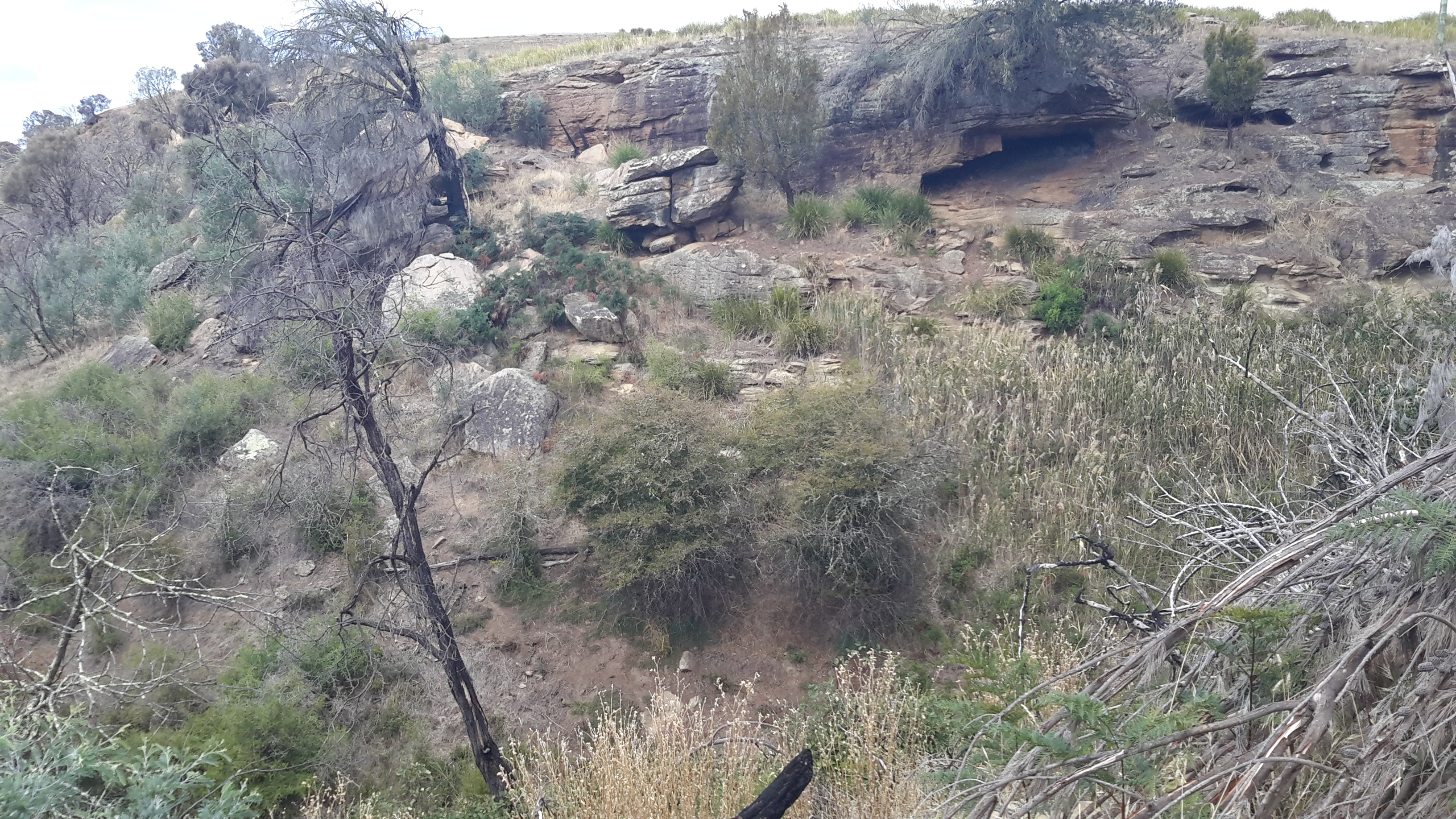
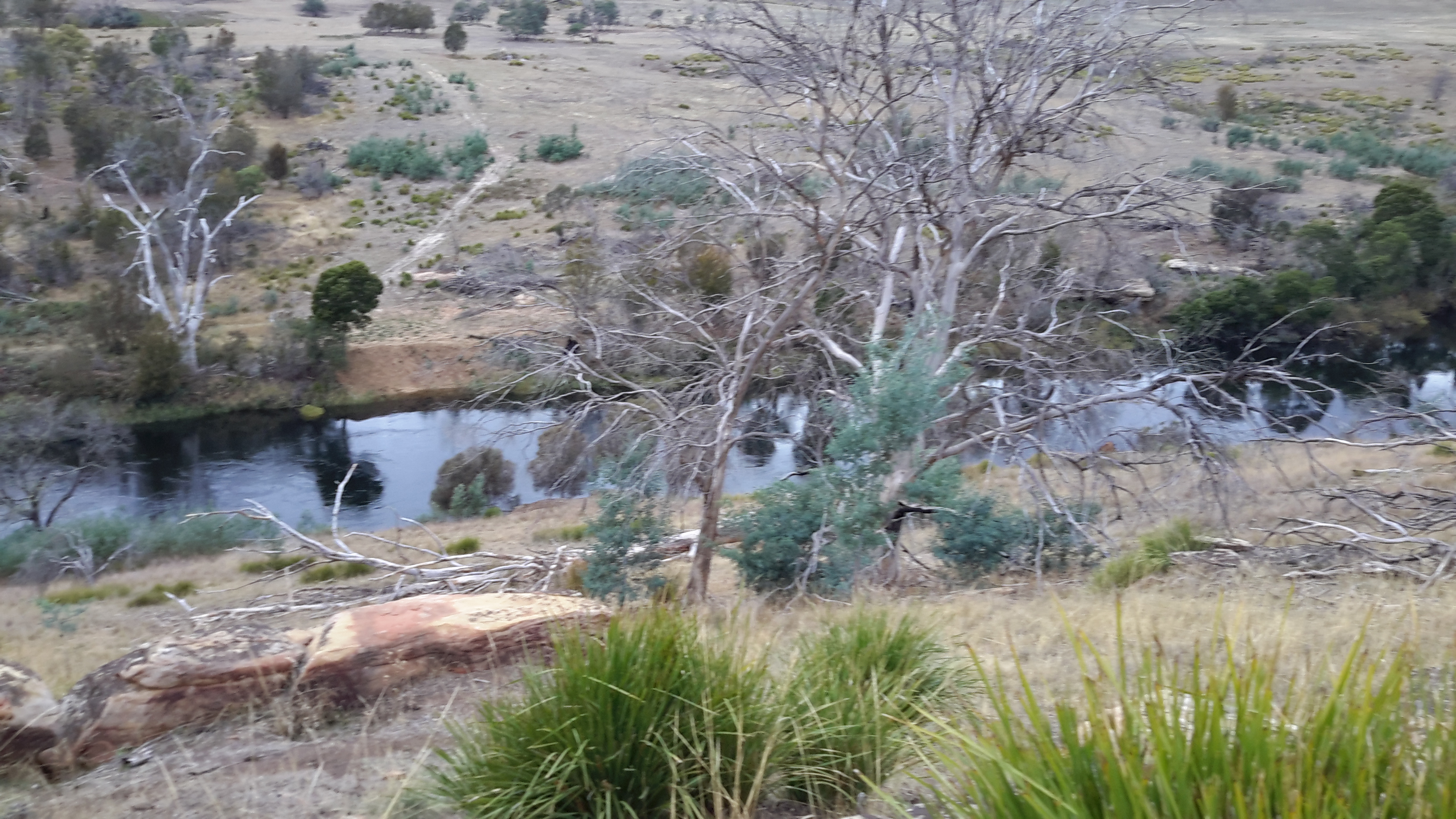
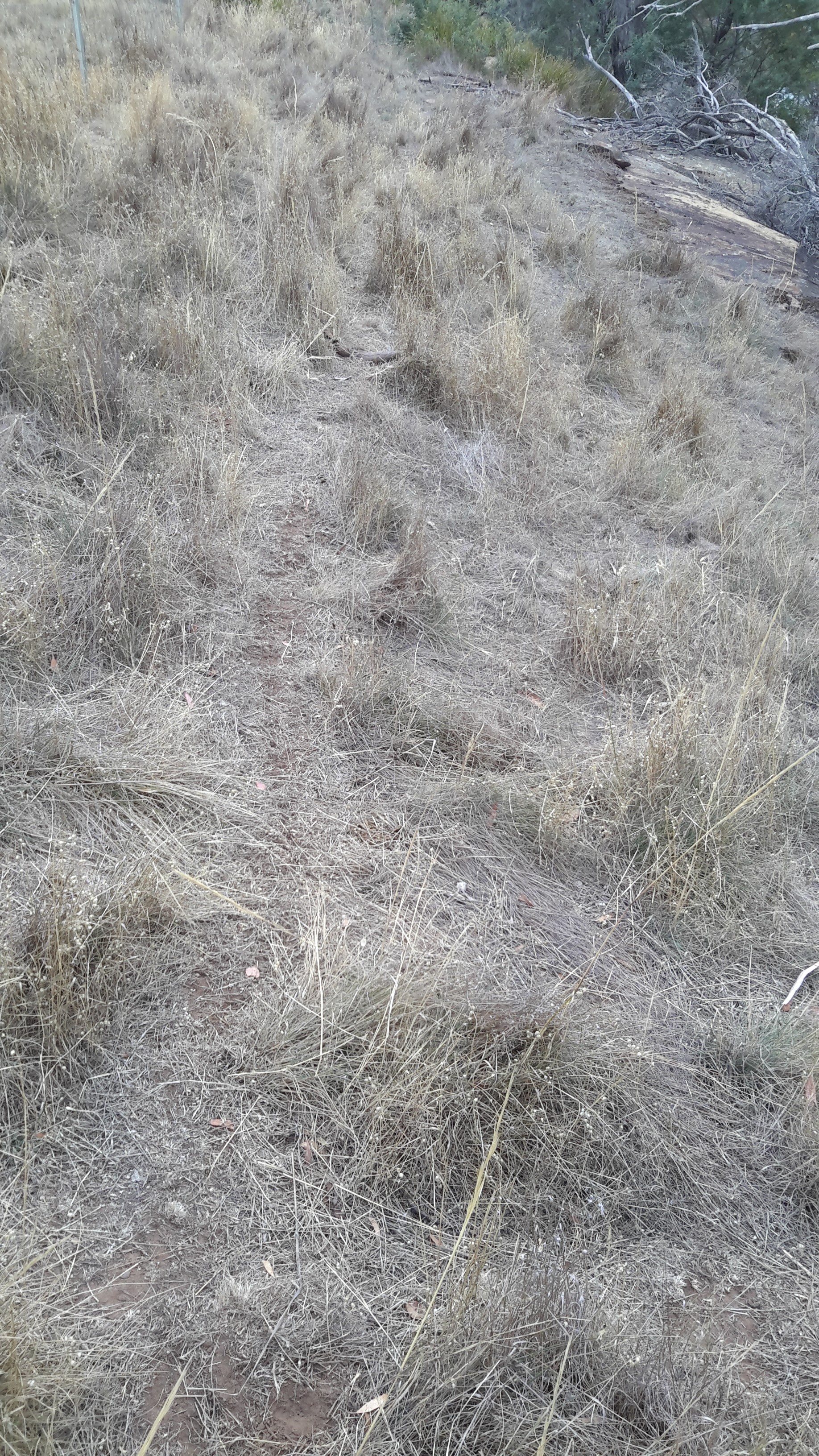
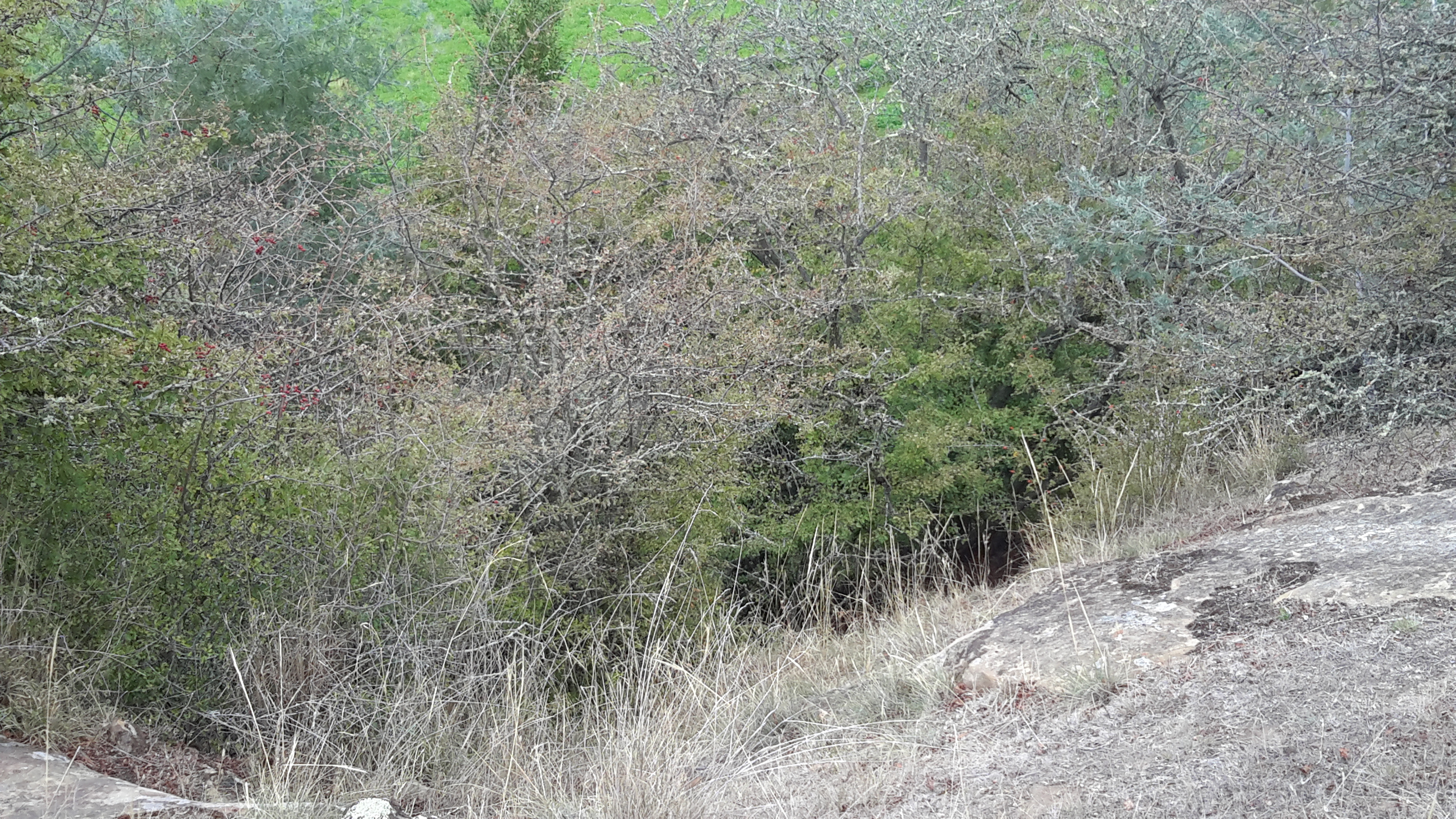
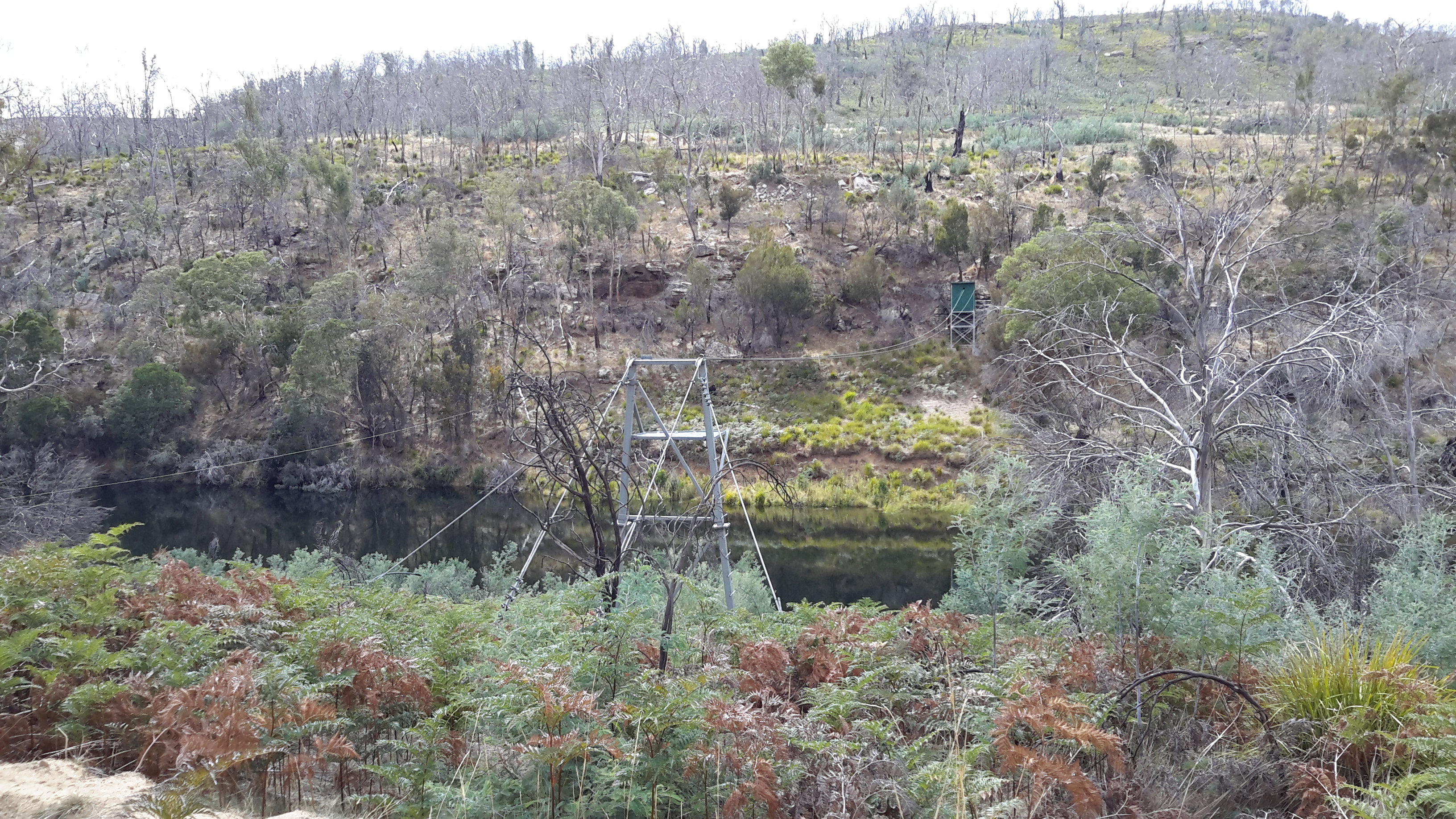
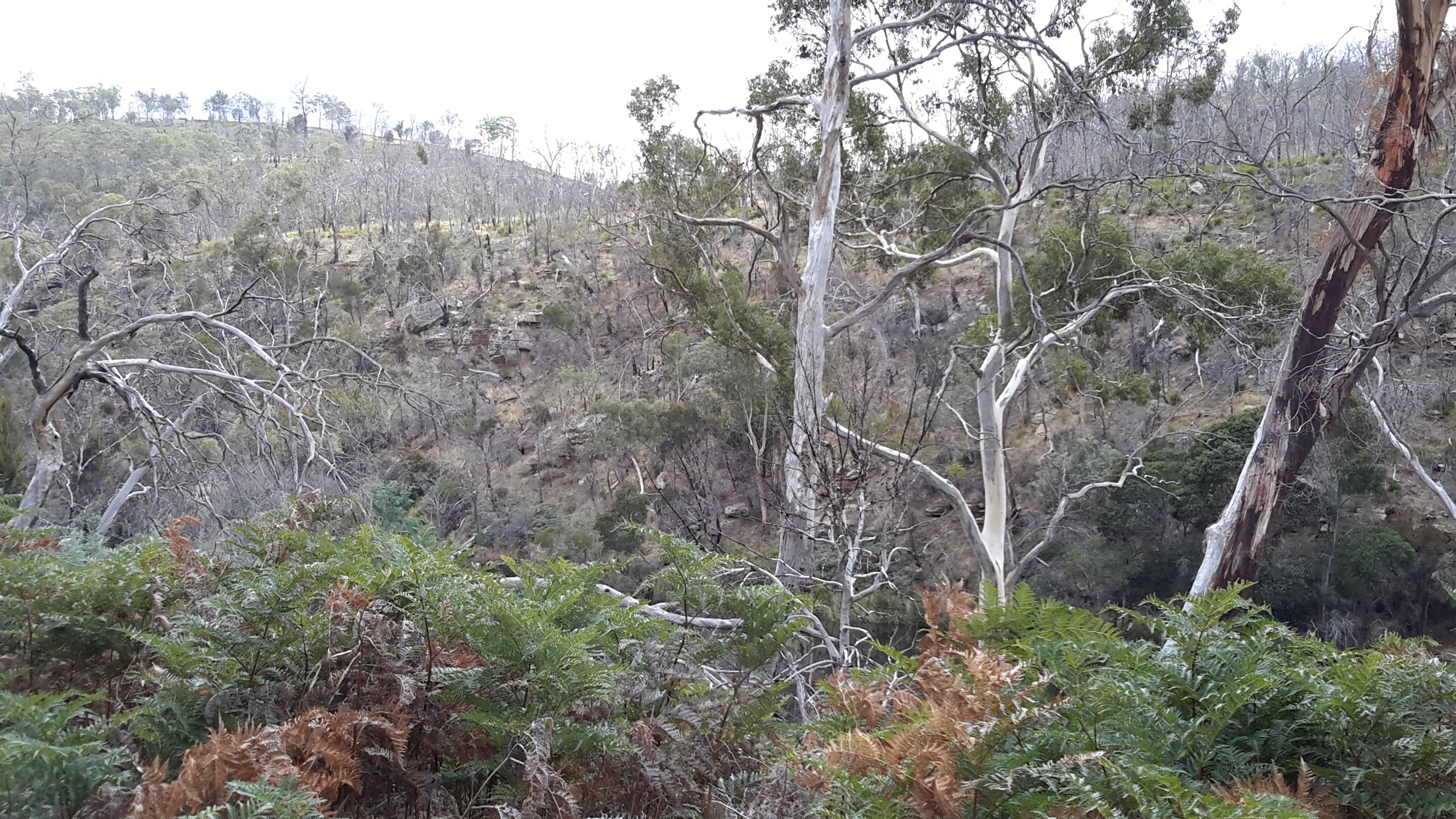
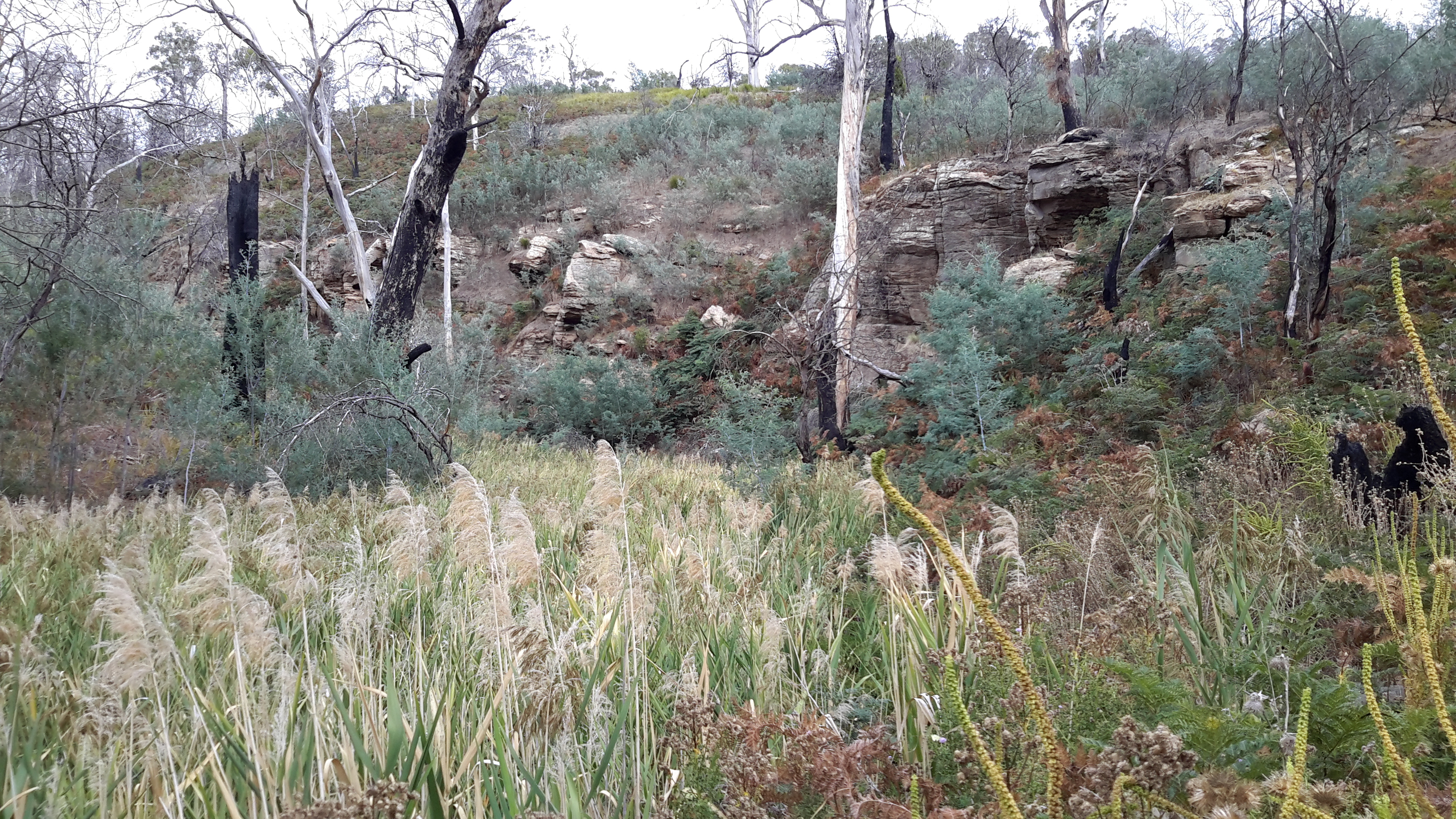
The bush, whether  or not it has been disturbed by farmers, hydro workers, road makers or forestry men, is always alluring and endlessly attractive. It may be open, tangled or dense. Agriculturalists may have cleared land leaving occasional remnants of bush and tufts of its natural grasses. It will contain natives and exotics. The bush may be dry or wet. The colour may be grey-green naturally or from a dusty overlay.  Alternatively, myriads of other shades of green, grey, beige, and brown will fleck against rocky outcrops and the black or green glassiness of the Derwent River passing through.

The following photos and those in the subsequent postings in this series, were taken at various locations between Meadowbank Dam and its Power Station towards Gretna.

20160301_111306.jpg

20160301_112002.jpg

20160301_112058.jpg

20160301_112357.jpg

20160301_112507.jpg

20160301_112416.jpg


Recapping the walk along the Derwent River


I lived the walk along the Derwent with a vital obsession but, after so many months intensely engaged on other projects, now some of the details are vague. To re-immerse myself into the experience, I am writing this post.

In addition, I suspect it will be a great help to people who have become followers of my blog during the past 6 months.  Despite my inactivity, it surprises me how many visitors and views the blog gets daily, how many different posts are read, and how many different countries around the world are represented.

In August 2014, from an impulsive unplanned idea, I took a bus to a spot near the mouth of the Derwent River on the eastern shore, walked to the sea then retraced my steps and began the walk towards the source of this great river approximately 214kms inland.  On day trips, and around other life commitments, I walked in stages along the eastern shore until I reached the Bridgewater Bridge which crosses the Derwent approximately 43 kms upstream.

Instead of continuing inland, I crossed the bridge and headed back on the western shore towards the southernmost  mouth of the River.  Most of the walks along the eastern and western shores between the sea and the Bridgewater Bridge were along designated pathways, although some informal track walking, road walking and beach walking was required during my trips.

Then I returned to the Bridgewater Bridge and began the journey inland expecting only to walk on the side of the river that made passage easiest.  I had no intention to walk both sides from this point onwards in anticipation the landscape would be inaccessible for a number of reasons or particularly wild with dense and difficult forests. I walked to New Norfolk on the western/southern side of the Derwent but from then on, I switched from side to side. Using maps I determined where I must take up each new stage of a walk while switching from side to side, so that I could say I had traipsed the entire length of the Derwent River.

The farthest inland stages of my walk are easily defined.  I walked from near the township of Tarraleah besides Canal 1 (along which is transported Derwent River water) above the actual River bed, past Clark Dam, and around majestic Lake King William to the township of Derwent Bridge.  From there I followed the river to its source at St Clair Lagoon dam.  In case some people believe the source of the Derwent is further inland, I walked onwards to the weir where the Derwent Basin empties into the St Clair Lagoon via passing the southern end of Lake St Clair.

Between New Norfolk and the area near  Tarraleah, my walk beside the River was in country near  townships (some of which were located at a great distance from the River) such as Bushy Park, Gretna, Hamilton, Ouse, and Wayatinah.  This necessitated additional travel to or from the highway and roads, on which these towns exist, to reach the river or to return home from a walk along the river.

Inland, the water of the Derwent River is controlled by dams constructed to create hydro-electricity for Tasmania: I walked past them all. From the end of the river closest to the mouth, these are the Meadowbank, Cluny, Repulse, Catagunya, Wayatinah, Clark and St Clair Lagoon dams.  Each of these has a bank of water behind them:  Meadowbank Lake, Cluny Lagoon, Lake Repulse, Lake Catagunya, Wayatinah Lagoon, Lake King William and St Clair Lagoon.  Most of these dams and bodies of water has a power station: Meadowbank Power Station, Cluny Power Station, Repulse Power Station, Catagunya Power Station, Wayatinah Power Station and Butlers Gorge Power Station.  I was privileged to be shown around one of these power stations during one walk.

Water from the Derwent passes through two other power stations:  Nieterana mini hydro and the Liapootah Power Station.  I did not follow the trail of these Derwent River managed flows.  The water from other locations inland passes through the Lake Echo Power station and Tungatinah Power Station then flows into the Derwent after power generation, thereby increasing the volume of water flowing downstream.  I did not walk along these feeder rivers.

The few stages of the walks which have not been recorded in this blog, are in all the zone between Gretna and the area near Tarraleah – a stretch of perhaps  120 km.  I have written up and posted most of the walks in this zone, and now it’s time to add the missing sections.

Solvitor ambulando


The term, solvitor ambulando, was used in one of the favourite blogs which I follow:  100 years walking. This was not a term I knew so, of course, the internet was consulted and Wikipedia informed me quite simply it ‘means: It is solved by walking. The problem is solved by a practical experiment’.   The idea seems to have been generated centuries ago: ‘the 4th-century B.C. Greek philosopher Diogenes’s response to the question of whether motion is real — he got up and walked. “It is solved by walking.” As it turns out, there are many problems and paradoxes to which walking is the solution.’

I wonder how many readers use walking as a space to solve problems?  I do not remember doing so – I always feel immersed in the moment and the landscape and the weather so that problems from that other world, what seems like the real world when walking, simply don’t count.  They do not even come to mind.

Roman Payne is reported to have said ‘Wandering is the activity of the child, the passion of the genius; it is the discovery of the self, the discovery of the outside world, and the learning of how the self is both “at one with” and “separate from” the outside world. These discoveries are as fundamental to the soul as “learning to survive” is fundamental to the body. These discoveries are essential to realizing what it means to be human. To wander is to be alive.’ I couldn’t agree more.

Celebrating 200 years of ferries on the Derwent River

The Eastern Shore Sun newspaper for December 2016 provided a community news story which added to the knowledge of the history of ferries plying Derwent River waters.  Turn to Page 11 for the full story and photo.

Two hundred years ago the first licenced ferry travelled from the fledgling township of Hobart across to the eastern shore to a place very close to where I live. The landscape would have been so different; trees would have covered the area where my house now stands.  I wonder if the weather was as warm and pleasant as it has been in the past few weeks around the Greater Hobart area – even exceeding 30 degrees.  Wind is a constant across Tasmania, and the early ferries would have needed skilled personnel to bring their craft safely across the expanse of water and into moorings – especially considering the fact that early vessels were rowed across the river.

Earlier postings on my blog introduced some information about the Derwent ferries, and this latest article supplements what I have offered previously.  While you can search the blog for many posts that mention ferries,  key posts are Ferries on the Derwent River and Historic Granton Tasmania .

Historic Houses


As I walked the length of the Derwent River, occasionally I passed 19th century heritage buildings: some were falling down and others existed in various states of restoration.  Occasionally I viewed these buildings from across the River, or from near my access routes to and from the River.

Below is a selection of houses that remain as evidence of the early white settlers in the Derwent Valley district.  During my recent foray into the writing, designing and compiling of books I was introduced to the Snipping Tool available as an accessory within Microsoft Word.   I will be using this Tool in such a way as you will think I am on one side of the river but I am on the other – all to protect the privacy and wishes of property owners and managers.

Cluny House

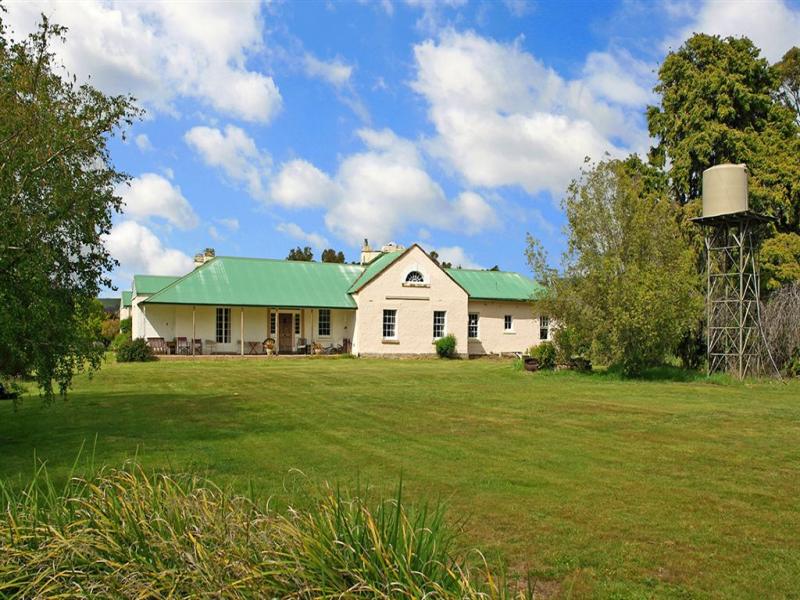
This 1820’s house was photographed and written up on a real estate site ‘The original brick section of Cluny was established with a larger sandstone section added in 1919 from sandstone sourced from an old farm building. Original timber floors, doors, window frames, open fire places and picture rails are featured throughout the home. A wide hallway leads to the four double bedrooms. The entire front boundary of this property is on the Derwent River with the advantage of a water licence and irrigation. The fertile river flats are suitable for any number of agricultural pursuits. The entire front boundary of this property is on the Derwent River with the advantage of a water licence and irrigation. The fertile river flats are suitable for any number of agricultural pursuits. There are numerous outbuildings including a five bay garage and machinery shed and an ancient stone cottage.

Cluny House.jpg

cropped-stone-bldg-cluny

Clarendon House

The property near Norton Mandeville was granted in 1819 to William Borrodaile and he built the house  and outbuildings from  1821 to include stables, hop kiln, barn and a walled yard.  The barn is pictured below

Barn Clarendon near Gretna.jpg

Images of the  house include:

clarendon-3  clarendon-2  clarendon-near-grenta

Glenelg House

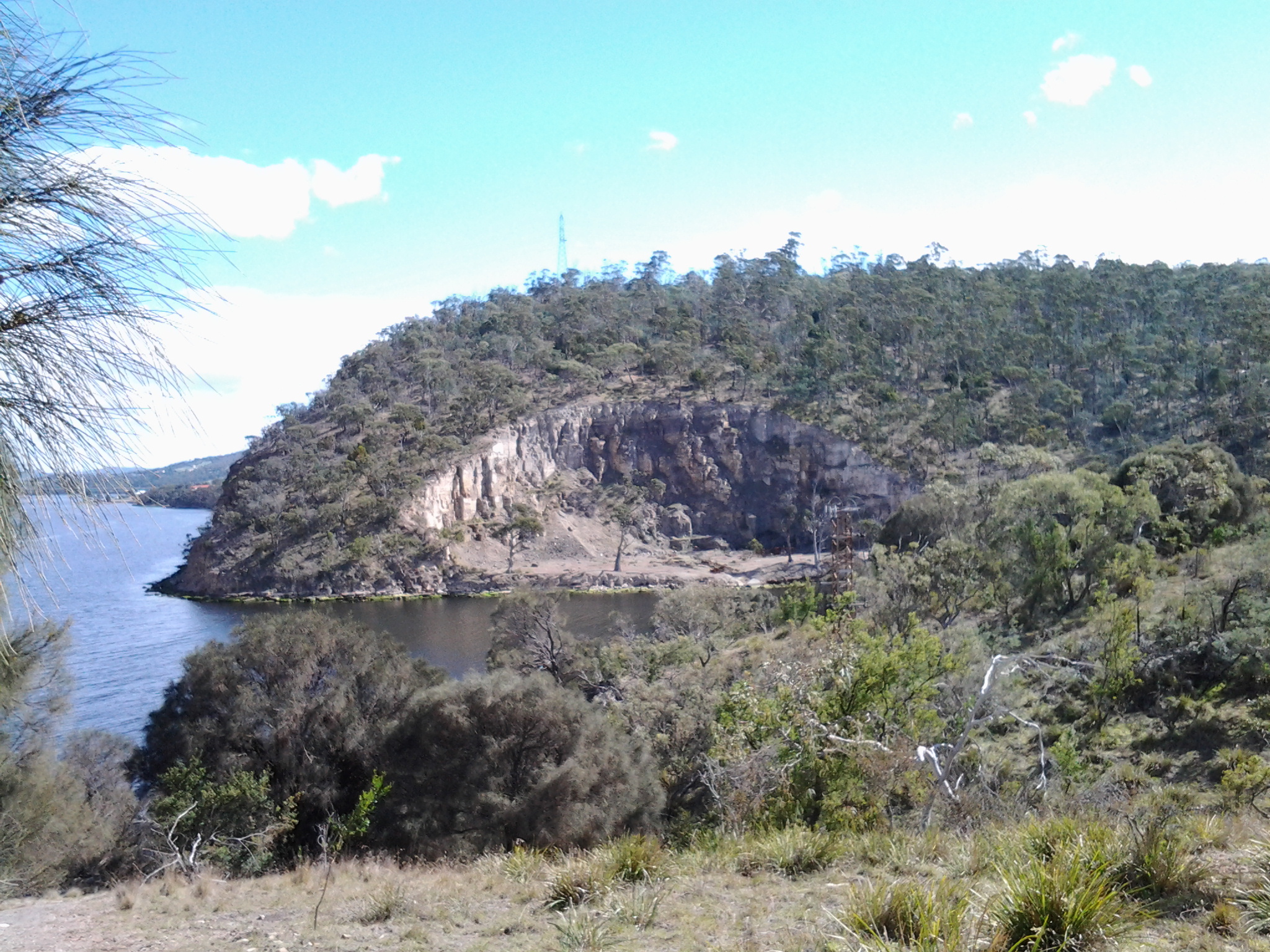
Tasmania’s Heritage Register provides the information that ‘Glenelg is a fine two storey Victorian Italianate Villa built in 1878 to a design of Henry Hunter. The house has a good hillside setting, and is seen prominently from the road. Glenelg at Gretna has been in the Downie family for six generations. Andrew Downie, a solicitor, was an immigrant from Stirling in Scotland in the early 1820s. He was granted the 1000 acre property Glenelg by Governor William Sorell in 1824. The original Glenelg grant still lies on the property, with sandstone corner posts at 3 of the corners and remains within the Downie family. In 1838 Andrew’s brother, William also emigrated to Van Diemen’s land and began working with his brother. Andrew had no children and returned to Scotland later in life, and William’s family continued to run Glenelg over the following years.’  Refer image 1
Glenelg House Gretna.jpg

Glenelg House Gretna 2.jpg

Dunrobin

The Dunrobin land was granted to Walter Angus Bethune in 1821, and the current external fence attests to the property’s establishment date.

20160121_141359.jpg

You can see photographs and read more details about this property here.

Dunrobin.jpg

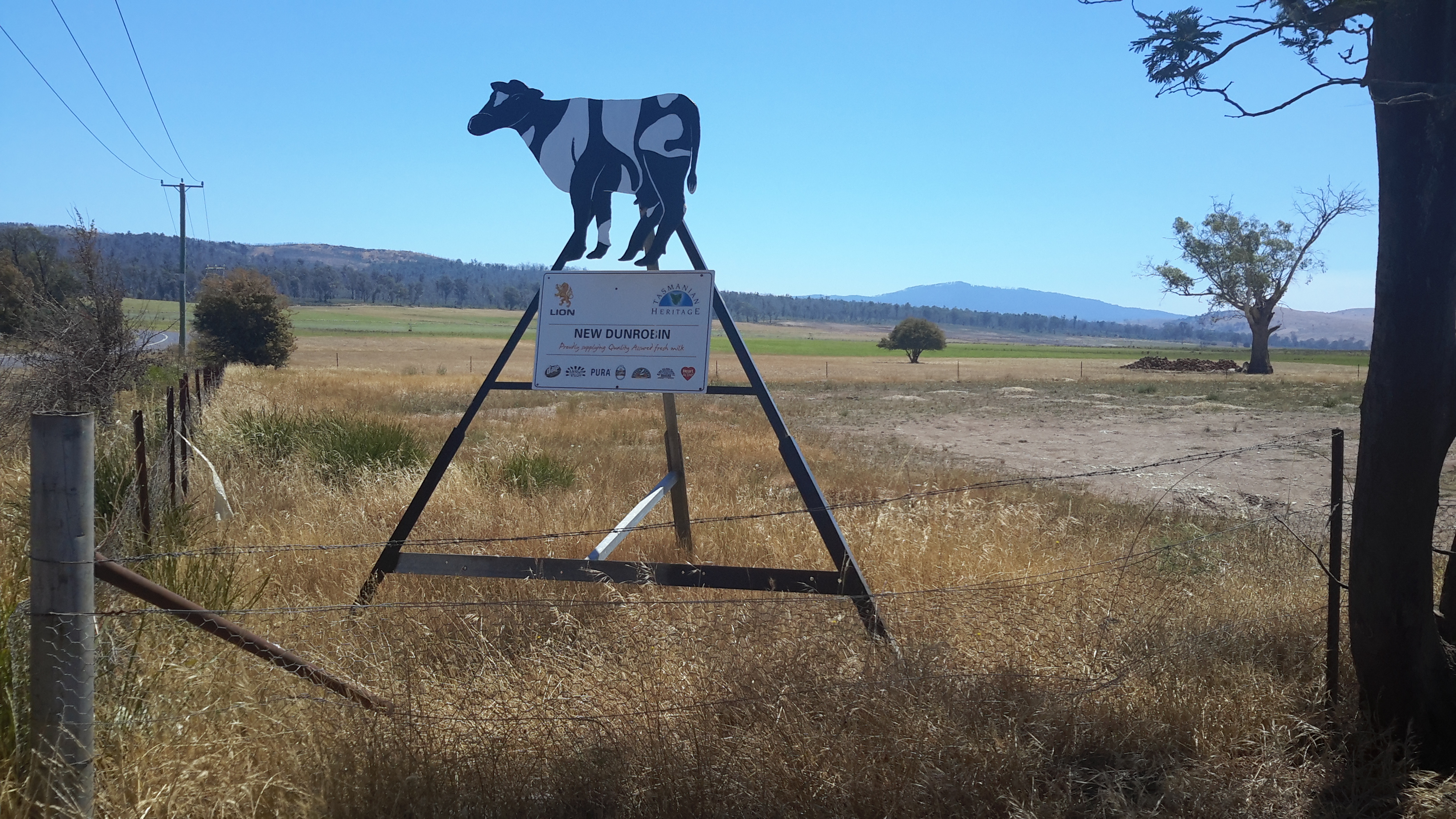
The New Dunrobin is a dairy estate.

20160121_142901.jpg

It was always a delight, amidst great tracts of agricultural land, to see isolated heritage buildings and to consider them as specimens of Tasmania’s social history.

Where did the name Tarraleah come from?


According to websites, site 1 and site 2, the name ‘tarraleah’ is the local Lairmairrener Aboriginal word for the Forester Kangaroo.  The Lairmairrener language was spoken by Teen Toomele Menennye (Big River) kinship groups who lived in central Tasmania and further afield.

There is nothing about the township of Tarraleah that has ever made me connect it with our Kangaroo – it has always been firmly imprinted on my mind as a town created only to support the expansion of hydroelectric power.  I wonder how prolific this Kangaroo was in central Tasmania at the time of naming the town; whether the word ‘tarraleah’ was used by white developers loosely without care for accuracy in location.

These days the area of central Tasmania near the Derwent River, where uncleared, often consists of very dense rain forests and I doubt this environment is one easily accessible for the large Forester Kangaroo. Their preference is for more open temperate forests.  Of course 10,000 years ago, the vegetation was different. The last Ice age generally caused much aridity across Australia so I assume the vegetation would have been comparatively open in the area where the township of Tarraleah now stands. Members of our aboriginal communities may possess stories passed down through the millennia about ‘tarraleah’ in this part of Teen Toomele Menennye country.

The National Museum of Australia notes  Bass Strait was not always a strait (of water). It used to be a plain populated by Indigenous peoples who moved back and forth between what we now call Victoria and Tasmania. The first humans arrived in Tasmania around 40,000 years ago. About 30,000 years ago an ice age began, which caused sea levels to drop about 120 metres and created a continuous land mass that stretched between Papua New Guinea and Tasmania. When the ice melted – a process estimated to have taken 6000 years – Bass Strait formed and became an almost impassable barrier by about 12,000 years ago.”

The Australian government explains the Forester Kangaroo, “Macropus giganteus tasmaniensis is recognised as the Tasmanian subspecies of the Eastern Grey Kangaroo, Macropus giganteus, which is widespread throughout the eastern Australian mainland. The subspecies status of the Forester Kangaroo is based on differences in its skull and coat from the mainland population and its isolation in Tasmania for at least the last 10 000 to 15 000 years. Studies indicate that there is less than 1% difference in the mitochondrial DNA between the mainland Eastern Grey Kangaroo and the Forester Kangaroo.”

Tasmania’s Parks and Wildlife Service explains the Forester Kangaroo “is the largest marsupial in Tasmania and the second largest in the world – males can reach over 60 kg and, when literally on tippy toes, stand 2 m tall! Colour varies from light brownish grey to grey. In Tasmania during the 1950s and 60s, the population of Forester kangaroos was reduced to 15% of its previous level.”  Tasmania’s Department of Primary Industries, Parks, Water and Environment  reports “By the early 1900s, as a result of unsustainable levels of hunting (by European settlers in Tasmania) and to a lesser extent land clearance, the species was in serious decline. By 1970, Forester Kangaroos were to be found in only two areas; parts of the Midlands and the far north-east of Tasmania. This was less than 10% of its range at the time of European settlementSince then a number of measures have been implemented to reverse this trend.”

Derwent River water passes via the township of Tarraleah


Earlier this year the entire town of Tarraleah was on the market for sale.  Refer article 1, article 2 , and article 3.

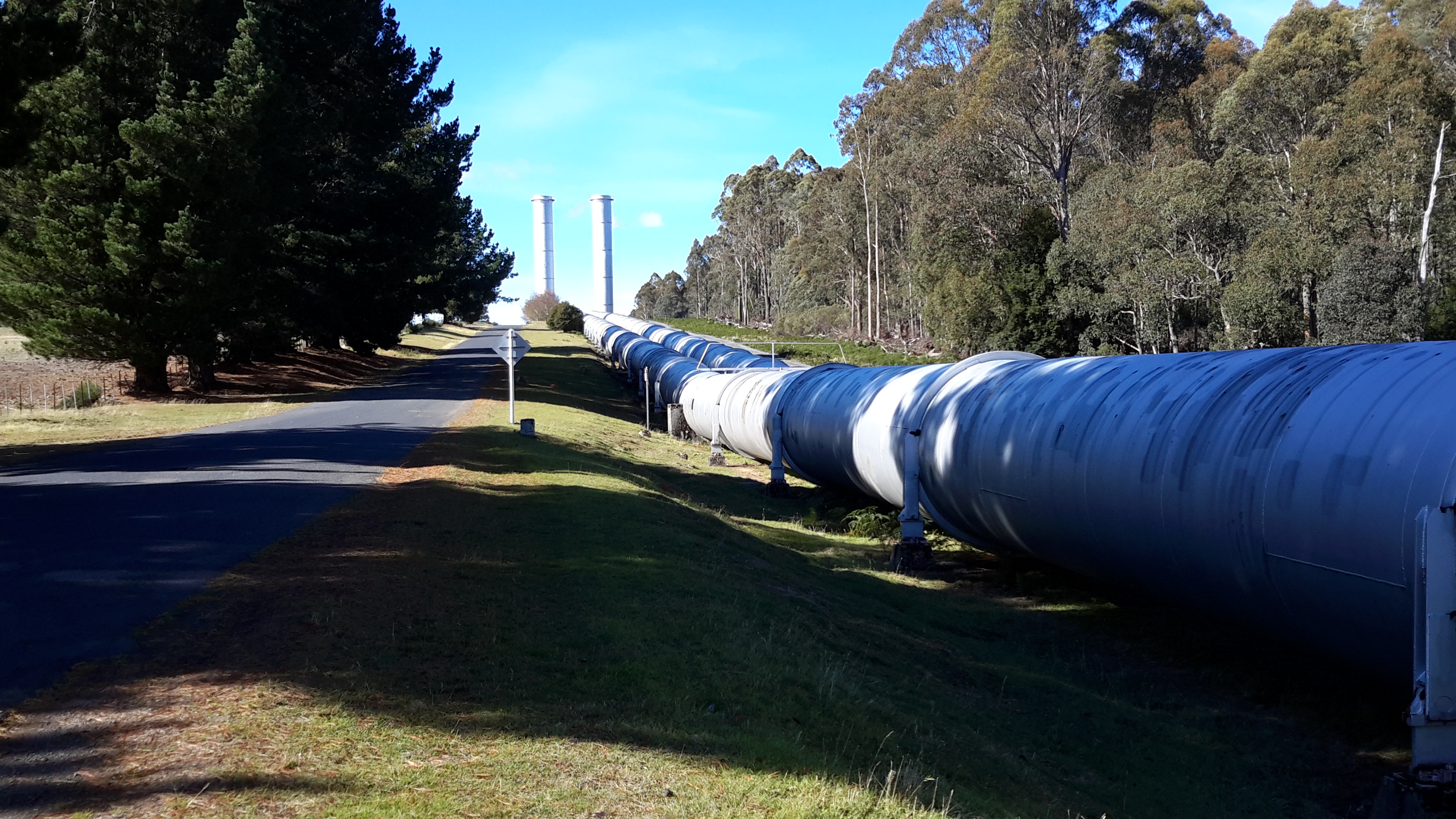
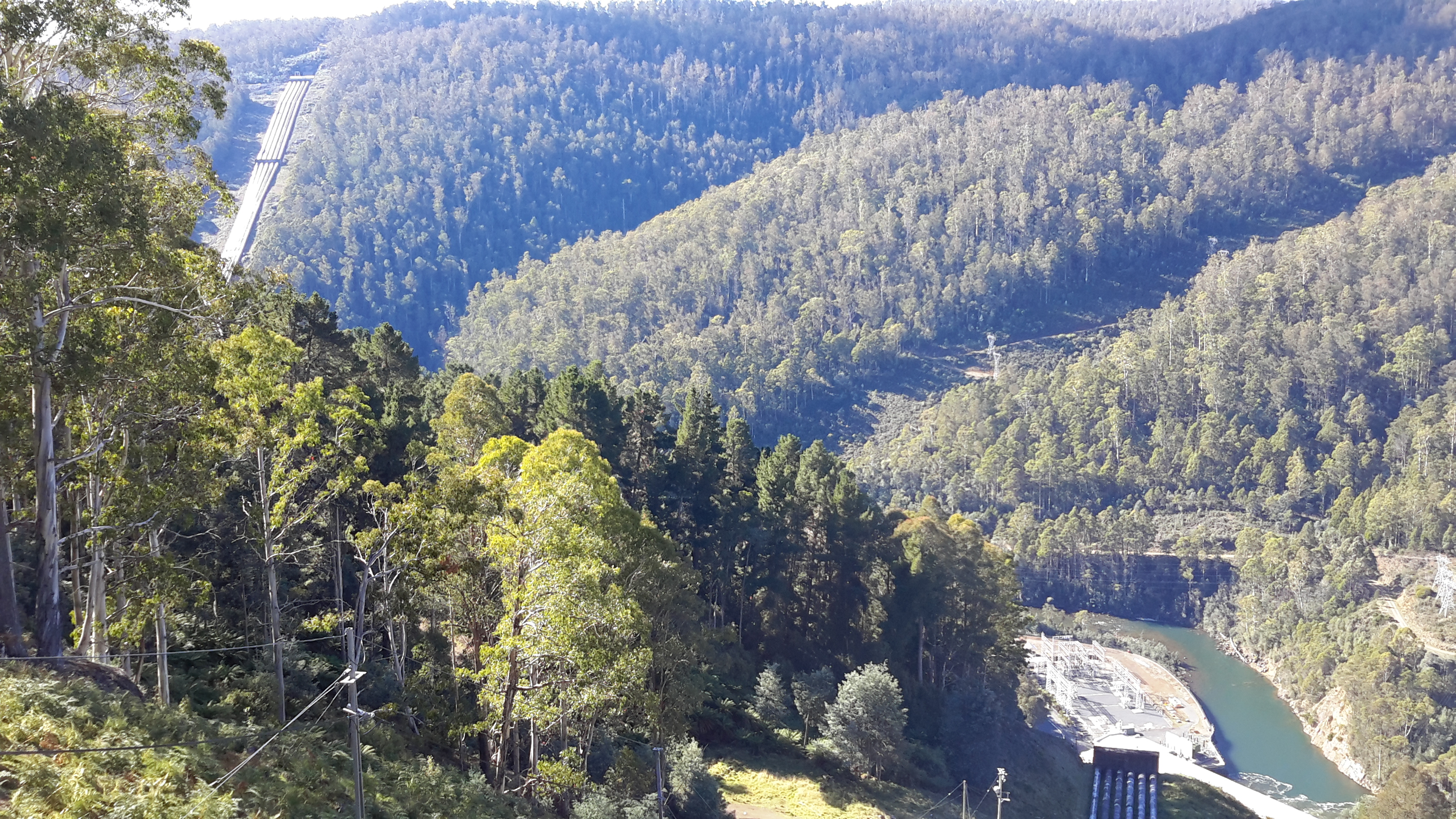
If you were to follow Derwent River water by walking from the western end of Lake Catagunya at the Wayatinah Power Station inland past the Wayatinah Lagoon to the Liapootah Power Station then follow the Nive River to the bridge next to the Tarraleah Power Station (with the Tungatinah Power Station on the other side of the bridge), you could look up the hill to see massive penstock pipes descending the hill from the township of Tarraleah above.

The water falling down these pipes is Derwent River water which has travelled via Tarraleah Canal 1 and Tarraleah Canal 2 after processing through Butlers Gorge Power Station at the foot of Clark Dam that holds back the waters of Lake King William.

I chose not to walk the route via the penstocks and Tarraleah township when walking from the mouth to the source of the Derwent River,  rather to follow the original river bed albeit a scatter of stones and limited water during the summer, between Wayatinah and Butlers Gorge Power Station.

However, knowing that Derwent River water flowed along the Canals and through the massive pipes, I did visit the township of Tarraleah during the period when it was advertised for sale. I was curious to see what the township of Tarraleah looked like (it had been many years since I last visited). Despite being centred within lush dense rainforest, thankfully no rain fell at Tarraleah and the sky was blue and the day sunny when I visited. I approached the town from the highway and followed the slightly snaking pipes.

20160425_132005.jpg

20160425_132023.jpg

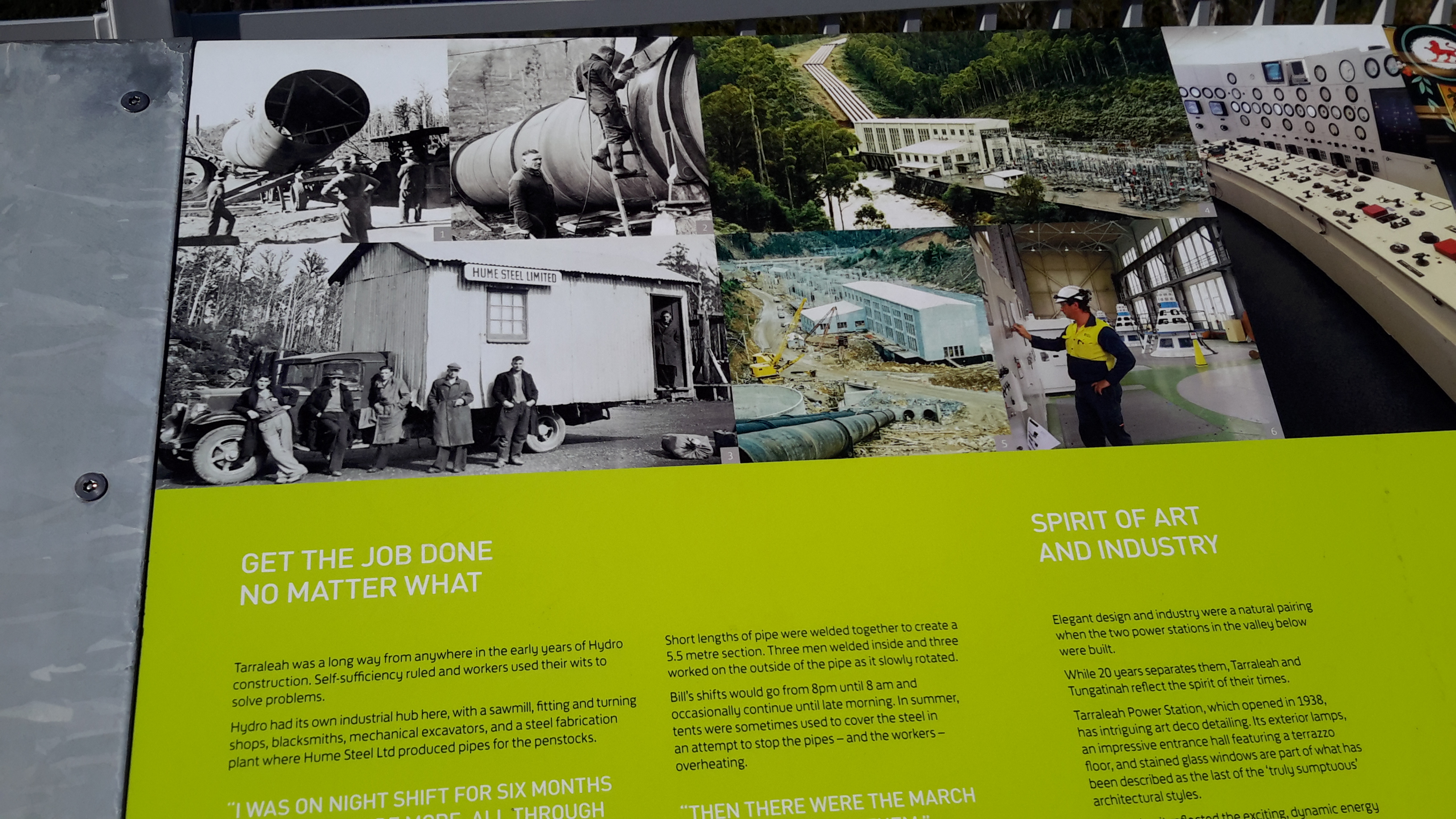
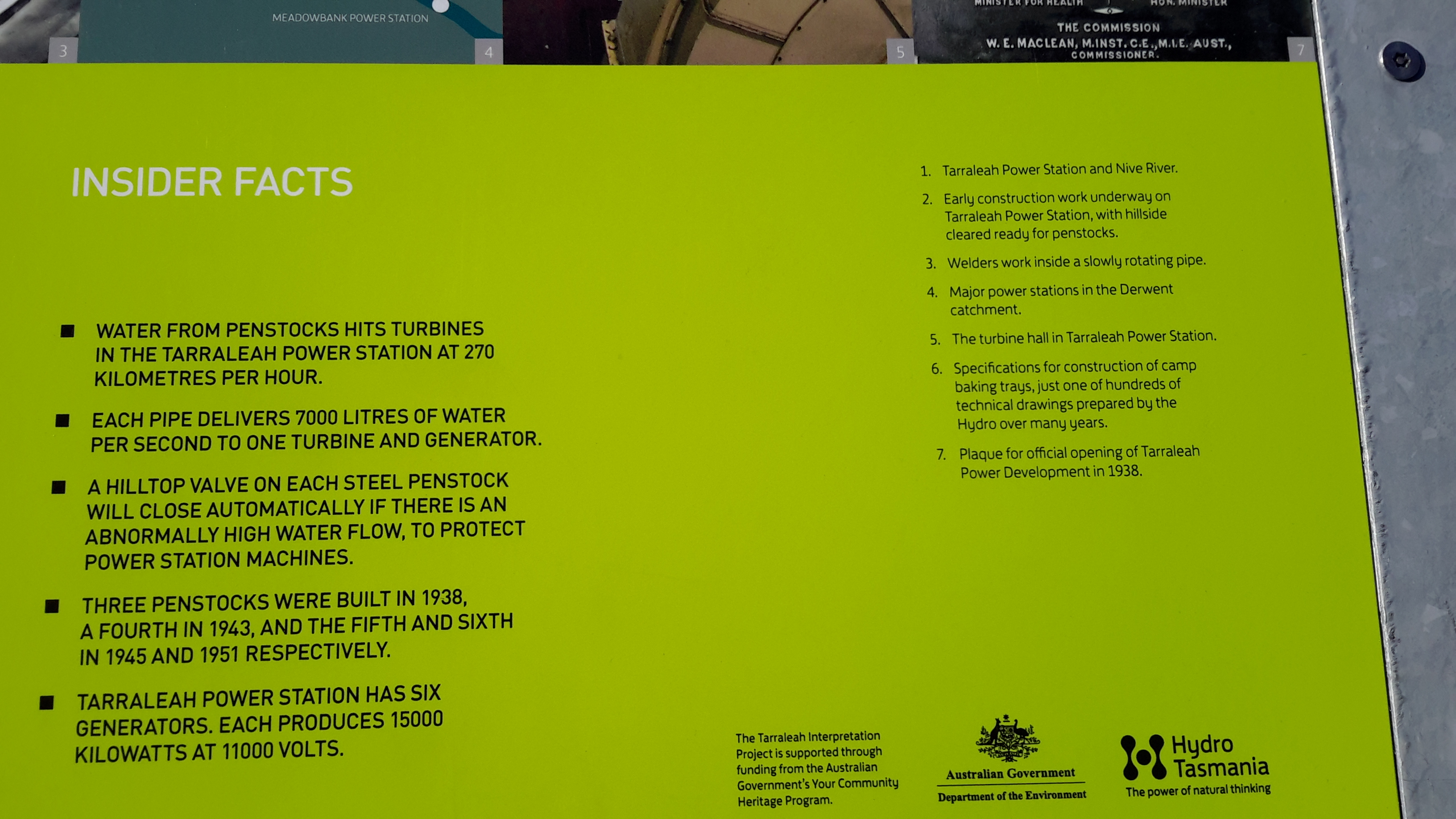
At the point where the pipes arrive at the top of the hill and are about to drop down the hill, I browsed public information boards and plaques.

20160425_132500.jpg

20160425_132512.jpg

20160425_132726.jpg

20160425_132711.jpg

20160425_132826.jpg

20160425_141509.jpg

The views from the township were dramatic. I am forever in awe at the engineering achievements of the past.

20160425_132537.jpg

20160425_132615.jpg

20160425_132653.jpg

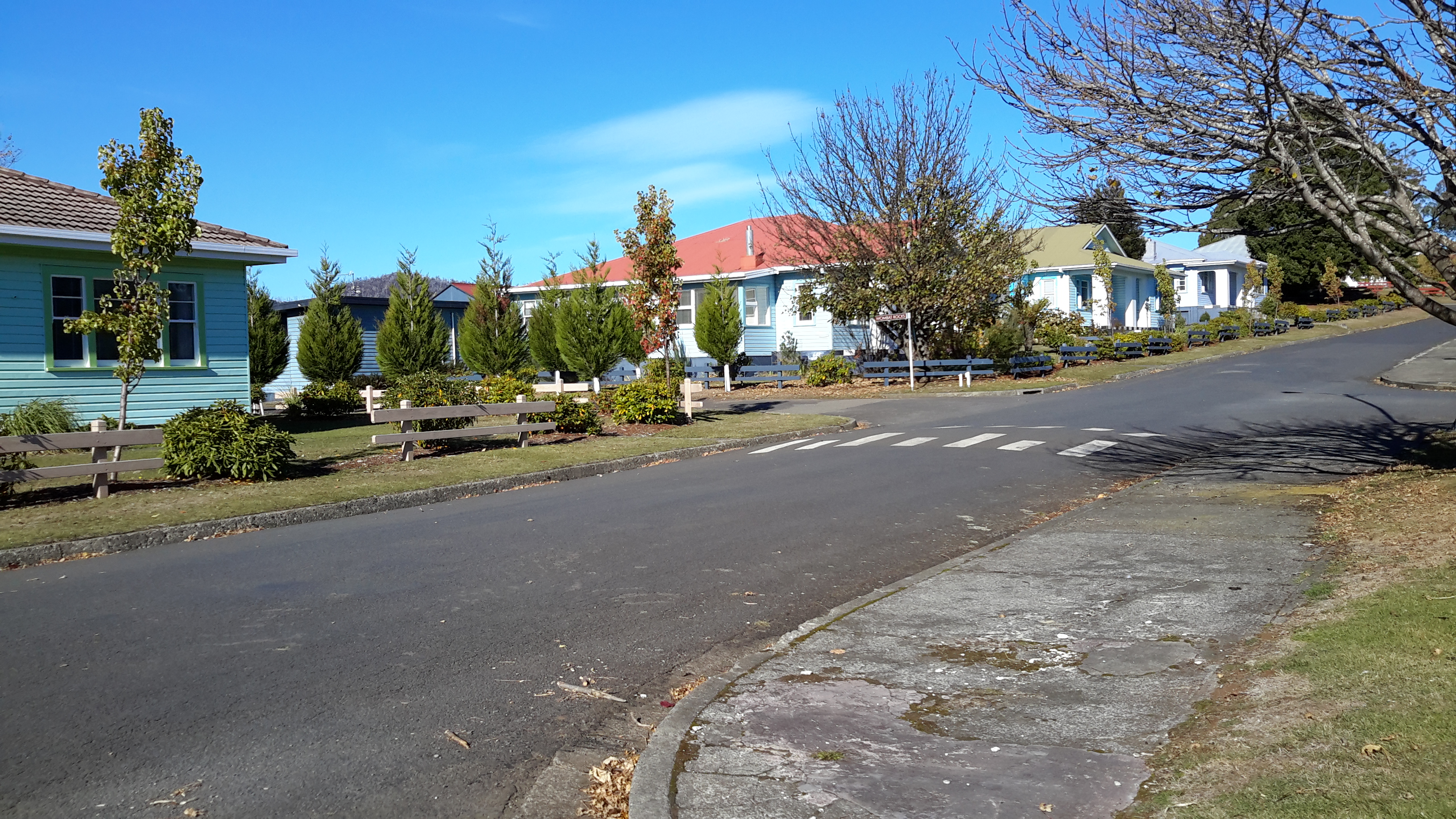
These days Tarraleah is a place that acknowledges its social history from the early days of Hydro Tasmania. I was amazed to see the row of freshly renovated houses each with their own array of pastel coloured paint finishes. Perfect location for a science fiction movie.  I felt there was something strange about its lollipop colours and perfection.

20160425_142056.jpg

20160425_142039.jpg

20160425_144341.jpg

20160425_142110.jpg

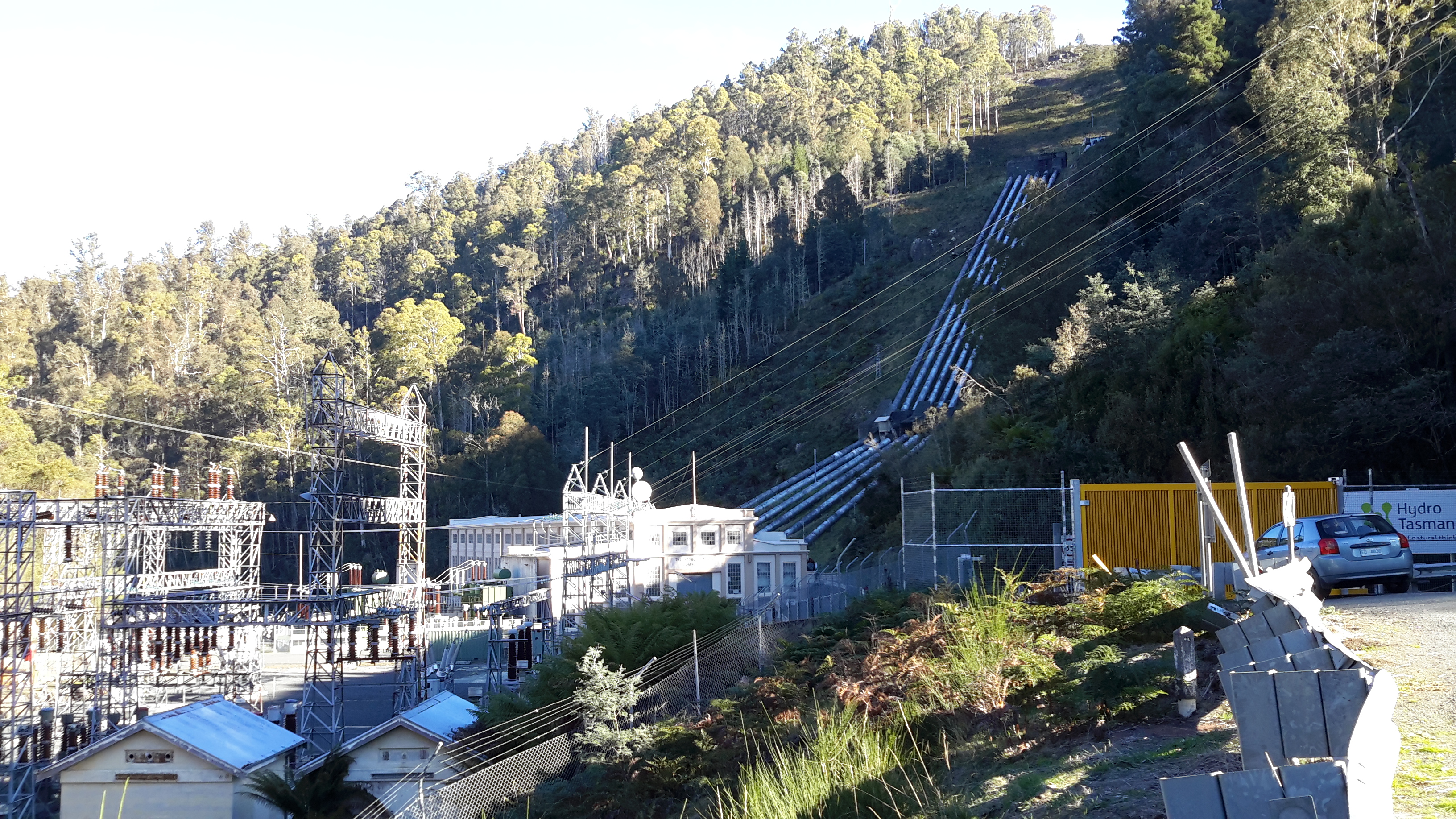
Afterwards I travelled out of Tarraleah and down to the bridge over the Nive River. The Tarraleah Power Station was partly hidden in shadow from the afternoon sun. My eyes followed the pipes up the hill knowing the township was there on top.

20160425_145718.jpg

20160425_145849.jpg

The Nive River accepts the Derwent River water after processing for electricity generation through the Tarraleah Power Station.  The water passes through a series of further management processes, and ultimately empties into Lake Catagunya and then continues its long journey towards the sea.

20160425_150151.jpg

I have heard rumours the Tarraleah township sold but I cannot find records supporting this.  I haven’t one idea how a buyer could get a return on an investment of $11 million at Tarraleah, so I will be very interested to hear what will happen to this piece of Tasmania’s history.

Tea from Linden flowers

When I walked from New Norfolk to Bushy Park, I passed a property named Linden.  You can reread my post and the informative additional comments provided by blog followers.

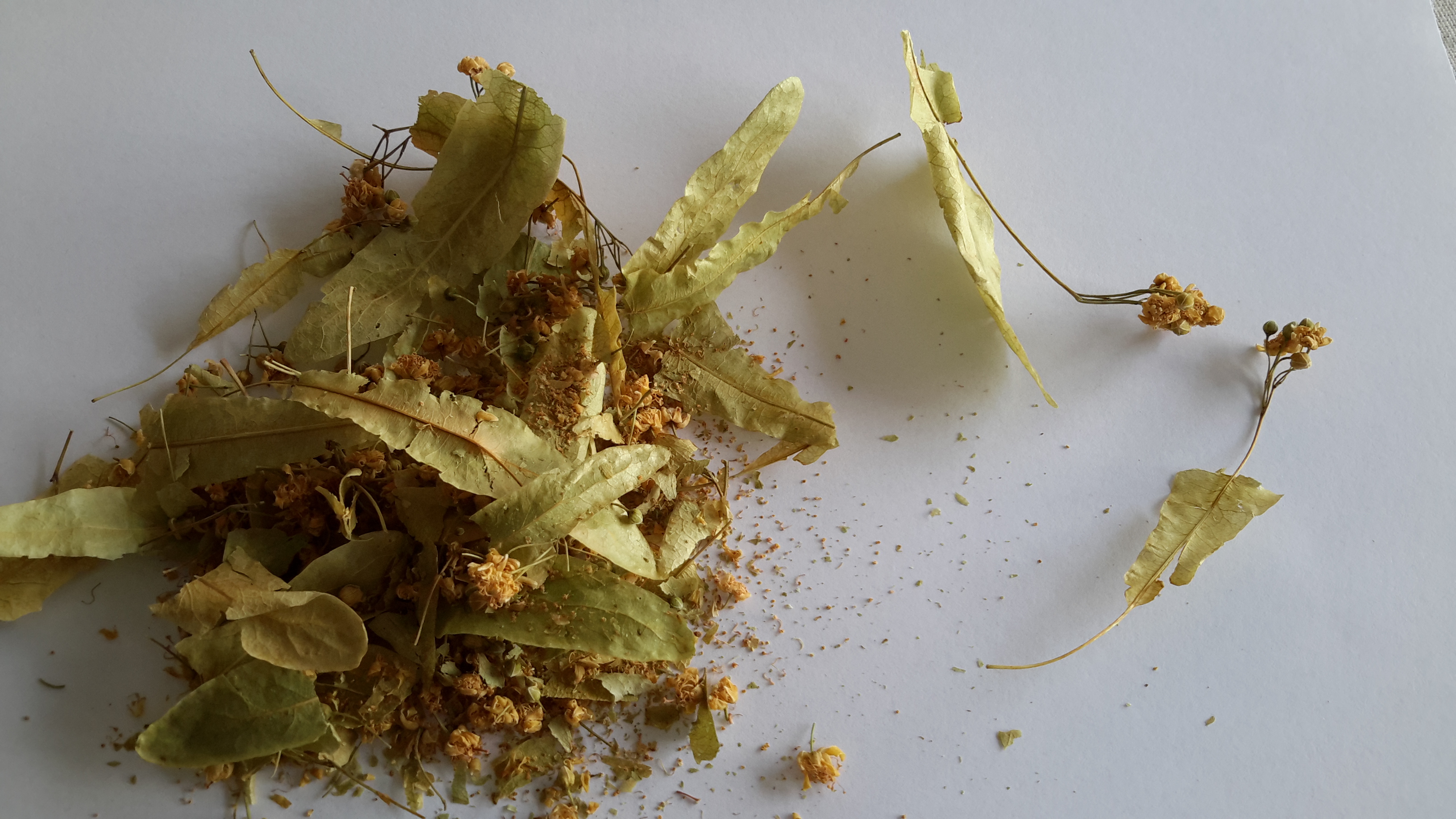
Not long afterwards, a local friend exclaimed with surprise when I informed her that I did not know what a Linden tree looked like, and that I had never drunk tea brewed from Linden tree flowers.  Imagine my pleasure when, one day, Alex called by with a bag of dried linden flowers.  They seemed to possess an ethereal beauty. Out came my camera and here are the resulting photos.

20160516_151652.jpg

20160516_151658.jpg

20160516_151708.jpg

The tea was delicate but refreshing. Most enjoyable. Thanks Alex.

Shag Bay industrial history


In earlier posts I directed your attention to the online magazine Tasmanian Geographic .  The latest issue contains a well-researched and lengthy article, ‘Early Recycling at Shag Bay’, on the early industrial history of late 19th and early 20th century of Shag Bay.  Thanks to authors, John and Maria Grist, I now understand more about what I saw as I walked past the detritus scattered around this Bay. I strongly recommend accessing their article for its historical photographs and the fascinating content. Thanks John and Maria – much appreciated.

My long term blog followers may recall the name of Shag Bay but unless you know this part of the Derwent River, its location will remain a puzzle.  Shag Bay is a small inlet on the eastern shore between Geilston Bay and Risdon, and is mostly easily accessible on a dirt track from the Geilston suburb end. My posts from walking around Shag Bay include:  From Geilston Bay to Risdon on Stage 6 of my walk along the Derwent River yesterday ; Reaching Shag Bay as I walked along the Derwent RiverThe Shag Bay and Bedlam Walls area covers much loved and used aboriginal land of the Moomairremener people ; and Along the northern side of Shag Bay and onwards along the Derwent River.

To help you to remember Shag Bay, here are a few photos I took way back very early in my trek from the mouth the source of the Derwent River.

20141015_103803.jpg

20141015_105602.jpg 20141015_110028.jpg


 Shag Bay industrial history


In earlier posts I directed your attention to the online magazine Tasmanian Geographic https://www.tasmaniangeographic.com/.  The latest issue contains a well-researched and lengthy article on the early industrial history of Shag Bay.  Thanks to authors, John and Maria Grist, I now understand more about what I saw as I walked past the detritus scattered around this Bay. I strongly recommend accessing their article (https://www.tasmaniangeographic.com/early-recycling-at-shag-bay/) for its historical photographs and the fascinating content. Thanks John and Maria – much appreciated.

My long term blog followers may recall the name of Shag Bay but unless you know this part of the Derwent River, you may remain puzzled as to its location.  Shag Bay is a small inlet on the eastern shore between Geilston Bay and Risdon, and is mostly easily accessible on a dirt track from the Geilston suburb end. My posts about my walk around Shag Bay include:  From Geilston Bay to Risdon on Stage 6 of my walk along the Derwent River yesterday (https://walkingthederwent.com/2014/10/16/from-geilston-bay-to-risdon-on-stage-6-of-my-walk-along-the-derwent-river-yesterday/); Reaching Shag Bay as I walked along the Derwent River (https://walkingthederwent.com/2014/10/19/reaching-shag-bay-as-i-walked-along-the-derwent-river/); The Shag Bay and Bedlam Walls area covers much loved and used aboriginal land of the Moomairremener people (https://walkingthederwent.com/2014/10/19/the-shag-bay-and-bedlam-walls-area-covers-much-loved-and-used-aboriginal-land-of-the-moomairremener-people/ ; and Along the northern side of Shag Bay and onwards along the Derwent River (https://walkingthederwent.com/2014/10/19/along-the-northern-side-of-shag-bay-and-onwards-along-the-derwent-river/).  To help you to remember Shag Bay, here are a couple of photos I took way back very early in my trek from the mouth the source of the Derwent River.


22/12/16