Tag Archives: River

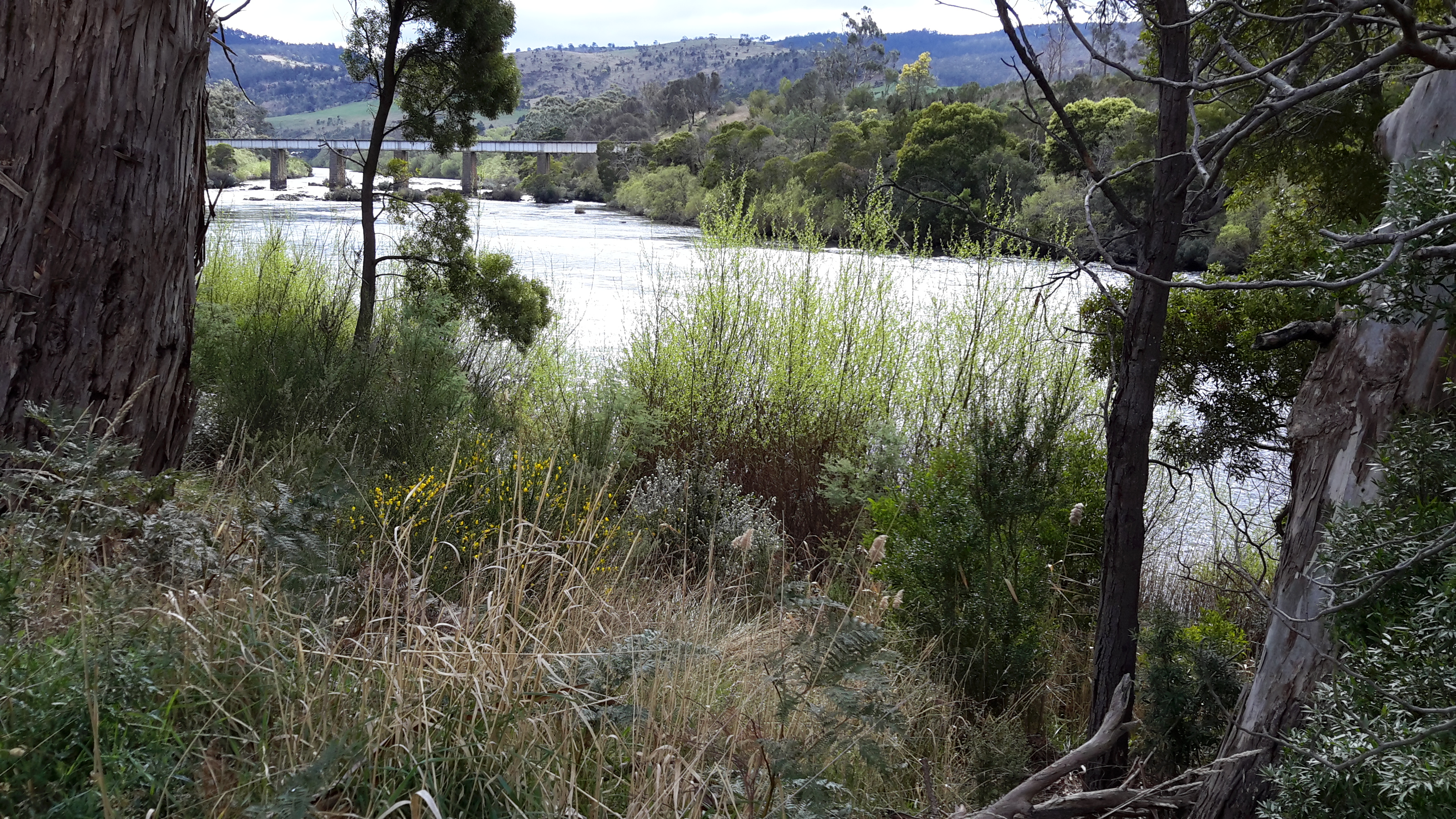
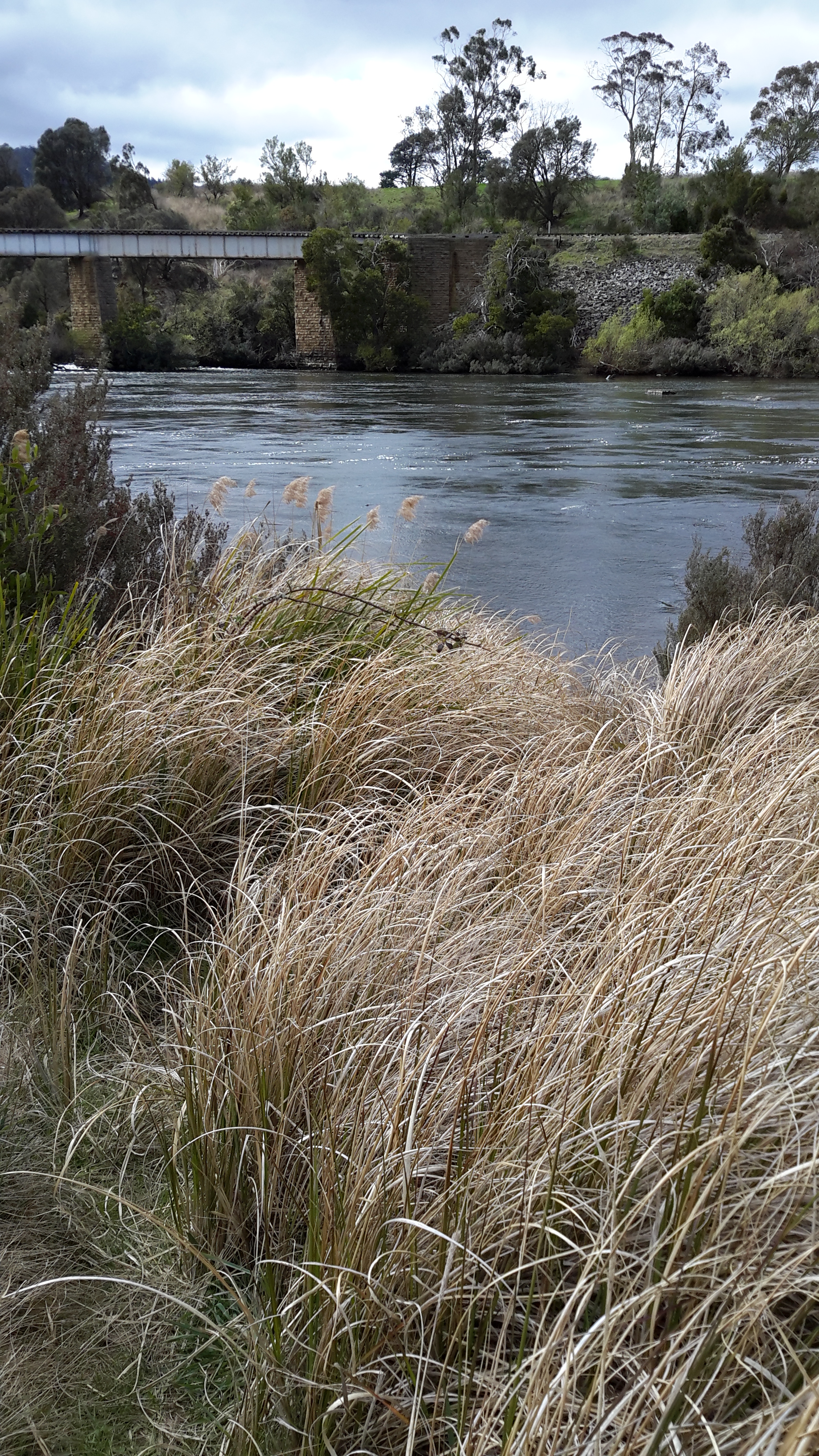
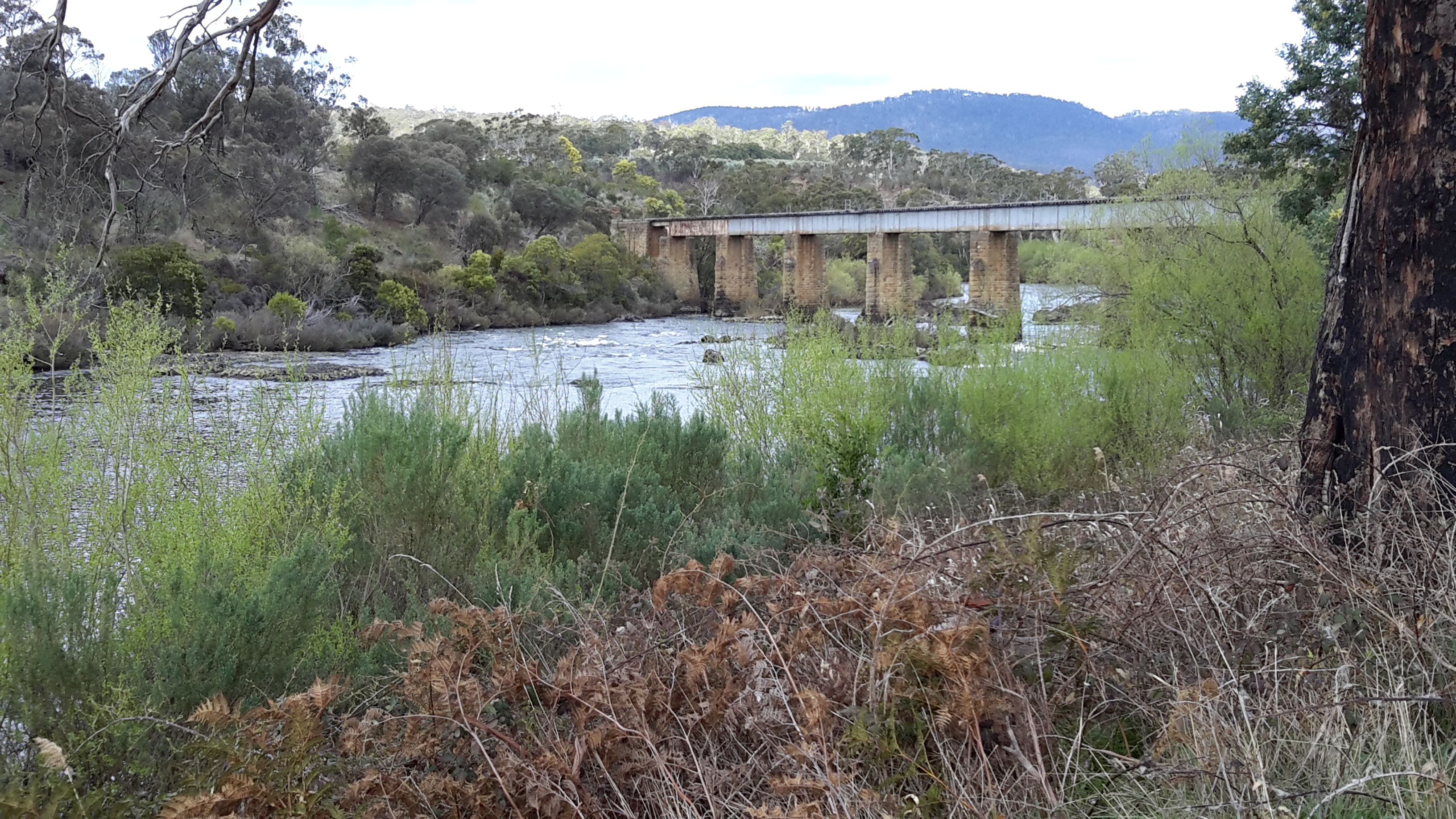
The railway bridge

20150917_113232 20150917_113755

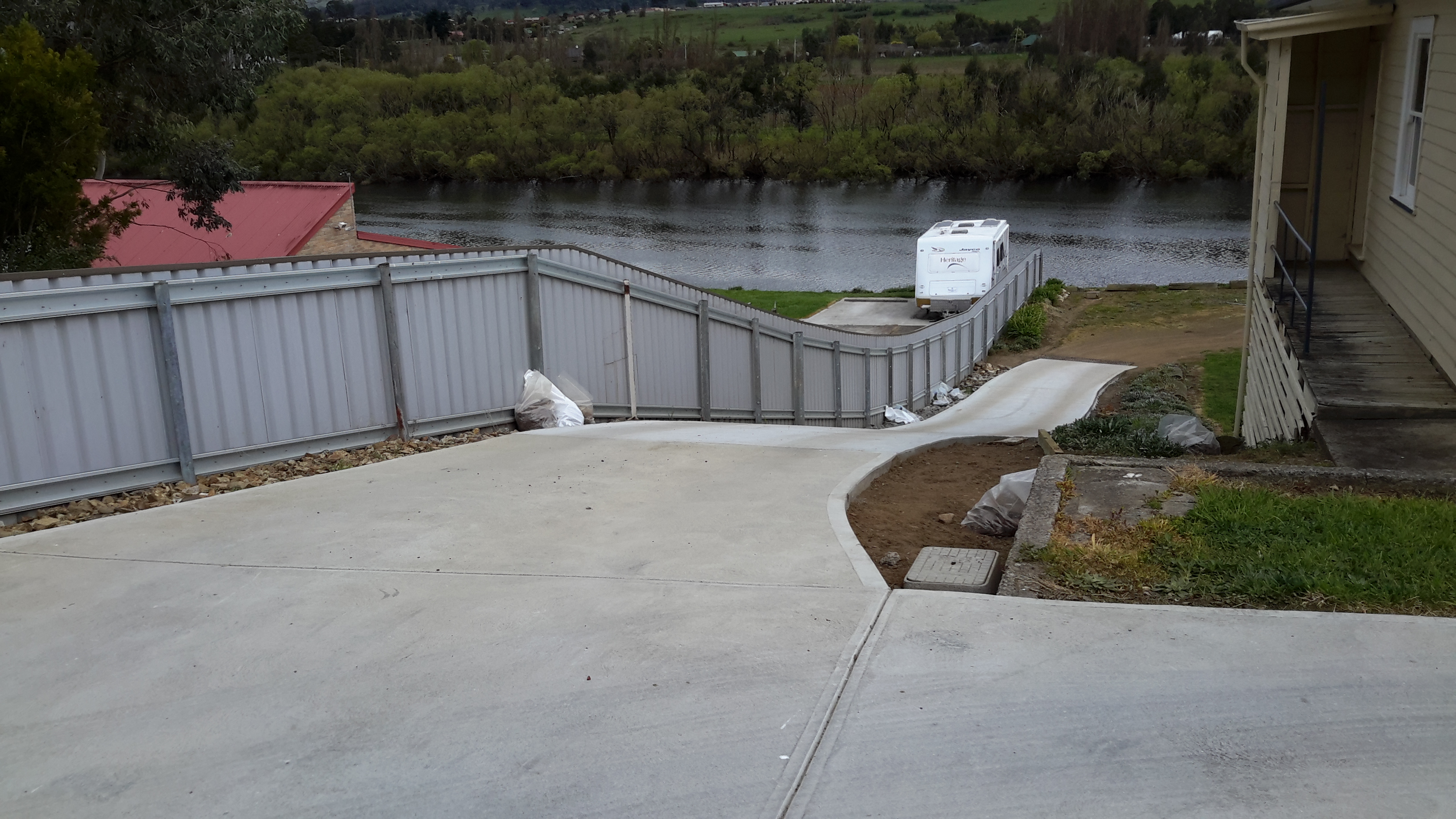
When I sighted the railway bridge crossing onto the southern/western side of the Derwent River, I was excited because my maps indicated I had every chance of getting off the main road and beginning to walk in paddocks closer to the river.

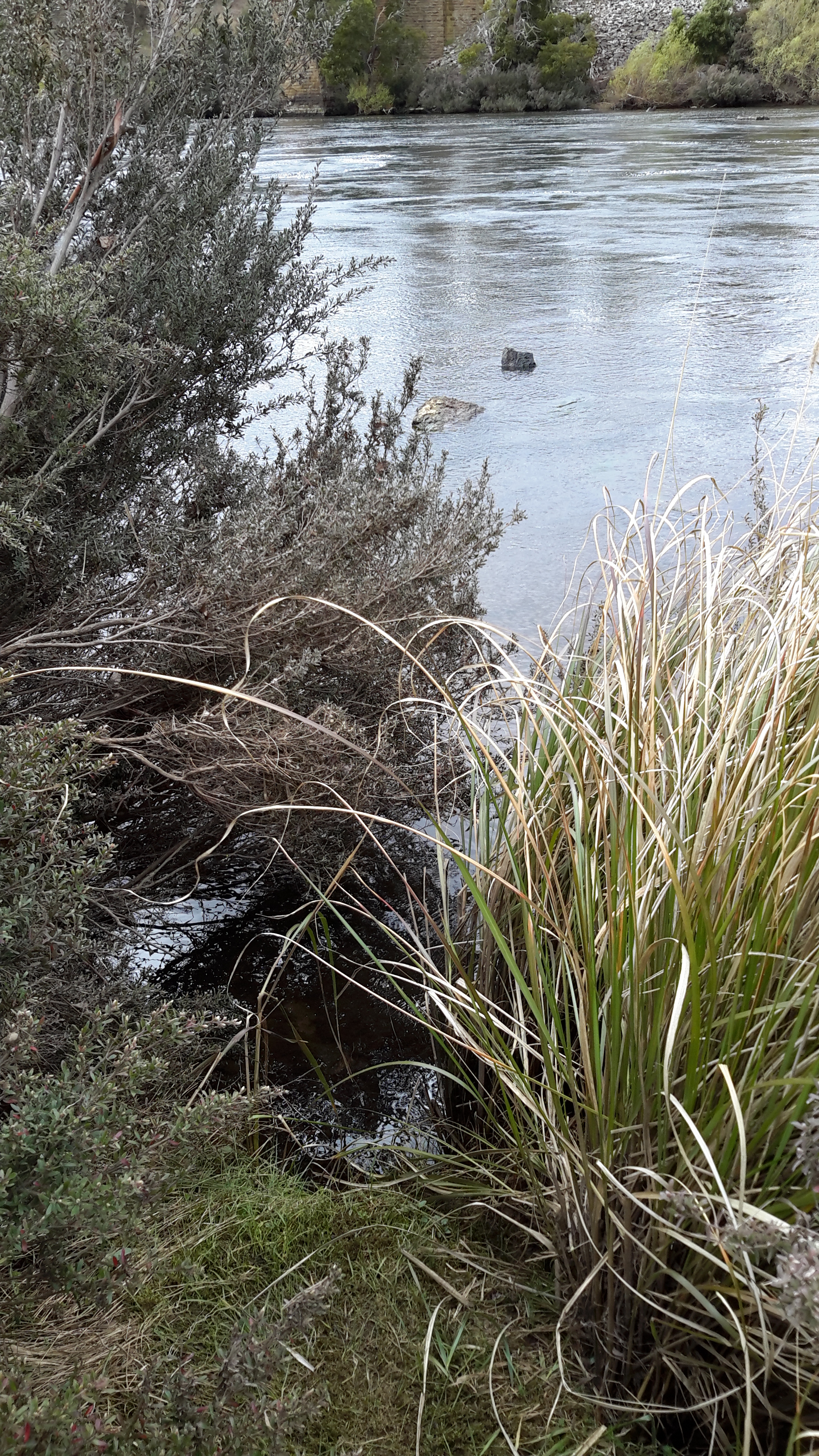
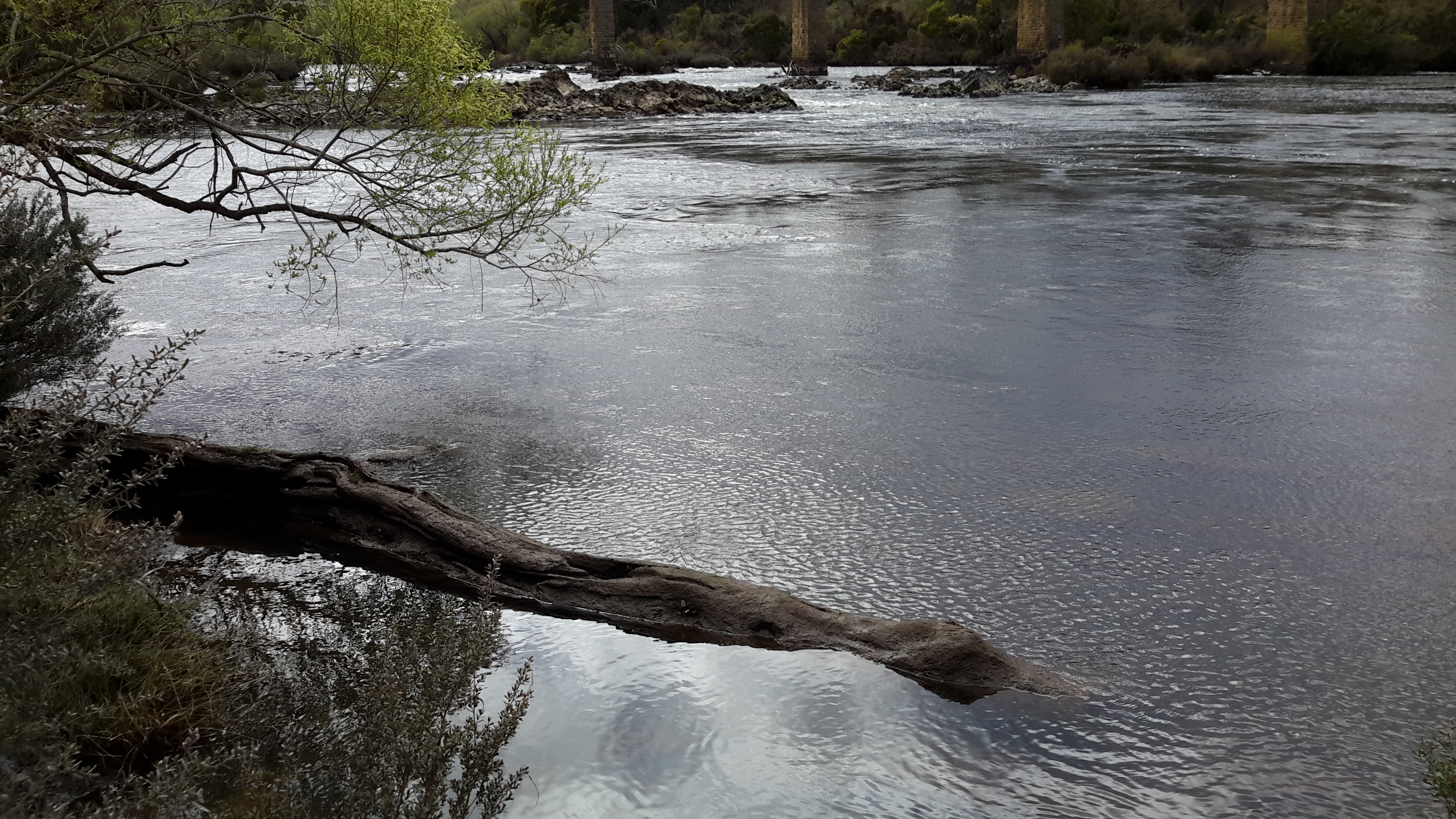
I loved the rush of the water close by.

20150917_113430 20150917_113826

Then access became a challenge.

20150917_114108

Fortunately, a tiny track existed at the water’s edge and I took advantage of this gap. The sullen grey clouds attempted to dampen my spirits, but the sound of the rushing water reinvigorated me as I walked towards, and then under, the railway bridge.

20150917_113910 20150917_115122

20150917_115329 20150917_115556

No longer was the roar of traffic disturbing my thoughts.  Only the sound of the river, the breezes in the trees, and birdsong caught my ears. I was immensely relieved to be away from the madding crowd.

A trotting track in the middle of nowhere

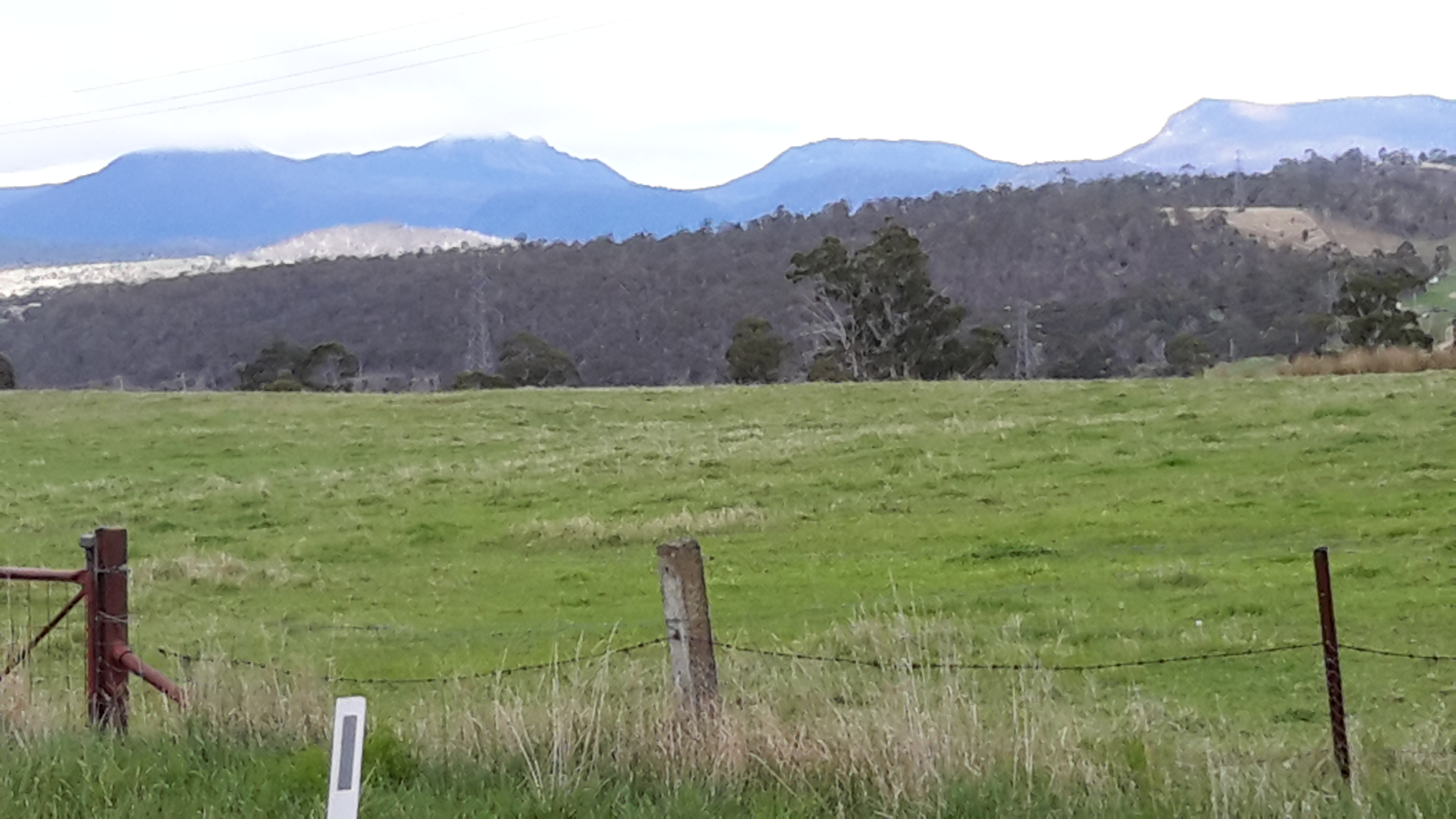
Once past the Water Treatment Plant, the country views were expansive.  I looked across green paddocks and could see the back of Mount Wellington with a drift of cloud obscuring its peak.

20150917_102908

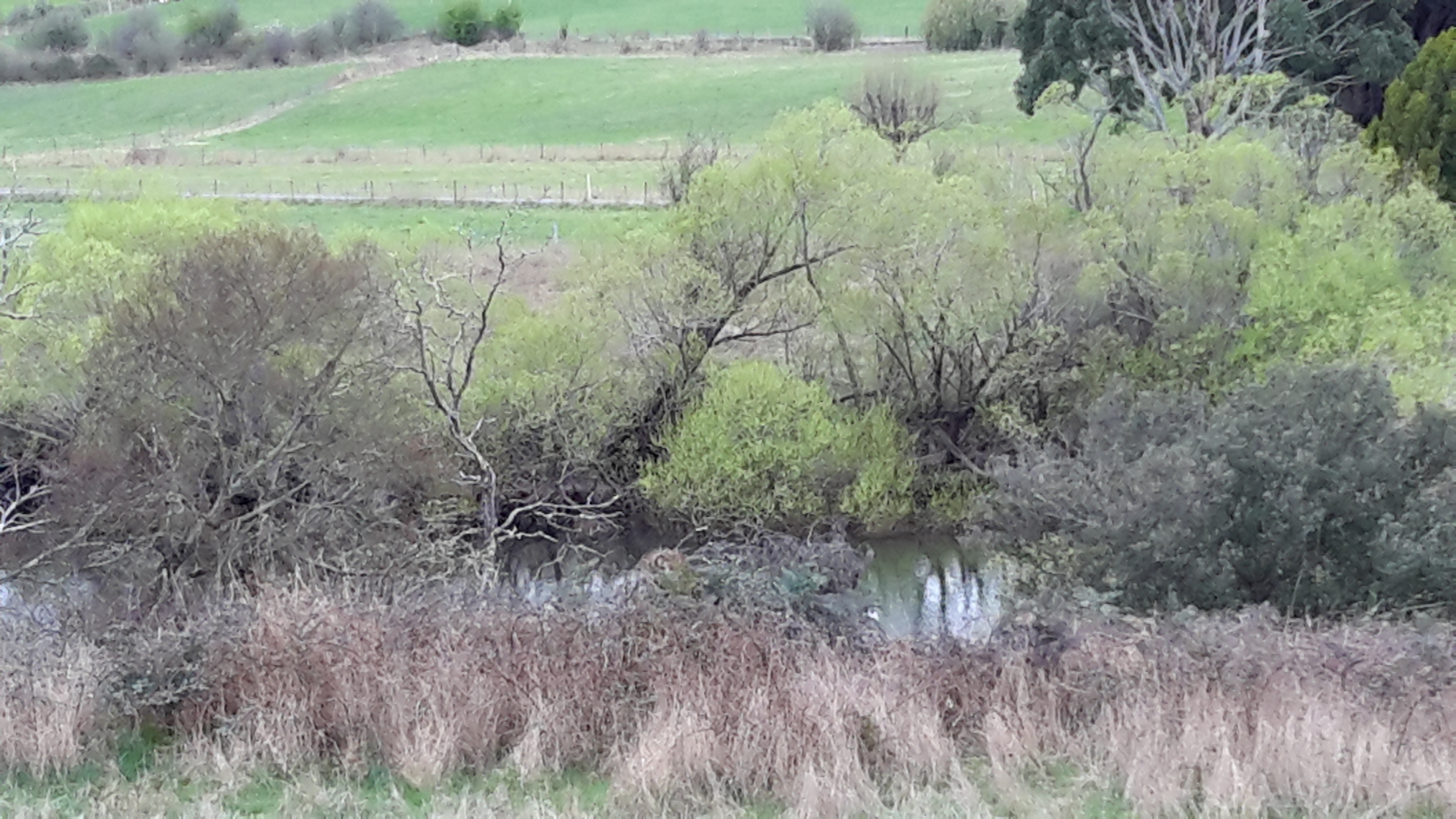
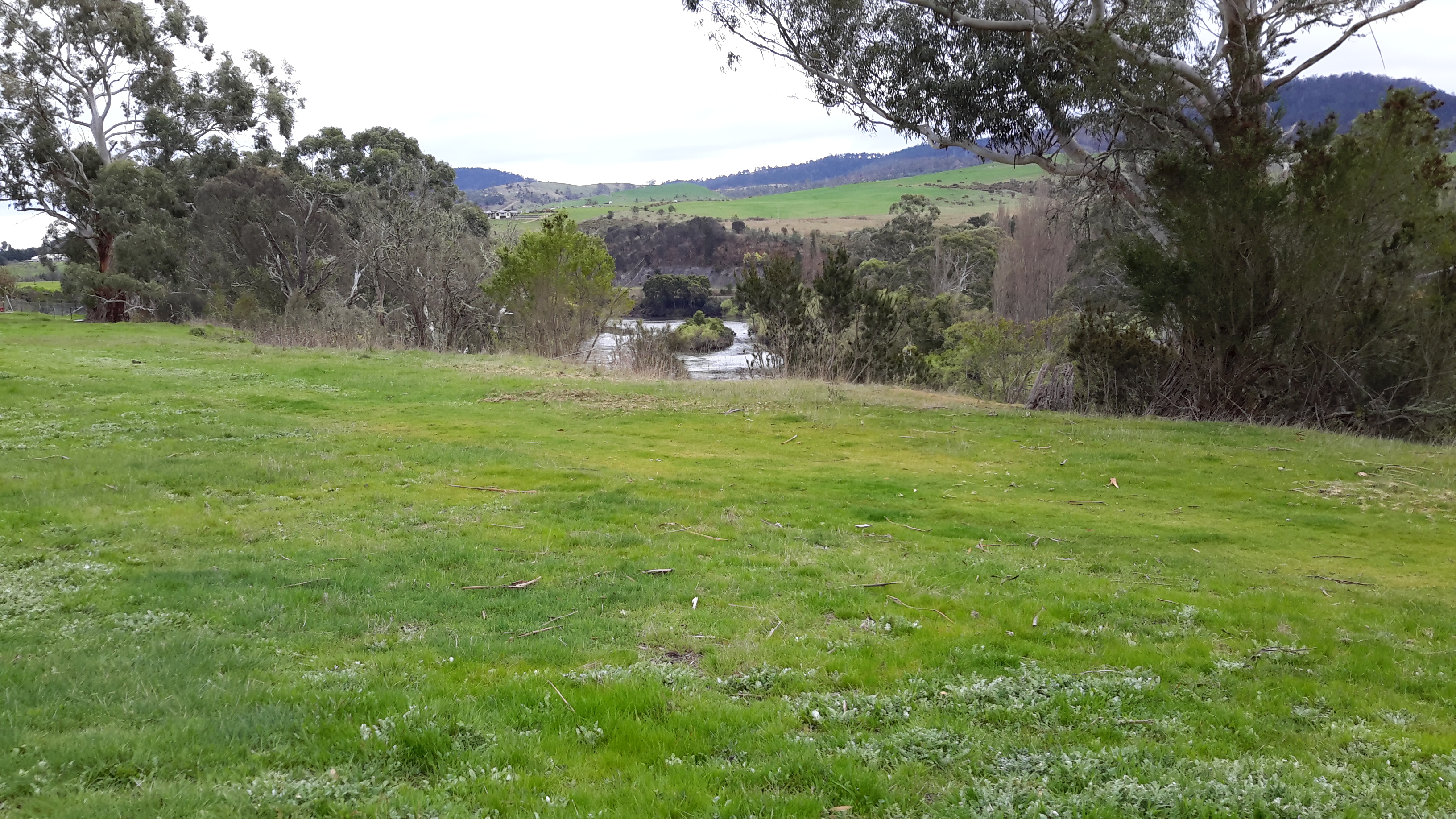
The river views were, as ever, seductive.

20150917_102931 20150917_103910

Then suddenly I was surprised to find a property with its own horse racing track.

20150917_104156

During the time it took for me to walk past, a trainer with his horse in harness pulled a two wheeled cart and trotted around and around the track. Last Sunday a harness race was held in Launceston in Tasmania’s north, and the next race meeting in Hobart will be on the 27th September so I guess the horse ran a few days ago or will be running soon.

Race track on Glenora Road

Thwarted by barriers

I am deeply dispirited. I have some sad news. My impulsive project to walk from the mouth to the source of the Derwent River will be thwarted by greed and other human characteristics of a negative nature. Despite this situation, I am working on a new plan to reach the source of the Derwent River at Lake St Clair Lagoon in a physical and meaningful way and, once I have fleshed out the details, a future post will offer an explanation.  Meanwhile, after you read the following, your suggestions will be most welcome.

During stages 1-14, from time to time I recorded how access to the actual river edge was sometimes denied me because properties were fenced and gated.  I bemoaned the fact that across Tasmania, in many instances the law provides that property owners own land and water to half way across rivers. While a ‘grace and favour access’ or by ‘a permission granted approval’ process exists in some places, much of our river edges cannot be walked freely.  Yet in so many European countries ‘right of way’ paths and walking trails across the land have been taken for granted for centuries so there is much more freedom to simply enjoy being outdoors.  Non-indigenous settlement is too recent in Tasmania so a criss-cross of ‘ancient’ walking paths has not been established, and the pathways of the inhabitants prior to settlement, the aborigines, either have been obliterated or knowledge of their location is not easily available to the non-indigenous population.

20150917_092218

Photo of the Derwent River taken through a house block on the western edge of the town of New Norfolk.

The damage is done and to repeal laws and ‘take away’ land from owners would be political suicide, and cries of unfairness and for expensive compensation would abound. I can imagine the legislation arose partly from consideration of the practicality as to who or which organisation would maintain the thousands of kilometres of river edges across Tasmania and keep them clear from bracken, blackberry brambles and exotic weeds.
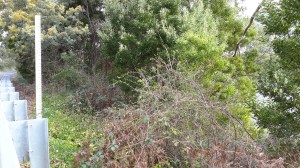
20150918_092244 20150918_102532

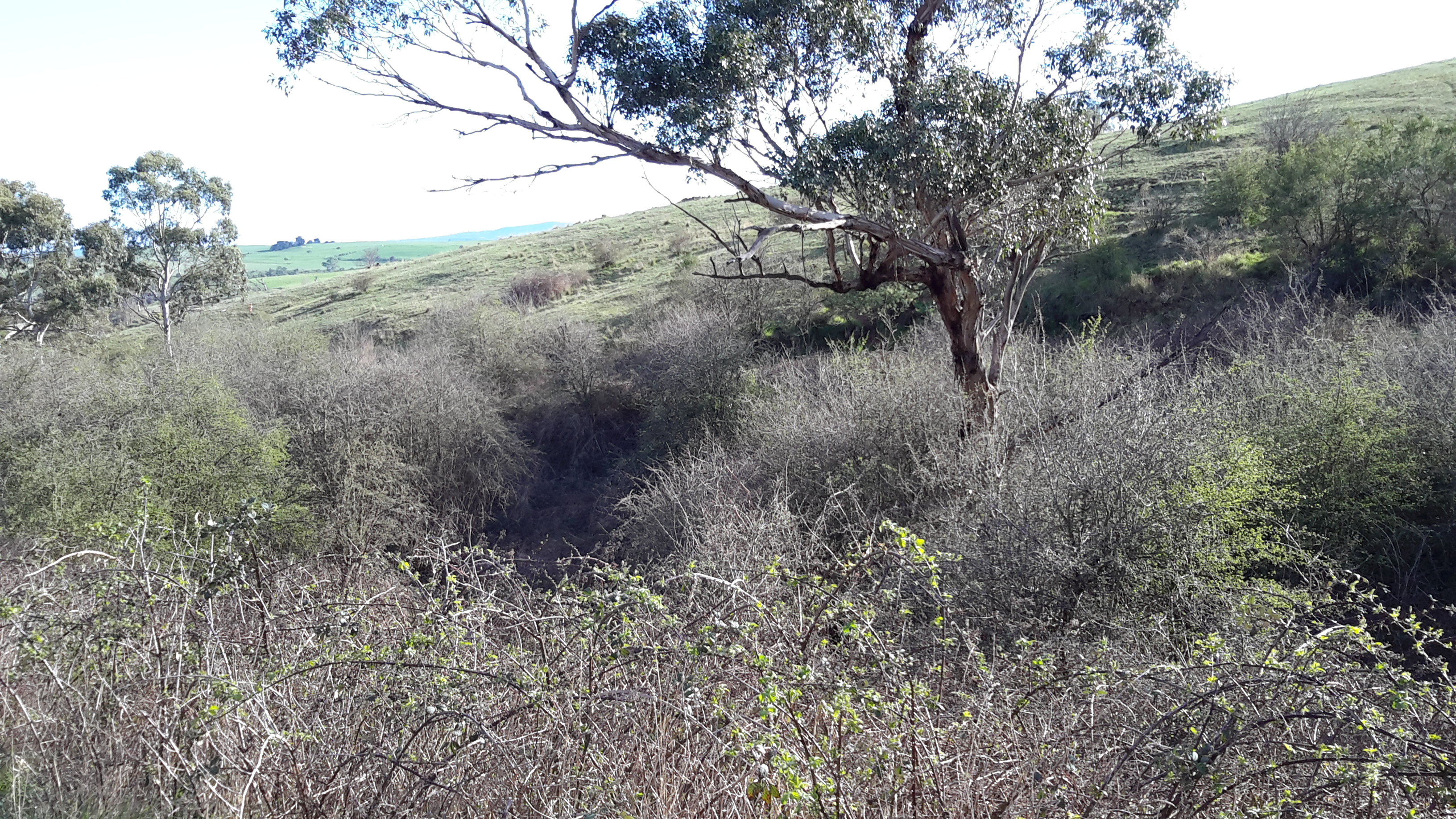
Can you spot the River through these profusely growing weeds?

While walking for leisure purposes has a history in Tasmania since the beginning of European settlement, our early legislators did not have a crystal ball to see that the 21st century is one in which many people want a healthy lifestyle that involves exploring and accessing our natural environment without barriers.

Unfortunately, a damaging minority of people are greedy, thoughtless, and cannot be trusted to meet their promises.  The consequence is what I found during Stage 15 and what I can foresee for Stage 16.  I soon realised that almost no free/public access to the River exists between New Norfolk and Gretna, and it seems this will also be true for any future inland push along the River.

After leaving New Norfolk on the westward proceeding Glenora Road on the southern/western side of the Derwent River, I soon registered paddocks and more paddocks had been recently re-fenced with fresh spiky barbed-wire.
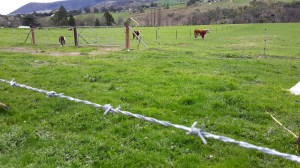
20150917_104811

Note second fence line inside and parallel to the barbed wire fence line.

This year, the Australian Federal Government budget made a concession for small business owners and granted an immediate full tax deduction for expenses up to $20,000.  My conclusion was that farmers in the Derwent Valley grabbed this opportunity and used it to protect the limits of their properties.

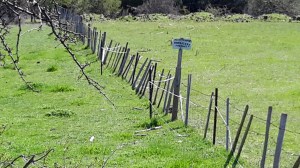
As a child my father showed me how to pass through barbed wire fences. The process is best with two people but one can do it. You put your shoed foot on a lower strand of wire to hold it down, then pull the next one up and slip through the enlarged space hoping not to be spiked by the barbs.  But today’s farmers in the Derwent Valley know this trick. Since they don’t want people on their land, the wires are now extremely taut and the spacing between many lines of wire is only about 10-15cm.  If an adult expects to pass through the barbed wire fences of Derwent Valley farmers then Dad’s technique cannot work.

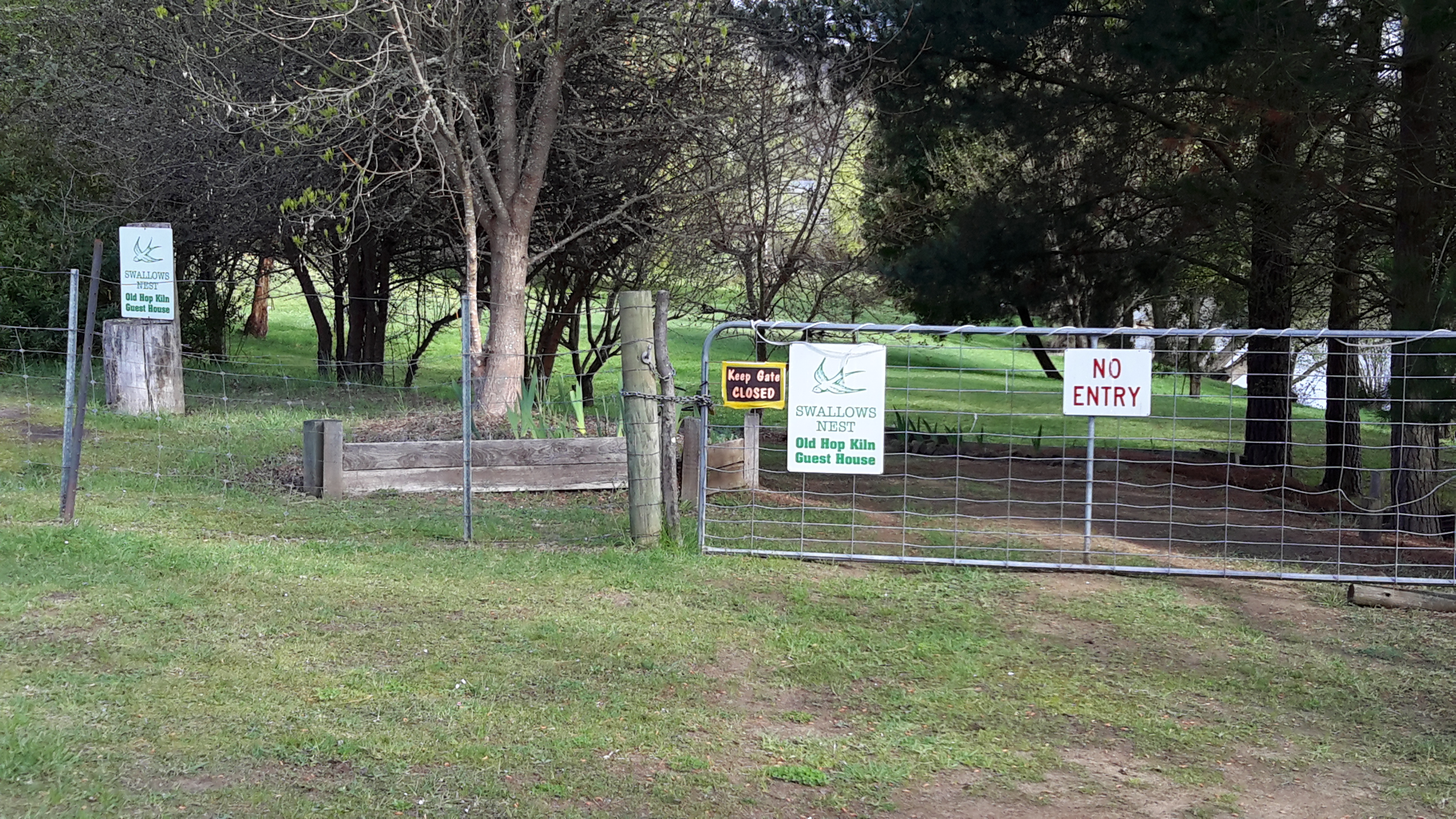
Barbed wire fences were not my only barrier to accessing the Derwent River.  Gates presented insurmountable challenges.  Almost all gates that I arrived at were padlocked. That hasn’t always stopped people accessing a property because the use of strong square wires or other metals in gate construction usually helps you with a footing to lift up and over the top.  Not so with many Derwent Valley farmers’ gates.  The new gates either are ringed in barbed wire or are wrought iron with high straight verticals which provide no place for feet.  For me these were unclimbable.

20150918_075938

Very occasionally I came across older fencing that had minimal or no barbed wire and seemed very climbable. But alas. These fences had an additional strand attached; an electrified line. Intended to keep the cattle in and from trampling fence lines, these electric fences were an absolute barrier for walkers like me.

20150918_091409

In places, farmers had cleverly left overgrown tangles of thorny blackberry canes that extended down paddocks and into the river, as an impossible barrier near their fence lines.
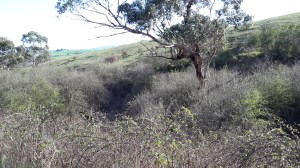
20150918_082523

I came across signs such as ‘Private Property’ and on one occasion the sign warned that ‘Trespassers would be prosecuted’.

20150917_140110 20150918_090514

Even access was limited to the very open Sports Ground at Bushy Park, one which contains almost no infrastructure. This Sports Ground edges the Styx River as it flows into the Derwent River.

20150918_114143

The sign pictured below was particularly annoying because it was suggesting that permission might be given if a request was made. However, I couldn’t get access to ask for permission to walk across the land.  Once on the spot, there was no way to discover who the landowner was and then to somehow connect with them using technology.
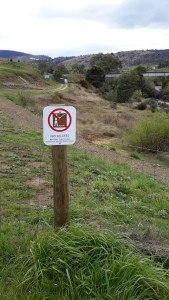
20150917_114101

On a particularly wonderful luscious green hill that wound around the Derwent heading for Gretna, one where walking close to the river would have been a great pleasure, the sign ‘Trespassers will be shot’ was a strong deterrent.
20150918_125443

During my walk I had decided that perhaps anglers had not respected the limited access they were given to the River at key points, via styles over fences. I mused that perhaps fishermen had strayed further than permitted, wrecked fences and generally not left the land as they found it.

20150918_083233

Blog follower Jo told me a story of how a few men had prearranged with a landowner to come and fish in his dam. After their weekend of fishing they emailed the landowner with thanks for the opportunity to take home 50kgs of fish. Needless to say, this greed was rewarded by the owner telling the fishing party never again to ask for permission to enter his land.

Later at the Gretna Green Hotel where I waited for the bus back to Hobart after completing the Stage 15 walk, I talked with a local about the reason for the impenetrable barriers to properties.  Apparently wood lifting, and cattle and sheep rustling used to be rife in the Derwent Valley until farmers closed their borders.  Not only would people drive onto properties to chop down trees and collect sufficient fire wood for their own personal needs, they would bring trucks in and take loads away to sell.  All without the permission of the land owner.  Similarly, whole cows and sheep would disappear in their droves overnight.  Regularly.  Modern day farmers’ costs are high, their income comparatively low for the hard work they put in, and so they were unprepared to subsidise the living of others. Their fences and gates have become good barriers – not perfect, because occasionally some unscrupulous wanderers bring bolt and fence cutters.  Nevertheless, as a walker with no intent to leave my mark on the land, I cannot proceed.

In my last steps walking into Gretna, I passed the two paddocks through which I envisaged Stage 16 would start. But both had impassable fences and gates with padlocks.  For the next stage, which was expected to cover the area from Gretna to Hamilton via the river, there are at least 4 property owners and who knows how many padlocked gates, bramble congested river edges, barbed wire and electric fences. It is not realistic to ask owners to come and unlock the padlocks and then relock them after I pass through.

While it is true, and you will read details in future posts, that I did access the river from time to time during Stage 15 and experienced some wonderful locations, for most of the walk I was deeply depressed about the limitations under which my project is being placed. I am pleased that writing this post has helped purge some of that anger and frustration. Now that the situation has been recorded, I feel much more ready to be positive again and determine a new way  to reach my goal.  The goal remains the same, but the process must be modified.

How many square miles?

I do not know the area of land over which I have and will walk along the Derwent River.  And I do not care to find a definitive answer. That’s the sort of fact which doesn’t interest me.

However, I am fascinated to learn that there are 196,939,900 square miles of Earth to explore. So I made a slippery calculation – and determined there is less than 30 square miles per person on our planet.  Take out the area of deserts, and the too high mountains, and the number drops lower. The world’s population is growing rapidly so I strongly recommend you get out and walk your local beaches, parks, bushland, or sail the rivers and seas.  Enjoy these outdoor spaces while you can.

Almost two years ago I visited Hong Kong and walked the city streets with millions of locals in what was claimed to be the most densely populated suburb on earth. But even Hong Kong has thousands of acres of amazing parks, beaches and nature reserves all of which have walking trails in or around them.  All you have to do is to find your special natural places whether they are located in rural or urban areas.

Tasmanian Writers Festival in Hobart

Through last Friday, Saturday and Sunday I participated in workshops and attended discussion sessions presented by individual and groups of local, national and international writers.  Three wonderful days. The venue was perfect, the scheduling of sessions was well timed, the selection of guest speakers provided a rich cross-section of approaches and ideas, and the administration each day by the staff and volunteers associated with the Tasmanian Writers Centre was seamless and seemingly trouble-free.

In particular, I was alert for approaches by which I might turn my walk from the mouth to the source of the Derwent River into a fictional account once the walk is over. Throughout the weekend, I was reminded that the clichés of real life have no place on the page of a novel, that I must stop emphasizing the factual and place emphasis on the underlying emotional and troubling aspects of the story, and that links between the events of the walks could be made on the basis of association rather than chronology. Overall, it seems I should write to bind a reader to the experience not the facts, and that it is best to do so by following a chain of emotional connections. Easier said than done, however these ideas give me a basis on which to start thinking about how the story might unfold.

Memorable sentences from the Festival include:

  • Stand back from your real/true story and view it as a reproduction; as a photo or video made by someone else.
  • What is in memory is not necessarily real.
  • By assigning characters to aspects of the bush / the landscape we shape our own characters and beliefs.
  • Where you stand influences what you see.
  • Real experience is not necessarily a personal experience.
  • The unexpected makes the invisible visible.
  • Use secondary characters to make main character more plausible.
  • If you have a lot of backstory then you have started too late in the story.
  • It is better to write about something you are apprehensive about.

In one session, internationally renowned author Robert Dessaix remarked that he ‘liked himself in India’ and Paris but not in Rome. I liked myself at the Festival venue Hadleys Orient Hotel Hobart for the duration of the Festival.  I believe I will like myself even more in the vicinity of the Derwent River when I walk the edge during the coming days, on the first stage since April.  Spring has arrived!

From the sea to the source; stories of a river on the other side of the globe

Two years ago, Helen Ivison published River Derwent: From Sea to Source (Amberley Publishing).

 Ivison River Derwent

 The promotional puff declares this book ‘brings to light tales and stories of fascinating events, landmarks and people. River Derwent: From Sea to Source is essential reading for anyone who knows this river well, and also for those who are visiting the River Derwent for the first time.’  But what is the author referring to?

Hers is the Derwent River in the Cumbrian region of England which flows from the mountainous Lakes District in two strands, one of which starts near Styhead Tarn. The two strands meet at Grains Gill, and continue in a north easterly direction as a single river towards an expanse known as Derwent Water. The river passes through this ‘lake’ then eases into a north westerly direction across country before flowing onwards through Bassenthwaite Lake. Finally, the English Derwent River turns westwards and empties into the Irish Sea.

By contrast Tasmania’s Derwent River flows generally in a south easterly direction from Lake St Clair, through steep narrow gorges, curving around farmlands, before passing between the two sides of the Greater Hobart Area into Storm Bay. The man-made lakes of Lake King William, Wayatinah Lagoon, Lake Catagunya, Lake Repulse, Cluny Lagoon and Meadowbank Lake all disrupt the progress of the River. These lakes have resulted from dam building as part of hydro-electricity generating projects over the past century.

The length of the Derwent River

Past readers of Frequently Asked Questions know that I have not been able to discover the ‘real’ length of the Derwent River.  In conversation recently with blog follower Yo, I was reminded of the challenges involved with determining river lengths.

If a river empties into a sea by more than one waterflow, then which is the ‘real’ river? Do we say there are two river lengths for the same river in such a circumstance?

If a river enters into a bay which opens onto a sea, where does the river end?

If the mouth of a river is a complex delta receiving silt flows and forever changing, can we pinpoint the location of the river mouth? At which time could a reliable measurement be made? No and never, are the answers to these questions.

At the source, rivers sometimes start with a dribble of water oozing from the ground. Is that enough to be able to define the water source as a river?  Some rivers pour from Lakes. Is the middle of the lake the start of the river or is that bank over which the water leaves the Lake, the official starting point? If a dam has been built at the junction of the lake and river, then the starting point may be the water at the top of the dam or at the bottom of the dam – leading to a different final river length.

What about rivers such as the Nile River which have at least two waterflows starting inland and which then meet to form one river?  Which waterflow counts towards the measurement of the river’s length? Or does the river start where the two or more waterflows merge?

Rivers do not travel in neat straight lines so should we measure the distance along the riverbank? If so, which bank?  The shape of the shoreline on either side of a river can be markedly different from each other and one side is usually longer than the other.

How about measuring the length of the river taking a centre line? Will that give the most accurate measurement?  This is the preferred method, however many of our measuring devices are straight – think ruler, think tape – so how can we make a reliable measurement?

On the first day in December 1873, the Commissioner of Patents for Inventions under England’s Patent Law Act 1852 recorded Edward Russell Morris’s invention of a pocket instrument which could measure distances on curved lines.  Since the 19th century, various variations have been developed.

If you check on EBay online, many historical versions of Opisometer Curvimeter Meilograph Map Measurers have been photographed, and are offered for sale. Opisometers have a tiny wheel at one end which, when rolled on a map along a road or river, connects with a graded scale in either a straight or circular format to read a distance. The unit markings refer either to kilometres or miles. You can watch a demonstration of one of these measuring tools on You Tube .

A bushwalking friend purchased an Opisometer many years ago and lent it to me so I could ascertain the length of the Derwent River more closely.  Today I used the Opisometer by rolling it on my maps, along an arbitrary ‘line’ in the centre of the river.

20150828_125903

After using the Opisometer on all seventeen 1:25,000 maps that cover the Derwent River, it seems the length is 214 Kilometres (refer to Frequently Asked Questions for a table showing the breakdown per map).

Based on my measurements today, so far I have walked against 61 kilometres of that length.  I can see that any previous measurements reported in my blog, have been wildly inaccurate – generally too low.

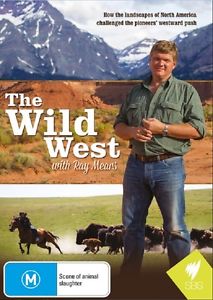
Wild West with Ray Mears

Blog reader, Be, alerted me to the third in a BBC program series, ‘Wild West with Ray Mears’. This episode focused on mountains and followed Mears travelling through the Appalachians, the Rockies and the Sierra Nevada to evaluate the landscape and its effect on the early European settlers as they moved west in North America.  Be indicated there was river edge walking and this reminded her of my quest to walk along the Derwent River in Tasmania – so I was eager to watch the documentary.

Ray Mears and Wild West DVD cover

I found that Ray Mears did access various rivers and streams to emphasize parts of his story, but direct connections to my walking project were slight. However, I found his story to be important because it has prompted me to ask new questions about the Derwent River and its most recent European settler history.  Hopefully others have already conducted research and can supply me with some answers – any leads will be welcome.

  • After initial settlement in Van Diemen’s Land at Risdon on the Derwent River in 1803, what was the nature of the westward push along the Derwent River by European settlers? Do we have names of the people and families of those who moved west? What are the dates associated with these movements?  What are their stories?
  • Why did they move along the River? Did they stop and set up camp, house or agricultural property? Do those buildings or farming properties still exist?  Is the land now in private or organisational hands or is it Crown Land? Or were people only passing through?  If so, what was their intended destination? Did people moving inland along the Derwent find some parts of the wilderness edging the River made their further progress impossible so that they moved away from the River? What are the movement stories?
  • To what extent was the River used for transport between Lake St Clair and New Norfolk? Where and when? What was transported on the River? Can anyone name ships/boats that were used? Were there recognised ferries across the River above New Norfolk?  I know the Derwent River has a series of rapids further towards the source.  Did these inhibit river travel?
  • In the rivers of the United States’ Rockies mountains, the ‘mountain men’ trapped beavers for their fur. Their fur was used to create a strong felt which could be used for those increasingly tall hats that were fashionable in the 18th century. What was the nature of any trade in possum skins and those of other animals that might have persuaded hunters to walk the Derwent River?  What are their stories?
  • Massive removal and usage of natural resources supported the westward movement of European settlers across America. When did forestry operations and logging commence west of Hobart in the Derwent Valley and how was the Derwent River used to support those operations? What mining expeditions and investigations were made along the Derwent River? When and by whom?  What were the outcomes of these searches and trials and finds?

Ray Mears met with a muleteer who explained why he loved being in the wilderness: ‘I leave no trace as I pass and just move through like a shadow’.  I hope that is how I walk.

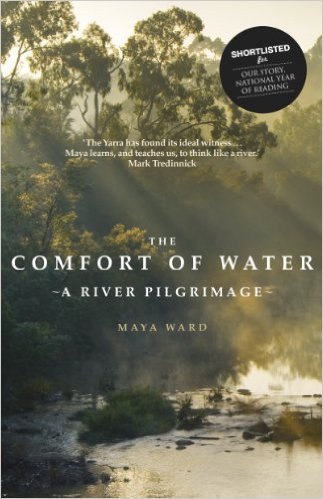
The Comfort of Water – a River Pilgrimage

Maya Ward’s story of walking from the mouth to the source of the Yarra River in Victoria, Australia (The Comfort of Water – a River Pilgrimage, Transit Lounge Publishing, Yarraville, Australia) was published in 2011. Maya Ward says, ‘There were many reasons to start where the river meets the sea. We knew where the sea was, but we didn’t know the location of the source, so we needed to follow the Yarra to find it. We’d start from where we live and what we knew to walk into the unknown.’

The Comfort of Water book cover

This was a continuous walk over three weeks made with a changing collection of friends, backed by a support crew, and with an assortment of accommodation pre-arranged for the end of the each day.  Maya Ward undertook preparation prior to departure to the extent most of the landowners along the length of the River were contacted for permission to walk across their land.

The two main themes of the walk, and therefore the book, were the environment and indigenous practices and history (Birrarung in the Wurundjeri language).  Intertwined, were the author’s personal reflections and philosophy as well as some of her life story in which she seemed devoted to cultural and ecological political activism at a community level.

From time to time, the author offered simple ideas which I found very attractive. For example, ‘I liked the wind – it stopped us talking.’ … ‘A story is like the wind – it comes from a far off place, and we feel for it.  So says the Kalahari Bushmen …’, ‘Grandma knew, I think, of the comfort and the intimacy to be found among trees.’, and ‘The watching is just the start of something.’

I am pleased to have discovered this book because Maya Ward’s approach has made me consider that the history of Tasmanian indigenous peoples has not been evident in my posts during my walk along the Derwent River. In fact, I have been remarkably ignorant of the nature and practices of the original inhabitants prior to European settlement on the edge of Tasmania’s Derwent River in 1803. I am now interested to know more and it occurs to me that blog readers might also be curious.  To rectify this gap in my knowledge, I have set myself a new project (I do like projects) to find out if I can discover information relevant to the Derwent River that is reliable and authentic.

United effort for a clean River Derwent

This morning’s local newspaper The Mercury published a story about cleaning up the Derwent River. Please check out the site, at least to see a grand picture of the Derwent with the eastern shore in the distance, the Tasman Bridge and swimming black swans in the foreground. Go to: http://www.news.com.au/national/tasmania/united-effort-for-a-clean-river-derwent/story-fnn32rbc-1227069149722

You will read that the Derwent Estuary Program, established in 2001, is an attempt to reduce heavy metal contamination, encourage better urban planning to reduce river pollution and conserve animal habitats. There are some significant industrial sites such as Nyrstar zinc works and the Norske Skog paper mill located on the edge of the River, all of which I will walk past at some stage as I walk the River’s length.

Stage 3 Walking from Trywork Point back to the suburb of Tranmere 20 September 2014 Posting 3 of 6

I left Trywork Point at 10.30 am intending to walk back along the edge of the River in order to determine what could be achieved without walking on private land. I am delighted to say that the low rocky foreshore from Trywork Point is very walkable if you wear strong ankle supporting boots. Of course it is slower than walking the cattle tracks but quite spellbinding.

20140920_110119

I did come upon one section as shown in the photograph above of rocks that rose in the air, and I couldn’t descend (it would be perfectly easy to ascend if walking towards Trywork Point by the rocks, but long legs are required to descend – and mine are short) so I climbed back up to a cattle track and followed that until I reached a gully – no water running and grassed over – where I could easily step down onto a large pebble beach.

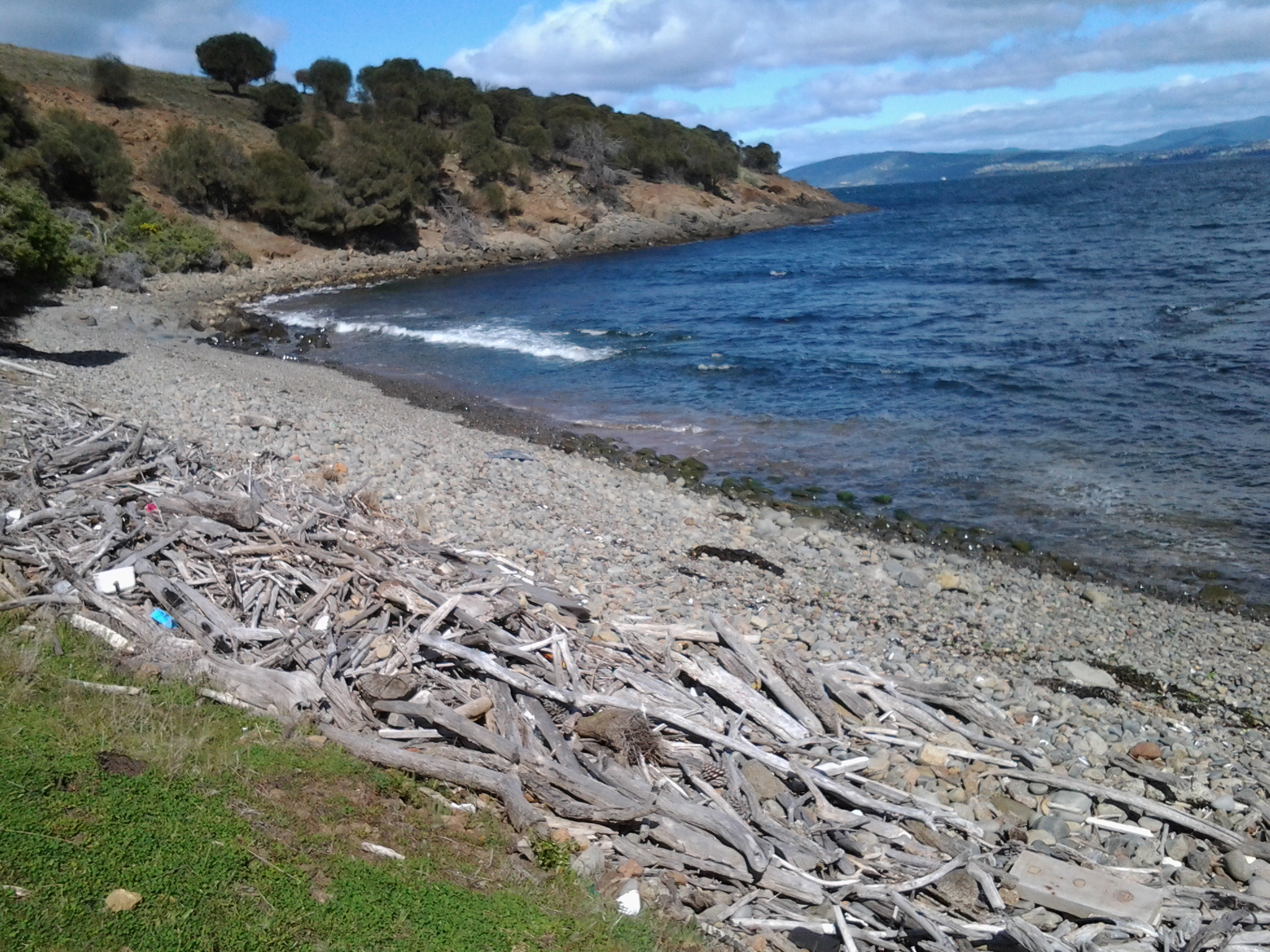
Smooth grey driftwood pieces in all sizes and shapes were washed up to where the pebbles met the land.

20140920_111446

The blanching shells of thousands of mussel shells and the occasional oyster shell fitted between the pebbles. Detritus, the flotsam and jetsam of human activity was interspersed across the beach. The remains of polystyrofoam containers, blue plastic containers, empty plastic drink bottles, beer bottles, and frayed ropes were typical. Attracted by its bright yellow colour, I picked up a perfect Spalding high-bounce ball which can be used when learning to play tennis.

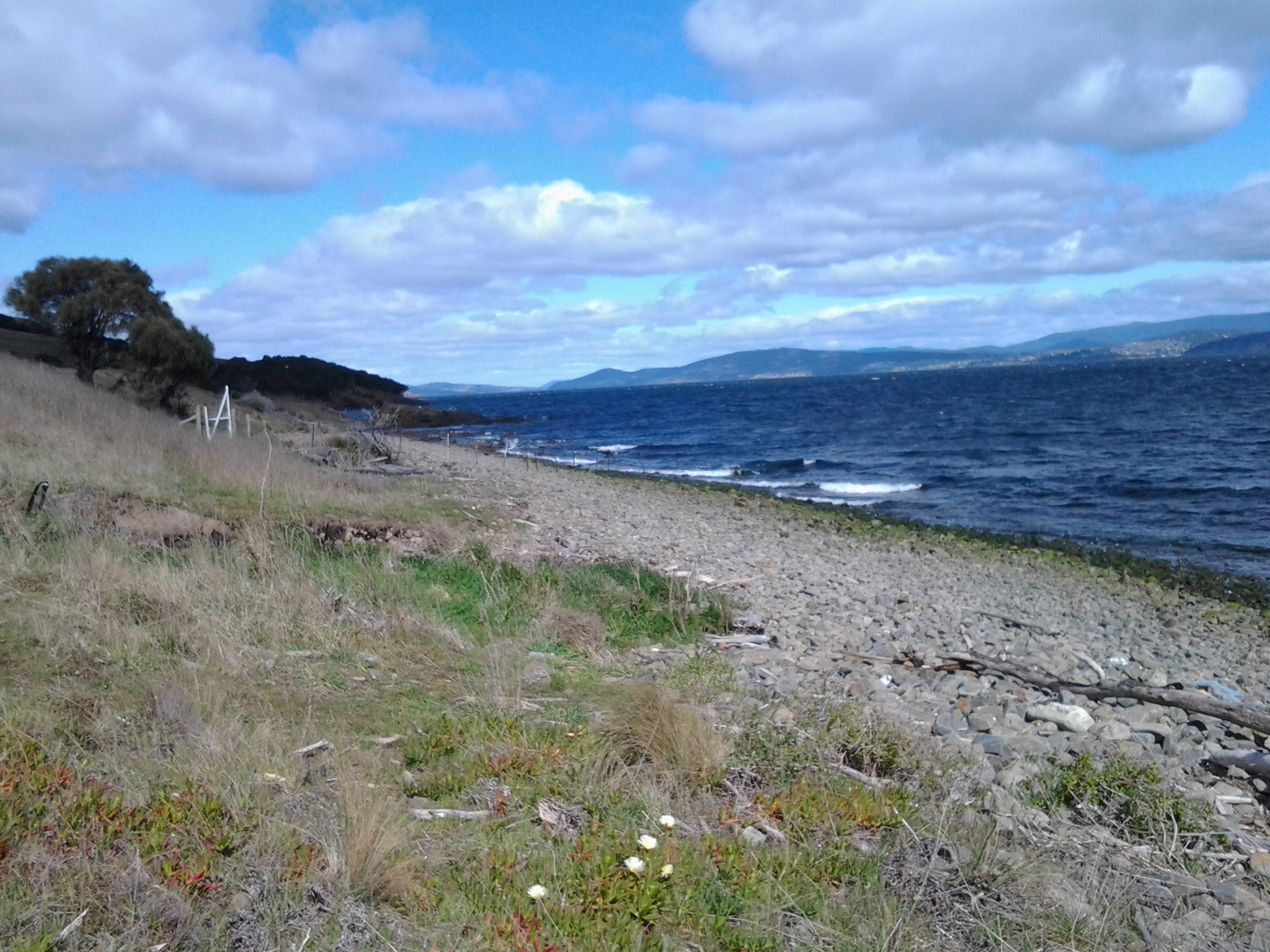
Around a tiny rocky headland I walked from the large pebble beach to a beach of smaller pebbles. All the while treading slowly as the stones rocked and rolled, and as pieces of rusty metals thrust up unexpectedly from below. At the northern end of this pebble beach, and as I neared the first houses of suburban Tranmere, a falling down fence crossed from the land over the pebbles and continued into the water. Once near the fence, I could see that someone had built a gate that swings in the wind, so that locals can access the beach from the suburban side of the fence.  I passed through the gate and continued on a home grown track for the occasional pedestrian traffic.  There were no signs here or around about indicating entry to the beaches and rocks where I had been walking, was prohibited.

20140920_112751

The white structure is the make shift gate through which I had walked.  Note that in the foreground a variety of native pigface fleshy foreshore plant are growing.  Today, the flowers were like jewels as they gleamed in the sun.

20140920_112746

When I looked across the Derwent River, Mount Wellington in all its magnificence towered over Hobart city. The pebble beaches and later pathways offered superb vantage points.

After walking for ten minutes from the gate, on the public verge above the river in front of many houses, I came to a public pathway leading uphill to the road; a steep concrete path that would be impossibly slippery when wet.  The pathway is located between 24a and 26 Vaughan Court and could be the starting point for a legitimate walk to Trywork Point via the rocky foreshore.