Category Archives: Walking

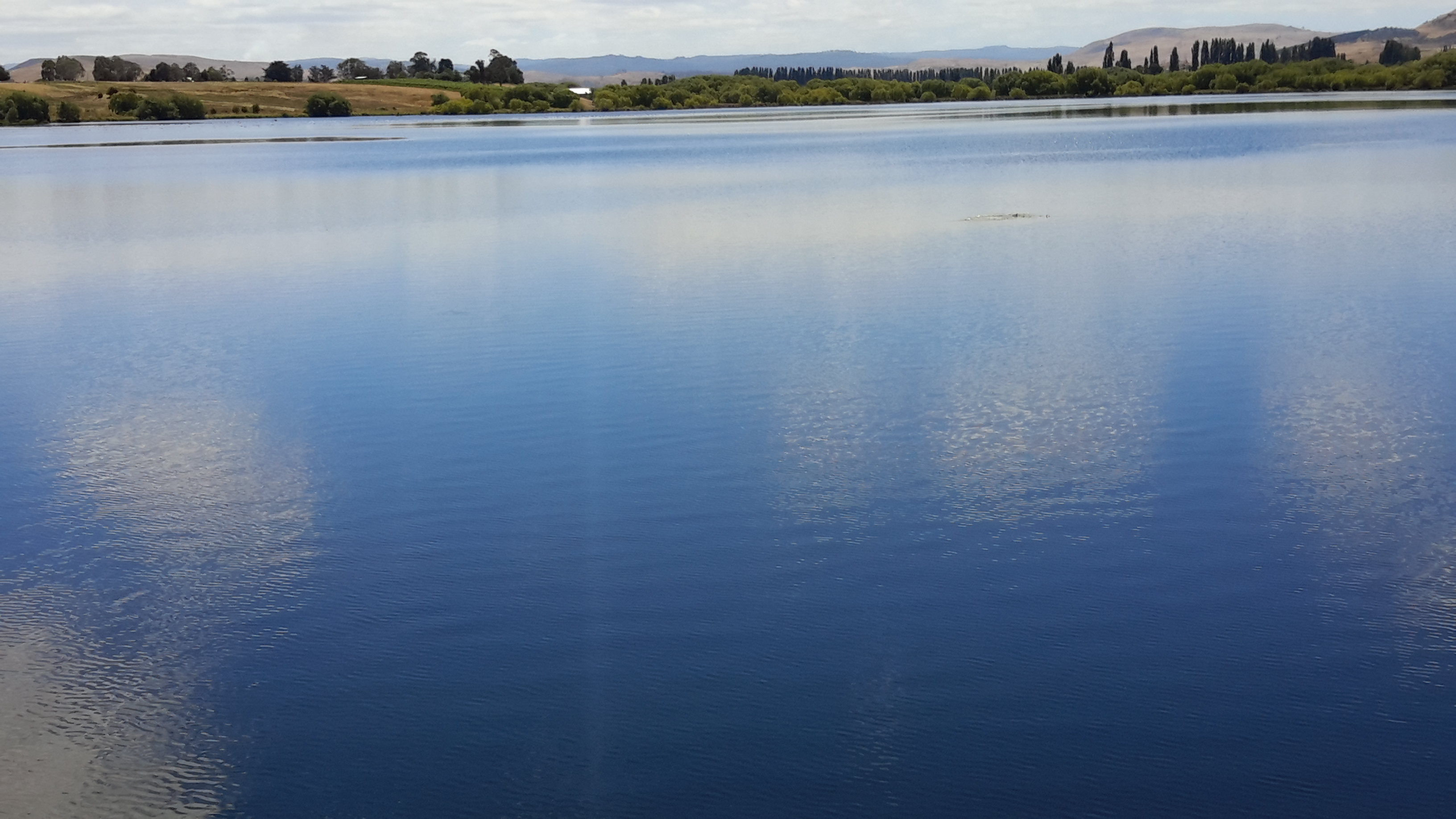
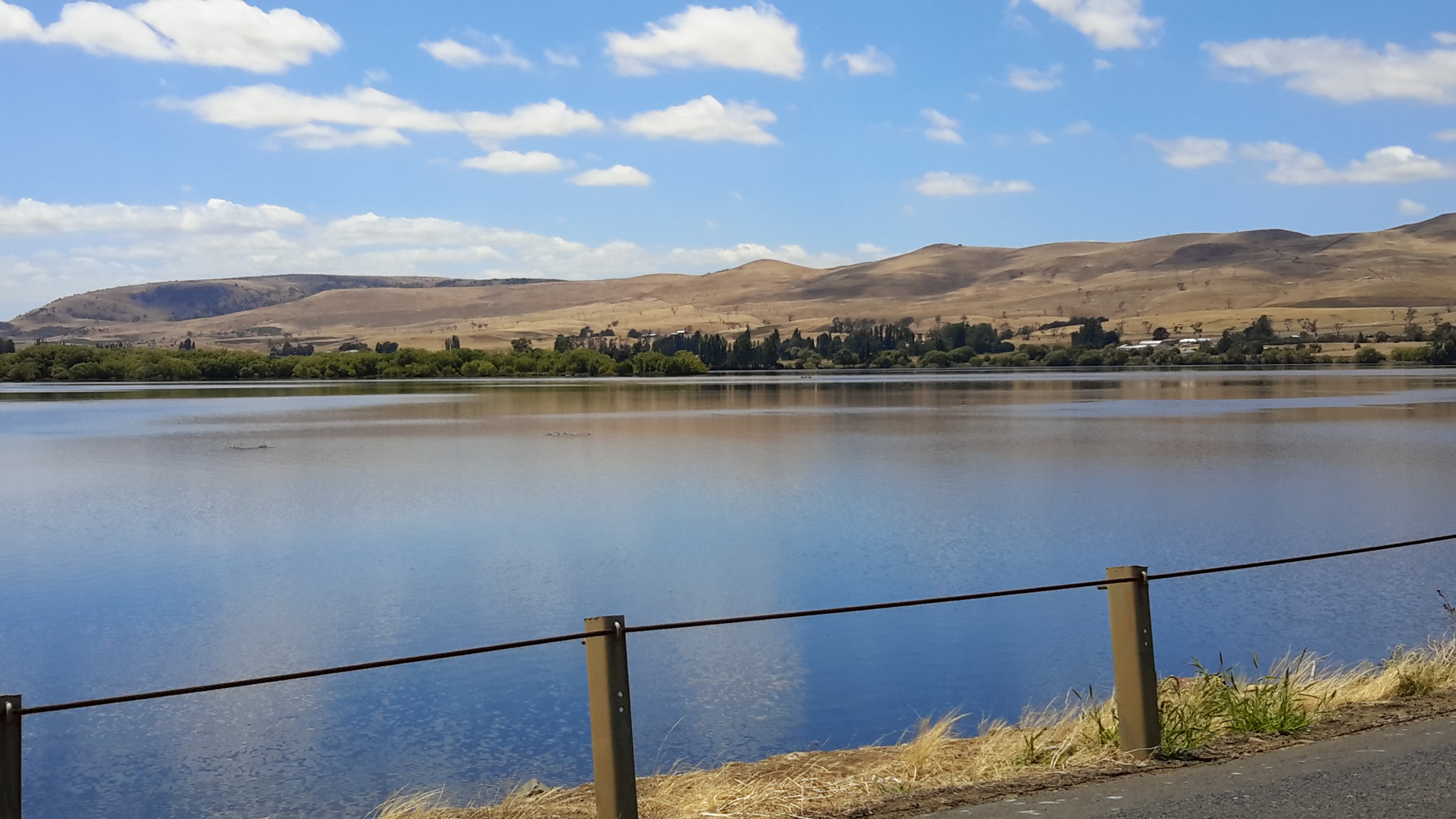
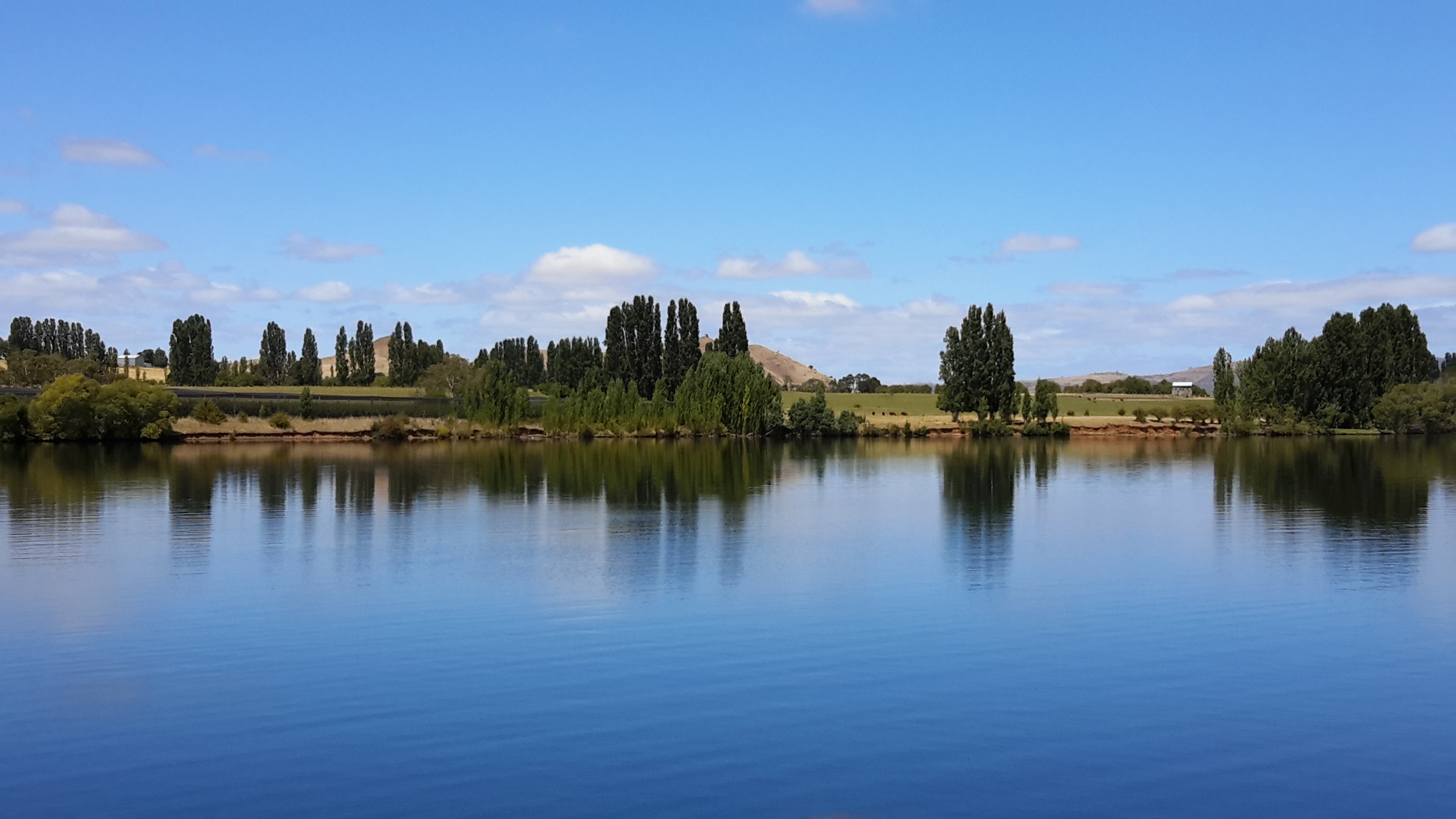
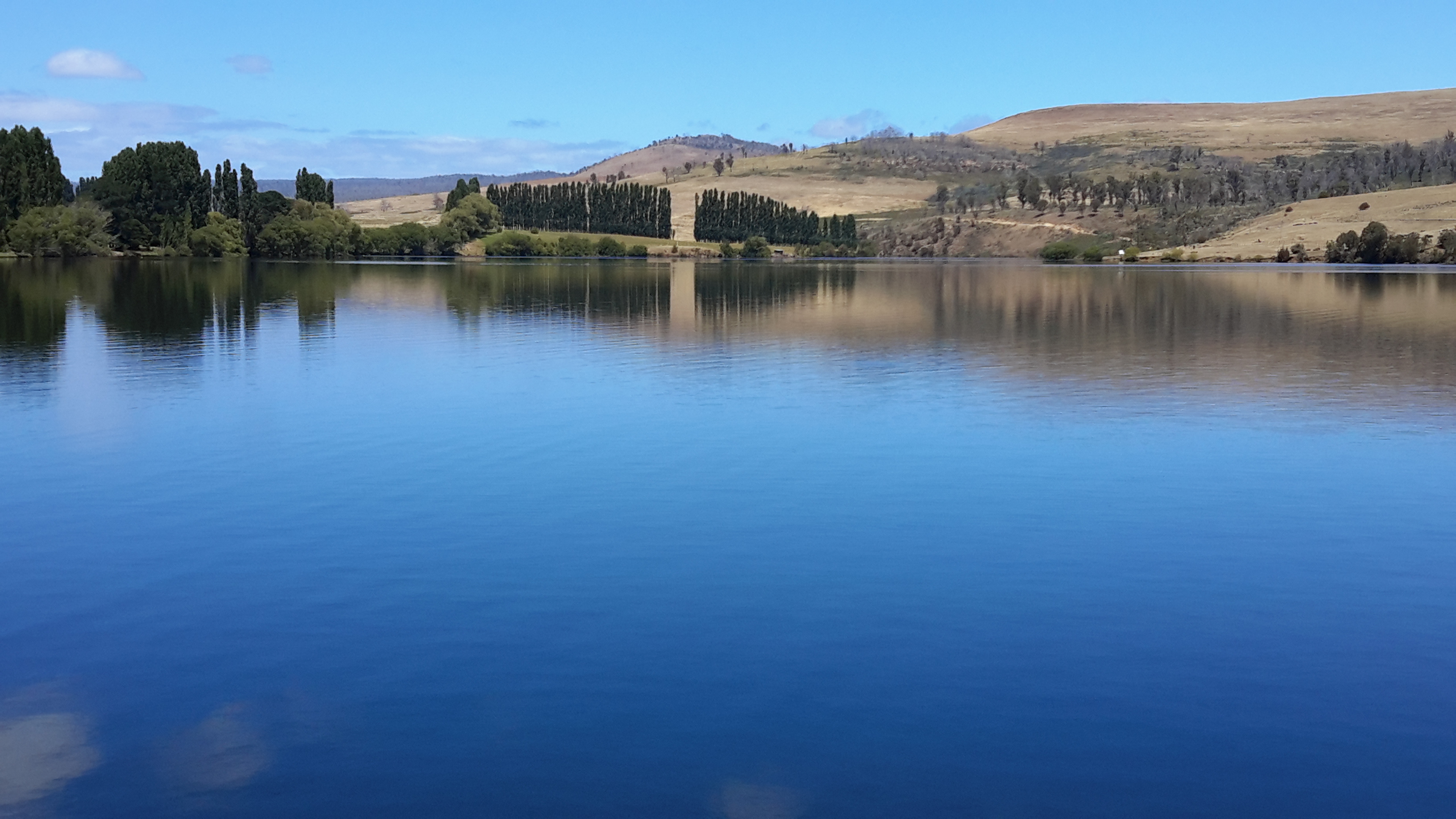
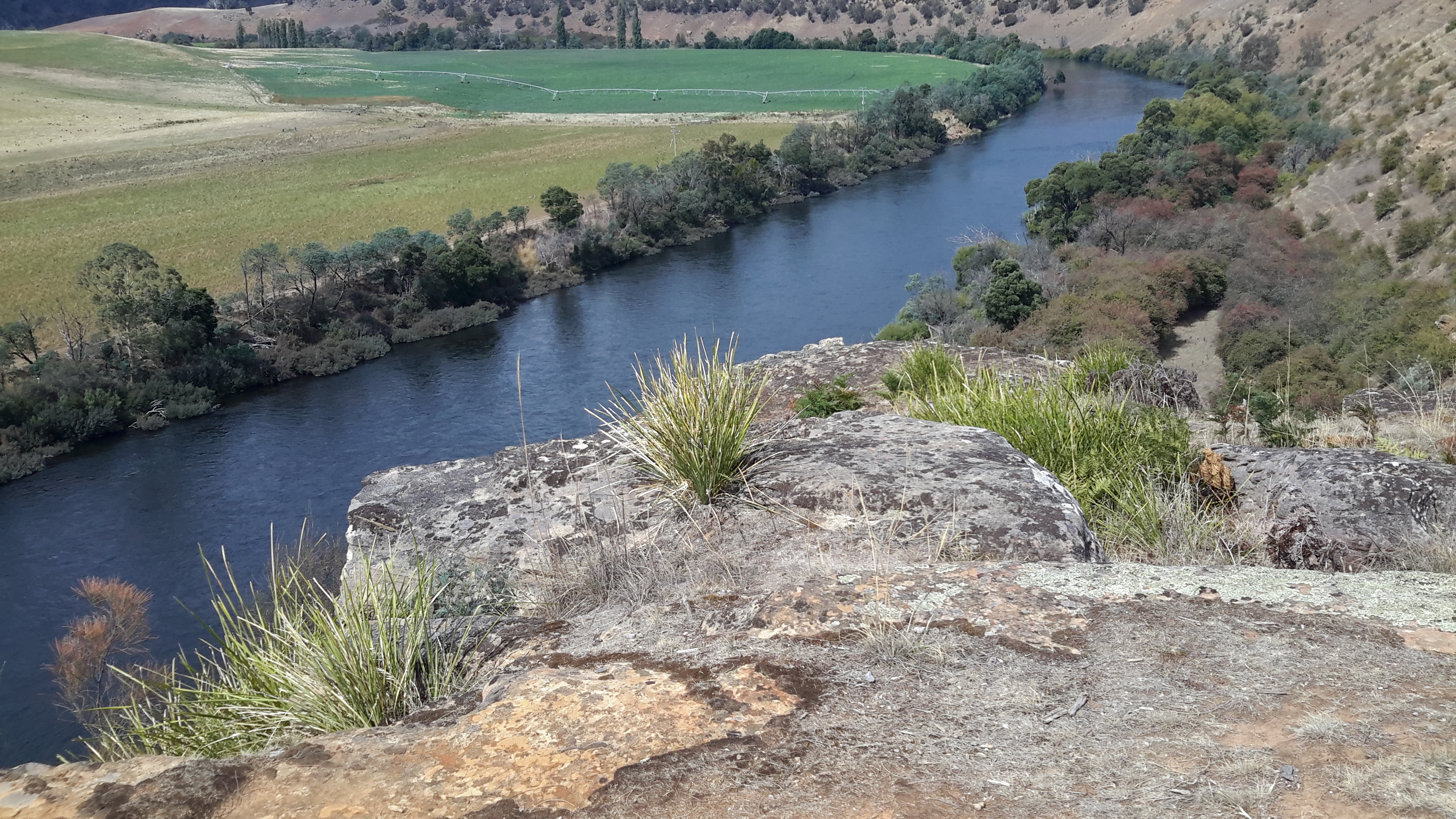
Glorious photos of Meadowbank Lake


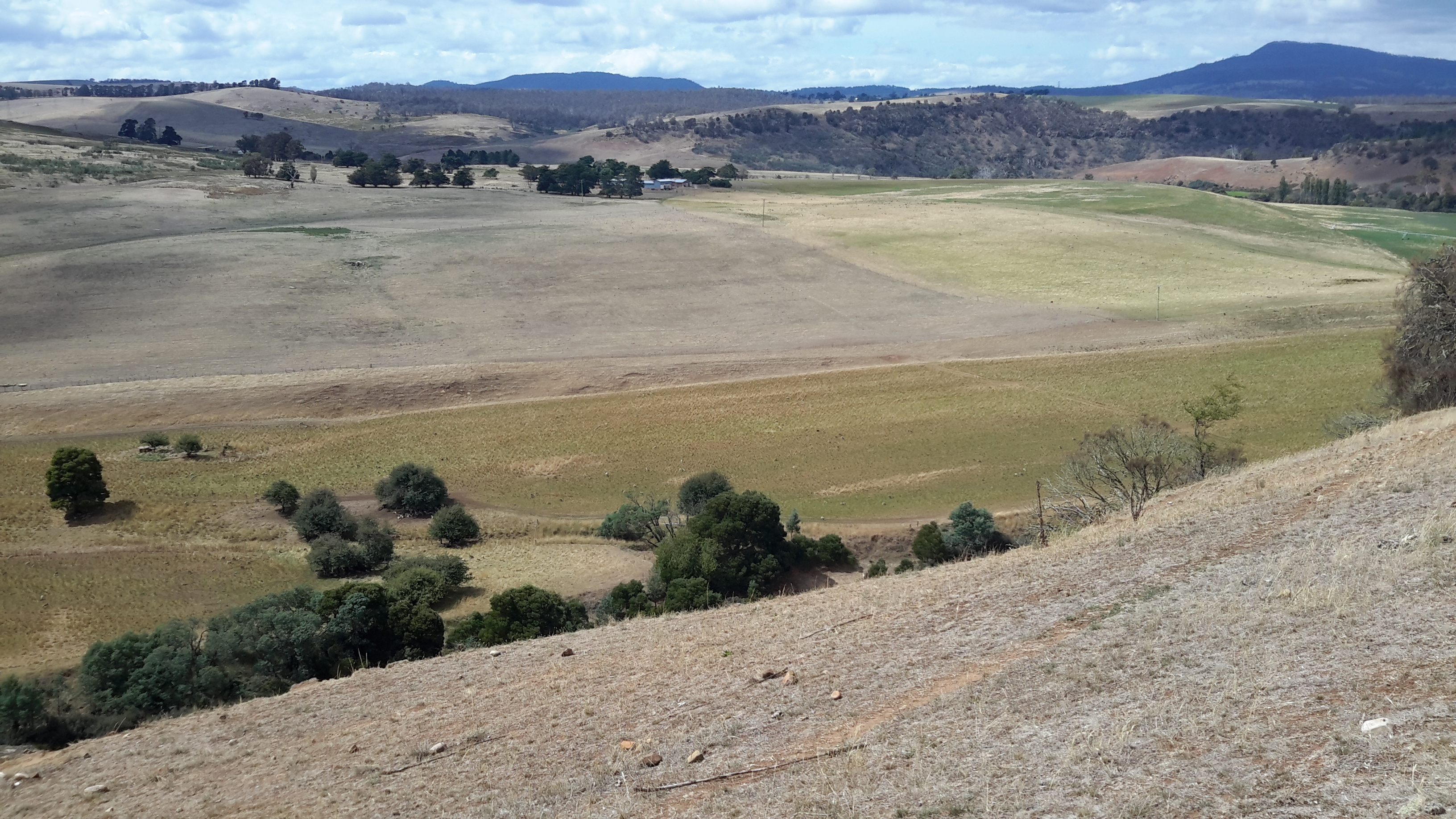
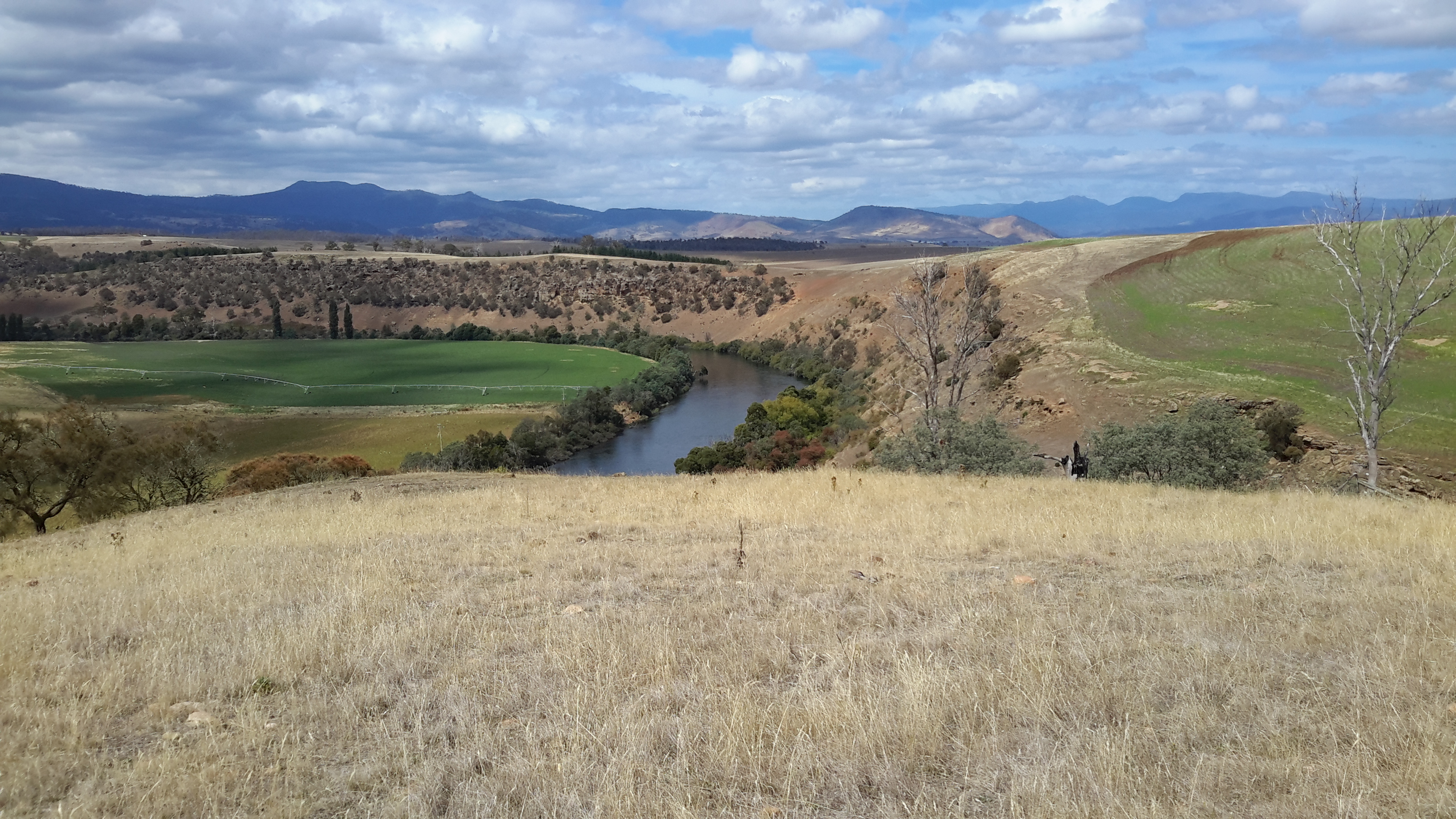
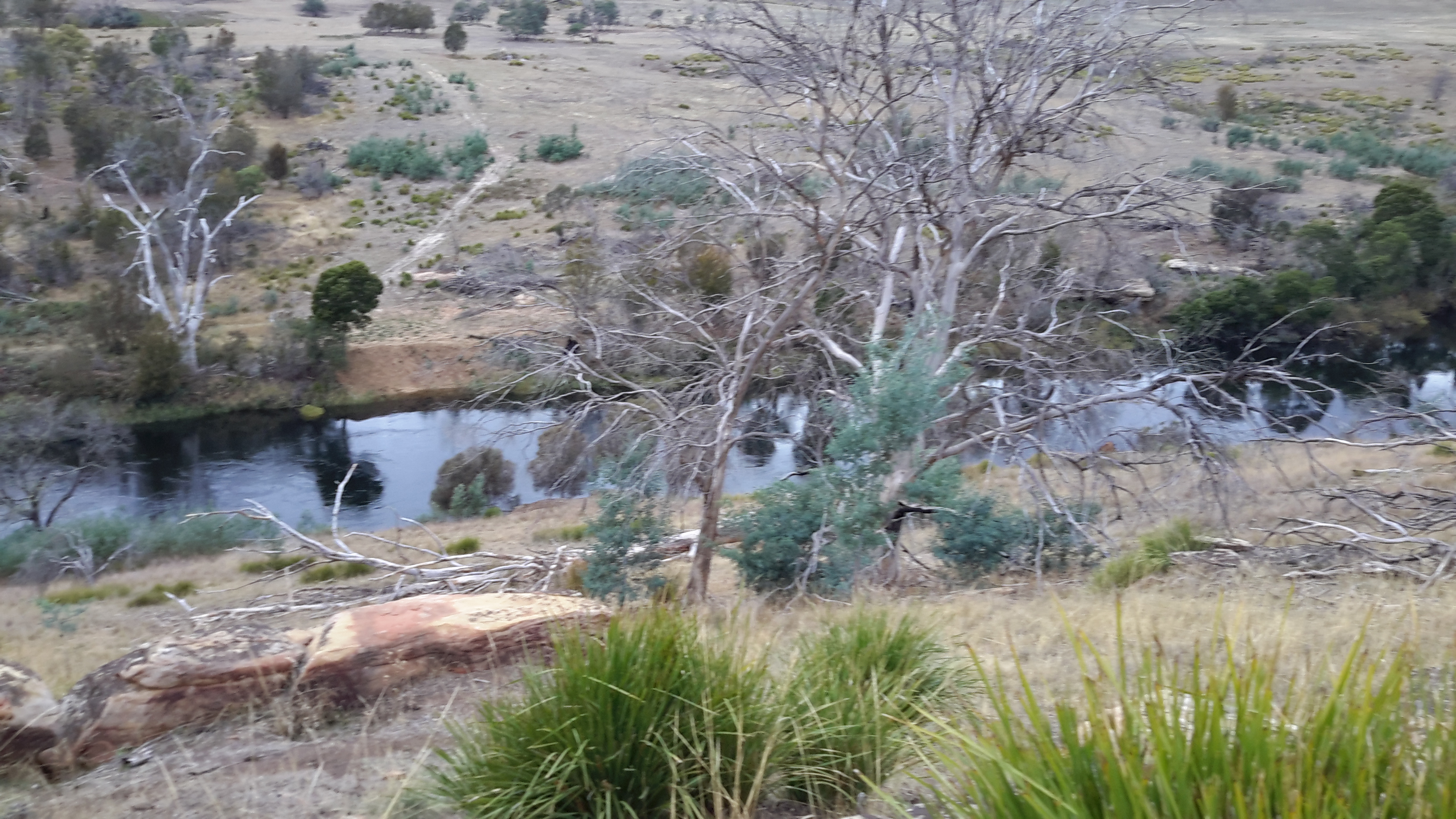
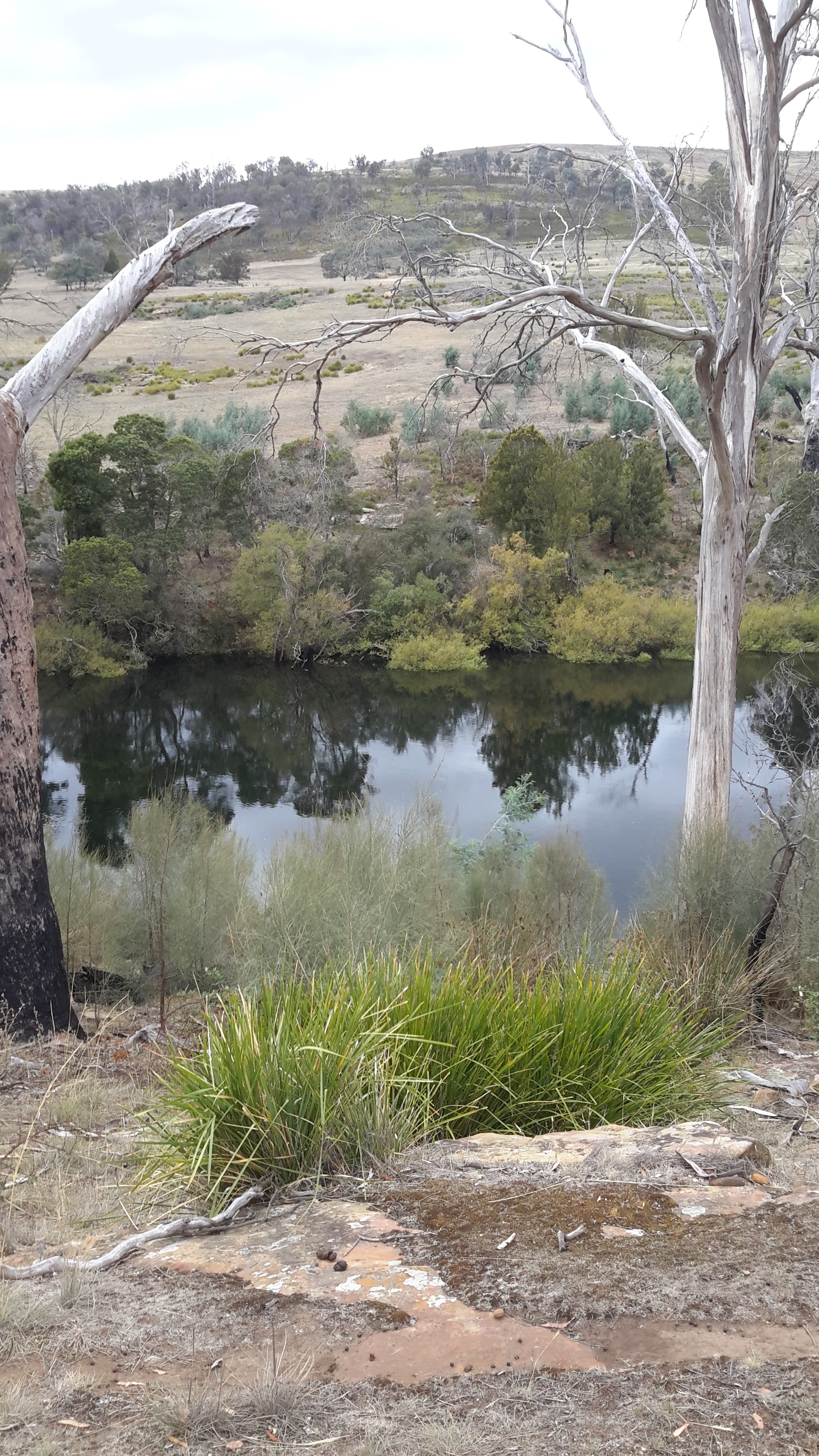
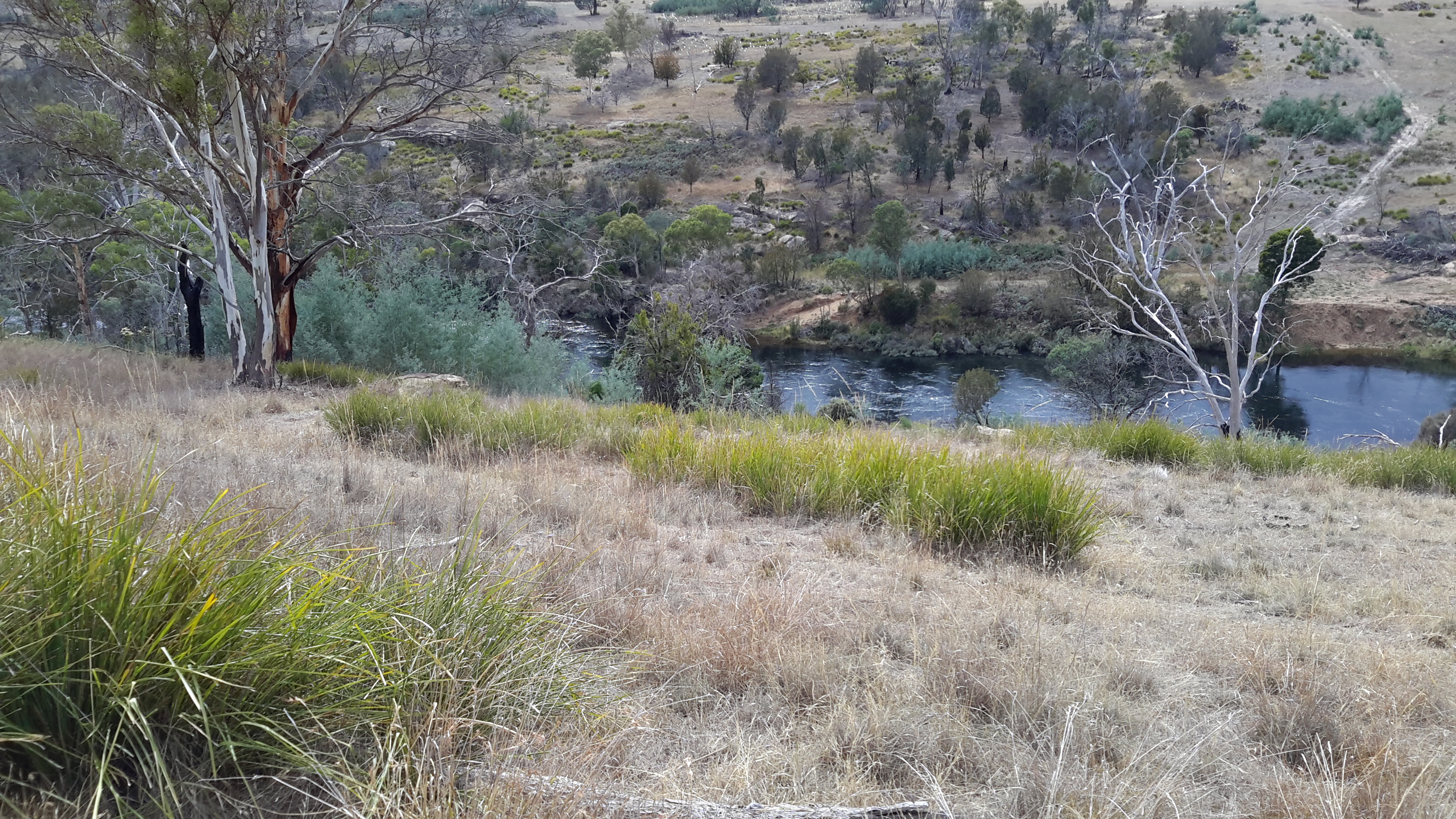
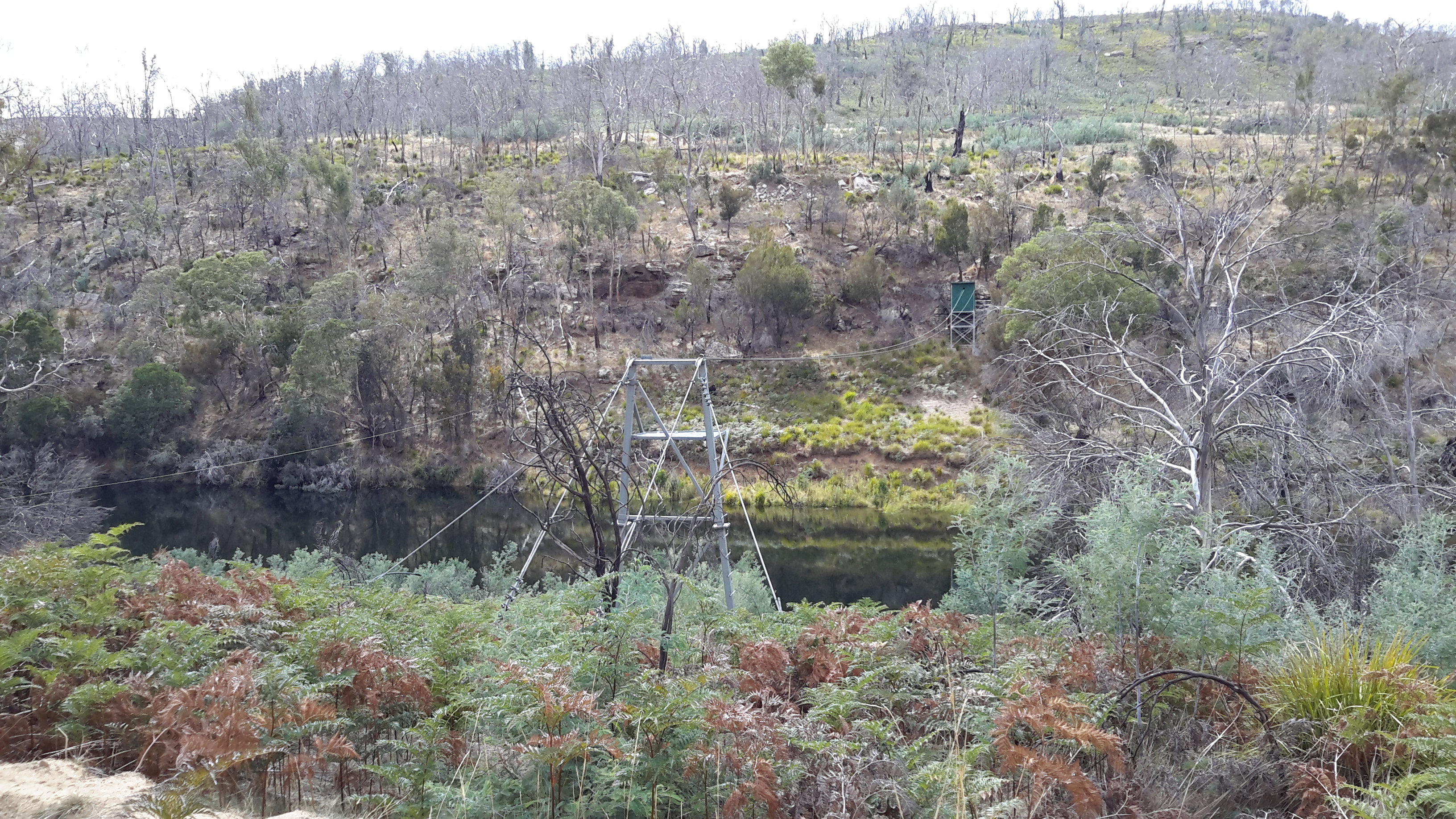
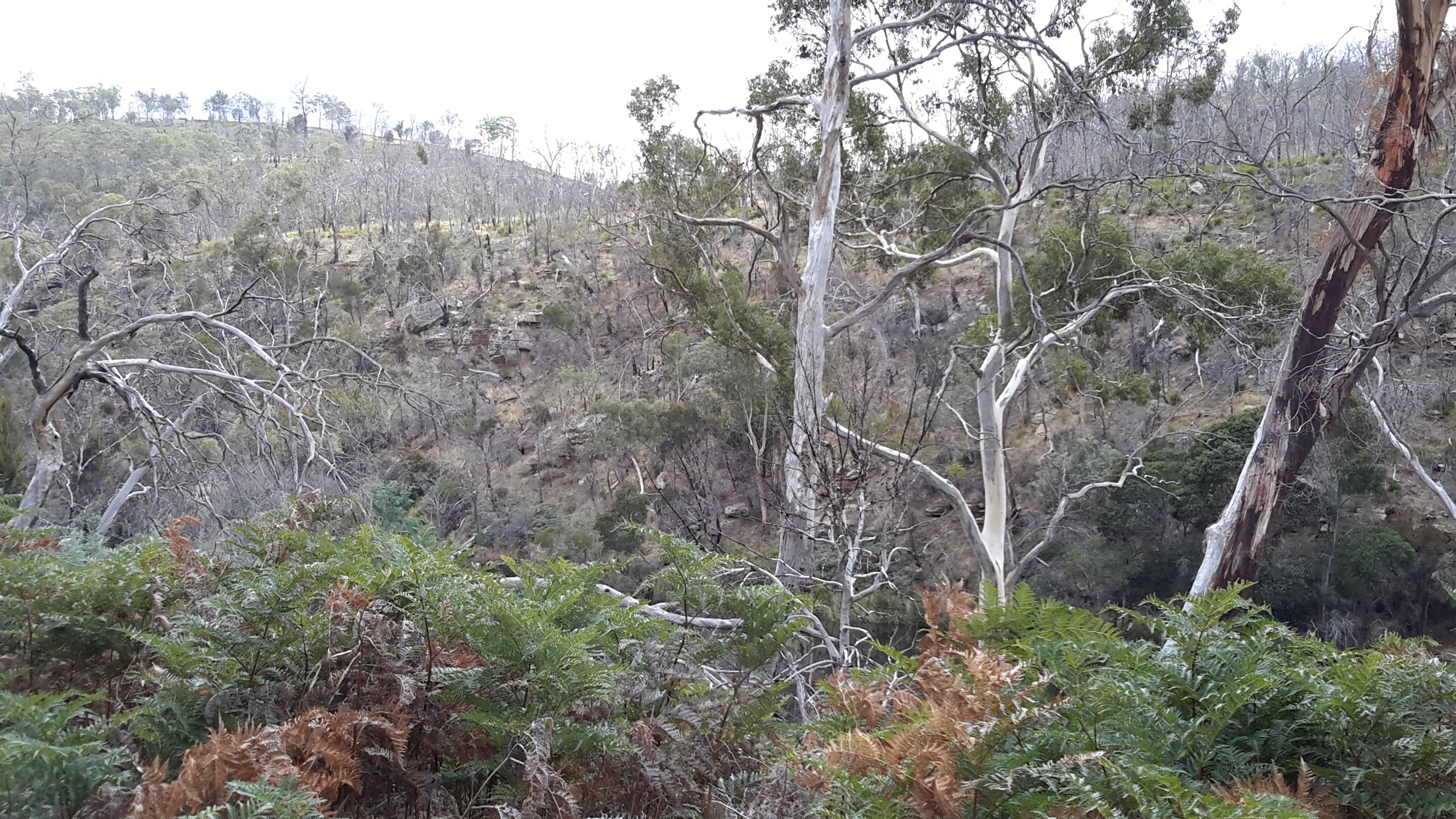
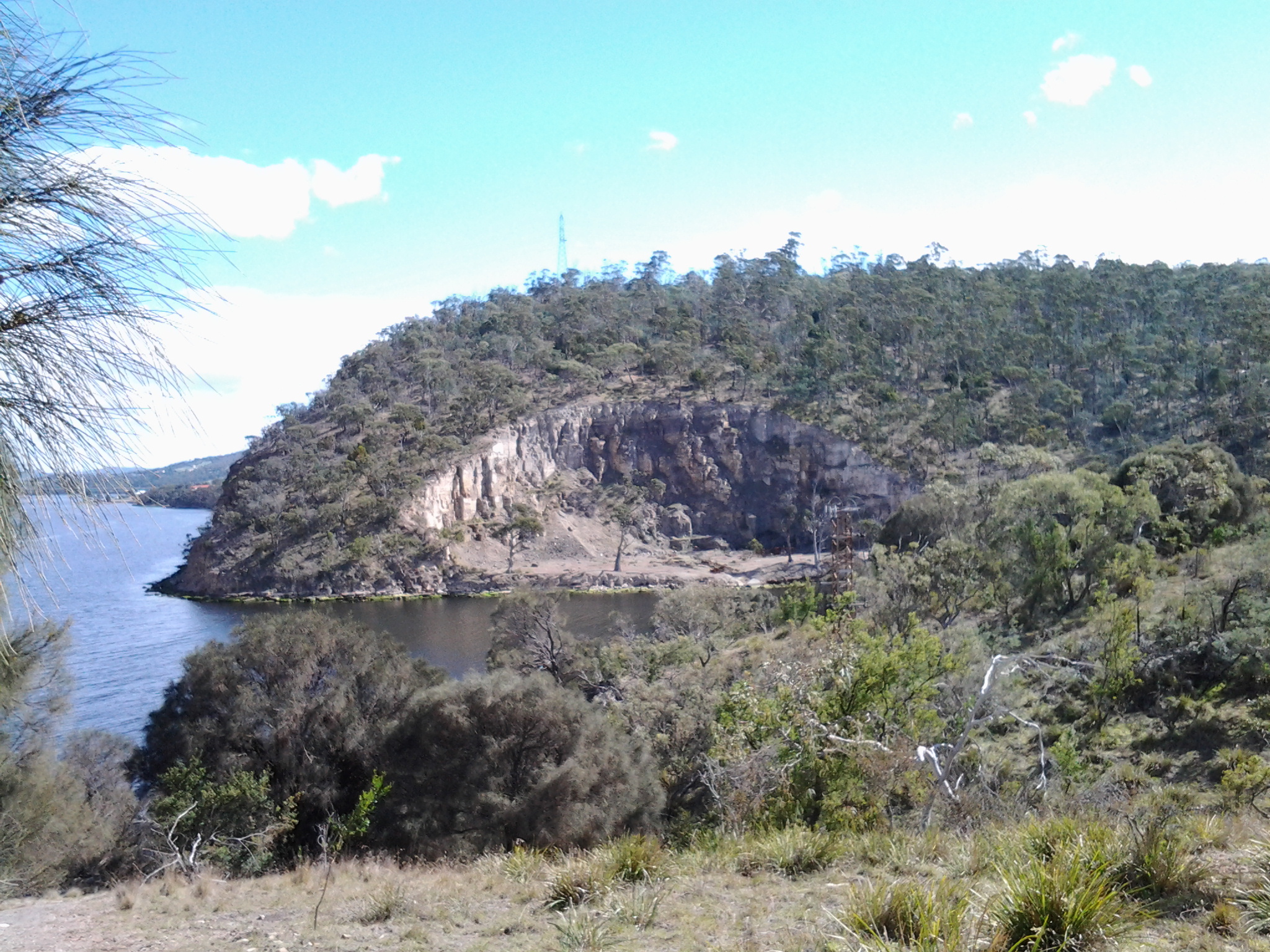
Meadowbank Lake is the last expanse of water that has been dammed for hydro power generation purposes, before Hobart.  A good, but narrow bitumen road (Ellendale Road) crosses Meadowbank Lake near its inland western extremity.

20160115_140312.jpg

20160115_140337.jpg

20160115_140356.jpg

This glorious sight is easily accessible from the Lyell Highway on the northern/eastern side of the Derwent River, or via the tiny towns of Glenora and Ellendale on the southern/western side.

Looking westwards:

20160115_140332.jpg

20160115_140329.jpg

20160115_140317.jpg

Looking eastwards:

20160115_140223.jpg

20160115_140304.jpg

20160115_140300.jpg

I have written about Meadowbank Lake before and previously included photos.  The photos in this post were taken one day after completing a walk further inland. I was being driven back to Hobart along the Lyell Highway, and then we deviated by crossing the Lake and proceeding to Ellendale to buy freshly picked raspberries and blueberries.

Only on one occasion have I passed by this Lake under cloud.  Even then, the more sombre colour of the Lake and the less vivid greens, greys and beiges of the landscape were still most attractive.  There are picnic spots either side of the Lake, and public toilets on the Lyell Highway side.  A wonderful location for solo or family visits.

Hitchhiking

Part of the fun (challenge) was returning home after completing an inland walk along the Derwent River.  Elsewhere in this blog,  I have talked about the difficulty of accessing public transport away from the Greater Hobart Area.

On a few occasions, I emerged onto the Lyell Highway and with no public bus scheduled to pass, I stuck out my thumb and hitchhiked a ride back to Hobart.  As in most countries, hitchhiking can be a dangerous choice but in all cases I was fortunate.

I felt the most fragile on one ride because the young and inexperienced international driver who was used to driving on the other side of the road, was driving either at or over Tasmania’s speed limit.  With her perfect blond hair swinging, and her fine hands resting loosely on the steering wheel, she seemed unable to understand the limitations of our Central Highlands highway. Our road signs indicate cars can travel at a maximum of 100 km per hour on the Lyell Highway, but this does not mean it is always safe to do so.  Despite being a highway, this two-lane road is narrow and does not always carry white line markings to indicate where the road meets the loose gravel or vegetated verge. In addition, this winding road requires drivers to reduce their speed to navigate corners safely.  I made, what I thought were casually expressed, comments such as ‘I suppose you wouldn’t be familiar with narrow winding highways and how this makes a difference to your driving’, and ‘I know this road reasonably well and think the patch coming up will need to be taken a bit slower to avoid entering traffic if any’, and other similar comments.  It made no difference and, if anything, the car whizzed along even faster.   I tightened my seat belt.  Closer to home she told me she planned to deviate and take a slightly longer route to Hobart. I knew the deviation was a narrow gravel road in parts and I believed skidding along such byways was highly possible with her driving style. Her decision gave me an opening to get out and say good bye without hurt feelings.  I was most relieved when I stood back on terra firma and waved farewell.

On another occasion, after standing in the one spot for one and a half hours and watching traffic stream past, a very old beaten-up ute driven by an even older man pulled up.  He had seen me there an hour or so earlier when he travelled west. Now he was returning home to the next town 8 kms away.  Would I be happy if he dropped me there?  Absolutely.

At the worst, I knew I could set up my tent in the camping ground or book into the hotel overnight then catch a bus home the next day. But life treated me better than that.  A cup of tea in a civilised café was my first priority.  I sat outside at a garden table in the warm afternoon sun, with a large pot of tea feeling like I had won the lottery.  At the next table two men were eating a late lunch.  They noticed my backpack and struck up a conversation. One was a walker who was in training for some serious trail walking in Europe where he planned to travel later last year.  So we had interests in common and our chatter was convivial. Without knowing what sort of vehicle they were travelling in, I asked if I could get a lift back to Hobart.  Yes they said ‘if you don’t mind travelling in a truck’.  Visions of smelly cattle or sheep trucks with generations of human flotsam and jetsam distributed through the cabin came to mind.  But I was smelly I supposed having not showered for a day or two, and they were travelling my way.  I nodded,  ‘Fine. Thanks.’

‘That’s it over there’.  They pointed.  A shiny state of the art new truck gleamed on the other side of the road.  It took my breath away.  Inside, it was clearly so new that the original plastic sheeting covers were still across all seats and everything was protected.  Never in my life have I experienced a vehicle in pristine condition, and with all attempts by its occupants to keep it this way.  Once we were on the road, Kevin and Adrian explained.  That morning they had made a sales presentation to a local government agency hoping to inspire them to buy one or more of these state-of-the-art trucks.  I have always wondered what the outcome was for their negotiations.  I thought it was a superb vehicle not the least because the airconditioning could be controlled.  But what do I know?

This was a Webster truck. I can no longer recall which brand and  – at the risk of being the stereotypical female –  I do recall it was gleaming white. Is that a help?

All of these people and more, have helped me to return home safely. I am grateful. Thank you.

Being out there

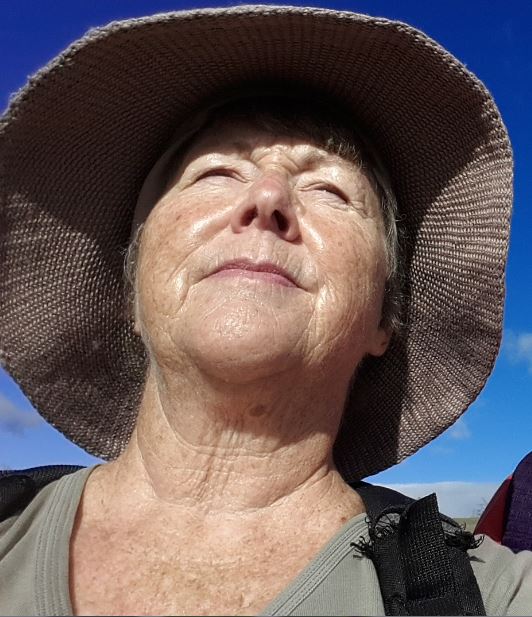
I am always squinting as I search for ‘my’ beloved river (getting more and more sun damage on my skin despite heavy lathers of sunscreen).  As I look at the photos which I am adding to the new blog posts,  I have a sense of homesickness – that Derwent River edge is not my home, but it became almost my total preoccupation for a while.  I so loved every discovery, every blade of grass, every bird cry and all the sounds of the River.  What a privilege it was to be free to walk next to that wonderful ribbon of water.

20160328_095838 cropped.JPG


Natural bush remnants amidst agricultural lands – posting 5 of 5

I hope you enjoy the subtle colours in the reflections on the Derwent River in this  video.  Did you hear the kookaburra?

I hope you enjoy the sounds (make sure your volume is turned up) and the sense of peace as the Derwent River rushed past me in the next two videos:  here with the sound of a crow, and here.

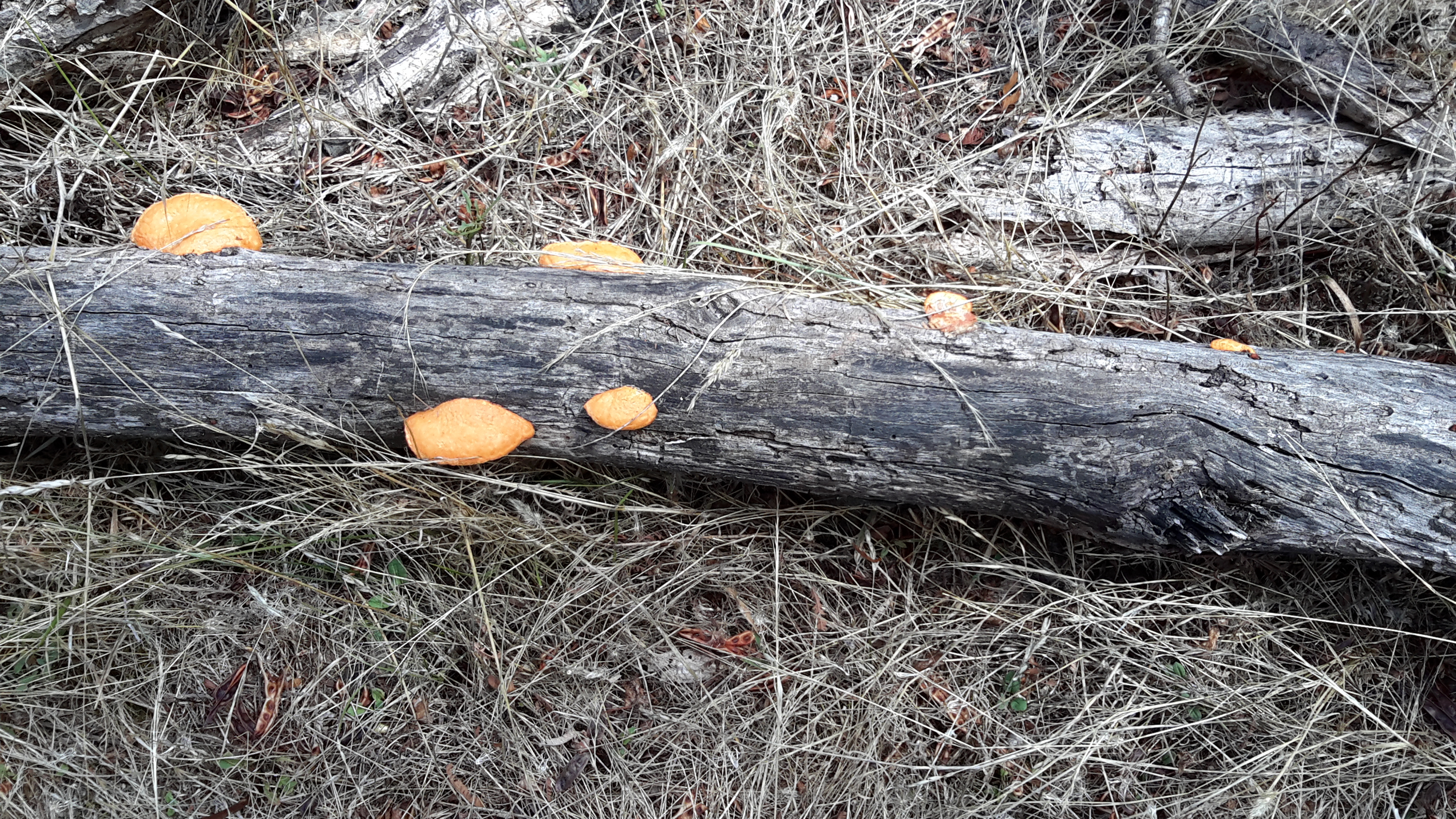
I always enjoy pretty sights of decay, although my photo doesn’t bring out the intense orange colour of the fungi that I remember.

20160301_130015.jpg


Natural bush remnants amidst agricultural lands – posting 3 of 5

20160301_131606.jpg

20160301-131732cropped.JPG

20160301_132050.jpg

20160301_132055.jpg

20160301_132641.jpg

And sometimes, inadvertently I am there in the landscape.

20160301_132228.jpg


Natural bush remnants amidst agricultural lands – posting 2 of 5

20160301_113747.jpg

20160301_114838.jpg

20160301_115532.jpg

20160301_115537.jpg

20160301_120651.jpg

20160301_131427.jpg

Feel free to place any photo as your computer background


Natural bush remnants amidst agricultural lands –posting 1 of 5

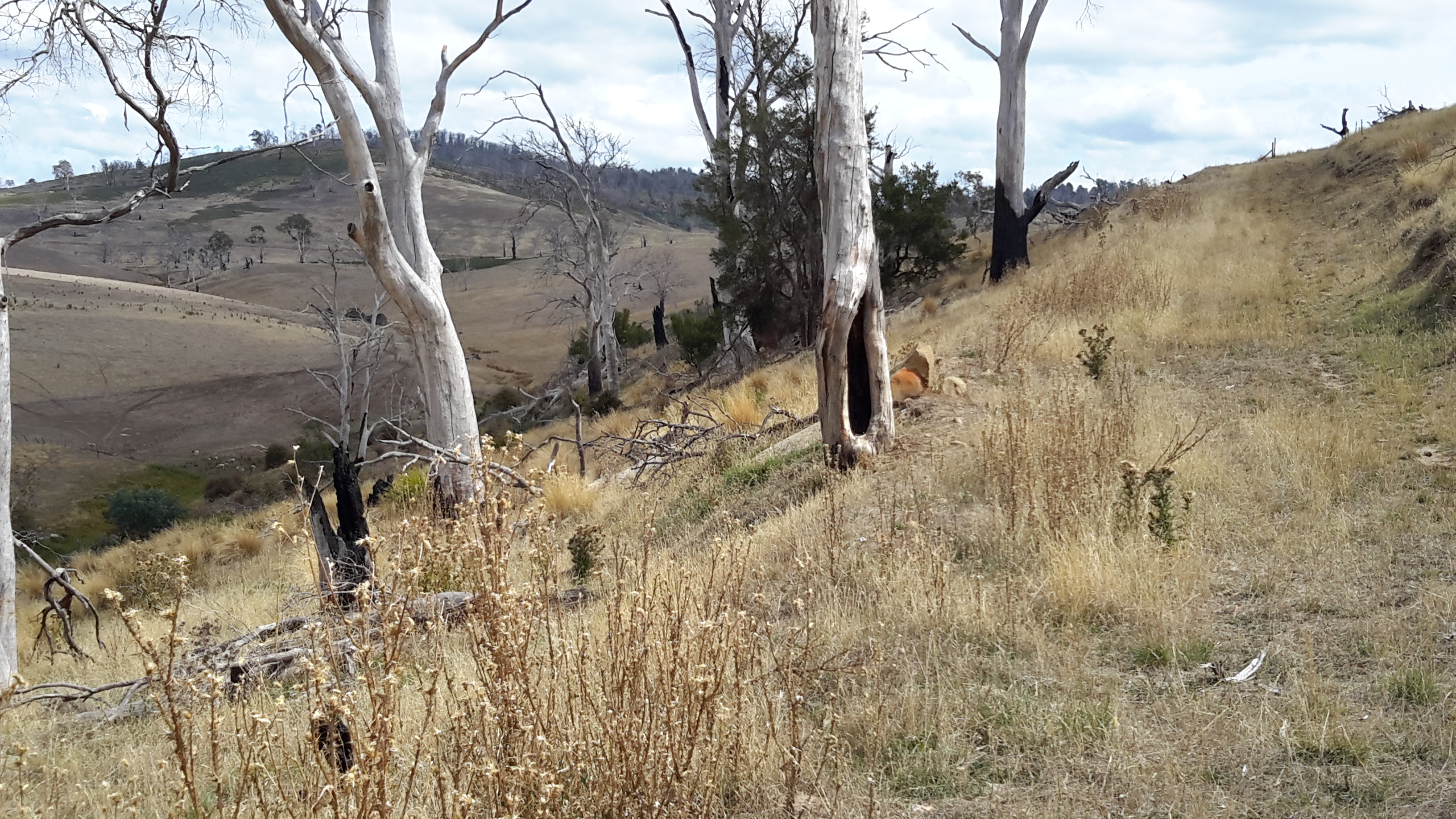
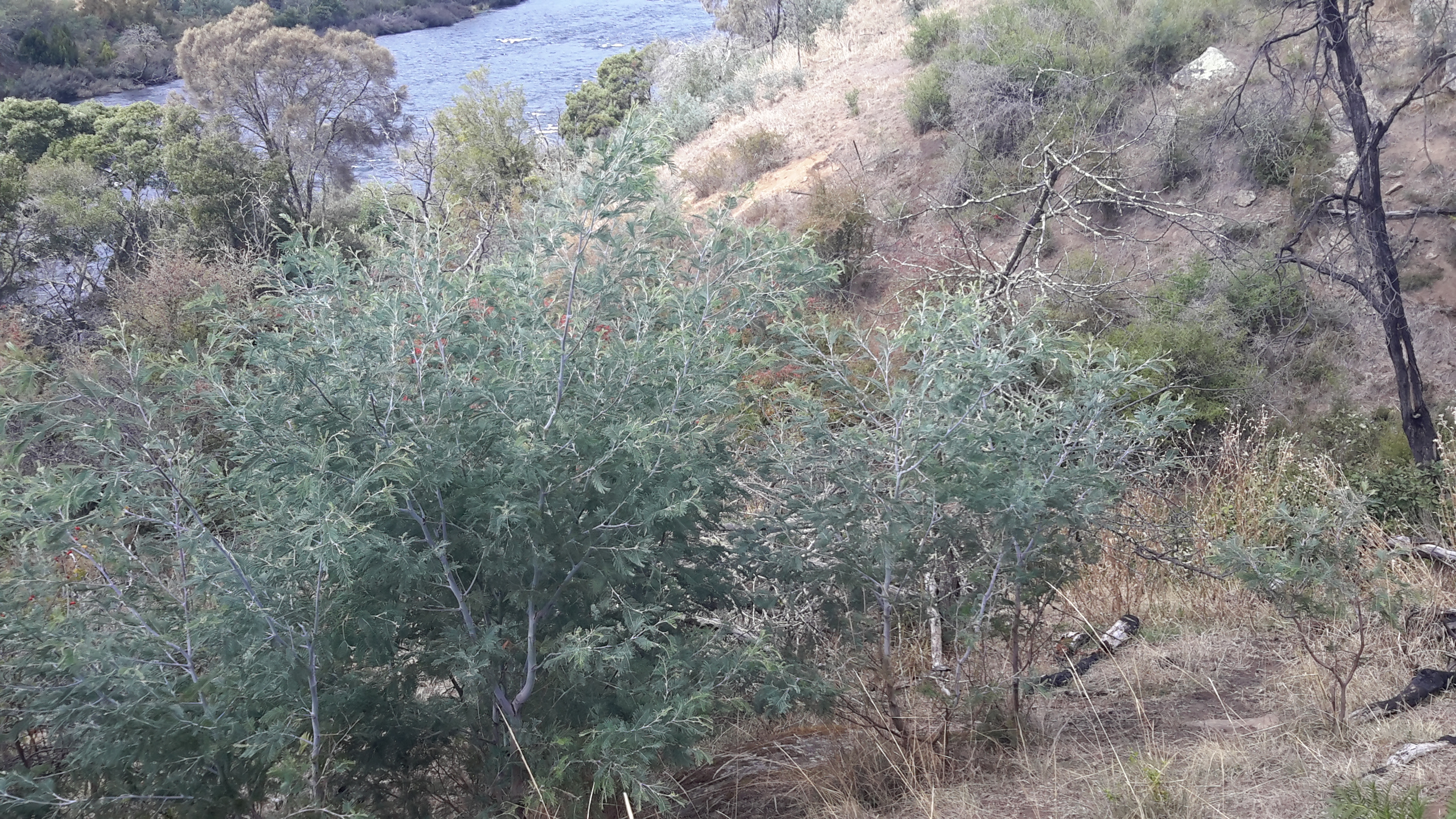
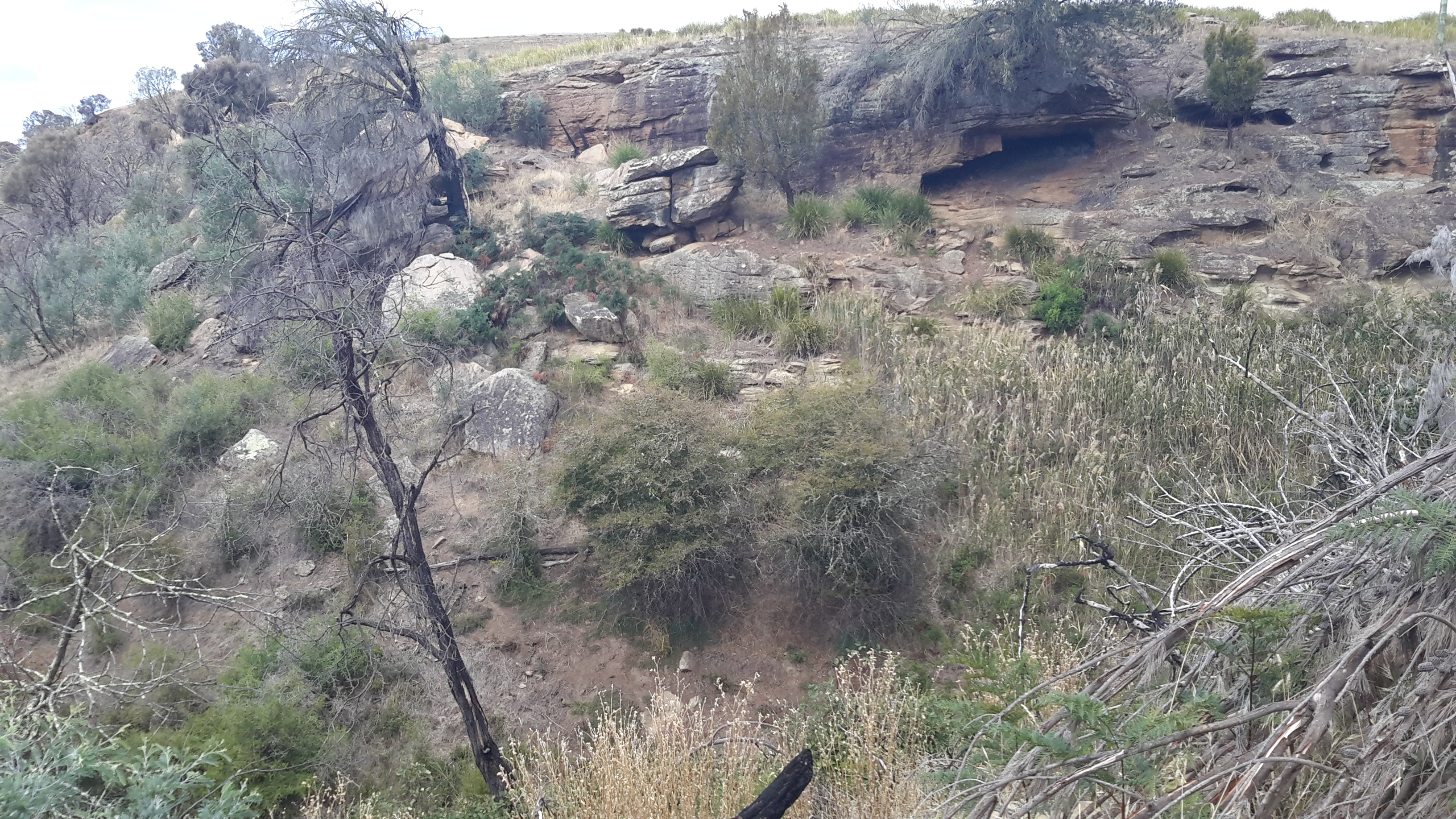
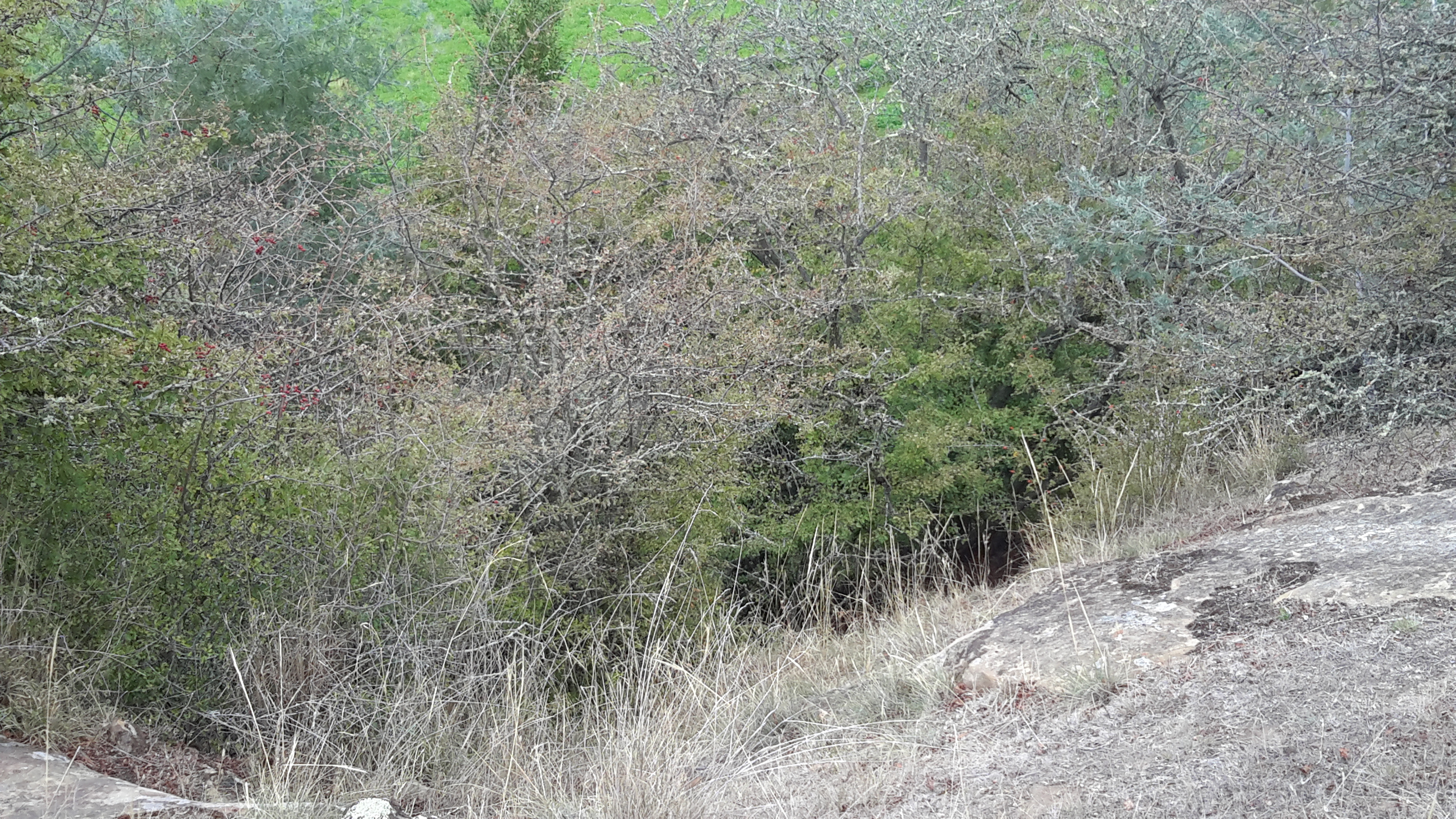
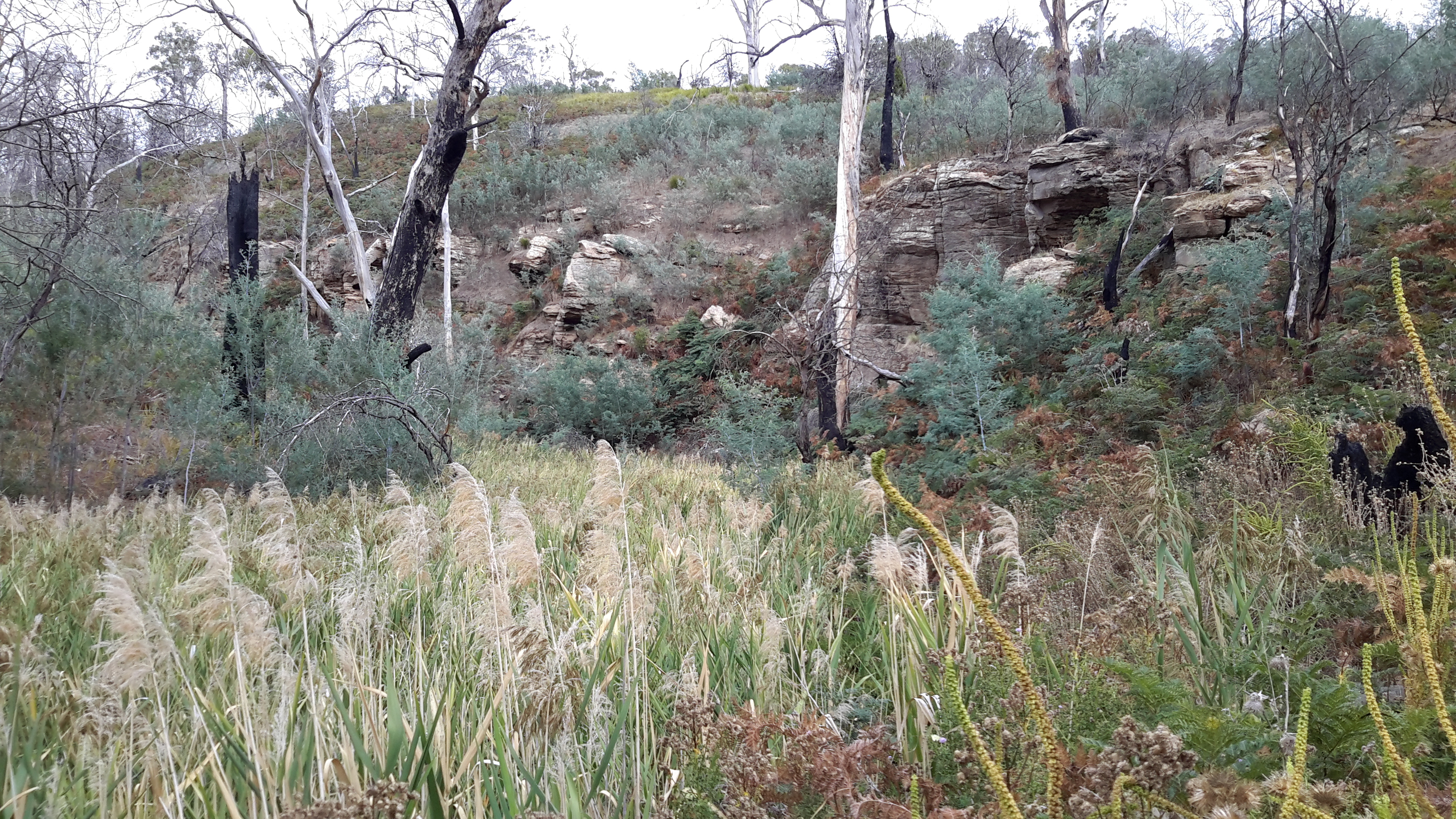
The bush, whether  or not it has been disturbed by farmers, hydro workers, road makers or forestry men, is always alluring and endlessly attractive. It may be open, tangled or dense. Agriculturalists may have cleared land leaving occasional remnants of bush and tufts of its natural grasses. It will contain natives and exotics. The bush may be dry or wet. The colour may be grey-green naturally or from a dusty overlay.  Alternatively, myriads of other shades of green, grey, beige, and brown will fleck against rocky outcrops and the black or green glassiness of the Derwent River passing through.

The following photos and those in the subsequent postings in this series, were taken at various locations between Meadowbank Dam and its Power Station towards Gretna.

20160301_111306.jpg

20160301_112002.jpg

20160301_112058.jpg

20160301_112357.jpg

20160301_112507.jpg

20160301_112416.jpg


From frozen Siberia to hot central Australia – a major walk that is inspirational

This posting has nothing directly to do with the Derwent River, but the attitude of the walker is one which I applaud. I hope it inspires others to consider walking any river, beach, coastline or any landscape.

For almost three years, an independent woman walked and walked and then walked some more. Sarah Marquis’s story can be read here.

Sarah is reported as saying: ‘I wrote about this because I’m the girl next door, I’m just like every other woman. I wanted to show other women what we can do. I think as Western women we’re lucky to have the freedoms we have but other women don’t have the same freedoms. My trip was about telling women we all need to do something about that.’  Most impressive.  Just another reminder that we can do more than what our friends imagine is possible.

If you want to know more, Sarah has published a book, Wild by Nature. which is available for purchase online as a Kindle and a print copy.

Cover for sarah marquis book Wild by Nature.jpg

Solvitor ambulando


The term, solvitor ambulando, was used in one of the favourite blogs which I follow:  100 years walking. This was not a term I knew so, of course, the internet was consulted and Wikipedia informed me quite simply it ‘means: It is solved by walking. The problem is solved by a practical experiment’.   The idea seems to have been generated centuries ago: ‘the 4th-century B.C. Greek philosopher Diogenes’s response to the question of whether motion is real — he got up and walked. “It is solved by walking.” As it turns out, there are many problems and paradoxes to which walking is the solution.’

I wonder how many readers use walking as a space to solve problems?  I do not remember doing so – I always feel immersed in the moment and the landscape and the weather so that problems from that other world, what seems like the real world when walking, simply don’t count.  They do not even come to mind.

Roman Payne is reported to have said ‘Wandering is the activity of the child, the passion of the genius; it is the discovery of the self, the discovery of the outside world, and the learning of how the self is both “at one with” and “separate from” the outside world. These discoveries are as fundamental to the soul as “learning to survive” is fundamental to the body. These discoveries are essential to realizing what it means to be human. To wander is to be alive.’ I couldn’t agree more.

Celebrating 200 years of ferries on the Derwent River

The Eastern Shore Sun newspaper for December 2016 provided a community news story which added to the knowledge of the history of ferries plying Derwent River waters.  Turn to Page 11 for the full story and photo.

Two hundred years ago the first licenced ferry travelled from the fledgling township of Hobart across to the eastern shore to a place very close to where I live. The landscape would have been so different; trees would have covered the area where my house now stands.  I wonder if the weather was as warm and pleasant as it has been in the past few weeks around the Greater Hobart area – even exceeding 30 degrees.  Wind is a constant across Tasmania, and the early ferries would have needed skilled personnel to bring their craft safely across the expanse of water and into moorings – especially considering the fact that early vessels were rowed across the river.

Earlier postings on my blog introduced some information about the Derwent ferries, and this latest article supplements what I have offered previously.  While you can search the blog for many posts that mention ferries,  key posts are Ferries on the Derwent River and Historic Granton Tasmania .

Tea from Linden flowers

When I walked from New Norfolk to Bushy Park, I passed a property named Linden.  You can reread my post and the informative additional comments provided by blog followers.

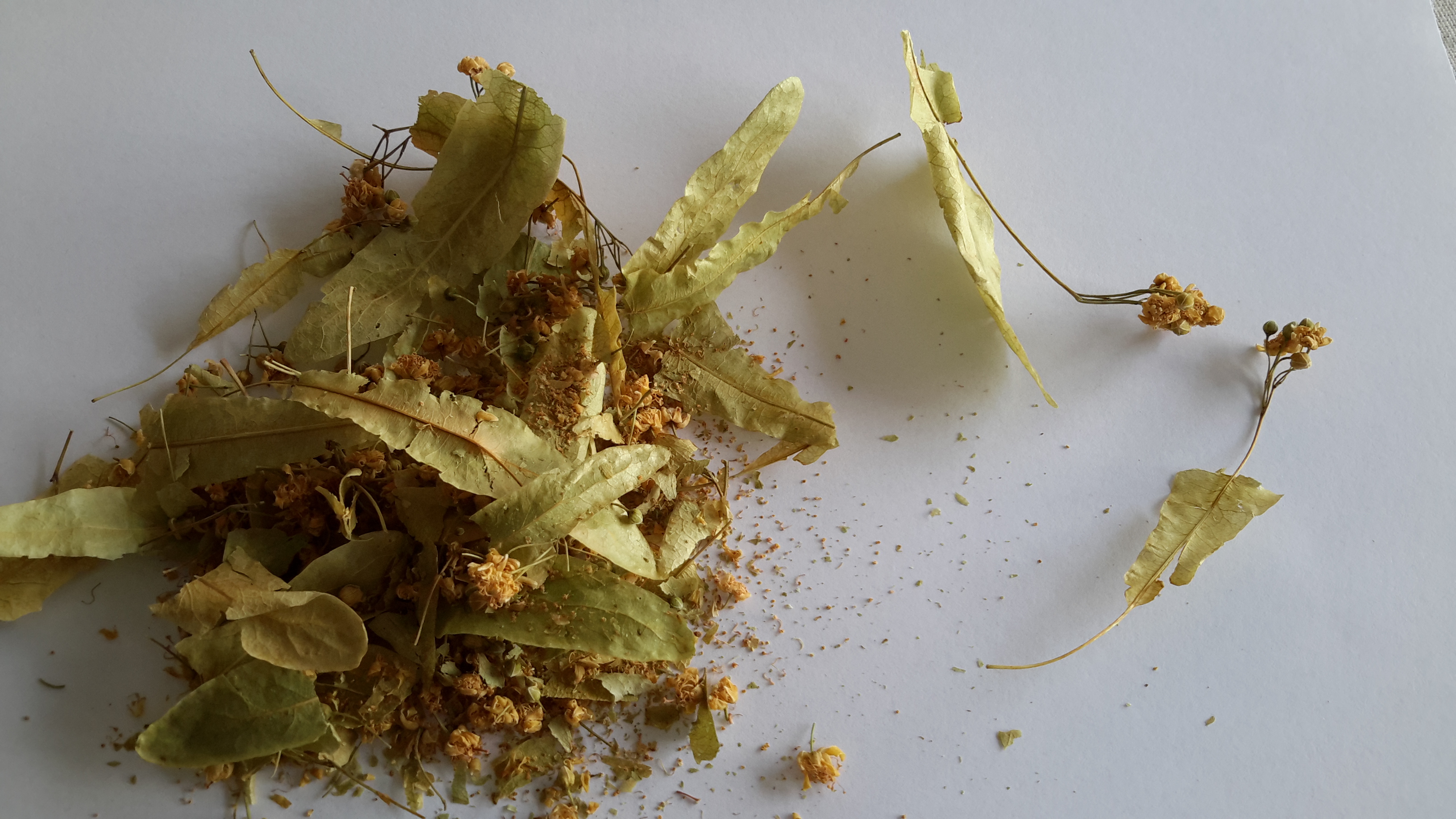
Not long afterwards, a local friend exclaimed with surprise when I informed her that I did not know what a Linden tree looked like, and that I had never drunk tea brewed from Linden tree flowers.  Imagine my pleasure when, one day, Alex called by with a bag of dried linden flowers.  They seemed to possess an ethereal beauty. Out came my camera and here are the resulting photos.

20160516_151652.jpg

20160516_151658.jpg

20160516_151708.jpg

The tea was delicate but refreshing. Most enjoyable. Thanks Alex.

Shag Bay industrial history


In earlier posts I directed your attention to the online magazine Tasmanian Geographic .  The latest issue contains a well-researched and lengthy article, ‘Early Recycling at Shag Bay’, on the early industrial history of late 19th and early 20th century of Shag Bay.  Thanks to authors, John and Maria Grist, I now understand more about what I saw as I walked past the detritus scattered around this Bay. I strongly recommend accessing their article for its historical photographs and the fascinating content. Thanks John and Maria – much appreciated.

My long term blog followers may recall the name of Shag Bay but unless you know this part of the Derwent River, its location will remain a puzzle.  Shag Bay is a small inlet on the eastern shore between Geilston Bay and Risdon, and is mostly easily accessible on a dirt track from the Geilston suburb end. My posts from walking around Shag Bay include:  From Geilston Bay to Risdon on Stage 6 of my walk along the Derwent River yesterday ; Reaching Shag Bay as I walked along the Derwent RiverThe Shag Bay and Bedlam Walls area covers much loved and used aboriginal land of the Moomairremener people ; and Along the northern side of Shag Bay and onwards along the Derwent River.

To help you to remember Shag Bay, here are a few photos I took way back very early in my trek from the mouth the source of the Derwent River.

20141015_103803.jpg

20141015_105602.jpg 20141015_110028.jpg


Fish Farms


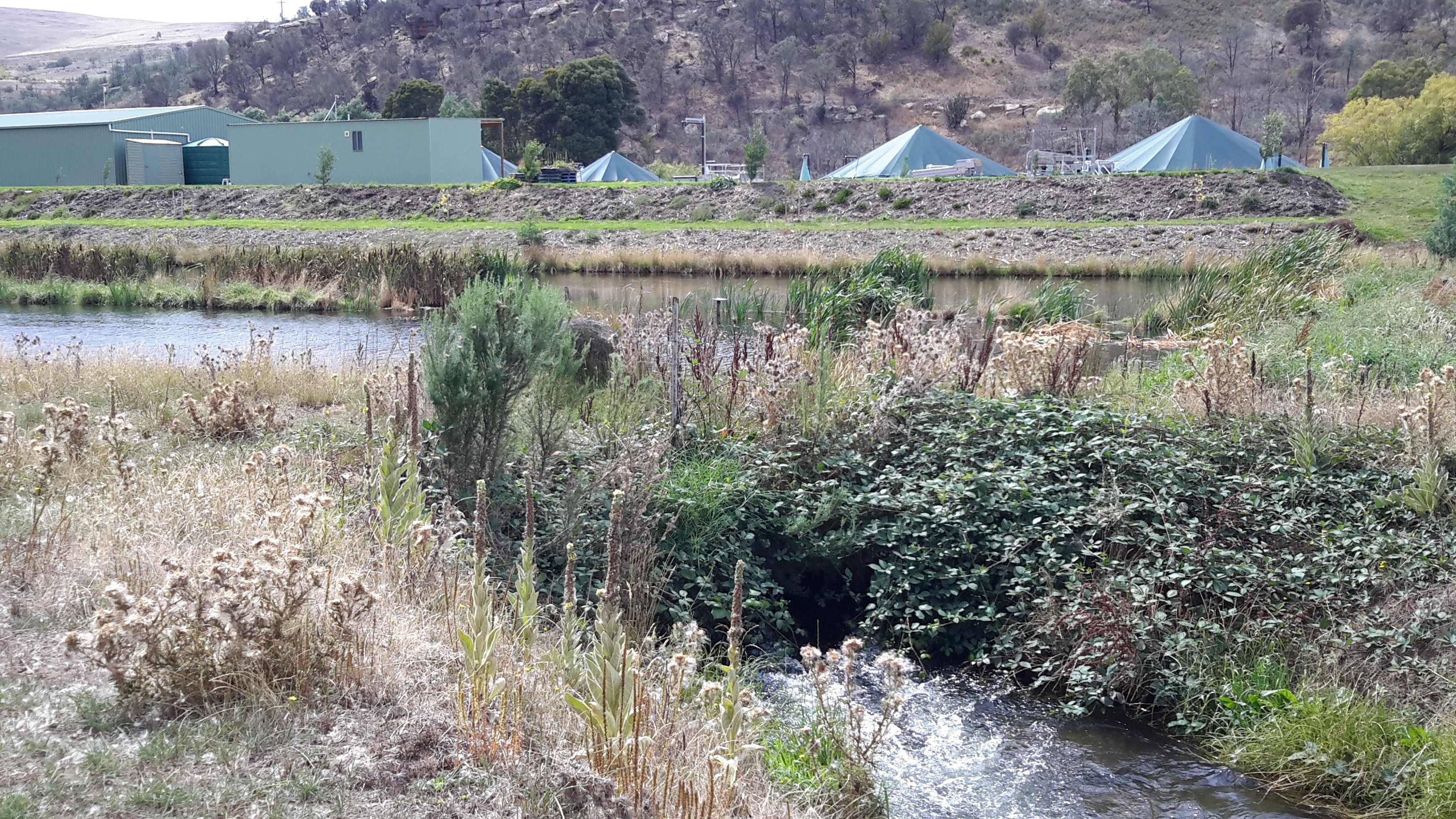
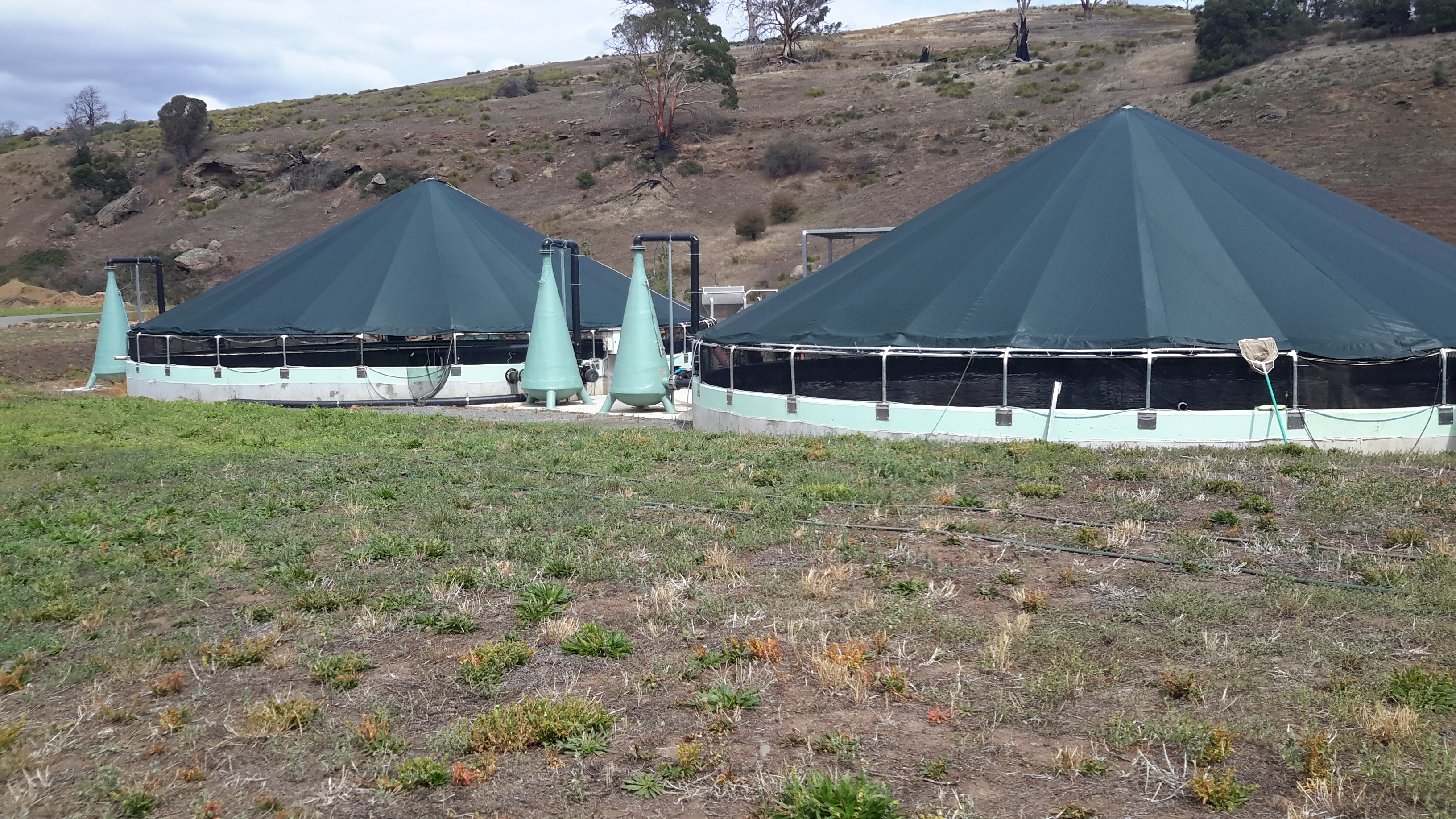
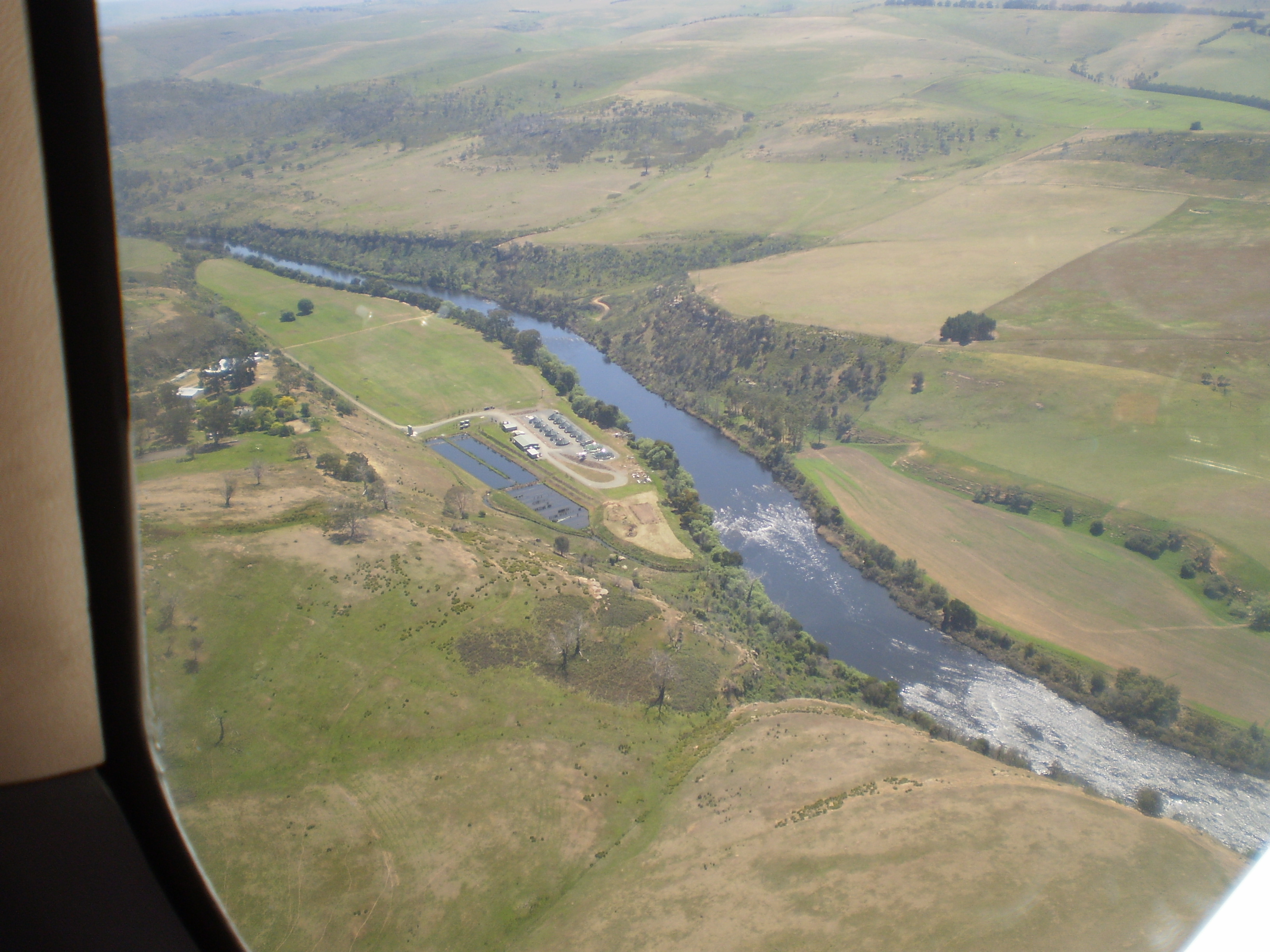
There are two Tasmanian Atlantic Salmon fish farms adjacent to different sections of the Derwent River; one near Wayatinah Lagoon and the other downstream from Meadowbank Dam.  The privately owned company Salmon Enterprises of Tasmania (SALTAS), which are Australia’s largest producer of Tasmanian Atlantic Salmon smolt, operates the hatchery near Wayatinah.  The second photo below was taken by Michelle and the rest by me.

201 etc cropped.JPG

PA280093Florentine & derwent intersection.JPG

20151028_115422.jpg

20151029_113829.jpg

The family owned and operated Huon Aquaculture operates the farm at Meadowbank. More can be read here.

20160301_125255.jpg

20160301_123045.jpg

20160301_123048.jpg

Michelle’s photo presents an aerial view of the Meadowbank area.

PA280073.JPG

Sheets of silk and other flood coping mechanisms


With the rains earlier this year came an intriguing phenomenon not seen often.  Stunningly beautiful nets spread across bushes and trees- what were these and where did they come from?  Refer article 1 .  Refer article 2

Incidentally, the tiger snake shown in the Mercury newspaper article produces a highly toxic venom and I am surprised to see it being handled in a seemingly casual manner.  Parks and Wildlife Service Tasmania provide further information: “The highly toxic venom is produced in large amounts. The venom is mainly neurotoxic, affecting the central nervous system, but also causes muscle damage and affects blood clotting. The breakdown of muscle tissue can lead to kidney failure.” I never saw a tiger snake during my walks but they would have been around me on many occasions.  Thankfully they are shy and will not attack unless cornered or threatened in some way. I was always wary of accidentally standing on one if it crossed my path.