Author Archives: Tasmanian traveller

Unknown's avatar

About Tasmanian traveller

Through travel, I have experienced the eccentricities of people and their environments around the world. At the same time, I love where I live. So, for people who cannot travel to discover the wonders of my home town, this blog is an attempt to introduce its exoticness. My goal was to walk along both sides of Hobart's Derwent River from the mouth to New Norfolk, and to walk on one or alternating sides of the River between New Norfolk and the source of the River at the southern end of Lake St Clair. The walk was undertaken in stages around my other commitments of my life. Almost all stages of the walk connected with Tasmanian public transport - my intentions was to inspire people, who do not have access to a vehicle, to feel they can replicate the walks. This blog reports on each stage in the hope it will encourage people to either follow in my steps or to create their own walking project where-ever they live. Please note: The blog background and headliner image of 'Hobart from Mt Wellington' is the work of Tourism Tasmania and Garry Moore. It is a free image with unrestricted copyright and available from http://www.tassietrade.com.au/visual_library

Tea from Linden flowers

When I walked from New Norfolk to Bushy Park, I passed a property named Linden.  You can reread my post and the informative additional comments provided by blog followers.

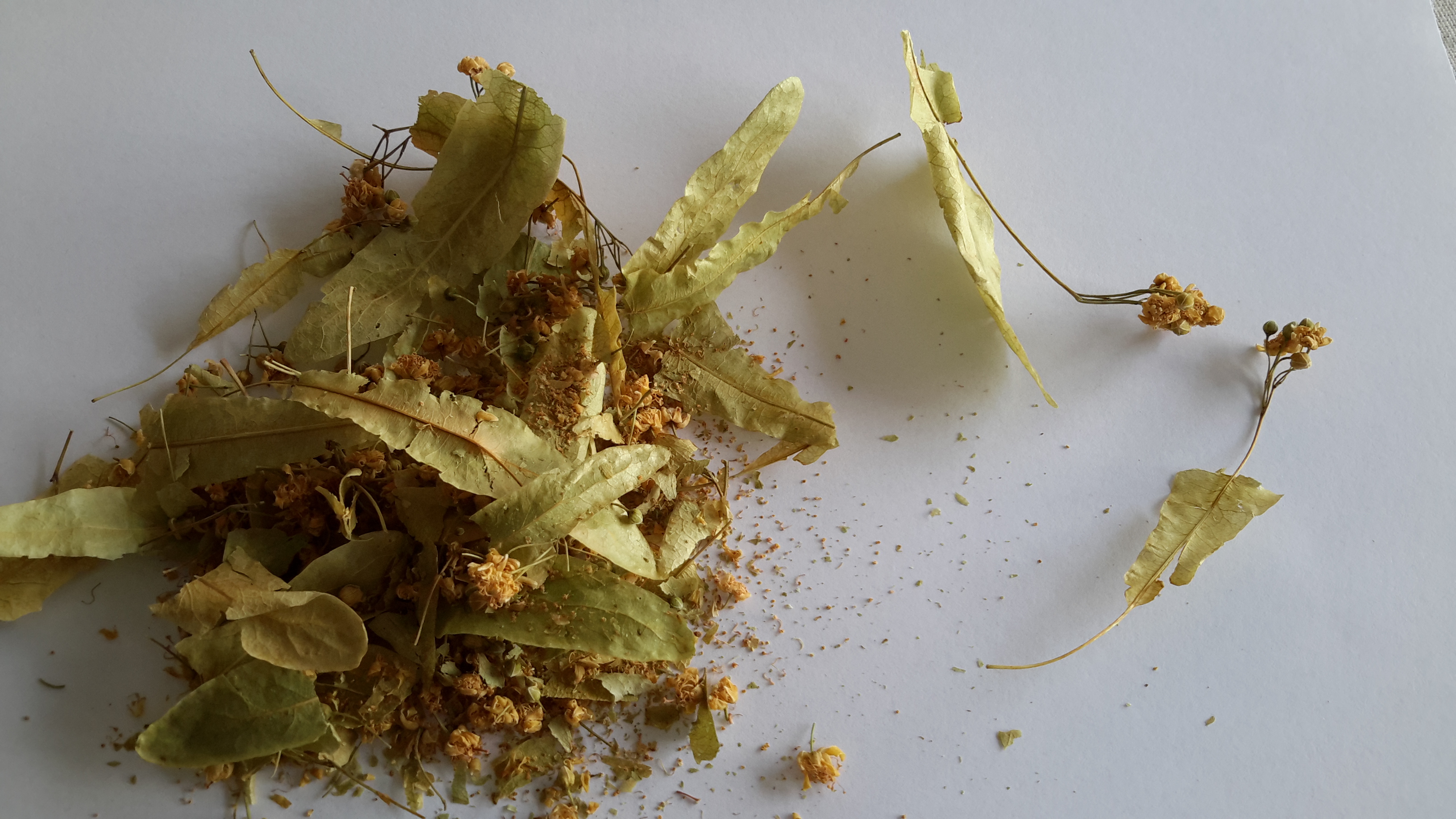
Not long afterwards, a local friend exclaimed with surprise when I informed her that I did not know what a Linden tree looked like, and that I had never drunk tea brewed from Linden tree flowers.  Imagine my pleasure when, one day, Alex called by with a bag of dried linden flowers.  They seemed to possess an ethereal beauty. Out came my camera and here are the resulting photos.

20160516_151652.jpg

20160516_151658.jpg

20160516_151708.jpg

The tea was delicate but refreshing. Most enjoyable. Thanks Alex.

Shag Bay industrial history


In earlier posts I directed your attention to the online magazine Tasmanian Geographic .  The latest issue contains a well-researched and lengthy article, ‘Early Recycling at Shag Bay’, on the early industrial history of late 19th and early 20th century of Shag Bay.  Thanks to authors, John and Maria Grist, I now understand more about what I saw as I walked past the detritus scattered around this Bay. I strongly recommend accessing their article for its historical photographs and the fascinating content. Thanks John and Maria – much appreciated.

My long term blog followers may recall the name of Shag Bay but unless you know this part of the Derwent River, its location will remain a puzzle.  Shag Bay is a small inlet on the eastern shore between Geilston Bay and Risdon, and is mostly easily accessible on a dirt track from the Geilston suburb end. My posts from walking around Shag Bay include:  From Geilston Bay to Risdon on Stage 6 of my walk along the Derwent River yesterday ; Reaching Shag Bay as I walked along the Derwent RiverThe Shag Bay and Bedlam Walls area covers much loved and used aboriginal land of the Moomairremener people ; and Along the northern side of Shag Bay and onwards along the Derwent River.

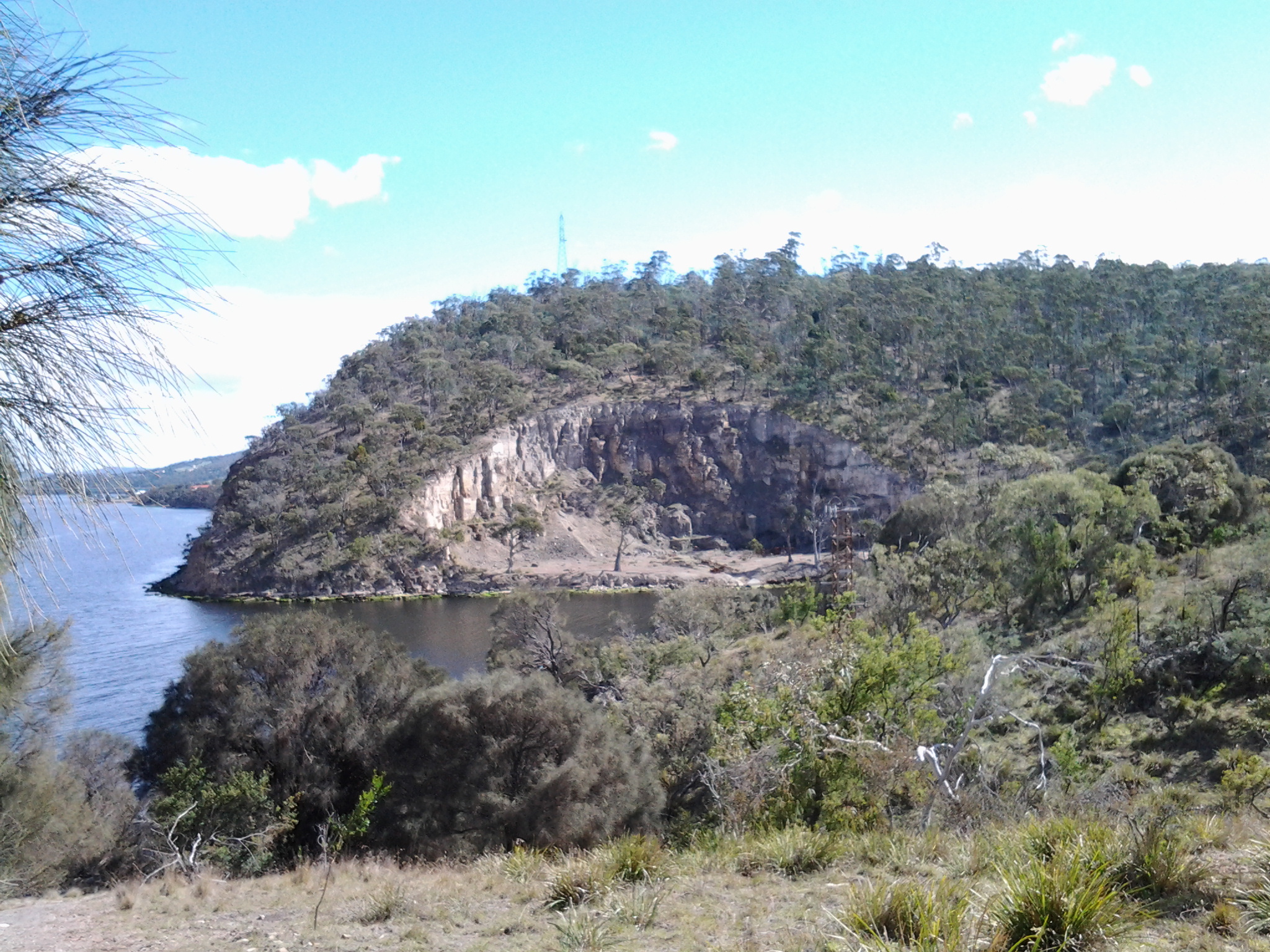
To help you to remember Shag Bay, here are a few photos I took way back very early in my trek from the mouth the source of the Derwent River.

20141015_103803.jpg

20141015_105602.jpg 20141015_110028.jpg


 Shag Bay industrial history


In earlier posts I directed your attention to the online magazine Tasmanian Geographic https://www.tasmaniangeographic.com/.  The latest issue contains a well-researched and lengthy article on the early industrial history of Shag Bay.  Thanks to authors, John and Maria Grist, I now understand more about what I saw as I walked past the detritus scattered around this Bay. I strongly recommend accessing their article (https://www.tasmaniangeographic.com/early-recycling-at-shag-bay/) for its historical photographs and the fascinating content. Thanks John and Maria – much appreciated.

My long term blog followers may recall the name of Shag Bay but unless you know this part of the Derwent River, you may remain puzzled as to its location.  Shag Bay is a small inlet on the eastern shore between Geilston Bay and Risdon, and is mostly easily accessible on a dirt track from the Geilston suburb end. My posts about my walk around Shag Bay include:  From Geilston Bay to Risdon on Stage 6 of my walk along the Derwent River yesterday (https://walkingthederwent.com/2014/10/16/from-geilston-bay-to-risdon-on-stage-6-of-my-walk-along-the-derwent-river-yesterday/); Reaching Shag Bay as I walked along the Derwent River (https://walkingthederwent.com/2014/10/19/reaching-shag-bay-as-i-walked-along-the-derwent-river/); The Shag Bay and Bedlam Walls area covers much loved and used aboriginal land of the Moomairremener people (https://walkingthederwent.com/2014/10/19/the-shag-bay-and-bedlam-walls-area-covers-much-loved-and-used-aboriginal-land-of-the-moomairremener-people/ ; and Along the northern side of Shag Bay and onwards along the Derwent River (https://walkingthederwent.com/2014/10/19/along-the-northern-side-of-shag-bay-and-onwards-along-the-derwent-river/).  To help you to remember Shag Bay, here are a couple of photos I took way back very early in my trek from the mouth the source of the Derwent River.


22/12/16

I was horrified to learn that maps may contain deliberate errors

In January this year, the story that cartographers make deliberate errors made me catch my breath.   You can read it in full here.

As long term readers of this blog will know from an earlier post, to walk from the mouth to the source of the Derwent River has required me to work across 17 maps.  Because they were generated by a government agency I would like to believe they were accurate at the time of printing.

While my maps are scaled at 1:25,000 (I always wished they were finer in detail), I depended on them as much as I could. I registered that many were grossly out of date – too many were last printed in the 1990s and so I was cautious with my expectations. However I never once thought that a deliberate error might have been introduced.

For walkers like myself, trekking independently great distances from help and civilisation, having accurate maps seems a sensible requirement.  Many readers will know that I always check with Google Earth imagery but again they are out of date – although not as old as some of the official maps I was using.  I was fortunate to be flown in a small aircraft up and back along the Derwent so the photos taken contributed to understanding what the land was like below.

In recent days I have been horrified to learn that the Tasmanian State Government will never print further copies of the 1:25,000 scale maps and the common map for purchase in the future will be 1:100,000.  People get lost in our dense bush, and some have died after wandering around for days. From a public safety perspective for tourists and locals who want to make their own way into our bush, where tracks are non-existent and using a compass and a map is the only means of knowing where you are, I am somewhat fearful for people in the future.

Danger – mostly it’s in the mind

“Security is mostly a superstition. It does not exist in nature, nor do the children of men as a whole experience it. Avoiding danger is no safer in the long run than outright exposure. Life is either a daring adventure, or nothing.” – Helen Keller

The world is a wonderful place but not everyone is someone I want to meet, especially not when I am alone in remote or isolated areas of the landscape.  Through our population there are a small number of people who are addicted to drugs which can make them irrational and dangerous, there are others who find humour in physically hurting strangers, and there are a few who like to go in for the kill.  I do not want to be at the receiving end of any such activity.

When I first started writing the Walking the Derwent blog, I would provide advance information about which bus I was catching and from where.  Early blog followers pointed out to me this might be an encouragement to a weirdo to join me on my walks, and so I stopped giving out this information.

Then  one day I surrendered to those fears and stopped worrying: partly because I was well prepared for  most adverse circumstances. Despite the concerns of others,  all my walks have been safe.

For the past months I am sorry not to have been able to immerse myself in the stimulating isolation, the grandness of the sky and the clean freshness of our bush; instead for much of this year I have been hunched over the computer tapping out my books.  I am particularly grateful for the blogs of others who continue to photograph our wonderful Tasmanian bush nooks and crannies – especially those locations which few get to see. In particular I would like to draw your attention to This Amazing Planet .  Mark adds a photo or two each week and they never cease to amaze me – if you wanted another blog to follow then you will love the regular outpourings  from this site.

Fish Farms


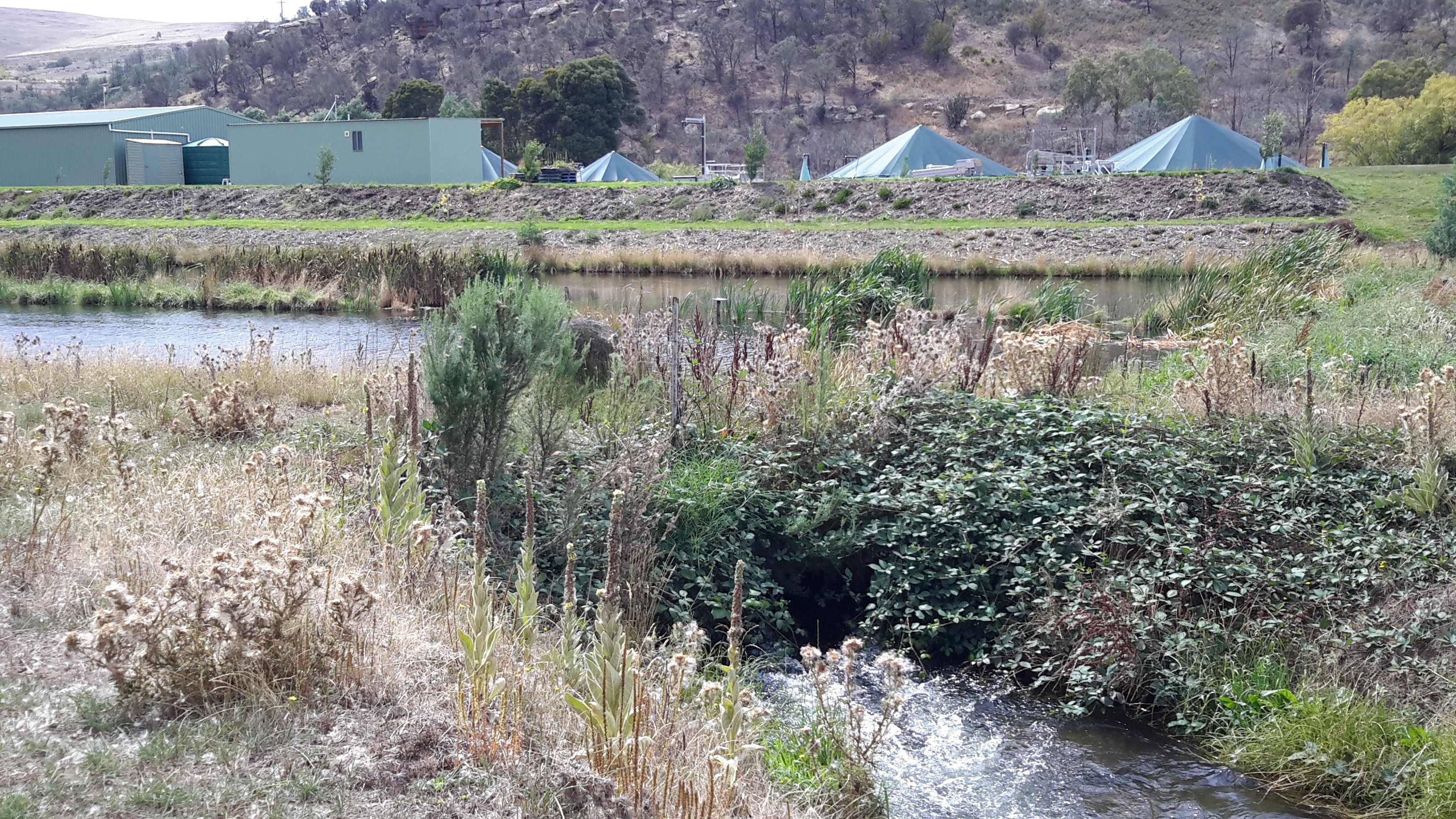
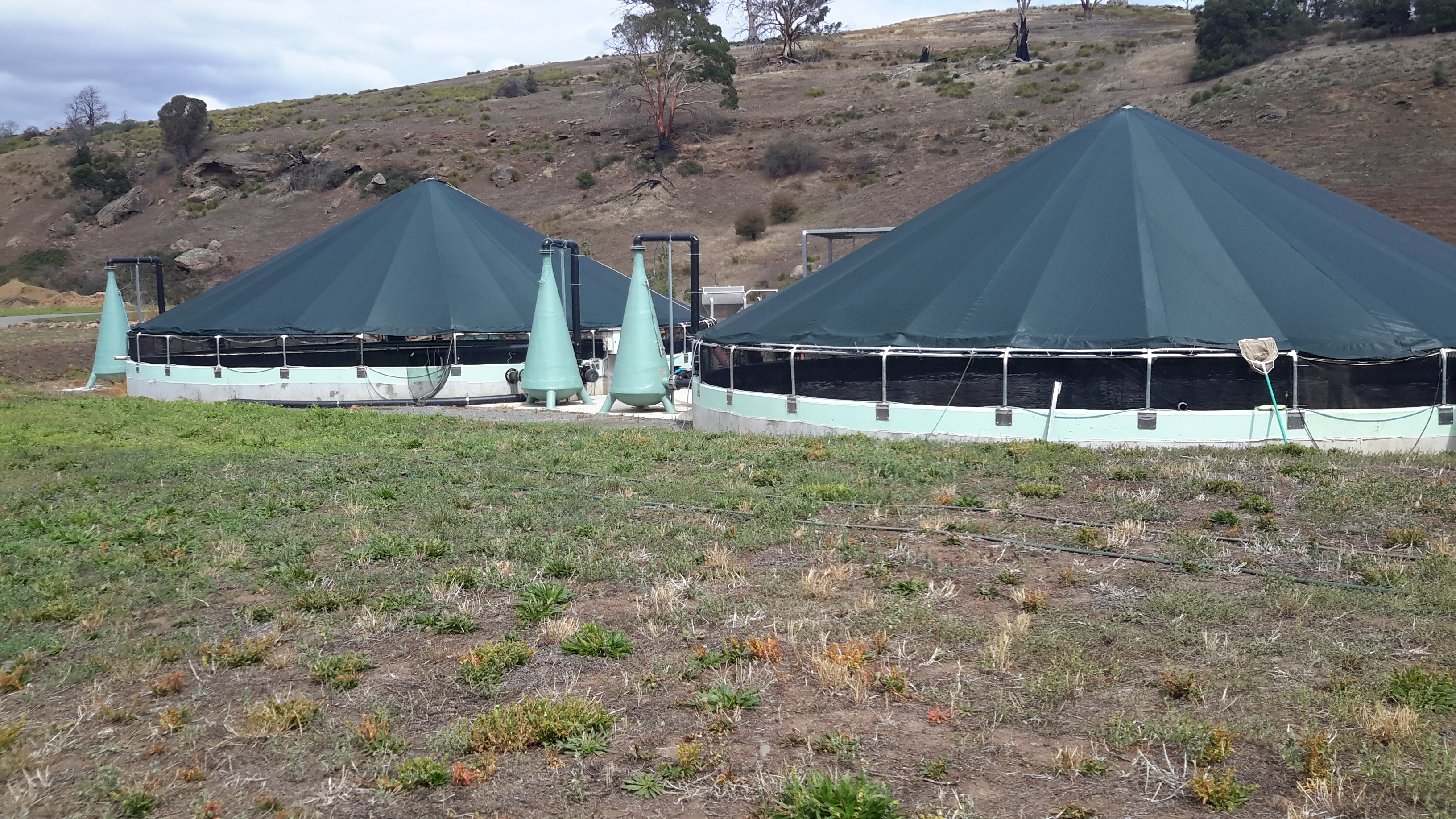
There are two Tasmanian Atlantic Salmon fish farms adjacent to different sections of the Derwent River; one near Wayatinah Lagoon and the other downstream from Meadowbank Dam.  The privately owned company Salmon Enterprises of Tasmania (SALTAS), which are Australia’s largest producer of Tasmanian Atlantic Salmon smolt, operates the hatchery near Wayatinah.  The second photo below was taken by Michelle and the rest by me.

201 etc cropped.JPG

PA280093Florentine & derwent intersection.JPG

20151028_115422.jpg

20151029_113829.jpg

The family owned and operated Huon Aquaculture operates the farm at Meadowbank. More can be read here.

20160301_125255.jpg

20160301_123045.jpg

20160301_123048.jpg

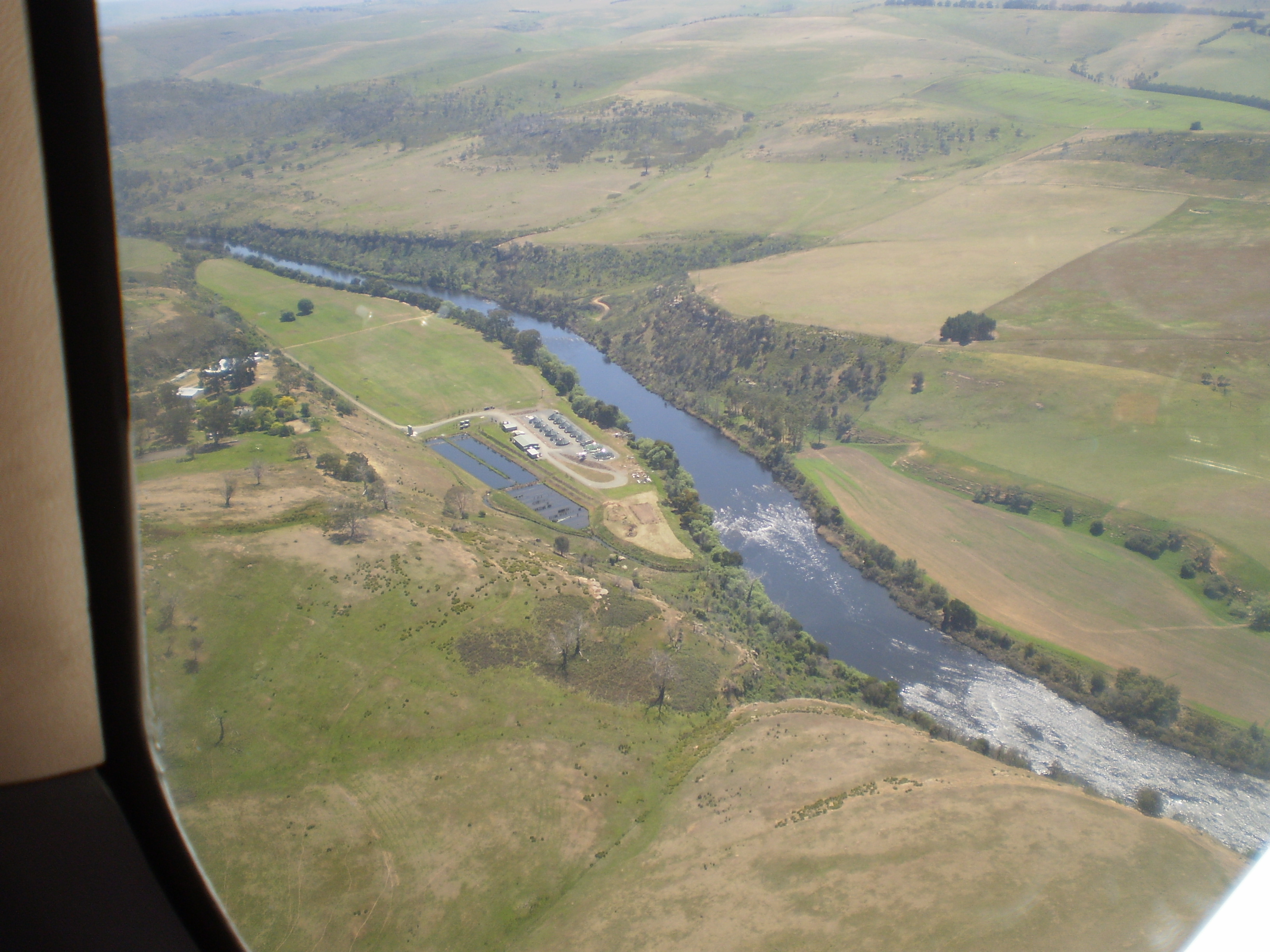
Michelle’s photo presents an aerial view of the Meadowbank area.

PA280073.JPG

Air quality

You may recall one night I was woken in my tent by the smell of smoke; you can refer to the post with the details.  Apart from that night and the following day as I walked further inland with smoke in my nostrils and not knowing whether I was walking towards or from a fire (I was in an area where access to the internet and mobile telephone reception is non-existent), one of the great delights has been the clean air. Being able to breathe deeply and feel clean on the inside has been a bonus.

From time to time thousands of hectares/acres of our land suffer from unplanned Bush Fires (called Wild Fires in the USA) the source of which may be lightning strikes on dry forests.

In addition various government agencies organise planned burns to reduce the amount of dry vegetation (‘fuel reduction’ being the current term), with the view of preventing major out-of-control Bush Fires when the temperatures increase and the wind blows strongly.  The media always alerts the public so those with respiratory problems can plan to stay indoors or take other precautions.

So at different times, Tasmania no longer has pristine air.  I was amazed when I read this article and found that the air in the Derwent Valley was compared with the extremely unfavourable air quality of industrial India and China.  Back then, the air in that particular locality could be labelled as severe pollution.   Thankfully, the circumstances have reverted to normal … until the next burn.

Aboriginal inclusion

My last post explained how someone or some people made their destructive marks on a culturally significant site. In so doing they were showing disdain and attempting to wipe away part of Tasmania’s aboriginal heritage.  Their act sits in stark contrast to a November 2015 document, which was reported in the media a few weeks before the vandalism, that promoted inclusion rather than exclusion.  Refer The Mercury article of 11 April 2016.

ICOMOS (International Council on Monuments and Sites) and IUCN (International Union for Conservation of Nature) produced a report Reactive Monitoring Mission to the Tasmanian Wilderness, Australia with many recommendations.  These included:  ‘The term “wilderness” should be retained in the property name, while future dual naming is strongly encouraged to reflect both the Aboriginal heritage and the relationship of the Tasmanian Aboriginal Community with the property’;’The “Wilderness Zone”, as currently used and interpreted, should be retained in the zonation of the TWWHA, while explicitly providing for Aboriginal access for cultural practices as an integral part of the management of the zone’, and ‘The State Party should support and consolidate the emerging joint management of the TWWHA with the Tasmanian Aboriginal Community’.

The vandal or vandals who defaced the rock art are obviously out of step with growing community attitudes of support for aboriginal heritage and understanding of the values inherent in special sites.

Rock art vandalised

One morning I read the devastating news that paintings, made by aboriginals before white settlement (Tasmania began to be settled by Europeans in 1803), in a rock shelter near the Derwent River had been vandalised. The images were made by the Big River people, also known as the teen toomele menennye and the cave is considered a sacred site for aboriginal people.

Such caves are unknown among the general public, they are not advertised or signposted, there are no roads to them, and their location cannot be discovered in books.  This shelter is located on private property so that casual walkers are unlikely to have access.

To give some sort of perspective about the number of people who would know about aboriginal sites along the Derwent, inland Tasmania’s country is mostly either under primary production, forest plantations or related to electricity generation. Agricultural properties change hands over time and so it is reasonable to suggest that knowledge of any special sites would be shared across more people than the current owners and property managers.  Caves on Hydro Tasmanian property would be known to a few employees. Nevertheless, outside the aboriginal community, the pool of people who know their whereabouts would be small.  So when I learned of this tragedy I wondered why and who defiled the paintings.

I find it interesting that within a month of Hydro Tasmania releasing a newsletter mentioning the rock shelter, without giving a location, the vandalism was discovered. I wonder if there is a connection between that article and the damage; whether a reader of that newsletter who knew the rock shelter shared information about the site with someone who did not value the cultural history of our indigenous people. If you have more information please talk to Tasmania Police.

Here are some of the media stories:

The Mercury  

The ABC 

The Smithsonian Magazine

Sheets of silk and other flood coping mechanisms


With the rains earlier this year came an intriguing phenomenon not seen often.  Stunningly beautiful nets spread across bushes and trees- what were these and where did they come from?  Refer article 1 .  Refer article 2

Incidentally, the tiger snake shown in the Mercury newspaper article produces a highly toxic venom and I am surprised to see it being handled in a seemingly casual manner.  Parks and Wildlife Service Tasmania provide further information: “The highly toxic venom is produced in large amounts. The venom is mainly neurotoxic, affecting the central nervous system, but also causes muscle damage and affects blood clotting. The breakdown of muscle tissue can lead to kidney failure.” I never saw a tiger snake during my walks but they would have been around me on many occasions.  Thankfully they are shy and will not attack unless cornered or threatened in some way. I was always wary of accidentally standing on one if it crossed my path.

Floods and water levels rising


When I walked  along bodies of water dammed on the Derwent River such as Lake King William, I remarked on the low water levels, showed photos of deep barren shores, and posted about the coming danger to Tasmania’s electricity supply.  You can refer to a range of posts for different views on this topic including the following examples: Tarraleah Canal No 1 walk – where is the water?,  Lake King William, The rocky shore, Looking for a place to camp overnight, Death and Lake King William, Rise and shine, Trackless under the powerlines, and Andrew Hughes has walked, rafted and canoed the Derwent over the past month.

Newspapers recorded some of the extremes; here is one of The Mercury examples.

Hydro Tasmania is the organisation which manages water resources  by selling power not only to Tasmanians but via an undersea link to Victorians and further afield on mainland Australia.  For a very long while Tasmania had an unusually low rainfall, then when the Bass Link failed at the end of last year, this meant Tasmania could not buy power from the mainland if in crisis.  Over half a year passed before the fault was repaired and in that time water levels in dams, lakes and the river dropped steadily. In damage control, as politicians and the community worried about the reducing water levels, Hydro Tasmania released the information that our State could survive and continue to generate sufficient electricity in the local newspaper with dams at an even lower capacity . Nevertheless failure for rains to fall, created a situation where massive banks of diesel power generators were installed.  The operation of these generators cost Tasmania millions of dollars. The photo in this article shows an area being prepared for generators, and then the next article shows the installation outside Catagunya Power Station.  Generators were placed in many locations.  This article shows banks of generators outside the Meadowbank Power Station;  this is the closest power station to Hobart and is one of many that operates using the water from the Derwent River.

The dry situation was desperate.  Cloud Seeding was being practised as an option to bring on the rain.

Eventually the gods or nature heeded the call and the heavens opened.  As winter approached, welcome rain poured and began to replenish our dams and lakes.  The rain was heavy and persisted so that the water levels improved dramatically.  In the process, many parts of Tasmania experienced severe floods.  Dramatic stories were released in the media . The Ouse River, which feeds into the Derwent River, was the site of the death of one man.

These were terrible days for many.

Now the climate seems has returned to some sense of balance.  Our glorious spring time, albeit with some hotter days than normal, has passed and summer has arrived.  We all hope for prudent management of electricity generating water resources and for intelligent planning for extreme events – which we know are now more frequent around the world. In this way, the Derwent River will remain a living and useful flow of water which poses little risk to affecting people, animals and the surrounding landscape.

Tackling the backlog

Two sets of posts will be written before I write up the backlog of Walking the Derwent posts.

  1. Over the past six months I collected an assortment of ideas for stories about our Tasmanian Derwent River: these will be expanded and added to the blog.
  2. Then, I will summarise where I have walked, to give the last posts a context.

For now and over the next few weeks, you should expect to read pieces of non-walking but Derwent River related information that grabbed my attention during the year.

I do not plan to offer you a daily post rather a new post every few days because, after my big year, I plan to enjoy the summer weather and take a holiday approach to life for a few weeks.  I apologise in advance for those readers who have asked for daily posts again.

Where have I been?

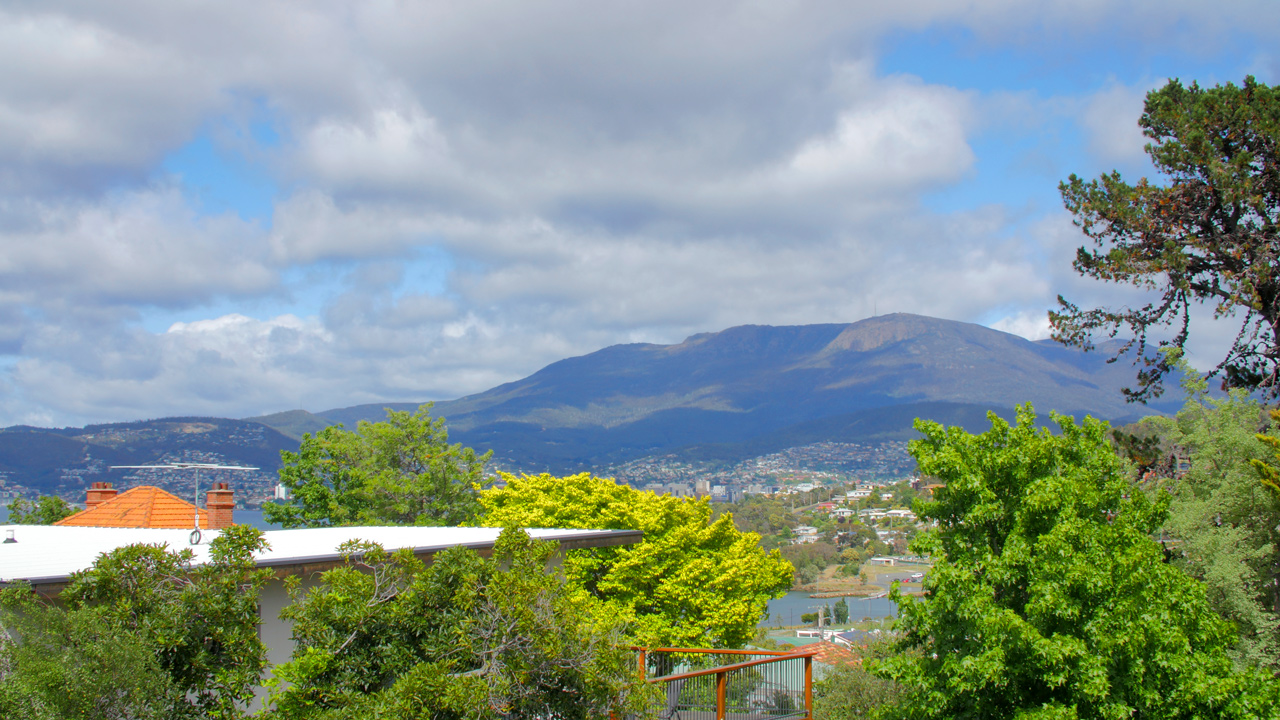
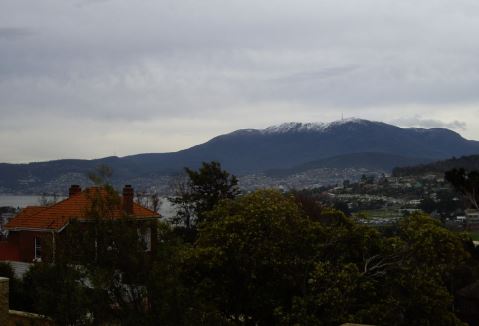
Answer: Mostly looking through my windows and watching the seasons pass across snippets of Derwent River and Mount Wellington.

032 cropped.JPG

Helens_AirBnB_11.jpg

snow clouds over mountain 27-04-2009 11-03-53 AM.JPG

mt-wellington-with-snow-from-10-veronica-cropped

mountain under snow 1July 08 002.jpg

moon over mountain-auto.jpg

For the past six months, the almost daily posts of earlier times on this Walking the Derwent blogsite stopped. While my thoughts have never been far from the Derwent River, since March I have posted only two or three stories. Avid followers of my walk along the Derwent River from the mouth to the source,  will realise that stories of particular sections of the walk have not been recorded.   Over the next month or two that gap will be filled.

When I halted writing this blog, I focused on compiling and publishing the book William Baker Tyzack and descendants in Australia  and running a blog associated with the anniversary of my great great grandfather’s arrival in Australia 150 years ago. Then I authored and published a book of an artist friend’s letters that had been sent to me over a quarter of a century.  During the processes of putting both books together, an opportunity to author and publish a third book came to my attention. Recently I published a book about my goddaughter. All non-fiction. All personal. I have been enthralled by the wonderful ease of self-publishing resources, and the professional look of the final publications.

Now I am inspired to turn my Walking the Derwent blog into a user-friendly book, which can be purchased both in book shops and on the internet.  But first, I need to finish writing the posts which record the remainder of my walk. I aim to complete the posts within the next two months then, early next year, begin the massive task to condense over 200,000 words and thousands of photos into a comparatively tiny tome.

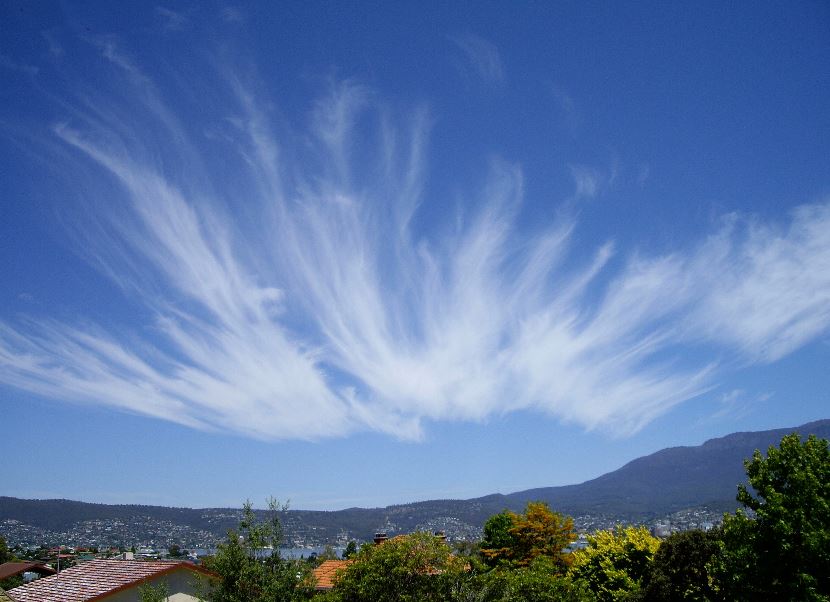
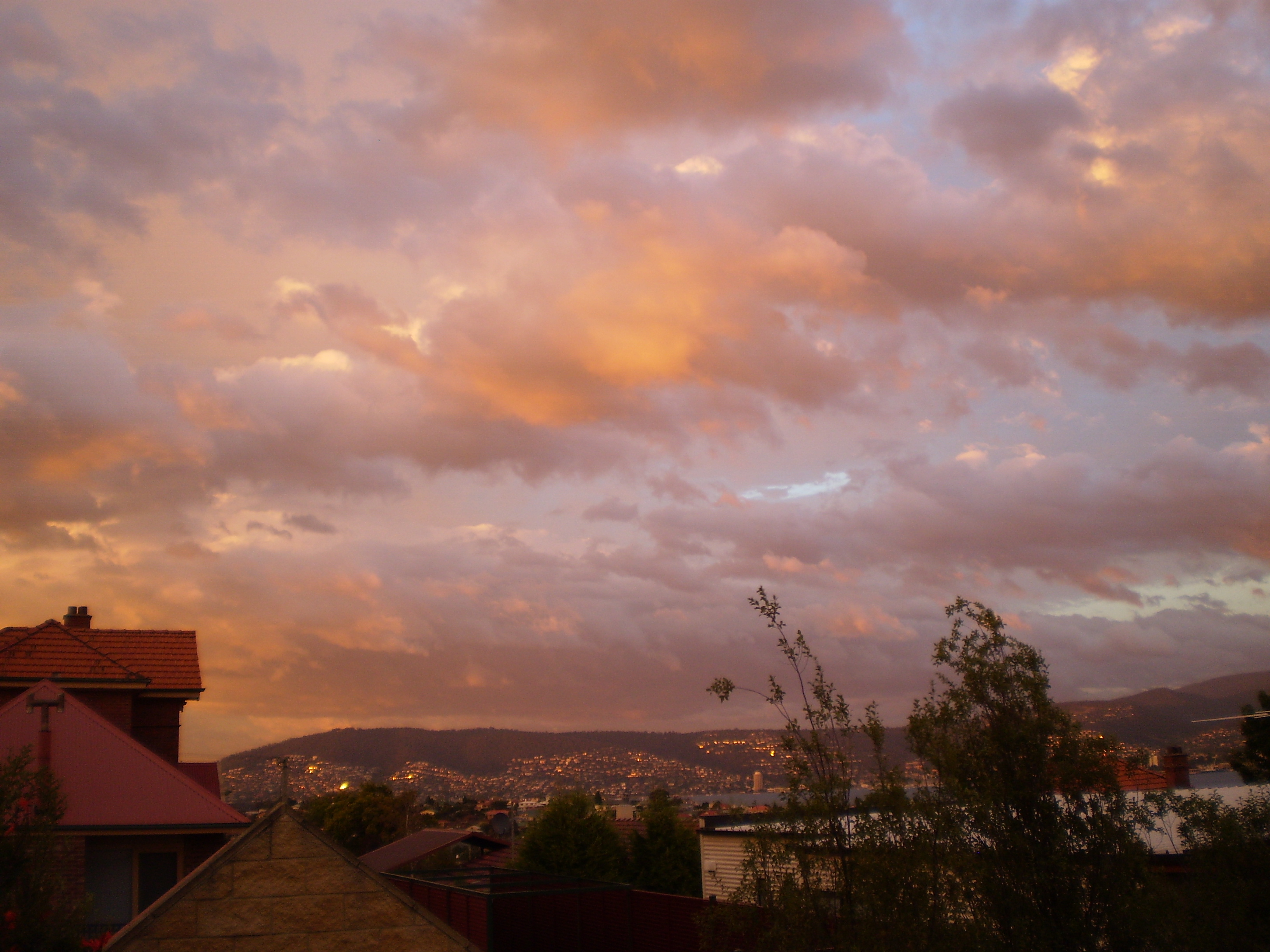
Tasmania’s Derwent River continues to remain a feature of magic for me. I have missed my past regular walks inland discovering its nature and its pathway through the landscape.  Thankfully, here in Hobart, I live with a constant view of the changing appearances of the Derwent and the glorious sky above.

Whispy sky  over Hobart from Veronica St with removed aerial.jpg

clouds in dusty red 009.jpg


Sailing ships

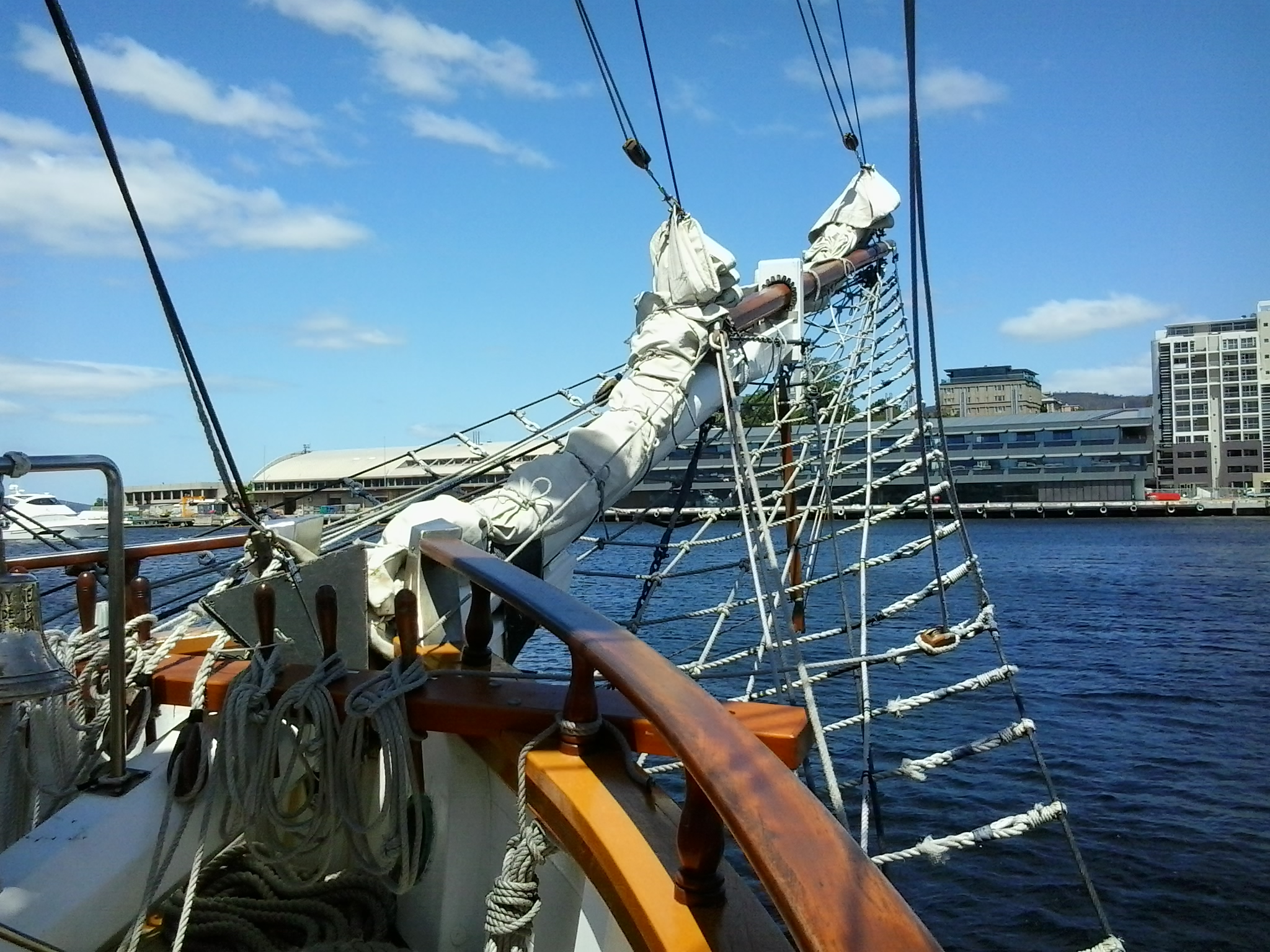
Yesterday I had the pleasure of sailing around the Derwent River Harbour in a full scale replica of the Lady Nelson sailing ship.  The original was built in 1798 in England and plied the waters between Newcastle and Norfolk Island and Tasmania for the next  twenty five years.  My day on the water was glorious with blue skies, golden sunshine and a firm breeze. When all the sails went up, we scudded along at 7 knots.  Quite wonderful. The image below is of the replica in which I sailed.

Lady nelson from theirwebsite.jpg

The water surface had an almost millpond quality as we returned to the wharf. I couldn’t imagine how sailing ships would cope with heavy seas.

2016-11-18 14.52.17.jpg

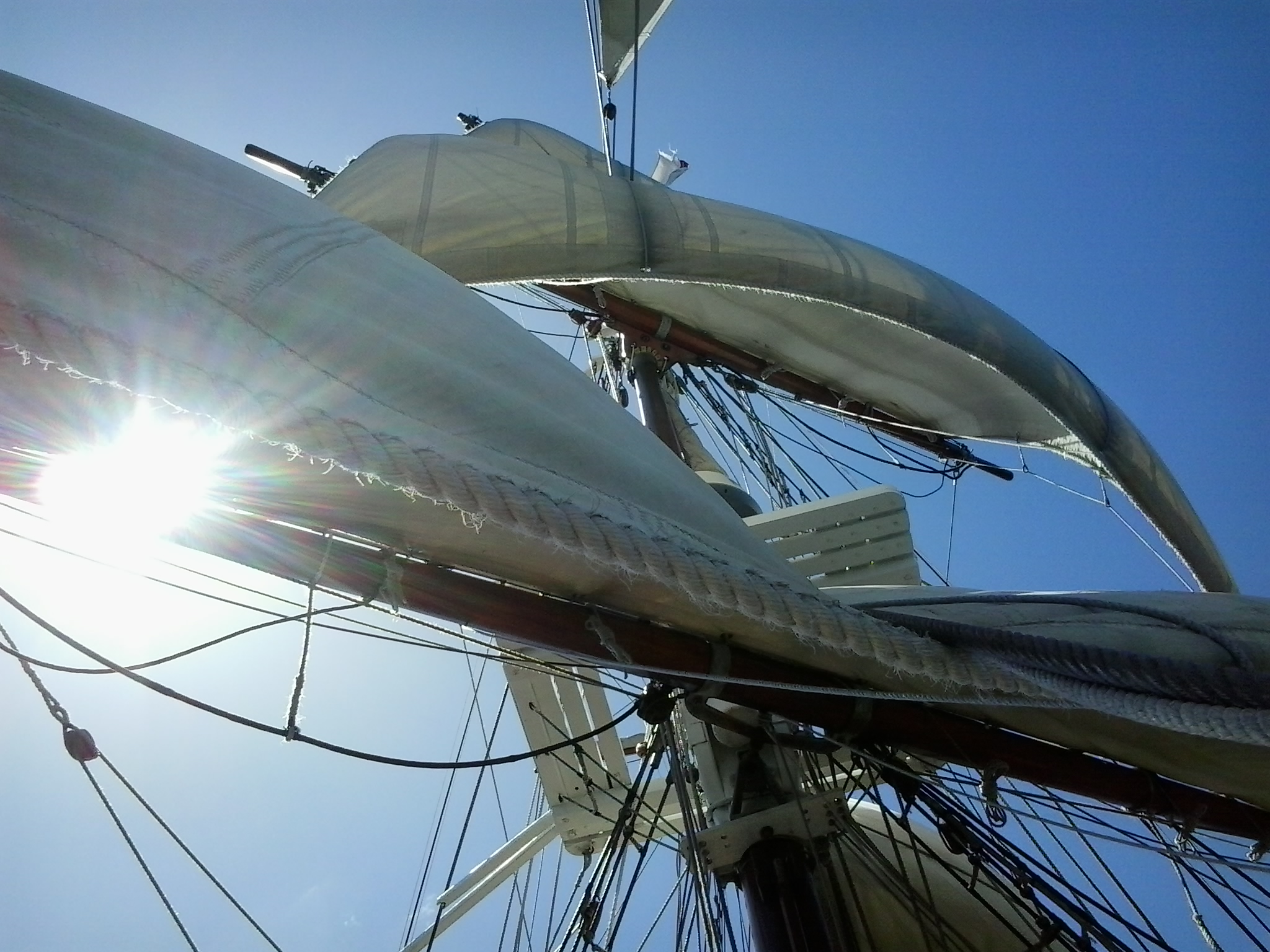
I spent a great deal of time thinking about earlier sailing ships and I tried to imagine what it might have been like, with so many ropes and so many sails being part of the picture for months at sea.

The Lady Nelson came out to Australia with around 20 people. The original crew size was 12.

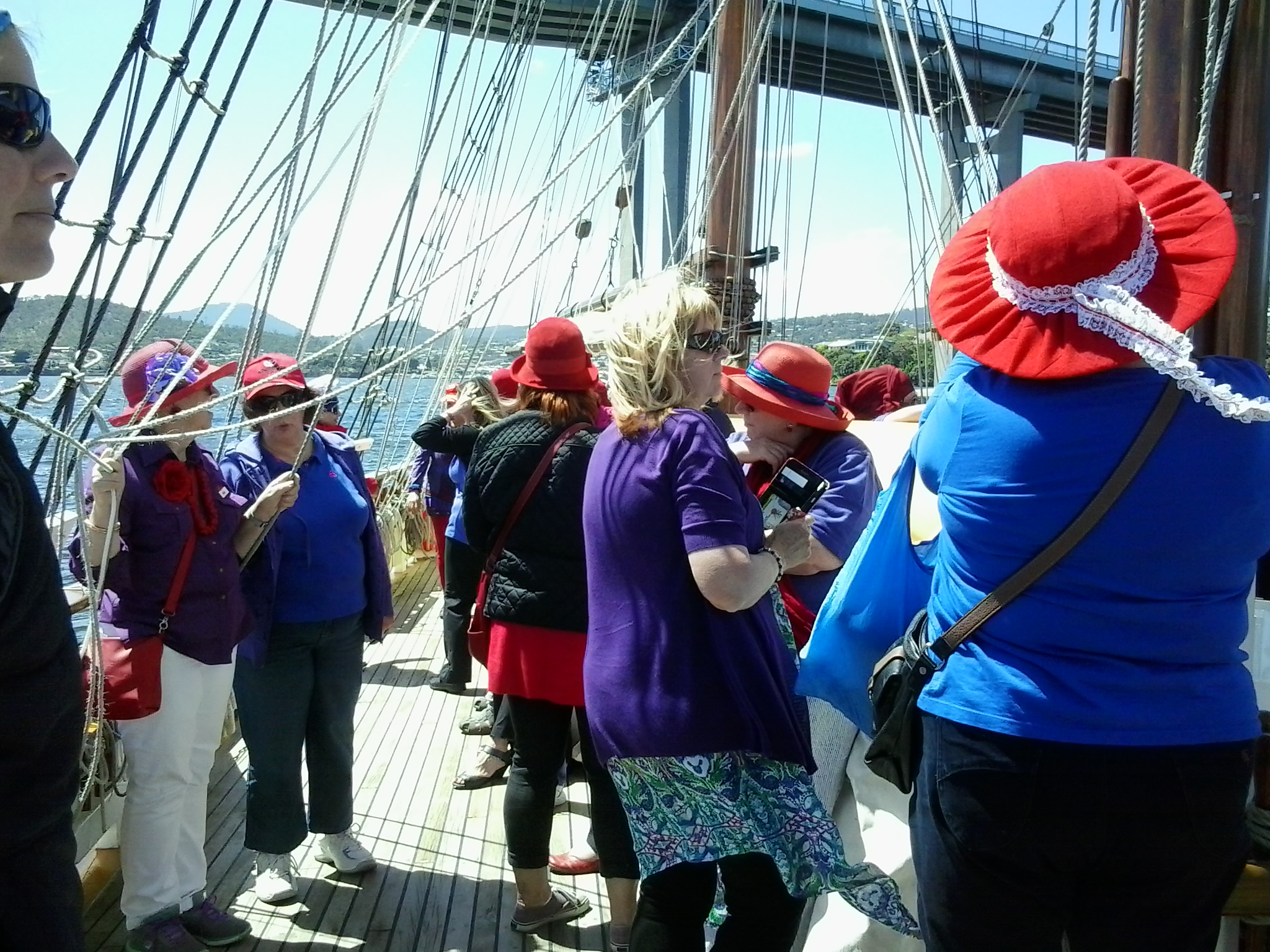
Records show that at times there were perhaps 60 or more people sailing for days on the Lady Nelson.  Yesterday with passengers and crew I suspect our number was around 40. It was standing room only on the deck when all were assembled. Sailing for days would have been very cramped and most uncomfortable by today’s standards (although I recognise that people were generally physically smaller back then than we are today). Add to that, on the original Lady Nelson, the area below deck remained unstructured with one open hold. Apparently people slept on boxes and ropes and all.

My photos below give some idea of the majesty of a sailing ship however small (and it also shows how glorious it is to be out on the Derwent River in Hobart).

2016-11-18 13.34.22.jpg

2016-11-18 14.10.08.jpg

2016-11-18 13.58.40.jpg

2016-11-18 14.14.43.jpg

2016-11-18 14.04.14.jpg

2016-11-18 14.06.14.jpg


The Lady Nelson was approx 53 feet long ,  approx 17 feet wide and weighed 61 tons. I have compared this with the larger ships that arrived in the Derwent River in the early part of the 19th century and so,  after yesterday’s most stimulating sail, I feel I have a small but greater understanding of what travellers (convicts and free settlers) might have been exposed to at sea before they started their comparatively mild run up the Derwent.

The Lady Nelson replica runs trips lasting a few days; I am considering taking one of these small voyages. Part of the deal, if you wish, is to learn to handle the ropes and even climb around the sails.  I wonder if the 19th century crews allowed such liberties to its passengers.

Do what makes you happy


This blog post is not about my walking the Derwent River however it is about the spirit in which I tackled the trek.

I made my own mind up about where I would go, how I would get there and return, how long I would take, and the shape of the overall experience.  While some people were exceptionally nervous about my walking along some parts of the river, only two people told me not to walk particular sections. But I didn’t listen. I knew that, despite my bad ankles, feet, and knees I could do anything I wanted and would.  Even if it was at the rate of half the speed of what ‘normal’ people do – whatever that is.

My project to walk from the mouth to the source has always been intended to inspire others to find their own projects – not necessarily walking projects – but always discovery projects where you face the uncertainty of not knowing the outcome.  Let me tell you – you can do so much more than you believe.

One of the blogs which I follow, Soul Trekkers, has published a post telling how she follows her own path despite other people wanting to decide for her where she goes.  You can read it at Choose your Own Adventure.

Be inspired and find your own projects.  Push yourself out of your comfort zone (but keep safe) and enjoy finding out more about this wonderful world of ours.