Tag Archives: Derwent River

The road to Pumphouse Point

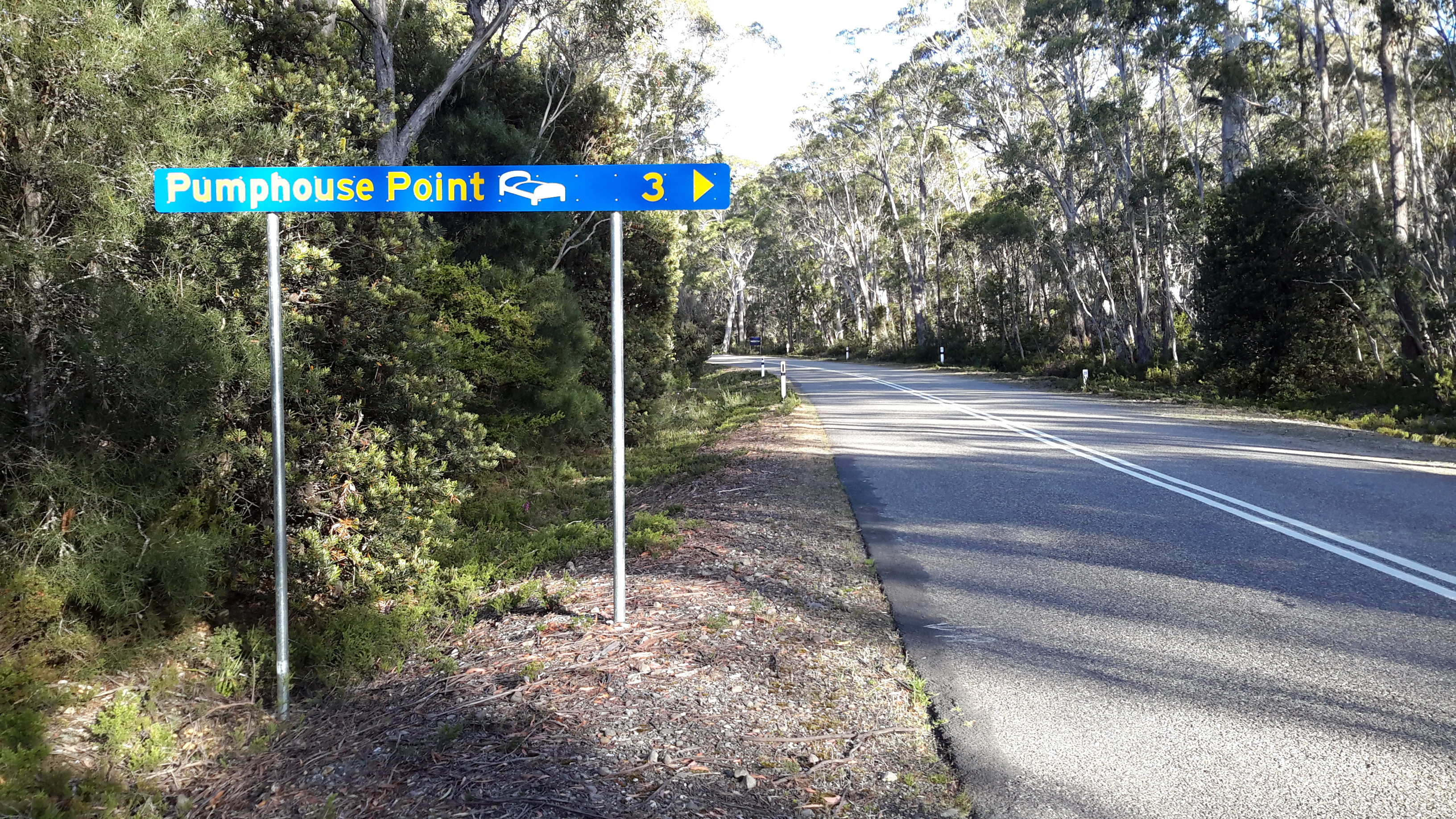
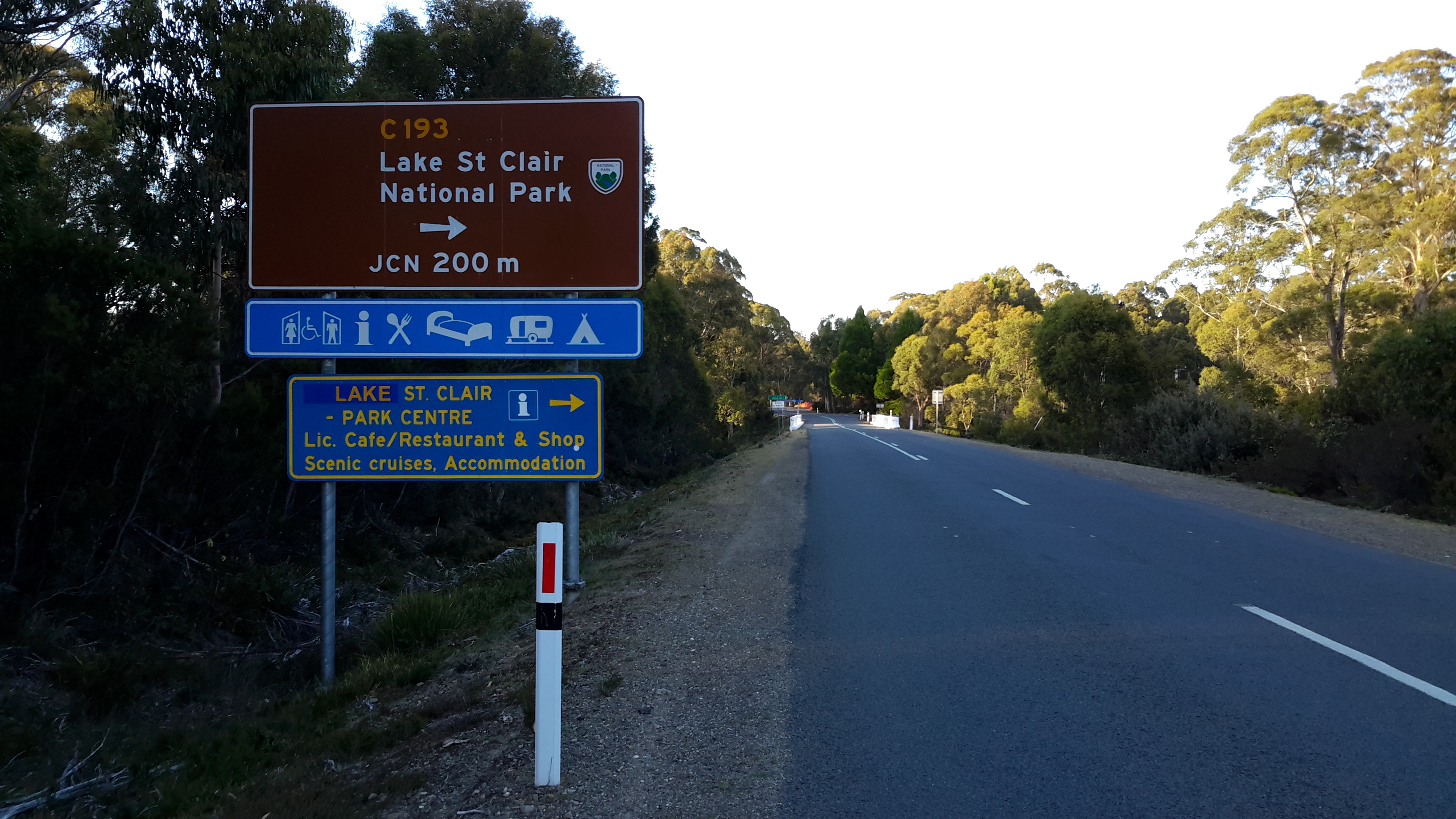
I turned right onto the road to Pumphouse Point rather than continuing on to Cynthia Bay, the main settlement at the southern end of Lake St Clair.

20160104_073545.jpg

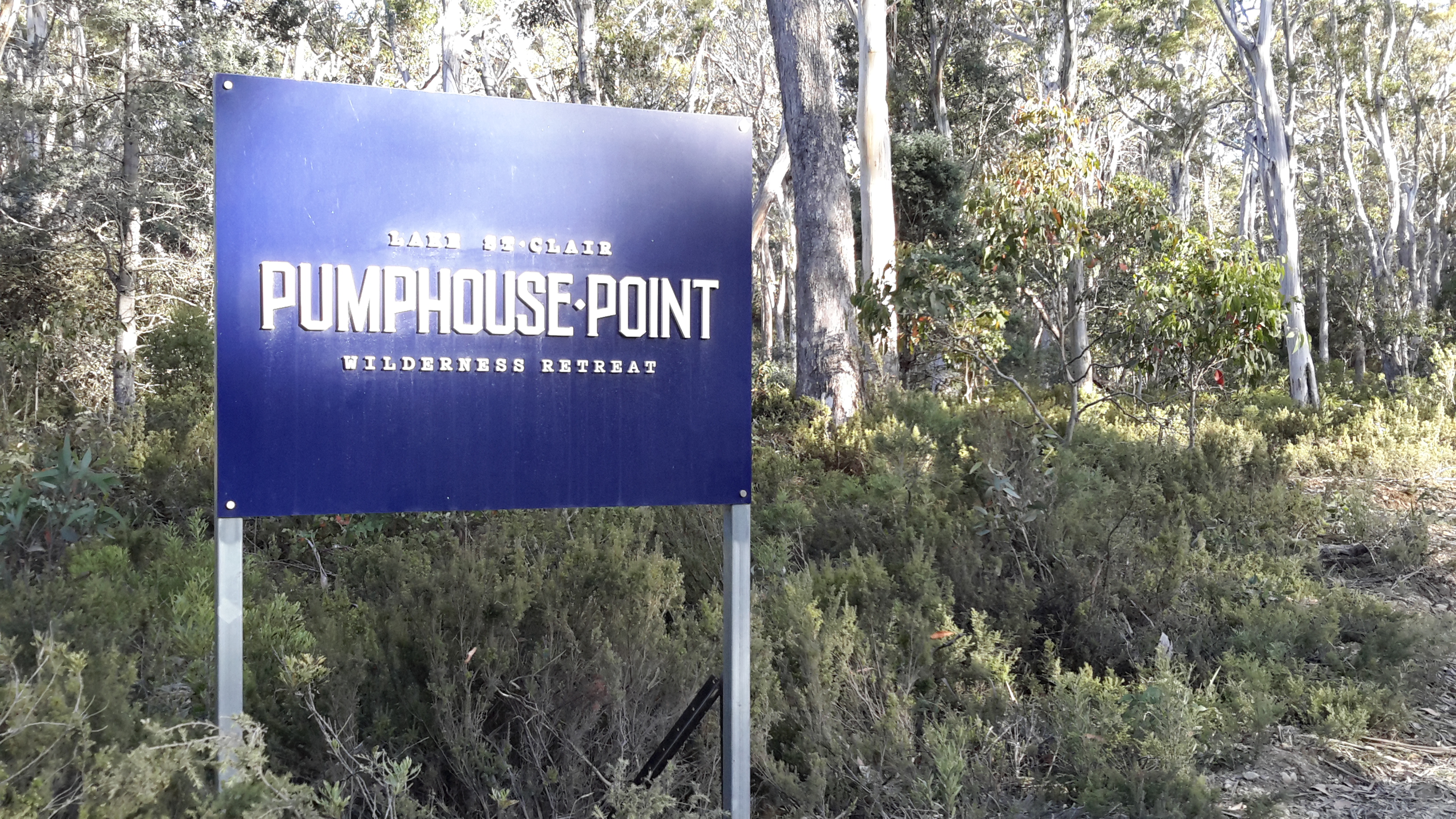
The discrete sign to the hotel allowed the environment to dominate.

20160104_073807.jpg

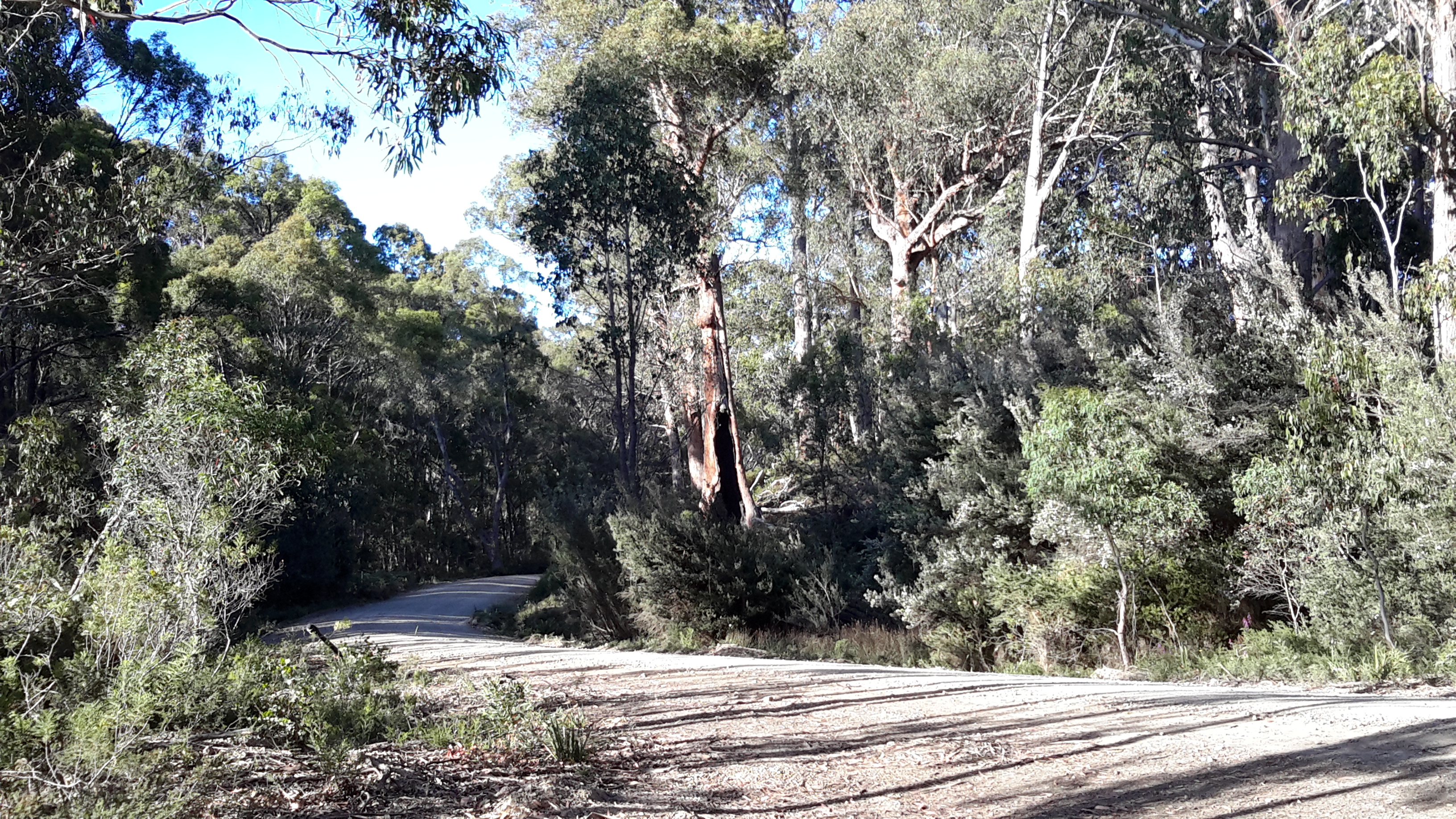
I followed the quiet gravel road northwards.

20160104_073812.jpg

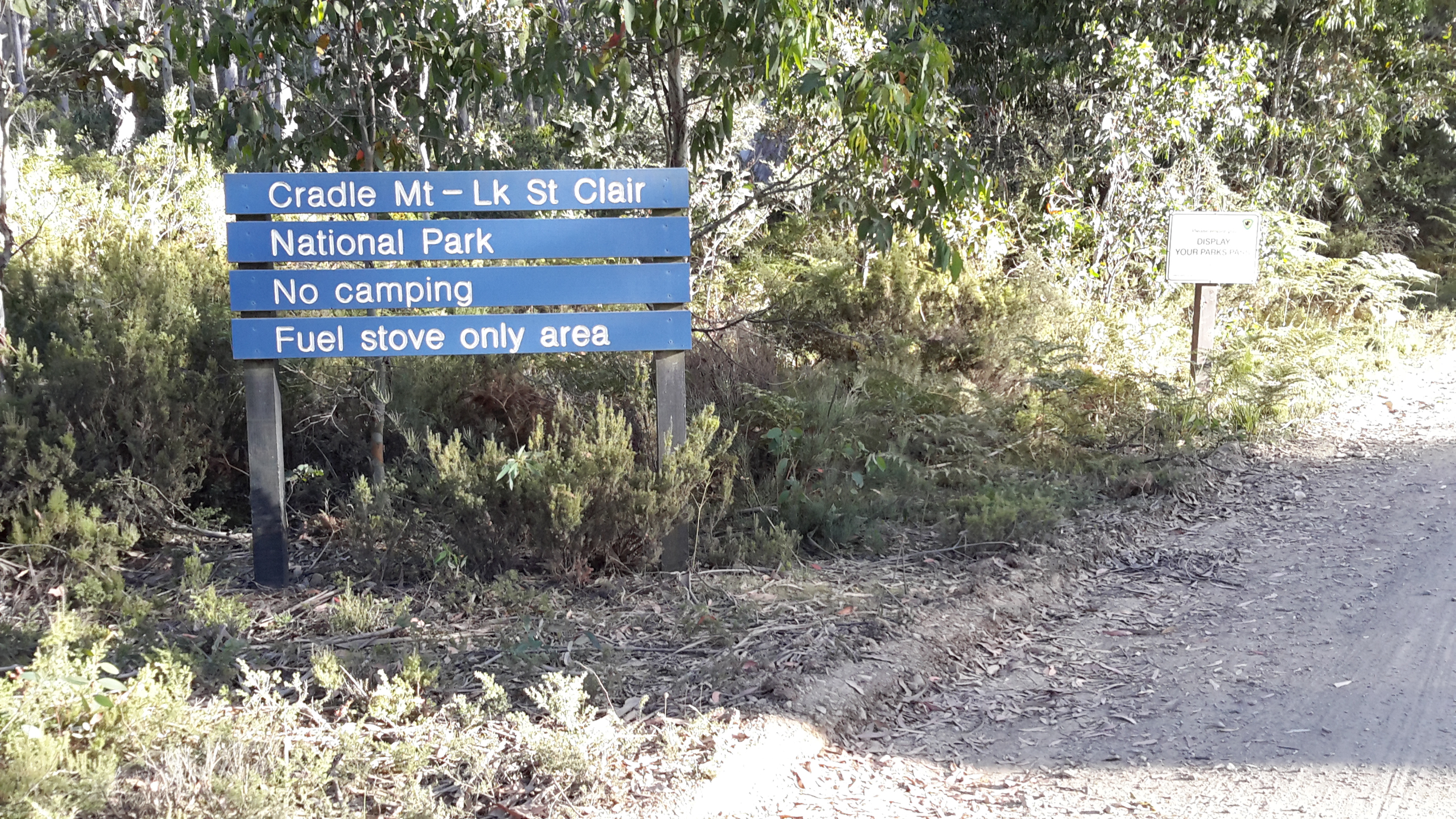
In taking this road it is important to realise you have entered a national park, and that you need to pay for the privilege.

20160104_073859.jpg

20160104_073910.jpg

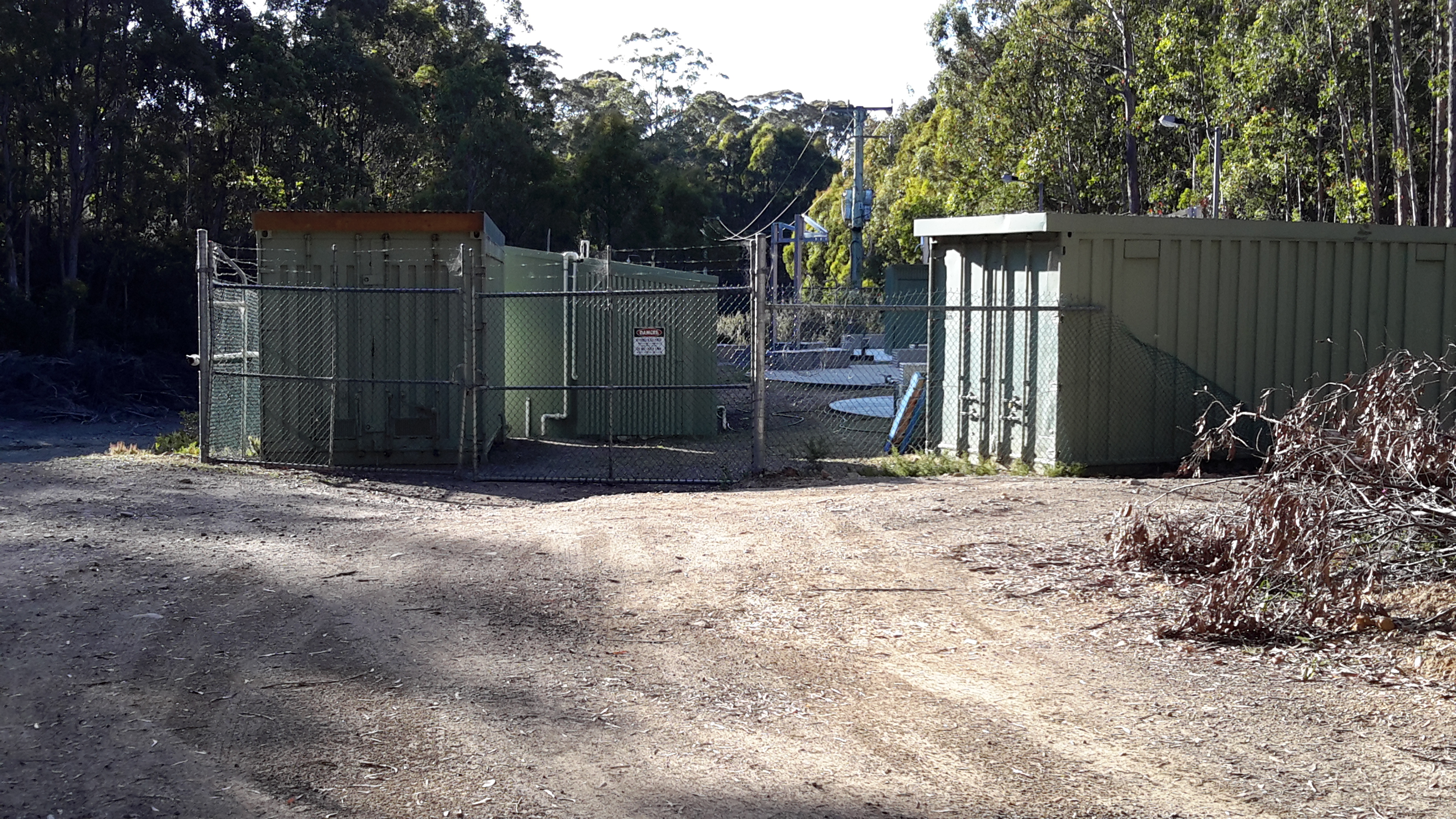
Before long I passed by a sewage treatment works, although one without a name or identification. A delicate odour gave notice.  I think that now I have walked passed every treatment works on the Derwent River – I am not sure if medals are given out for that sort of achievement.

20160104_074609.jpg

20160104_074727.jpg

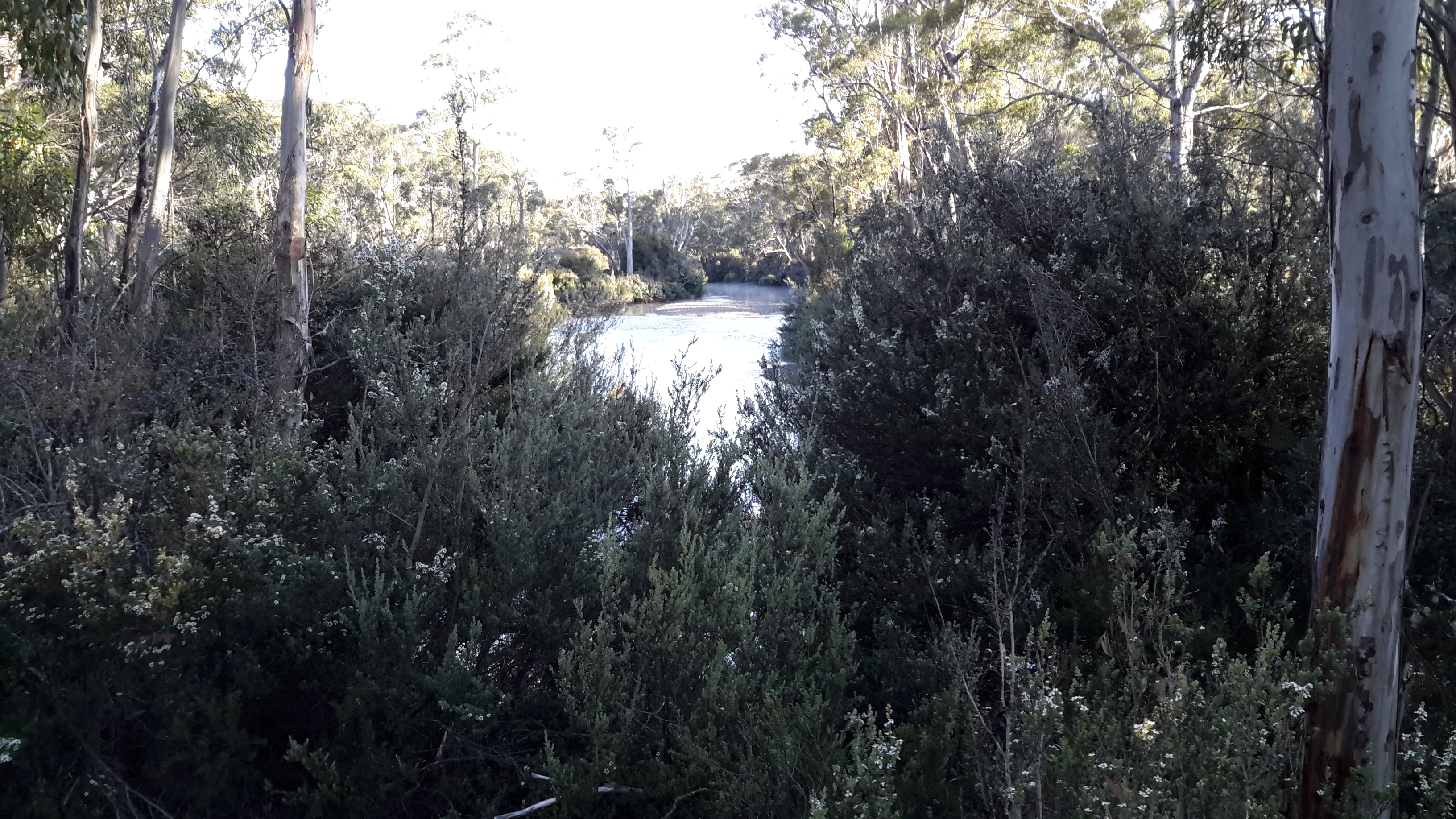
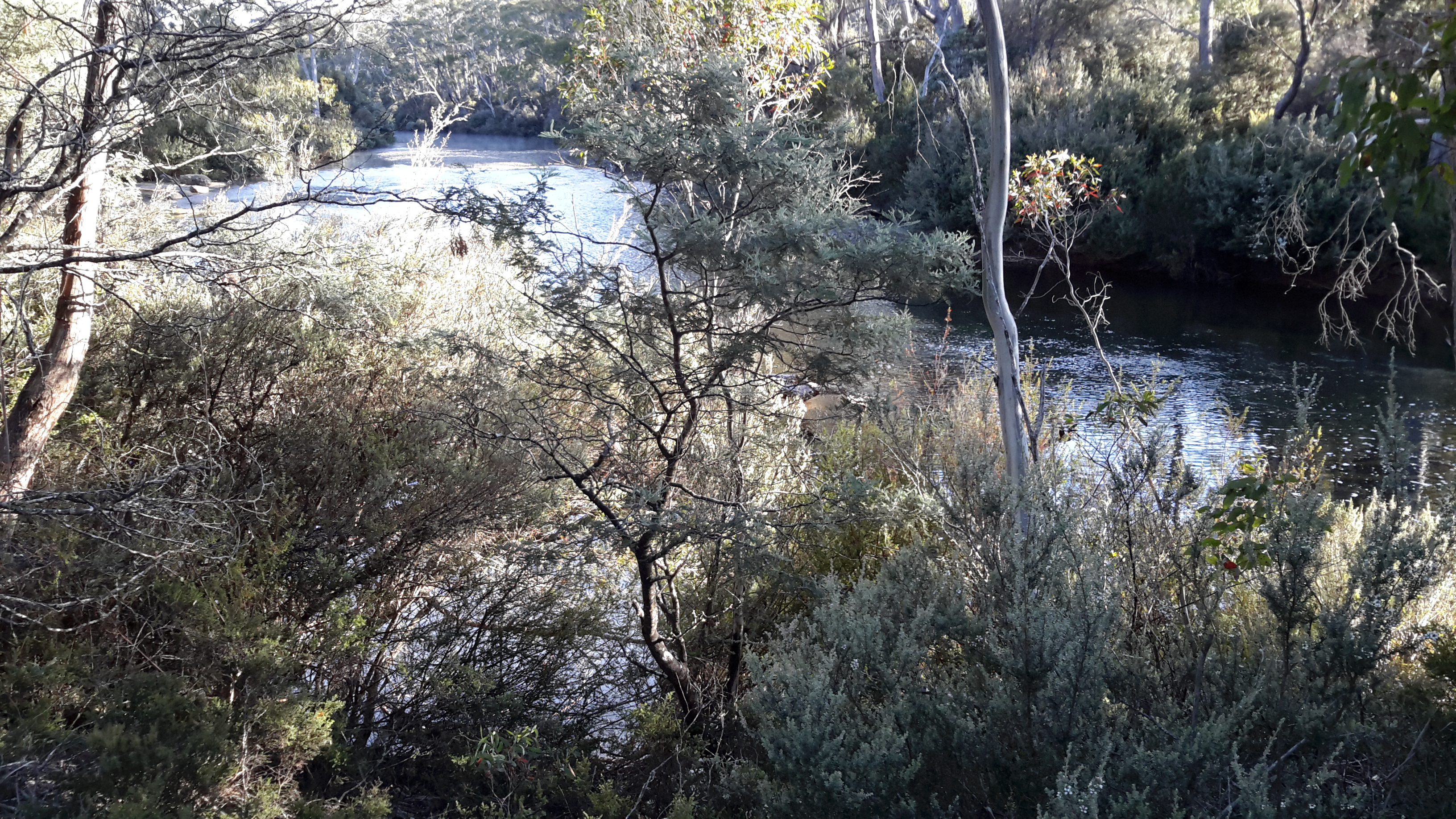
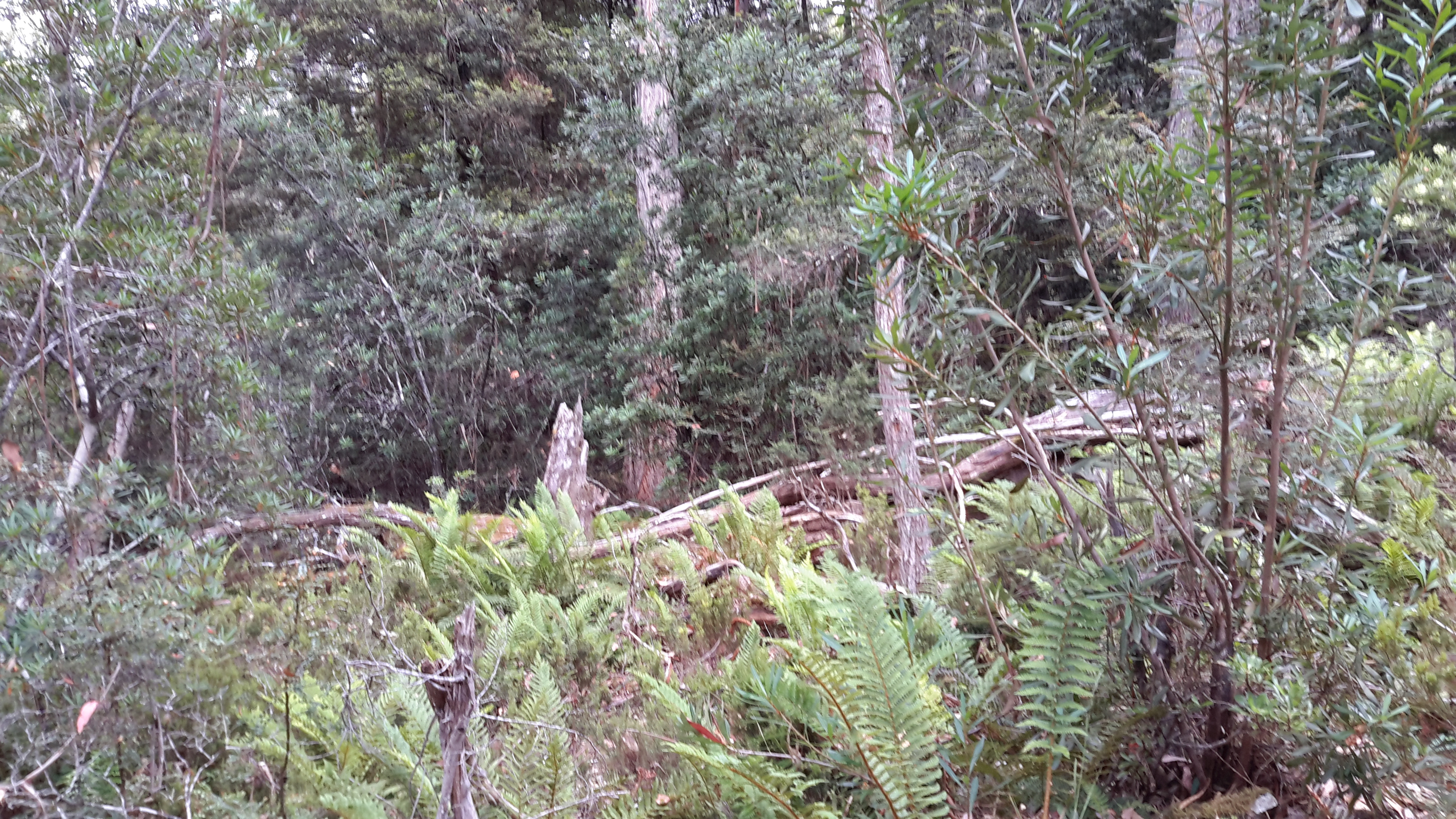
Then the bush was my only companion with the Derwent River seemingly running through the trees.

20160104_074731.jpg

Along the route, tracks of various qualities diverged to the River every few metres or so.

20160104_074907

20160104_075212.jpg

20160104_075216


The winding River

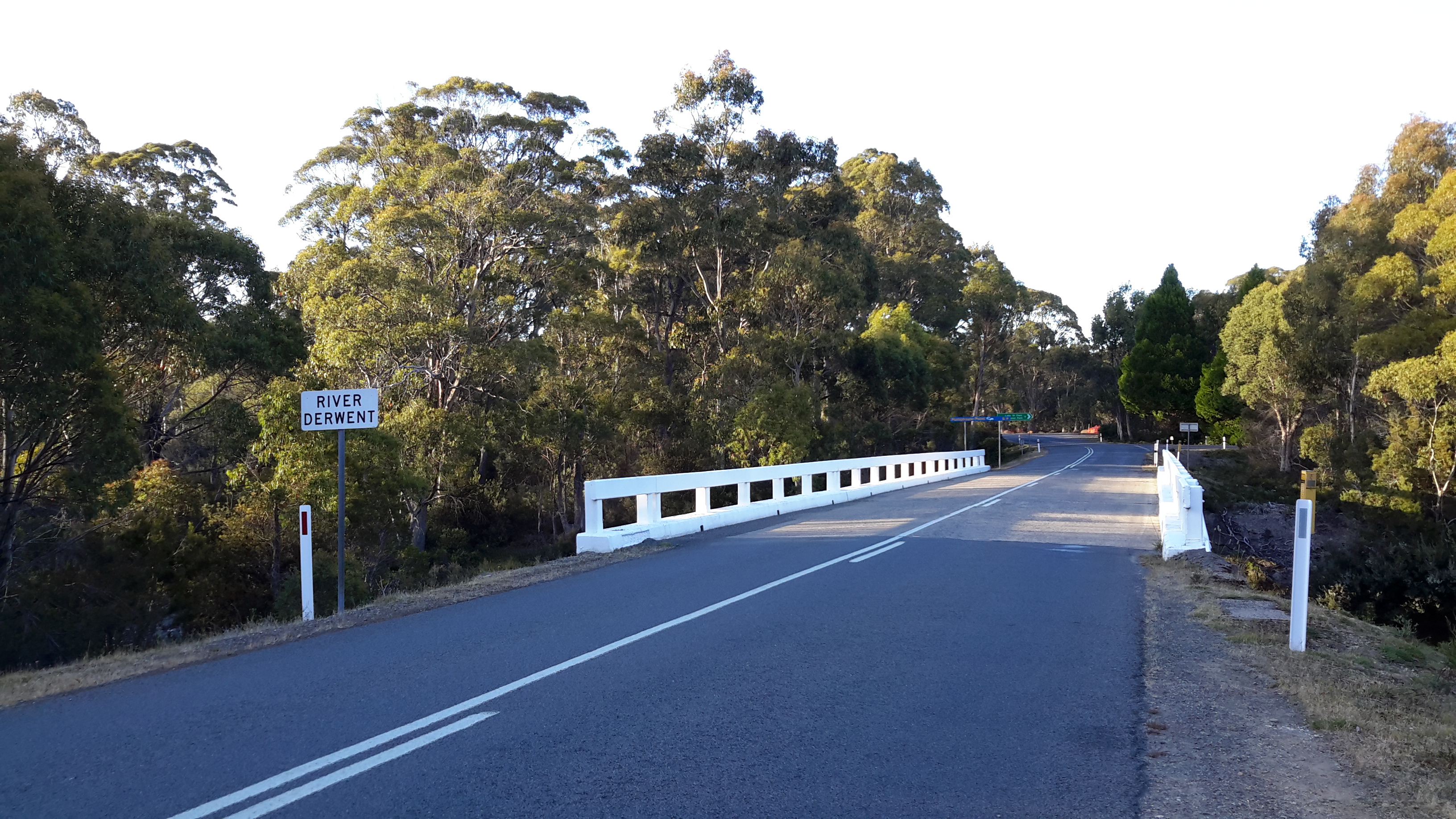
Between the Lyell Highway and the source of the Derwent River the River winds back on itself time and time again.

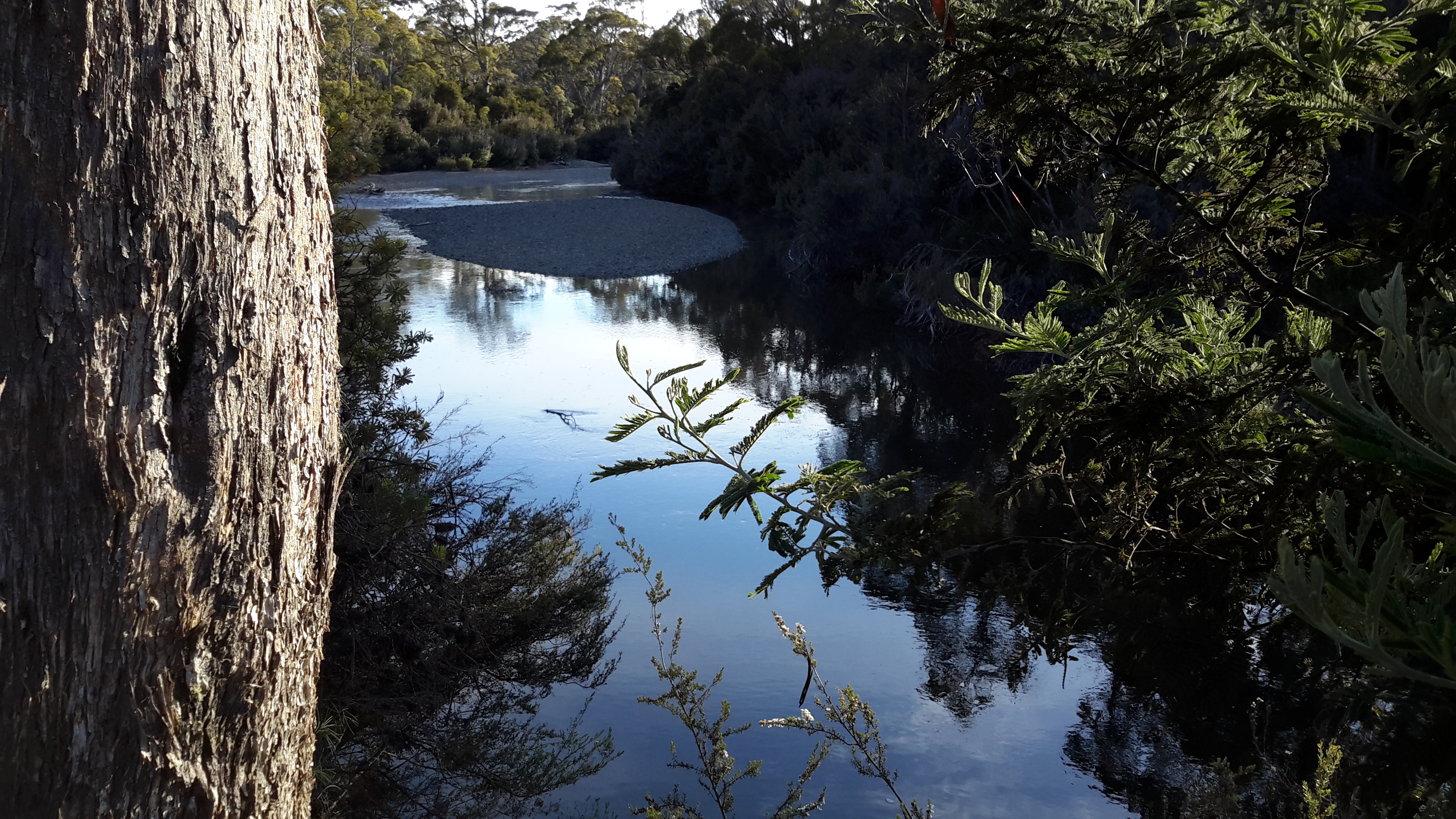
Sometimes a mesh of dense bush separated me from the Derwent River, and at other times I could dip my hands into the water. The opportunities to get a good look were variable, but in the early morning sun, all views were richly rewarding.

20160104_071147.jpg

20160104_071220.jpg

20160104_071232

20160104_071414.jpg

20160104_071425

20160104_071421

20160104_072038

20160104_072325


Starting out for the source of the Derwent River

I turned north and walked off the Lyell Highway along the road leading to Lake St Clair and other locations including the source of the Derwent River.  As I walked beside the River, I revelled in the colours of that pure water, and in the mystery of its twists and turns.

20160104_065538

20160104_070604

20160104_070745.jpg

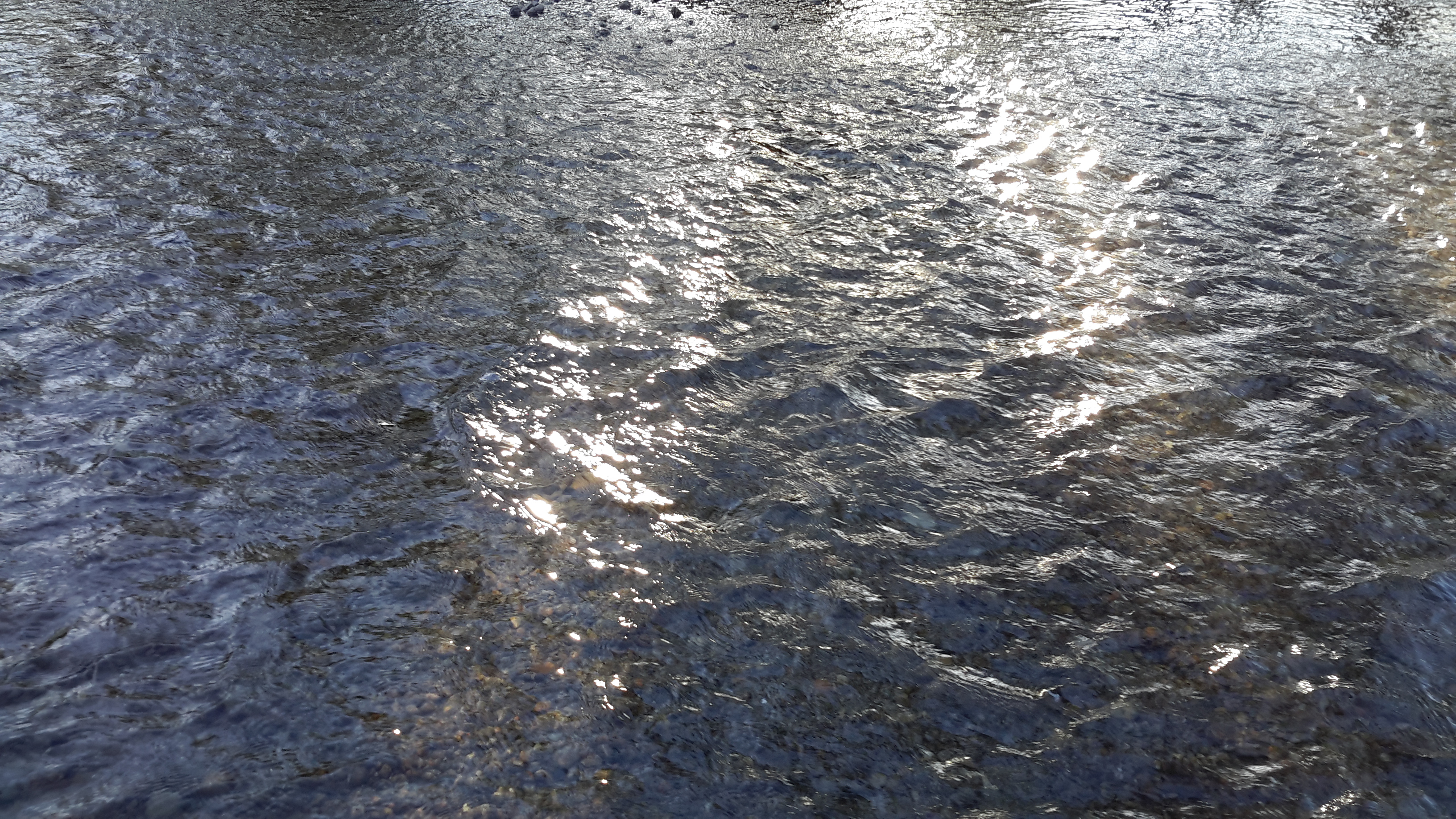
The water clarity was such that I could see the bottom of the River easily.

20160104_070613

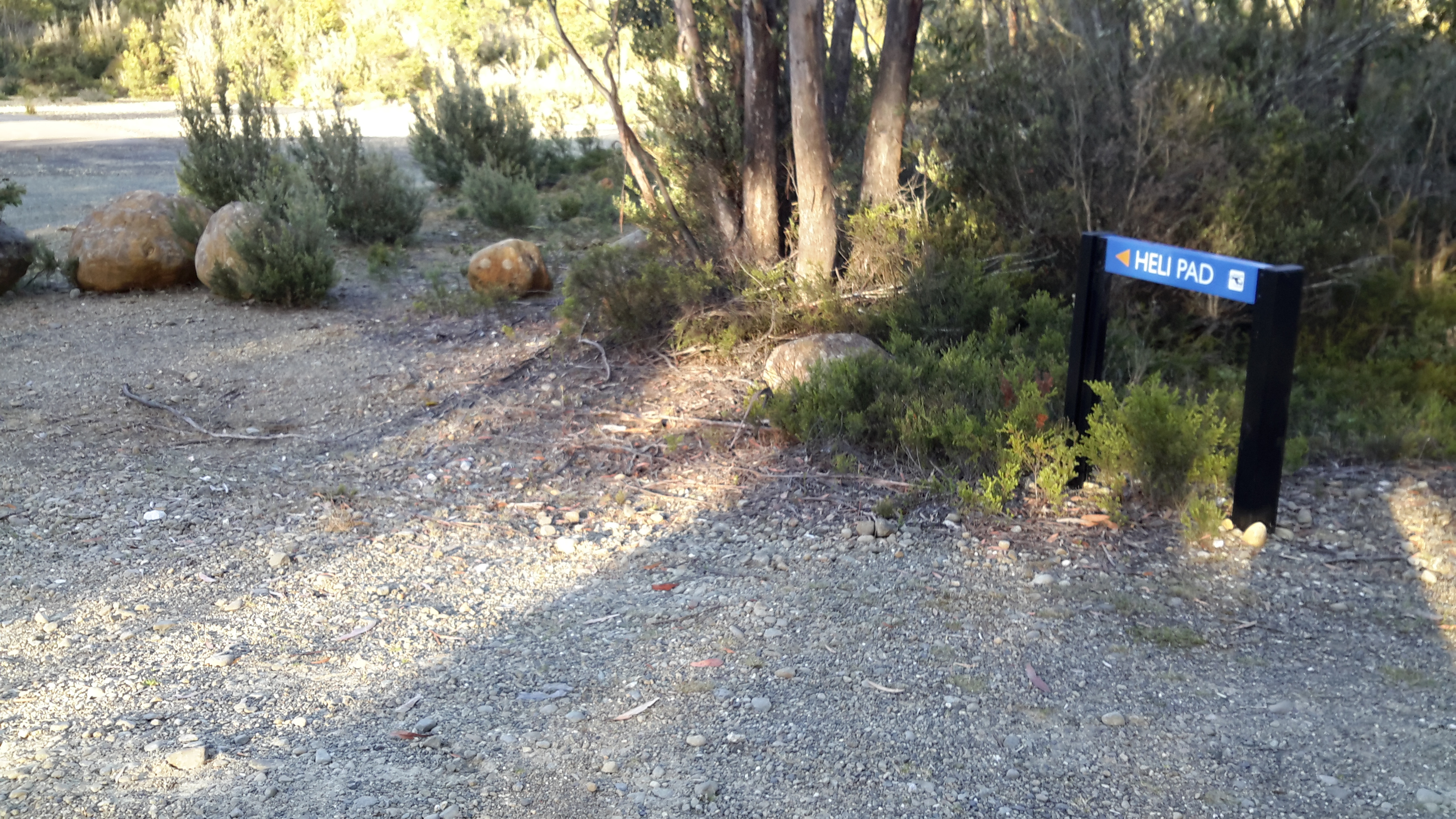
I passed an area designed for helicopters to land. There were none waiting, but I heard and saw many flying around every day giving tourists a bird’s eye views of the terrain.

20160104_070849.jpg

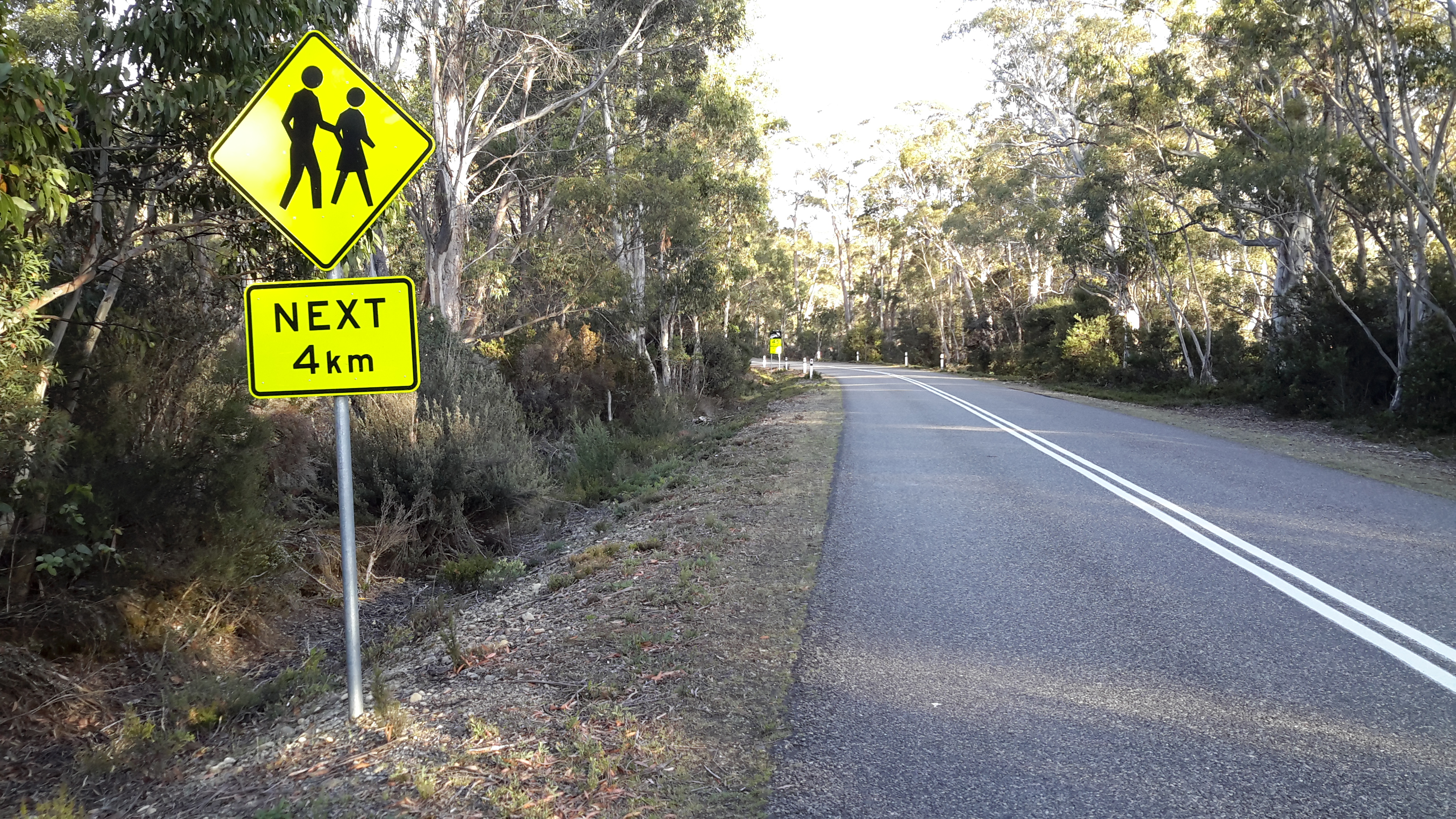
I loved the sign alerting drivers to be aware of walkers. The one below amused me because it was placed about 1 or 2 kms from the Lyell Highway and it occurred to me that if walkers were on the road after the sign then they had to be on the road before the sign as well. Like me.

20160104_070921.jpg

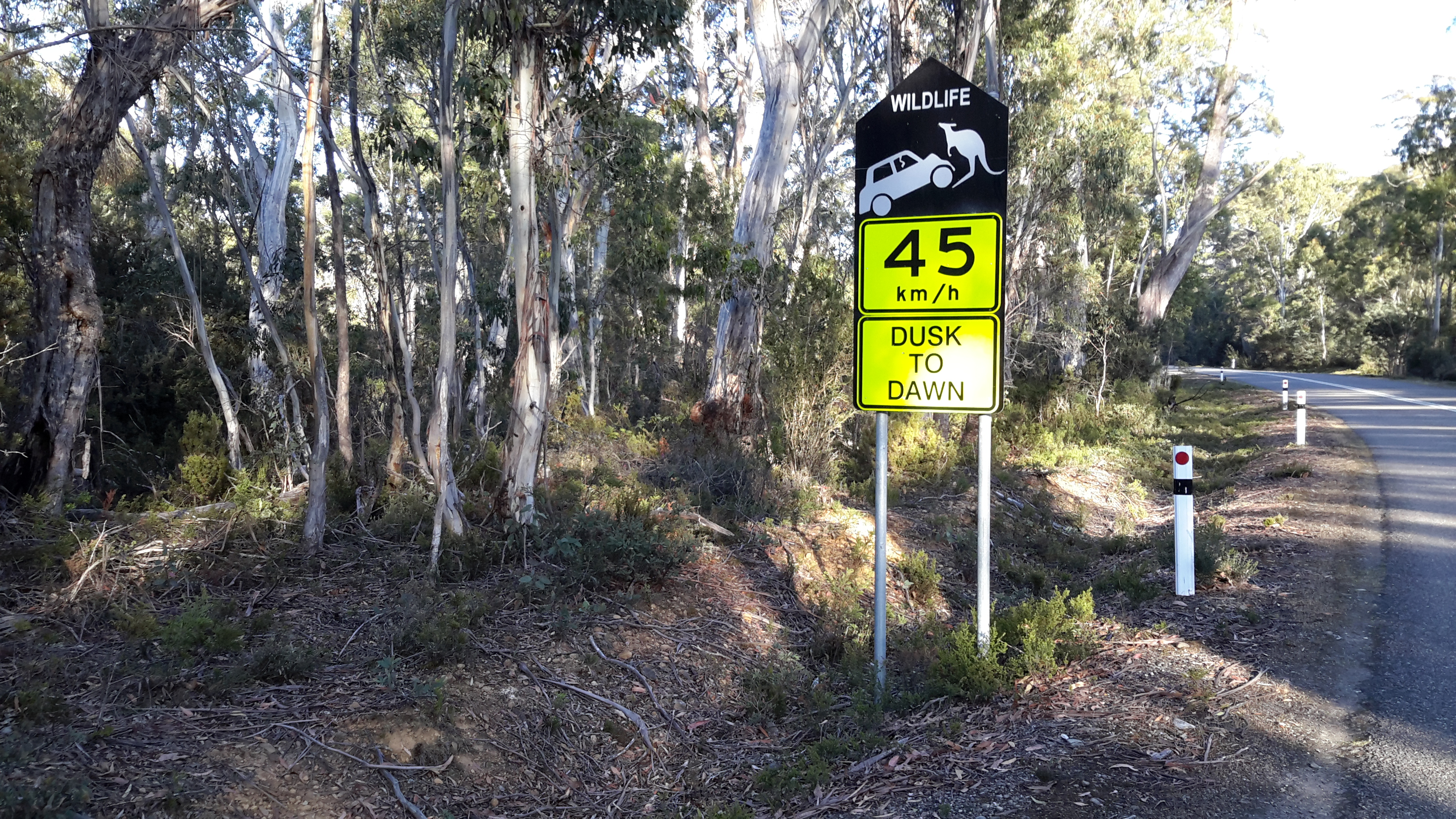
Then there was one of my favourite tall-story telling signs.

20160104_071036

This sign suggests our Tasmanian Kangaroos are larger and stronger than a car.  While mainland Australia has some giant sized ‘roos, our Tasmanians grow to a more modest size. However, in any collision, while our kangaroos won’t pick up a car, the power of the contact as they jump into the car’s path can send a car careering off the road perhaps towards a tree, or severely dent it, and personal injuries may result.  That is, both our kangaroos and our wallabies can unexpectedly cause major vehicle accidents.  By the way, our wildlife do not know what we write on signs. When a sign alerts motorists to be aware between dusk and dawn, they may be forgiven if surprised by an animal running or hopping on the road at other times of day.  Motorists must expect a rare occasion when a ‘Jonathan Living Seagull’, a maverick, an animal demonstrating great independence will suddenly appear.

On a more pleasant note and through my walk, the early morning birdsong was a delight. Listen to their crystal clear sounds on this video.

The Derwent River at Derwent Bridge

Having enjoyed showers, easy cups of tea and a comfortable bed, I woke early and was walking before 7am. It was cool so I wore a hat and jacket.  I noted the evidence of cold winters when snow lies on the ground and sometimes blocks the highway.

 20160105_074035.jpg

If you want to buy land in Derwent Bridge, a package of 3 lots is for sale.

20160104_064355.jpg

Signage on the Lyell Highway is clear.

20160104_064517

20160104_064646

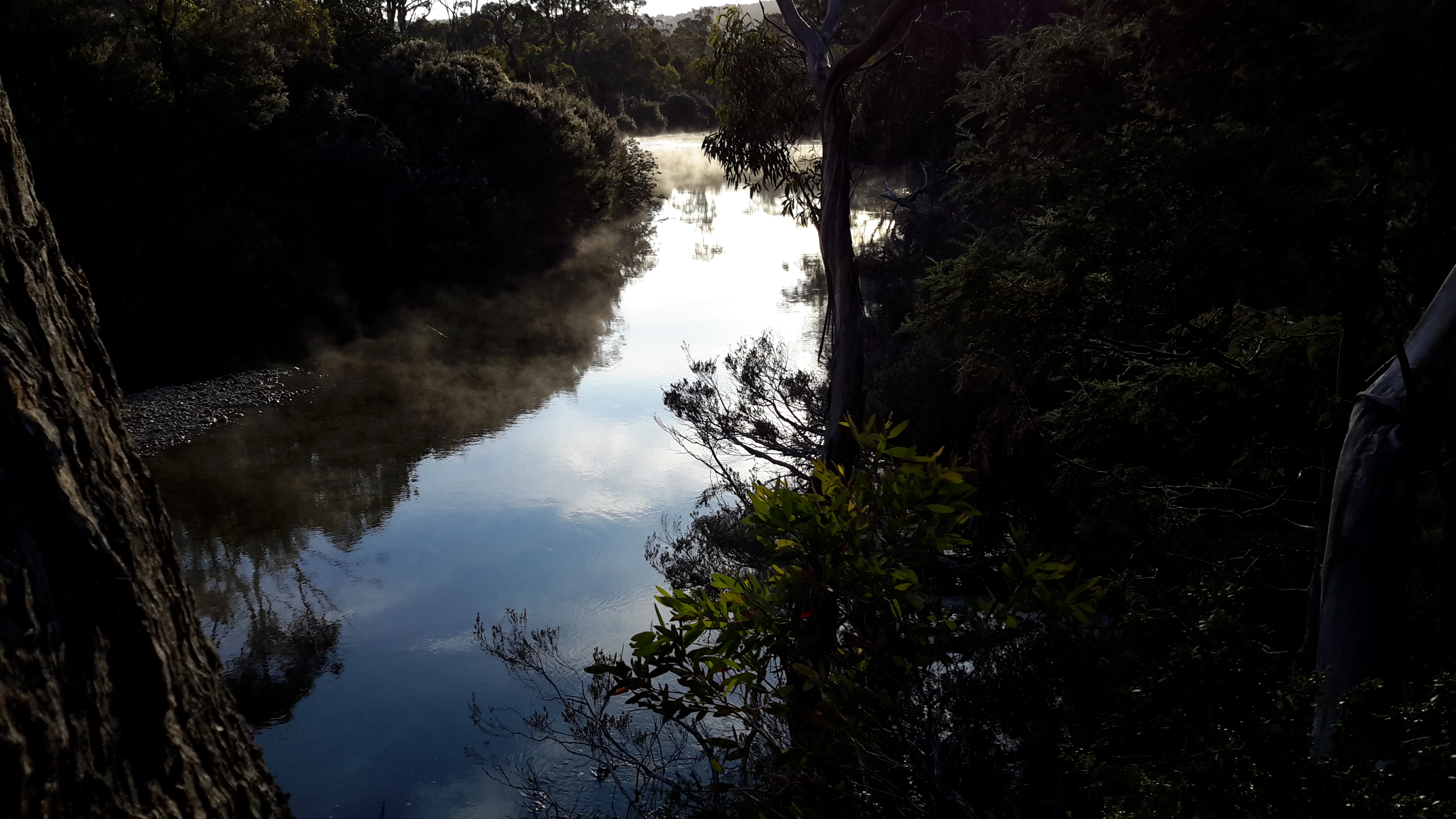
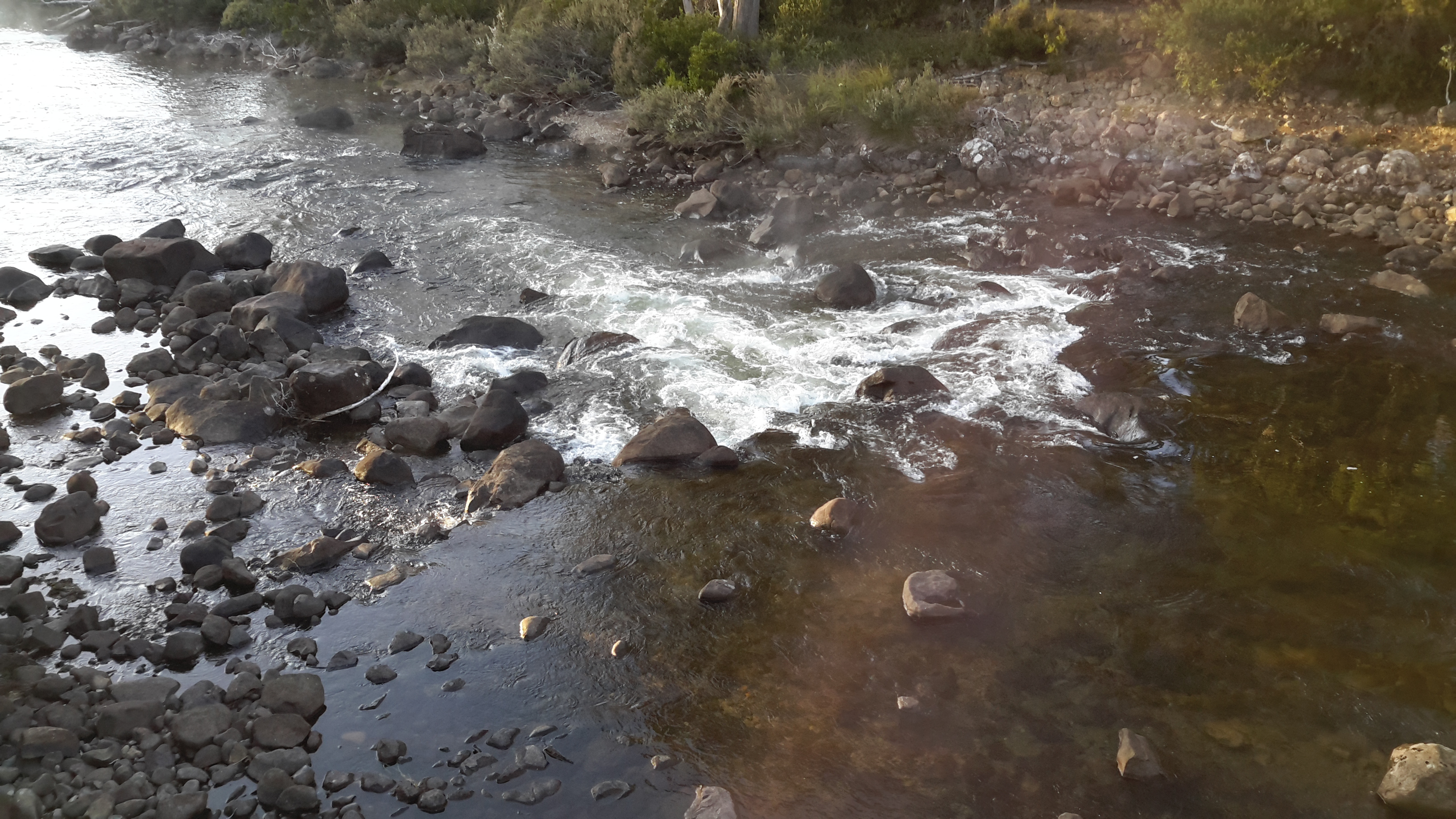
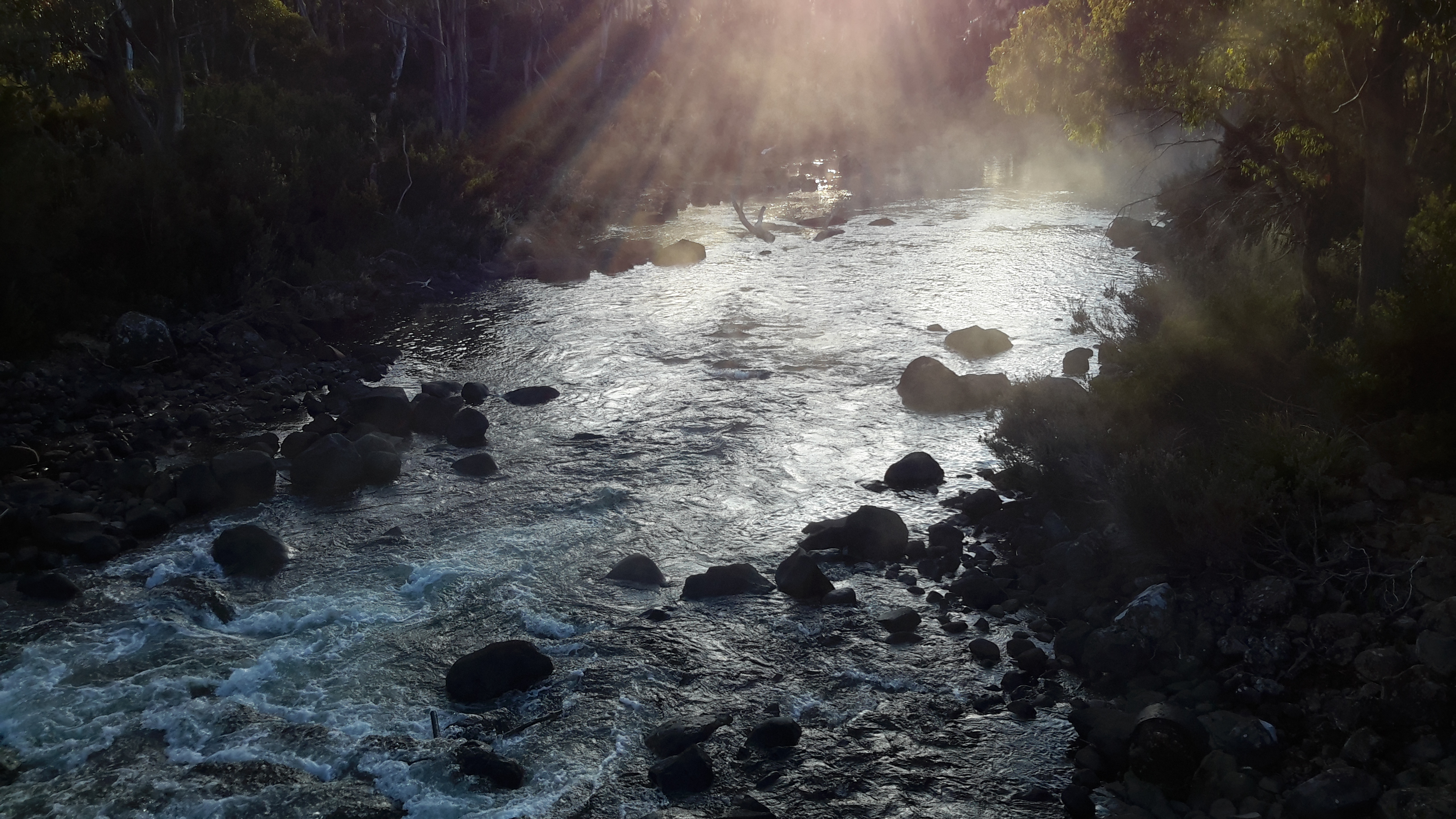
In the early light of day, the Derwent River glowed. The water was warmer than the air temperature causing a draft of steamy fog to float above the water.

20160104_064714.jpg

20160104_064830.jpg

20160104_064731

20160104_064738

20160104_064749

20160104_064844

20160104_064854


Showing me the way to go

Through the bush near the town ship of Derwent Bridge, many tracks criss-cross the landscape and I can see that some might get lost – and the maps do not show all tracks. However, no walker should have a problem if s/he remembers that going downhill will either bring him or her out onto the Derwent River or onto the Lyell Highway.

Nevertheless, when I came across a series of stones arranged into an arrow pointing along one track, I chose to believe it was the best track to take.

20160103_115813.jpg

Of course it was a risk to trust the arrow, because the stones could have been arranged for other purposes rather than to get someone to the town of Derwent Bridge by the shortest route.  I was pleased that sometime later, the Lyell Highway was in front of me albeit with a padlocked gate between us.  When I walked onto the road and looked back, this is what I saw.

20160103_122429.jpg

That was the first and only sign between Clark Dam and the southern end of Lake King William and this gate that indicated I was walking on private land which I should not be on.  Too late!  I have arrived.

The Derwent River was not far away. It is located between the gate and the Derwent Bridge Hotel 250 metres westwards.

20160103_122451.jpg

I was elated because I arrived in Derwent Bridge a day earlier than I expected.  A lovely surprise.

What goes up goes down

In any landscape, every hill has its ups and downs. Having crested the hill separating me away from Lake King William but with the Derwent River on my left as I walked northwards, I was astonished that I could see Lake St Clair.  There, as a bright white beacon on the water surface, was the Pumphouse Point Hotel. You will need to enlarge the photo below to see the tiny white block in upper left centre. To its right a small portion of the Derwent Basin can be seen. The Derwent Basin empties into St Clair Lagoon, and where that Lagoon is dammed, the Derwent River starts its long run to the sea.

20160103_103751.jpg

Of course the source was still a long way away, but I knew seeing this vista meant I was closing in on the point where the Derwent River started.

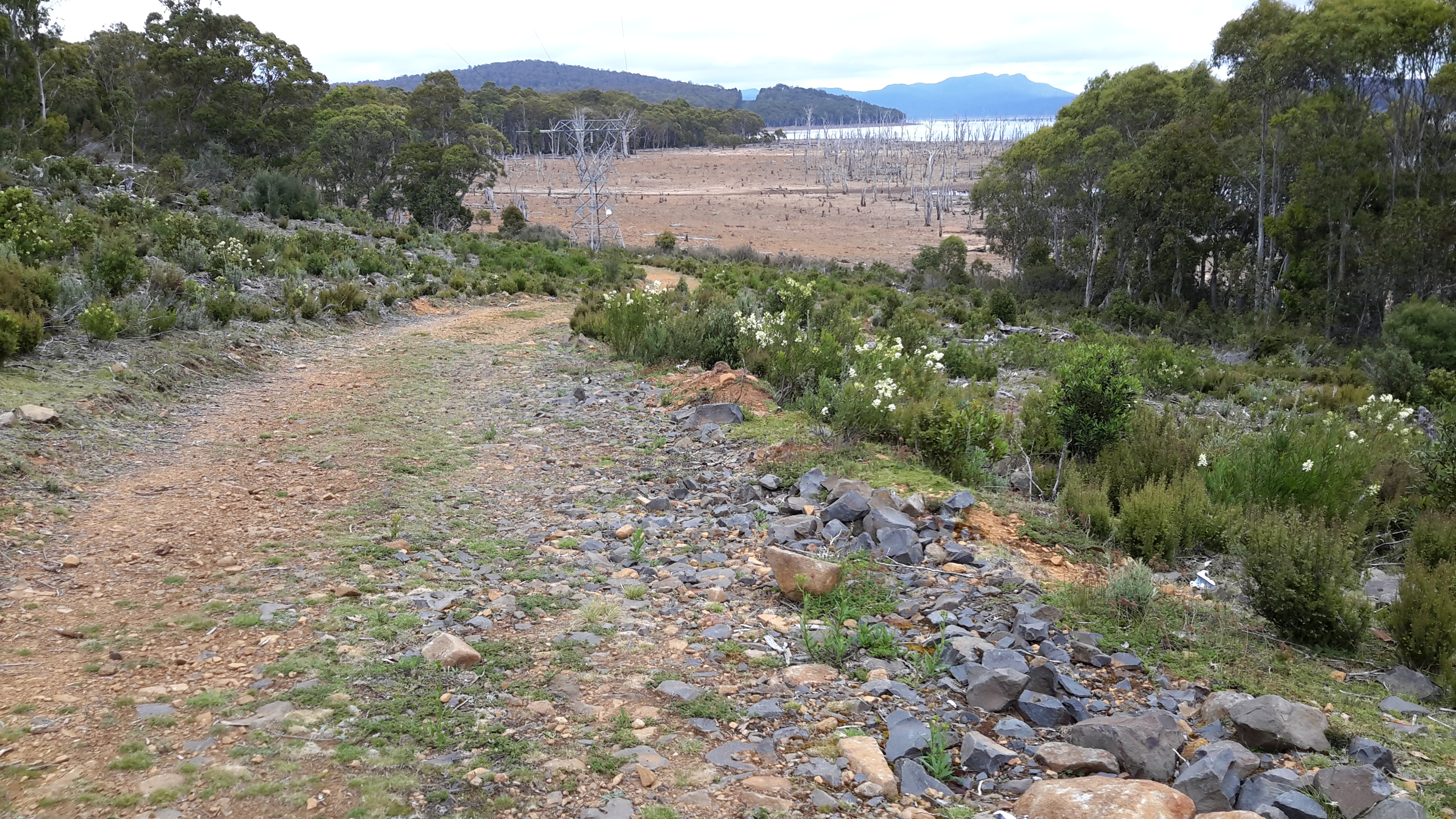
Then I started downhill on the sharp rocky track.

20160103_103831.jpg

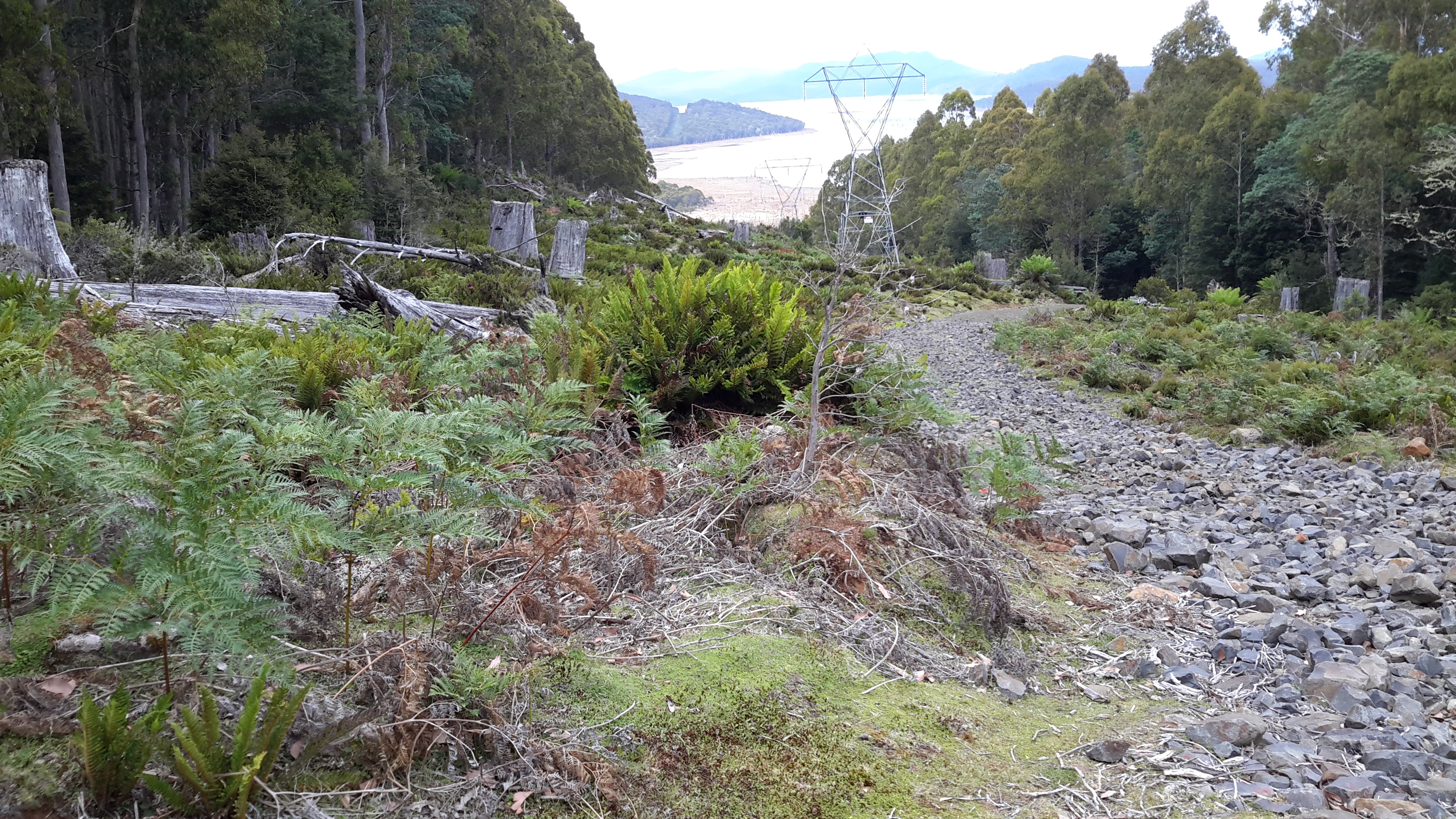
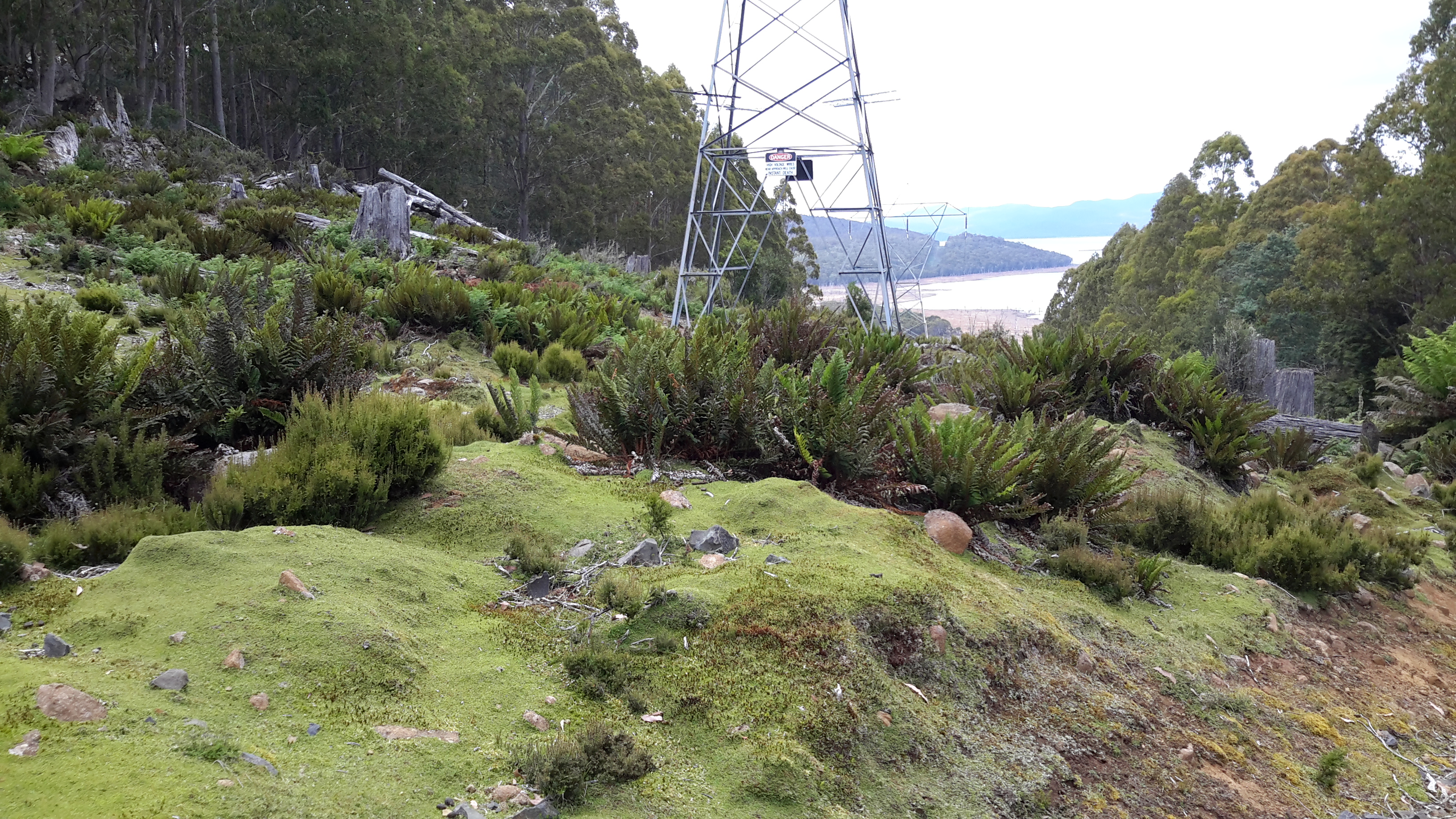
At the halfway down point, I photographed the view both up and down.

20160103_110309.jpg

20160103_110407.jpg

20160103_110401.jpg

Before long I was walking with the River to my left and a dry forest beside me.

20160103_110548.jpg

Trackless under the powerlines

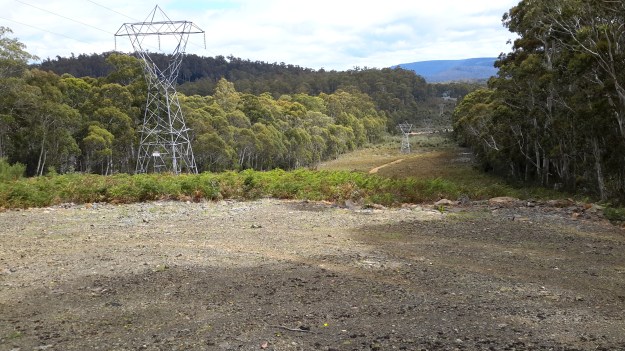
My map of the Lake King William area showed the 4WD vehicle Switchyard Track restarting on the northern side of the plain on the far side of the power line ‘clearway’.  I believed if I walked westwards under the powerlines then eventually I would see clearings through the trees and locate the track.

20160103_090805.jpg

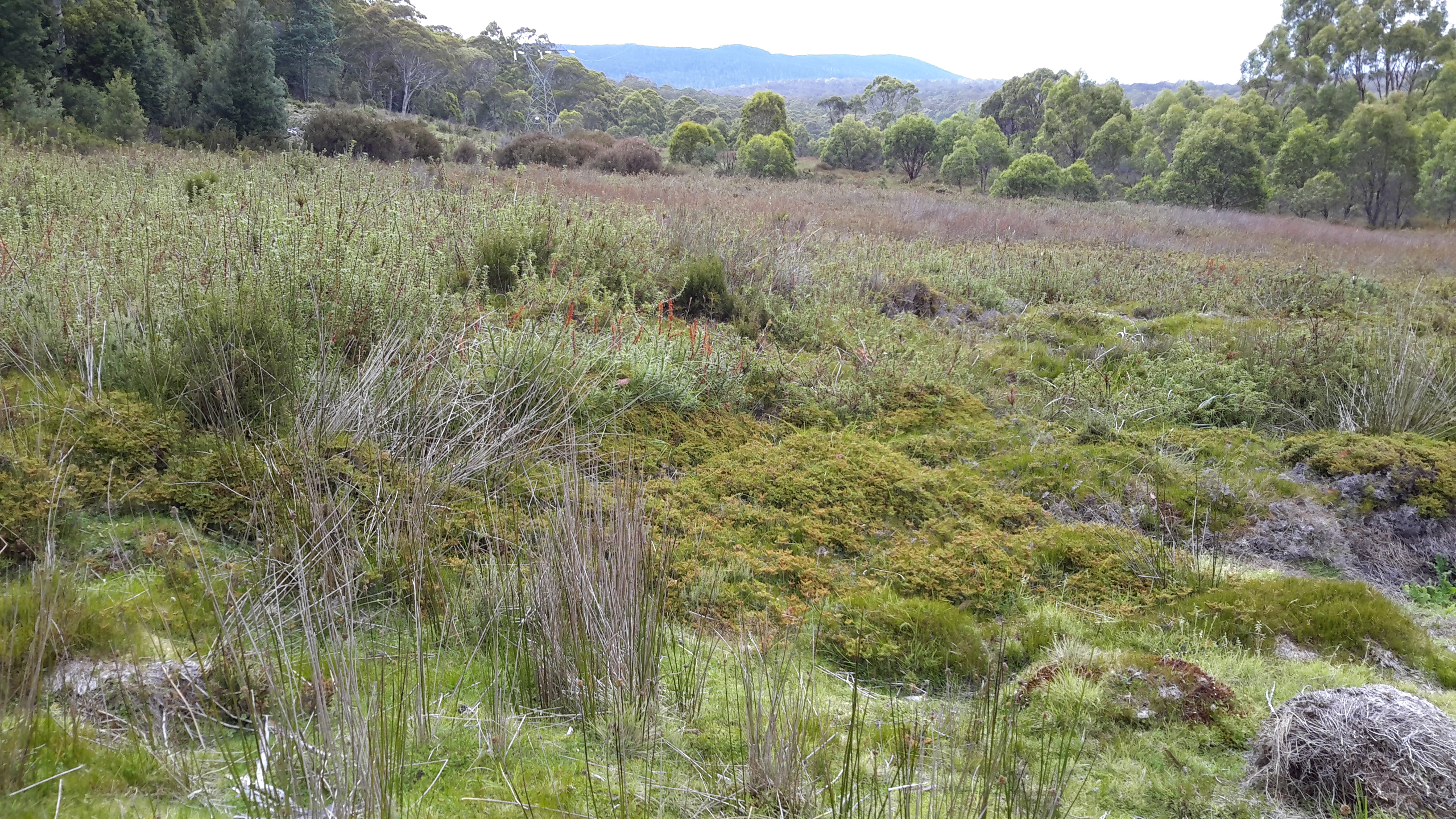
In my previous post I introduced the deeply compressible mossy plant that prevented rhythmic walking.  All the pale green vegetation in the photo above is that soft spongy moss.  Admirably beautiful to behold but challenging to walk across.

Our world is full of thoughts about ‘mindfulness’ and ‘being present’.  Walking this section required 100% concentration. I was forever present as I focused on the ground checking where my next step might be placed. I stumbled along for seemingly ages until I noticed a row of rocks unnaturally placed at the tree line.  That had to be a marker for the track.  It was. Relieved, I was soon following the track westwards.  I remember taking many photos of the dense forests either side of that track, but obviously I did not properly make the click because there are no photographs. I remember the air was clean and cool. Delightfully fresh. Eventually the track emerged from the forest and continued for a short distance next to the plain. The photo below which looks back inland, clearly shows the extensive depth of that plain.

20160103_091132.jpg

Still parallel to the plain, the track ran westwards towards the water of Lake King William.

20160103_091137.jpg

Soon I was surrounded by forest which, in normal climate conditions, would be a wet forest.

20160103_092129 20160103_092145

Occasionally I could look southwards and see out over the plain to Lake King William.

20160103_093105

Eventually I found great vantage points to look back inland.  I suspect that had I been able to walk across the plain to this point, I would not have needed to battle through the button grass, moss and spiky plants.  But I remembered this spacious landscape might, on other days and after considerable rain, be a sheet of water.

20160103_093447 20160103_093450

20160103_093455

A while later I could see the Derwent River flowing into the northern end of Lake King William.

20160103_094120

20160103_094225

Then I began the uphill climb on, what the maps marked as, an incline topping 800 metres. I realise that the Lake and river would not be at sea level, but in my mind I wanted the exaggeration because it made me feel like I had achieved a major climb once I reached the top.  Silly, I know.  But these are some of my inconsequential mind games.

20160103_094625

20160103_103642.jpg

20160103_103256.jpg

On the way up I deviated through a complex rain forest. Gentle. Beautiful. In the second photo below the Derwent River can be seen as a washed out blue line through the trees – my tablet camera cannot cope with lighting extremes.

20160103_095126

20160103_095353

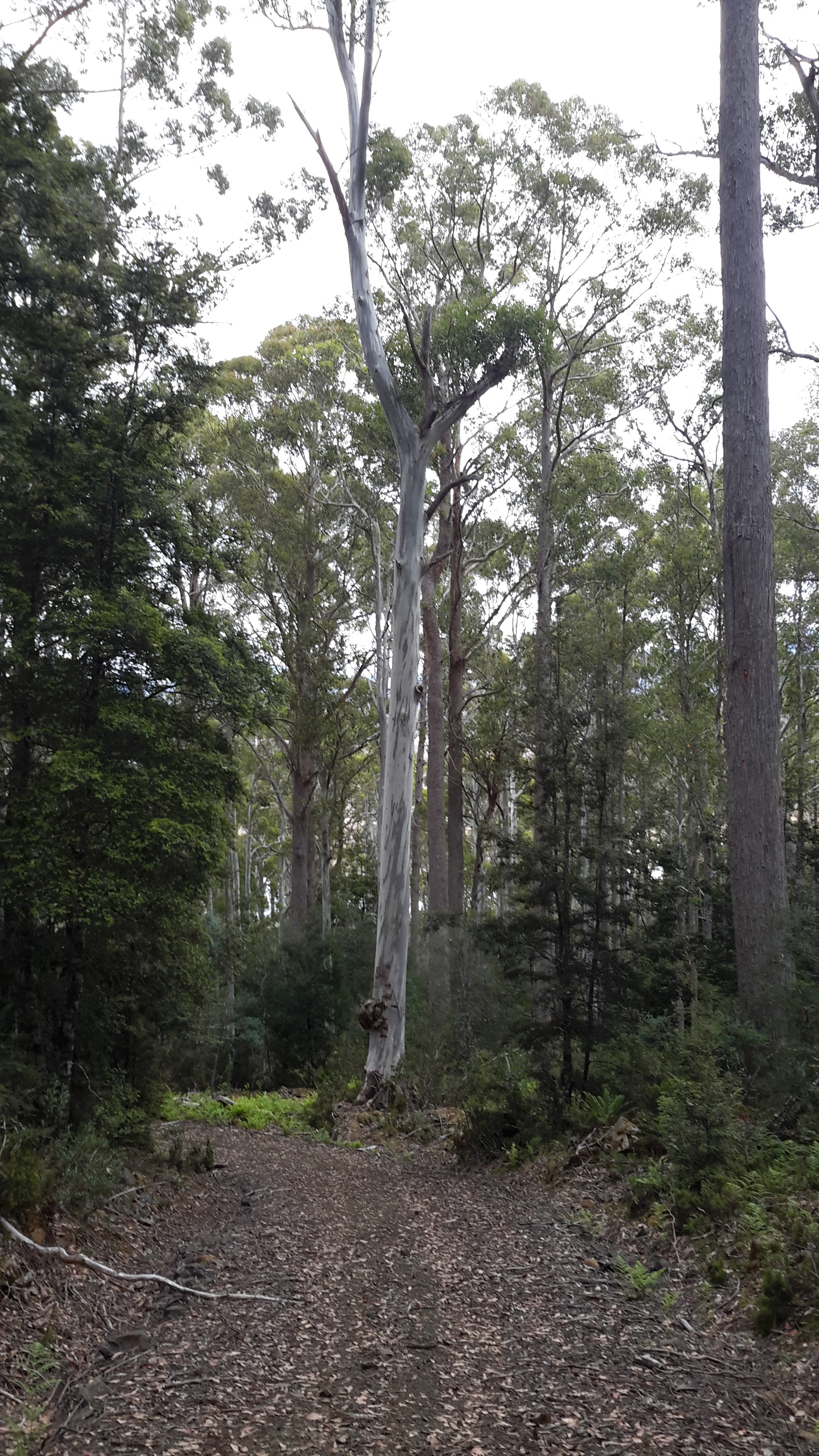
Majestic tall straight trees amazed me at every turn.

20160103_100523

20160103_101147

By placing one foot over the other and enjoying the bush sounds, the top of the hill was gained.  What an extraordinary morning had passed: from starting the day packing up the tent and collecting fresh Lake water to drink, to battling my way across challenging vegetation, farewelling Lake King William, reuniting with the undammed Derwent River, to climbing a relentless hill with all the unexpected visual pleasures that provided.  I felt clean of mind and spirit. Refreshed. Alive. And grateful.

Crossing the plain

Before reaching the plain, I stepped across a couple of tiny rivulets the waters of which were heading to Lake King William. The map indicated I should expect a number of these. None impacted on the ease of the walk. 20160103_075628.jpg
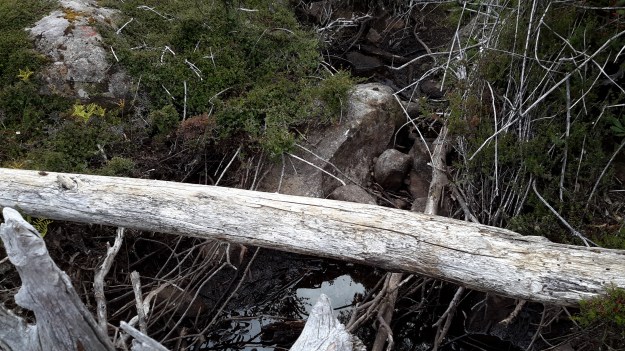
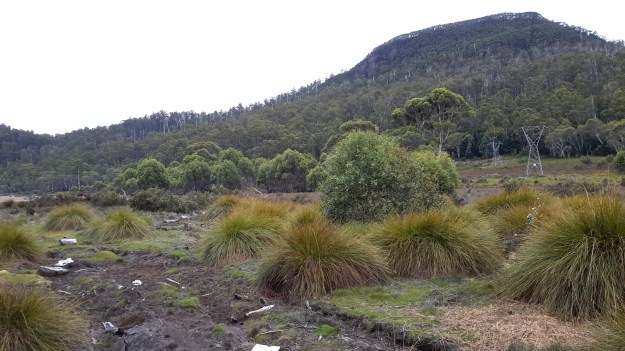
After walking approximately two thirds of the length of Lake King William from the south northwards, the track ended in a mire of deep dry criss-crossing ruts a few hundred metres inland. Obviously when the land was wet, vehicles had tried to continue onto the plain using bits of driftwood to give purchase – but the ruts soon stopped so I knew these man-made beasts had retreated, albeit with difficulty. My photo below, with Mount Charles looking down, does not adequately present the depth or the complexity of the intrusion of vehicles.
20160103_081746.jpg

In a recent posting I added in a link to Tassie Rambler’s blog . I suggest you revisit that site to look at the photographs showing what the area looks like when wet. Look for Mount Charles in the photos and then, in the photos that follow, you can see the wet plain that the Tassie Rambler experienced. I am immensely grateful for the dryness I found.

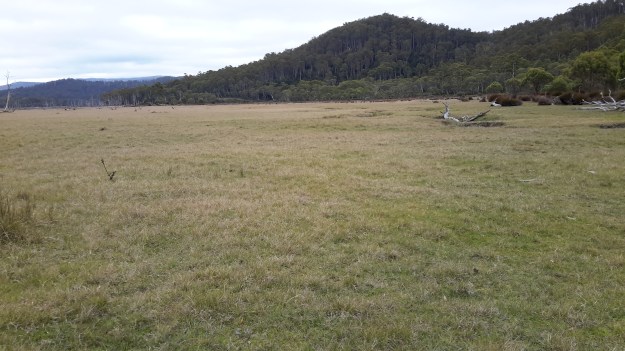
Mount Charles looked down on the plain which stretched wide and extended perhaps a kilometre inland from the Lake.  I knew I needed to aim at the pointed hill (see photo below) in the distance and be prepared to walk around it.
20160103_082040

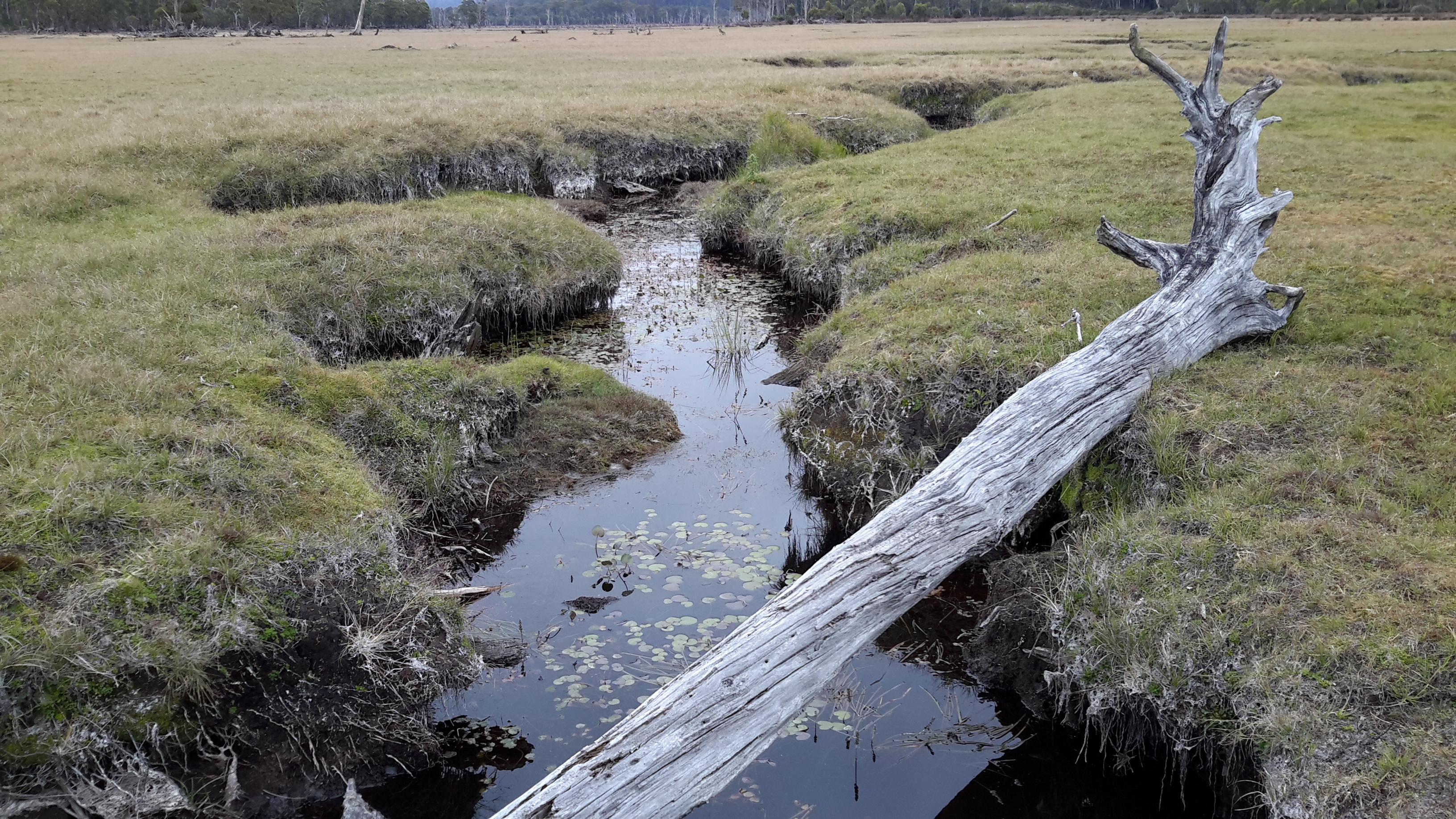
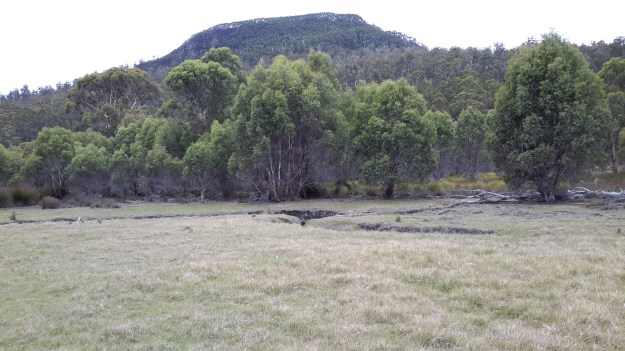
A snaking crevasse meandered through this seeming flatness. My map named Bethune Creek as the main watercourse in the area so I knew I needed to make a water crossing at some stage.  My passage point was a log resting on both sides of the land. Crossing Bethune Creek was easy.
20160103_082043.jpg

20160103_082220.jpg

The ground either side of the Creek and presumably across the plain was not wet, nevertheless it was springy under foot and I bounced as I walked.

Acres and acres of this ‘ground’ extended in all directions and a decision was required. Should I walk beside Bethune Creek until I was much closer to Lake King William and then try and get through the bush, find a track and continue on solid ground? Alternatively, because I could see the power lines in a row parallel to the plain, I wondered whether I should walk through the bush towards them as soon as I could see an easy route.  From where I stood it was not clear that accessing the power line area would be easy or even possible if I proceeded closer to the Lake so I decided to make a path to the power lines through the band of small bushes and undergrowth which seemed to be the narrowest.  It didn’t look difficult.

This was where the fun started.

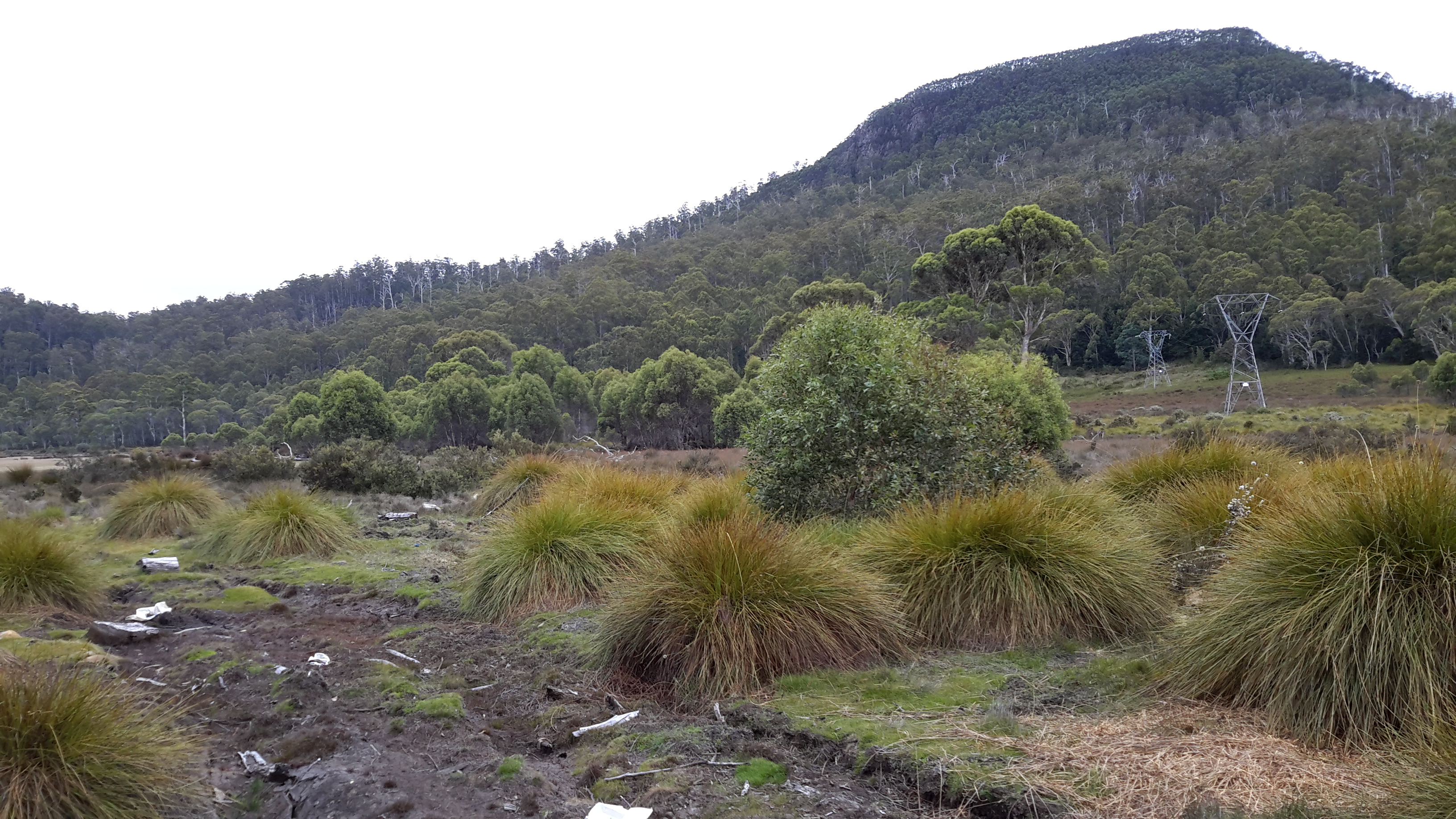
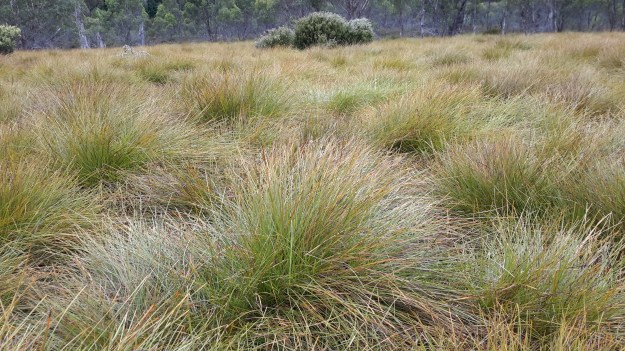
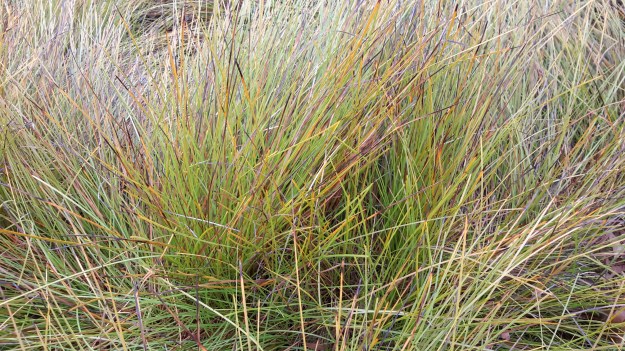
Over the years, bushwalkers have groaned at the memory of experiences crossing button grass plains. Until this walk, I had no experience of walking through these plants.  Now I understand bushwalkers’ groans. When you see the images below of the button grass it appears not to present difficulties for walking – but appearances deceive.
20160103_082549.jpg

20160103_082554.jpg

Despite the fact I only needed to cover about 100 metres of these beautiful looking plants, it was one of the most exhausting and frustrating processes I have ever endured. However, even as I tried to negotiate the distance, I could see the funny side if someone else had been watching my antics and halting progress.

Each button grass plant has a thick roughly circular base and then sprouts long arms some of which end with a spherical seed case, the button. Around and between each plant run channels which, in wetter times, would be a muddy, marshy, boot-removing quagmire.  Thankfully, these channels were bone dry when I made the crossing.  The channels were the width of one of my feet so on occasion I tried to walk in the channels. The channels are deep so that the top of the surrounding button grass plants were sometimes around my armpit height. This meant seeing the best forward path was not always possible. After making a few steps around a few plants, I would think I had found a way to continue reasonably comfortably, albeit not in a straight line to my destination. Then suddenly a mesh of grasses from a number of close growing plants would be so thick that I could not force my way through nor step over.  Then I would hump myself up to balance in the middle of a grass plant, my backpack changing my centre of gravity.  The irregularity of the height and thickness of the plants required constant rebalancing to stay upright. And I didn’t stay upright. I couldn’t.  So I would fall onto my back perhaps across a plant or two or perhaps into or straddling a channel. I lay there, rather like a beetle with legs and arms flailing in the air where turning over or getting up seems impossible. Then I would unhitch my back pack, firm my footing in a channel, load my backpack on, and start again. How many times did this happen? I cannot say.  But the landings were always soft and not jarring. These were gentle falls backwards offering marvellous sky views!

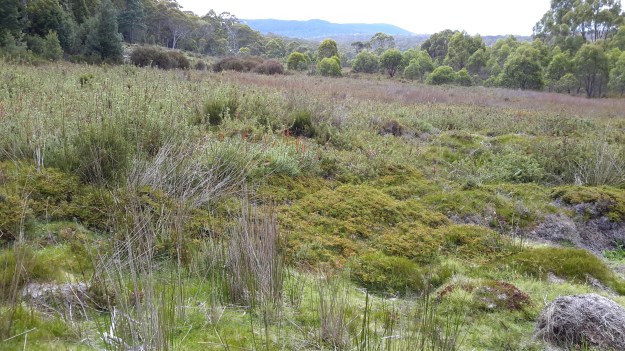
After much time – was it an hour or more? – the vegetation changed to a combination of few button grass plants, a nice little short spiky leaved plant (mind over matter was required to proceed through this), and a deeply spongy moss.

In the photo below, across the low level growth, the taller spiky plant can be seen left of centre, and the pale green plant in the foreground is the moss.  Again this photo shows a landscape that looks easy to walk through.  I promise you that looks deceive greatly. The ground beneath the plants was uneven, and some of the plants were deeply compressible by different degrees.
20160103_090753.jpg

I do not think the soft mossy plant, which slowed my progress considerably, was Sphagnum Moss one of Tasmania’s endemic species; however I am unable to identify it. Looking firm, I would step onto a smooth looking mass and that foot might sink a few inches, twelve inches, or I might drop down to knee height in the mass. Meanwhile the other foot and leg stayed elsewhere up someplace on another firmer plant. Unused muscles got a stretch. Keeping my balance was crucial because falling on the spiky plants held no allure.

A couple of years ago I attended classes to learn to dance the Argentine Tango in which balance is critical to success. During the dance, the man leads and the woman may need to stay balanced mid move on one foot for an unknown time. This means every time I made a step I needed to be prepared to stop, not sway, and keep centred. The dance experience proved useful in Tasmania’s wilderness as I negotiated a path through these plants. Speed was never an option.

I am not proud to say that I disturbed the landscape on this section of the walk.  However, the extraordinary resilience of the plants on which I stepped amazed me. They bounced back to their original shape immediately. When I stepped off the button grass plants and the moss, I could not see any mark of where I had been, although I recognise that at a micro level (perhaps even closer inspection) my steps would be in evidence on these plants.

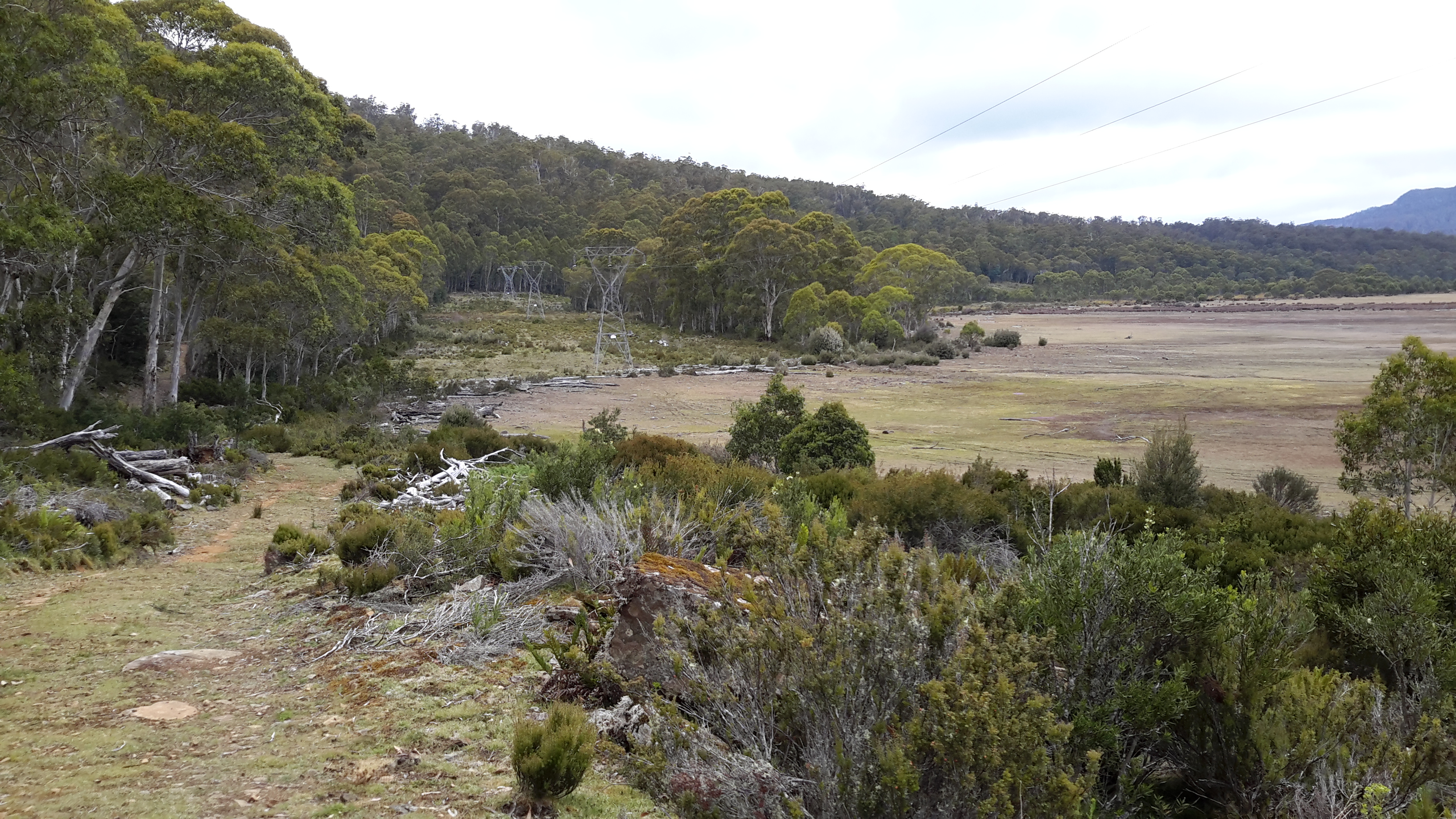
Eventually I reached the power line clearway. It wasn’t clear. Dreams of easy walking remained dreams.

The rocky shore

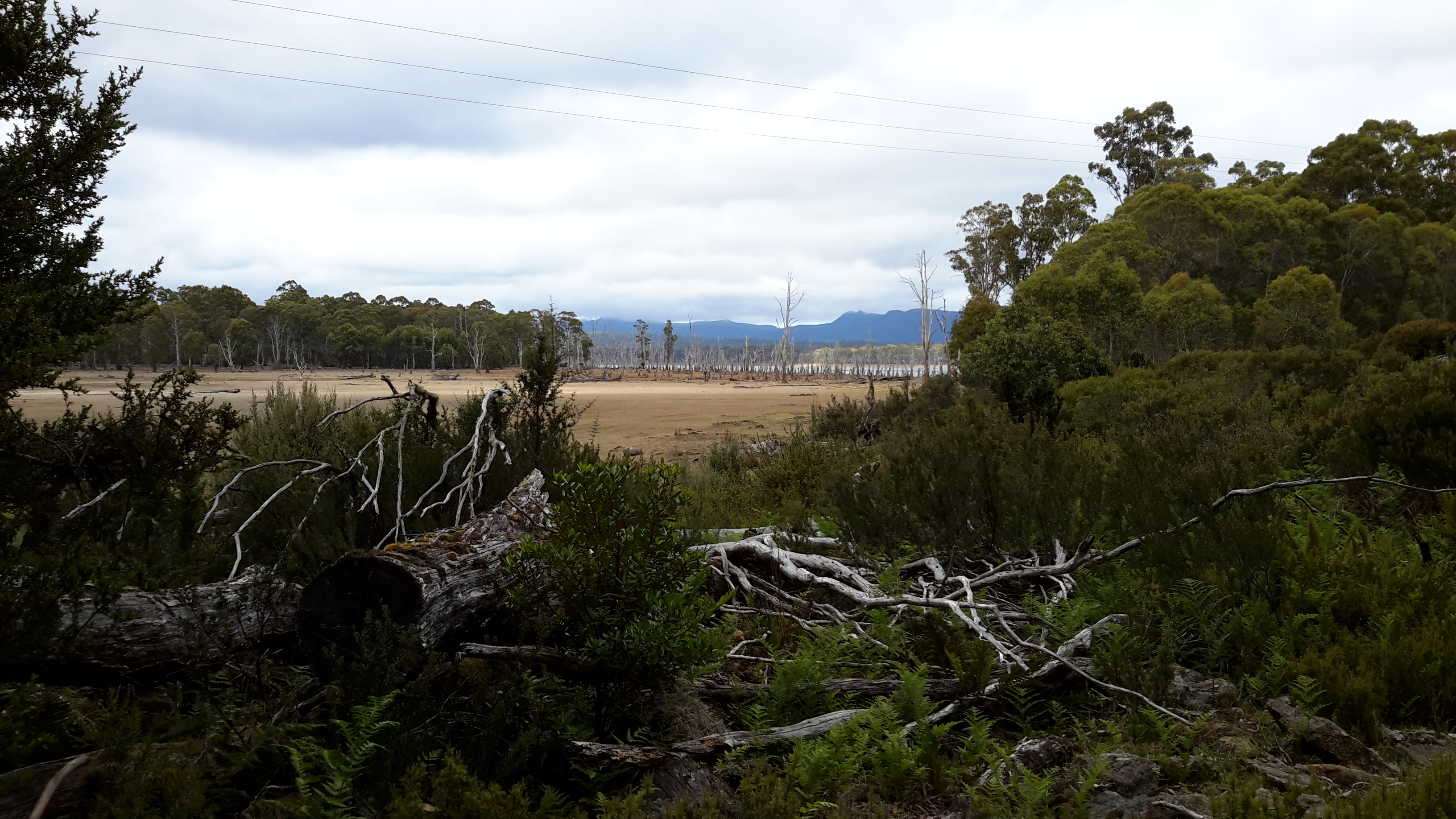
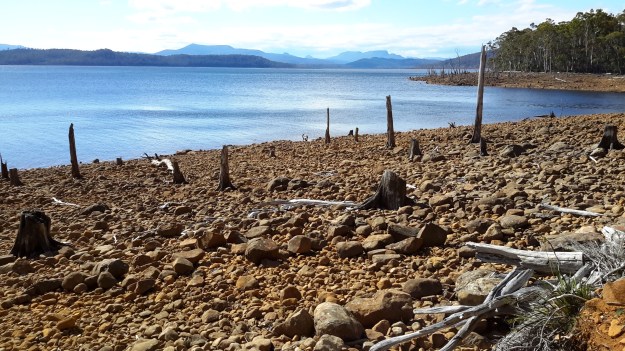
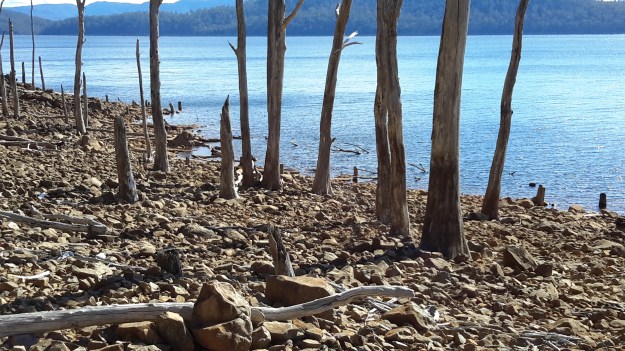
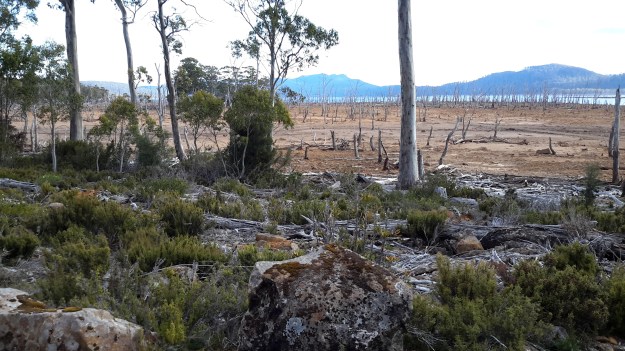
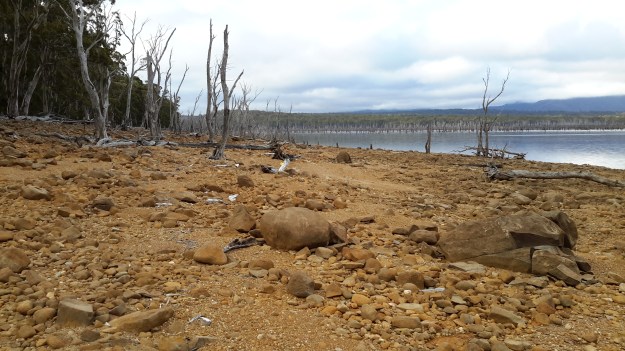
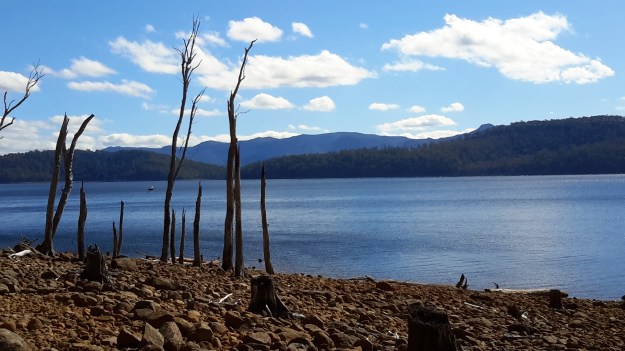
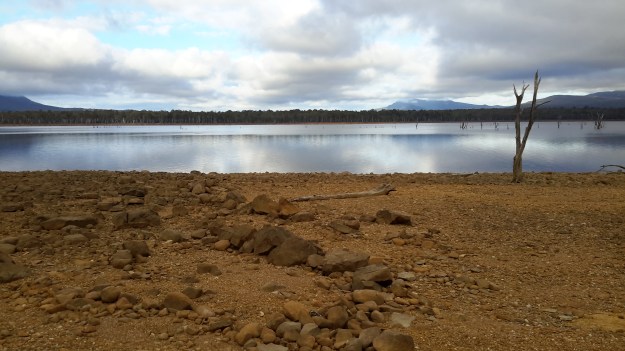
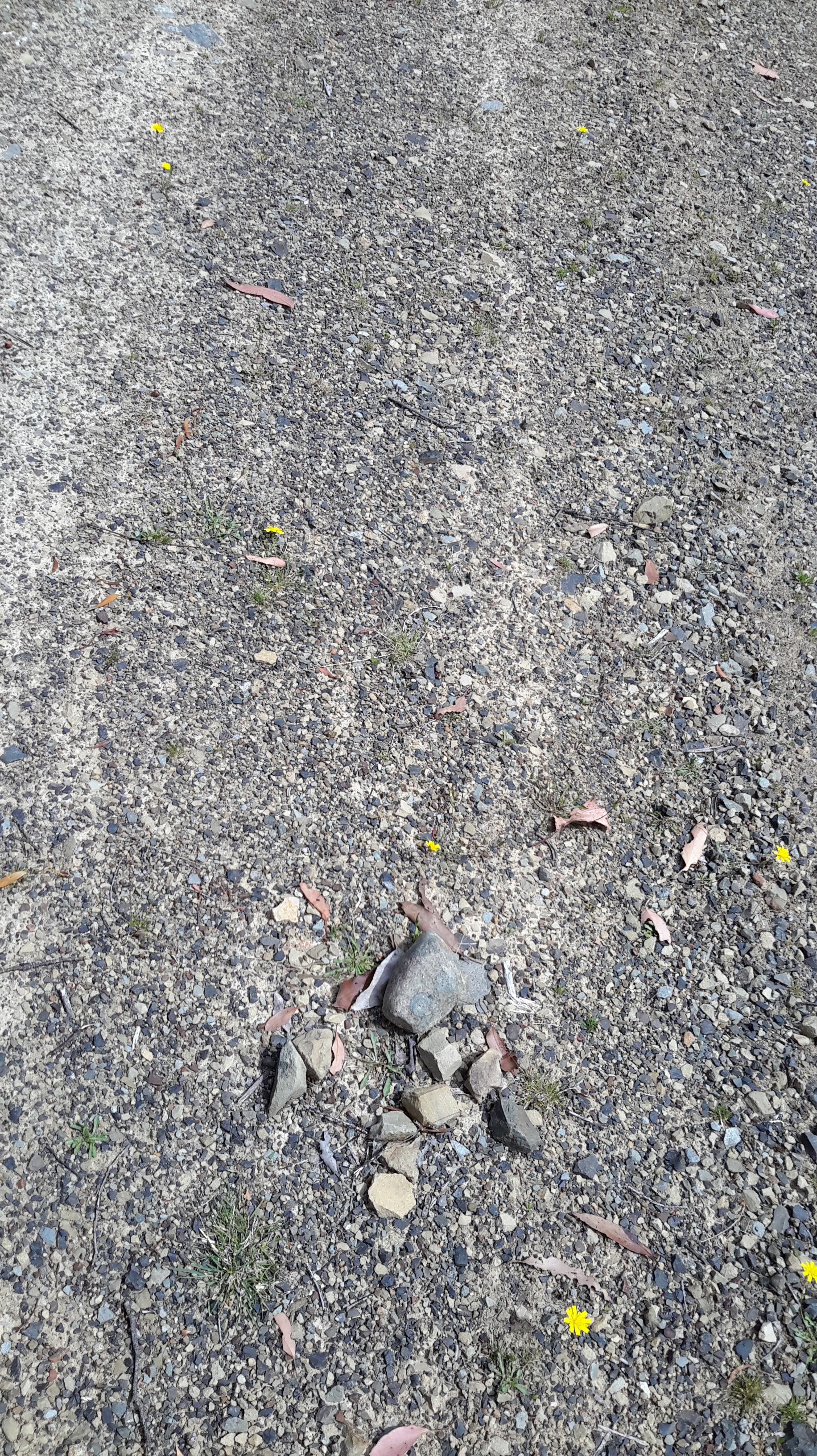
The low level of water on Lake King William exposed a wilderness of silvered dead trees (once ancient forests) and a rocky shore.  Sometimes the rocky shore extended flatly to the Lake and sometimes it dived down deeply. Where I camped on the first night, the distance of the water from the bank would have been at least fifty metres.  Elsewhere the wide rocky shoreline extended 100 or more metres.  A combination of various sized boulders, stones, fine gravel and the occasional sand, this shore line created a sometimes grey and sometimes yellow ring enclosing the huge expanse of lake.
20160102_155848

20160102_170449

20160102_173411

20160102_190959

20160103_072944

20160103_094225

From the drowning of the landscape, the now receding waters are giving up the flotsam of driftwood.  The surfaces of the wood, smoothed by the action of the weather and the Lake, are stunningly beautiful.

20160102_165042.jpg


The tracks on the eastern side of Lake King William

Four options are possible for walking along the eastern side of Lake King William (through which the Derwent River flows): walking on the rocky shore because the Lake’s water level is down 75%; following four-wheel-drive vehicular tracks; using the low level vegetation of the regrowth area beneath the power lines; or ‘bush bashing’ to make a new track (I never considered this option except in one trackless area).  I found all options needed to be used at some stage along the way.

Tassie Trails indicates Lake King William is a remote area where the chances of meeting other people is unlikely.  The site suggests walkers/cyclists/bike riders will get wet feet.  I am pleased to say it was drier for me and my feet were never in mud or creeks despite my not taking any inland directed tracks. Tassie Rambler also describes a bike trip along these tracks, as well as how the writer coped with a trackless section. I will refer readers to this site in a later post to use its photos for comparison purposes against how I proceeded for part of my walk.

4WD-drive vehicular tracks criss-cross the area near Clark Dam but soon simplify into the one track mapped as the Switchyard Track.  Despite the above two sites promoting the use of a mountain bike, I suspect cycling would be painfully jarring because mile after mile of the tracks are constructed from various sized sharp lumps of unevenly laid blue metal (dolerite/bluestone). The rocks are loose and mobile so constant vigilance is required for walking.

20160102_172649 20160102_183136

Some days I envy the British and Irish for the ease and simplicity of their towpaths and century-old established walking paths and rights of way next to their rivers and canals.  But then I remember, as I walk in the Tasmanian wilderness, I am the only one around smelling and hearing and seeing an extraordinary diversity of wild nature and it my responsibility to determine the way to my destination. I am incredibly privileged.

20160103_102344

20160103_101857


End of day departure time

I usually make a point of starting the walking day as early as possible – to walk when I am the freshest and most alert and if the weather seems fine, then to use it while it stays good (Tasmania is known for its four seasons in one day).  However on the day when I started walking along Lake King William, because I was constrained by other life commitments I did not leave Hobart until 1.30 pm. My driver Emma took me west along the Lyell Highway until a short distance before Tarraleah when we turned left and deviated onto a 16 km gravel road towards Clark Dam at Butlers Gorge.  We dodged a few speeding cars as we travelled the narrow road, when everyone screeched and slewed in the slippery gravel on crests and unknowable corners. But I refused to worry. The sky was golden blue, the bush looked clean, the temperature was perfect for walking, and my excitement grew. My driver dropped me near Clark Dam and I started walking at 4 pm.  Thankfully at this time of year the sun sets around 9pm and I knew the light of day would continue longer.  I thought a three hour walk would be sufficient to isolate me and remove me from the chances of odd bods being in the locality. Not knowing what to expect, I planned for two nights out camping before reaching the town ship of Derwent Bridge.

Near my starting point, fishermen and families were pulling boats from Lake King William behind the arc of Clark Dam.  The water was glossy blue.

20160102_155721 20160102_155854

The late afternoon was stunningly beautiful. I felt apprehensive but invigorated and ready to discover the Lake one step at a time.

Taking stock

I feel emotional when I remember my recent walk to the source of the Derwent River. I had promised to write the stories and post them within days, but since returning I have felt overwhelmed by my breathtaking and wonderful experience and afraid to start writing.  In addition, I claimed to have walked the majority of the river’s length and I was afraid the claim was unfounded.

Today I have made the calculations and posted an update on the pages ‘How far have I walked’, ‘Frequently Asked Questions’ , and ‘The inspiration for my walk’ . To summarise, while I had hoped the number would have been closer to 100%, the fact is I have covered a smidgin over 2/3rds of the 215 km length of the Derwent River.

Of the remaining 70 kms, by my reckoning approximately 25 kms can be achieved relatively easily across farming or forestry land subject to permissions.  However, the remaining trackless, uncleared densely forested 45 kms of river edges may be a challenge I cannot rise to.  Blog followers may recall reading my earlier post Where is the source of the Derwent River? which introduced George Frankland’s discovery party’s finding that some of the bush between the area now known as Lake Repulse Dam (which did not exist when he was around in the early 19th century) and Butlers Gorge provoked a huge effort for grown men to cover little distance.  The landscape hasn’t changed since then.

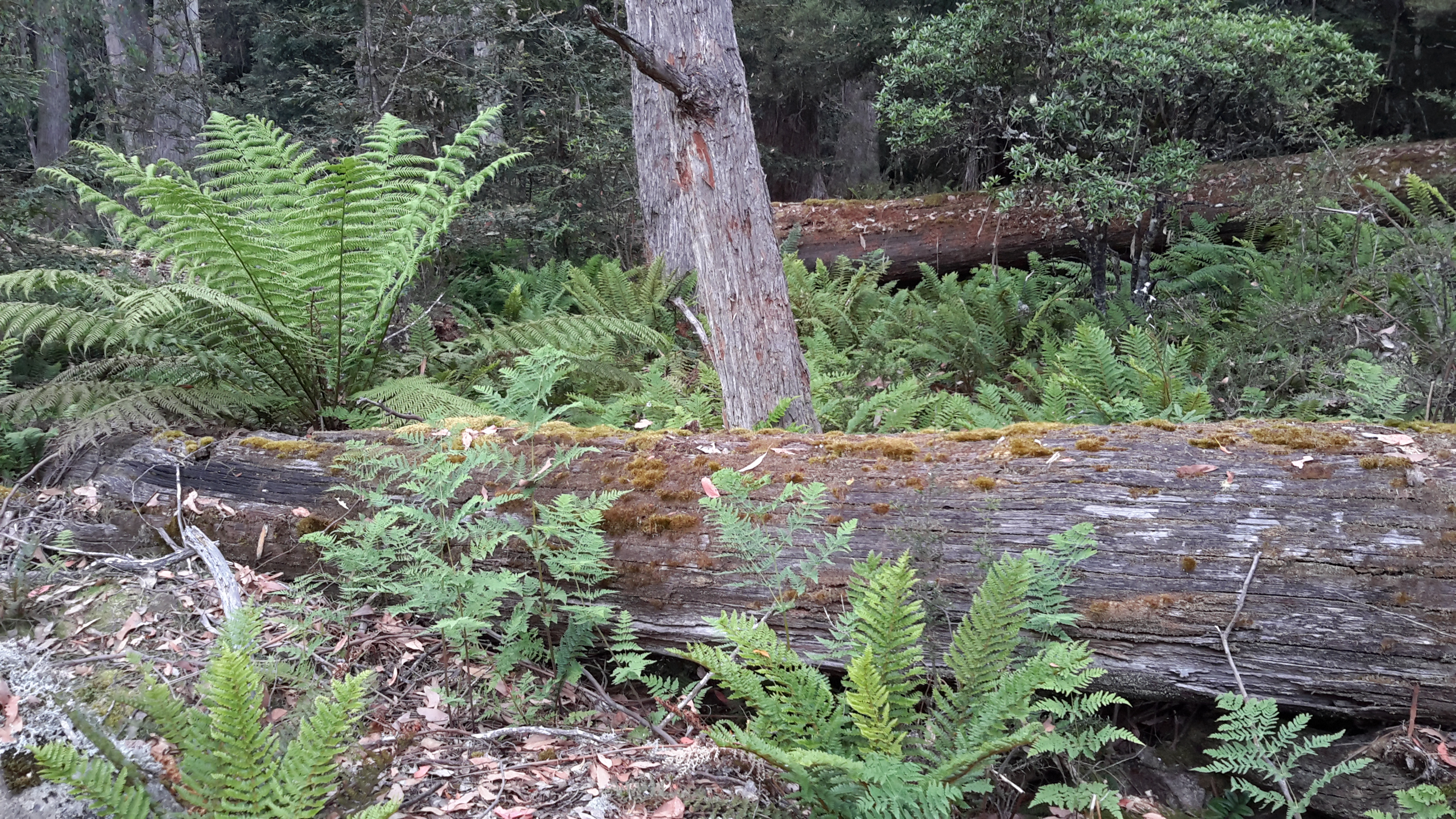
Regardless, and as usual, my plan will be to continue walking.  But before then, I will share new posts and photos taken during my recent walks.  As a taster, the photos below shows forest and ferns in the Lake King William vicinity.

20160103_092208.jpg

20160103_102339.jpg


News today – significant historic theft

The local Mercury newspaper has reported “Historic bronze plaques stolen from dam”.

In October last year after I visited Clark Dam, one that controls the Derwent River’s waters,  I posted my story and at least one of the photographs published in today’s paper appears to be a cut down version of my photographs.  I have never added copyright protection to my photos so I am glad to have been of assistance in getting the message out and showing the community what has been removed.

20151029_122335.jpg

Clark Dam is isolated and remote and few people drive there:  the gravel road leading to the Dam at Butlers Gorge would not be driven on in hire cars by tourists, so I am guessing the person who removed these plaques is probably a fisherman who visits the area ready to put a boat out onto Lake King William.  It is someone with local knowledge that few people will be in the area. The plaques would have offered some resistance during their removal – they were strongly attached – so it seems to me that a purposeful perhaps pre-planned effort has been made by the thief.

Recently I was in the vicinity, but having previously walked in the area I bypassed the Dam wall so I missed seeing the gaping ‘holes’.  I would have been horrified.  Whether the taker took the plaques for reasons of greed or souveniring, they are markers of early mid-20th century Tasmanian history and need to be returned – if not reinstalled, then dropped on the doorstep of a police station.

Anyone with any information about the theft is asked to call police on 131 444 or Crime Stoppers on 1800 333 000.

Yesterday I walked to the source of the Derwent River

Over the past four days I have enjoyed remote, off-the-main-track inland Tasmania from Clark Dam at Butlers Gorge, along the edge of Lake King William to the town ship of Derwent Bridge, and then further north to where the Derwent River commences out of the gates of St Clair Lagoon.  I continued further north also to the Weir which controls water into St Clair Lagoon from the Derwent Basin (which is kept filled with water flowing from Lake St Clair).  Dozens of posts with all the details of the walks, and accompanied by some grand photos, will be forthcoming over the coming days.

This latest walk means I have walked most of the length of the Derwent River from the mouth to the source.  There are only a few gaps to fill if I have the courage (or a moment perhaps of insanity because of the level of difficulty I believe is involved) in the coming weeks.

For the moment, I thought a few photos would be in order to whet your appetite for more.

The photo below shows one aspect of a view across Lake King William in the late afternoon.

20160102_170531.jpg

The photo below looks across Lake King William early in the morning.

20160103_072935.jpg

Sun passing through gum leaves.

20160103_110629.jpg

The Derwent River early morning near Derwent Bridge.

20160104_064805.jpg

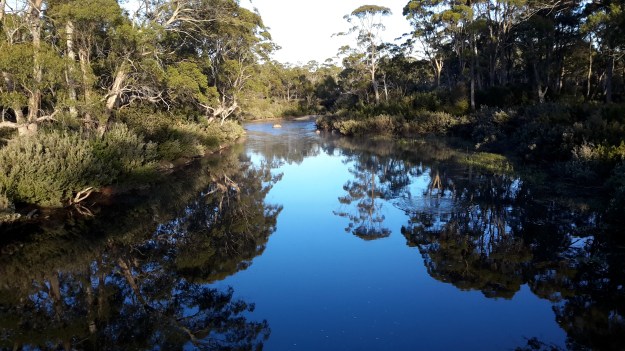
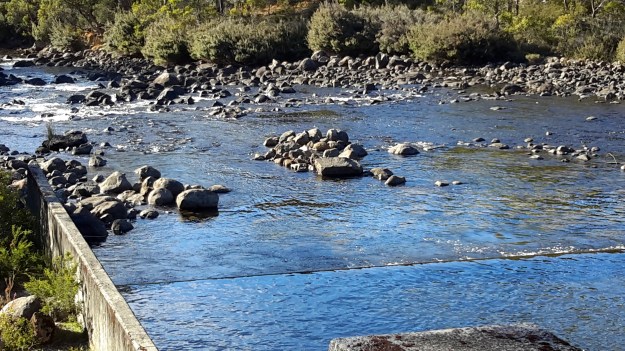
The source of the Derwent River – the water as it leaves St Clair Lagoon. I was standing on the dam when I took the second photo, and watching the water run away eventually to pass New Norfolk then Hobart and finally exit into Storm Bay before dispersing into the wide ocean.  The whole experience was quite marvellous.  The river was fresh and alive!  And so was I!

20160104_075644 20160104_081109


Season’s greetings

When I am in Hobart on Christmas Day, as I will be this year, I make a point of finding time to walk along Bellerive Beach which forms one border with the Derwent River.   I love the bonhomie of people who walk there that day. Good spirits abound. I can almost hear their bodies groaning from eating too much Christmas food. Many are happily dragged onwards by joyful dogs that are delighted to be out in the fresh air. All of this is a wonderful spirit lifter – the goodwill of people, their gambolling dogs, the grand Mount Wellington in view over the water, and the lapping sound and salty smell of the blue river.

For some people Christmas is a happy time, for others it is surrounded by sadness, and for many people Christmas Eve or Christmas Day is a rush of stressful events.  Of course a person’s level of interest and engagement with Christmassy activities depends on religious persuasion and so some people are never involved in the festivities.  But if Christmas is your thing, then I hope you have rituals with family and friends that relax you and, if not, then I urge you to find a way to be calm.  All in all, I wish everyone happiness during the Christmas season.