Tag Archives: Hydro Tasmania

Starting out for the walk to Lake Repulse Dam

I chose to walk to Cluny Dam from a gated entrance road and then head back westwards all the while walking next to Cluny Lagoon towards my goal which was the Lake Repulse Dam.

To reach the start of the walk, and thanks to Megan, I was driven down the main gravel road from the Lyell Highway (you need to turn off left after the town of Ouse) until we came to a junction indicating the two dams.

20160124_150725.jpg

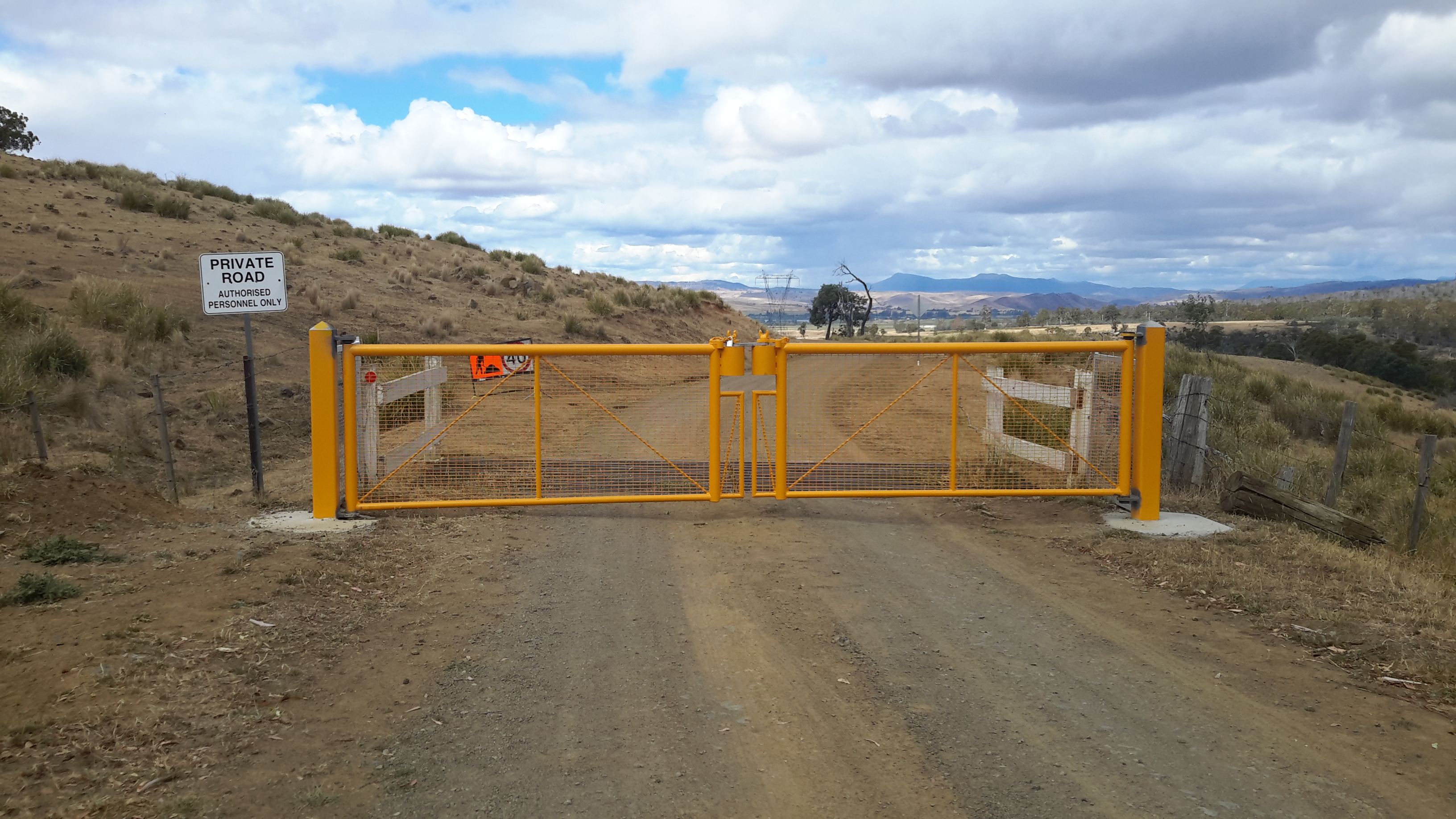
Of course, we drove down the Cluny Dam road until it was time for me to start walking. The road to the Cluny Dam is blocked by a gate so if you wish to follow in my footsteps, you should obtain permission from Hydro Tasmania.

20160124_150624.jpg

20160124_145612.jpg

The day was marked with rain on the horizon and sometimes a few spots lightly dropped on me. The rain showers softened the distant relatively undisturbed bush landscape in stark contrast to the crisp dry yellow grasses on the cleared land around me.

20160124_140328.jpg

20160124_140454.jpg

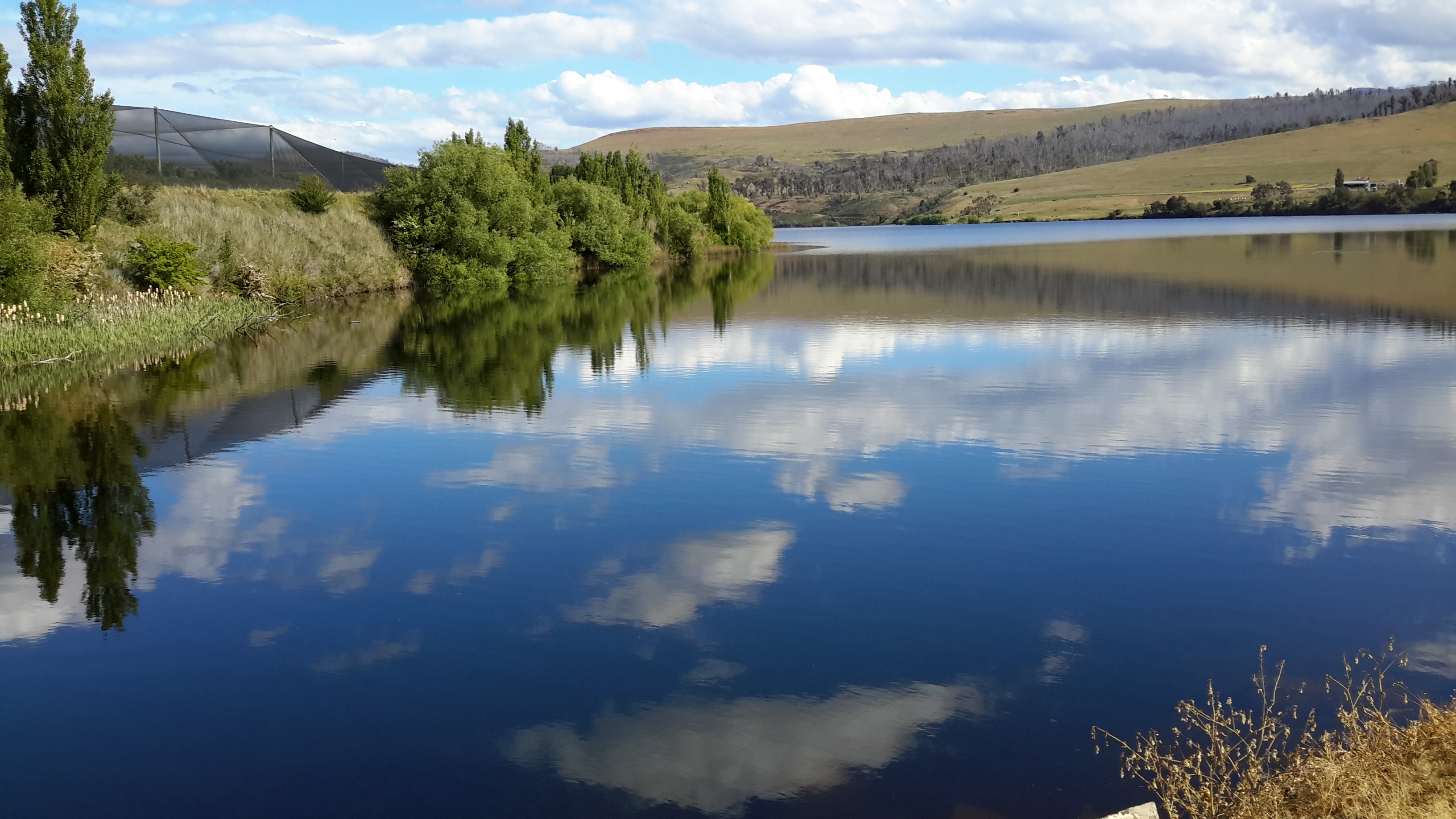
The blue of Cluny Lagoon, through which the Derwent River runs, was ever present.  As usual the water uplifted my spirits.

Lake King William

Van Diemen’s Land (Tasmania)’s mother country England was governed by 3 King Williams preceding settlement of Australia (Tasmania received its first European settlers in 1803).  William IV of the United Kingdom reigned from 1830 and lived until 1837. Indirectly our Lake King William which dams the Derwent River was named after the Fourth.

Watching over Lake King William is Mount King William and the King William Range. Wikipedia  reports that Mount King William was named during Sir John Franklin’s journey into western Tasmania in 1842.  Hydro Tasmania created the Lake in 1950 and referred to the nearby geographical features which had been named by European explorers in the 19th century, for its current name.

20151029_125012

The photo above with snow topping the Range was taken in October 2015. The photo below was taken in January 2016.

20160102_165048.jpg

Aboriginal history associated with Meadowbank Lake

Hydro Tasmania acknowledges aboriginal history was apparent in a cave that is now beneath the waters of Meadowbank Lake in central Tasmania.

In 1977, J Stockton wrote a paper A Tasmanian painting site which adds to the information provided by the Hydro.  The paper provides some background on the submerged cave and indicates that other caves exist with similar markings and ochre residues.

I do not know where these caves are and I wouldn’t want to visit and disturb them even if I knew their location.  Therefore, Chantale’s photo below, showing the north western end of Meadowbank Lake as it receives Derwent River water travelling downstream from Cluny Dam, is simply a picture of one part of the Derwent River system and it is not intended to relate to the location of the caves. I have included it simply to remind readers how part of Tasmania appears these days; that is, with all the signs of European settlement and land control.

IMG_3897Top of Meadowbank Lake.JPG

Meadowbank Lake

IMG_3898Dunrobin bridge

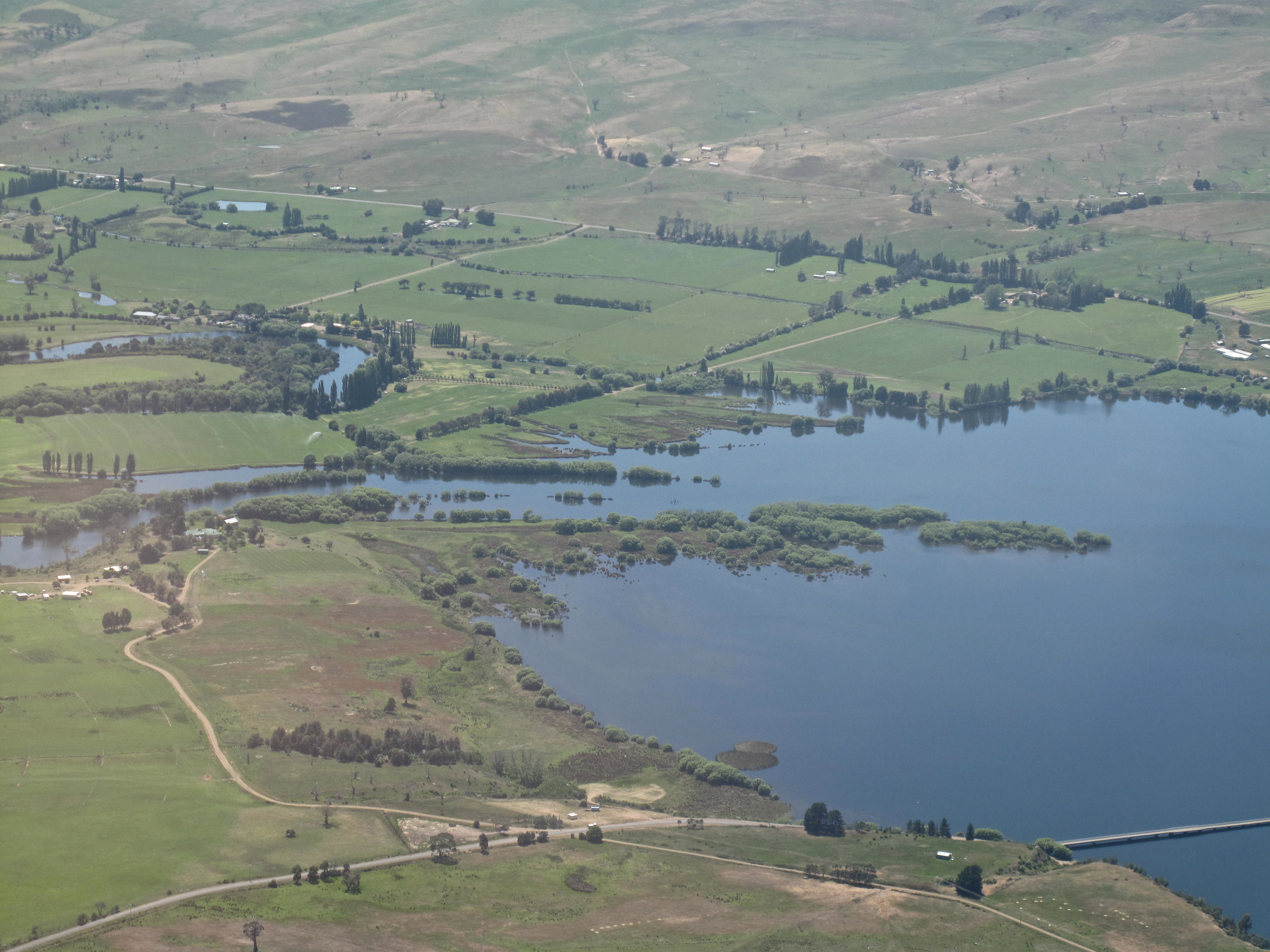
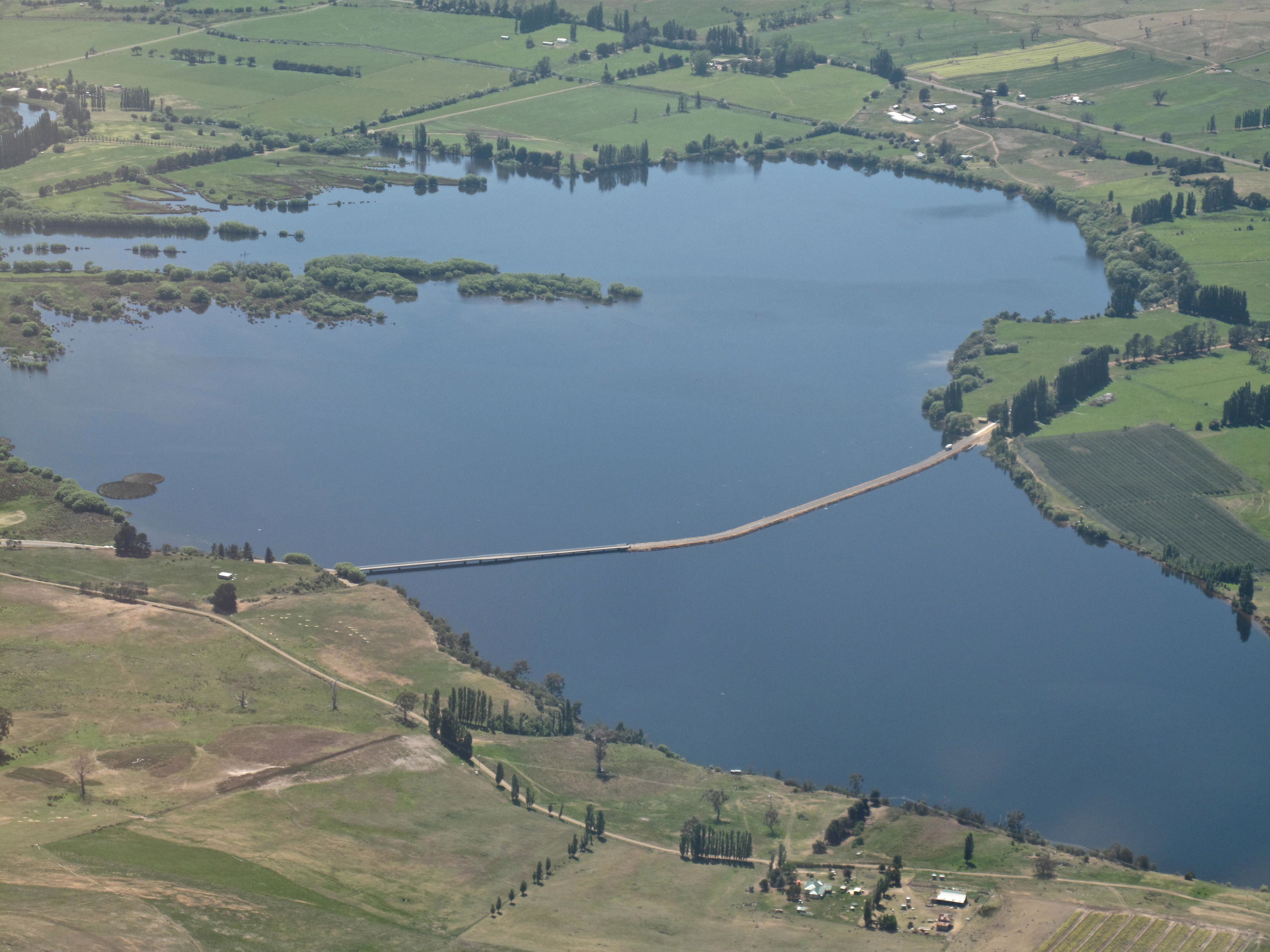
Chantale’s photo above shows the north western end (the furthest end from Hobart) of Meadowbank Lake. You can see the trail of Dunrobin Bridge strung across.

Collecting historical information about Meadowbank is not easy, however the information  I have located has added to my store of knowledge.

According to Environmental Flows for the Lower Derwent River Final Report to DPIWE February 2002 Freshwater Systems, Meadowbank Dam is located approximately 107km upstream of the river mouth.  This report divides the lower Derwent into ‘two major sections: 1. The lower River Derwent – the freshwater river between Meadowbank Dam and New Norfolk; and 2. The upper Derwent estuary – the estuary between New Norfolk (in the vicinity of the upstream tidal limit) and Bridgewater.’

A brochure providing information about access to Meadowbank Lake for anglers includes details about Recreational Fishery Management (Meadowbank Lake is managed by the Inland Fisheries Service as a Family Fishery and is open to angling all year round. Regular stocking with brown trout, rainbow trout and trophy sized Atlantic salmon maintains the quality of the angling.); Native Fish Management (The short-finned eel (Anguilla Australis) is stocked upstream of the dam wall. The blackfish (Gadopsis marmoratus), which is native to northern Tasmanian rivers, has been introduced into the Derwent system and may be encountered in the lake.); and Pest Fish Management (Meadowbank Lake has populations of the pest fish species, redfin perch (Perca fluviatilis) and tench (Tinca tinca). If either of these species are caught, anglers are asked to humanely kill the captured fish and dispose of appropriately.)

Discover Tasmania provides information which encourages access to and usage of the Lake and its shores.

Wikipedia gives background information about the Power Station.

The September 2013 LAKE MEADOWBANK PLANNING PROJECT BACKGROUND REPORT  prepared for the Central Highlands Council in partnership with Hydro Tasmania and the Department of Economic Development, Tourism and the Arts includes panoramic photographs of the Lake and explanations of many of its aspects.

Hydro Tasmania provides information about Lake- side facilities and also about changing water levels.

A little history associated with Meadowbank Farm since the 1970s can be read at this site.

IMG_3908

Perched between treed hills sits Meadow Bank dam, roughly 15 kms downstream from Meadowbank Lake’s far western end.   Chantale’s photo shows the start of that water catchment behind the dam wall and the Meadowbank Power Station nestled at its feet.

Lake Repulse Dam

Lake Repulse Map

Looking inland, Michelle’s photo shows the Lake Repulse Dam wall backed by Lake Repulse, with Cluny Lagoon in the foreground.

PA280087 Repulse dam.JPG

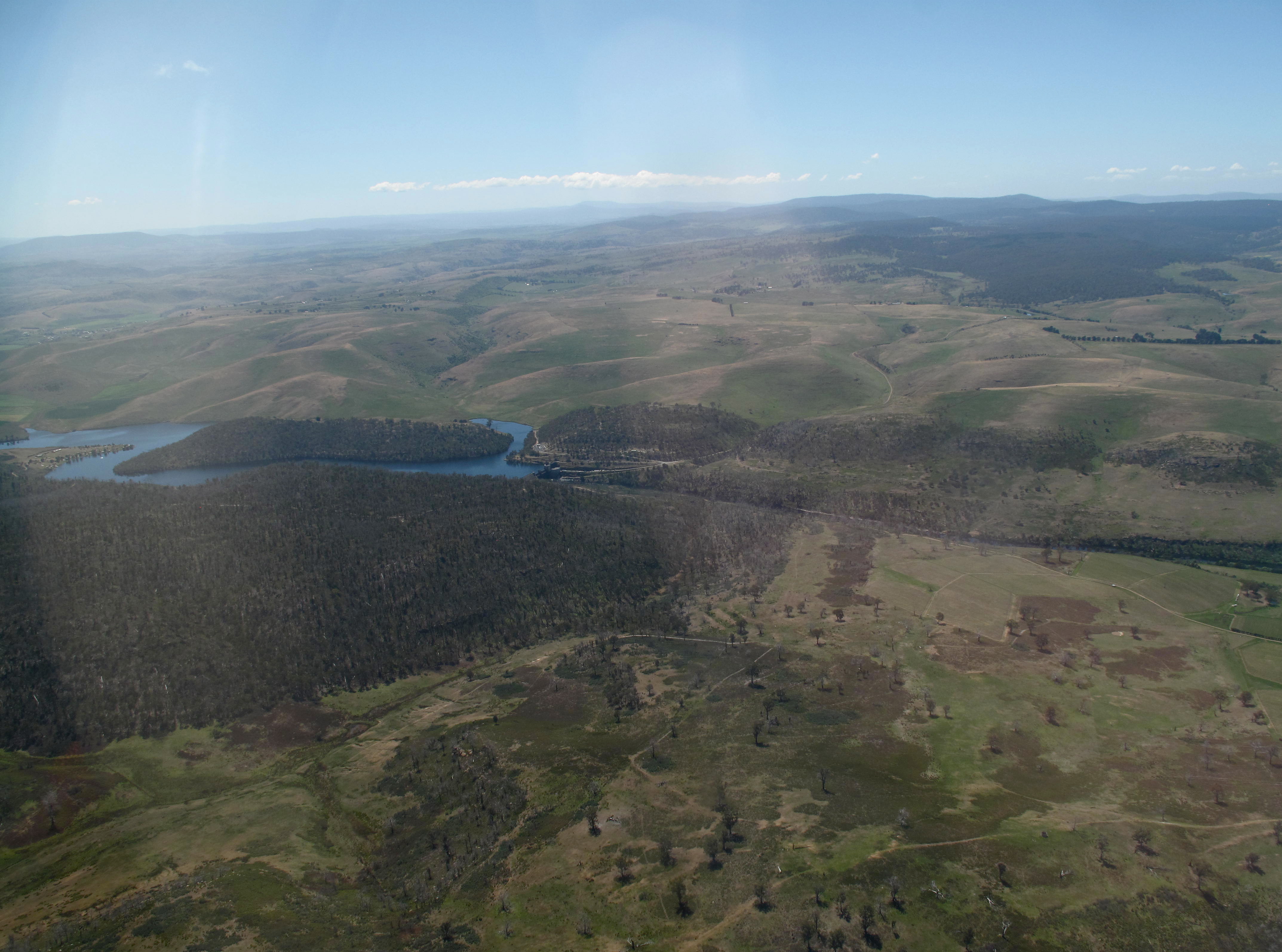
Looking towards Hobart, my aerial photo below shows Lake Repulse, the Repulse Dam and then Cluny Lagoon in the distance.

20151028_114913

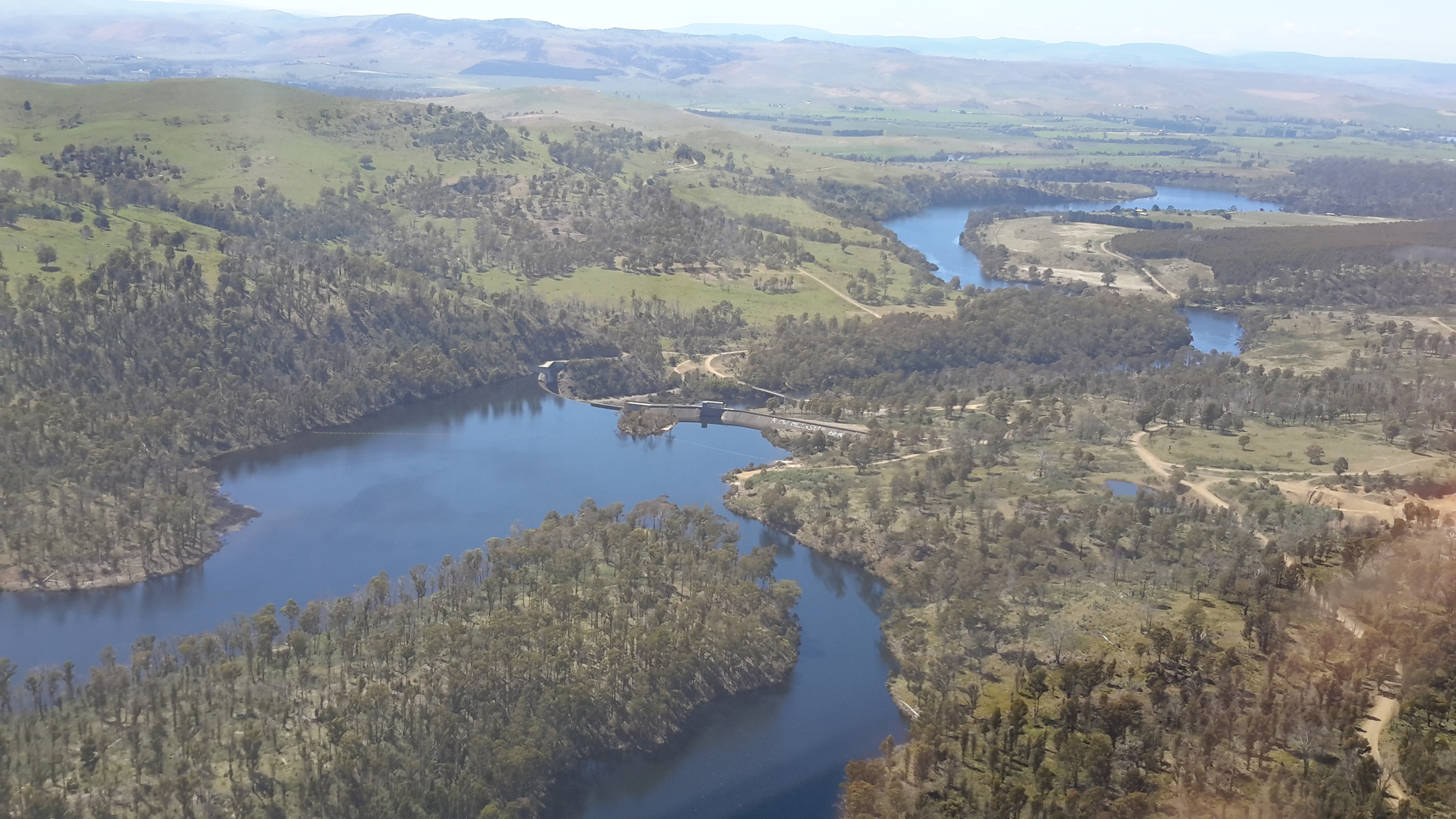
Chantale’s photo provides an excellent overhead view of the Lake Repulse Dam. The photo also gives walkers an indication of the challenges which the landscape offers beside Lake Repulse.

IMG_3893Repulse Dam.JPG

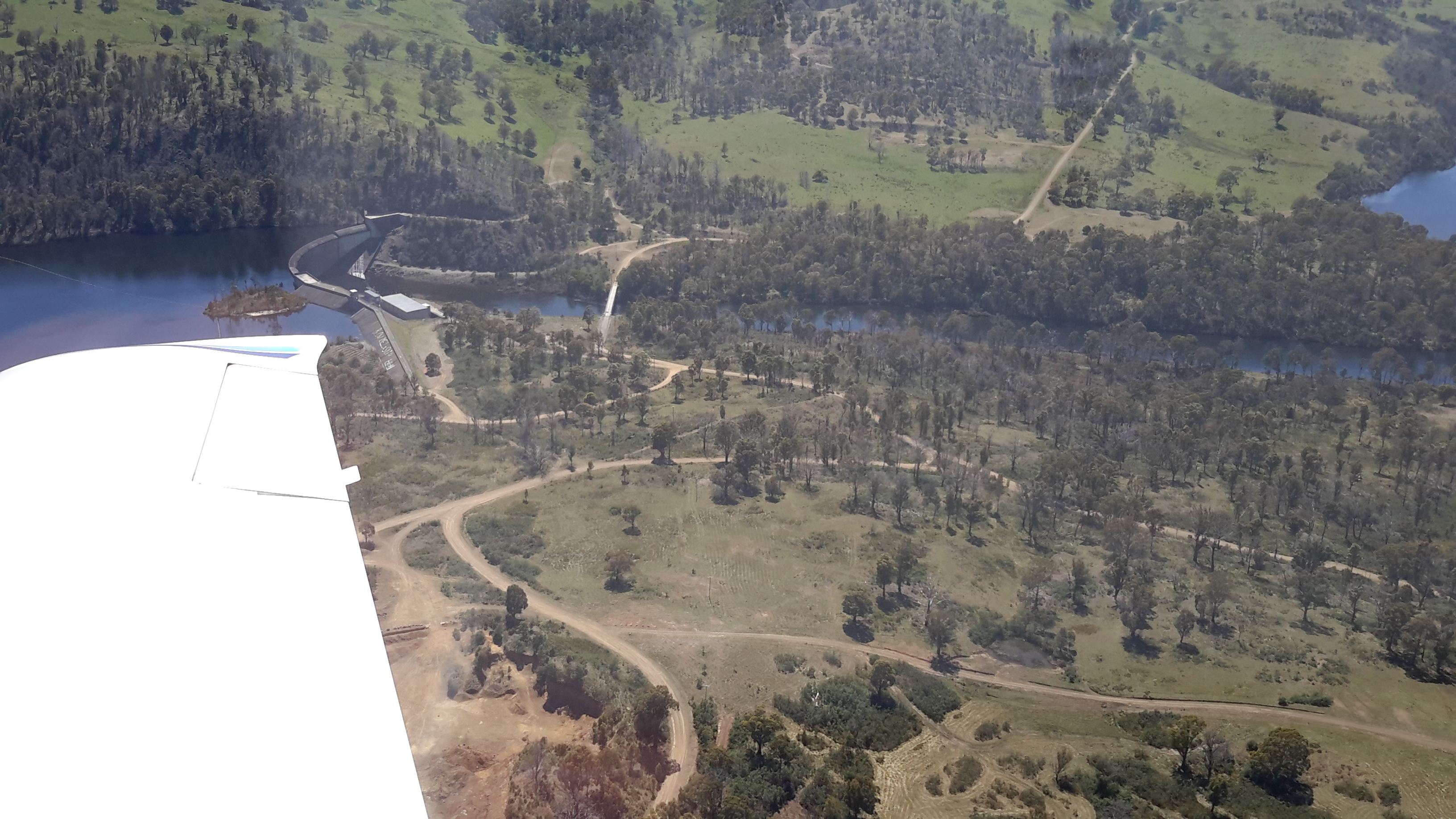
For vehicle drivers, the Dam is reached by heading westward past the Ouse township, turning off the Lyell Highway and travelling down Lake Repulse Road. Aerial views show the roads at the Dam site clearly.

20151028_114858.jpg

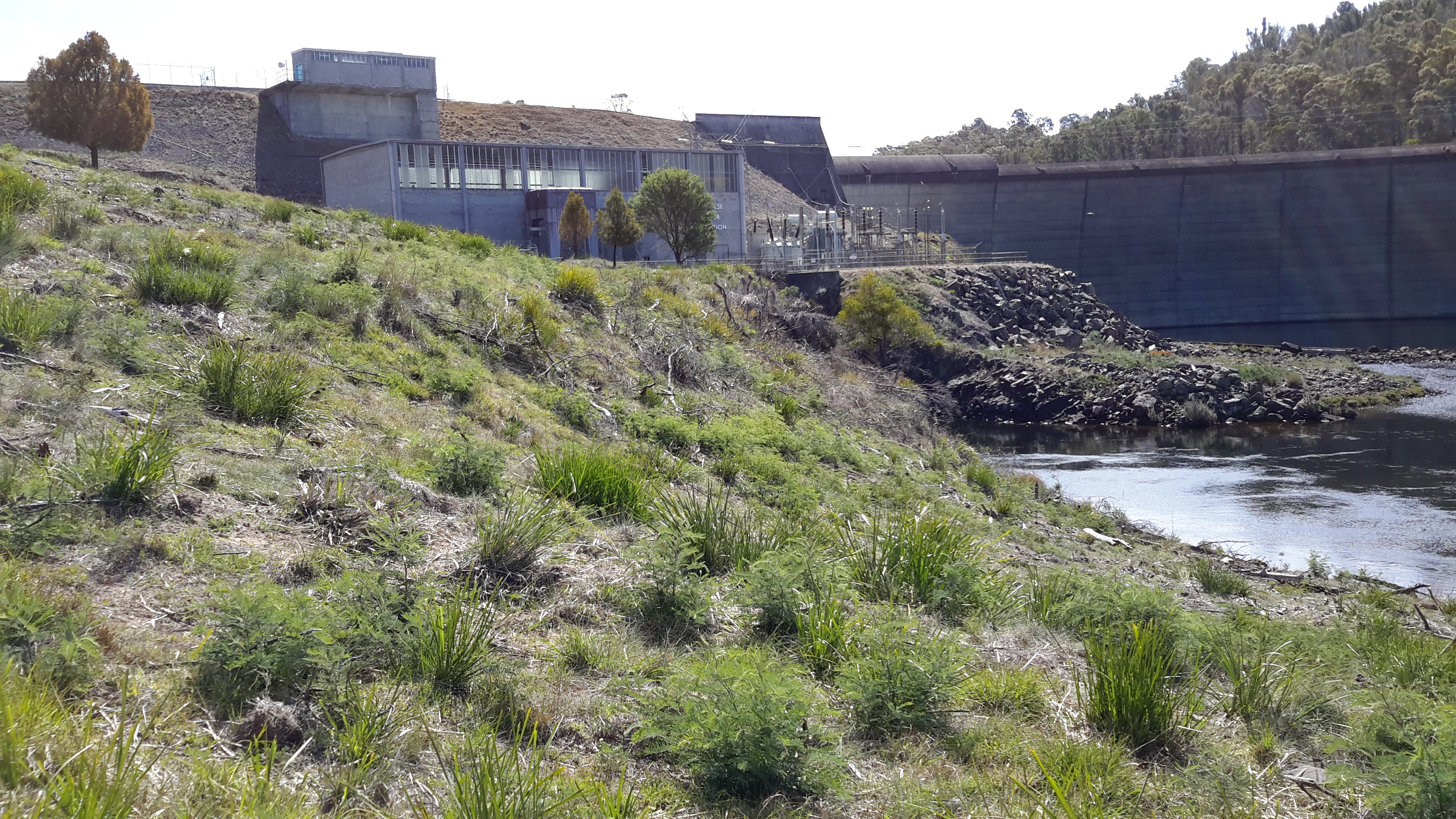
The road continues across the Derwent River below Repulse Dam giving you an excellent opportunity for a close look at the structure.

20151029_151244

20151029_151355.jpg

The western end of Cluny Lagoon, located a little downstream from the Repulse Dam, is stunning.

20151029_151317.jpg

To walk further inland around the Dam wall and then along the edge of Lake Repulse, the following photograph gives an indication of the landscape to be encountered.

20151029_151400.jpg

Michelle’s photo below shows part of the 8 km long Lake Repulse is a handsome water storage area.

PA280088Lake repulse.JPG

Historical information can be read, although I cannot vouch for the accuracy of the information.  Hydro Tasmania provides details and adds a technical fact sheet.

Cluny Dam

Cluny Dam holds back the water of Cluny Lagoon.  Compared to other dam walls and other lagoons on the Derwent River, these are comparatively small.  The Cluny Dam wall is easily accessible by driving from the Lyell Highway down Lake Repulse Road and then making a left hand turn onto a road which takes you to the water.

20151029_155825.jpg 20151029_160029.jpg

20151029_160115.jpg

The westward end of the Lagoon finishes slightly east of Lake Repulse Dam further upstream.  Parts of the shore line are open forested and there are no walking challenges heading westward around the Lagoon, if you walk on the northern side (the side you arrive at from the Lyell Highway).  The river distance covered between Cluny and Lake Repulse Dams is a mere 4 kms.  Private property and creeks will make the southern side less accessible for walking.

Michelle’s aerial photo shows the beautiful Cluny Lagoon. The Cluny Dam Power Station structure is roughly  located in the middle of the photograph.

PA280086Cluny dam and lagoon.JPG

Chantale’s aerial photo shows the Cluny Dam.

IMG_3895Cluny dam.JPG

This is an extremely picturesque part of the world and one that is easily accessible by car for blog followers who want to take a picnic and enjoy the scenery.

Hydro Tasmania offers a technical factsheet about Cluny Power Station.

Dunrobin Bridge over Meadowbank Lake


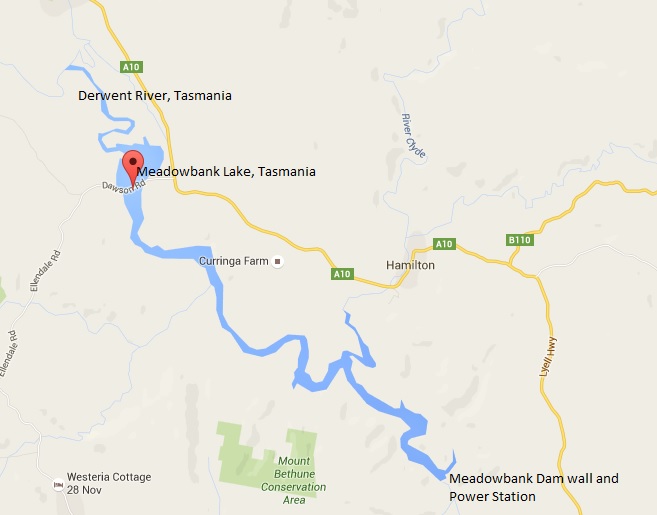
Meadowbank Lake map.jpg

Meadowbank Lake, a large spread of dammed water through which the Derwent River runs,  is located west of New Norfolk: an expanse of water which measures at least 15 kms in length.  Like many other dams and lakes on the Derwent, Meadowbank has been designed for electricity generation purposes.  The Meadowbank Power Station was commissioned in 1967. In a document The Power of Nature, Hydro Tasmania provides information about Meadowbank and the other electricity-generating lakes and stations across Tasmania.

The Dunrobin Bridge carries Dawson Road; a road which extends from the Lyell Highway, crosses Meadowbank Lake then continues on the western shore until it reaches Lake Repulse Dam.

The first Dunrobin Bridge over the Derwent River was built in the early 1850s. The National Library of Australia’s Trove repository of historic documents provides information from a 1910 copy of The Mercury newspaper: ‘Dunrobin Bridge was built over the Derwent, between the Ouse and Hamilton during the regime of Governor Denison. Governor Denison’s rule in Tasmania lasted from 1847 to 1855. It is a fine stone structure, and the cost is stated in the Legislative Council Journals of 1856 to have been £13,875. Its construction seems to have occupied six years, from 1850 to 1856. Dawson’s Road, which was named after the man who superintended its construction, went from Dunrobin Bridge…’ westwards.

In 1900, according to the blog Tasmanian Gothic , the bridge looked like:

Dunrobin Bridge

Dunrobin Bridge

The bridge was damaged during flooding in 1952 according to Linc Tasmania.

Dunrobin 1952

This site shows the remains of the bridge in 1963.

Dunrobin Bridgen1851

Once the Meadowbank Dam was built, the gorge behind gradually filled with water. The remnants of the old Dunrobin Bridge apparently remain beneath the current Meadowbank Lake.  I cannot find when the new Dunrobin Bridge was built.  Anybody know the date?

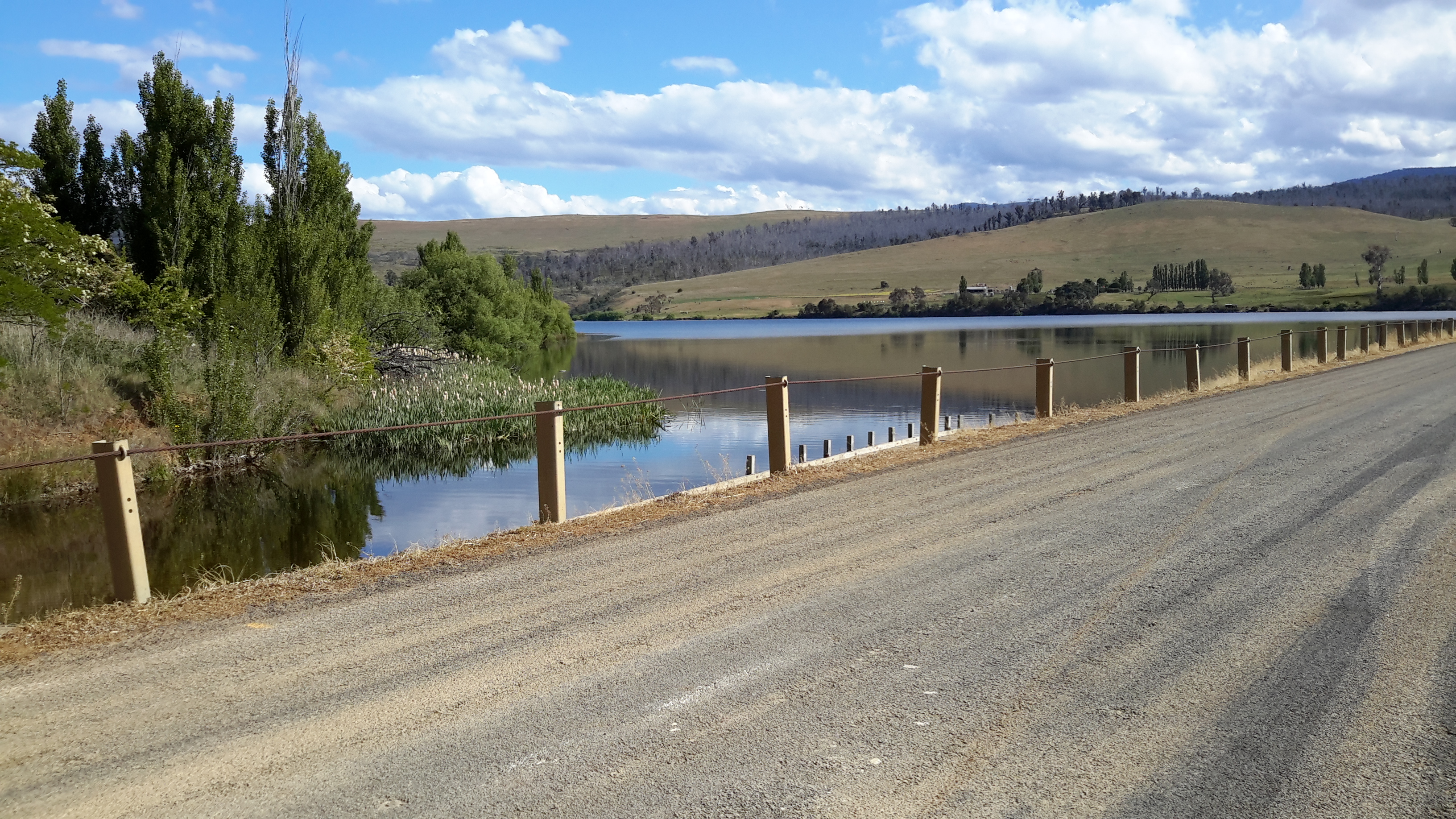
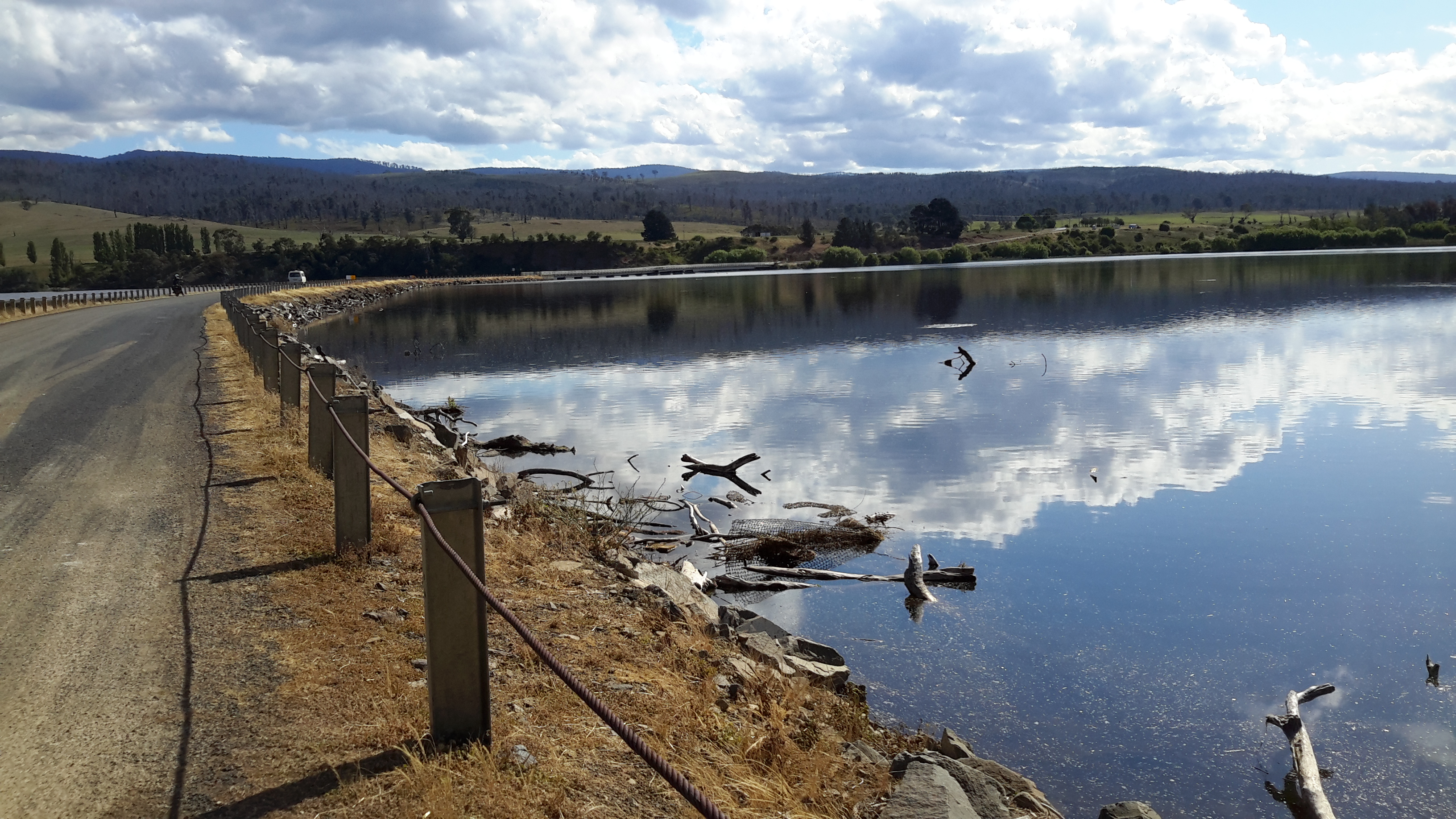
The photos of Chantale, Michelle and I show the current bridge across the northern section of Meadowbank Lake.

IMG_3898Dunrobin bridge.JPG PA280082Dunrobin Bridge over Meadowbank Lake.JPG

20151028_114634

At ground level, the Dunrobin Bridge curves across the Lake in a stunning simple arc.

20151029_161758.jpg 20151029_161743

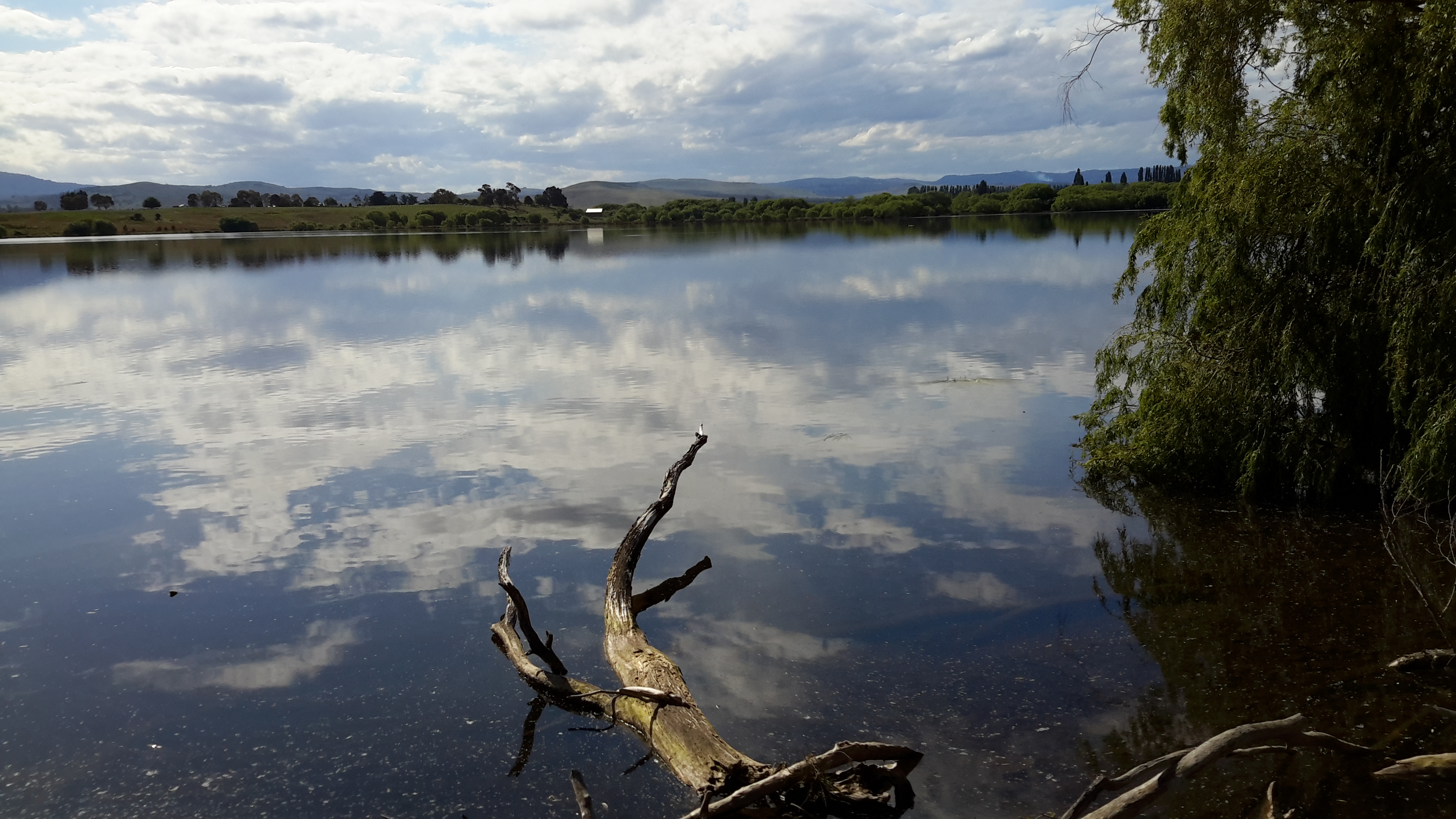
As I walked in the vicinity, time and again I was almost overwhelmed by the beauty of the landscape.

20151029_161746.jpg

20151029_161842.jpg


Limited access roads, and limited direct access to the river from the land: Stage 14 of my walk along the Derwent River

A few times during my Stage 14 walk I noticed a sign ‘Limited Access Road’ and sometimes another sign indicating the Roads and Jetties Act 1935. This was true, for example, in the Sorell Creek area as I walked to New Norfolk. I wondered if this was Tasmanian state legislation affecting land ownership to the edge of the Derwent River.  Blog followers will have read my annoyance at not being able to walk along the exact river edge from time to time, because private property occupies the space and this is often gated and fenced. On my return home from the Stage 14 walk, I delved deeply into various pieces of legislation and other sites. This is what I discovered.

At http://www.ifs.tas.gov.au/publications/river-access-angler-rights-and-responsibilities, I learned that angler rights and responsibilities were as follows: “All anglers have an important role in maintaining good relations between landowners and the angling community. Firstly, anglers should understand that access is a privilege not a right, and secondly, when in doubt, ask permission. In Tasmania, most private land titles extend to the bank of the river and some titles extend to the middle of the river. This can mean that you may be trespassing, which is a criminal offence, even if you are wading in the river.

Rivers also flow through public land such as Crown Reserves, State Forests, National Parks, Hydro property and Conservation Areas. Whilst public access is usually permitted, different entry conditions may apply depending on the management authority.

The Inland Fisheries Service has been working to develop access to angling waters with a focus on improving foot access to major river fisheries. Much of this has involved negotiating with landowners and establishing formal agreements regarding access for anglers. Access points are now clearly marked with signs at the access locations on seven major river fisheries around the State.

Apart from registered private fisheries, Tasmania’s fishery is public property – the fish are not the property of the landowner. However, the land that surrounds public water is subject to title and the rights of the landowner to control access to the river or lake is at their discretion. Anglers must ensure that they are on public land or that they have sought the permission of the landowner to access the river or lake they wish to fish.

The majority of lakes in Tasmania exist on Hydro Tasmania or reserve land (Crown, National Parks etc) and public access is generally permitted across the land to the lakes and around the lake shores. Hydro does control access to areas where there is infrastructure or there are safety issues with public access. These areas are generally signposted with appropriate warnings.

Rivers generally traverse a number of different land tenures along their length, which may be a combination of reserves and private land. Land title generally extends to the edge of the river, and occasionally to the middle of the river. Land tenure can be searched on the LIST Tasmanian Property Database (www.thelist.tas.gov.au). Another useful tool is the Tasmanian 1:25000 map series, available from Service Tasmania. These show river reserves where they exist and anglers are permitted to access these areas provided they do not have to cross private property to reach them. The most important principle is ‘Access is a privilege not a right – when in doubt ask permission’.”

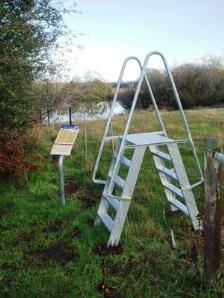
Stiles across fences have been installed for anglers and I saw a few of these during Stage 14 of my walk along the Derwent River.  These usefully provide access to sections but do not allow a continuous uninterrupted walk along the river’s edge.
 Stile jpeg

An 2007 article on the site http://www.exploroz.com/Forum/Topic/45914/Public_access_to_waterways_on_private_land.aspx

confirms this situation is similar across Australia, and it debunks some myths.

How does this get changed to allow easy public access to the river in Tasmania?  The permission must come from a State government minister under the Crowns Act 1976 (http://www.thelaw.tas.gov.au/tocview/index.w3p;cond=;doc_id=28%2B%2B1976%2BGS74%40EN%2B20131211000000;histon=;prompt=;rec=;term=). Clause 57 states: “Reservation of land abutting on streams. Where, in the opinion of the Minister, it is desirable to reserve Crown land –

(a) abutting on any permanent river, stream, or lake; or

(b) that is contiguous to the sea or an estuary –

he shall reserve, from any sale of that Crown land, land to the extent of at least 15 metres in width on each bank of the river, stream, lake, or the high-water mark of the sea or estuary.” I cannot imagine any government minister taking ‘rights’ away from current owners, so the chances of my lobbying successfully for a clear walking path next to the Derwent River are probably zero and zilch.

By the way, the interpretation clauses of the Roads and Jetties Act 1935 includes: a “country road means a road not being or forming portion of a State highway or subsidiary road, but does not include a street in any town”. I was reminded of an earlier post which tried to determine how a ‘back road’ might be defined.