Category Archives: Walking

On the road and from the road

20150918_085615

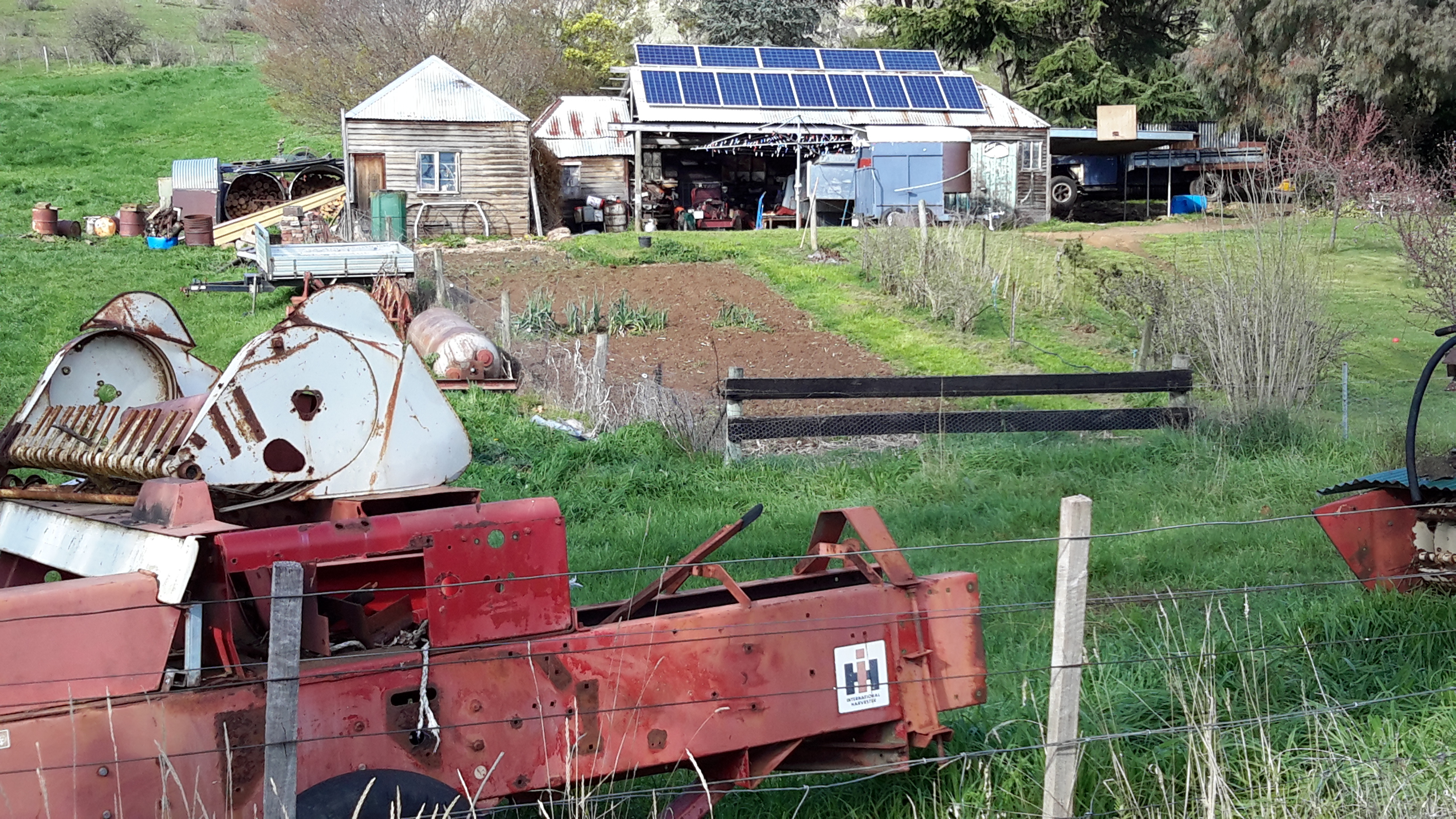
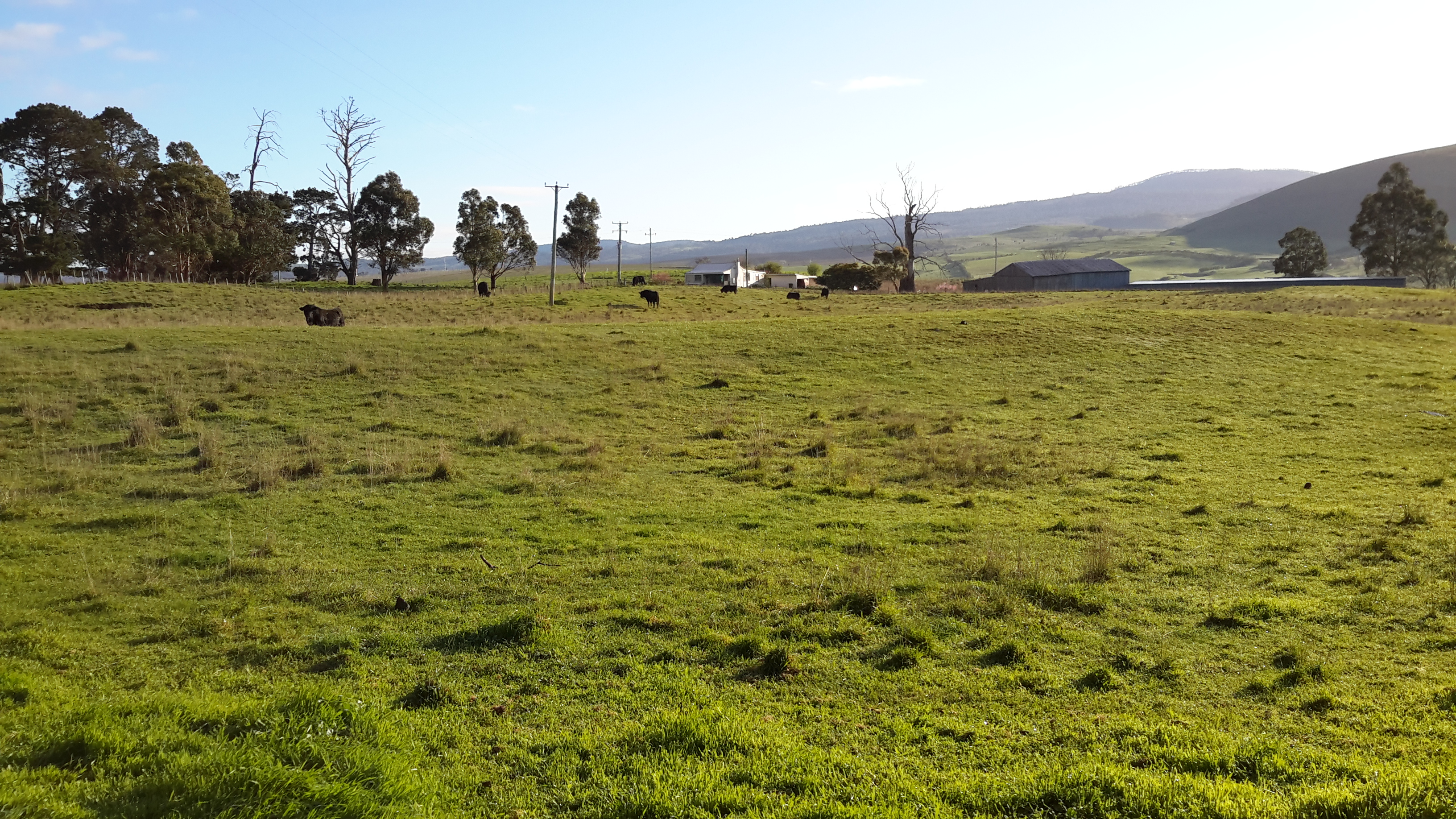
Refer to the photos below – I loved the open rainwater tanks, on their side in the shed, which now houses stacks of wood. And I loved the contrast between solar power technology, mechanical equipment and a small wooden house with its own cottage garden.

20150918_085958 20150918_090020

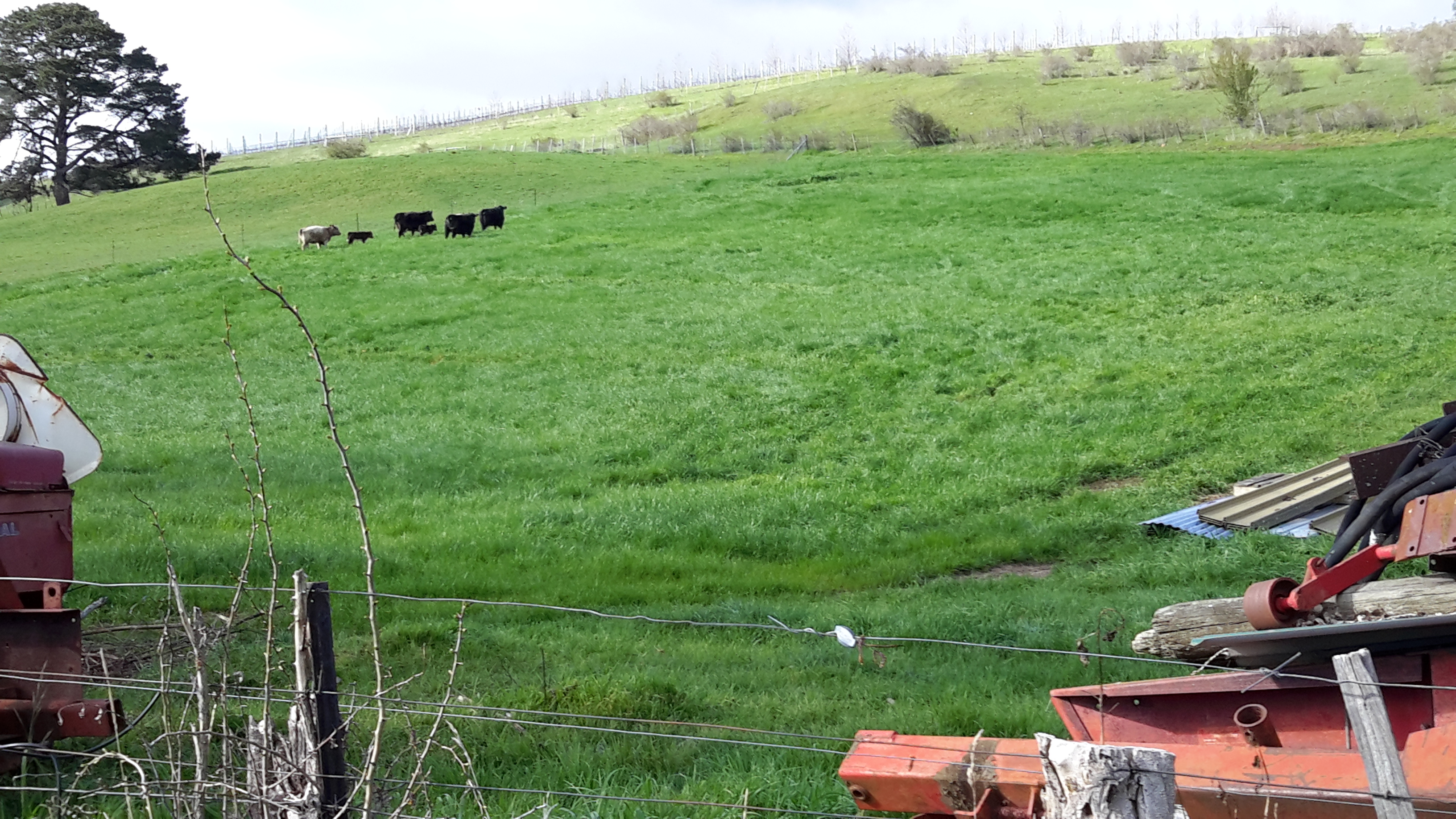
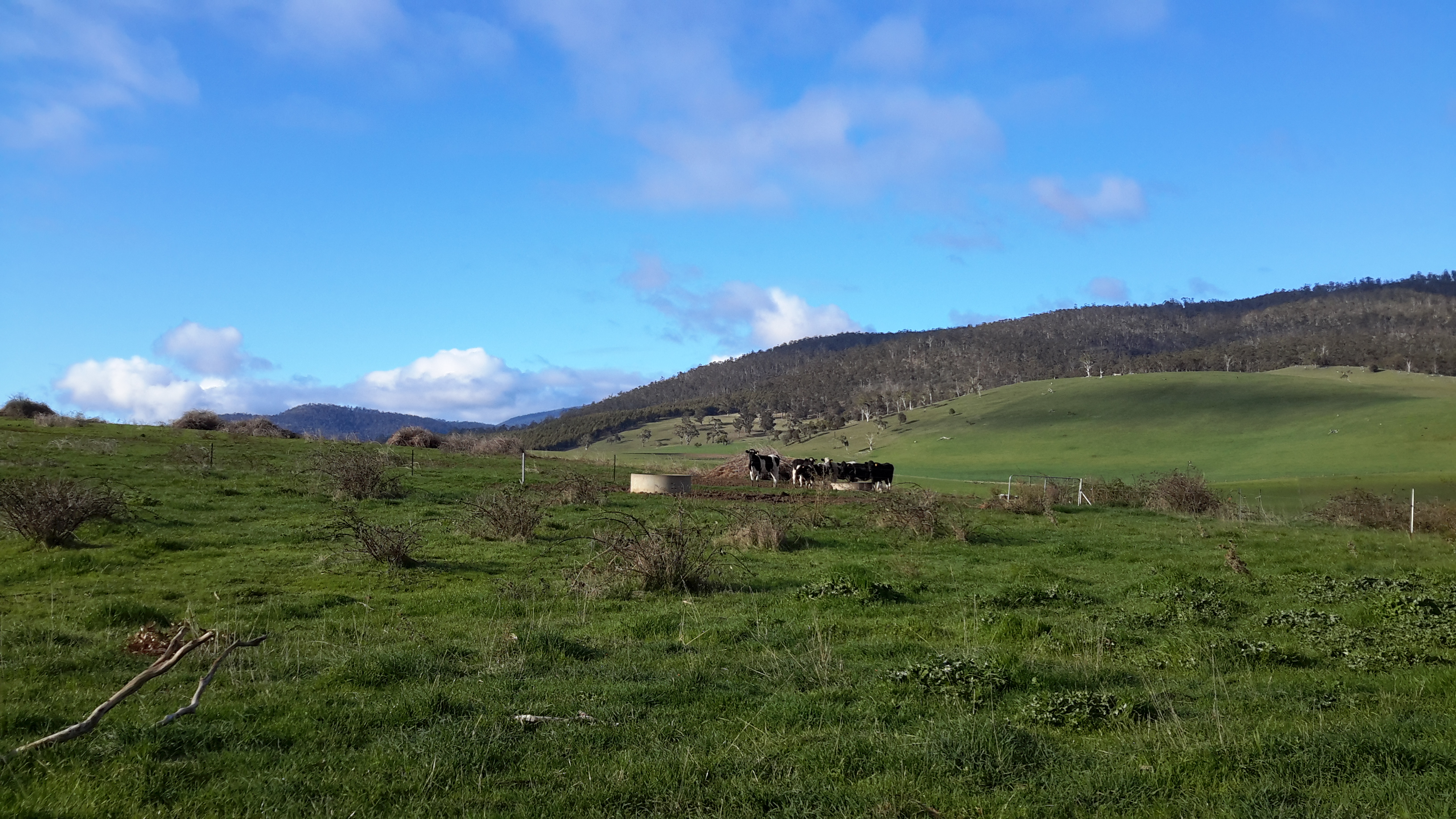
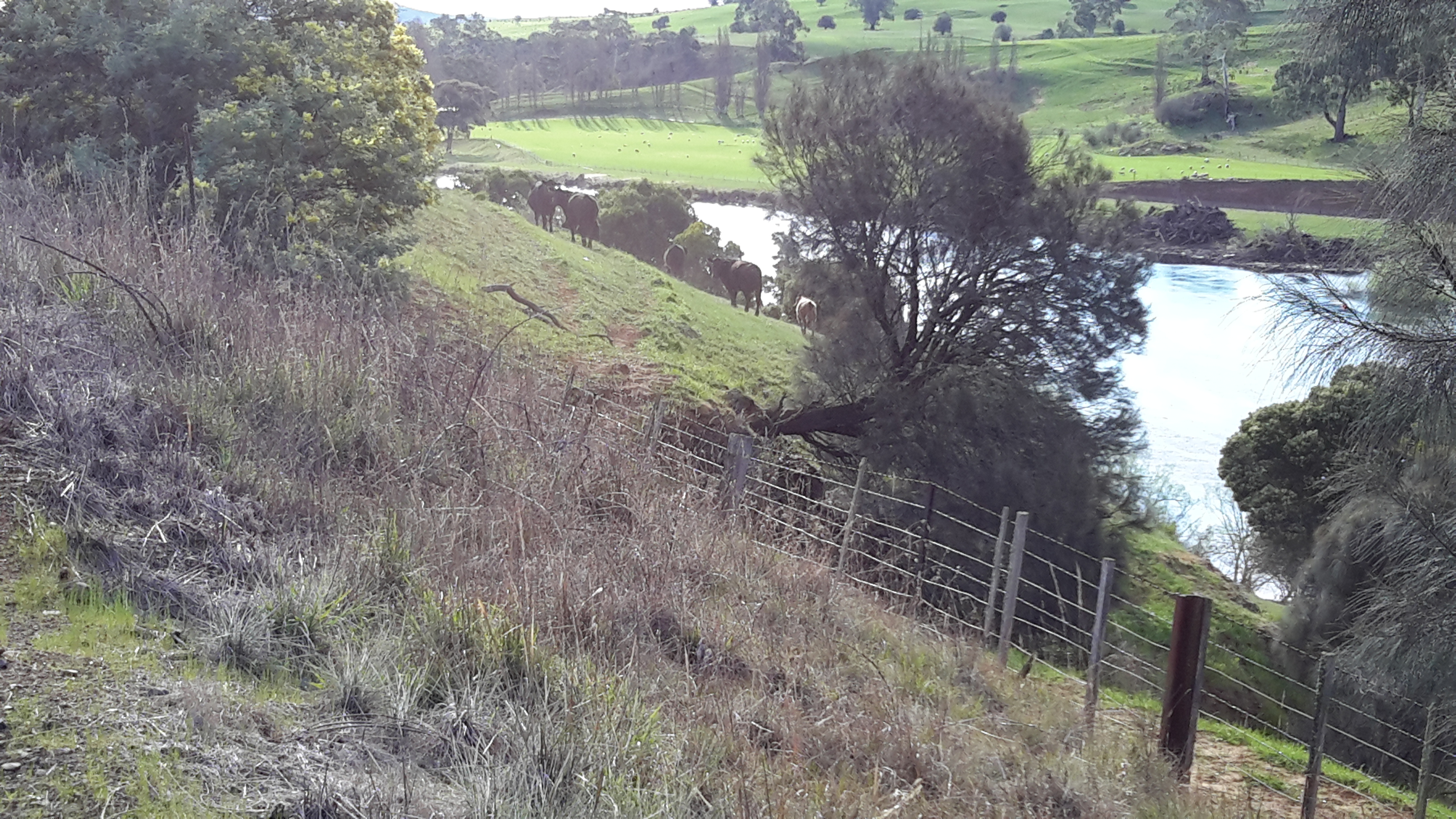
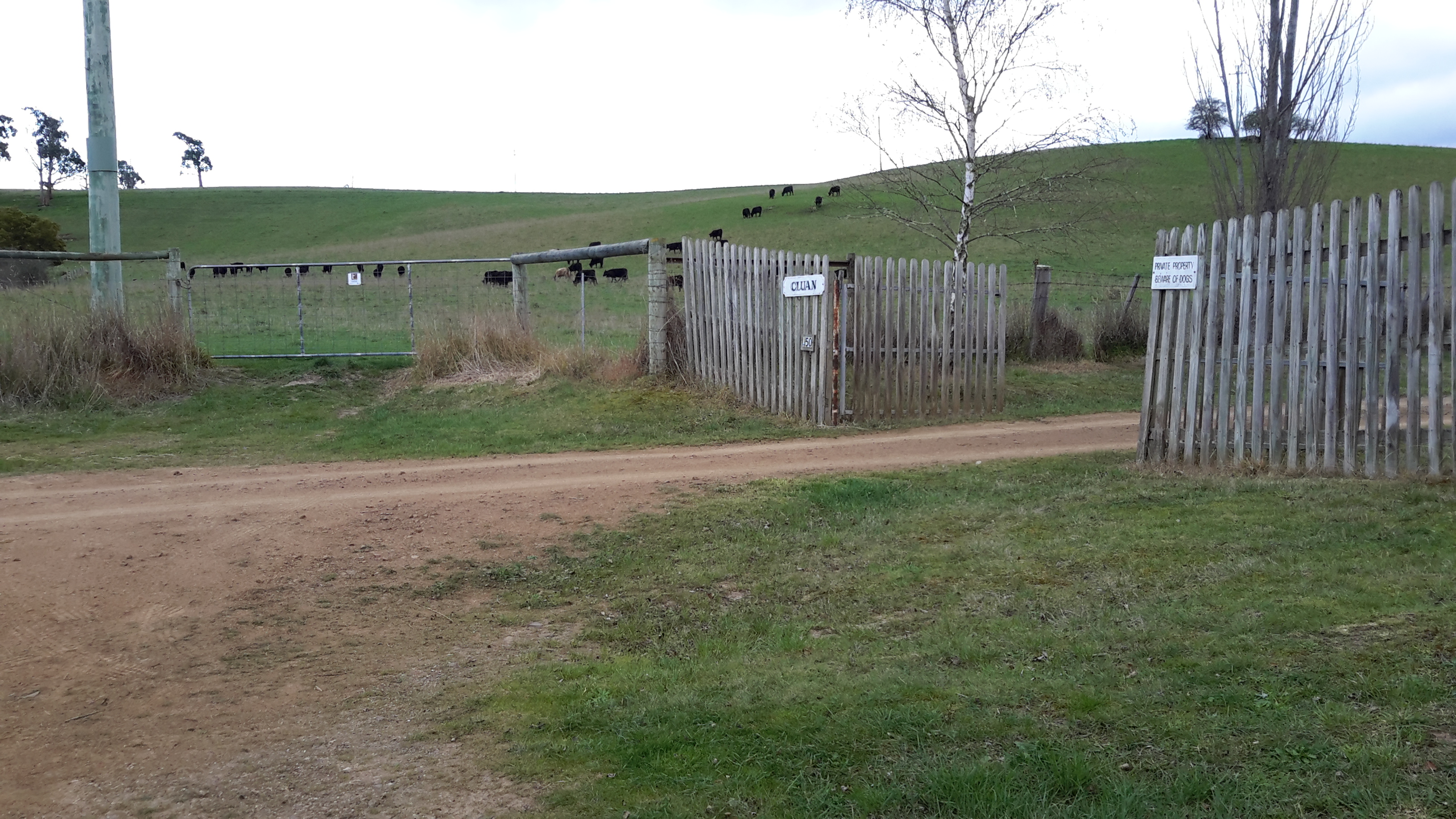
These cows ran away from me.  My explanation is that the pack on my back makes me looked like a deformed and rare human and, as such, I am to be much feared.

20150918_090034

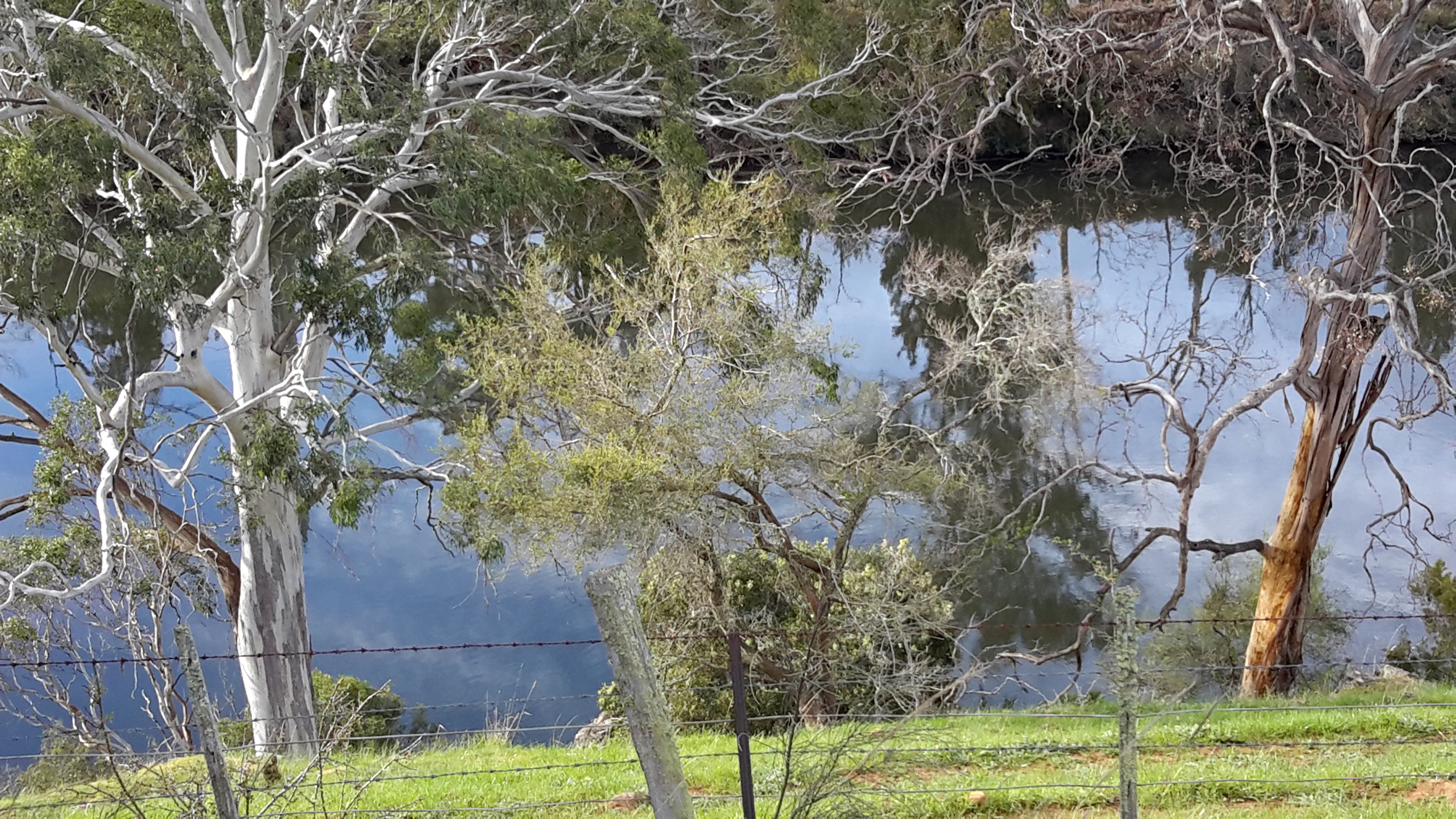
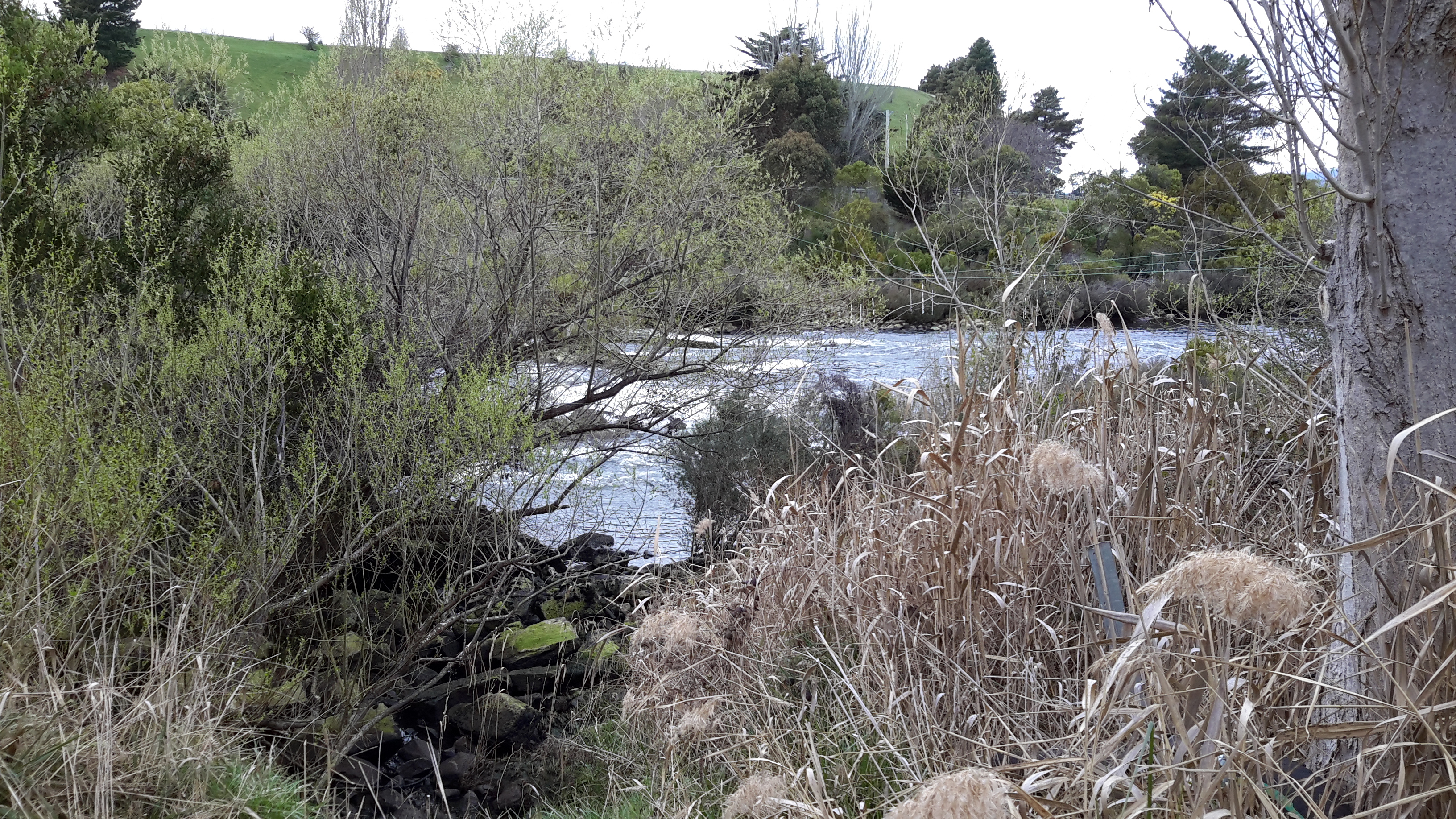
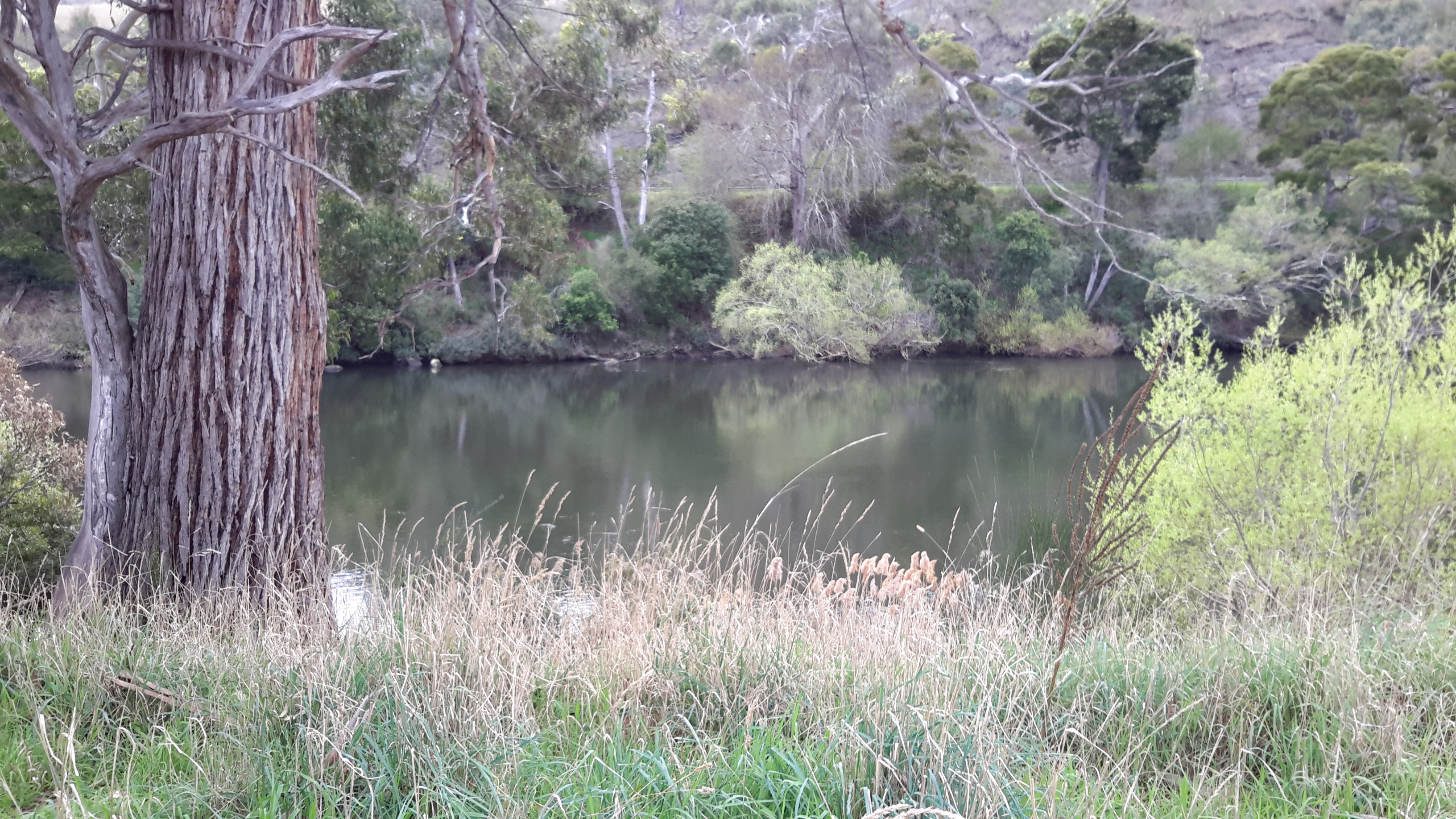
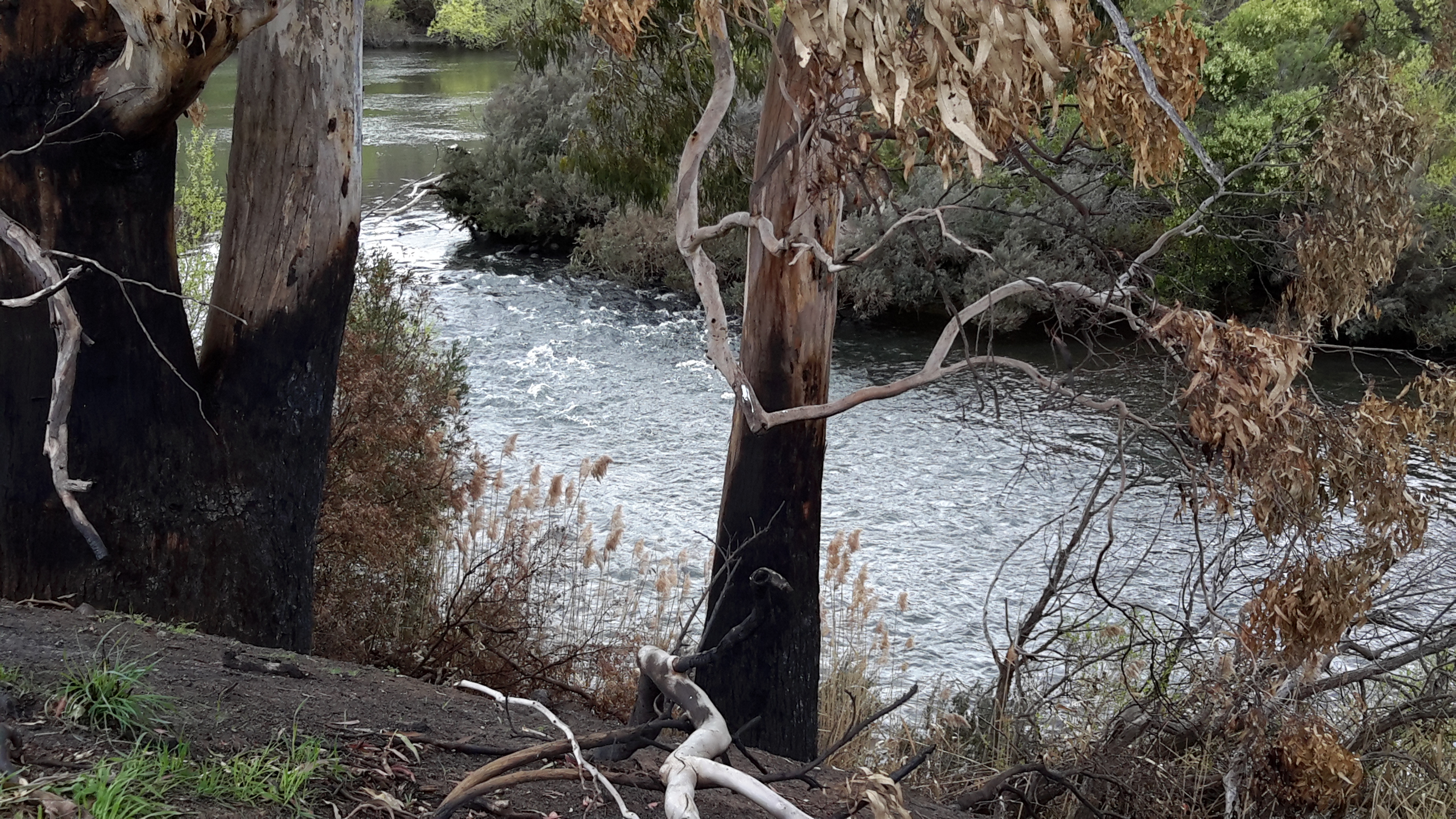
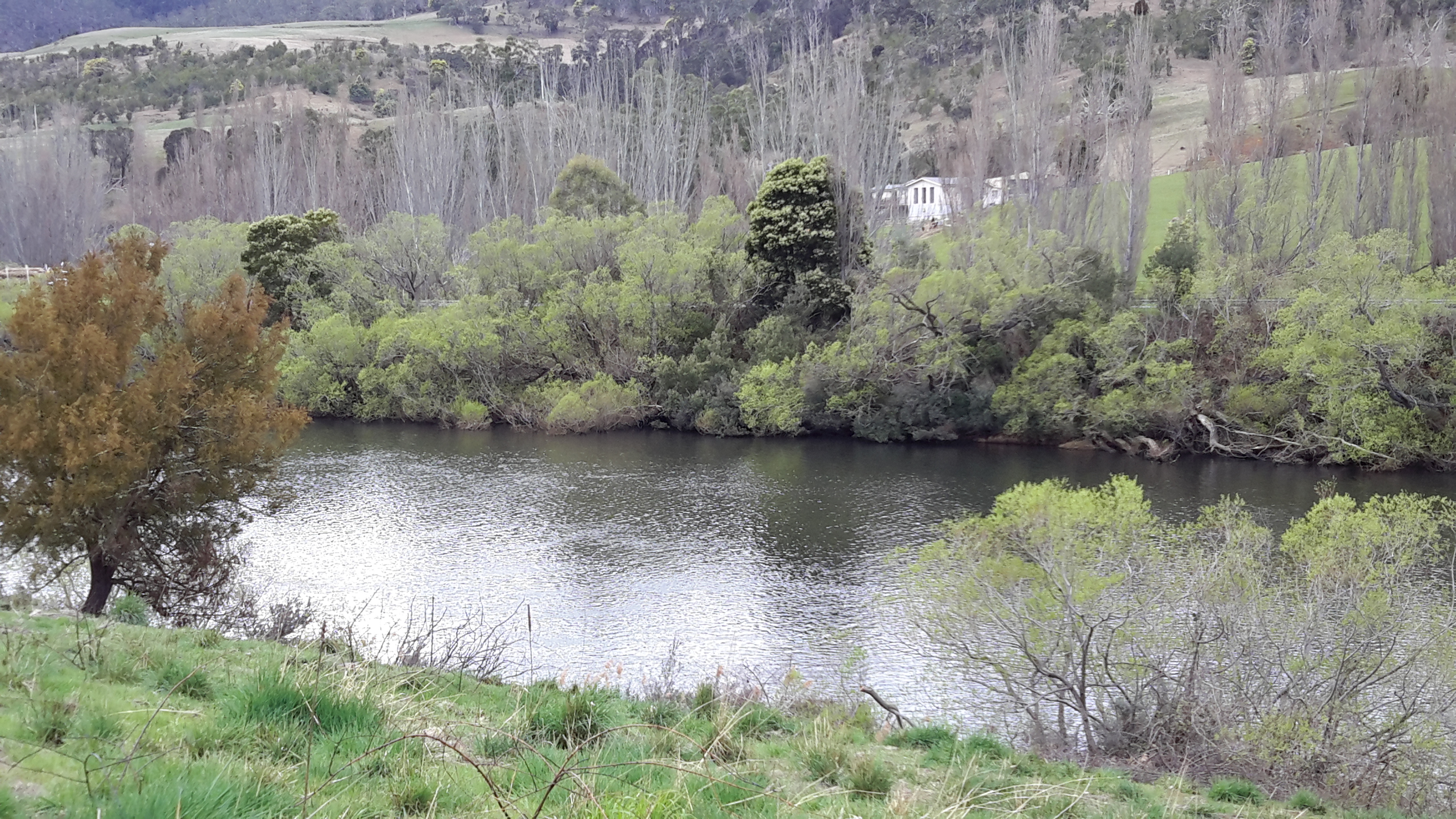
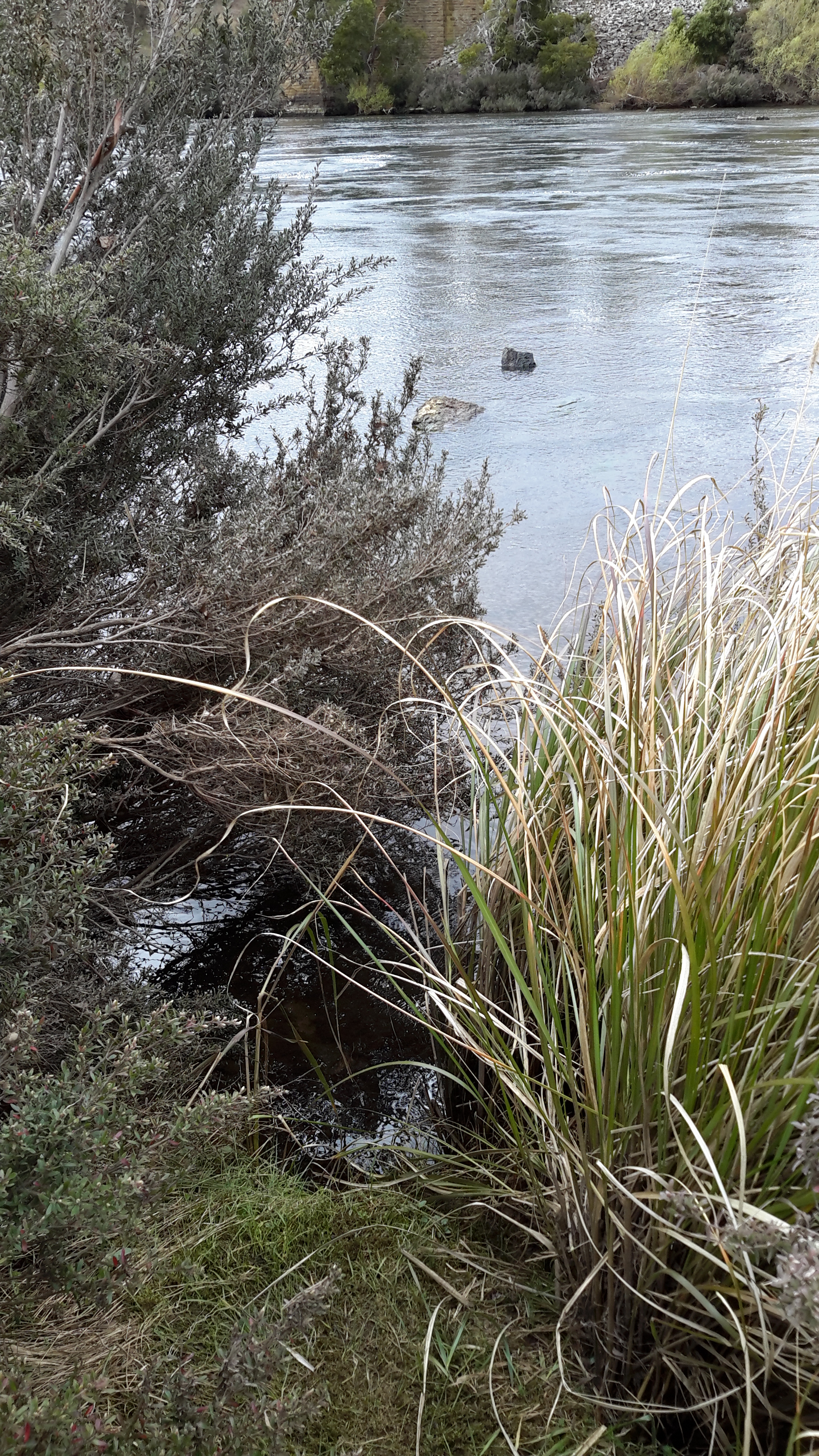
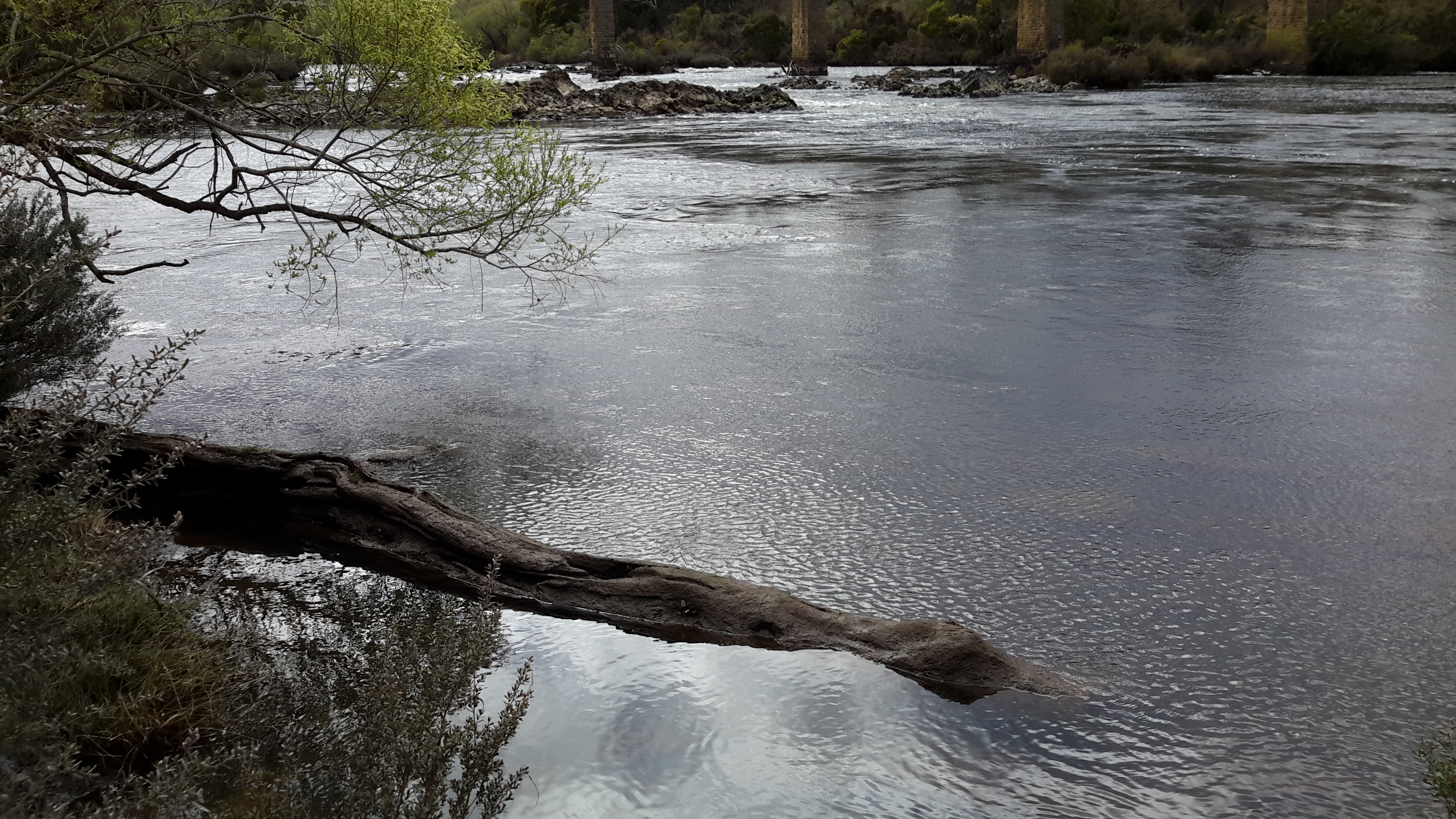
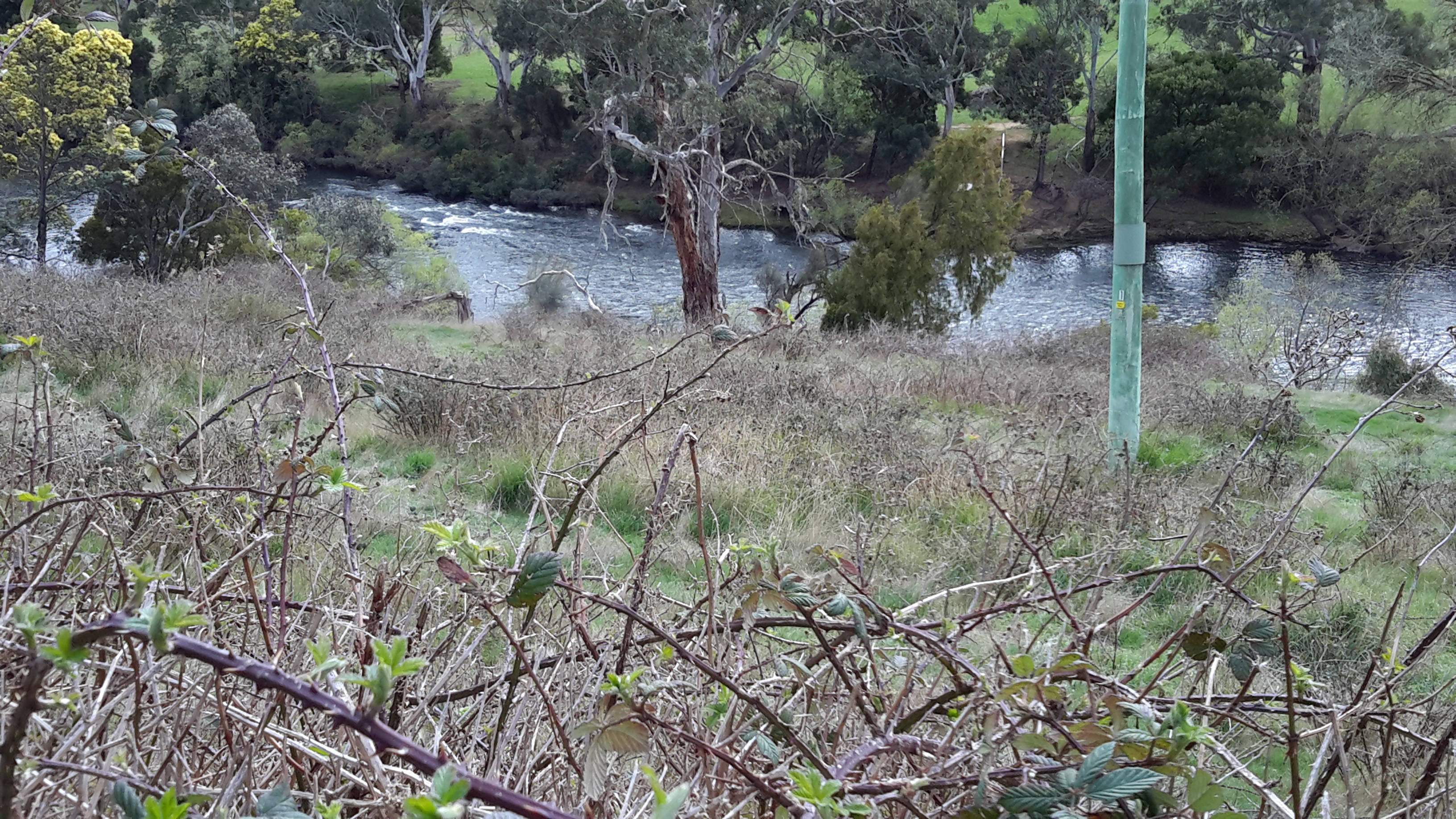
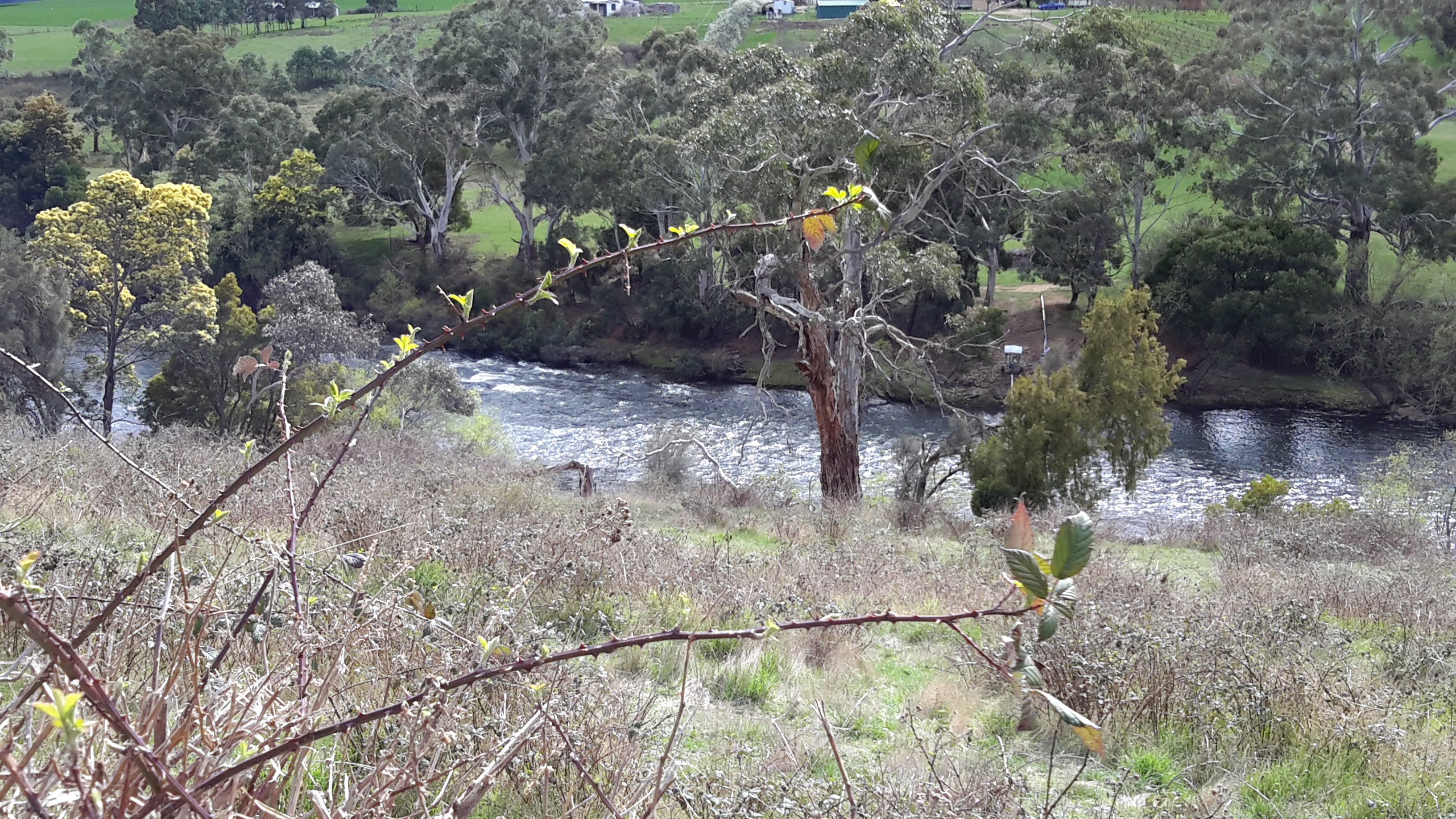
Meanwhile the Derwent River raced along.

20150918_090125

The water issue

Unfortunately, the Derwent River’s water level was low and its unscramblable muddy banks prevented me filling up my water containers for most of my walk.  By this stage of the walk – mid morning on day 2 – my water supply was a big worry.

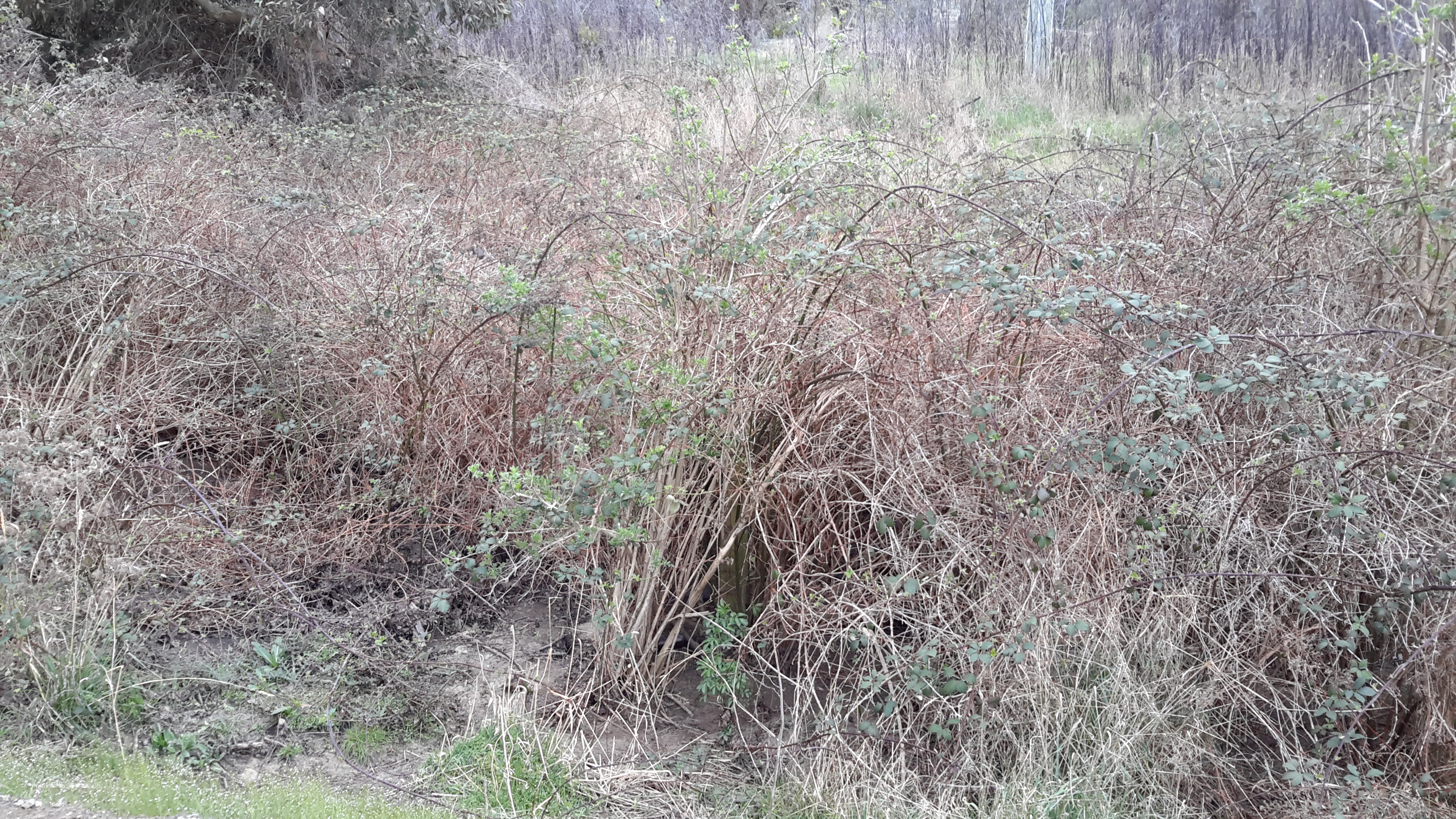
Contrary to my expectations of being able to collect water along the route, throughout Day 1 I found it impossible to get to the river water safely and be able to clamber back up slippery thorny banks.  Originally, I had left home with two plastic bladders each containing one litre.  When I reached the property Cluan on Day one, having quickly decided I could refill a bladder at the river’s edge I drank the remains of one bladder.  Regrettably, on closer inspection at the river edge I could not get down to the water.  This meant I needed to refill somewhere else along the way. But, as you know from earlier postings, I was never next to the river again on Day one, spent lots of time walking on the disused railway line, and eventually pitched camp next to the line.  That night I needed a reasonable amount of water to rehydrate and cook my evening meal.   From then until morning I cautiously sipped the remaining water.

First thing next morning on Day 2, instead of boiling water for a much looked for cup of tea or to make porridge, I ate a fruit bar for breakfast, and took a sip of water. Then, after packing up, I started walking.  Normally I drink a lot of water each day, and I know how important it is to keep hydrated  particularly when you are moving.  Water was everywhere but not a drop to drink – except for the remaining mouthfuls from my water bladder. I knew the water rationing had to continue. I was glad the air temperature was cool so that I wasn’t losing too much in perspiration.  However, I wasn’t to know that I would need to walk considerably further before I had a modicum of success in terms of water gathering.

Near the edge of the Derwent River again

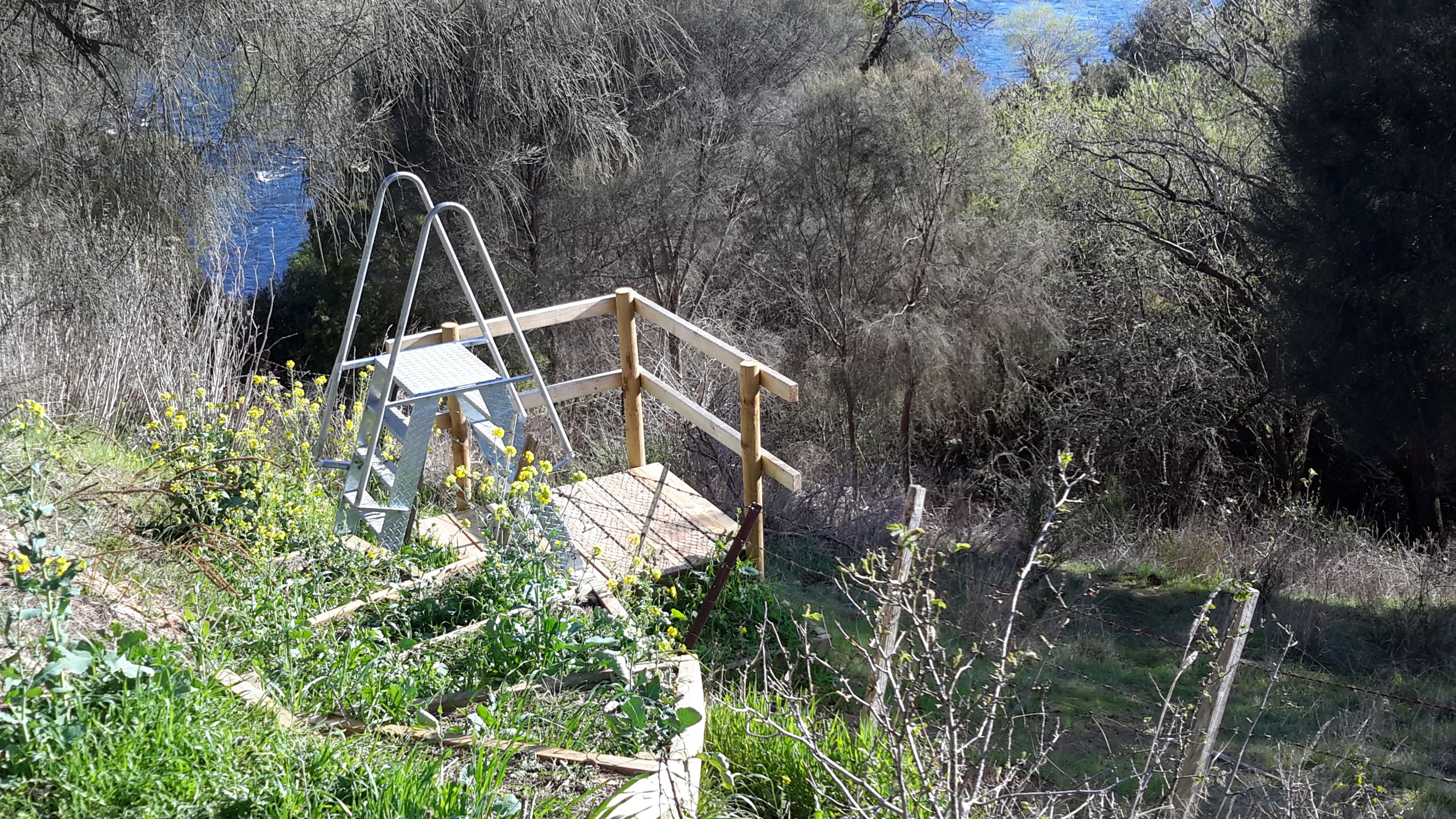
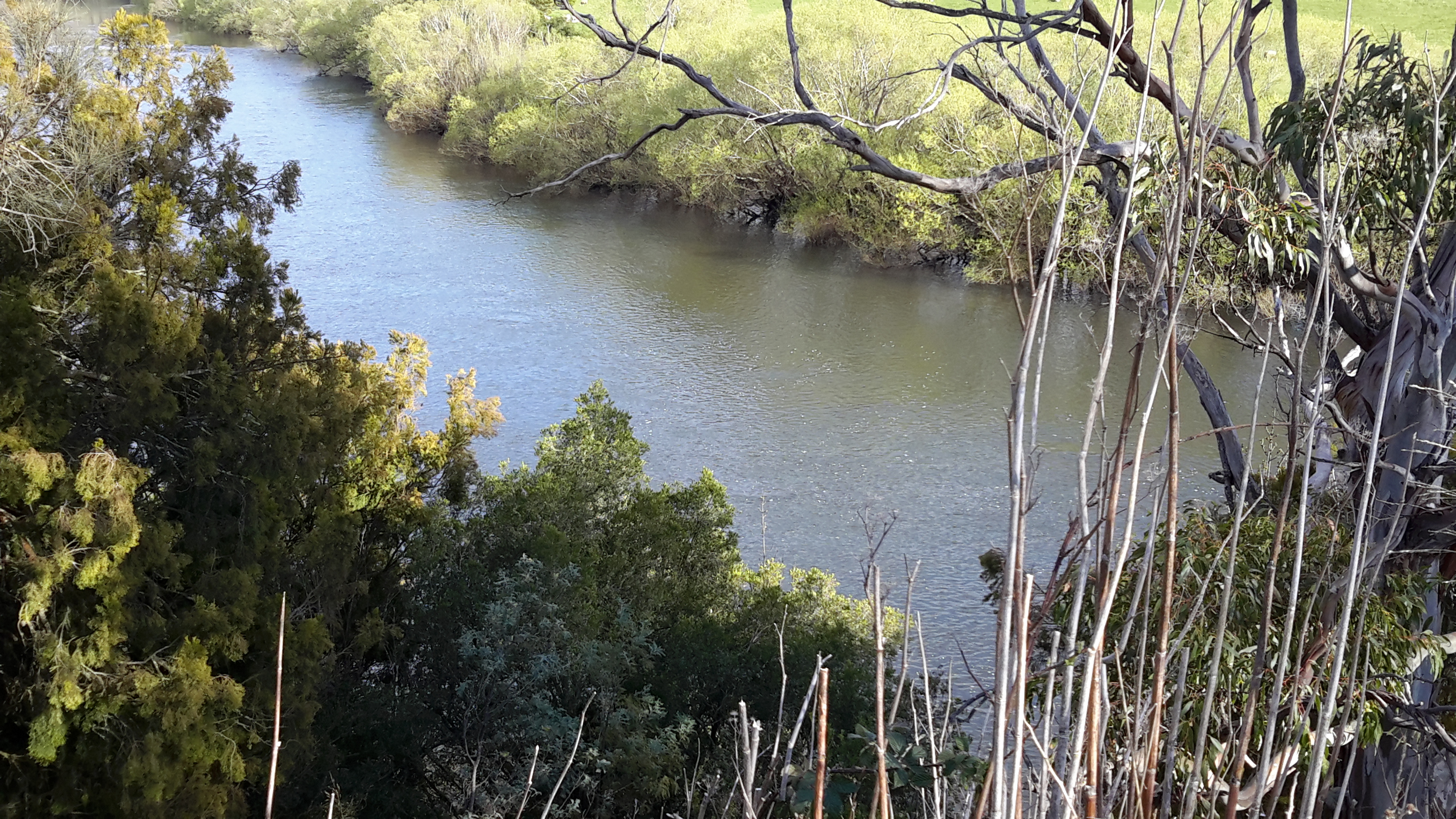
Having farewelled the walking cyclist, I spotted a style built giving anglers access over a fence and at the same time I appreciated a grand curve in the Derwent River down below.

20150918_083251

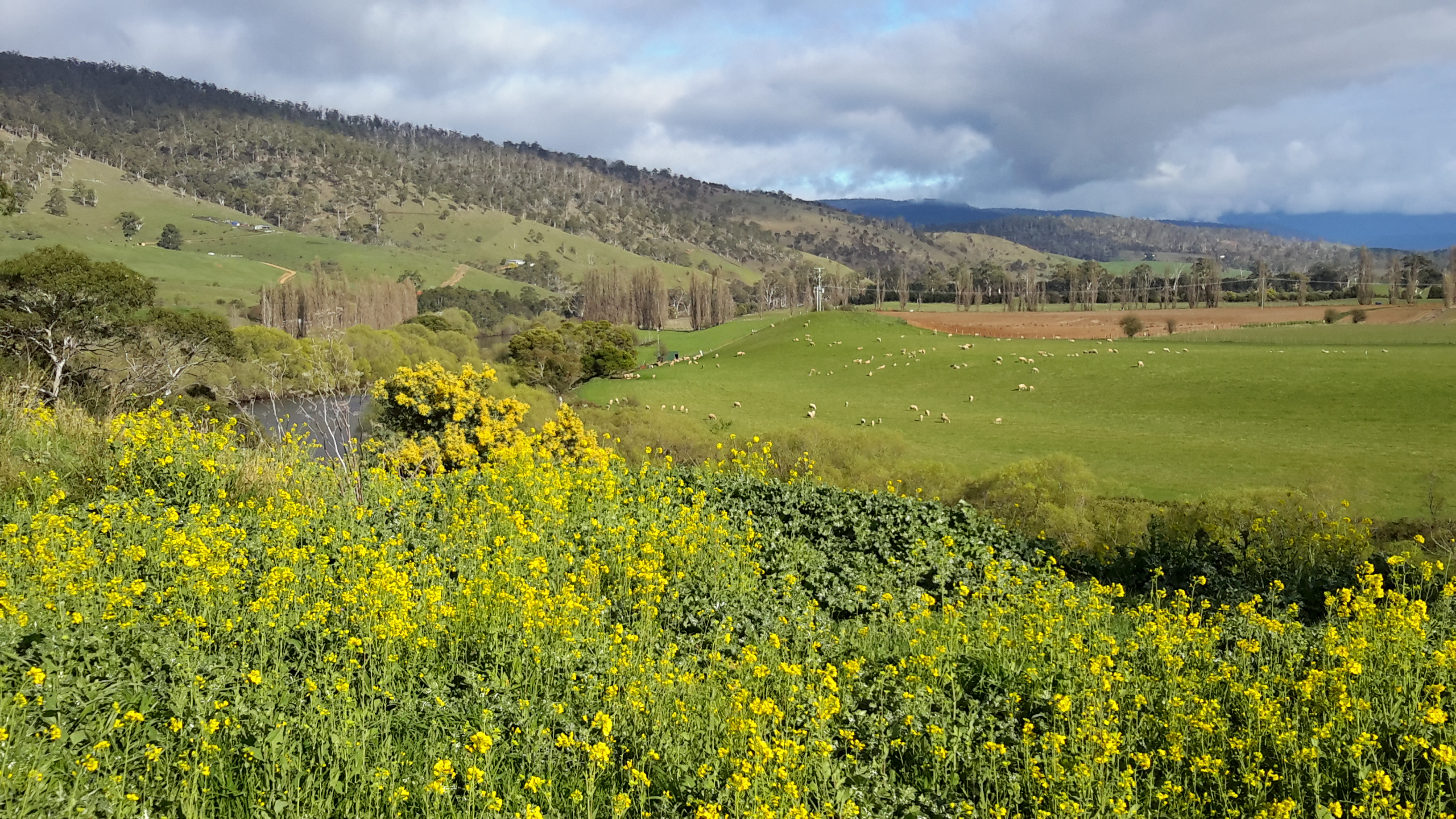
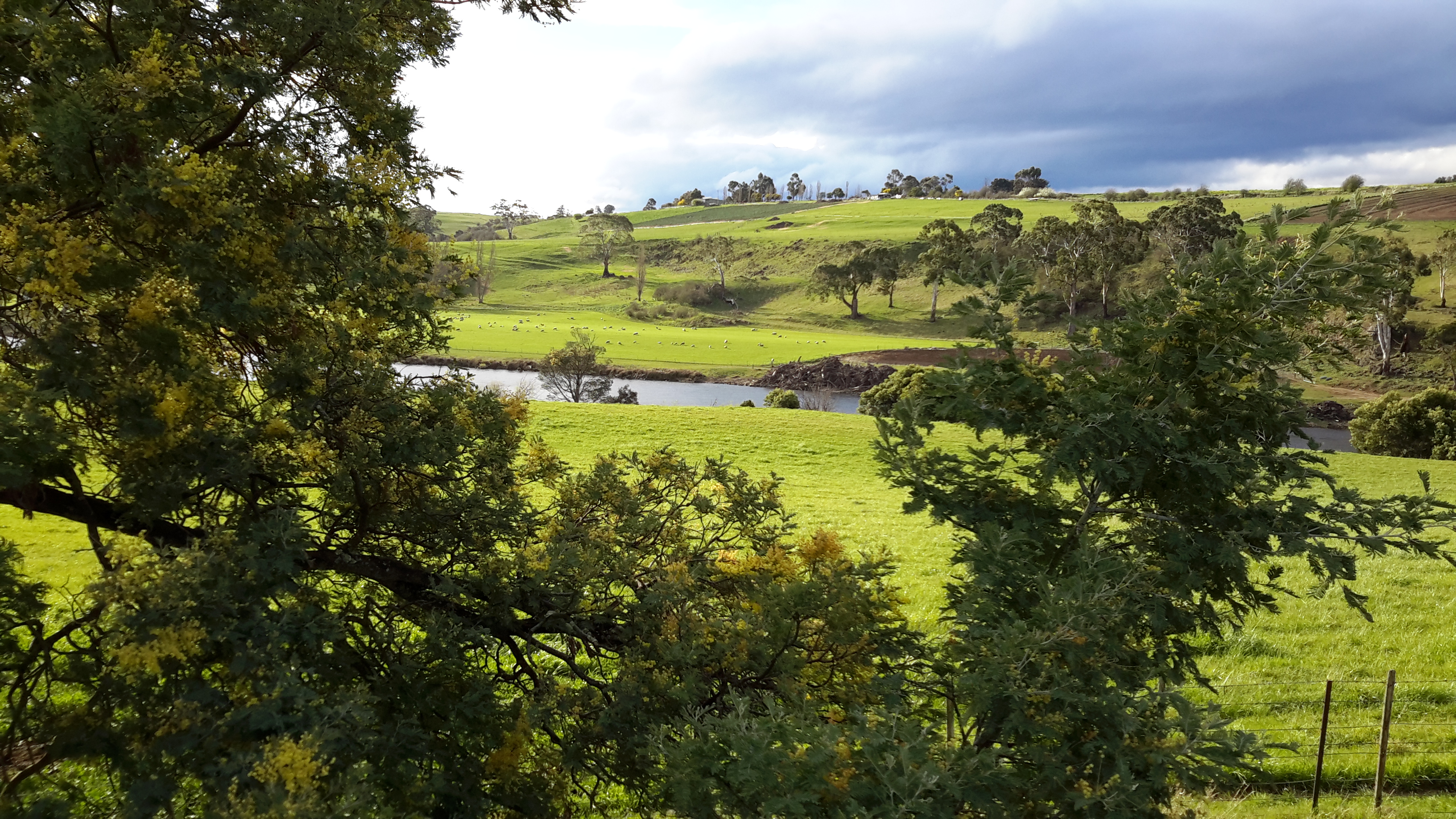
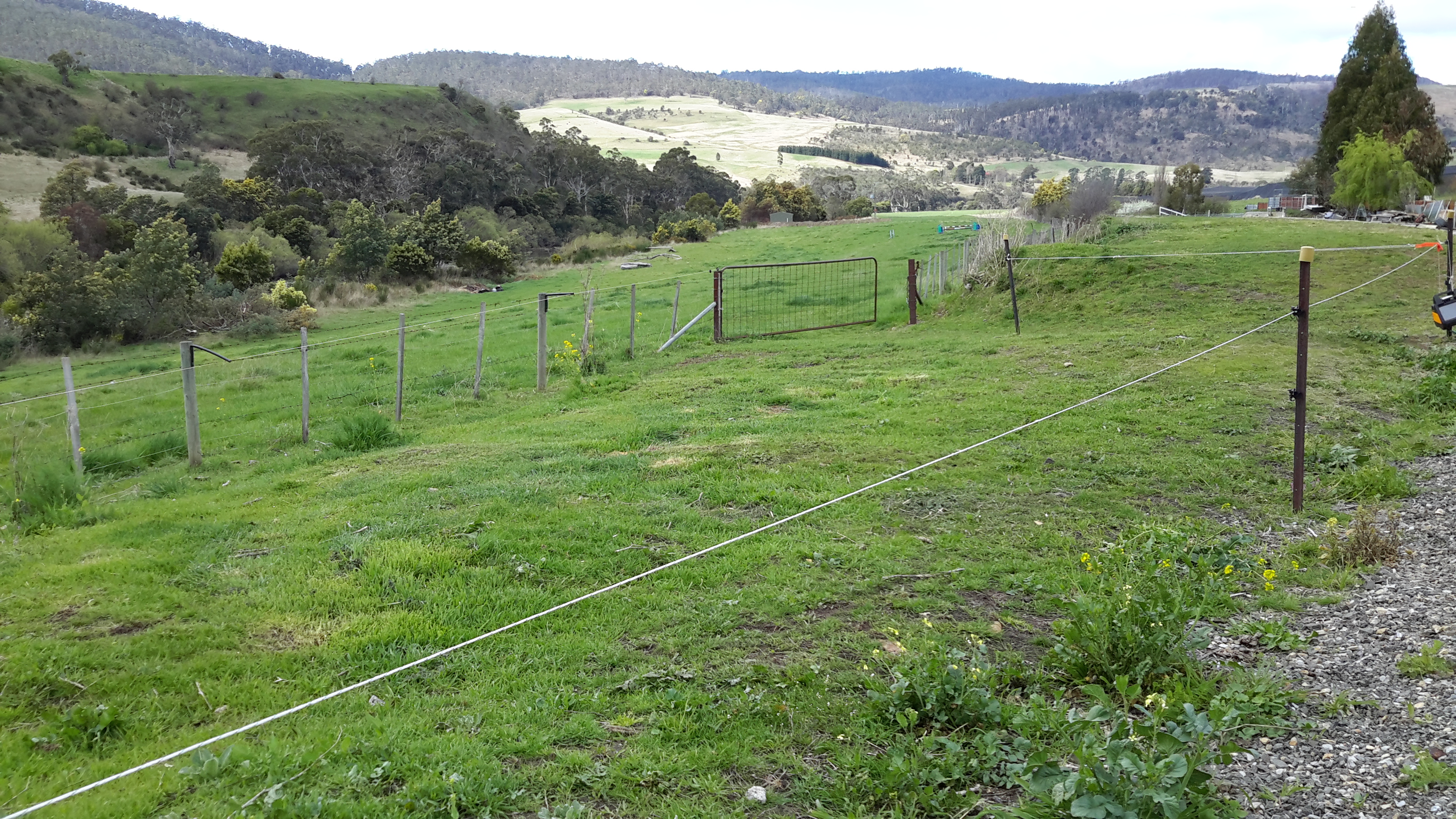
The views of the river, the paddocks and the sheep were magnificent.

20150918_083343  20150918_083351

20150918_083434 20150918_083811

As usual, continual direct access to the river was impossible.  This time, the very steep and slippery river banks were the greatest impediment.

20150918_083609 20150918_083815

I continued along Glenora Road until I was able to follow a vehicular track to the water.  On the river edge, a large irrigation pump took pride of place. The water was clear. The sun sparkled across the surface. But access to the water was denied me because a steep slippery mudbank, which I did not believe I could climb back up if I slipped down, separated me from that elusive fluid.

20150918_084356

Heading westwards

20150918_080020 20150918_081336 

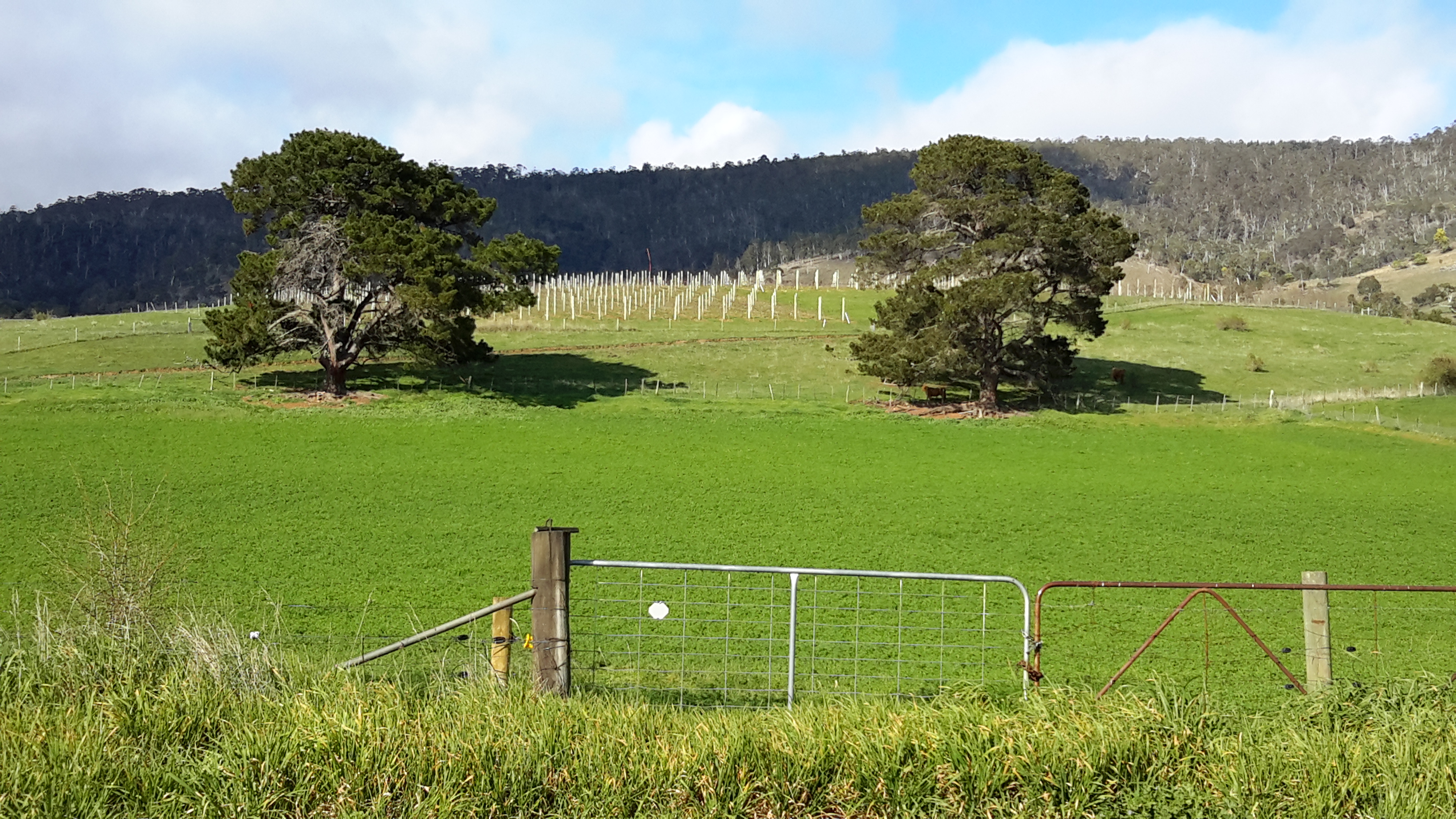
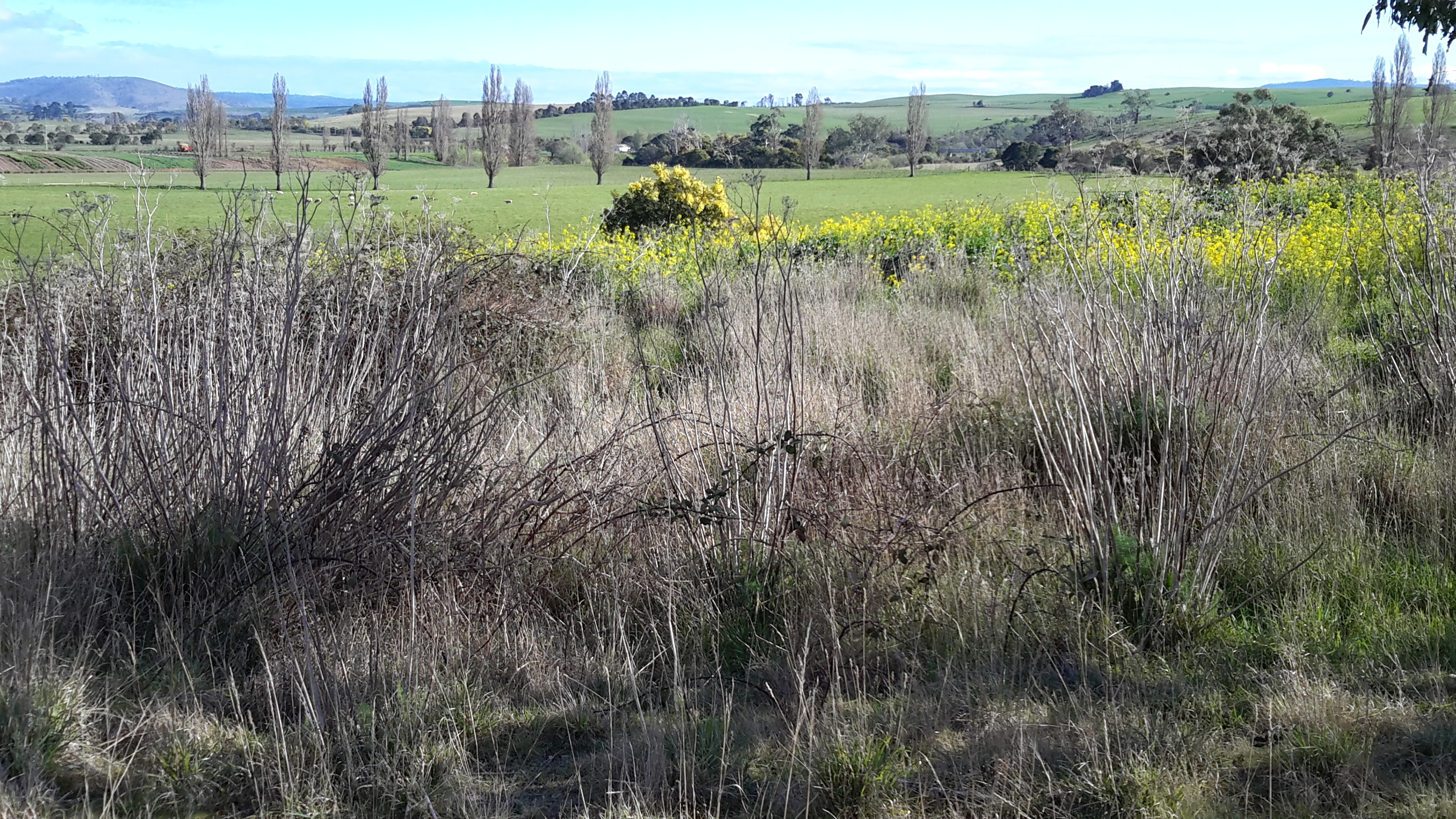
Back on Glenora Road, I loved the landscape in every direction. I am curious- have any city people slotted a green landscape view as background on their computers? When I open my computer and see green vistas it lifts my spirits particularly when I look out of my house window at bricks and mortar everywhere.

20150918_080350 20150918_080724 20150918_081256

Before long I was passing the expanses of Kinvarra Estate wines. My photos are quite tame compared to those taken by Alphaluma and presented on their website. His are sweeping and dramatic.

20150918_081851 20150918_081406  20150918_082213

A kilometre or so later I was surprised to see a lycra-clad man walking uphill around a corner and pushing his bicycle towards me.

20150918_082849

He looked exhausted and so I called out a friendly ‘hello’ and asked him where he had come from so early in the day.  ‘Bushy Park’, he replied.  Then he explained that for the past 12 days he had been on the comparatively new Tasmania Trail which extends from the north-west coast to the south-east margins of Tasmania. In addition, he offered that 13 days ago he hadn’t ridden a bike for years, had bought the new bike that day, then started out immediately. Now he was eager to get home and was headed for Hobart where he would finish his trek and family would pick him up.  This man, who looked like someone’s father, didn’t have the time or strength to continue to Dover much further south but I congratulated him on his achievement.  Whatever means of transport you take through central Tasmania, the challenges are great and he had overcome much to be close to his goal.  So I thought about my sore feet after only one day’s walking, and worked hard to dismiss any negative thoughts.

Leaving Ivanhoe’s cows behind

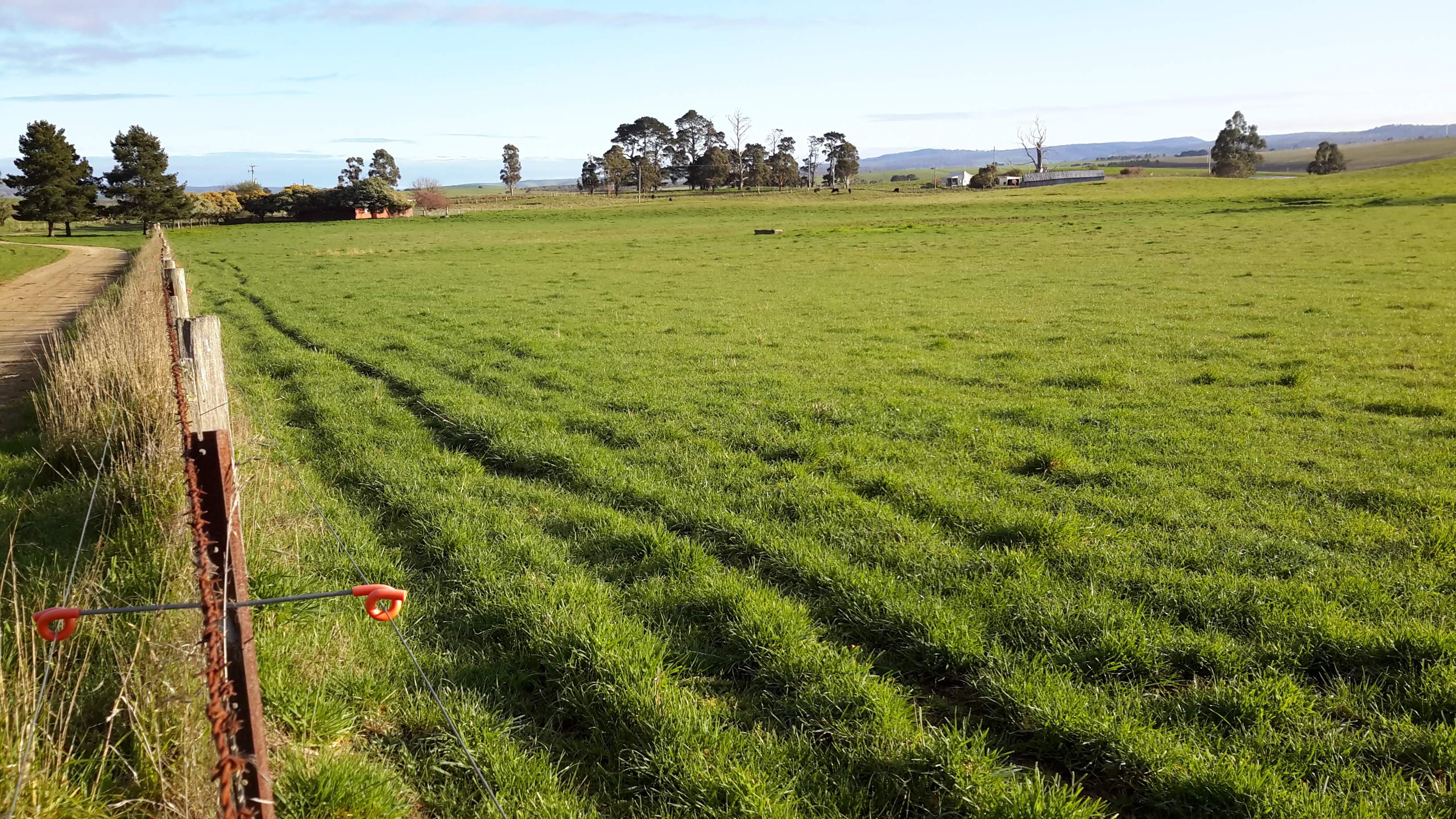
Day 2 and the vista looked splendid.  Despite my fingers seeming to freeze as I released the tent and repacked my backpack, the sun shone and the landscape sparkled after the evening’s shower of rain – any dust in the air was long gone.

20150918_071004 20150918_071016

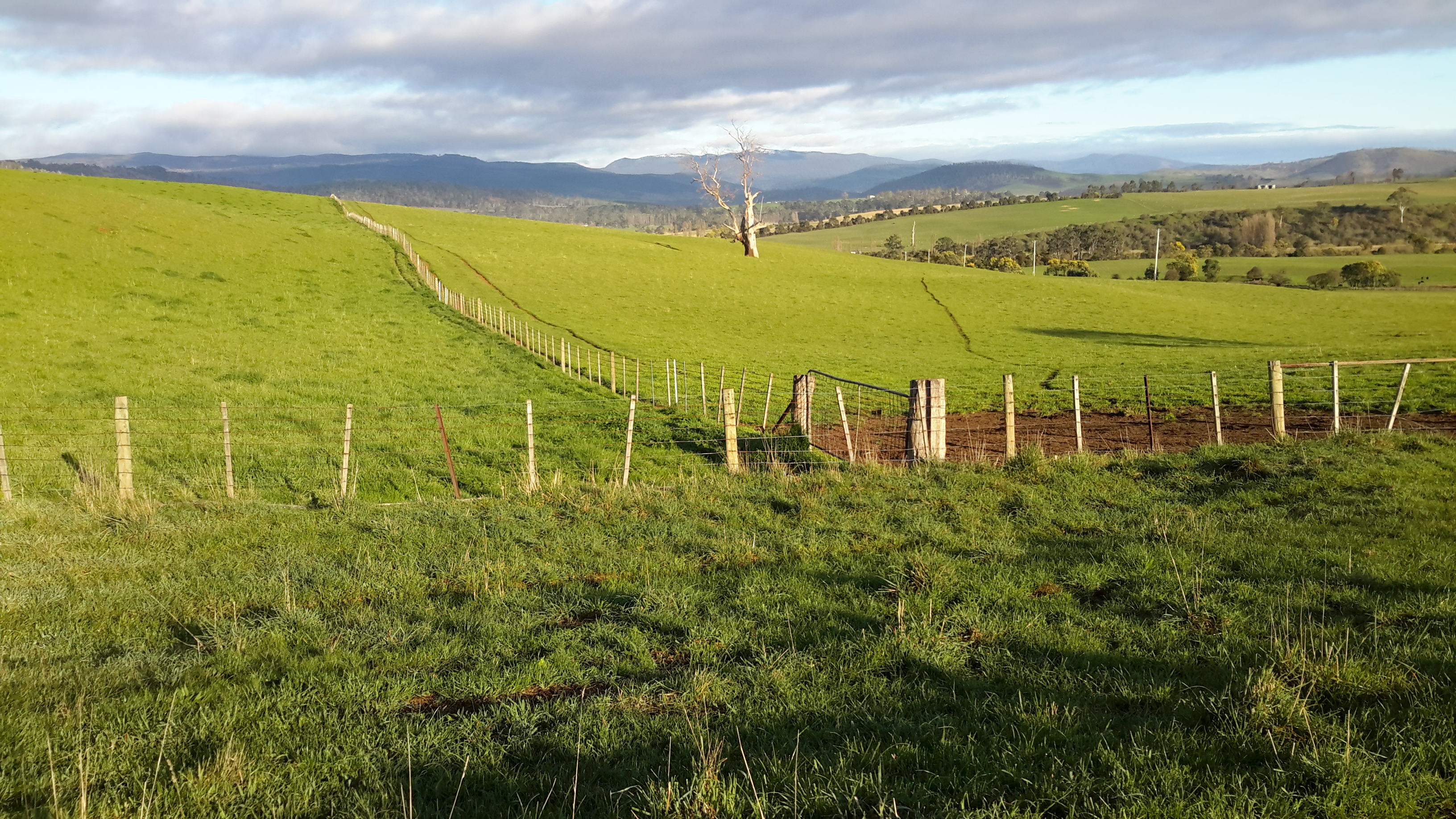
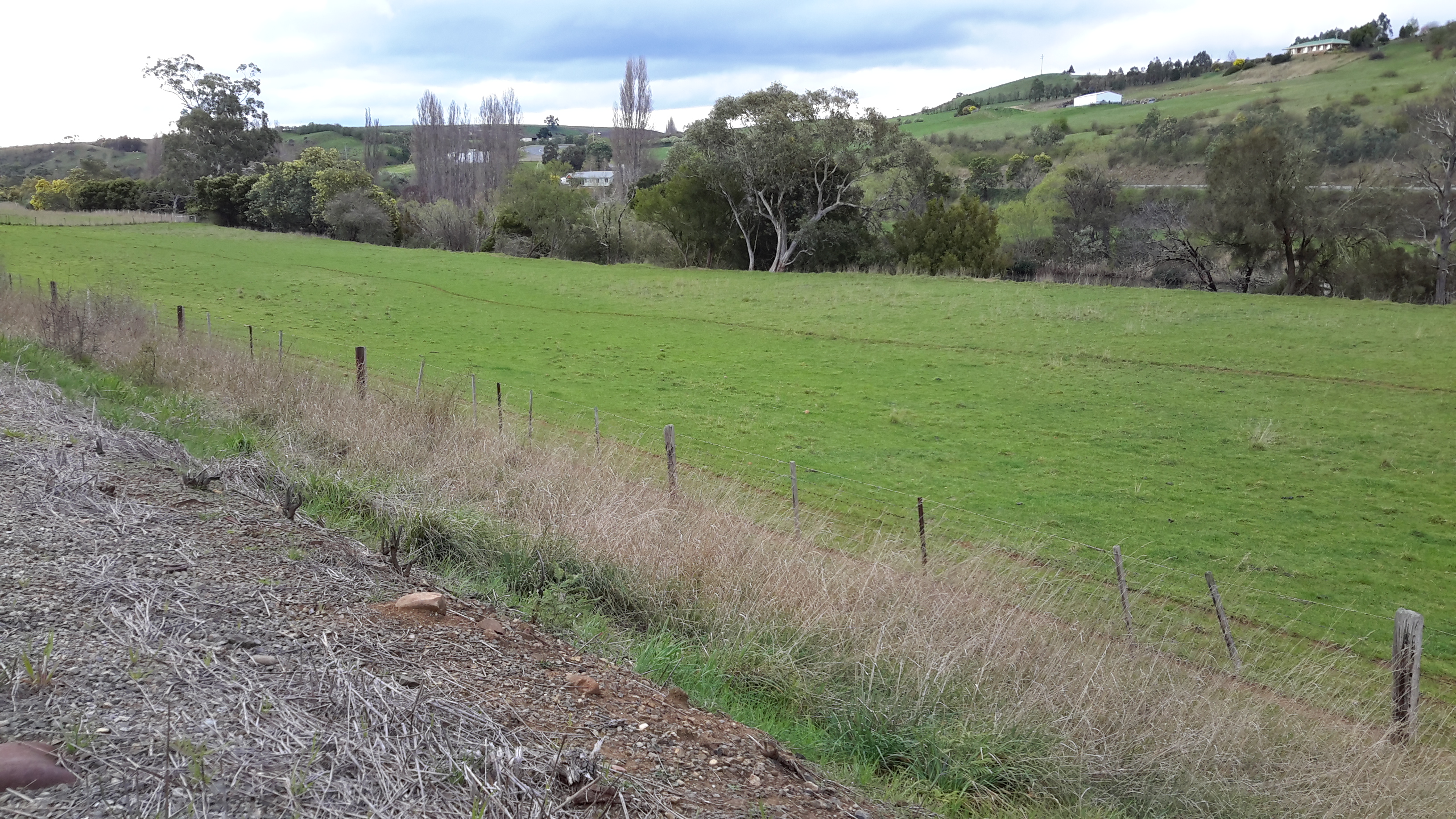
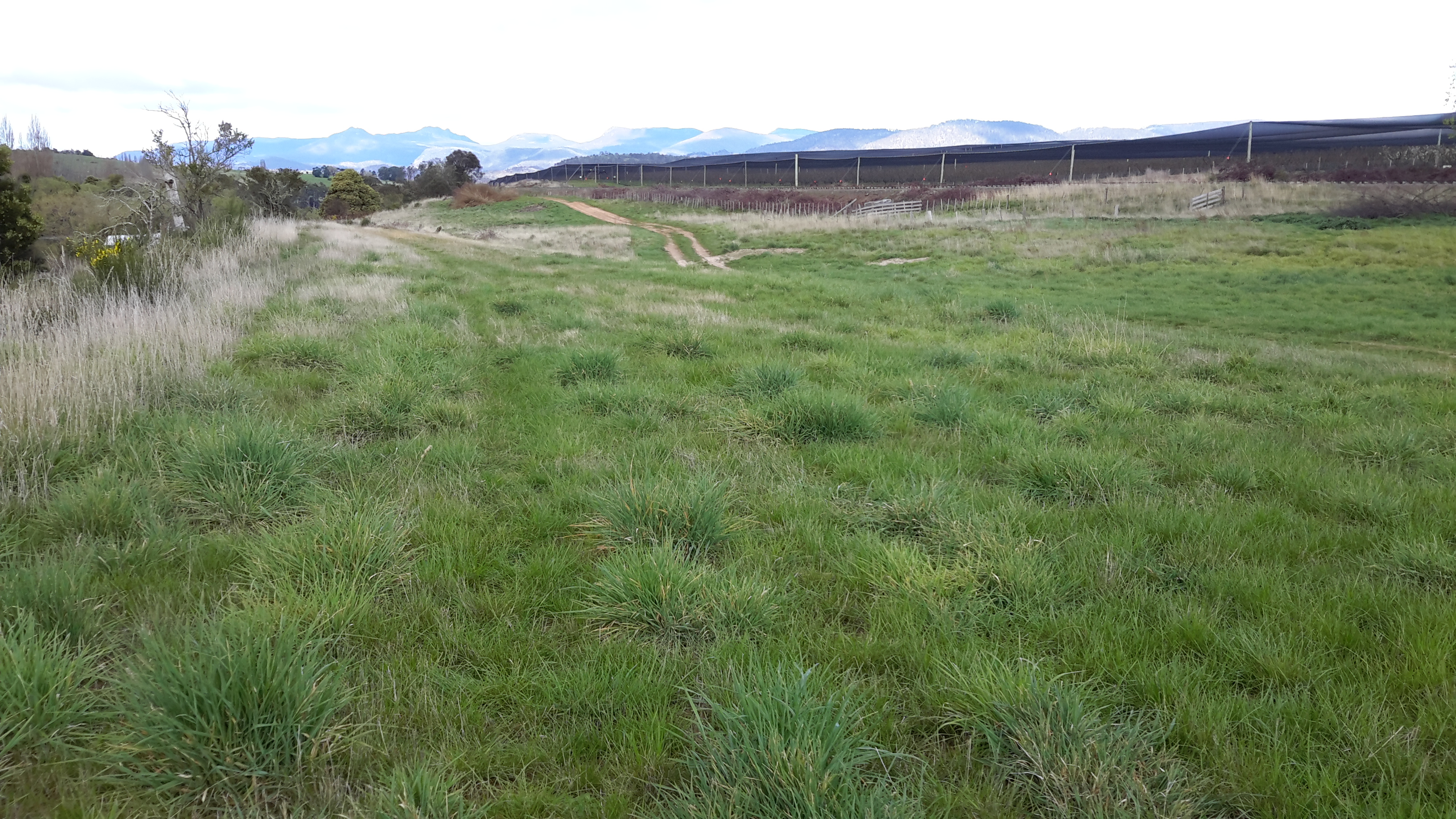
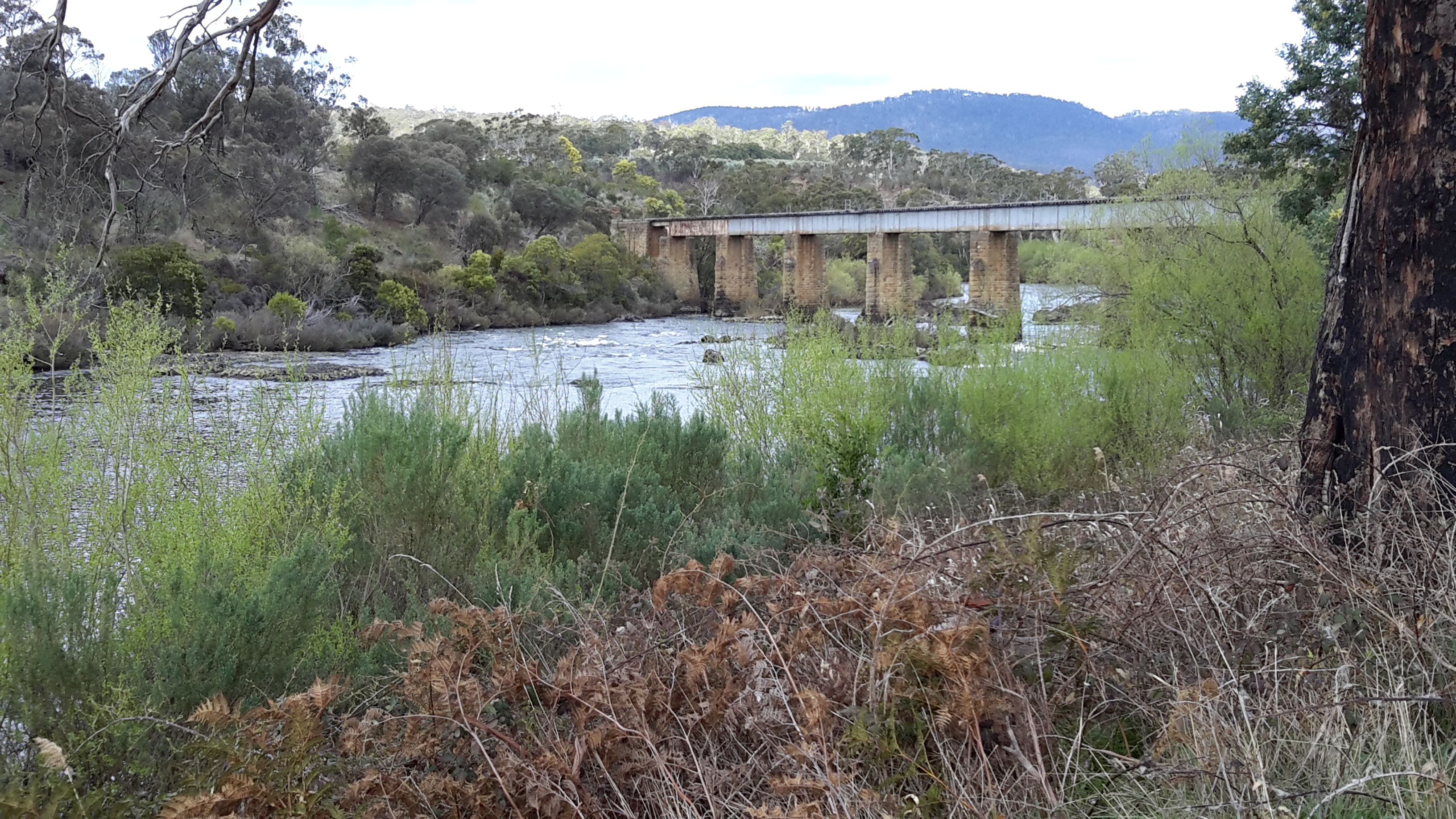
I hadn’t been walking for long when I could see the next railway bridge down the line. This time the bridge was taking a long haul over the Derwent River.  Again, I wasn’t prepared to play with my life and try to cross it. Instead, I detoured after finding a gate with an easy slip fastener and walked up a soft vehicle track. I saw rich green paddocks everywhere.

20150918_072517 20150918_072743

Before long I had walked over the hilltop and could see a couple of houses.

20150918_073144 20150918_073655(0)

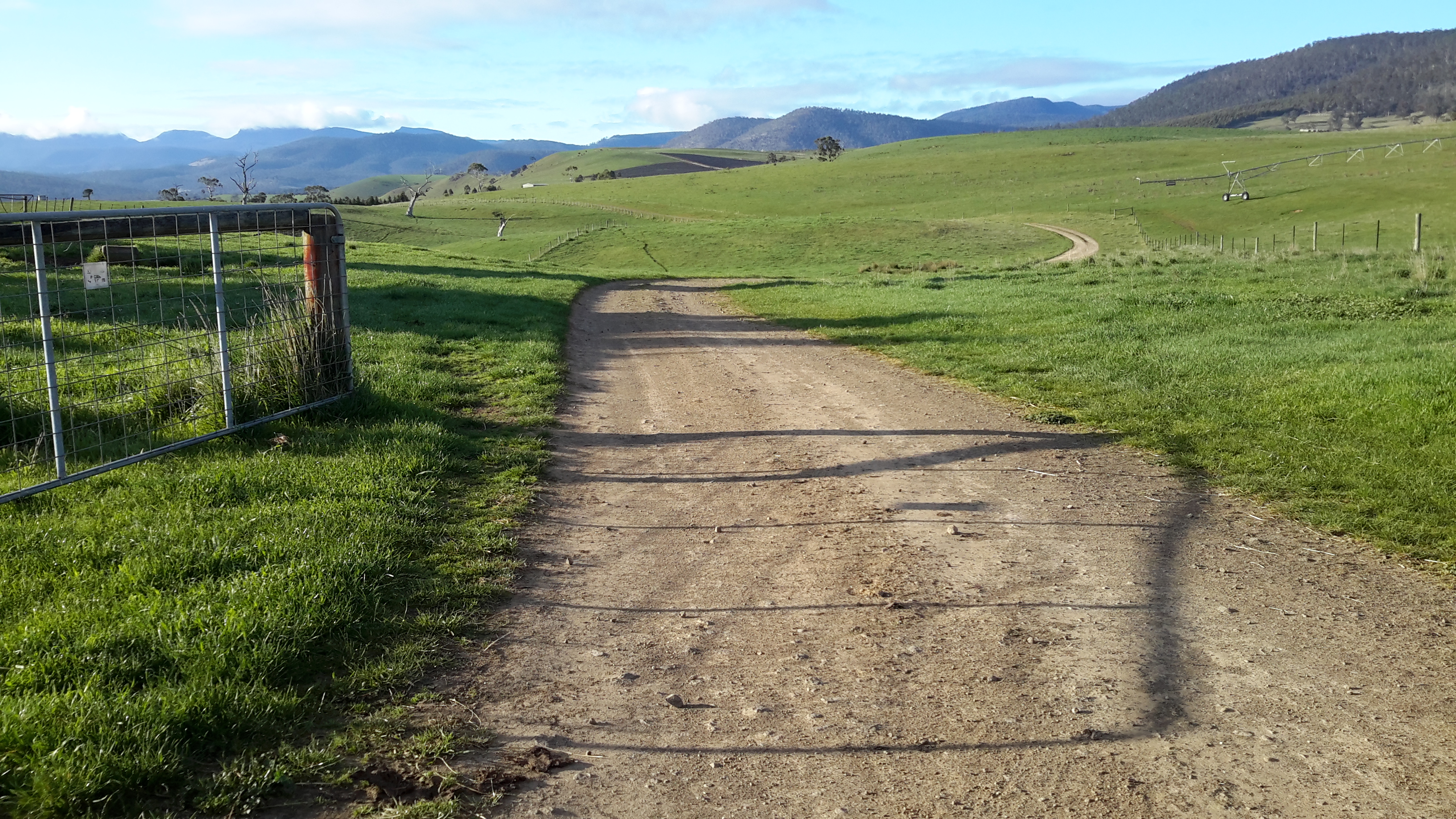
And then I was following a curving track across the property expecting eventually to return to Glenora Road.

20150918_073834

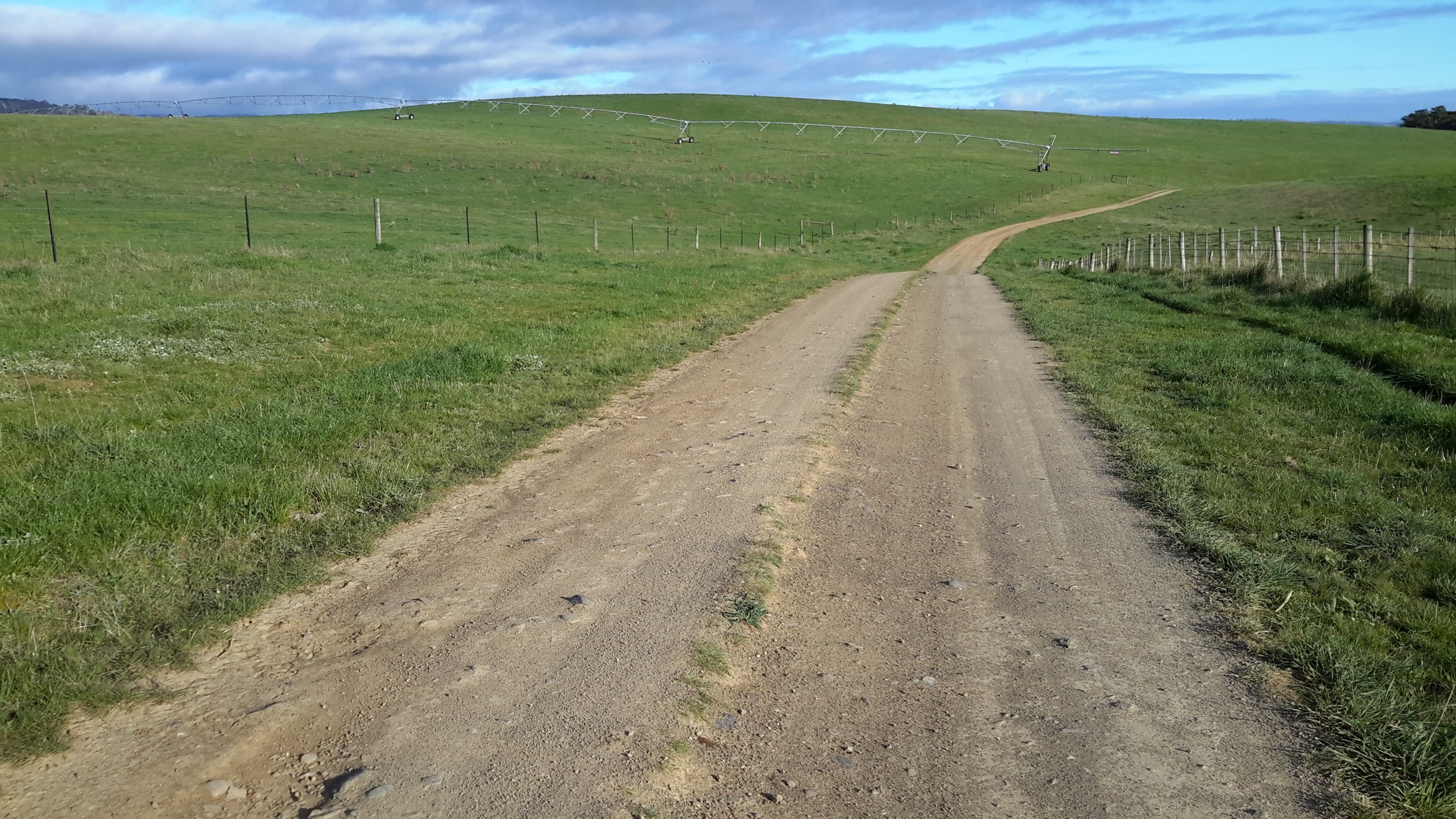
Not far along, I passed a gigantic pivot irrigation structure.

20150918_074550

The morning was truly marvellous.  The location was magnificent.

20150918_074554

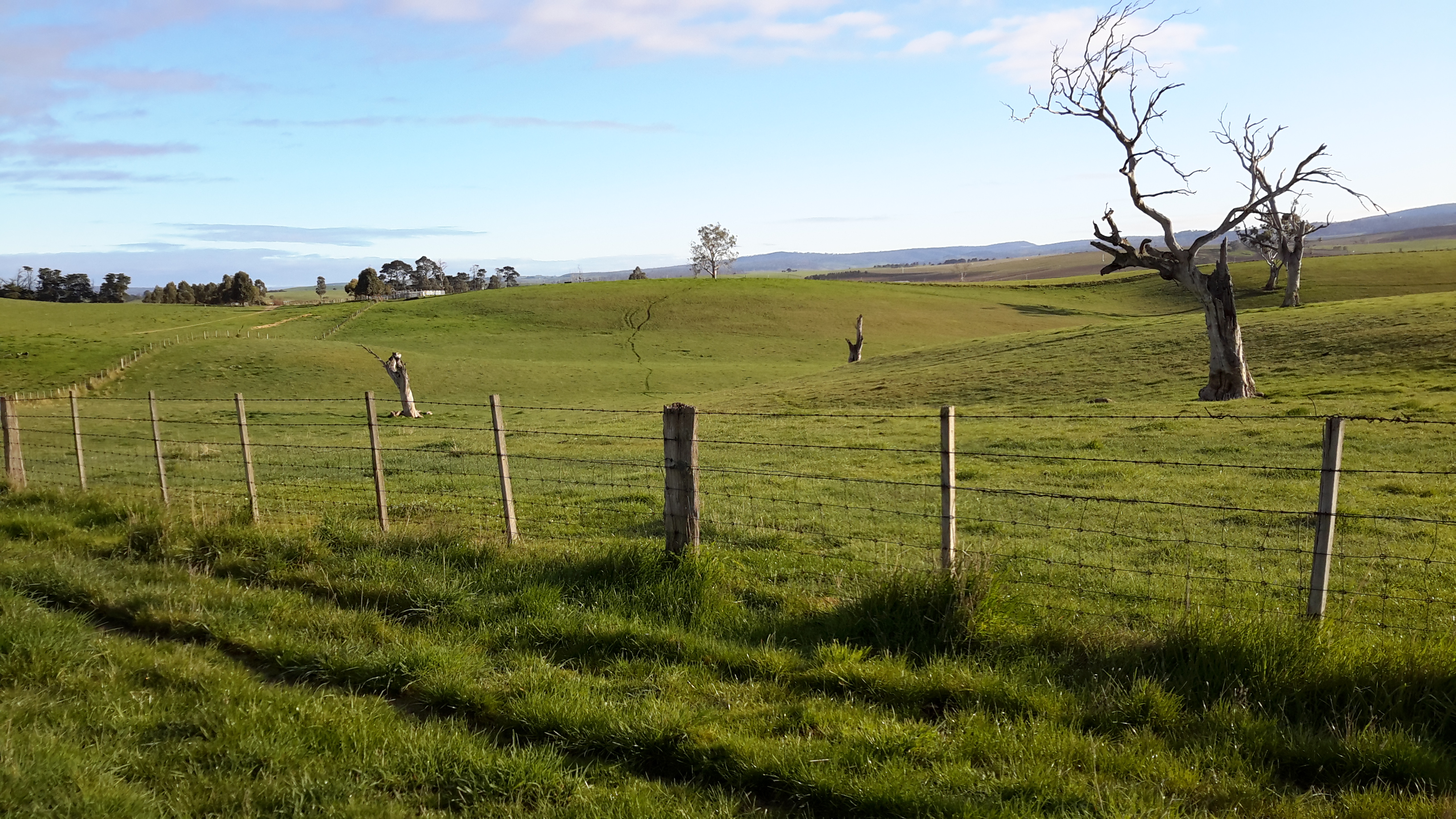
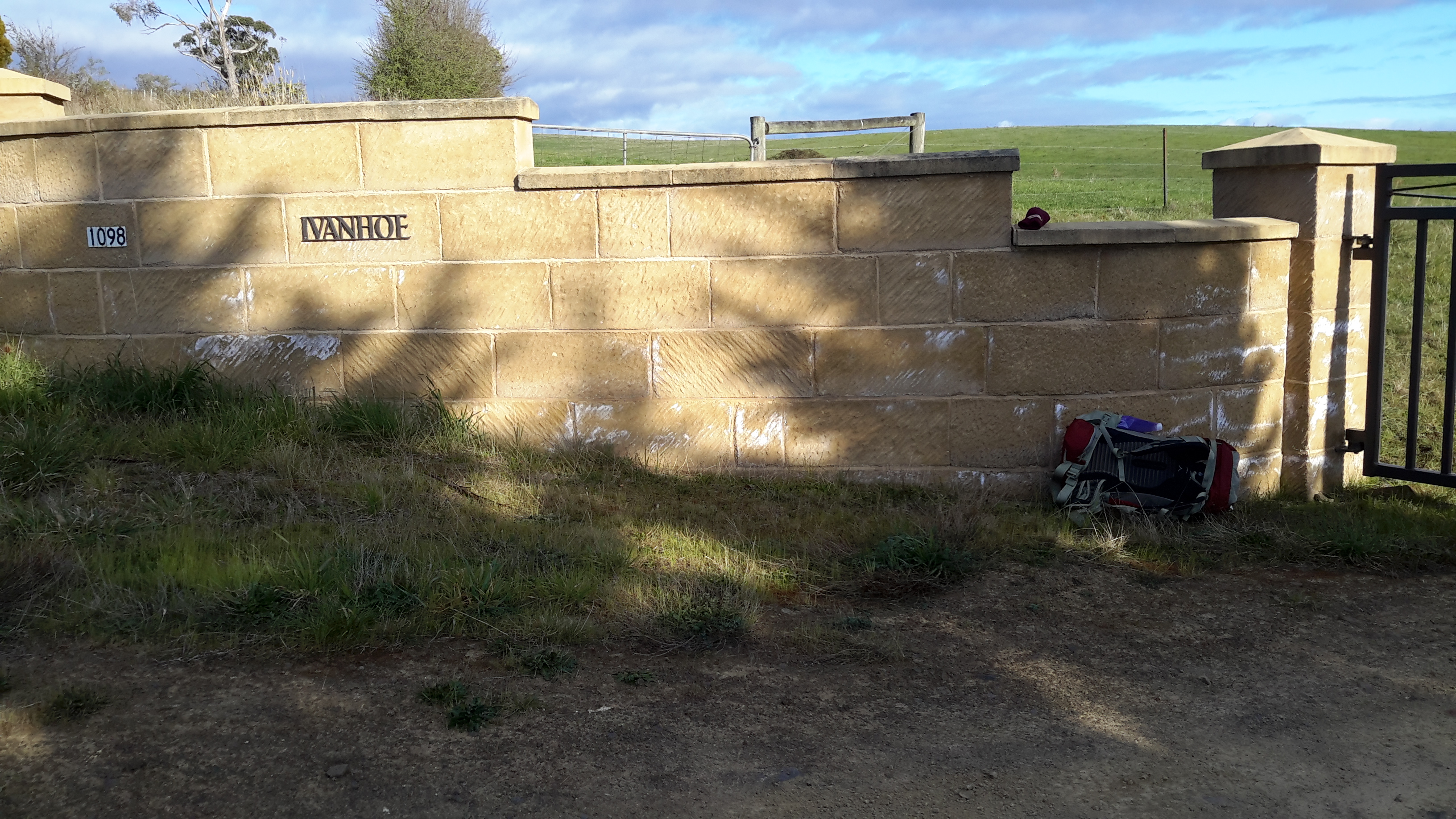
I felt all the happier when a couple of the property owners drove past and waved cheerily. At the time I thought it strange they didn’t stop to talk which is something country people normally do (and, after all, I was on their private land), but when I reached the road I realised they had been having a laugh at my expense.  The gate was padlocked and unclimbable. One fence was electrified and the other barbed.  Fortunately, I was able to make my own way around this obstacle and get to the main road. It was then I could see I had been on the property named Ivanhoe.

20150918_075501

You can see my red gloves on top of the stone fence; by the time I was on the outside of Ivanhoe, I had warmed up and no longer needed them.

The Ivanhoe property is for sale if this interests you and you have over $3.6 million in loose change hanging around.

20150918_075949

I think I can, I think I can

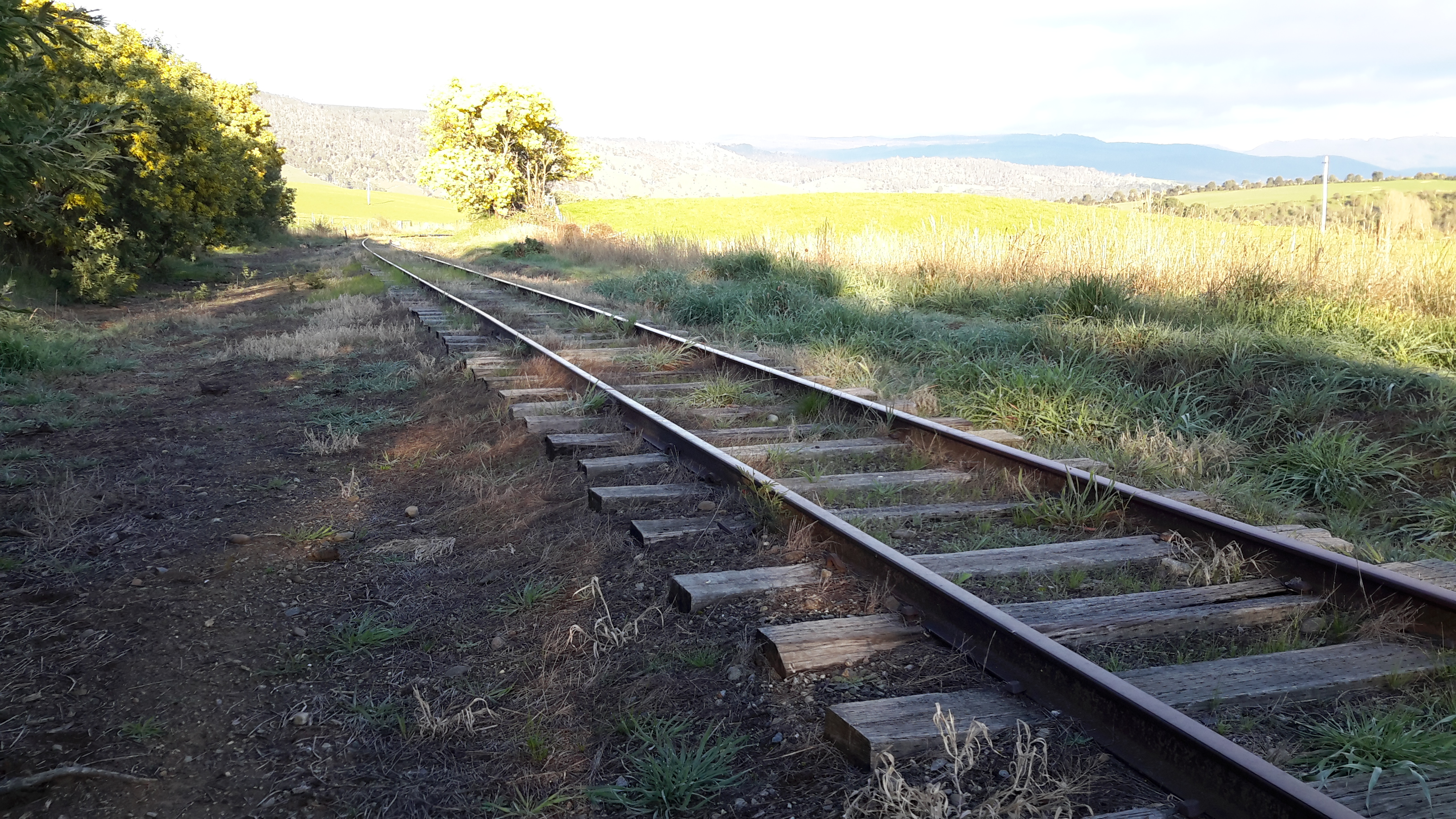
As I left Cluan and continued on, I recalled the child’s story of The Little Engine that Could. I was the little train on the old rotting tracks. Walking on the sleepers. Walking between the sleepers. That was my routine for the rest of the day.  I thought I could keep going. I know I can I know I can I know I can – was the regular thought that powered me over the irregular surfaces which required total vigilance to prevent a twisted or broken ankle.

In the photos below, the Derwent River is located over the paddocks near the row of trees, and inaccessible.

20150917_151826 20150917_154238

Gradually, as the line took me higher and higher, my views of the Derwent River were clearer.

20150917_155420

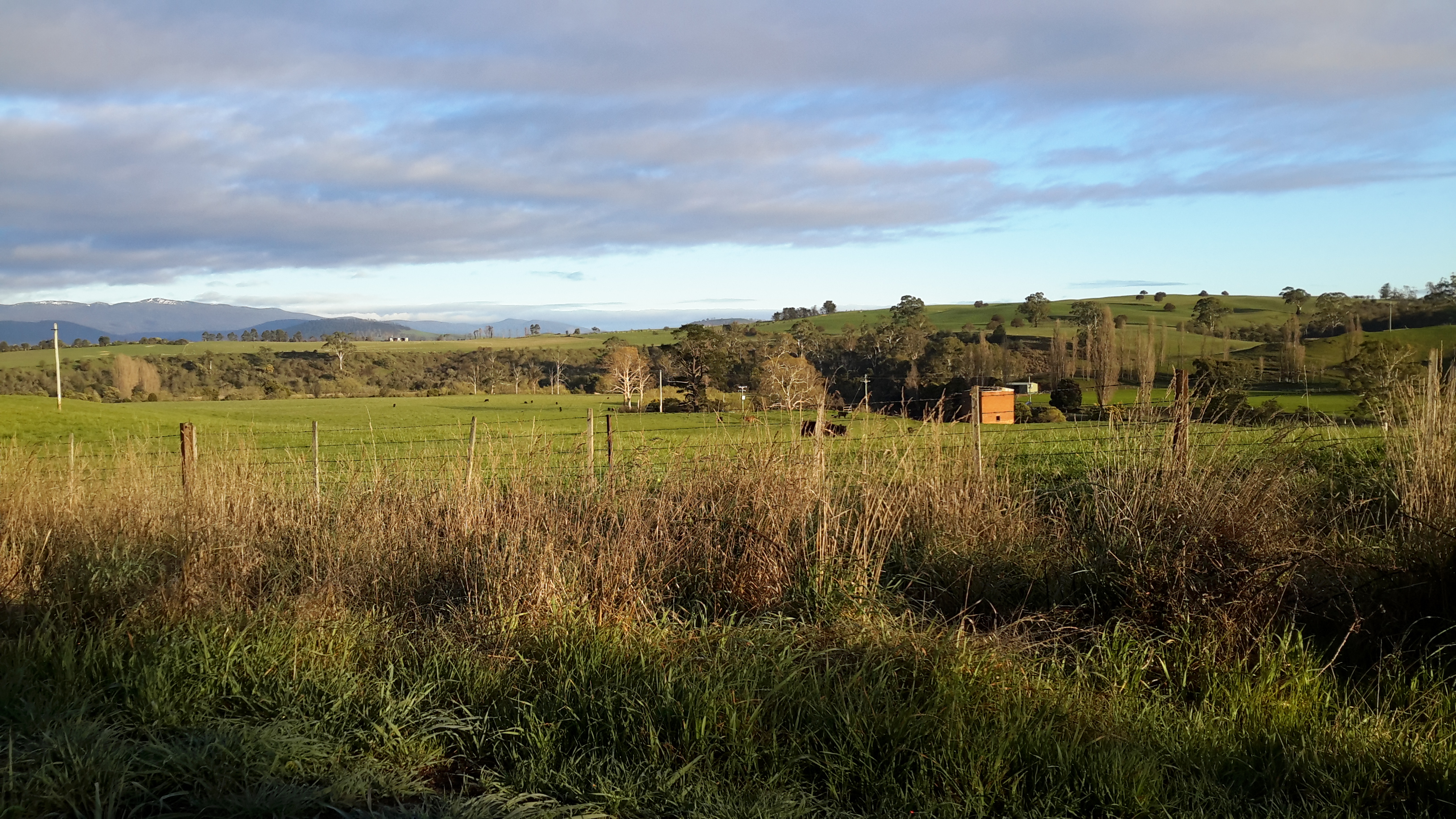
The sun came out and I watched worried cows racing away from me. Beautiful healthy black cattle in contrast to lush lime-green grass.
20150917_155521 20150917_160005

With a rainstorm approaching, finding a suitable camping spot suddenly became very important.

20150917_160057

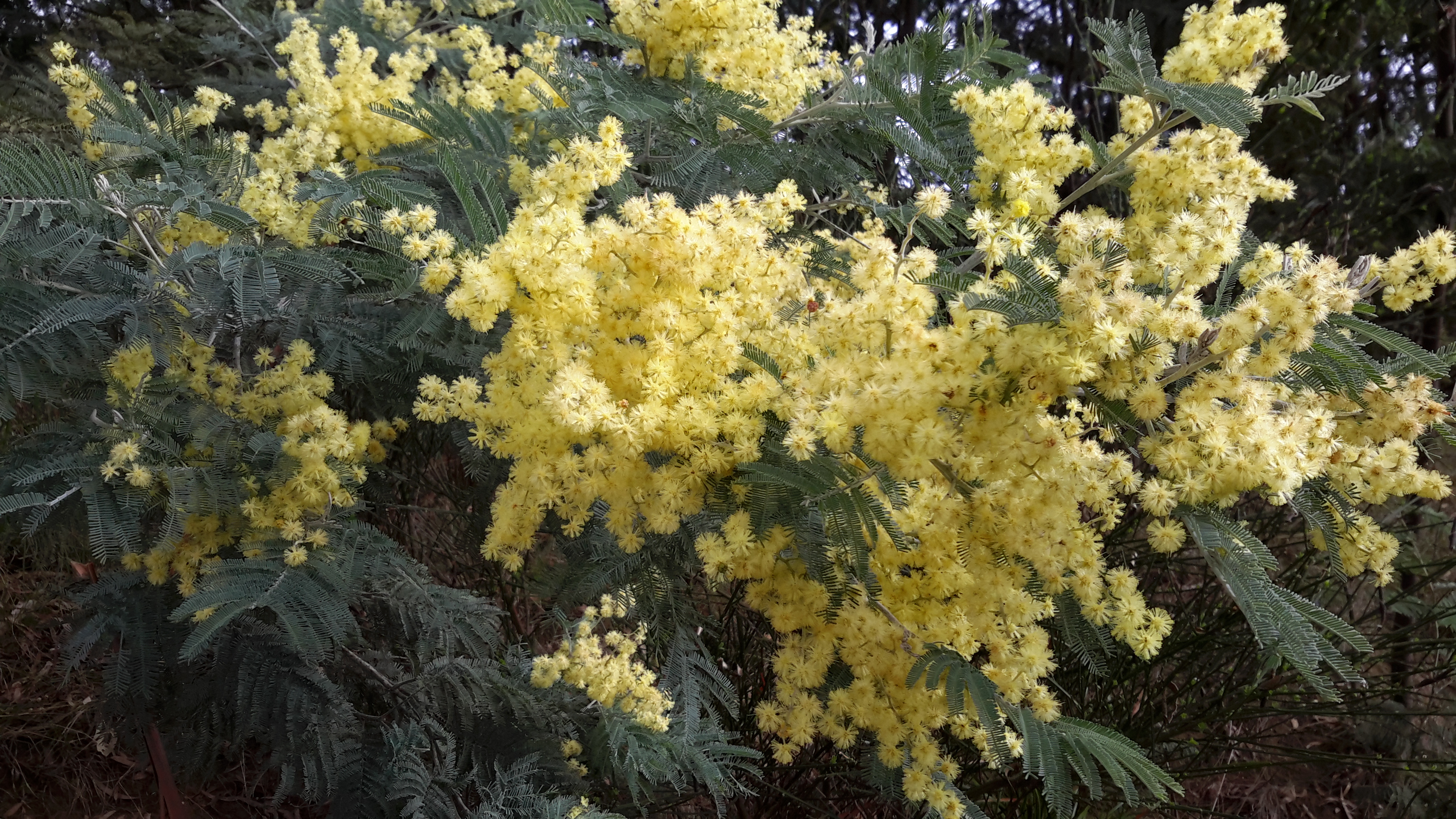
Obviously my dream to camp near the river could not happen. So I settled near a couple of wattle trees, next to the railway line across from the paddock with the cows.  Surprisingly, the ground was soft dust. I cannot explain in this wet green landscape why the soil where I was pitching my tent would be almost bone dry but I am grateful because the tent pegs slipped in easily and strangely stayed firm.  Magic in the Derwent Valley.

As I opened my backpack, drops of rain were being winded my way with force. Blog followers may remember my tent weighs only a few grams over 1 kilogram.  Trust me; its lightness was not a benefit in that atmosphere. Firstly, I laid the tent out and weighted it to the ground. The next process was to unfold the structural rods and insert them into the tent to create the shape.  But the wind twisted and threw me and the rods at all angles. The cows talked. I said some choice words.

Exasperated and flustered the pieces eventually fitted and stayed together. I withdrew the fly from its sack and out it flew like a large lime green cape.  Into the wattle trees.  Out of the wattle trees. Attached to the tent at one corner. Over me. Off me. Start again. Onto the railway line. More choice words from all the animals. Once the fly was attached to two points, while it was a scramble to attach it at the third point, I was winning. And then the tent and fly were up, taut, holding their own against the wind.  No wine to celebrate. Now there was an oversight!

Thanks to the tent vestibule I was able to cook my dinner with wind protection. Then I settled back, read a little, before dozing and sleeping all night.  Loved it when a toilet break was required under the stars. I smiled to see the velvety black silhouettes of the cows lined up along the fence line, no longer afraid of me.  It was quite wonderful being out in the fresh clean country air and I was immensely pleased that I had persevered through the day and arrived at this magical spot.

Cluan

20150917_142801

Built around 1837 but originally named Charlie’s Hope, Cluan homestead presides over more than two and a half thousand hectares of farmland. Historical information involving new settlers, convicts and smuggling can be read here.

20150917_150100

This property is on the market – see this website and a second website. Put in your expression of interest if you want to live in this beautiful rural setting. The promotional material indicates a private beach on the Derwent River is part of the package. I found the river level was low down on a slippery muddy bank past tall Pampas grass and therefore the river water was inaccessible.  I am not sure where the beach was.

20150917_143111

Plentiful

The views are magnificent around the area centred on the township of Plenty in the Derwent Valley, but at this time of the year the deciduous trees are lacking foliage and there is a grey-greening colour across the landscape. The visuals are comparatively dull.

20150917_130947 20150917_131003

20150917_131517 20150917_132400

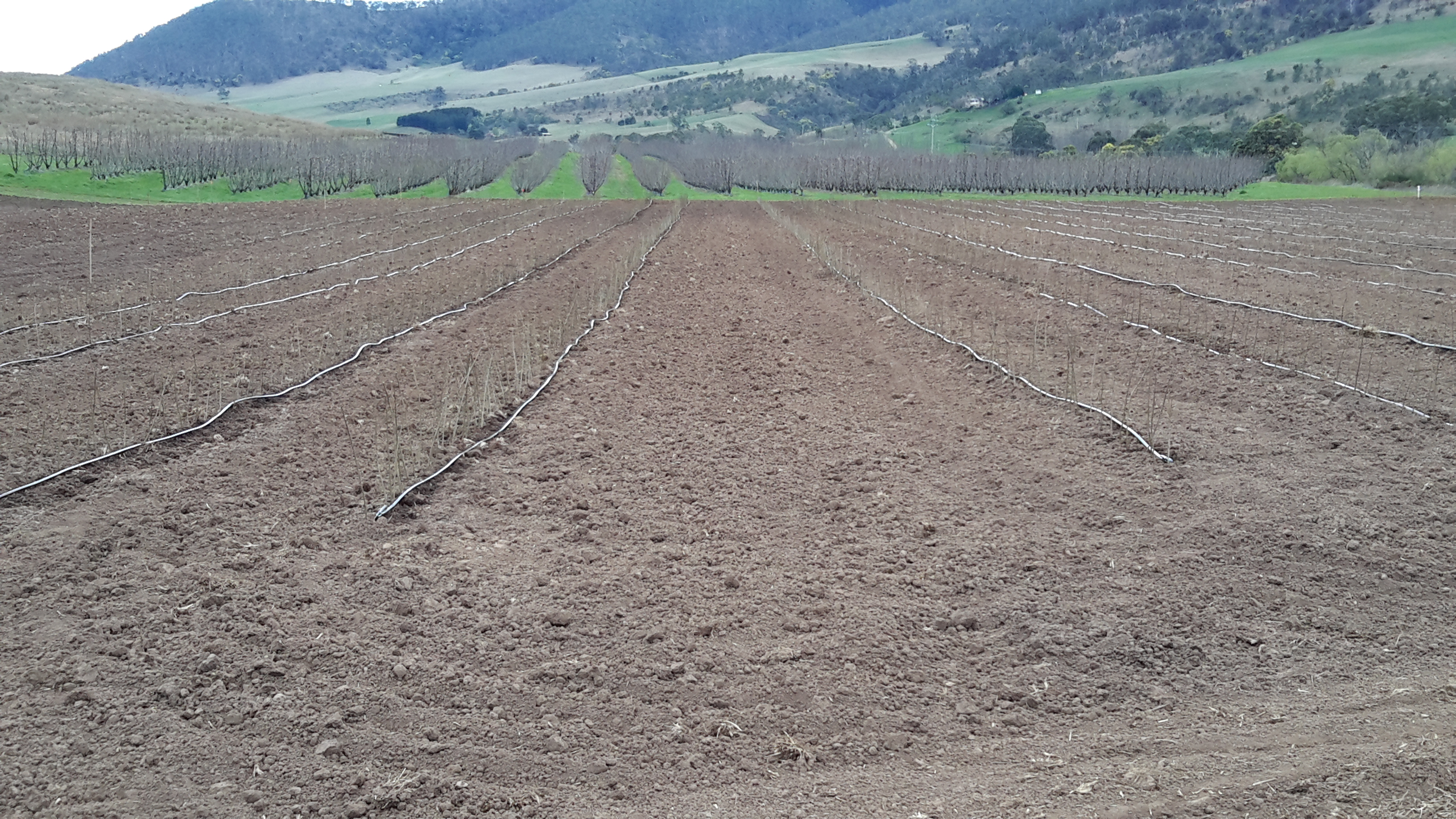
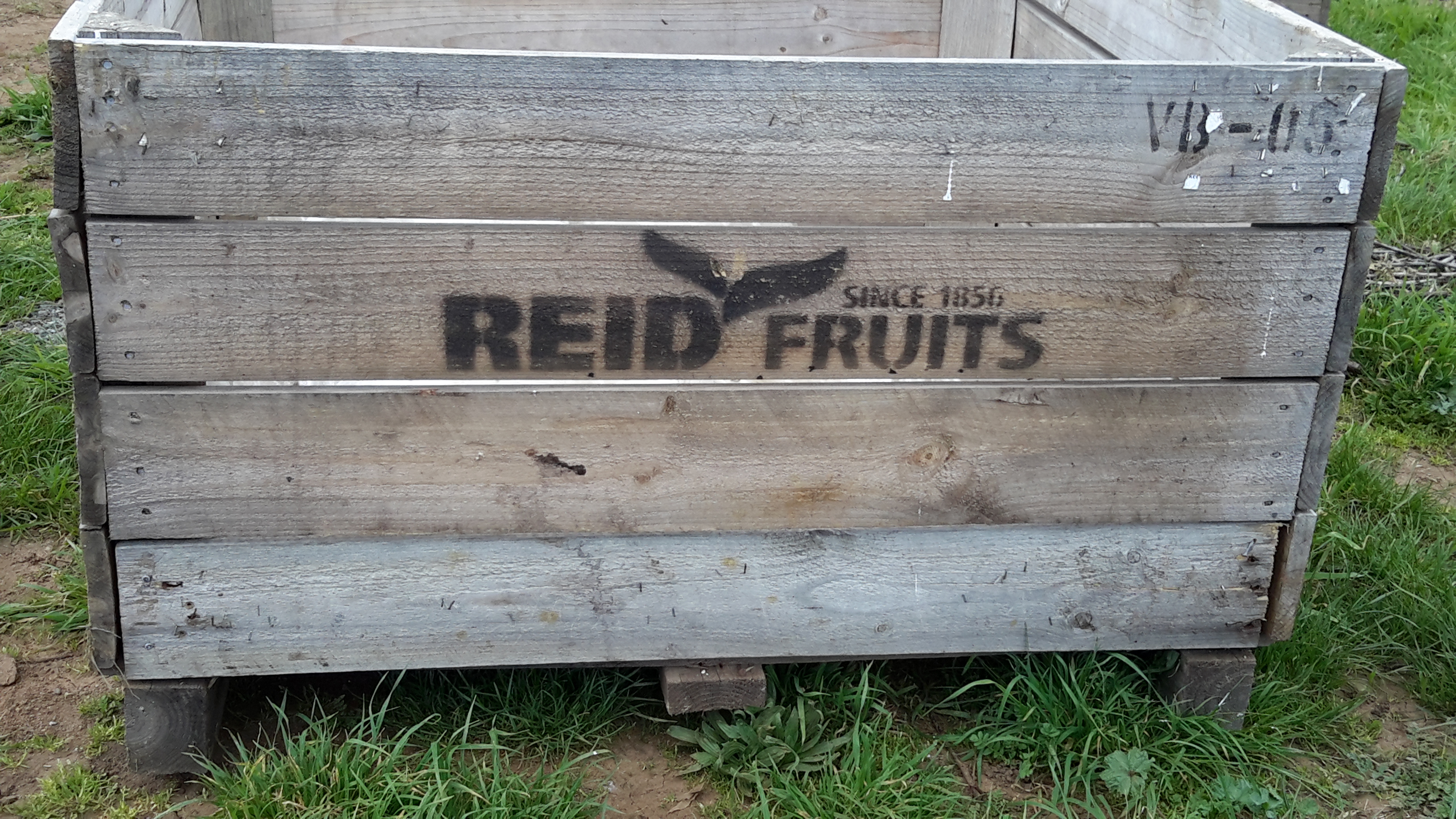
Reid’s cherry orchards are the backbone of Plenty. Finally I walked around their most western cleared paddocks.

20150917_131701 20150917_131650

I took a last look at the river before heading towards ‘civilisation’, the railway line and the main road.

20150917_132056 20150917_132216

20150917_135225 20150917_135348

20150917_135833 20150917_135829

Sighted near a private home, I thought the densely flowering Magnolia tree, pictured below, was a rich sensual delight.

20150917_140142

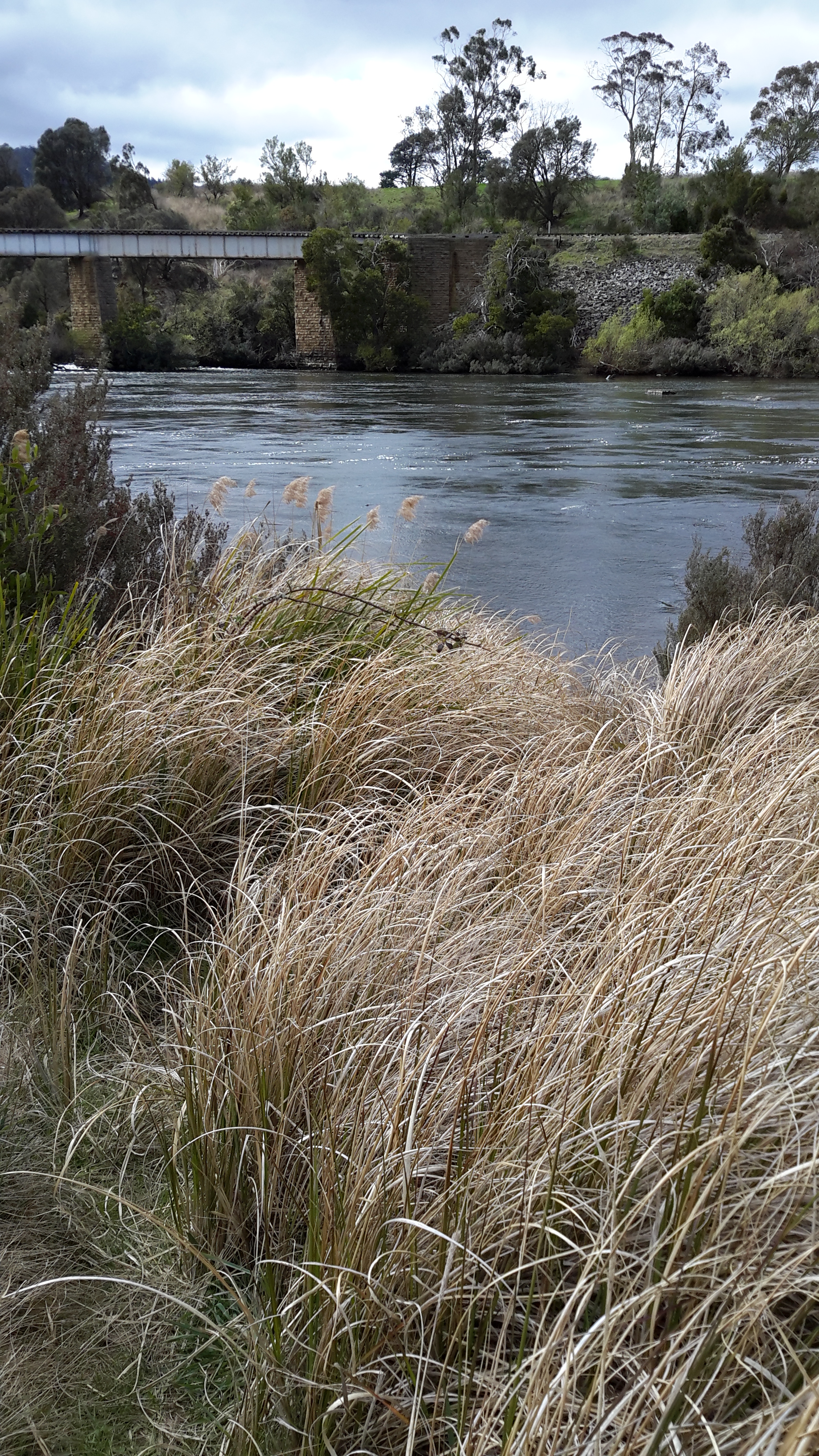
When I reached the railway line over the tiny Plenty River, I looked down and listened to the burbling water flowing into the Derwent River.

20150917_140258

The railway line sleepers over the Plenty River were rotten and impossible to walk over safely, so I exited to the main road, crossed the road bridge and then, through the row of trees on the right in the following photo, I entered a new paddock covered in fruit trees.

20150917_140331

I circled an orchard until I could clamber over a broken barbed wire fence that was squeezed between two poplars. Alas – my new jacket suffered a tear in the process.  Beyond was the trainline.

20150917_141506

Around the corner of the railway line as I walked westwards into the distance, I left Plenty.  The day was overcast and gloomy, and I was walking with a heavy heart because access to the river was impossible.

20150917_142545

Meditation and peacefulness

I find that listening and looking from within the natural environment revives my soul and lifts my spirits. Partly this comes from the rhythm of taking each step, the regular intake and exhaling of breath, and then the quality of the fresh air touching all parts of me.

Here are a couple of small videos I made when skirting around Reids Fruits property.  These offer the sounds that most relax me.

https://vimeo.com/140865664   and https://vimeo.com/140869887

The photographs below show a selection of river views taken as I continued walking around the edge of the Reids Fruits property.

20150917_125210 20150917_125217 20150917_125412 20150917_125820
I kept walking and  soon found the railway line was fenced off close by. As I looked back over the route I had taken, unfamiliar parts of Mount Wellington could be spotted on the horizon.

20150917_130004

While I understand the need for fences, if they were taken away then this place on the river bank near Plenty Tasmania would be truly idyllic.

Culinary beauty

Recently, when I read Livia Day’s A Trifle Dead, I discovered a sub-genre of novels previously unknown to me: culinary crime. Across our planet, a move from selfies to photographing what you eat is trending.  And so many of us think about food all the time and love to see colour on our plates. As a result, I am inspired to take a break from the chronological postings about my last walk and introduce a food which barely has a connection with my walk.

An earlier blog post showed me passing the property Linden.  Over the Derwent River from Linden is the area known as Hayes, made memorable because until 2012 it housed a minimum security farm prison. I was surprised when I strolled through the Bathurst Street Farmers Market recently. A table full of beautiful red cabbage heads lay before me.  When I chatted to the growers, I learned these cabbages were grown on their property which borders the Derwent at Hayes.

Back home, I chopped a salad and prepared to cook a small salmon steak.  Organically grown, delicious, clean and fresh.

20150929_094412 20150929_100320

Fruit trees further than the eye could see

After enjoying the river edge for a short while, I arrived at a demarcation line. From that fence, I could see a tiny portion of 700 acres of cherry orchards before it extended over hills and was lost from my view.  While the fences were impassable an ordinary gate fastener made it easy for me to enter the paddock.

20150917_120701 20150917_120706 20150917_120856

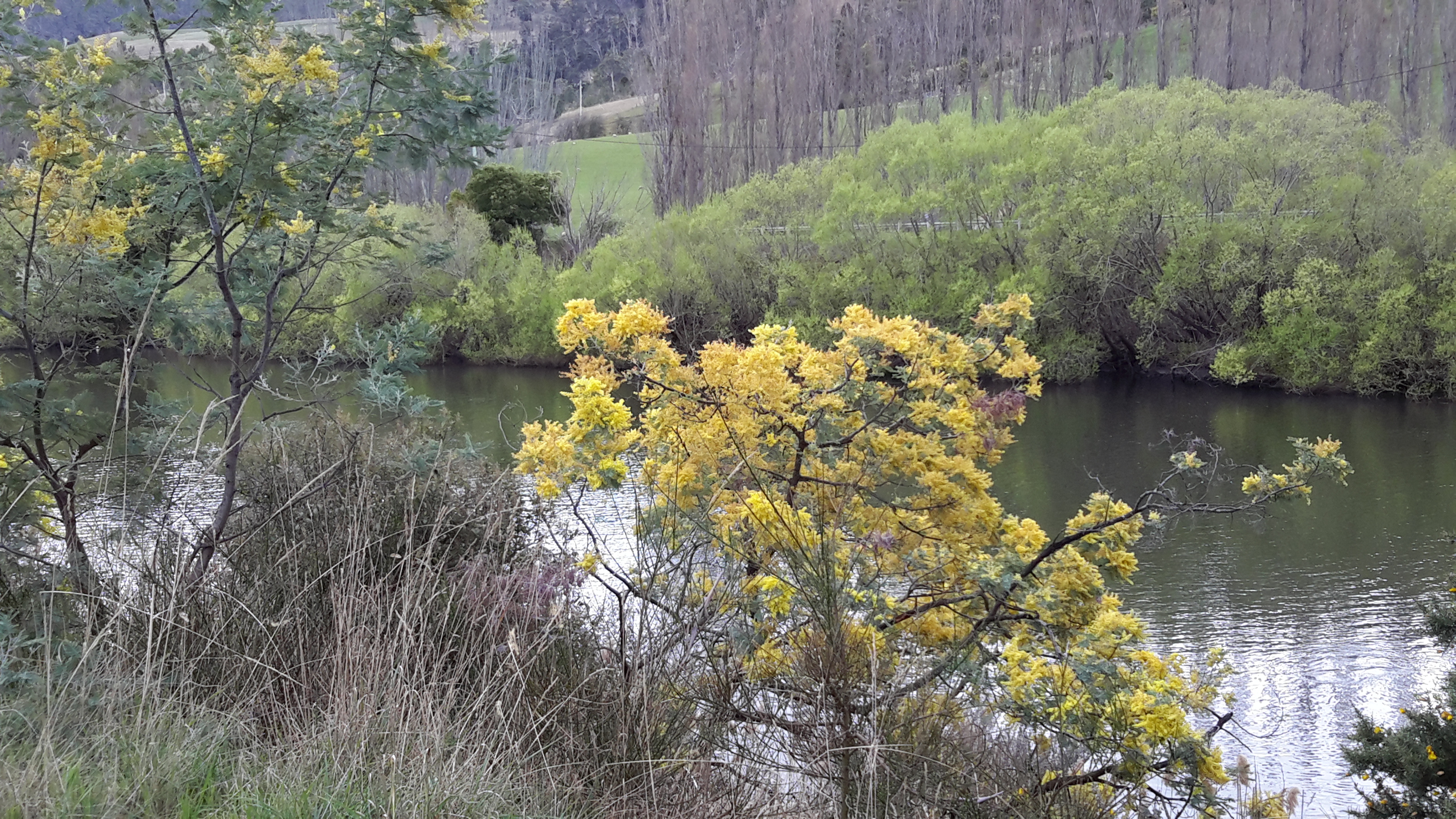
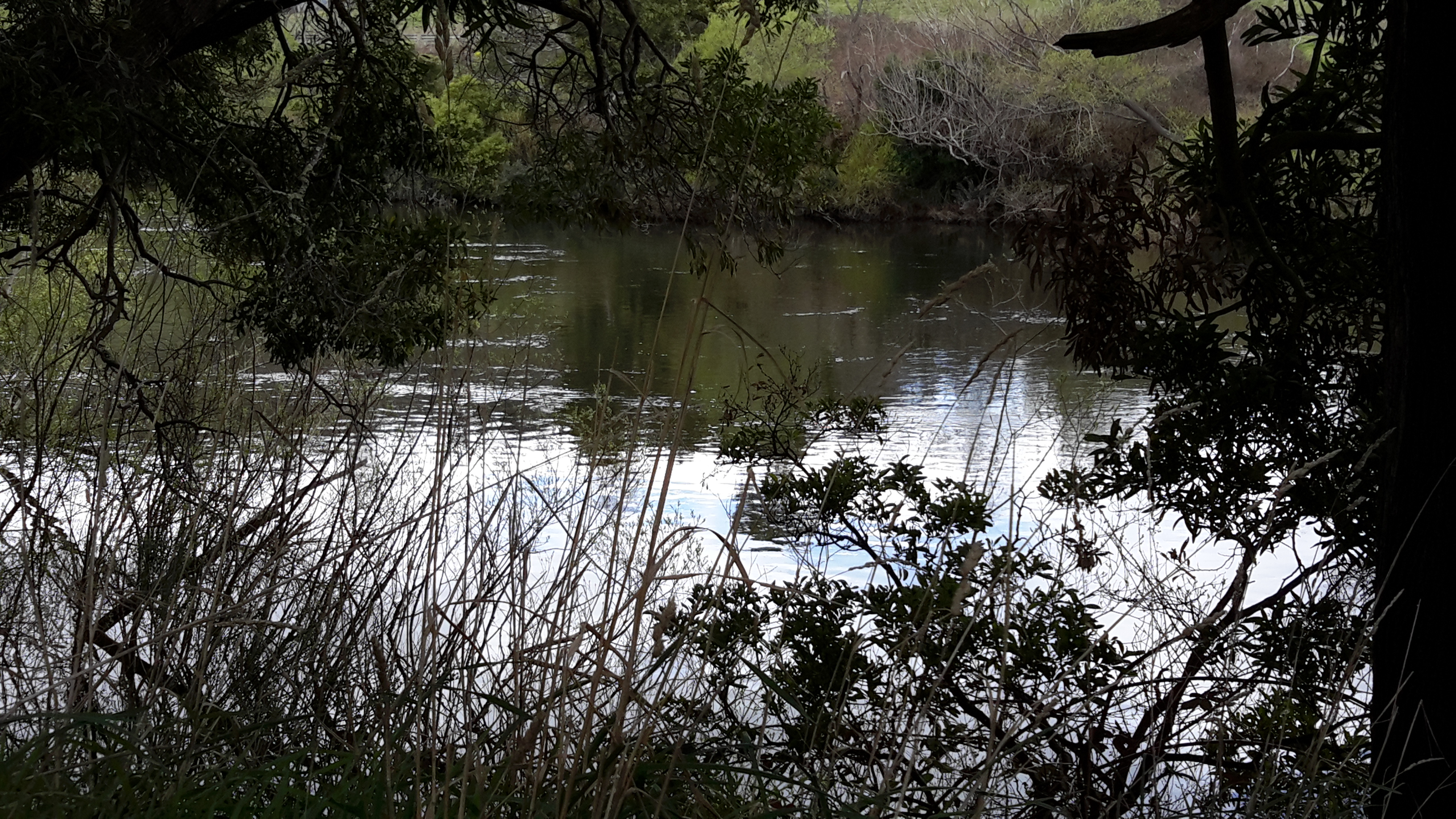
Soon I arrived back at the river edge; in the photo above the river was flowing on the other side of the prominent evergreen tree. After walking a short while, I rested in the deep shadows of a giant wattle tree for a lunch break and enjoyed the smooth rush of the water.

20150917_113621 20150917_122225

This was the property of Reid’s Fruits. The Reid’s family’s website proudly announces they grow ‘undoubtedly the best Tasmanian cherries!’  What I saw were trees still dormant, others beginning to bud and a few showing their first blossom. It will be near Christmas and into the New Year before the bountiful harvests reach our tables and make it overseas.

20150917_124443

Cobber and Toby

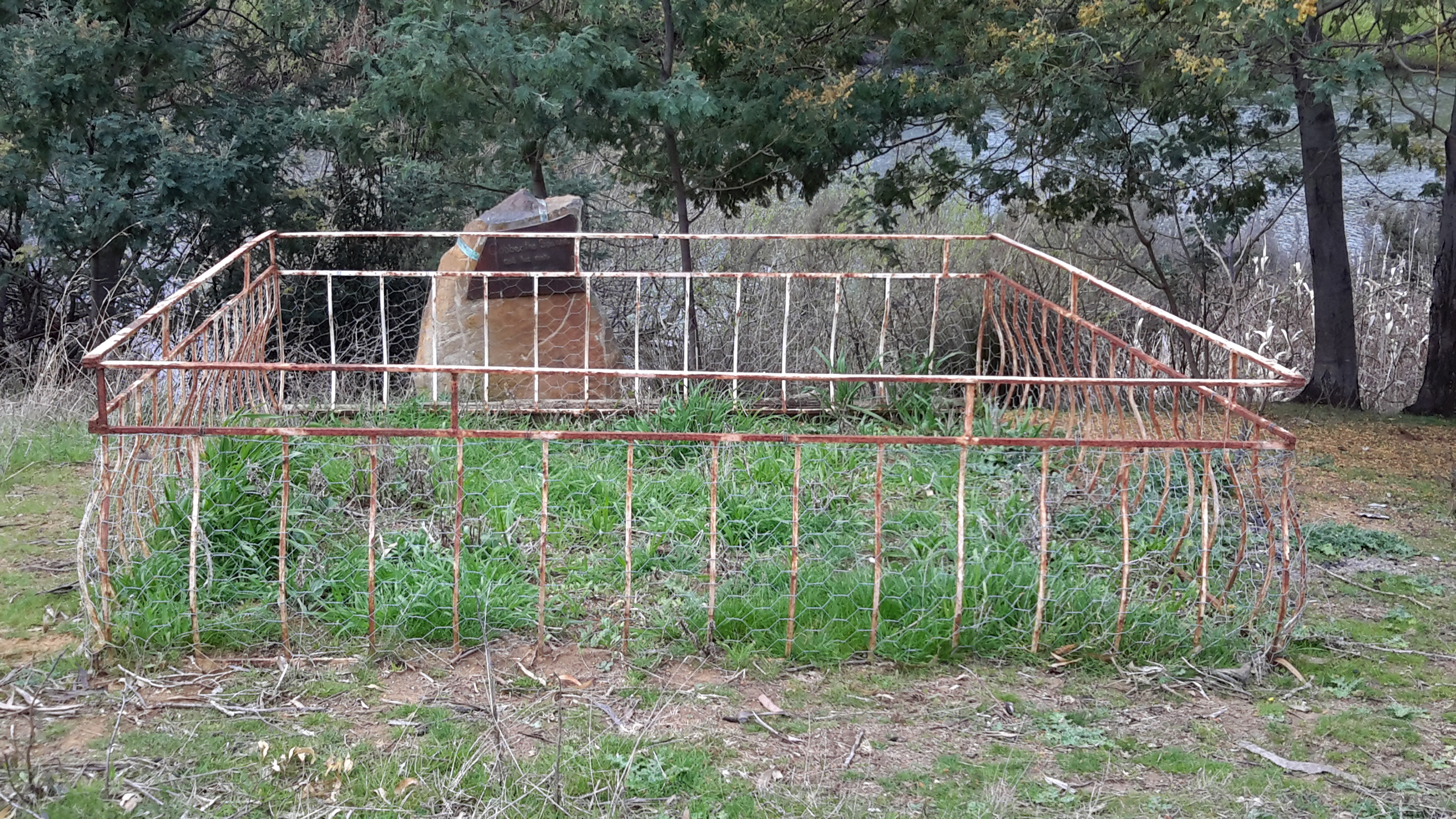
Many humans love their animals, so I should not have been surprised when I came across an elaborate gravesite for two best mates.

20150917_115815

The location of the site suggests these friends loved playing next to the Derwent River.

20150917_115829

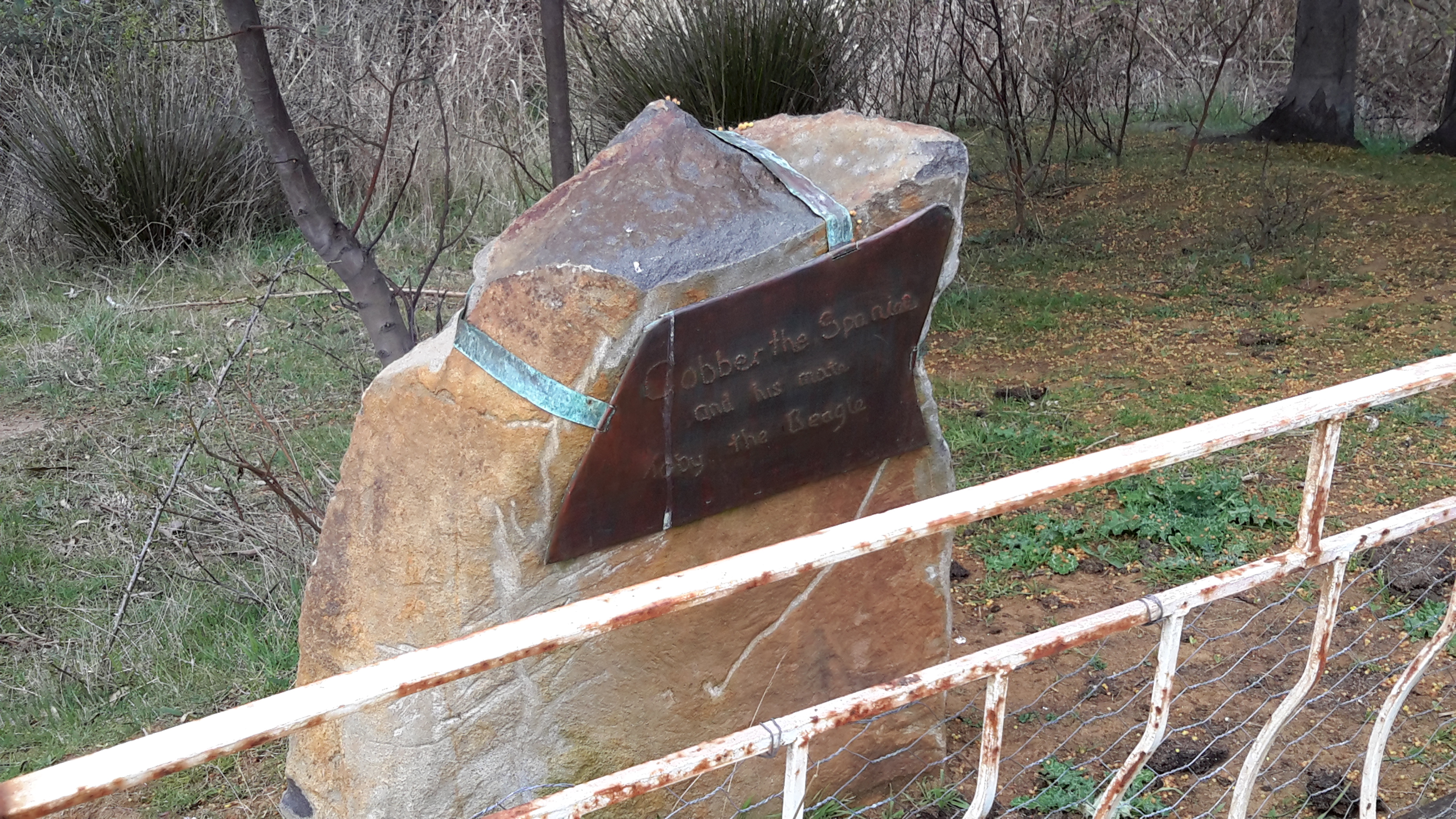
May you rest in peace Cobber the Spaniel and his mate Toby the Beagle.

Road kill

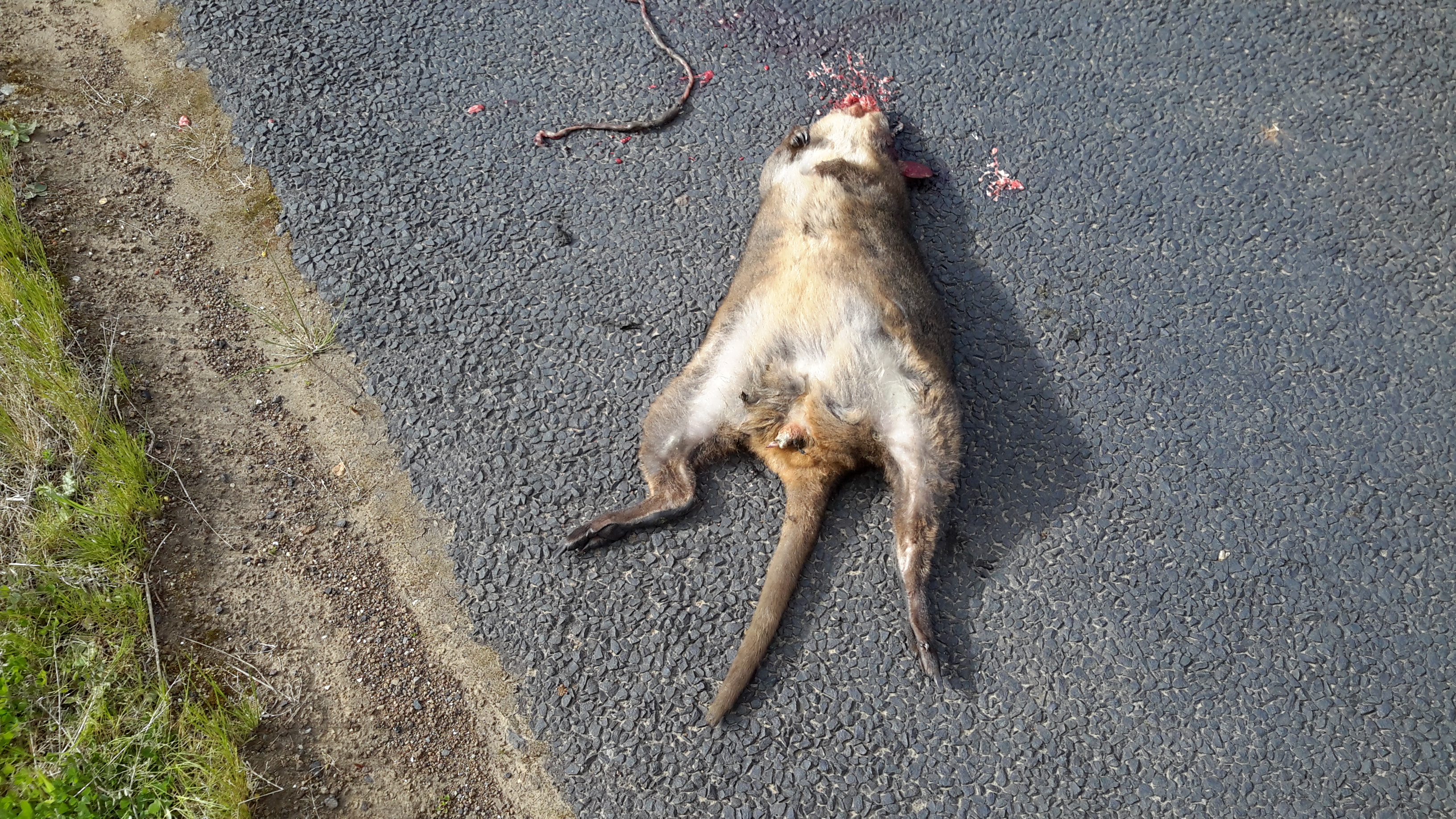
Leaving the main road allowed me to reflect on one of the unpleasant side effects of mankind’s ‘progress’. Every Australian who drives on a rural road (and even when on some suburban streets) knows our native animals make unexpected crossings. One minute the road is clear and then the next second something is running or hopping in the path of your vehicle. I was startled by the number of newly dead animals and birds, and the number of different aged skeletons of their ancestors, which had been on or beside the road in the first few kilometres of my walk along the Derwent River.  In a car, you are on and off the dead animal in a split second and your brain has little time to process what you have just seen and felt.  But at a walking pace I had lots of time to look at their remains and think.

20150917_092708 20150918_091722

I think these little fellows might have been Bennett’s Wallabies.

20150918_144218 20150918_105647

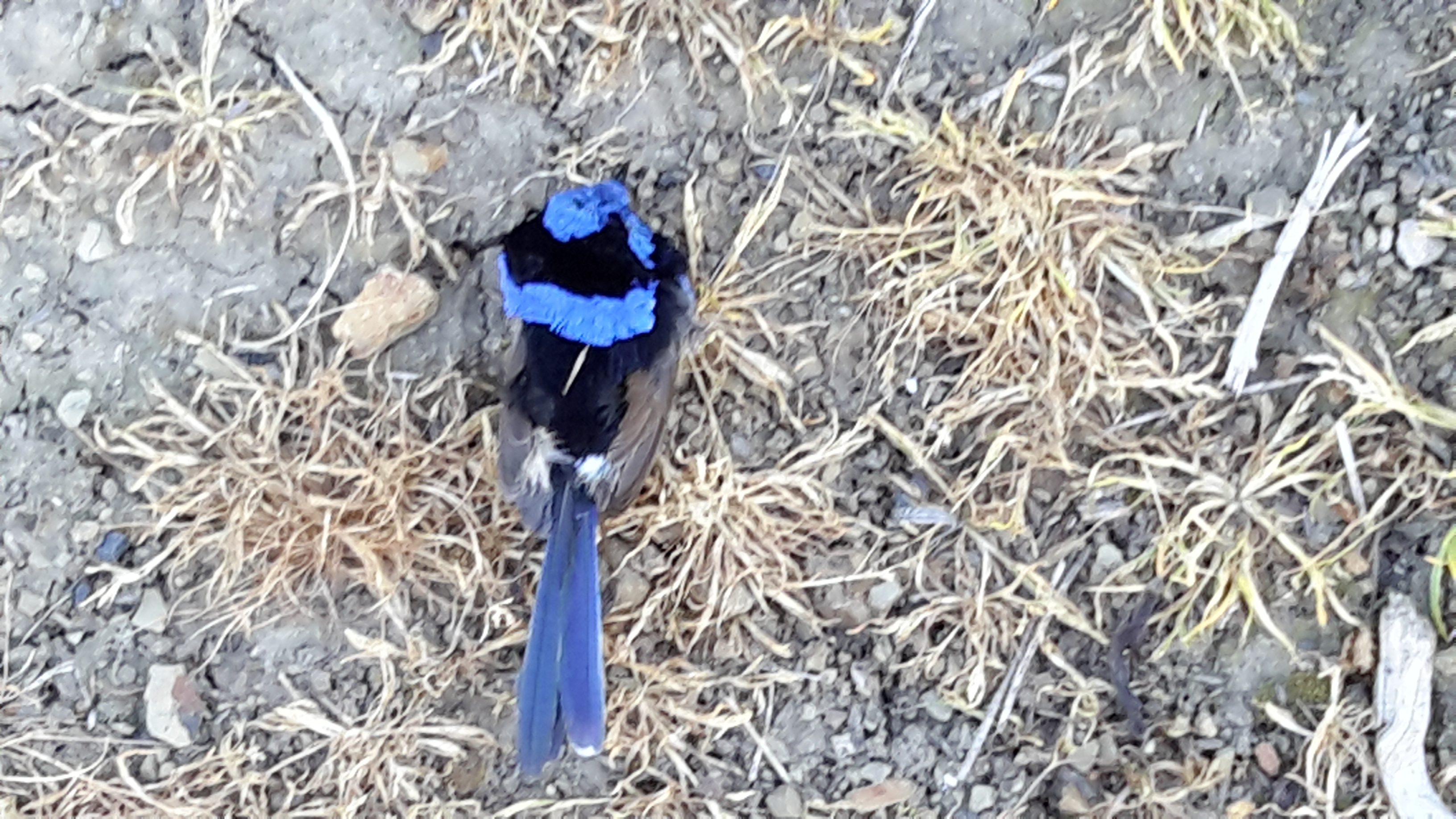
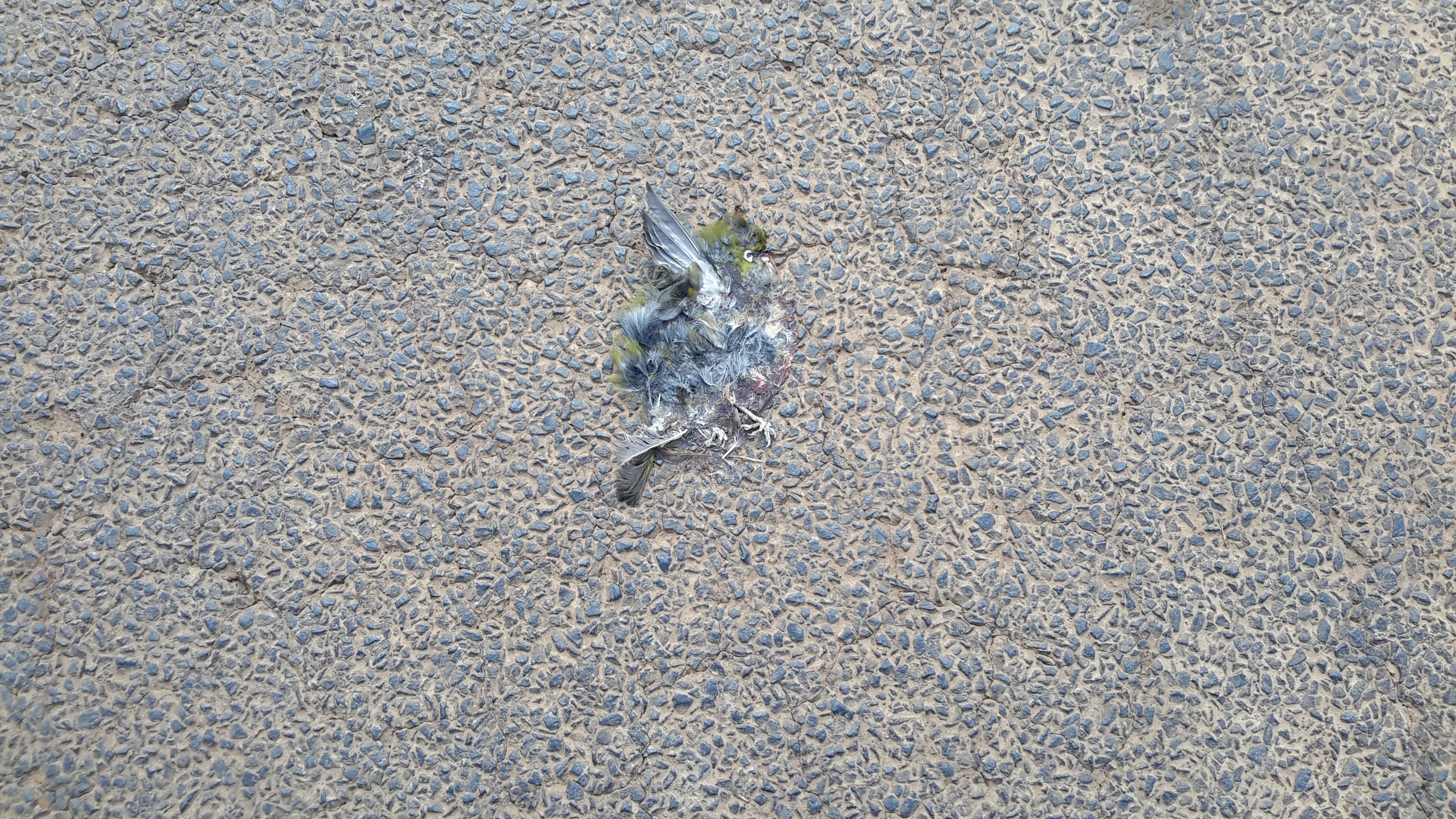
The remains of two different birds; the first photo shows what was once a cheeky curious flitting male Blue Wren, second photo shows what was once a lively little Silver Eye with his olive green head.

20150917_101150

The long tail indicates this skeleton is the remains of a wallaby.

 20150917_102328 20150917_112331

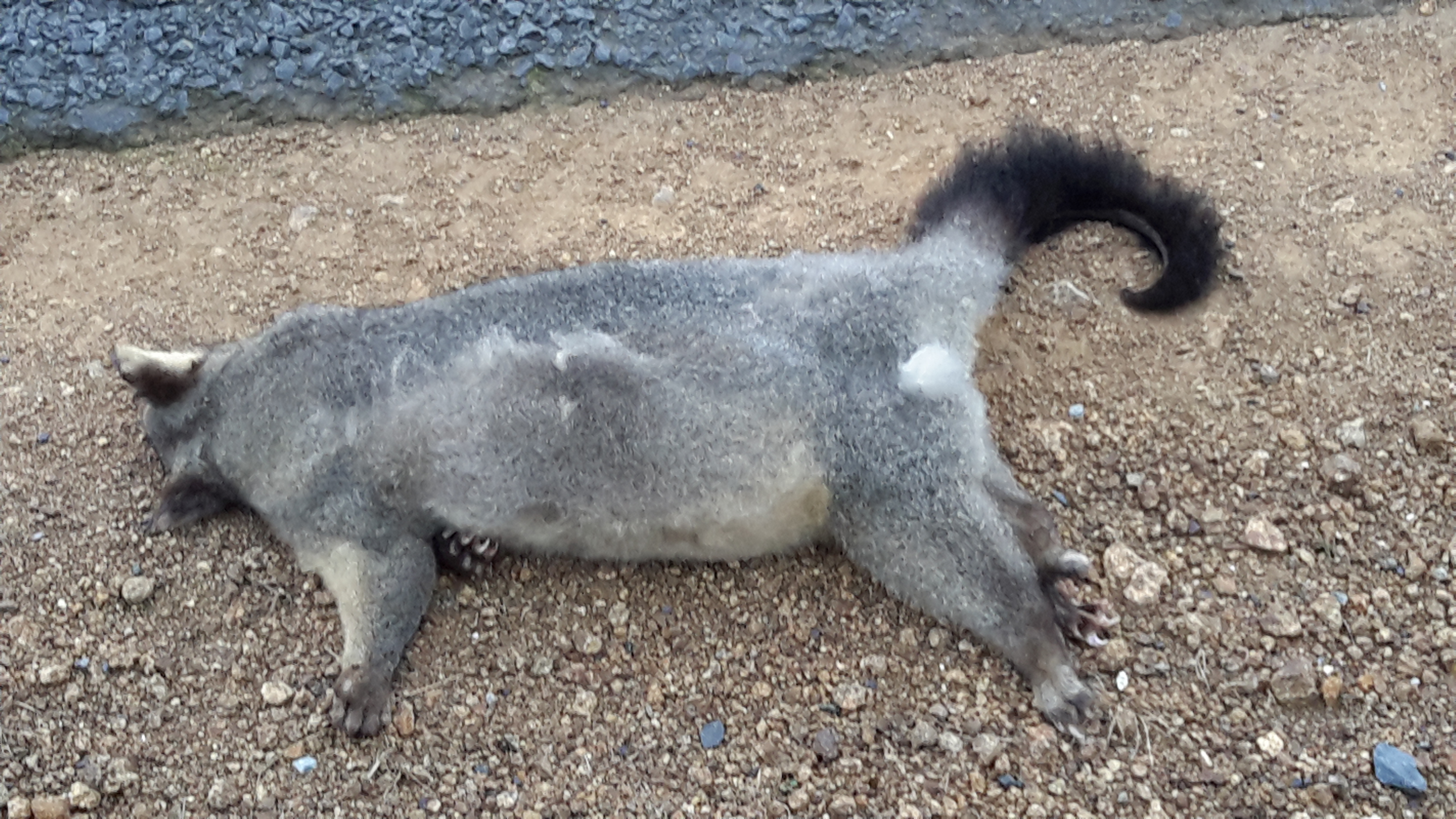
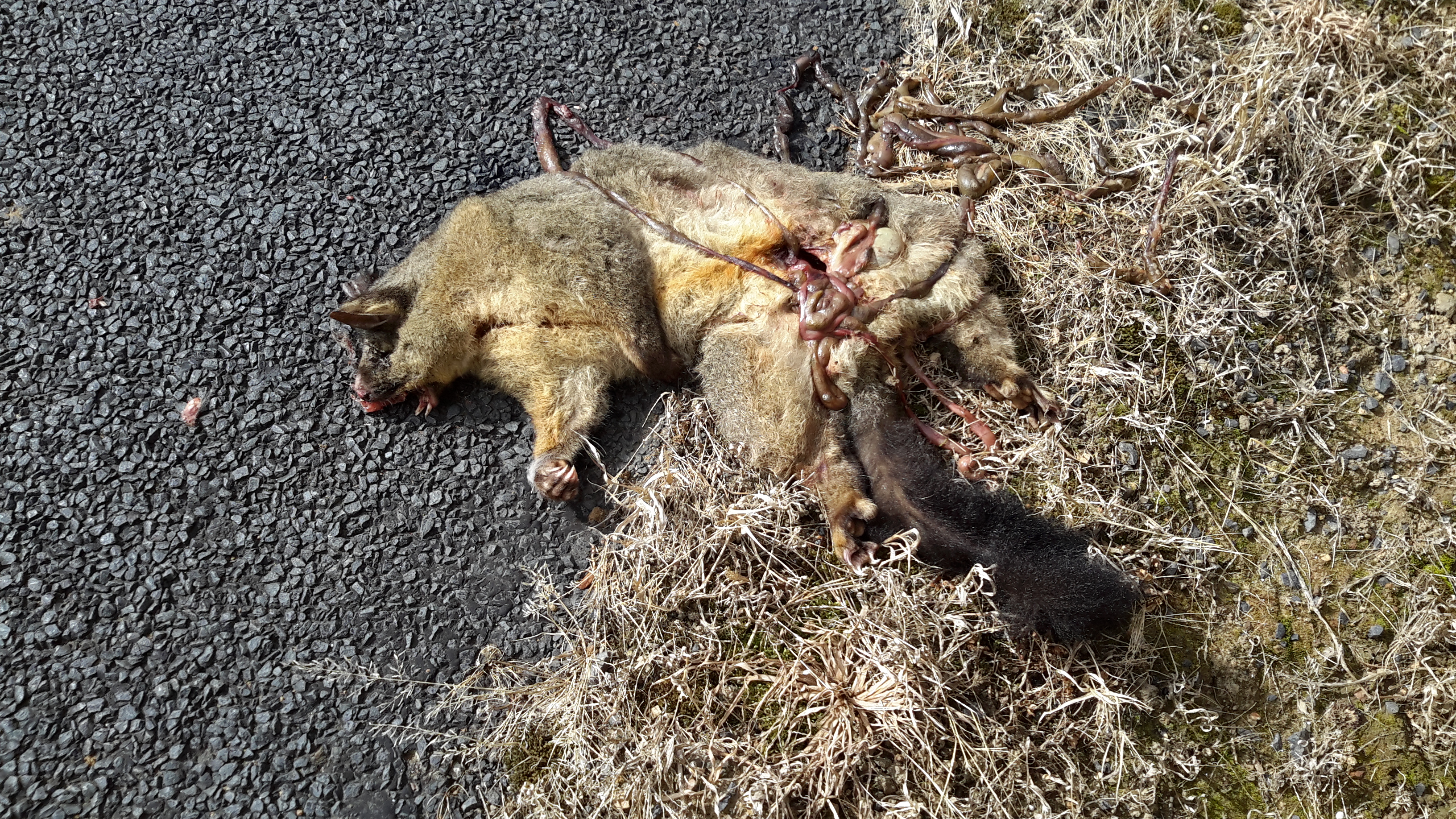
Once healthy and vitally alive possums.

20150918_090852

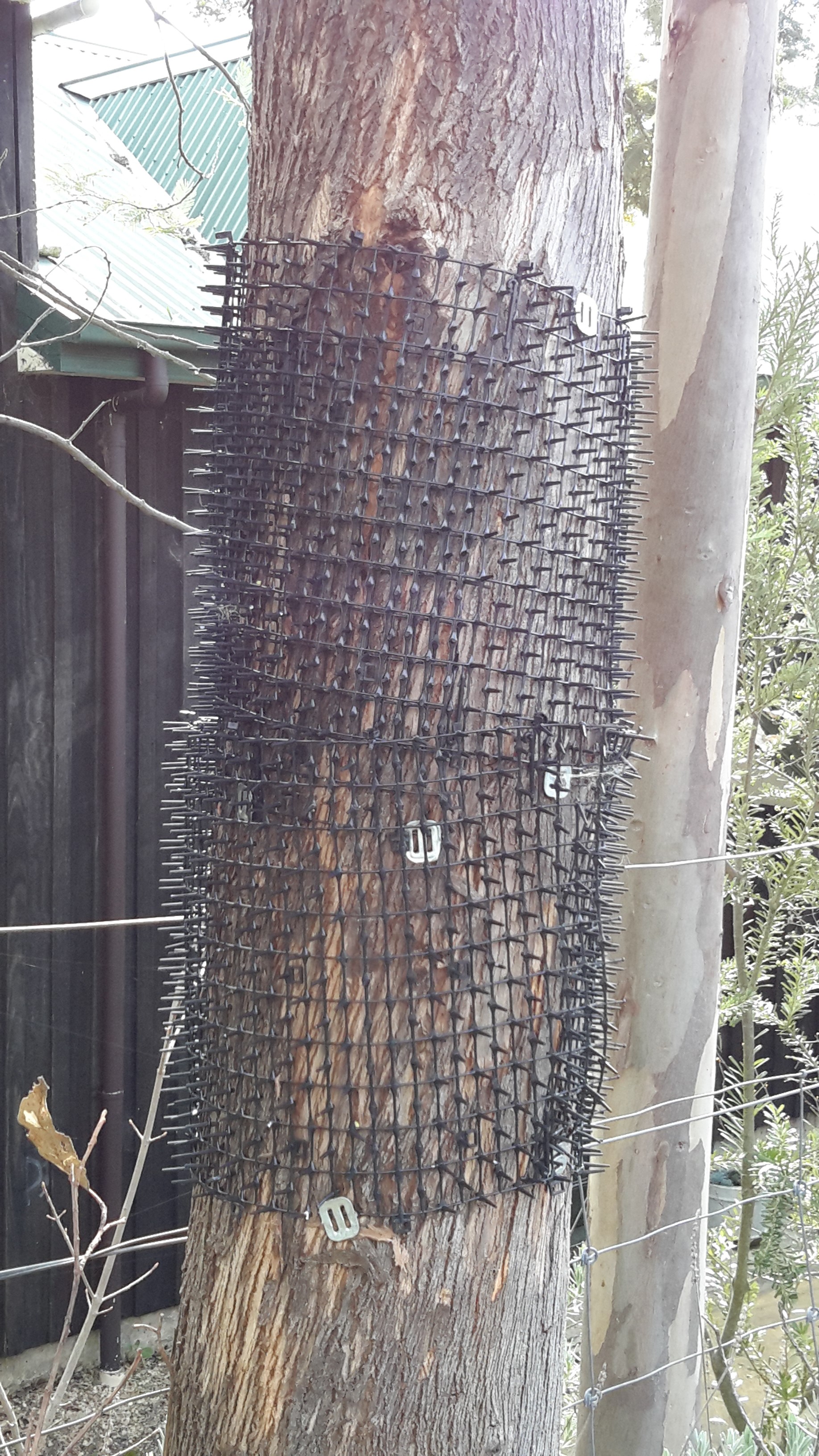
One landowner was determined that possums should not run up his trees. Clearly, if possums cannot climb their natural habitat and sleep safely, then the chances of them attempting to cross roads and be killed are increased.

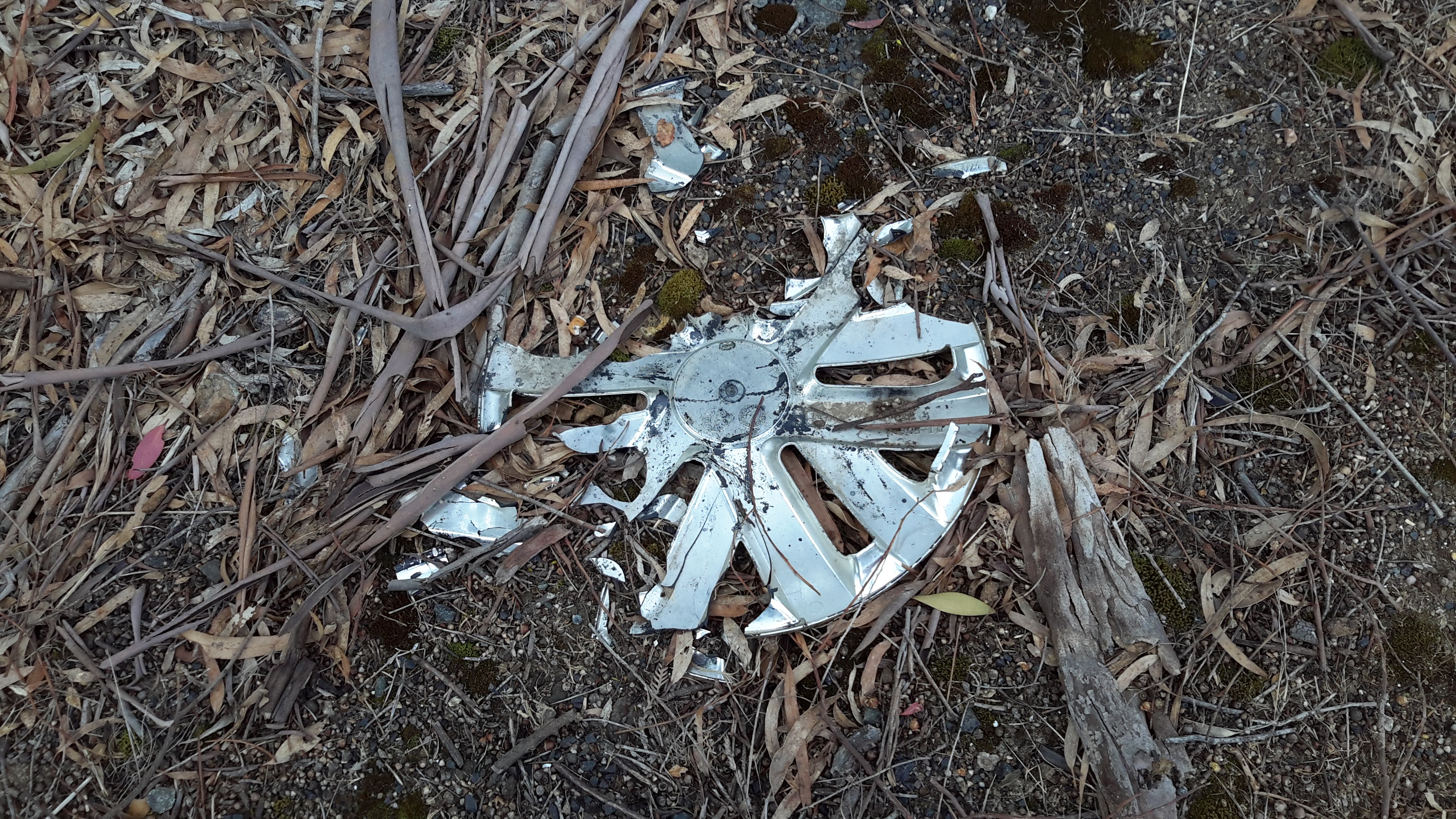
I noticed other ‘skeletons’ on road verges: man-made objects also ended their lives in patterns similar to those of animal skeletons.

20150917_113317

Of course these hubcaps are not biodegradable and won’t break down easily and return to the earth as renewable energy.

It seems we accept everything is expendable.

The railway bridge

20150917_113232 20150917_113755

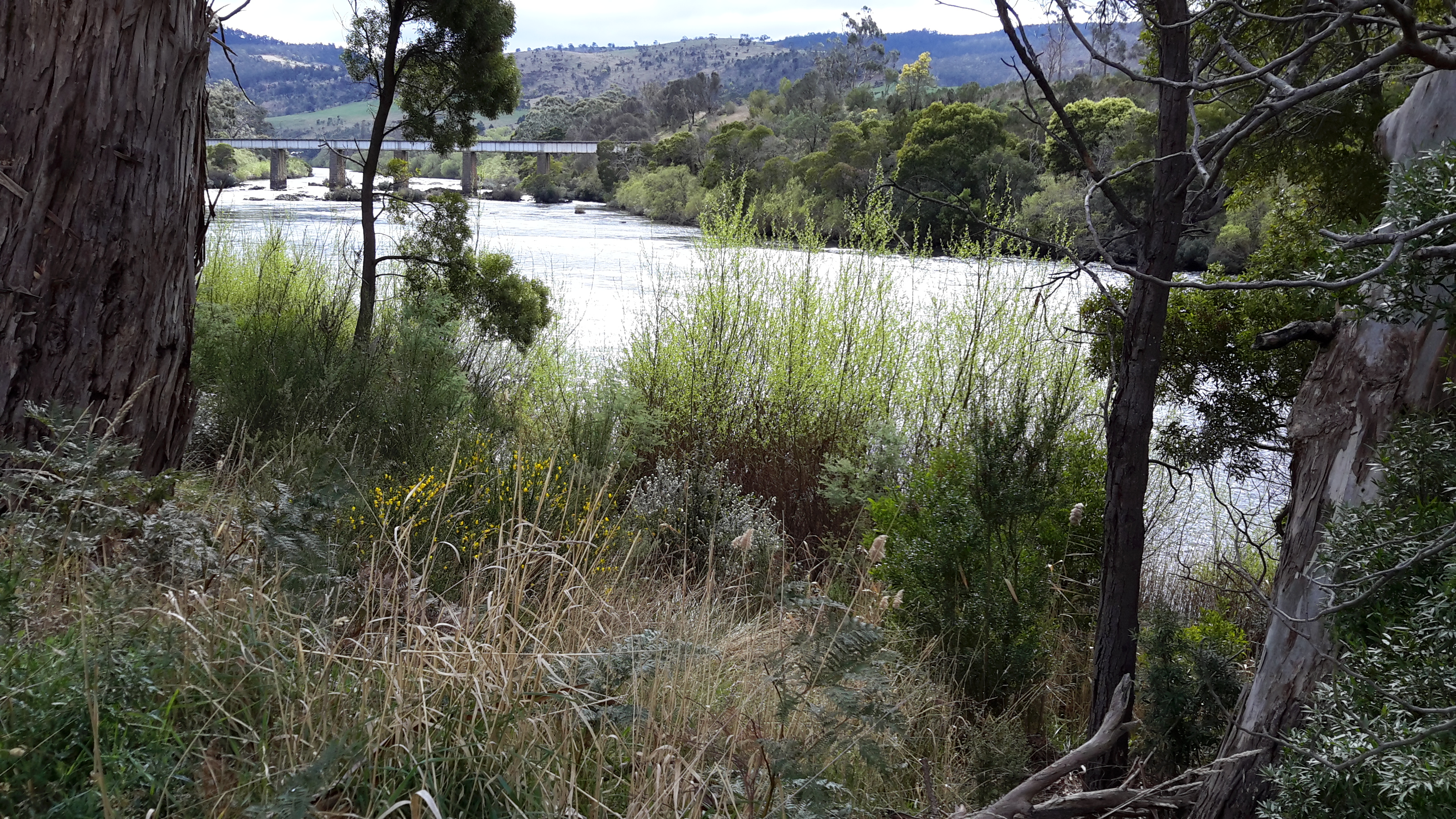
When I sighted the railway bridge crossing onto the southern/western side of the Derwent River, I was excited because my maps indicated I had every chance of getting off the main road and beginning to walk in paddocks closer to the river.

I loved the rush of the water close by.

20150917_113430 20150917_113826

Then access became a challenge.

20150917_114108

Fortunately, a tiny track existed at the water’s edge and I took advantage of this gap. The sullen grey clouds attempted to dampen my spirits, but the sound of the rushing water reinvigorated me as I walked towards, and then under, the railway bridge.

20150917_113910 20150917_115122

20150917_115329 20150917_115556

No longer was the roar of traffic disturbing my thoughts.  Only the sound of the river, the breezes in the trees, and birdsong caught my ears. I was immensely relieved to be away from the madding crowd.

Linden

20150917_110024

The name Linden is used to name streets, roads and courts in the Derwent Valley and elsewhere across Tasmania perhaps as a marker of someone with that surname who made an impact on the community in the past. But I could not find a Linden family history, or any other historical reason to justify the naming of the property I passed at approximately 5 kilometres west of New Norfolk.

Perhaps the naming was related to Linden trees native to England from where an early property owner may have travelled.  I cannot recognise this tree so I cannot say whether the trees on the property were lindens.

Alternatively, does Elena Gover’s account in Tasmania through Russian eyes (Nineteenth and early twentieth centuries) create another possibility? Was this property named after crew member Lieutenant Vilgelm Andreevich Linden of the Russian corvette Boyerin which arrived in Hobart in 1870 at a time of goodwill in terms of Australia-Russia relations? Linden wrote notes and collected extensive information about many aspects of Tasmania. ‘As well as chapters on geography, he made an analysis of the aftermath of transportation on the economic development of the island. Linden collected interesting information about the government and electoral system of Tasmania, and of the system of land allocation which allowed an influx of free settlers…

I did not walk down the driveway so I did not see existing residences at Linden. Apparently ‘Bryn Estyn’ homestead was built on the property in the 1840s, and named after the family home of new settler Lieutenant Henry Lloyd who had relocated from Wales. The State Library of Tasmania holds a photograph of the building:

Bryn Estyn

You may recall an earlier posting showed the Water Treatment Plant named ‘Bryn Estyn’. I can only assume the original land grants for Lloyd included the acres for the Treatment Plant.

A sandstone quarry on the property was the centre of attention when the building of Tasmania’s High Court in Hobart was being planned. Back in 1982, when A. A. Ashbolt owned the mineral lease, the quarry on the Linden property was surveyed to determine whether sufficient stone of ‘acceptable quality’ existed that would be suitable for cladding the new Court. Previously this stone was used on the Supreme Court of Tasmania. The stone was found to have been laid down in the Triassic period (about 3 million years ago), a time when the early dinosaurs were roaming the earth.

I suspect the property, marked with Linden at the entrance, is now known as Ashbolt Farm. The farm specialises in producing products from elderflower and olive trees and additional information is located here.  I wish I had known about this property prior to walking because I would have made arrangements to visit and enjoy a cup of hot elderberry tea.  When I passed this property last Thursday, there was no sign of life and no welcome sign posted.

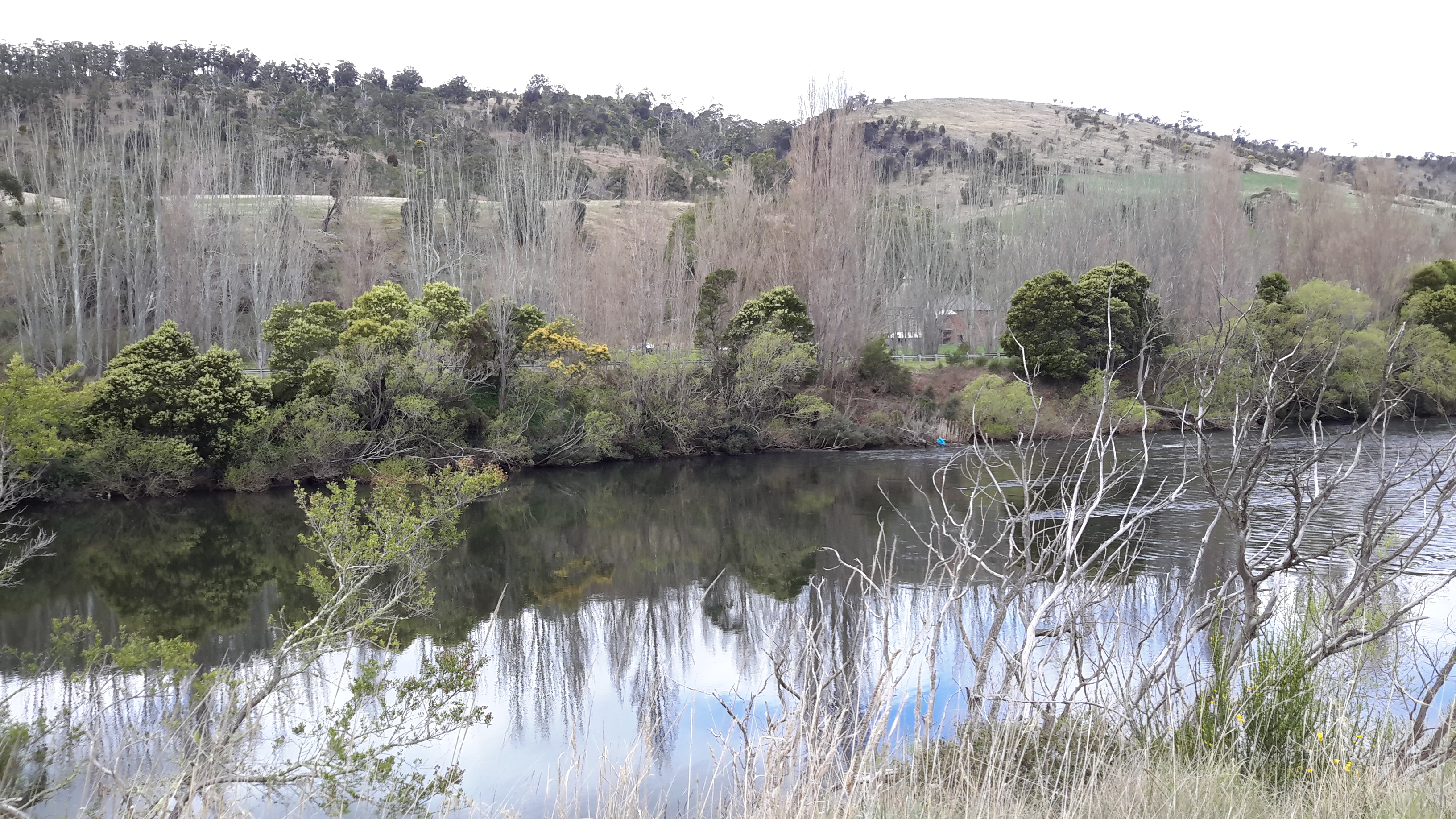
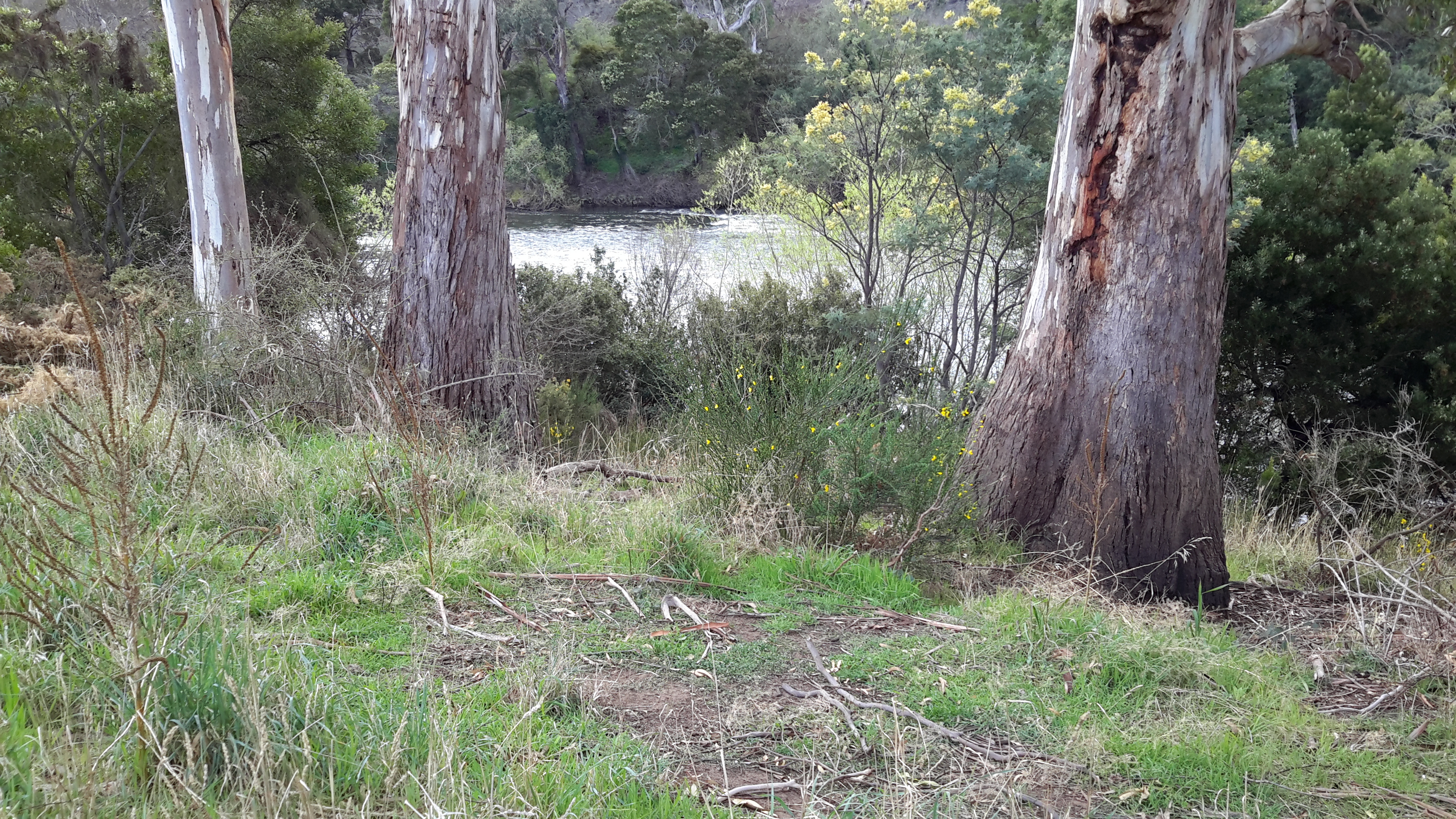
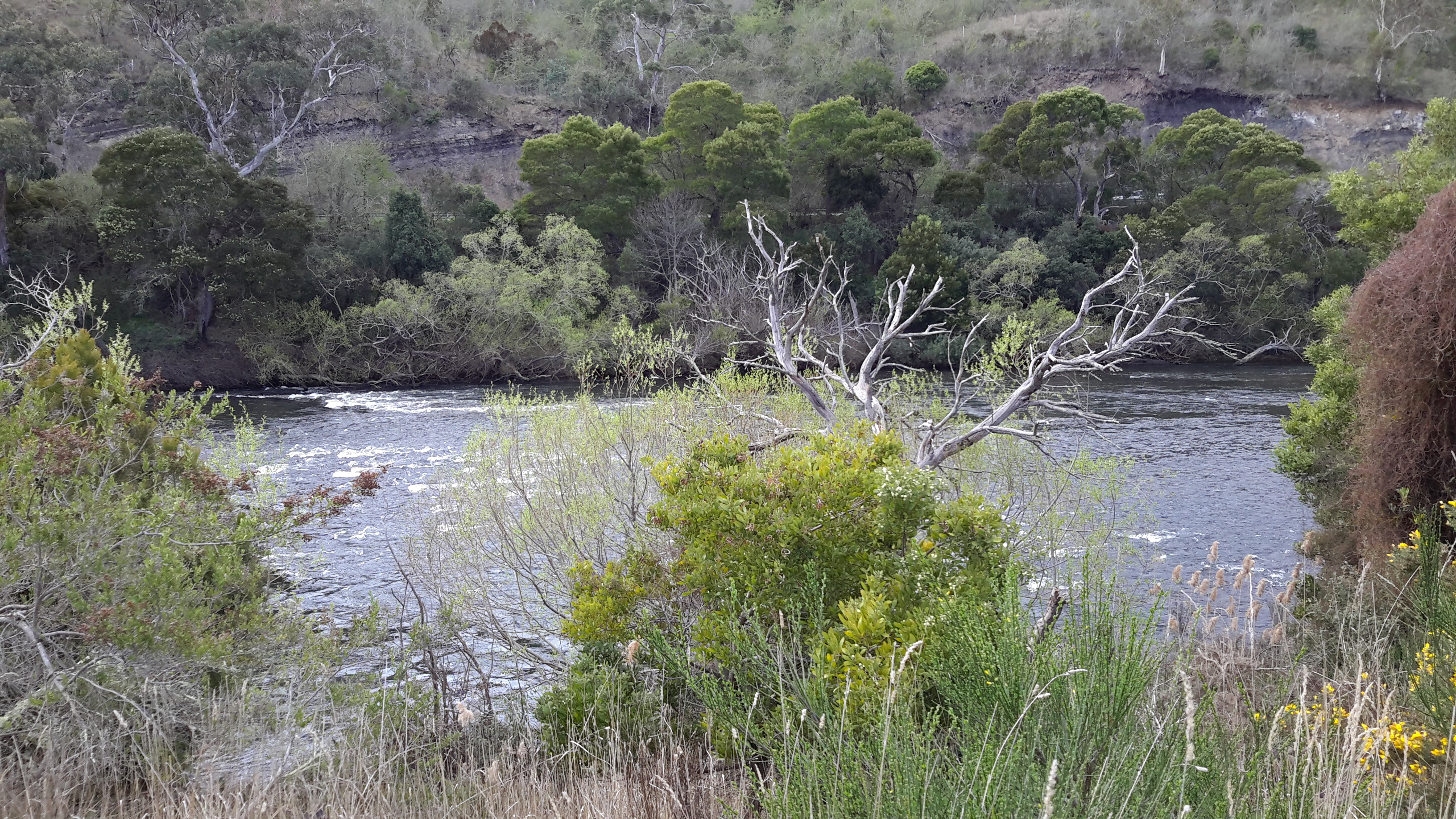
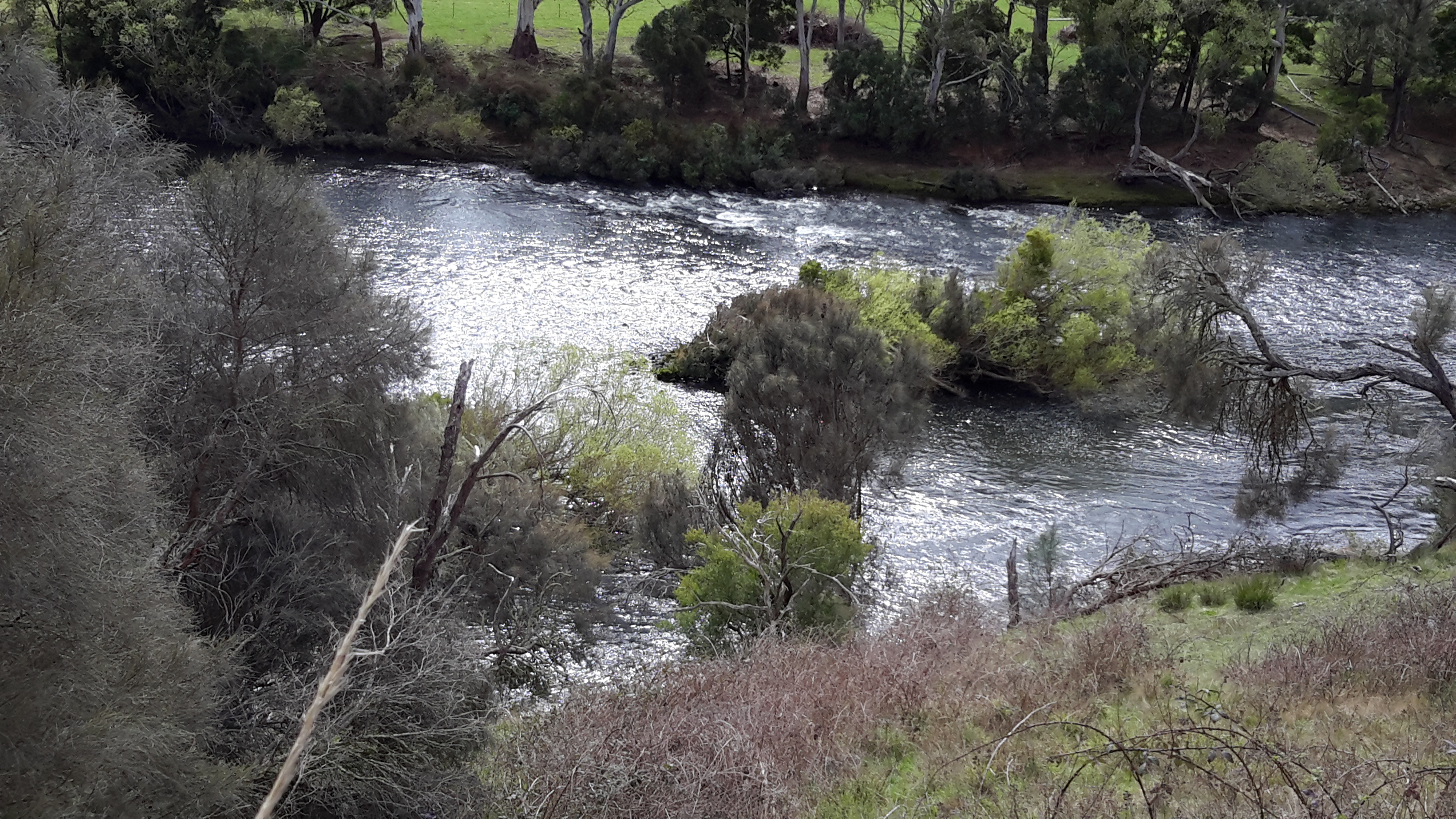
Immediately past and in the vicinity of the property ‘Linden’, the racing Derwent River was visible from the road.

20150917_111214 20150917_111338 20150917_111407 20150917_111617