Monthly Archives: February 2017

Visualising walks in advance is another form of planning

A recent blog posting provided the ‘story’ of how I imagined a walking stage would progress along one section of the Derwent River.  On paper, such visualisations have acted as a planning tool to remind me of the potential challenges ahead and the work I needed to do to make sure I was able to have a safe walk within a reasonable time frame.  Another ‘big think’ happened in relation to the walk between Wayatinah and Catagunya Power Stations.

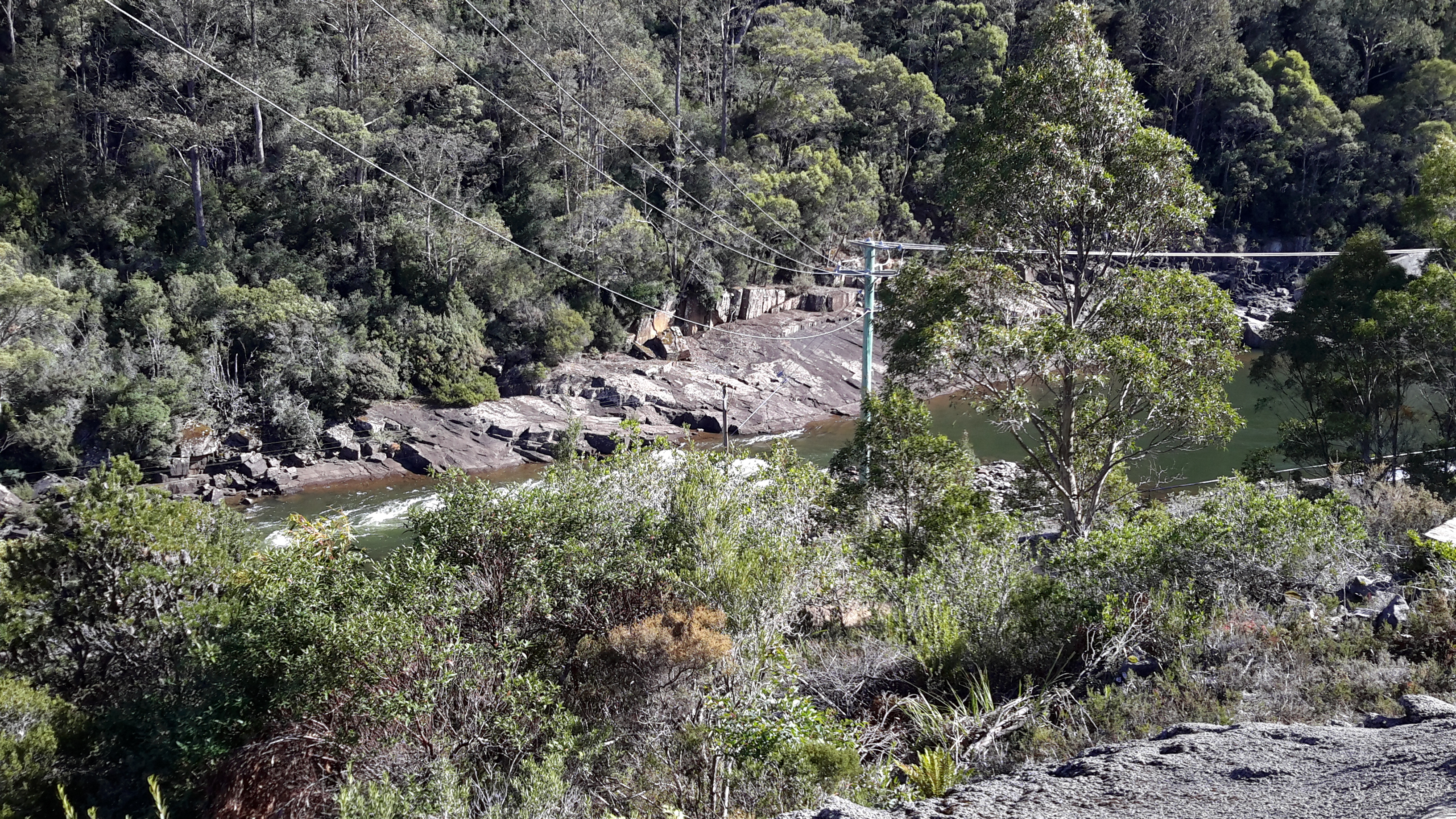
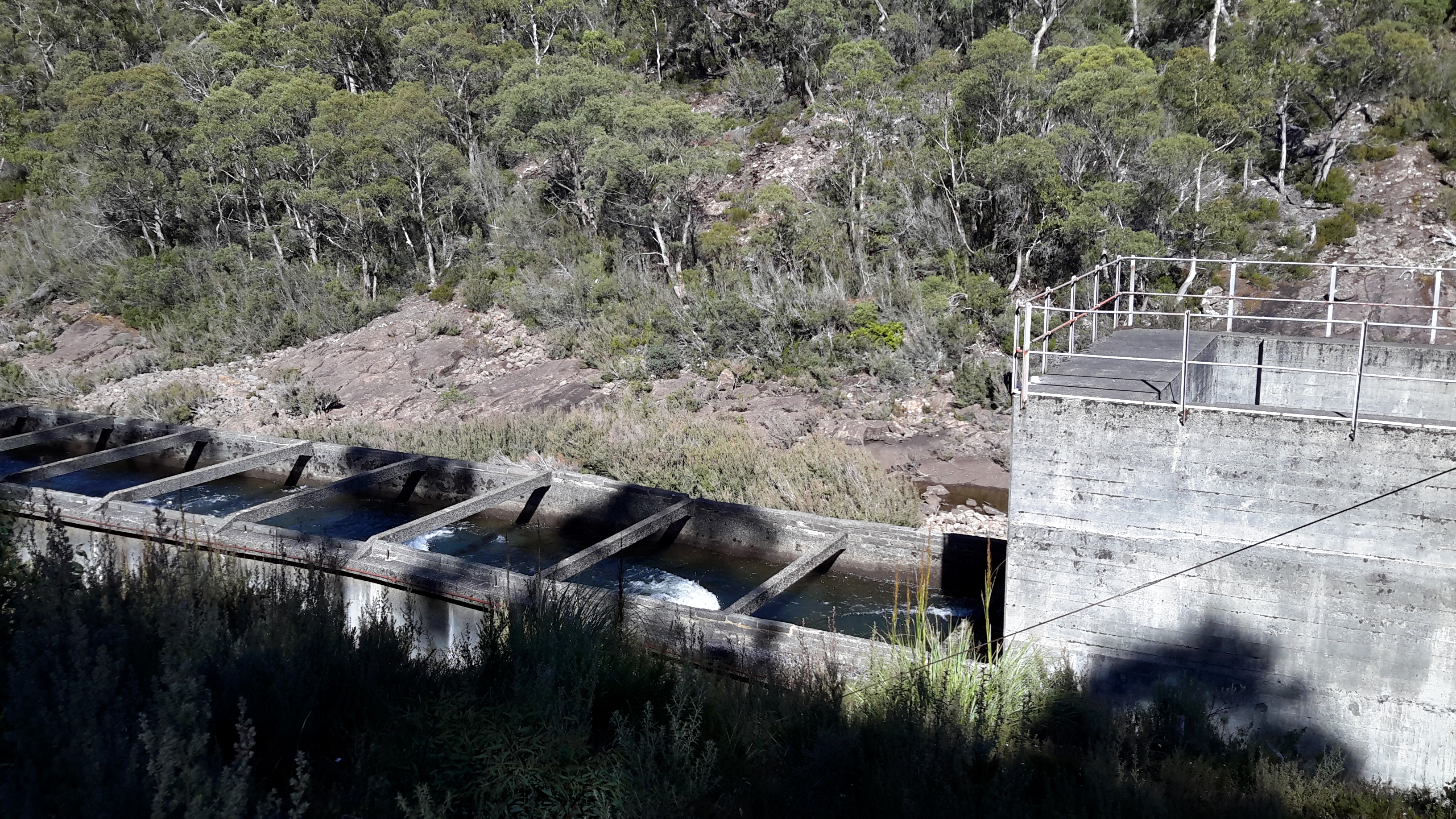
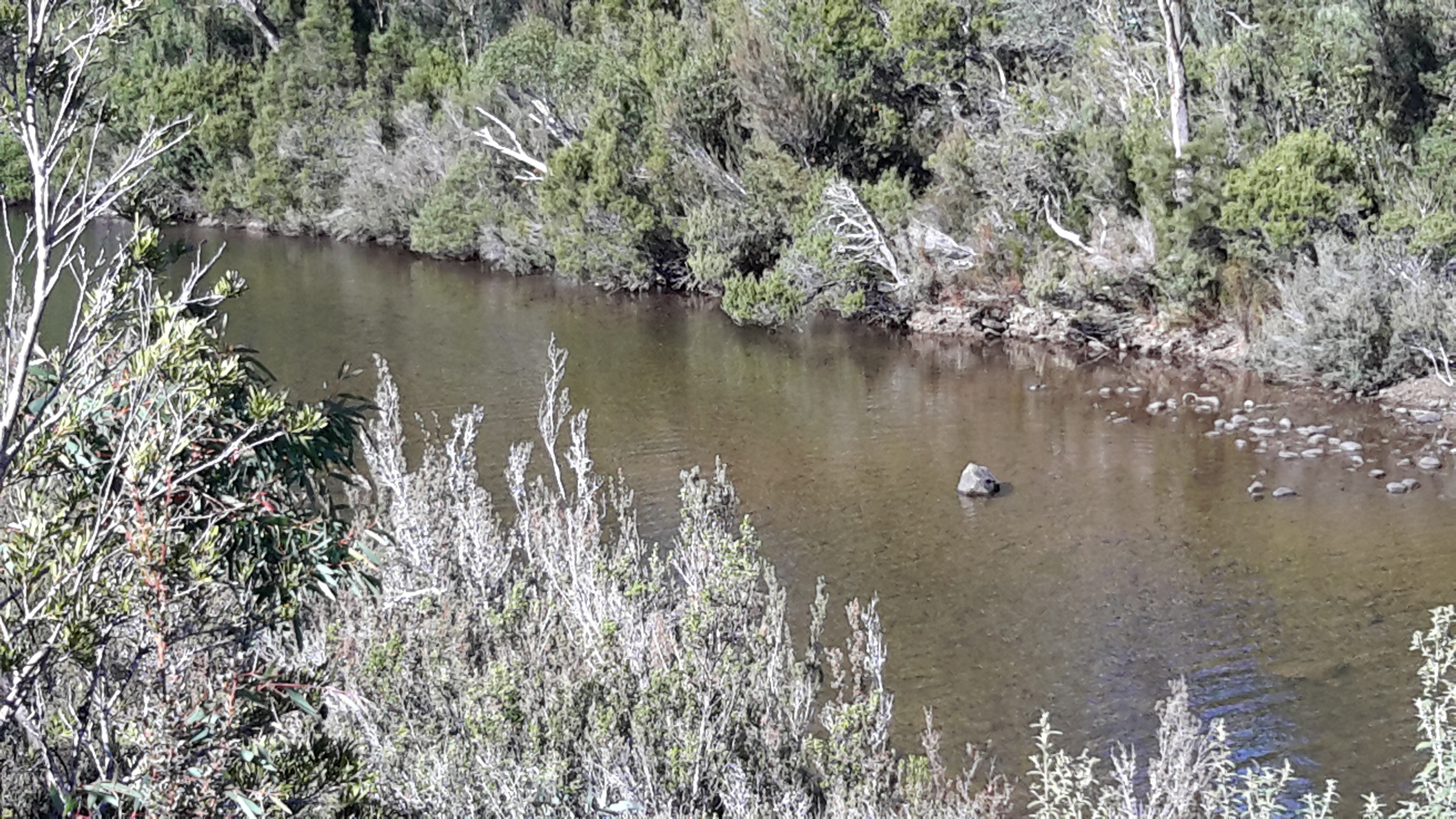
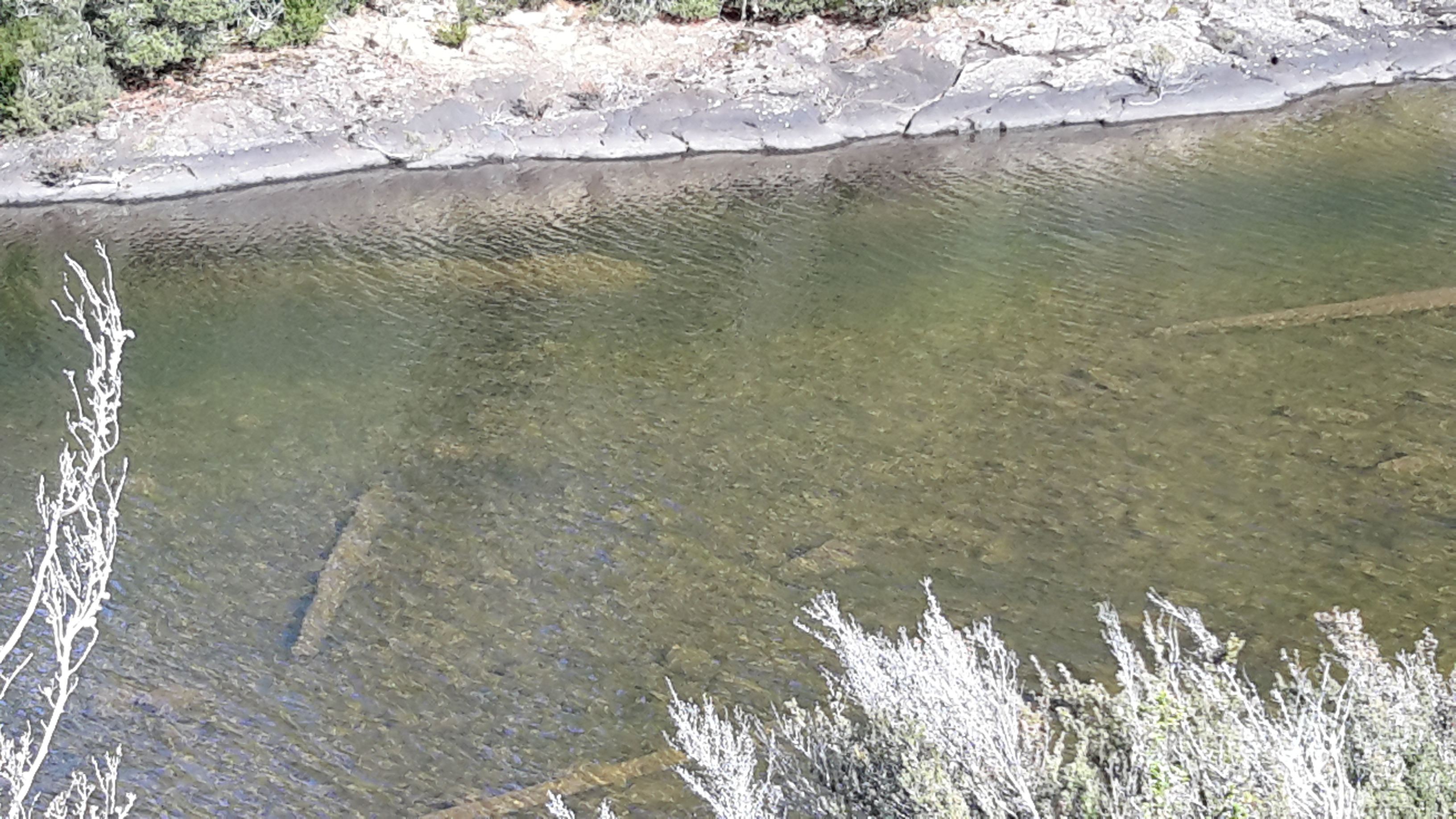
In the photo below, water gushing from the Wayatinah Power Station adds to the volume of Lake Catagunya near its western extremity.   20151029_090827.jpg

20151029_090233.jpg

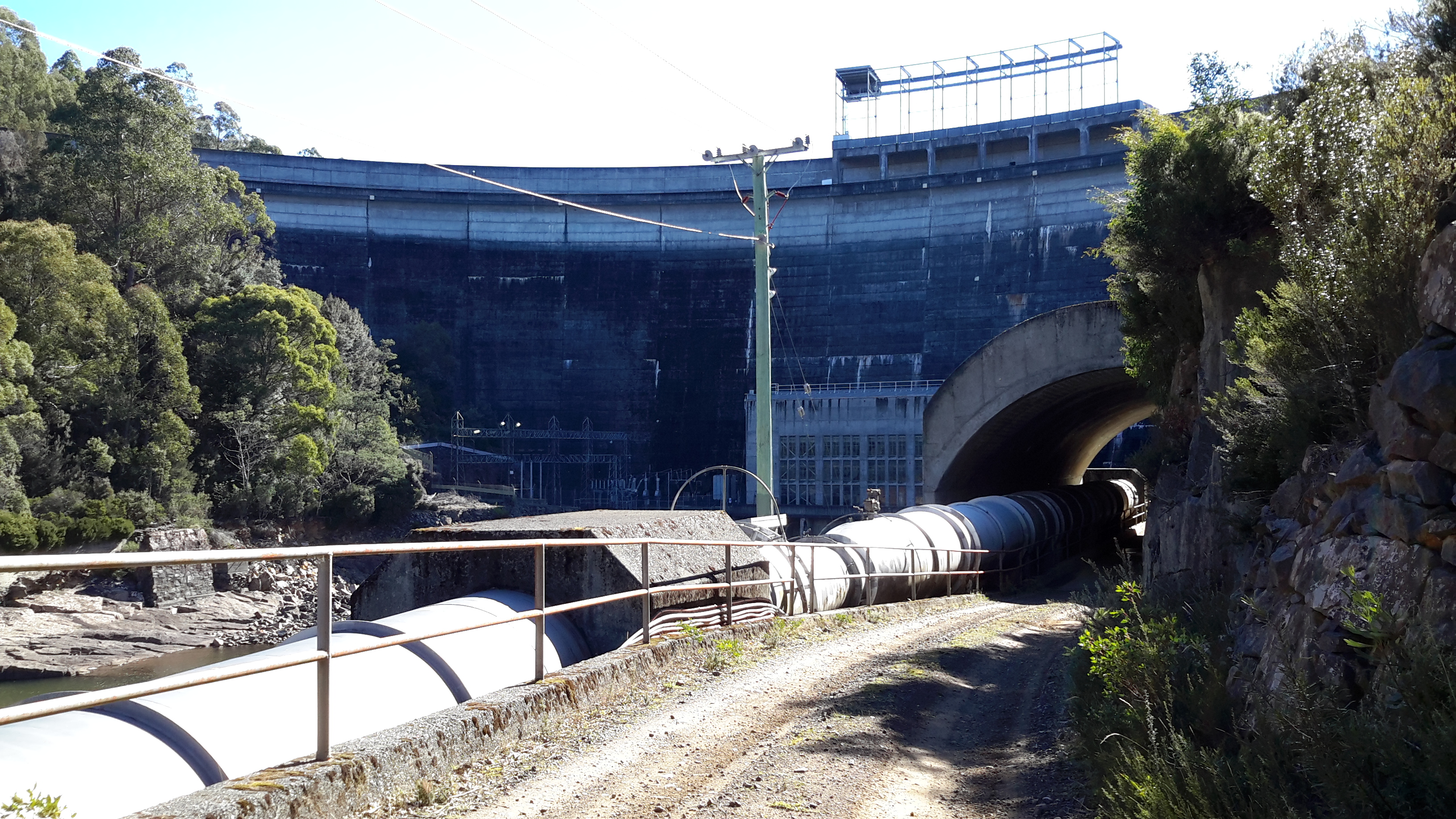
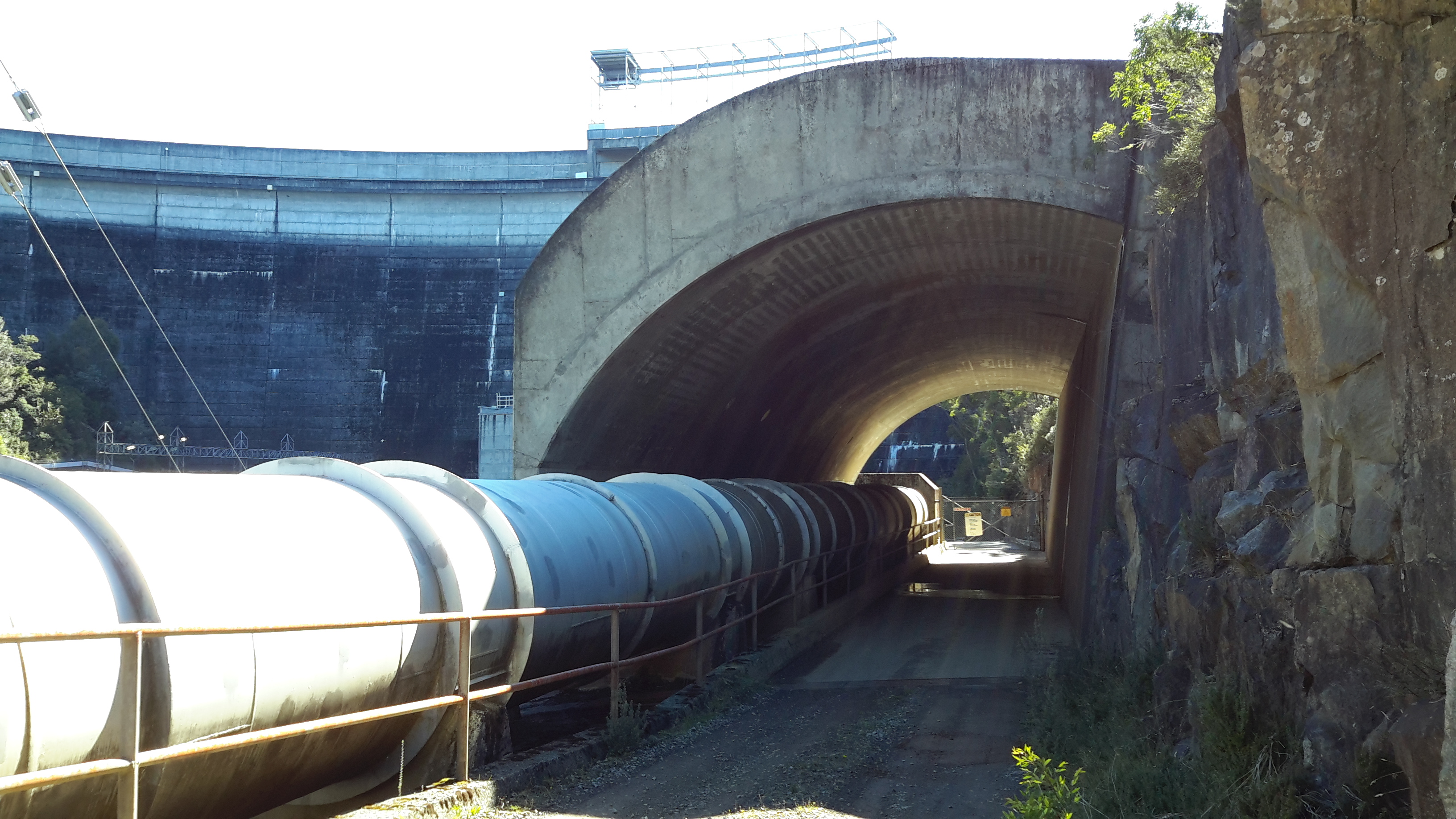
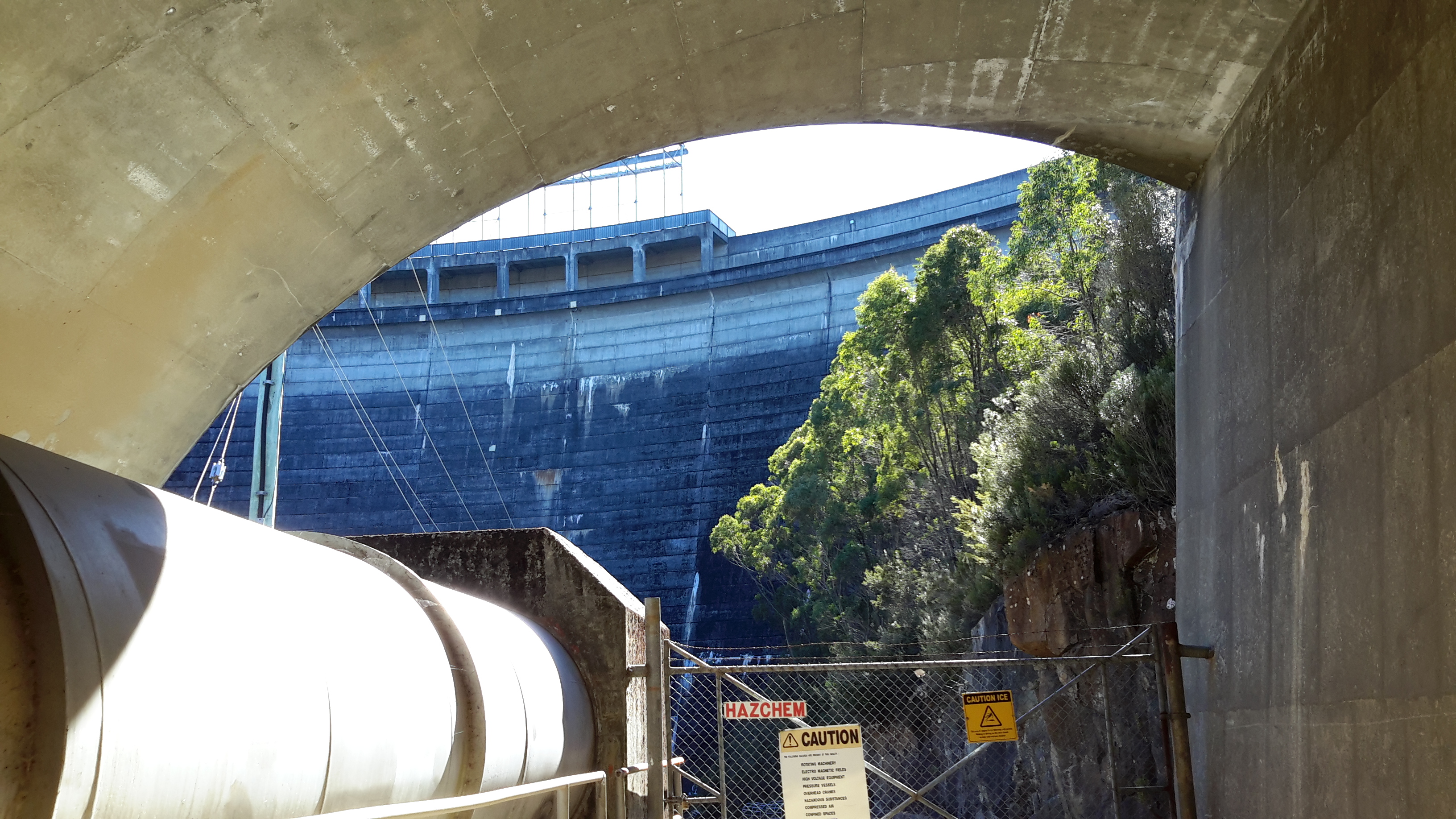
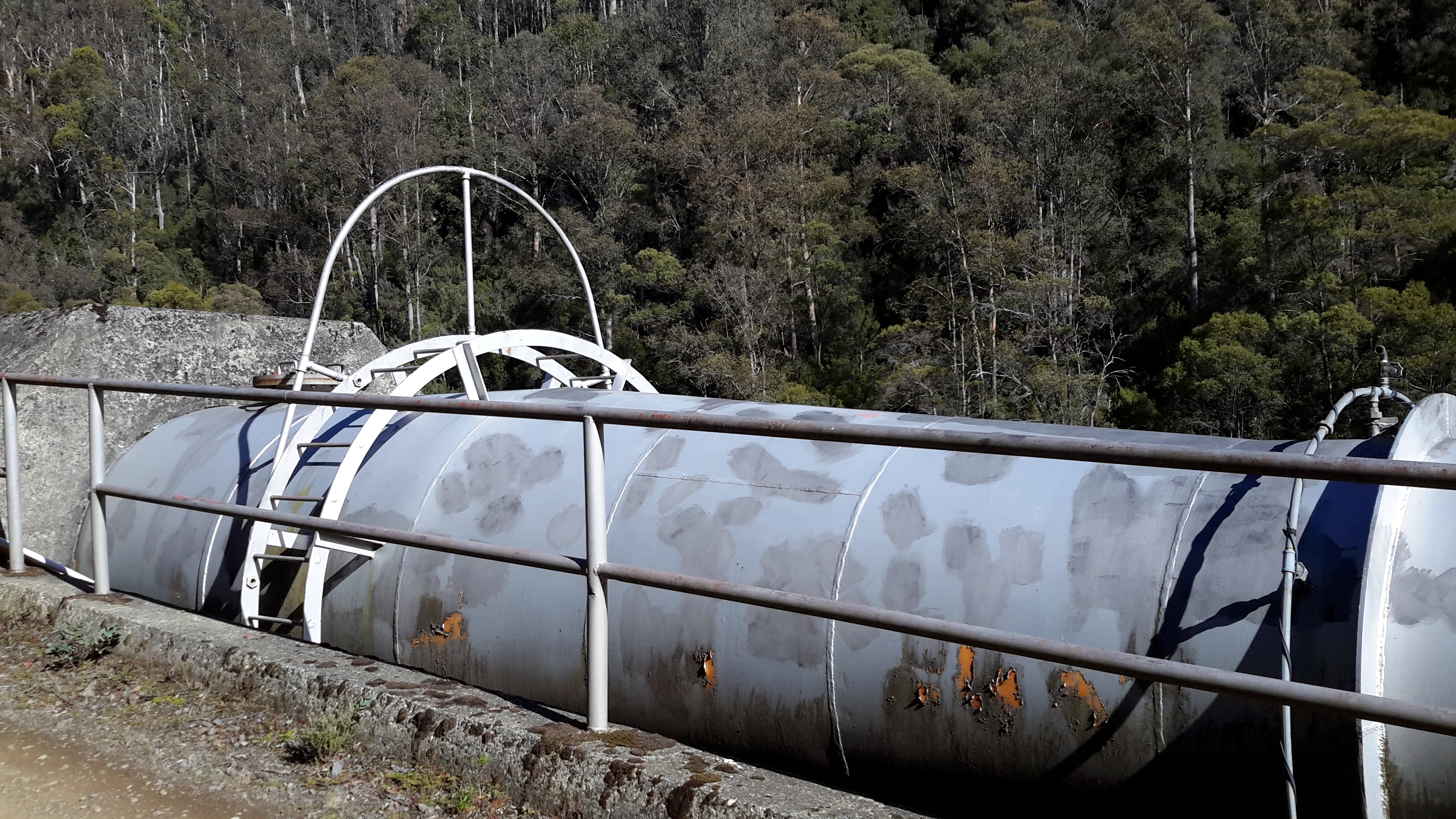
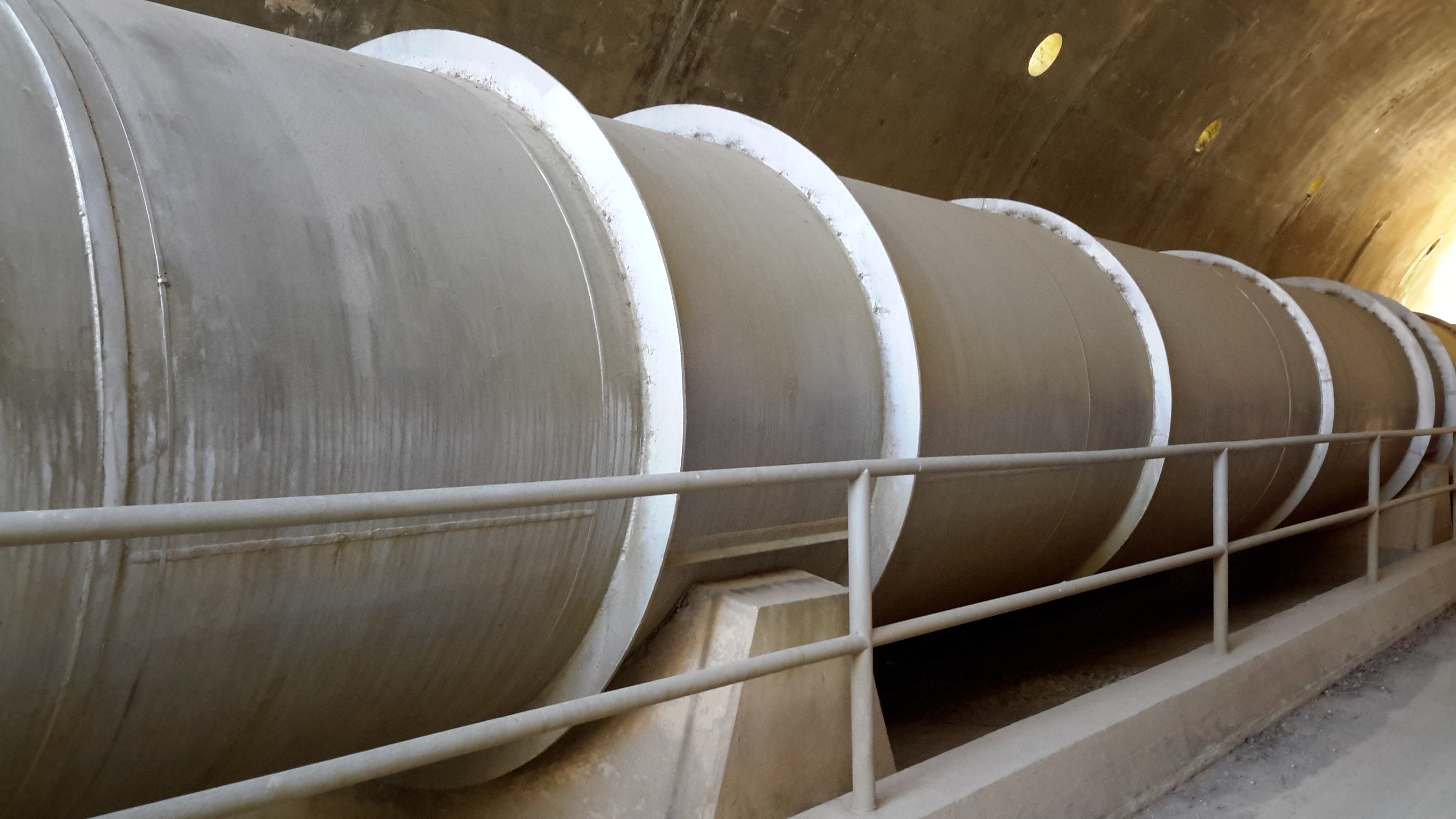
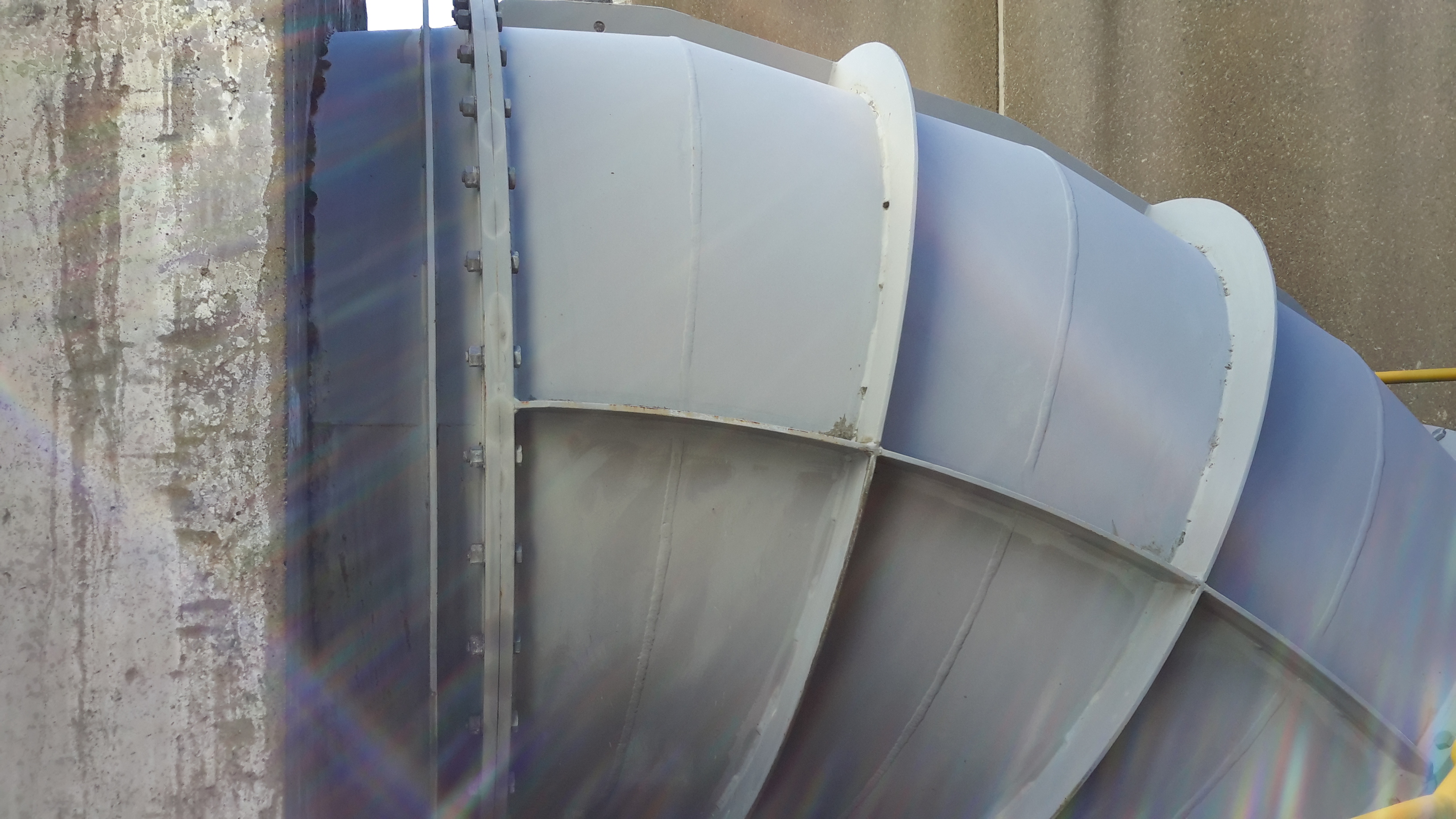
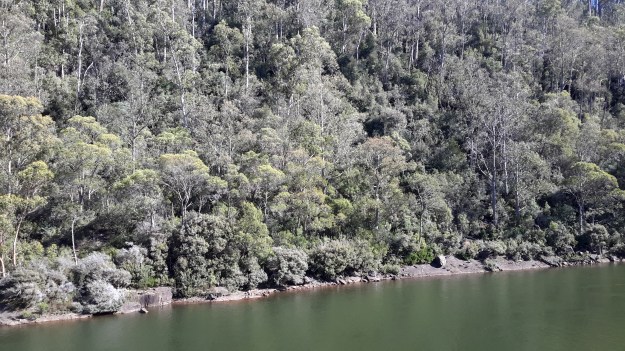
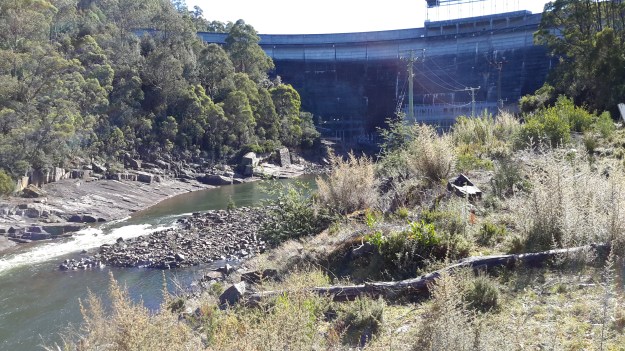
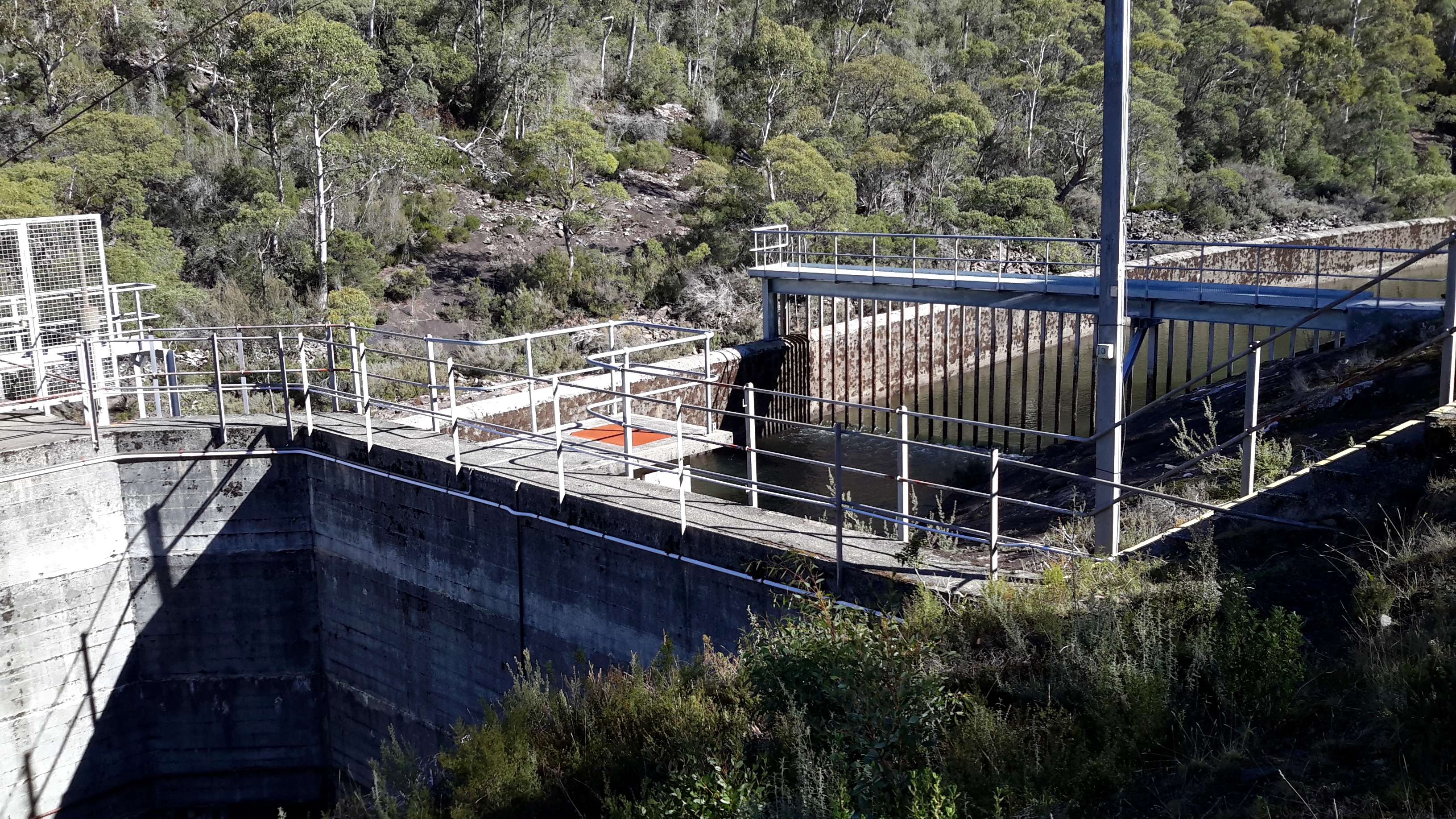
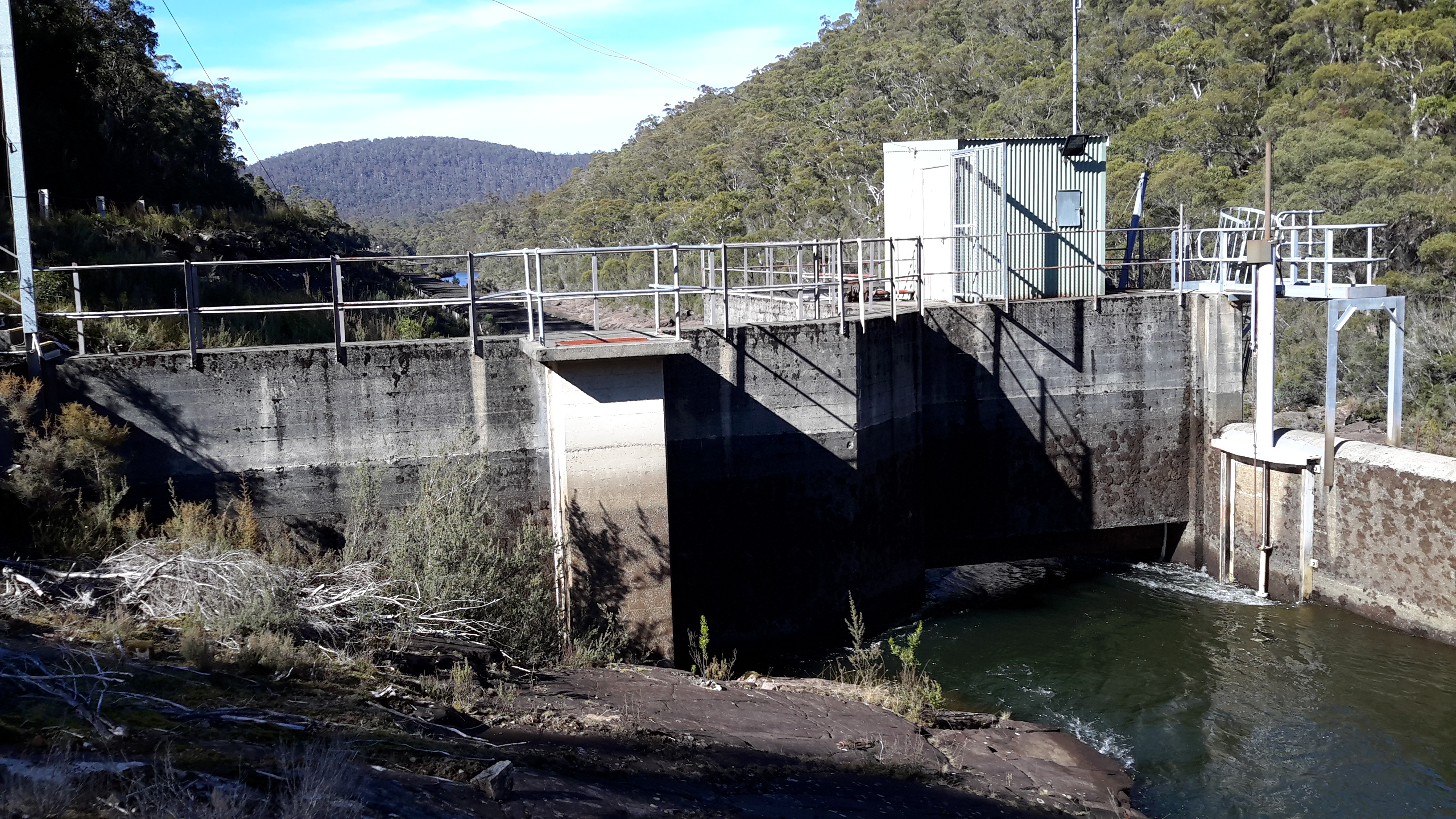
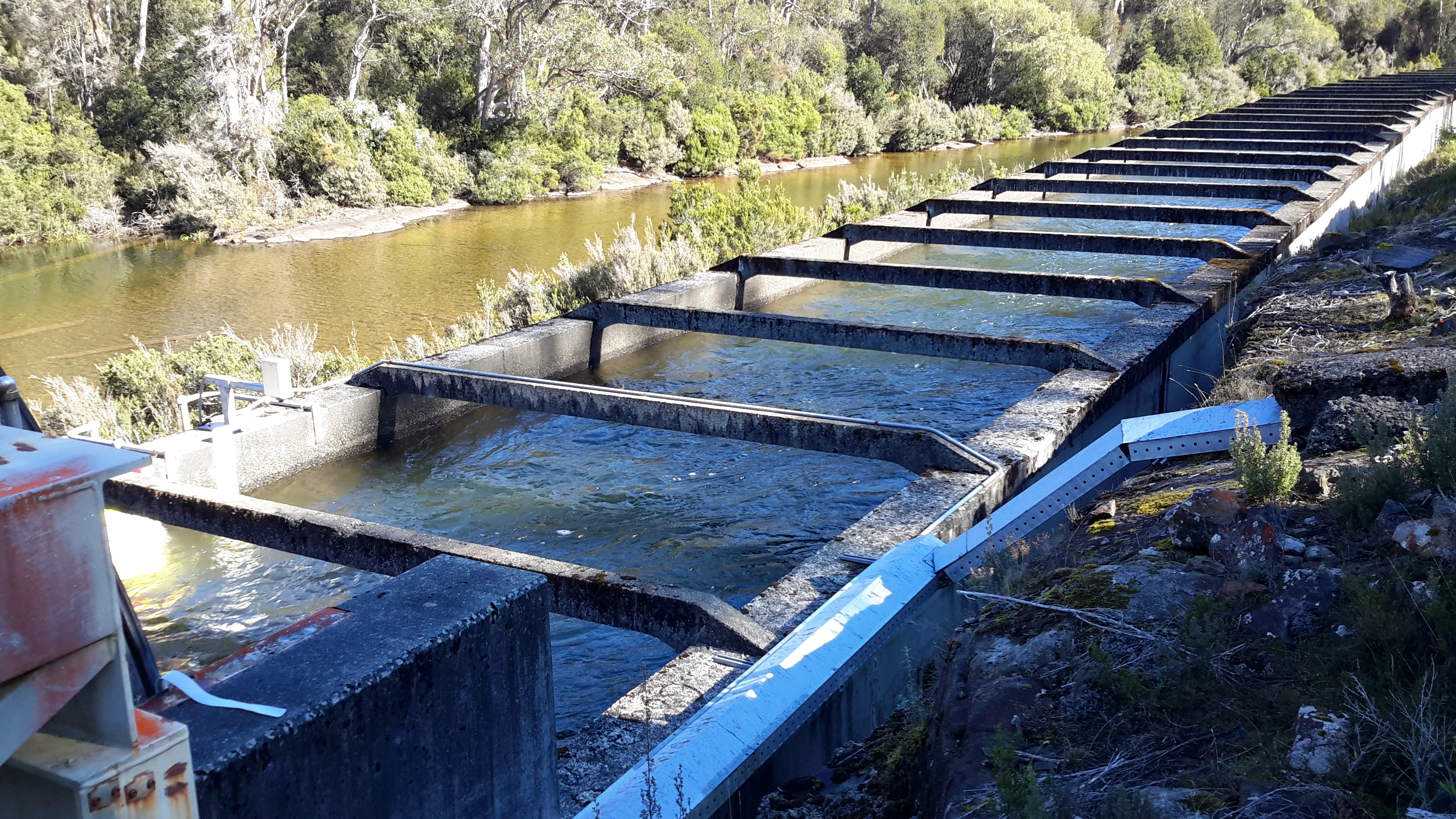
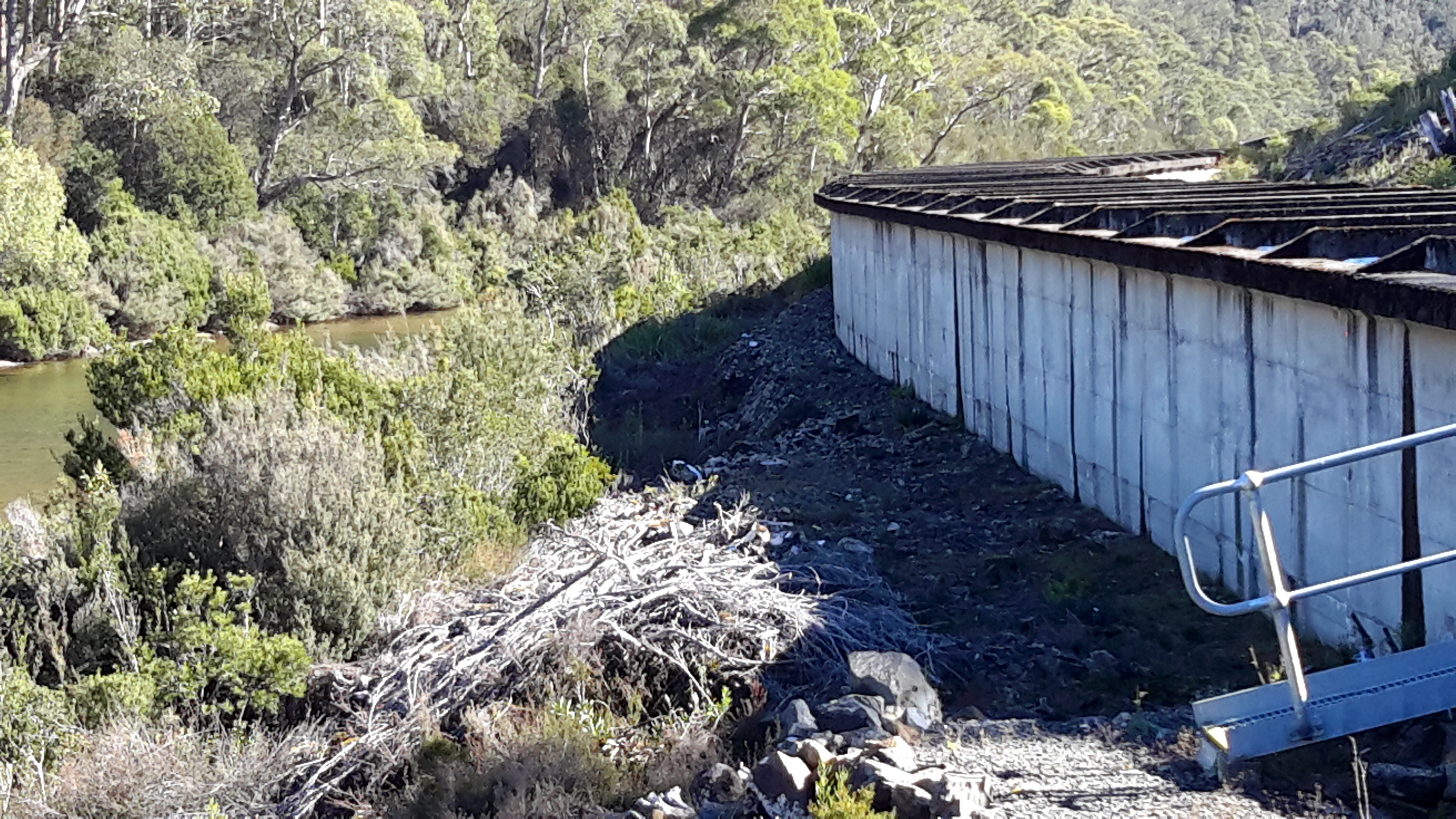
This expanse of water, fed by the Derwent and Florentine Rivers further upstream, extends approximately 7 -8 kilometres as a substantial water storage holding until it reaches the Catagunya Dam wall and then passes through the Catagunya Power Station at the eastern end of the Lake. Earlier walks had taken me to both hydro electricity generating power stations, and during one walk I was privileged to be shown over the remote and isolated Catagunya Power Station complex.

20160210_092533.jpg

20160210_093101.jpg

How to tackle the distance between the two locations?  Should I start my walk from the eastern or western end?  Should I walk on the southern or northern side of the Lake? The terrain to be covered included private property so what permissions needed to be acquired and from whom?

At first, I inspected the last official map printed by the Tasmanian government, the 1993 map titled ‘Strickland 4630’ in combination with perusing the Google Earth map for the same territory. In addition, I used my on-the-ground first-hand knowledge of the terrain and the vegetation at both ends of the stage from having visited in association with other walks, and aerial photos taken early during this Walking the Derwent project.

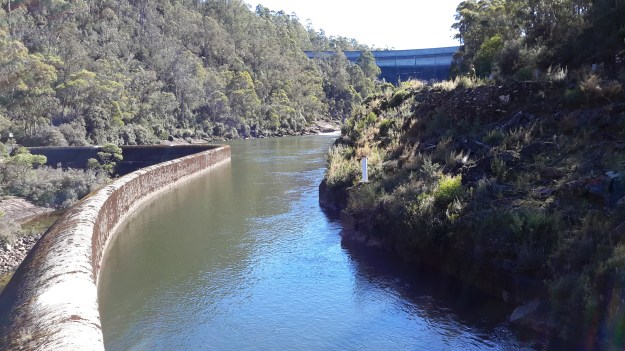
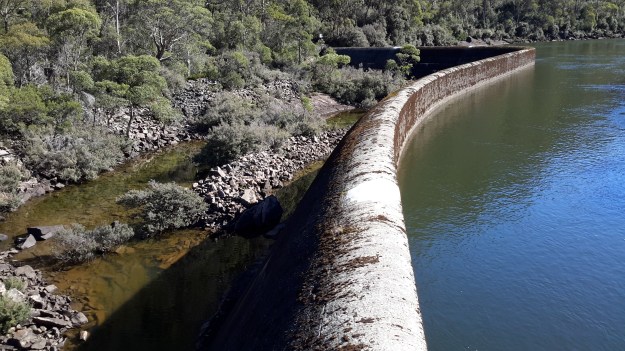
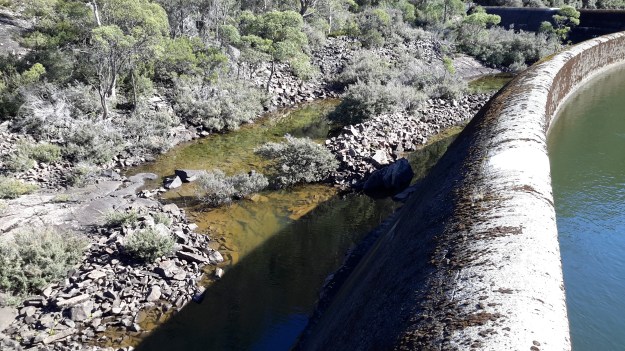
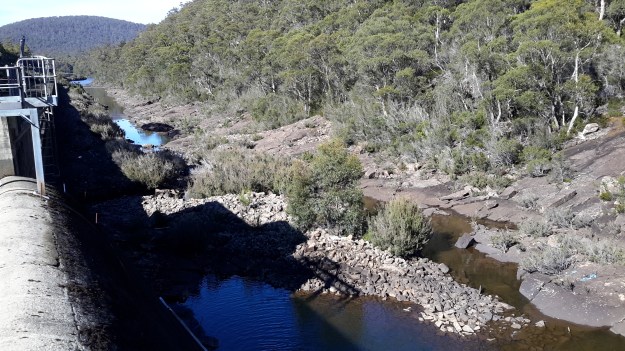
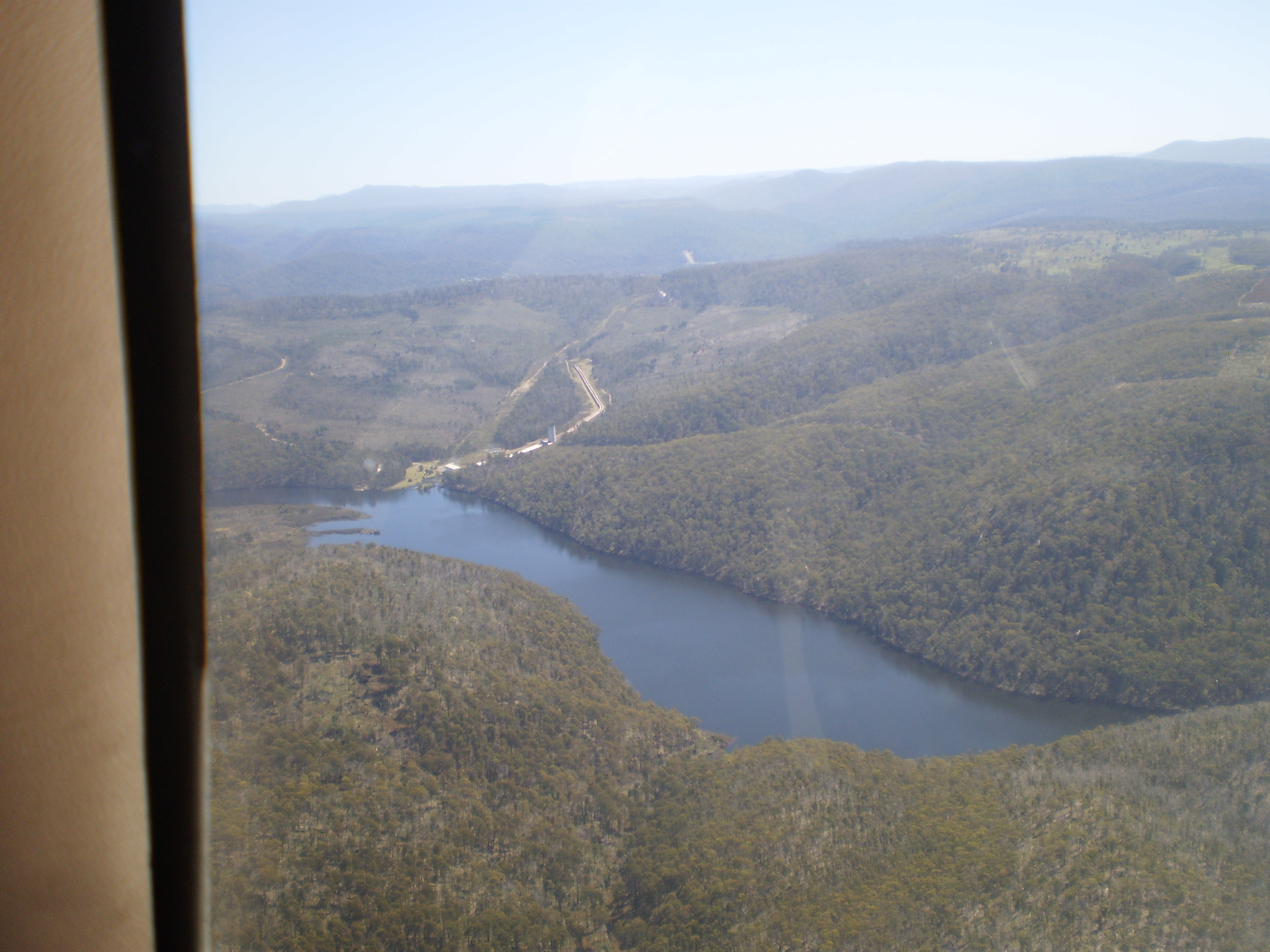
Michelle’s photos show Wayatinah Power Station in the distance near the western end of Lake Catagunya,  a section of the curved shape of the Lake, and Catagunya Dam and Power Station. Each photo clearly shows the incline from water level to the plateau above.
PA280092 Lake Catagunya with Wayatinah PS.JPG

PA280091Lake Catagunya.JPG

PA280090Catagunya Dam.JPG

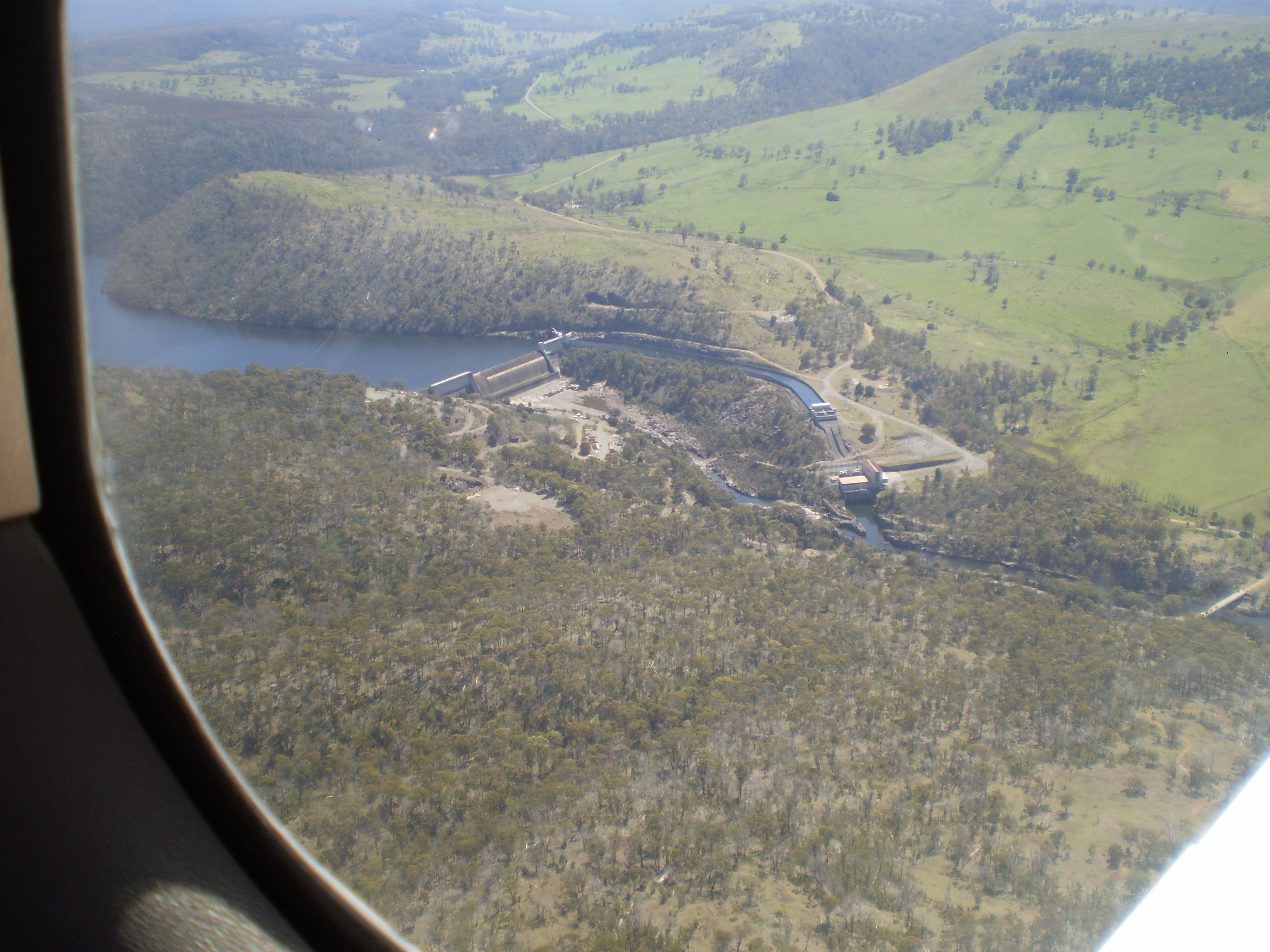
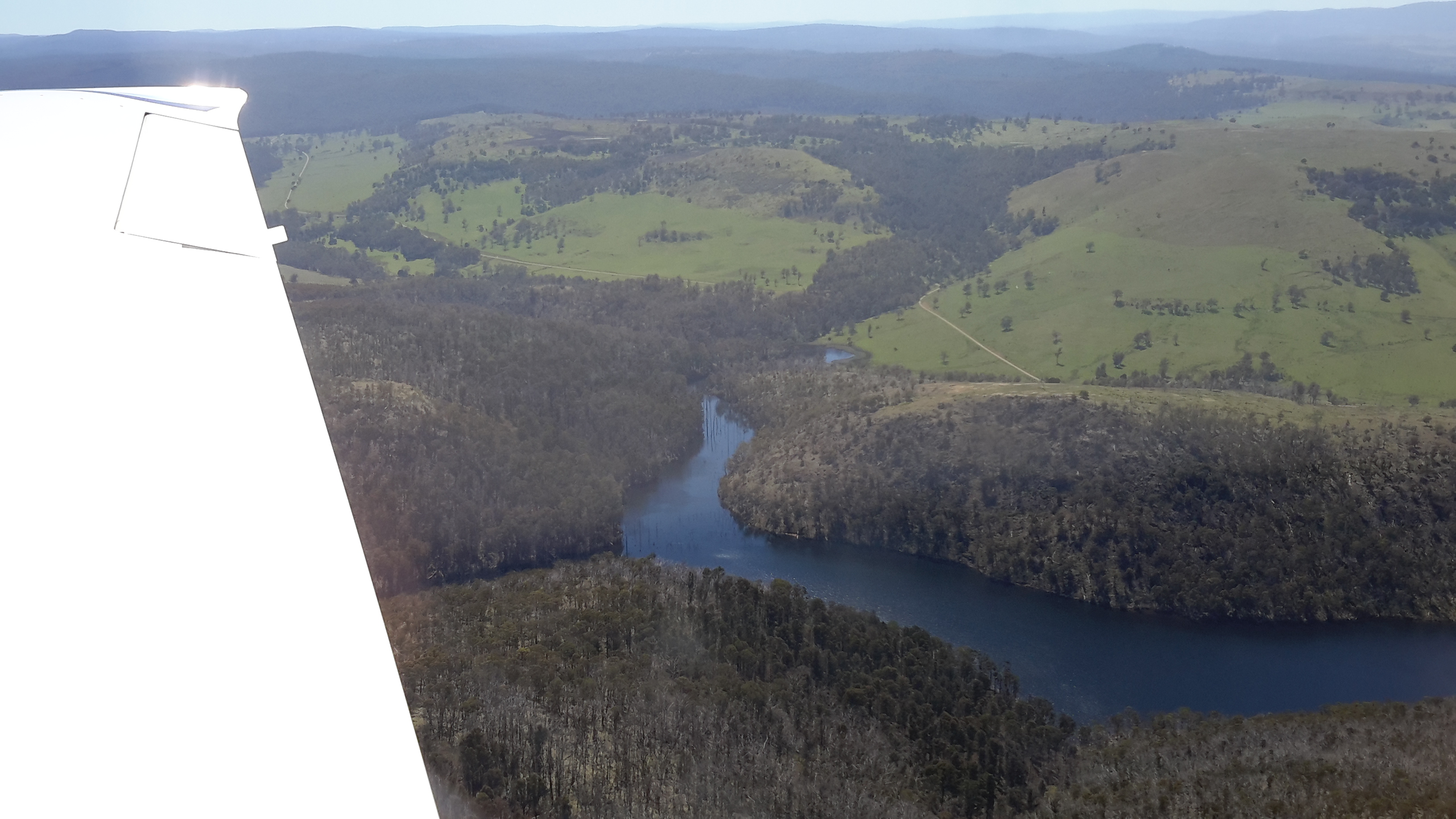
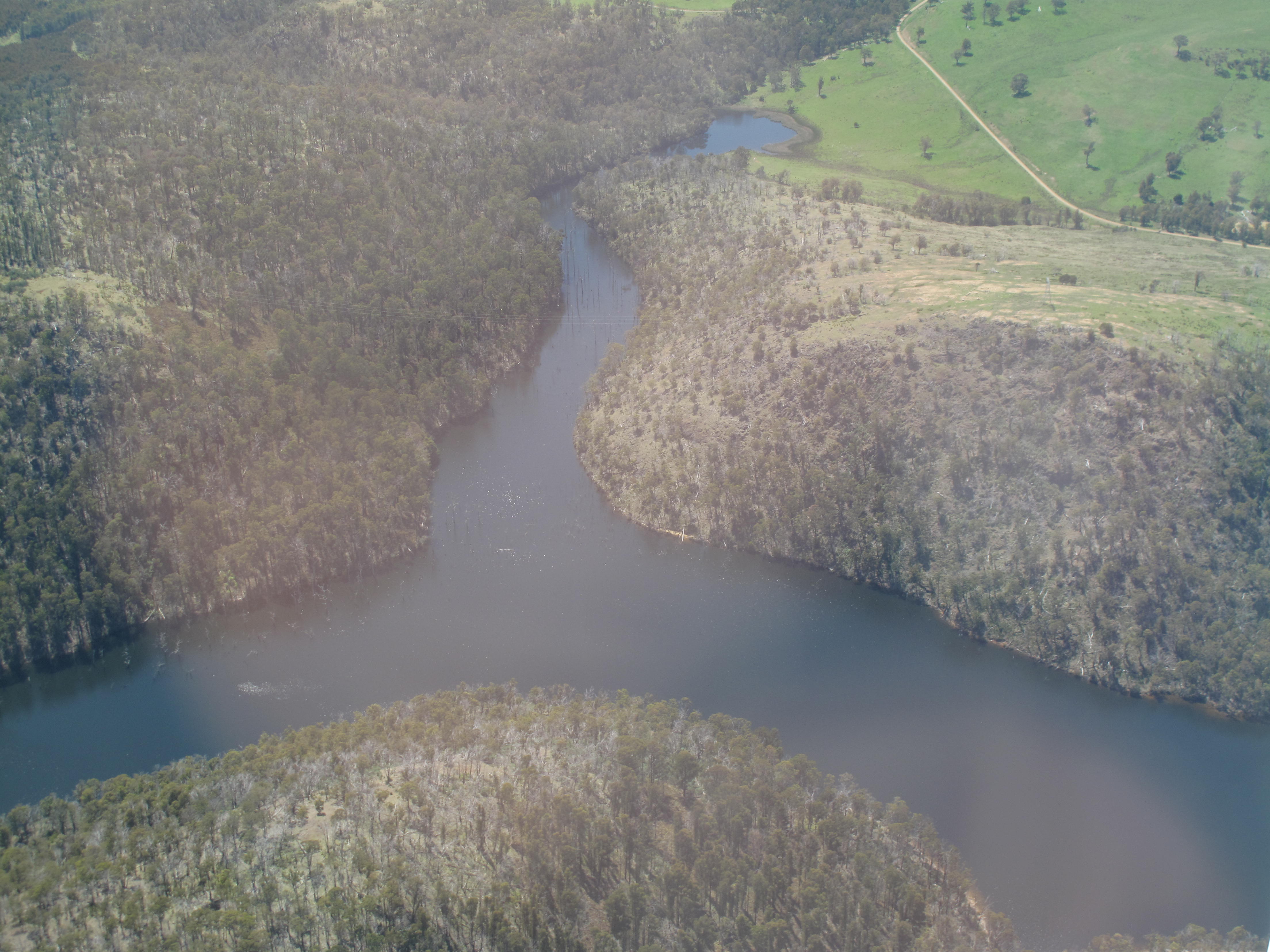
My aerial photos show  Wayatinah Power Station behind an expanse of Lake  Catagunya, the major inlet close to the eastern end of the Lake, and the Catagunya Dam and Power Station complex.  The density of the forests and the hilly terrain are clearly shown.

20151028_115220 Wayatinah PS.jpg

20151028_115159Wayatinah power station.jpg

20151028_115127.jpg

20151028_115121.jpg

20151028_115107.jpg

Chantale’s aerial photos show the inlet, fed by Black Bob’s Rivulet, near the eastern end of the Lake.
IMG_3888.JPG

What I had seen on the ground and in the air was not what maps showed. For example at the Catagunya end, massive comparatively new pine plantations had swept across hills where natural bush once grew.  This meant that a mesh of unmapped forestry roads would have been built and that these would make navigation confusing without a compass and/or GPS equipment.

Clearly the edges of the Lake were/are exceptionally steep and if my walks elsewhere in the region were used as a guide, the slopes would be a mixture of dense wet rainforest tangled around partially hidden rocky outcrops.  Both sides of the Lake have sections which rise over 200 metres within half a kilometre.  All indications are that walking at water level would be impossible. If Plan A to walk alongside the Lake wasn’t possible, what should be Plan B?

On the northern side, skyscraper-high electricity transmission structures with their connecting wires have been installed in a straight line from the Wayatinah to Catagunya Power Stations and located roughly at the top of the steep incline from the Lake. I felt this line would be the best option for progress. During construction, an area of less than hundred metres wide was cleared to create a pathway for vehicles to use. Perfect for easy walking?  Reflections on past experiences suggest not.  This is rainforest territory and as a constantly regenerating living organism, I realised that I should expect the forest to have begun to re-establish itself. I recalled walking along the ‘cleared’ transmission lines area through the most challenging vegetation on unseeable uneven ground at the northern end of Lake King William. It was slow, tedious work where a snapped ankle was always a possibility.

Thinking of the Wayatinah to Catagunya leg, I made a note to contact TasNetworks to see whether their clearing program had reached this transmission area, and whether I could hope for a reasonably straightforward walk along this line.  Google maps indicate a vehicular road leaves the Wayatinah Power Station area and continues eastwards for the first half a kilometre of the 7 km line of towers.  It seems to stops short of the first heavily forested gully that cuts deeply through the landscape and which contributes water downhill to Lake Catagunya.  400 metres past that obstacle is a new similar impediment to smooth walking.  A third such impasse waits a further 400 metres eastwards.  In advance of the walk, it was easy to imagine the vegetation would be slippery with dripping water from the plants, the light levels amidst the tightly packed vegetation in the ravine would be low, and the flow of water over the centuries would have exposed rocky outcrops that would make descent and then ascent on the other side of the creek time consuming and treacherous.  Until in the presence of each ravine,  judgements could not be made as to whether to walk inland to skirt around the worst of the cuttings or whether it might be possible to descend and ascend on the other side safely and with my backpack still attached to my back.

Approximately half way through the walk after the three creeks, an undulating plateau with a lower gradient should be a welcome change for a few minutes before the terrain drops down to Bushman’s Hill. I would expect this site to be seriously forested and not to offer grand views of the Lake, and I would expect a mesh of unexpected and unpredictable forestry and Hydro Tasmania roads across the land. Ahead the land drops away rapidly, is crossed by another deep creek cutting, until it reaches a significant inlet body of water that is more than 100 metres wide. This water extends inland for over one kilometre.  Into this length of water flows Black Bob’s Rivulet which extends for many kilometres north west of this area. There would be no choice but to walk around this obstacle and cross the Rivulet where possible, until a connection with Catagunya Road could be made.  The degree of deviation will depend on the nature, location and extent of the plantation and natural forests.

Once on the Road, an easy gravel surface leads to Catagunya Dam and Power Station; perhaps 4 to 6 kilometres of road will need to be walked depending on the difficulty getting around the inlet.  After panoramic photos are taken to record the Lake and it’s edges, then a 7-8 km walk to the locked gate at the Lyell Highway will conclude this leg of the walk along the Derwent.

20151029_144956.jpg

All up, and at the best, perhaps 18-22 km would be walked in this stage.  If substantial rerouting around the creeks was required then the distance would be much longer.  Fundamentally, I imagined this was a walk of clambering up and descending steep forested hills relentlessly. Depending on the density of vegetation in the ‘cleared’ transmission line area and then the difficulties crossing the creek cuttings, at best this walk might take 10 hours.  At worst, and probably realistically, it will require sleeping out overnight, and therefore I will walk with the full complement of camping gear.

Information update

Recently, blog followers alerted me to the fact that many pages under the heading Useful Additional Information on the home screen were incorrect.  I must confess embarrassment for forgetting these summaries – they have been out of sight and out of mind while I have been writing up the posts of the outstanding walks.  I am so sorry for anyone who has relied on the accuracy and currency of each of these pages.  I have now amended all and each is up-to-date.

Who am I?

USEFUL ADDITIONAL INFORMATION

FAQs Frequently Asked Questions

How far was the walk?

The inspiration for my walk along the Derwent River 

Buses in southern Tasmania- tips for their use


Revisiting Butlers Gorge for missing photos – posting 5 of 5

Bushes with native berries, cushion grasses and all manner of other small plants abounded.  20160425_111936.jpg

20160425_111421 cropped.JPG

Later we continued onto Lake King William and sat in the afternoon sun eating our packed lunch, looking at sparkling water backed up to Clark Dam, and enjoying the smells and sounds of the bush.  Thanks Jeanette for your help in driving me back to this area.

20160425_120952.jpg

20160425_121119.jpg


Revisiting Butlers Gorge for missing photos – posting 4 of 5


Long term blog followers will remember how impressed I have been with the engineering feats that have created the hydro electric power stations and the huge dam structures. Most particularly I love their large scale geometric shapes.The following photos show close ups of Clark Dam and the Butlers Gorge Power Station, neither of which are accessible to the public.  20160425_113937.jpg

20160425_114003.jpg

20160425_114009.jpg

20160425_114102.jpg

20160425_114131.jpg

20160425_114019.jpg

20160425_114039.jpg

20160425_114908.jpg

And let us not forget the Derwent River flowing ever so slightly way down below in the following images.

20160425_115100.jpg

20160425_115106.jpg

20160425_120620.jpg

20160425_120628.jpg


10/2/17

Revisiting Butlers Gorge for missing photos – posting 3 of 5

I continued along the gravel road towards the Clark Dam wall. 20160425_113519.jpg

20160425_113524.jpg

20160425_113607.jpg

20160425_113735.jpg

20160425_113759.jpg

20160425_113804.jpg


Revisiting Butlers Gorge for missing photos – posting 2 of 5

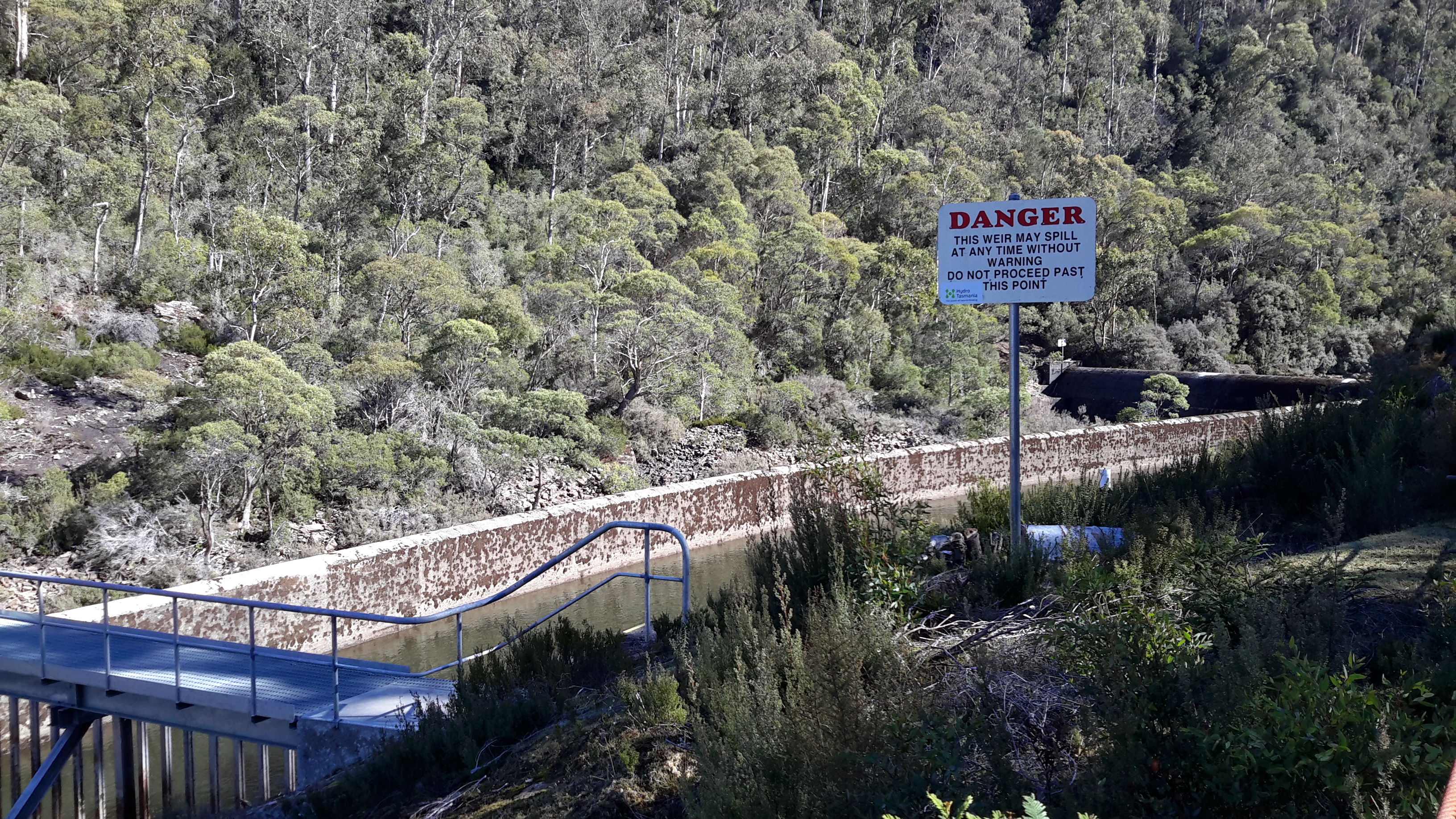
I was cautious AFTER reading this sign adjacent to a concrete structure where the water race starts.  “ DANGER This Weir may spill at any time without warning. DO NOT PROCEED PAST THIS POINT.”   20160425_113044.jpg

20160425_113016.jpg

20160425_113012.jpg

20160425_113021.jpg

20160425_113213.jpg


It was near this point the high wall of Clark Dam came into view.

20160425_113238.jpg

I wanted to be as close to the River bed as possible; I was curious to see the actual River bed.

20160425_113302.jpg

20160425_113313.jpg

20160425_113318.jpg

20160425_113328.jpg


Revisiting Butlers Gorge for missing photos – posting 1 of 5

After I walked from the Lyell Highway at the Butlers Gorge junction and then proceeded to follow Tarraleah Canal No 1 (which contained the bulk of Derwent River water) to Clark Dam holding back the waters of Lake King William, I returned home and checked my photos.  I found some key photos were absent.

I realised that my feet must have been exceptionally painful and my sore knees crumbling so that I was unable to remember to keep taking photos in that last kilometre of the walk.  I had made no record of those last few hundred metres.  Thanks to blog reader Jeanette I returned to the spot one gorgeous morning, walked up and down the area and clicked lots of photos.

At one place we crossed the aqueduct and looked at the serene and clear Derwent River.   20160425_112018.jpg

20160425_112035.jpg

20160425_111710.jpg

The rush of the water through the Canal was recorded.  Watch this video.

20160425_111647.jpg

20160425_111652.jpg

20160425_111614.jpg

20160425_112103.jpg

I loved the views looking along the two strands of the river; the water in the original river bed, and the water in Tarraleah Canal No 1.

20160425_112613.jpg

20160425_112619.jpg

The rocky edges of the river shown above indicate that water is released from Clark Dam from time to time making the river wider.

The finish is in sight – towards Wayatinah post 9 of 9

Once walking on the hard and consistent surface of the Lyell Highway, good speed was made walking for approximately 8 kilometres, until Andrew reached the turnoff to the township of Wayatinah, pausing only for the passage of multiple camper vans, hire cars and enthusiastic motorcyclists making their winding way between Hobart and the West Coast. This was an extremely unpleasant piece of road for pedestrians.  The road was designed in remote central Tasmania with never an expectation people would walk along its edge.  The result is that verges are narrow or almost non-existent, and guard rails often sit at the top of a dramatic drop. I know elsewhere I have needed to hop over such guard rails when vehicles approach and hold on for dear life so as not to fall down a massive incline.  But Andrew survived the walk with care.  Earlier plans to walk with pleasure listening to music through ear phones had to be abandoned in order to listen for traffic speeding around tight corners in the winding road.

After walking to the Wayatinah township Andrew continued downhill to the bridge over the Derwent River where his vehicle was parked. A moment of concern flashed through his mind as he approached.  When walking towards his ute Andrew could see a couple of guys including a burly chap wearing a high-vis vest hovering around the vehicle and peering in the windows. Oh Oh. Was this someone about to break into the vehicle and steal it? Had he arrived just in time to prevent such a loss? As Andrew approached, the chap called out, “Is this your bus?” “Yes!”, Andrew replied, somewhat relieved.  “Thank God you’re alive!” The fellow was a SALTAS salmon hatchery employee and, rather than having an intent to interfere with the vehicle, he had been deciding whether to call the police. He had seen the ute parked unattended for over 24 hours and feared that a fisherman had fallen into the river and disappeared!

Andrew explained that he was not a fisherman but a bushwalker and then proceeded to describe the project to walk the Derwent. The employee emphatically declared it was not possible to walk the full length between Wayatinah and where Andrew has started the walk the day before. “The river can’t be walked, the country’s too steep!”  He felt the project to walk the Derwent was “nuts”. “You can’t walk down there’.  It was useful to have confirmation supporting Andrew’s experience.

After dropping off his pack at the ute, Andrew then wandered upstream for a few hundred metres to the weir where SALTAS has a water intake.

_DSC5821-1.jpg

He then continued on a track for a further few hundred metres until he reached a bend in the river where there is a flying fox for what looks like Hydro Tasmania equipment. Beyond that point familiar-looking scrub fringed a river bank which steepened quickly and dramatically.  Further walking on the river edge was clearly impossible from then on, and the volume of water in the river made walking in the river impractical.

_DSC5822-1.jpg

_DSC5823-1.jpg

With that, the Tarraleah to Wayatinah section was essentially complete – complete except for about 4-5 km of winding gorge which was undertaken higher up away from the river bed and its edge.

I am so very grateful for Andrew’s persistence with the walk, his notes and his wonderful graphic photos. From these I could ‘feel’ the journey.  I felt my heart soar when I saw the photos. I could feel the rush of the water, smell the freshness of the bush, and hear that clean ‘noisy’ atmosphere of the terrain. They took me out there.

As I had imagined, this was a walk compressed tightly into a narrow valley, over rocks and around water pools and flood debris for endless kms. With steep sided hills pressing in on both sides, there were no vistas or panoramas just the sight of the next corner ahead.  Never a chance to get a walking rhythm.  This was a walk which held both physical and mental challenges.  Other than where to put his feet next,  Andrew’s greatest ‘problem’ could well have been associated with ‘when will this relative sameness ever end’. While he saw snakes sunbaking on the river rocks, he was never in danger. He didn’t turn an ankle and he was able to walk out and live to tell the tale. Bushwalking always involves endless problem solving and I have always felt it is likely to be an activity that could stave off dementia.

One of my hopes was that there would be things to see or hear that are not normally seen – and that Andrew would experience completely new things which will thrill him.  Seeing the Counsel River gave him that excitement and he has planned to return, albeit getting there from the land on the other side of the Derwent River and not via the River.

This was a walk conducted safely.  Andrew used his maps and GPS constantly to be pinpoint his location and monitor progress. For example, walking through the plantation forests without this equipment could have been difficult because maps are out of date and endless new unsignposted roads and tracks exist which do not always follow contours. Getting lost would be easy.

That Andrew accepted having clothes ripped, and his body scratched and bruised in the quest to see if something was possible, is completely admirable. Even a week after the walk, one spectacular bruise on his shin (caused by slipping between two lumps of wood) was still working its way through the green and yellow stages of healing. This is not a walk which others should try; it was rough and the walk was mostly hard going. Regardless, the country was amazing and the rainforests sensationally beautiful – “there were heaps of interesting forests, and cascading waters from the hills”.  I still feel thrilled that he undertook the walk and that there has been a new story to tell and photographic evidence of the journey to walk along the Derwent.

A new day – towards Wayatinah post 8 of 9

10 hours later Andrew woke at first light around 5.30 am, got up and packed. Ahead lay the steepest country as the river entered a narrow gorge. It was an early start and, after walking a quite short distance of increasing difficulty, it became clear that the risks for tackling some of the trickier later sections were increasing, especially for a solo walker in an environment where getting help could be awkward should an injury occur. This was an area where internet and mobile phone coverage is non-existent, and only a Personal Locator Beacon/EPIRB could alert others if any difficulty was incurred.

_DSC5787-1.jpg

_DSC5791-1.jpg

The prospect of becoming cliffed-out or stuck in scrub on the wrong side of an impassable deep pool and having to backtrack had little appeal. So Andrew made the only sensible decision possible; he decided that the prudent thing to do would be to climb out of the valley and complete the walk to Wayatinah overland.

The tennis shoes were removed and packed and walking boots refitted, before Andrew loaded up with 2.5 litres of water (enough to get to Wayatinah). Actioning his decision to leave the river was not easy with the dense overhanging vegetation providing continuous obstacles. However, tackling those thickets was preferable to trying to walk in faster flowing water with fewer and fewer rocks above the water level.

The map showed the hill would be very steep, and with a pack weighed down with the fresh water, the trek promised great difficulty.  Andrew found the easiest exit from the river before starting up slippery embankments, and then the hard slog of climbing over and ducking under fallen trees. 5796

_DSC5796-1.jpg

_DSC5803-1.jpg

He was faced with challenges such as negotiating the large fallen tree trunks, scrappy undergrowth and rocks covered with slippery mosses as shown in the photo below. For much of the walking this bush, the vegetation was scruffy and rigid. Walking through unyielding vegetation saps the strength. Not for the faint hearted.

_DSC5800-1.jpg

_DSC5802-1.jpg

Disappointed at having to leave the river, and while struggling on the strenuous steep upward scrub-bash, he hoped that the effort of the climb would be justified. As partial reward, along the way dark groves of old myrtles, stately stands of sassafras and tall tree ferns were passed as the gradient eased.

_DSC5810-1.jpg

_DSC5812-1.jpg

_DSC5820-1.jpg

Eventually the climb brought him to the edge of pine tree plantations on the surrounding plateau. From there it was a comparatively easy matter of following old logging tracks, then walking along progressively improving gravel roads.


Time to set up camp– towards Wayatinah post 7 of 9

Less than a kilometre downstream from the entrance of Beech Creek, a number of islands sit midstream.  As the day progressed it became clear that it would not be possible to complete the descent to Wayatinah within one day. The walk was increasingly slow and the concentration required to make each step safely, increased fatigue.

As the hillsides closed in and became steeper, the opportunities for a suitable campsite became more limited. At 6.30 pm Andrew came across a delightful flat glade in rainforest on an island. It was a bit early to stop with only 9 km covered, but it was too good a spot to pass by and 8 hours of hard work seemed to justify the stop. The tent was pitched and, after a quick meal of miso soup and ‘beige’ flavoured dried food, the map was checked to determine the plan for the following morning. Then it was off to bed and straight to sleep in the midst of the constant comforting sound of water rushing by.

_DSC5784-1.jpg

A better camping spot would be hard to find!


Beech Creek and beyond– towards Wayatinah post 6 of 9

The water volume (in quantity and sound) increased again where Beech Creek announced its arrival, bringing water from the large catchment around Mt Shakespeare.

_DSC5769-1.jpg

Andrew reached this section of the Derwent around 5.45 pm. Approximately 9 km of the River’s length had been walked through the day. Having first arrived at the river’s edge around 10.50 am, clearly the difficulty of walking the river is apparent.

_DSC5765-1.jpg

_DSC5789.jpg

As the river level rose and the water speed increased, the process of walking downstream slowed. It was taking increasing time to find a safe route. The river was crossed frequently, looking for the most efficient route. At the same time, the river bank edges rose dramatically and the river entered a series of bends. The banks on the outer edge of the bends were invariably steep where the river had cut into the landscape, and the inner edge provided more exposed boulders. Between the bends were large, deep pools with the water moving more slowly. It became increasingly difficult to cross the river above or below these pools and a lot of time was spent scouting the best way forward. It sometimes became a choice of making a difficult crossing in sometimes fast flowing water; clambering up, over, around the flood debris on the river banks; or pushing uphill through tangling scrub and over fallen logs to bypass the cliffs at the water’s edge. Remember all of this activity occurred while carrying a backpack with the weight of overnight gear.

Only once did Andrew fall in the river; after all the inevitable small tumbles and stumbles this was the only mishap. Having picked a sturdy looking large rock to stand on, when it rolled Andrew landed waist deep but feet first in a pool of water.


Nature’s patterns – towards Wayatinah post 5 of 9


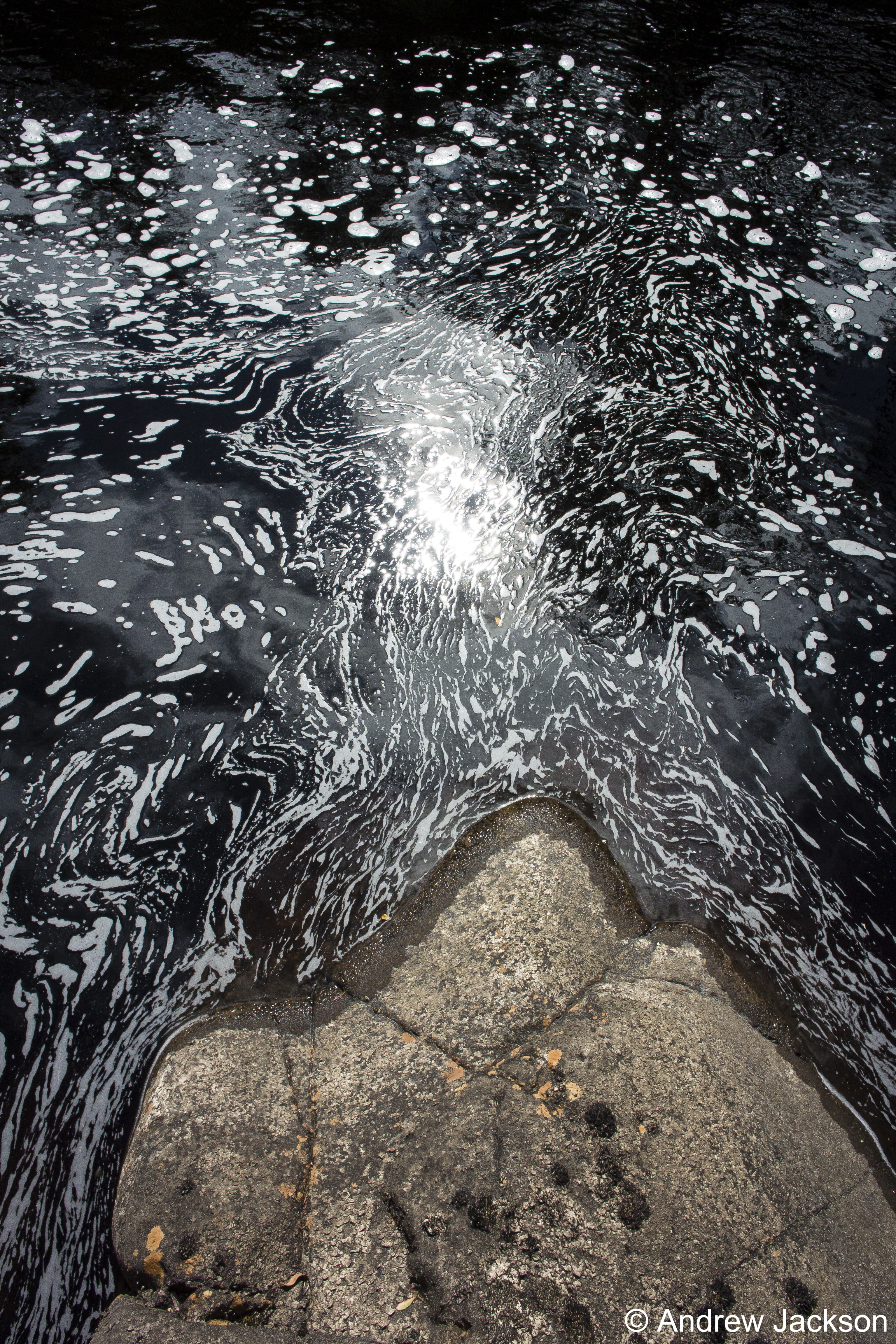
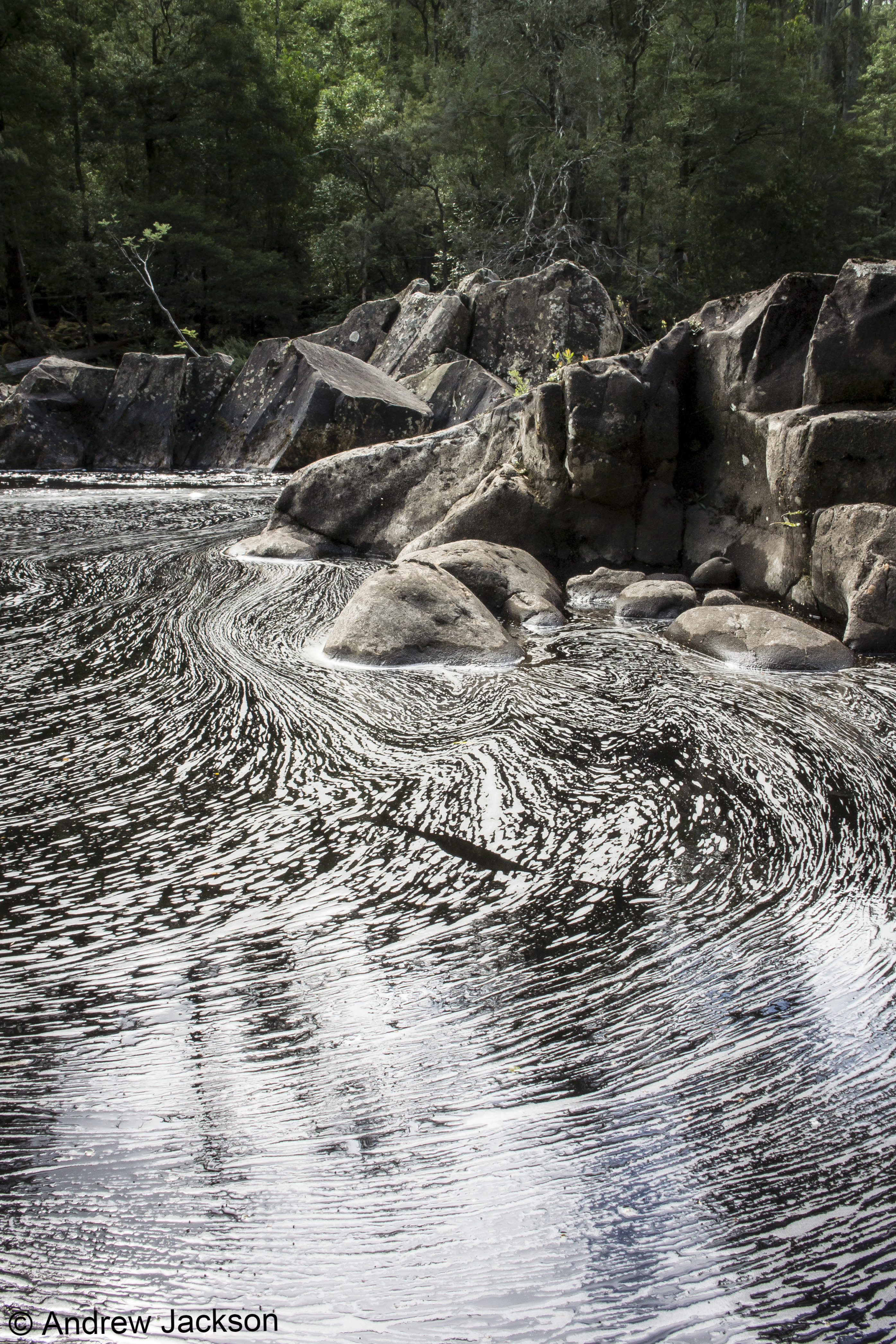
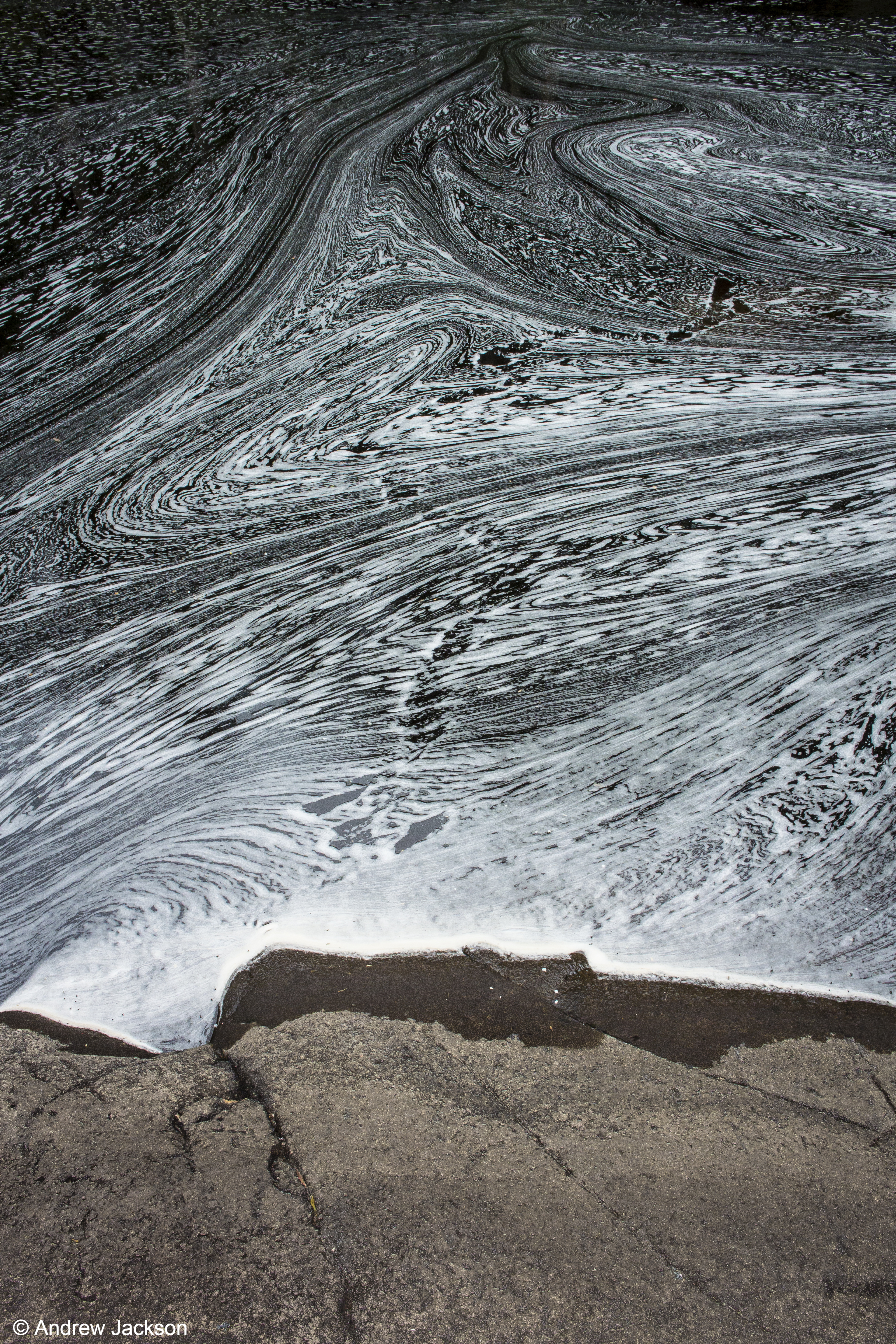
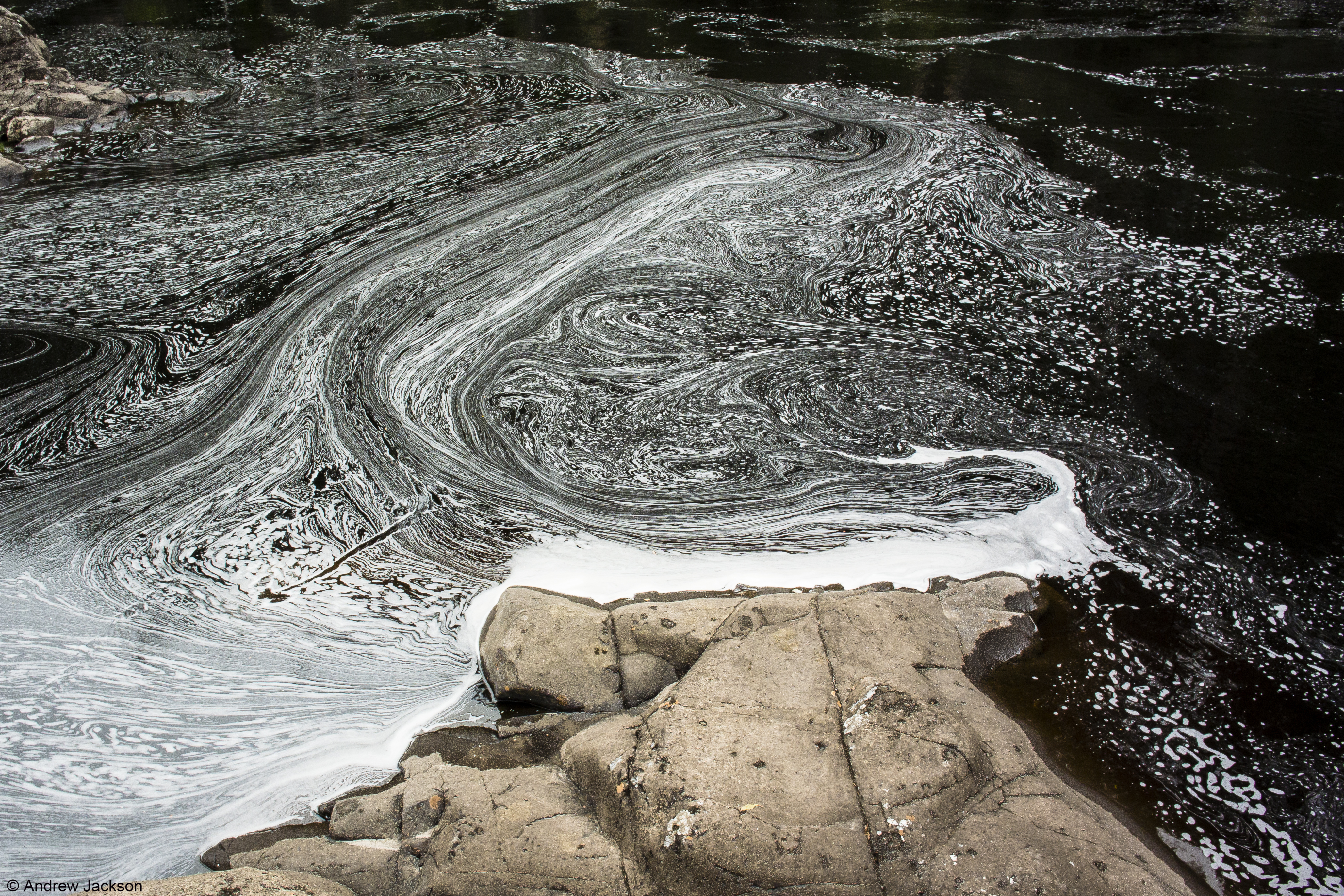
Fascinating patterns floated on the water surface at the edges of some pools where the Derwent River’s movement was slower.
_DSC5725-1.jpg _DSC5733-1.jpg

_DSC5738-1.jpg

_DSC5742-1.jpg

_DSC5757-1.jpg

_DSC5771-1.jpg

_DSC5776-1.jpg

_DSC5779-1.jpg


The creation of these white swirling patterns has been explained as follows: The natural tannins from button grass plains and other vegetation seeps into the soil and, with rain, runs off the hills into creeks and rivers. The washing of water over the rocks creates a slight foam. When in deep pools the foam gets pushed into back-waters and the continual slow movement of the water creates the lacework.  Mesmerising to watch the gradual changes.

Increasing water flows – towards Wayatinah post 4 of 9


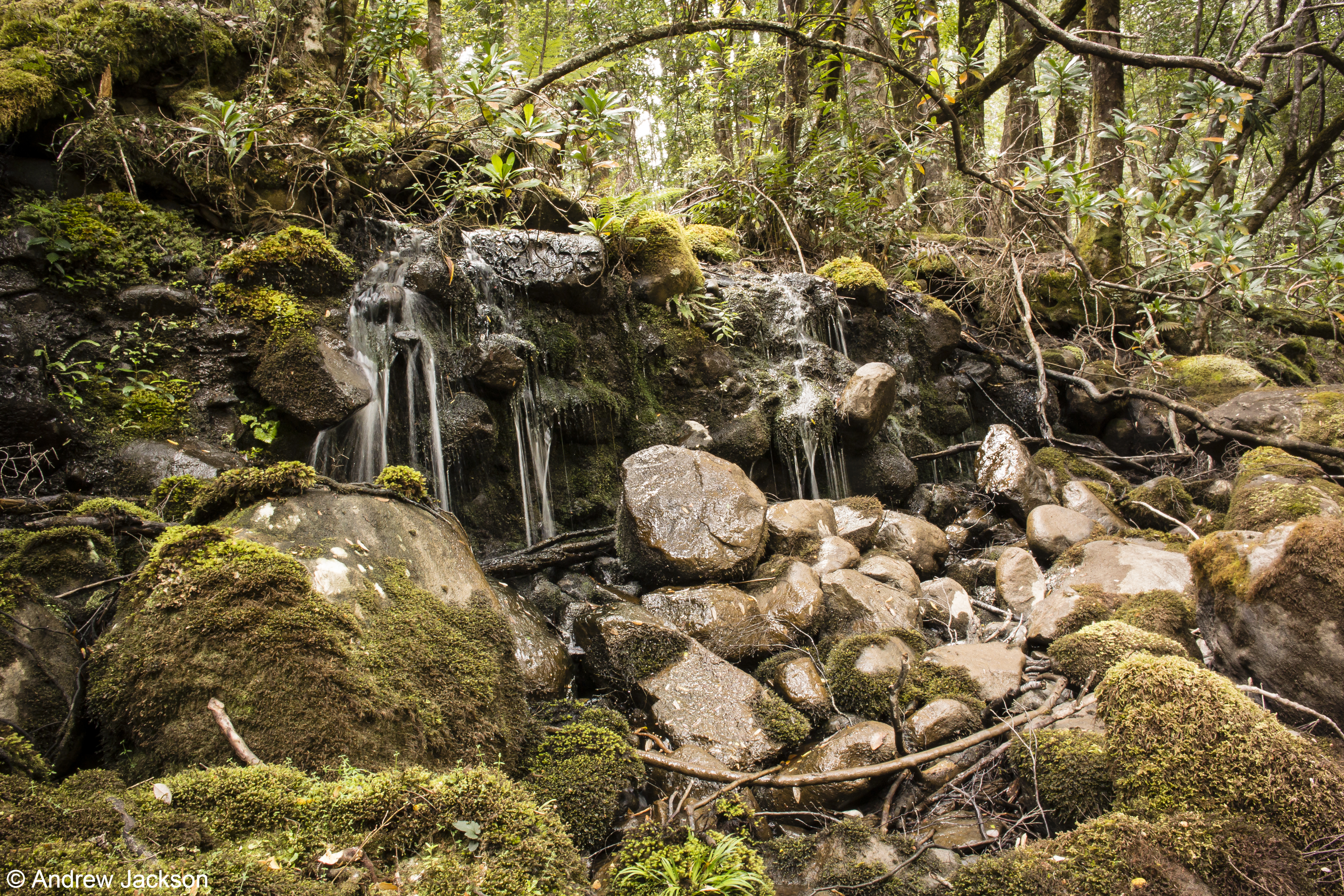
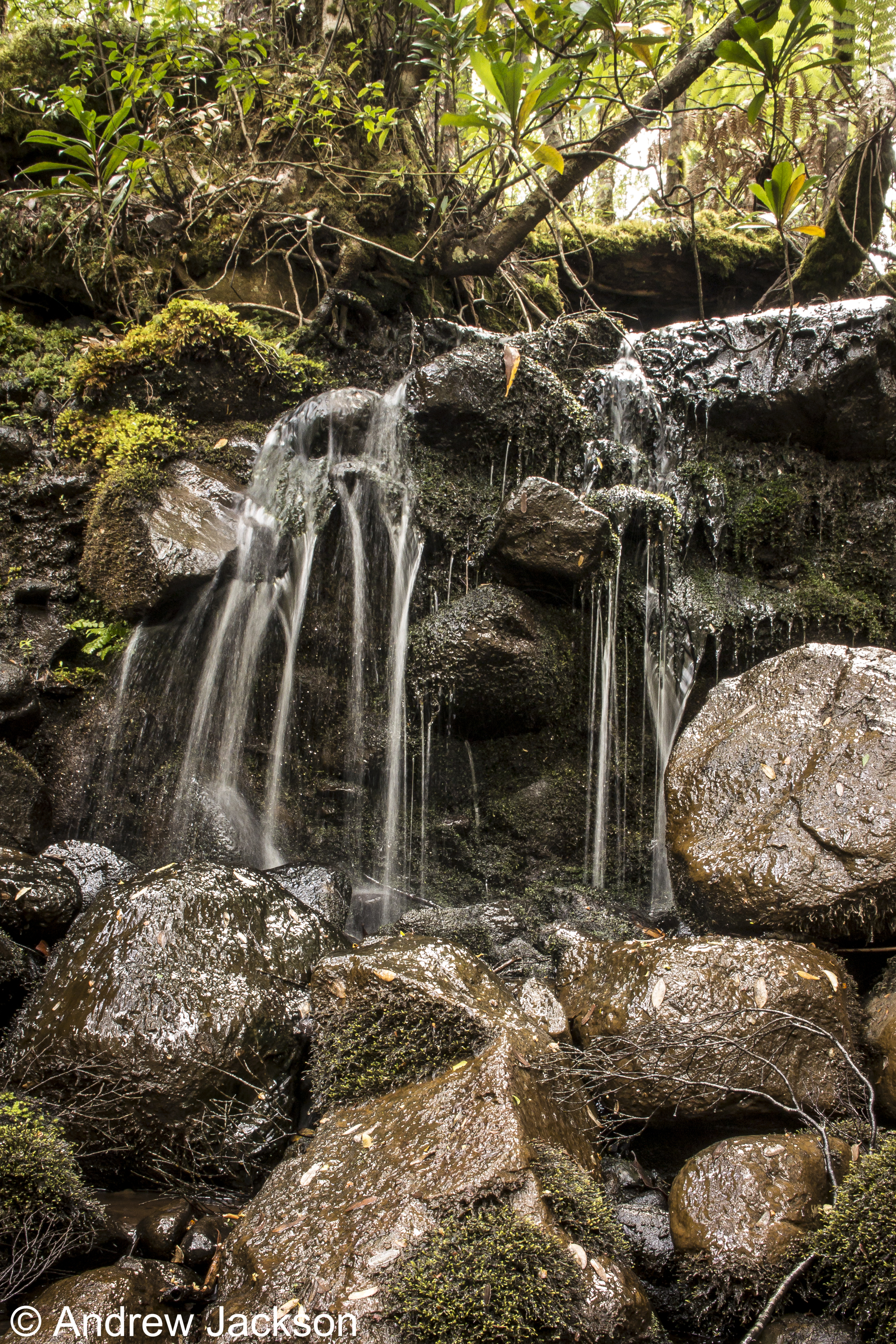
The water in the river bed came from the many tiny creeks that flow off the surrounding hills, suggesting that even in the height of summer this part of the Derwent would never be completely dry. Some of these creeks seeped into the river bed while others entered by falling over small escarpments.

_DSC5690-1.jpg

_DSC5701-1.jpg

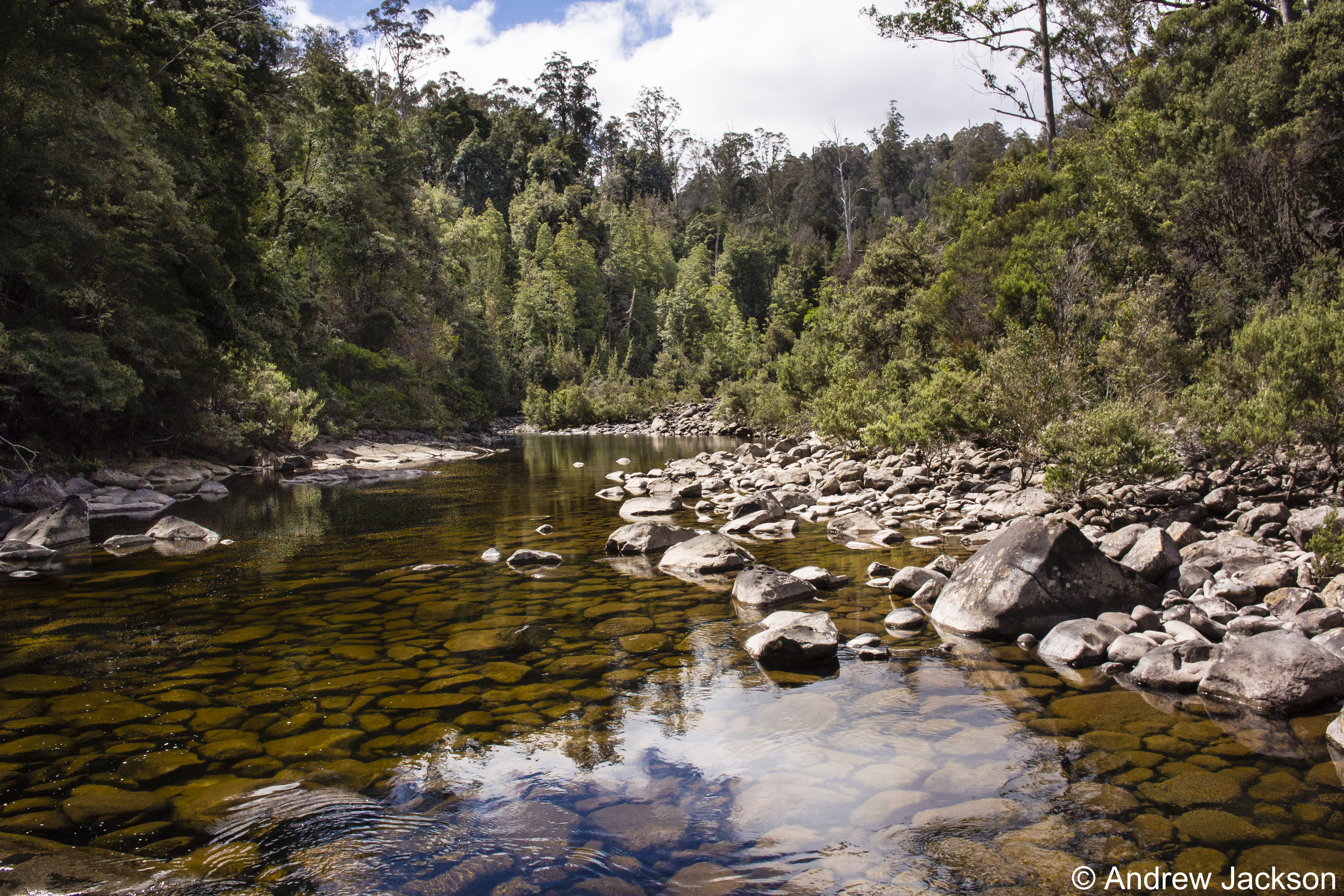
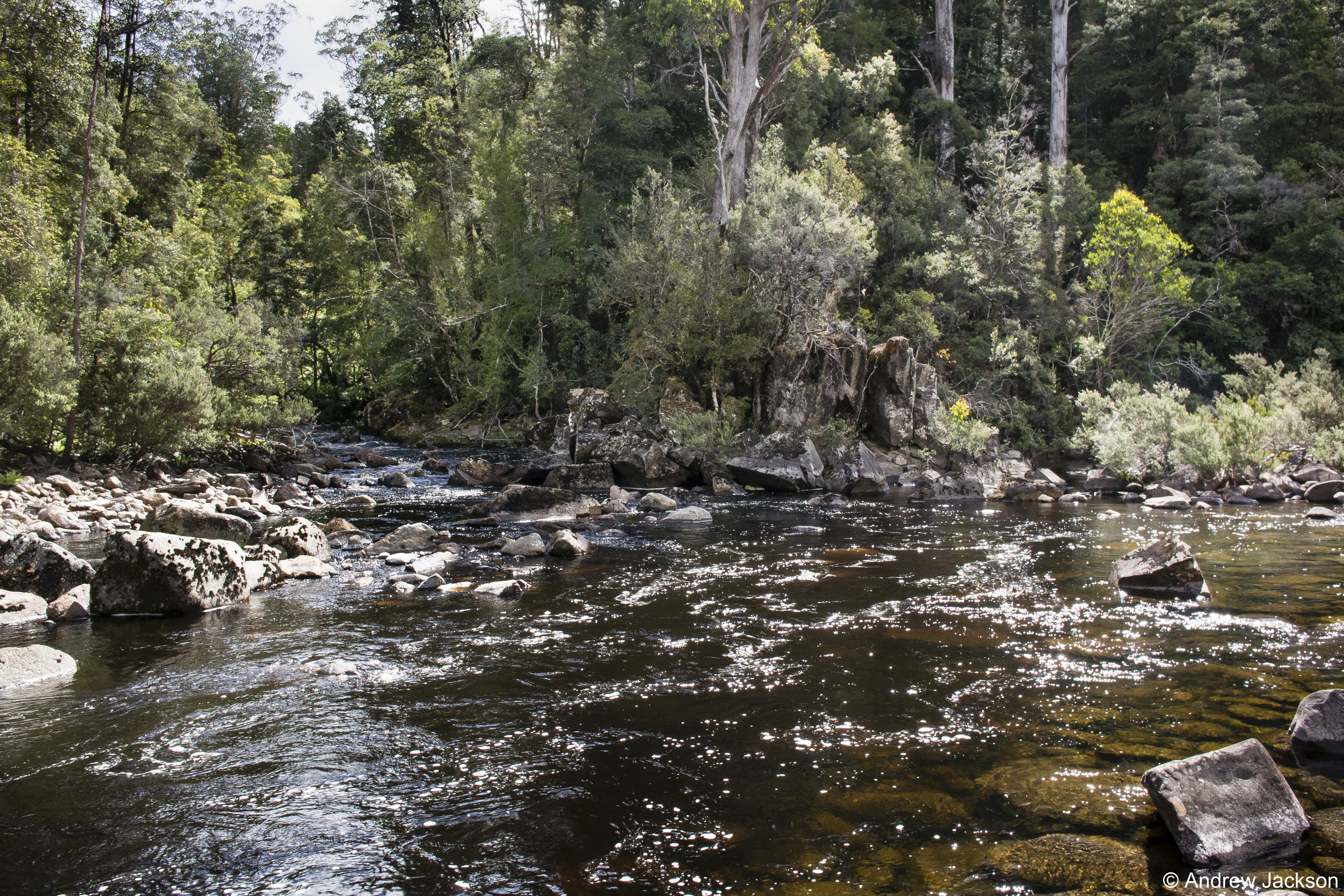
The further Andrew walked downstream, the more the river’s water level rose and the gaps between navigable rocks got wider. Hopping turned to leaping, and occasionally it was necessary to wade to get to another section of walkable rocks. It became a long game of “join the dots” as it was far easier to stay in the river bed than take to the banks and deal with the vegetation, much of which was infested with the flood debris.  Wet feet and legs became the norm.

_DSC5705-1.jpg

_DSC5707-1.jpg

The walking was pleasant with occasional patches of fine riverine rainforest, dominated by myrtles and sassafras, punctuated by tree ferns and moss. Needless to say, when Andrew was forced out of the river he preferred banks with less vegetation. The river valley showed no sign of humans having passed – perhaps the few who might have done so had travelled by raft or kayak during times of flood. The inhabitants seemed to be abundant birds, as well as snakes taking the opportunity for a quiet bask among the warm rocks.  Can you spot the sleeping reptile hidden in the rocks? How close would you have been prepared to get?

_DSC5686-1.jpg

The Counsel River joined the Derwent with a noisy cascade, framed by myrtles standing as a gateway to a secluded rainforested valley. A quick detour was undertaken to look through the gates to see lovely scenes of unexploited river and mossy rainforest – a beautiful place to revisit one day.

_DSC5724-1.jpg

_DSC5710-1.jpg

Below that confluence of rivers the Derwent now ran much fuller, with the water volume having doubled with the Counsel’s contribution.  With more water, larger and deeper pools of water spread across the Derwent and more wading in the dark water over slippery rocks was required to get ahead.  It was easier to walk when the river was wide and more rocks were above water enabling renewed rock hopping.