Monthly Archives: December 2016

Rock art vandalised

One morning I read the devastating news that paintings, made by aboriginals before white settlement (Tasmania began to be settled by Europeans in 1803), in a rock shelter near the Derwent River had been vandalised. The images were made by the Big River people, also known as the teen toomele menennye and the cave is considered a sacred site for aboriginal people.

Such caves are unknown among the general public, they are not advertised or signposted, there are no roads to them, and their location cannot be discovered in books.  This shelter is located on private property so that casual walkers are unlikely to have access.

To give some sort of perspective about the number of people who would know about aboriginal sites along the Derwent, inland Tasmania’s country is mostly either under primary production, forest plantations or related to electricity generation. Agricultural properties change hands over time and so it is reasonable to suggest that knowledge of any special sites would be shared across more people than the current owners and property managers.  Caves on Hydro Tasmanian property would be known to a few employees. Nevertheless, outside the aboriginal community, the pool of people who know their whereabouts would be small.  So when I learned of this tragedy I wondered why and who defiled the paintings.

I find it interesting that within a month of Hydro Tasmania releasing a newsletter mentioning the rock shelter, without giving a location, the vandalism was discovered. I wonder if there is a connection between that article and the damage; whether a reader of that newsletter who knew the rock shelter shared information about the site with someone who did not value the cultural history of our indigenous people. If you have more information please talk to Tasmania Police.

Here are some of the media stories:

The Mercury  

The ABC 

The Smithsonian Magazine

Sheets of silk and other flood coping mechanisms


With the rains earlier this year came an intriguing phenomenon not seen often.  Stunningly beautiful nets spread across bushes and trees- what were these and where did they come from?  Refer article 1 .  Refer article 2

Incidentally, the tiger snake shown in the Mercury newspaper article produces a highly toxic venom and I am surprised to see it being handled in a seemingly casual manner.  Parks and Wildlife Service Tasmania provide further information: “The highly toxic venom is produced in large amounts. The venom is mainly neurotoxic, affecting the central nervous system, but also causes muscle damage and affects blood clotting. The breakdown of muscle tissue can lead to kidney failure.” I never saw a tiger snake during my walks but they would have been around me on many occasions.  Thankfully they are shy and will not attack unless cornered or threatened in some way. I was always wary of accidentally standing on one if it crossed my path.

Floods and water levels rising


When I walked  along bodies of water dammed on the Derwent River such as Lake King William, I remarked on the low water levels, showed photos of deep barren shores, and posted about the coming danger to Tasmania’s electricity supply.  You can refer to a range of posts for different views on this topic including the following examples: Tarraleah Canal No 1 walk – where is the water?,  Lake King William, The rocky shore, Looking for a place to camp overnight, Death and Lake King William, Rise and shine, Trackless under the powerlines, and Andrew Hughes has walked, rafted and canoed the Derwent over the past month.

Newspapers recorded some of the extremes; here is one of The Mercury examples.

Hydro Tasmania is the organisation which manages water resources  by selling power not only to Tasmanians but via an undersea link to Victorians and further afield on mainland Australia.  For a very long while Tasmania had an unusually low rainfall, then when the Bass Link failed at the end of last year, this meant Tasmania could not buy power from the mainland if in crisis.  Over half a year passed before the fault was repaired and in that time water levels in dams, lakes and the river dropped steadily. In damage control, as politicians and the community worried about the reducing water levels, Hydro Tasmania released the information that our State could survive and continue to generate sufficient electricity in the local newspaper with dams at an even lower capacity . Nevertheless failure for rains to fall, created a situation where massive banks of diesel power generators were installed.  The operation of these generators cost Tasmania millions of dollars. The photo in this article shows an area being prepared for generators, and then the next article shows the installation outside Catagunya Power Station.  Generators were placed in many locations.  This article shows banks of generators outside the Meadowbank Power Station;  this is the closest power station to Hobart and is one of many that operates using the water from the Derwent River.

The dry situation was desperate.  Cloud Seeding was being practised as an option to bring on the rain.

Eventually the gods or nature heeded the call and the heavens opened.  As winter approached, welcome rain poured and began to replenish our dams and lakes.  The rain was heavy and persisted so that the water levels improved dramatically.  In the process, many parts of Tasmania experienced severe floods.  Dramatic stories were released in the media . The Ouse River, which feeds into the Derwent River, was the site of the death of one man.

These were terrible days for many.

Now the climate seems has returned to some sense of balance.  Our glorious spring time, albeit with some hotter days than normal, has passed and summer has arrived.  We all hope for prudent management of electricity generating water resources and for intelligent planning for extreme events – which we know are now more frequent around the world. In this way, the Derwent River will remain a living and useful flow of water which poses little risk to affecting people, animals and the surrounding landscape.

Tackling the backlog

Two sets of posts will be written before I write up the backlog of Walking the Derwent posts.

  1. Over the past six months I collected an assortment of ideas for stories about our Tasmanian Derwent River: these will be expanded and added to the blog.
  2. Then, I will summarise where I have walked, to give the last posts a context.

For now and over the next few weeks, you should expect to read pieces of non-walking but Derwent River related information that grabbed my attention during the year.

I do not plan to offer you a daily post rather a new post every few days because, after my big year, I plan to enjoy the summer weather and take a holiday approach to life for a few weeks.  I apologise in advance for those readers who have asked for daily posts again.

Where have I been?

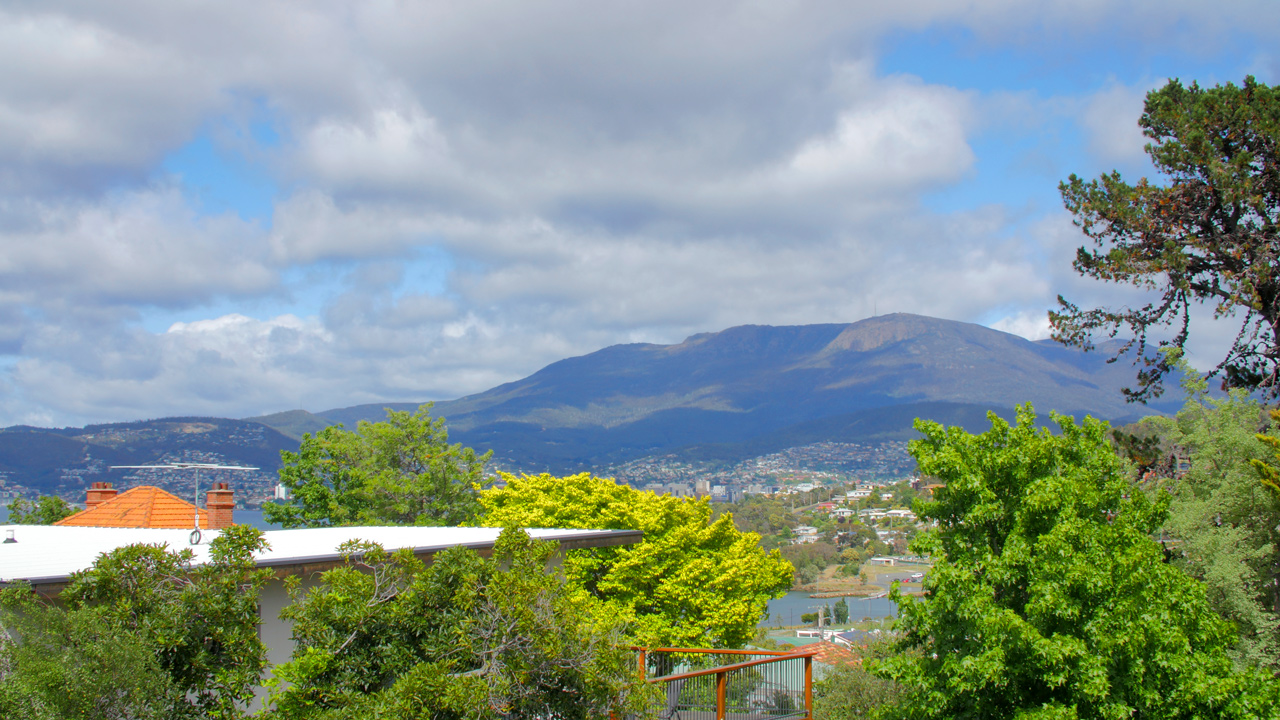
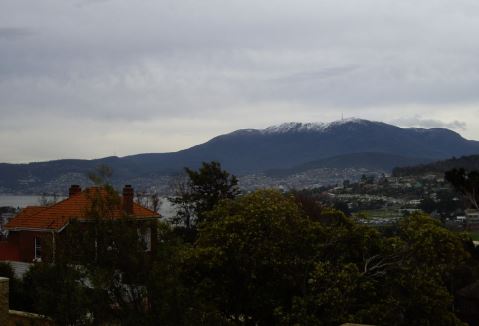
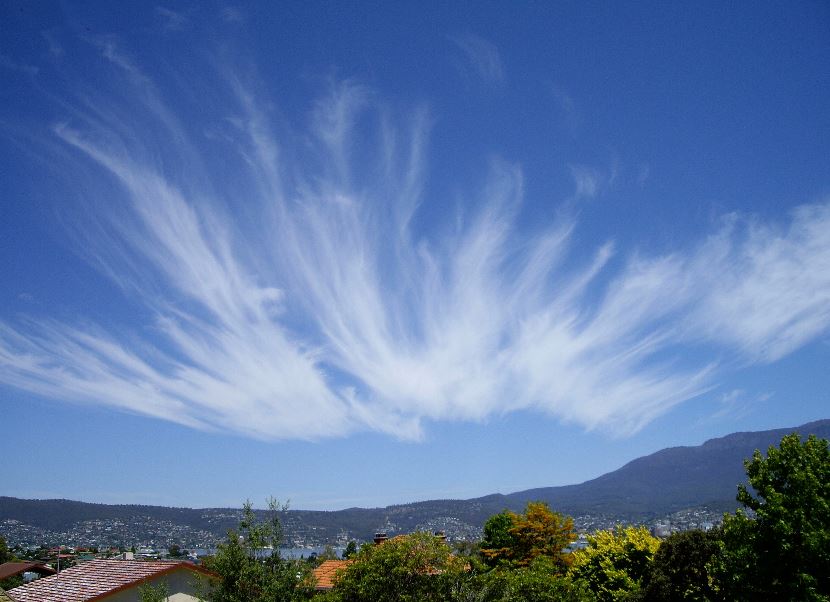
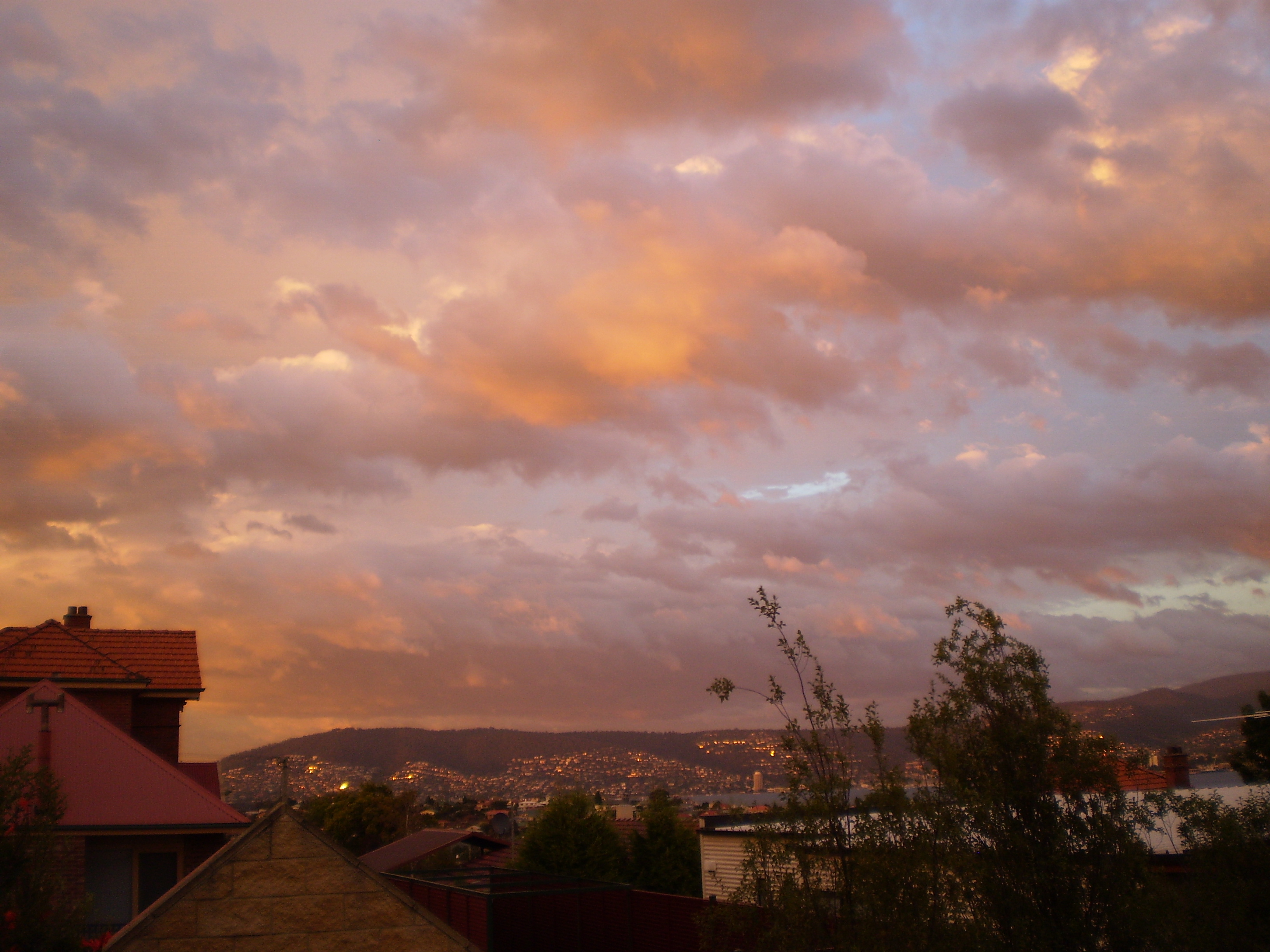
Answer: Mostly looking through my windows and watching the seasons pass across snippets of Derwent River and Mount Wellington.

032 cropped.JPG

Helens_AirBnB_11.jpg

snow clouds over mountain 27-04-2009 11-03-53 AM.JPG

mt-wellington-with-snow-from-10-veronica-cropped

mountain under snow 1July 08 002.jpg

moon over mountain-auto.jpg

For the past six months, the almost daily posts of earlier times on this Walking the Derwent blogsite stopped. While my thoughts have never been far from the Derwent River, since March I have posted only two or three stories. Avid followers of my walk along the Derwent River from the mouth to the source,  will realise that stories of particular sections of the walk have not been recorded.   Over the next month or two that gap will be filled.

When I halted writing this blog, I focused on compiling and publishing the book William Baker Tyzack and descendants in Australia  and running a blog associated with the anniversary of my great great grandfather’s arrival in Australia 150 years ago. Then I authored and published a book of an artist friend’s letters that had been sent to me over a quarter of a century.  During the processes of putting both books together, an opportunity to author and publish a third book came to my attention. Recently I published a book about my goddaughter. All non-fiction. All personal. I have been enthralled by the wonderful ease of self-publishing resources, and the professional look of the final publications.

Now I am inspired to turn my Walking the Derwent blog into a user-friendly book, which can be purchased both in book shops and on the internet.  But first, I need to finish writing the posts which record the remainder of my walk. I aim to complete the posts within the next two months then, early next year, begin the massive task to condense over 200,000 words and thousands of photos into a comparatively tiny tome.

Tasmania’s Derwent River continues to remain a feature of magic for me. I have missed my past regular walks inland discovering its nature and its pathway through the landscape.  Thankfully, here in Hobart, I live with a constant view of the changing appearances of the Derwent and the glorious sky above.

Whispy sky  over Hobart from Veronica St with removed aerial.jpg

clouds in dusty red 009.jpg