
Tonight, local media reported that 12000 people took a walk, approximately one kilometre long across the new bridge, earlier today. Tomorrow the bridge will be open and functional for vehicular traffic but today our feet were the means for propulsion. I made the historic walk with a couple of others and we did a little more than expected. We walked across the bridge from the Granton/city to the Bridgewater side, then down and under the bridge before walking up onto the one pathway designed as part of the bridge. From there we walked back to where we began, caught a shuttle bus and returned to the bridge-walk hub. This was located in and around the very large engineering shed in which many parts of the new bridge had been constructed. Free sizzling sausages on soft white bread with dollops of tomato or barbeque sauce were handed out to all comers as part of the celebration.
The day was blessed with a glorious open sky where clouds were lifted high up; clouds that didn’t promise rain. The following photos suggest the sky was heavy but it is the camera lens that has darkened the images – so take no notice of any sombreness.

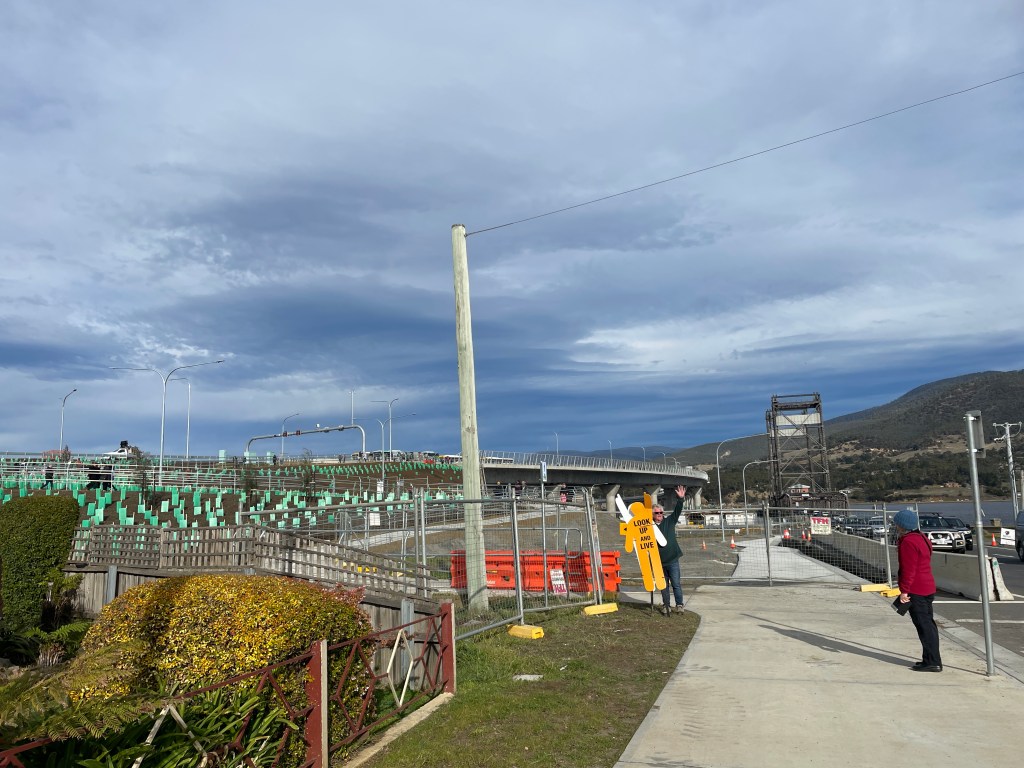
We started our walk opposite this wall of stone exposed by the excavations. Cars were travelling on the old road and old bridge today.

I looked back along the new road towards Hobart.

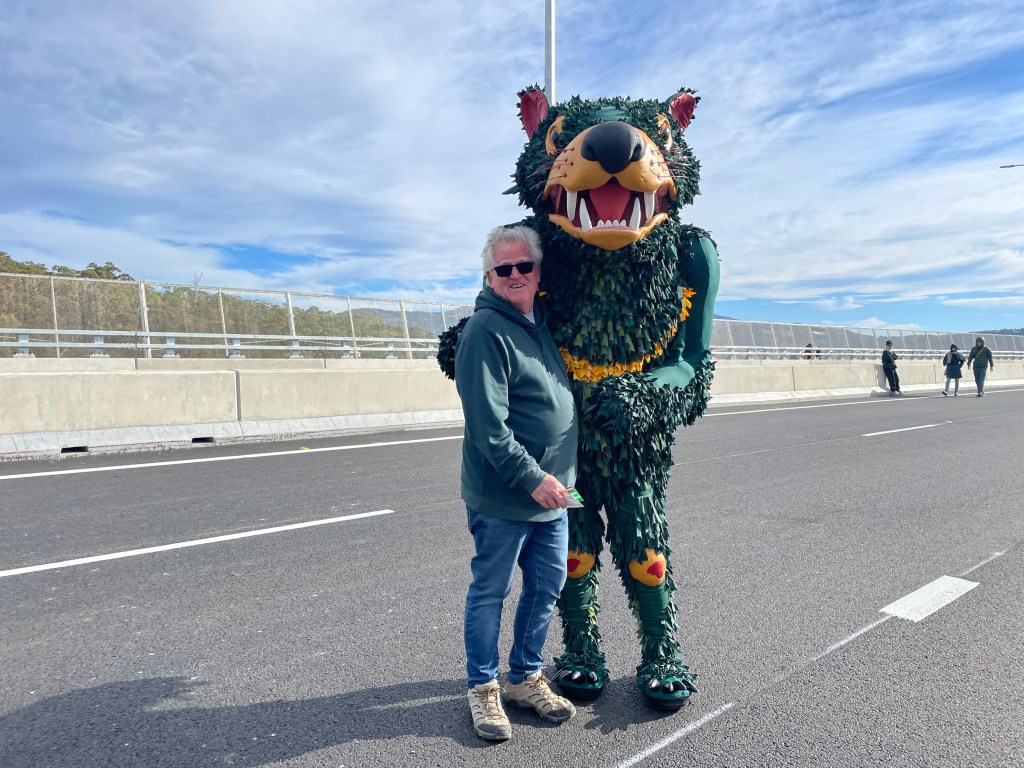
The Tassie Devil was on hand to cuddle strangers.
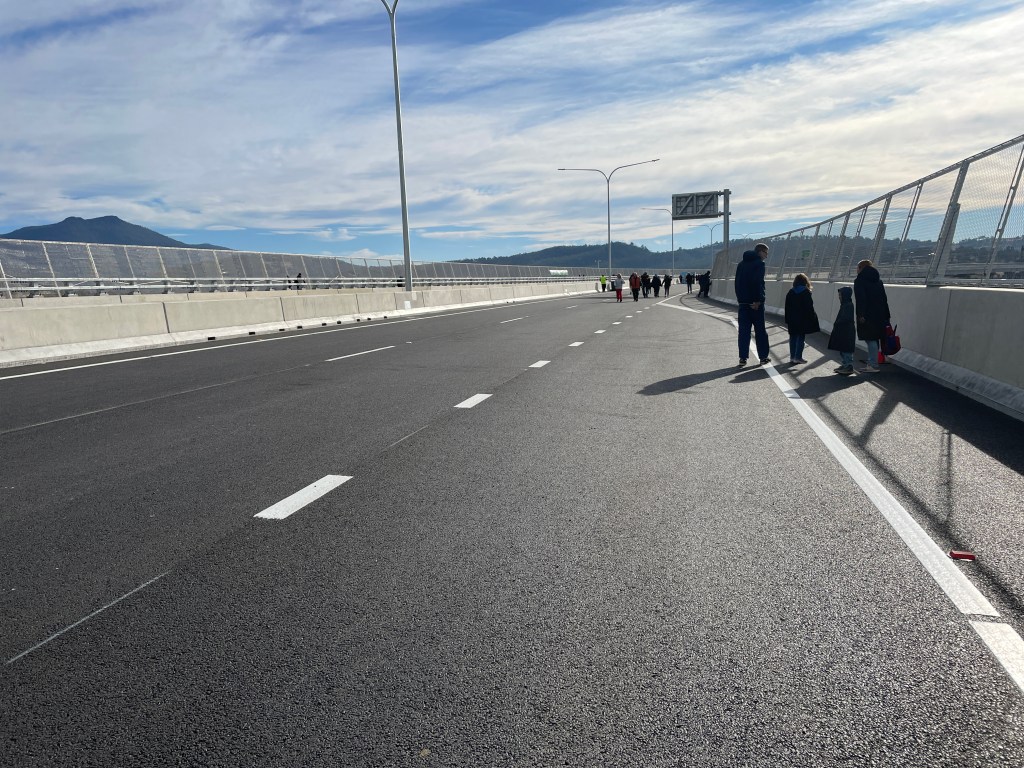

We marvelled at these expansion constructions in the road.

We also noted the expansion panels on the vertical edges of the mesh bridge enclosures.
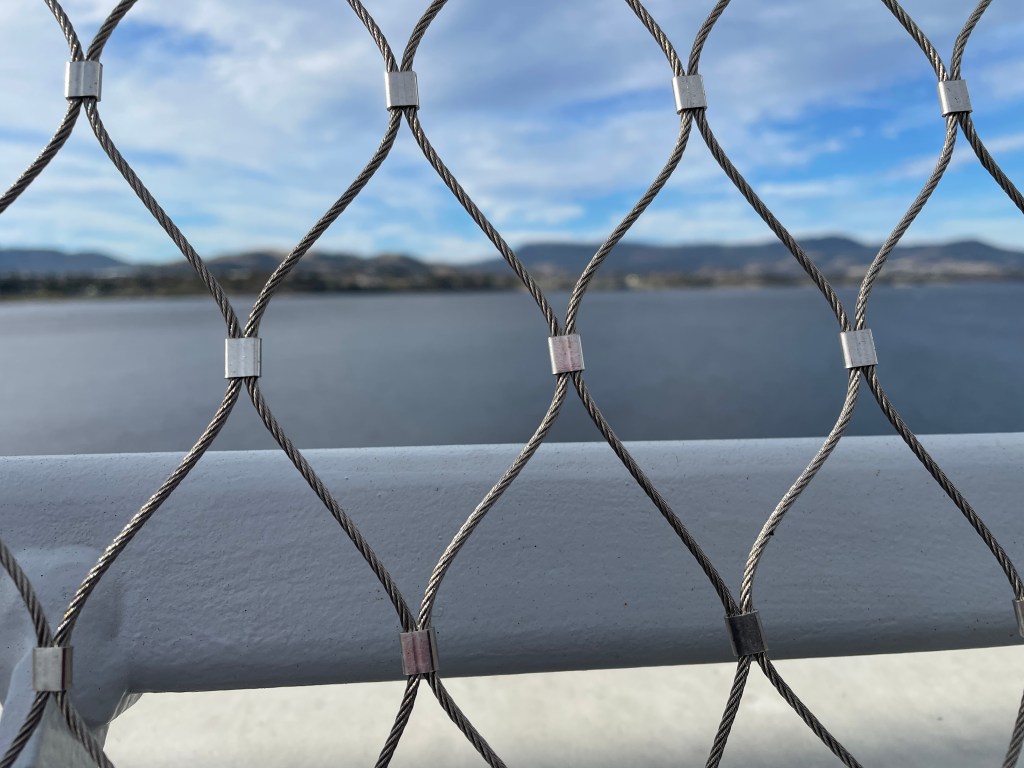
I was surprised the mesh was constructed of flexible wire.

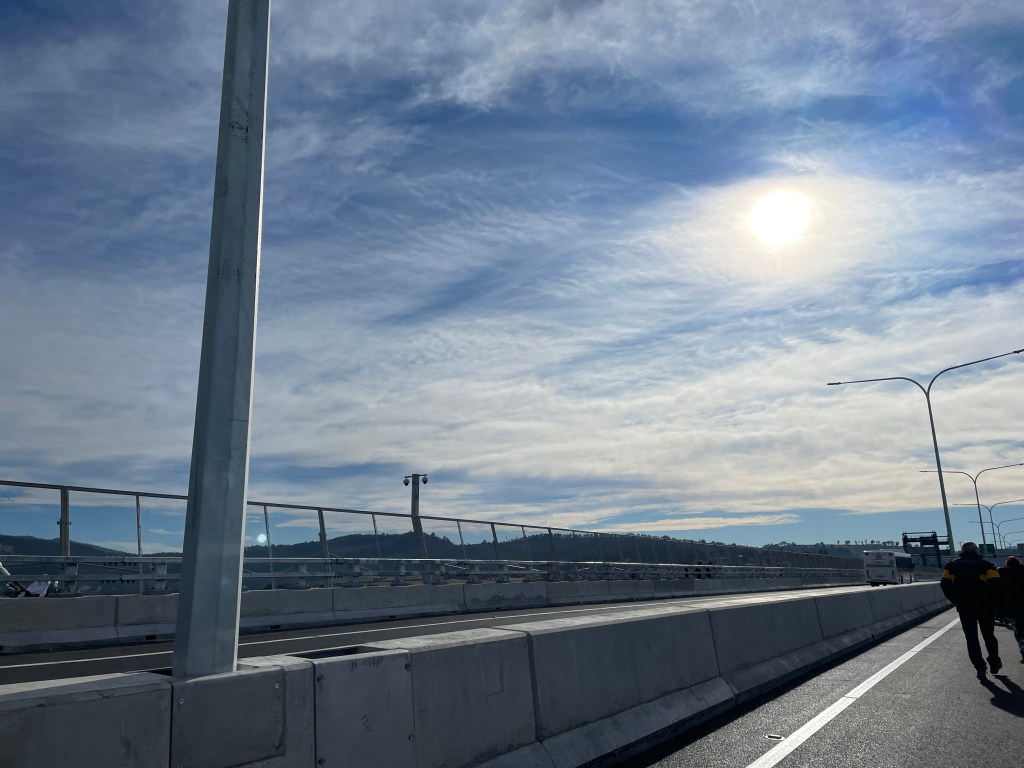
We noted the cameras on a pole.


The structure of the old bridge, originally opened in 1946, loomed over the landscape.
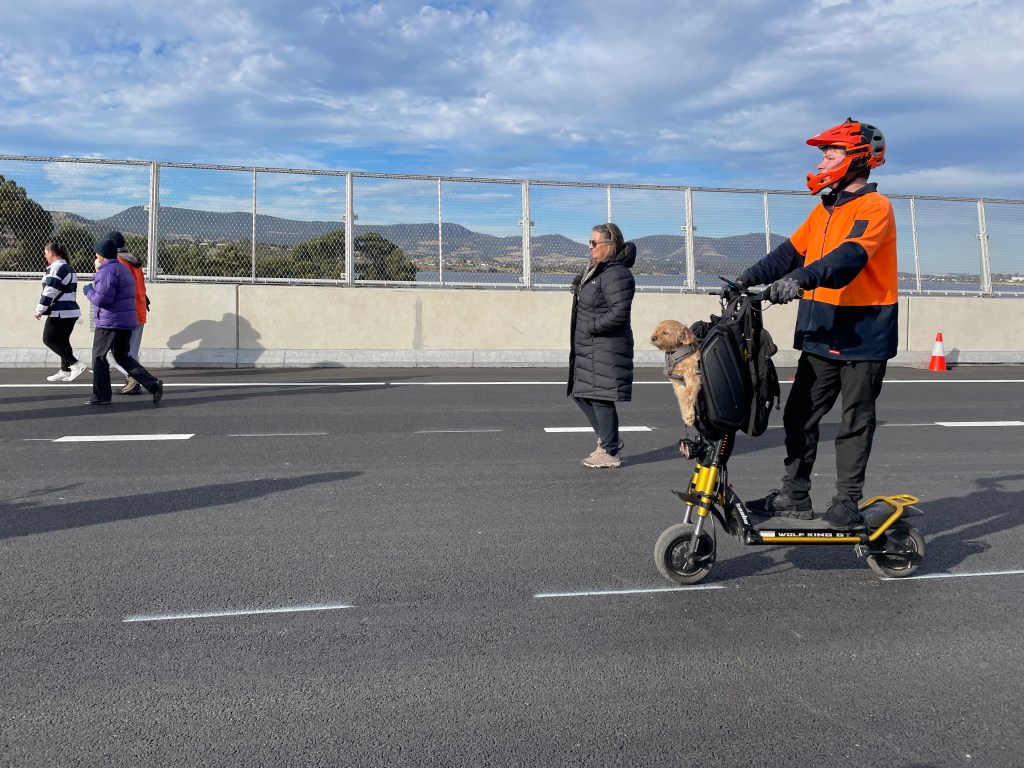
There is always one! Dogs and bikes etc were banned but … this little fellow was cute and he travelled well.

My two fellow walkers posing as site workers!
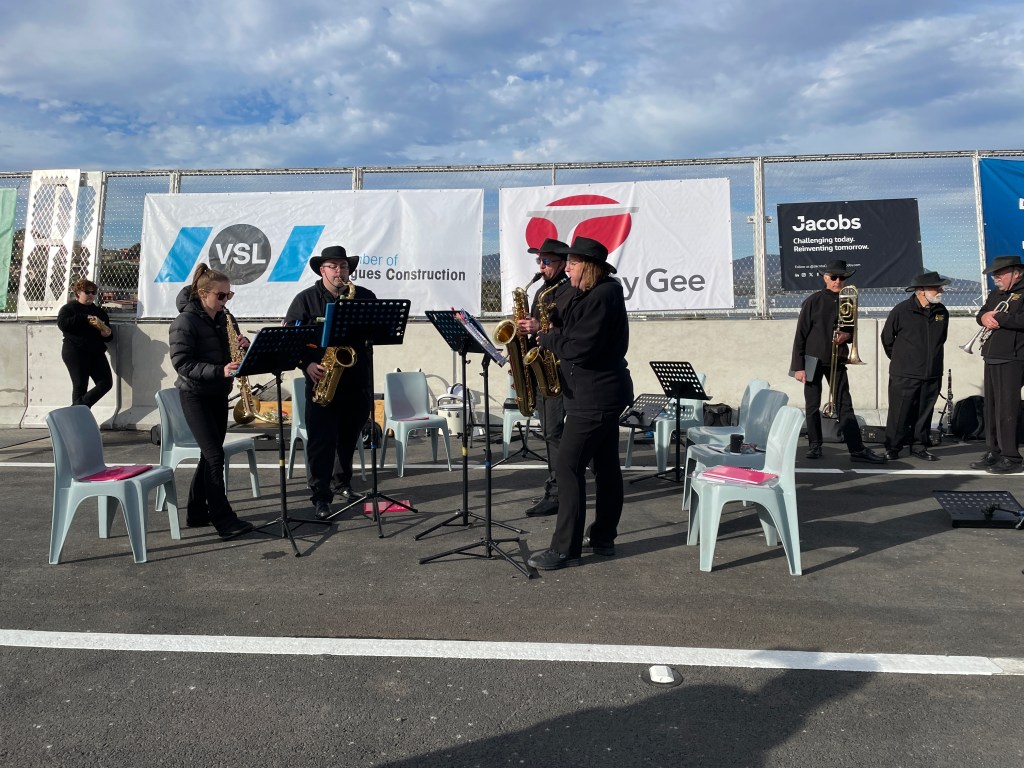

The musicians were at the northern end of the bridge and close to the bus pick up point. Instead of catching the bus at that point, we continued and walked under the bridge and up the other side.


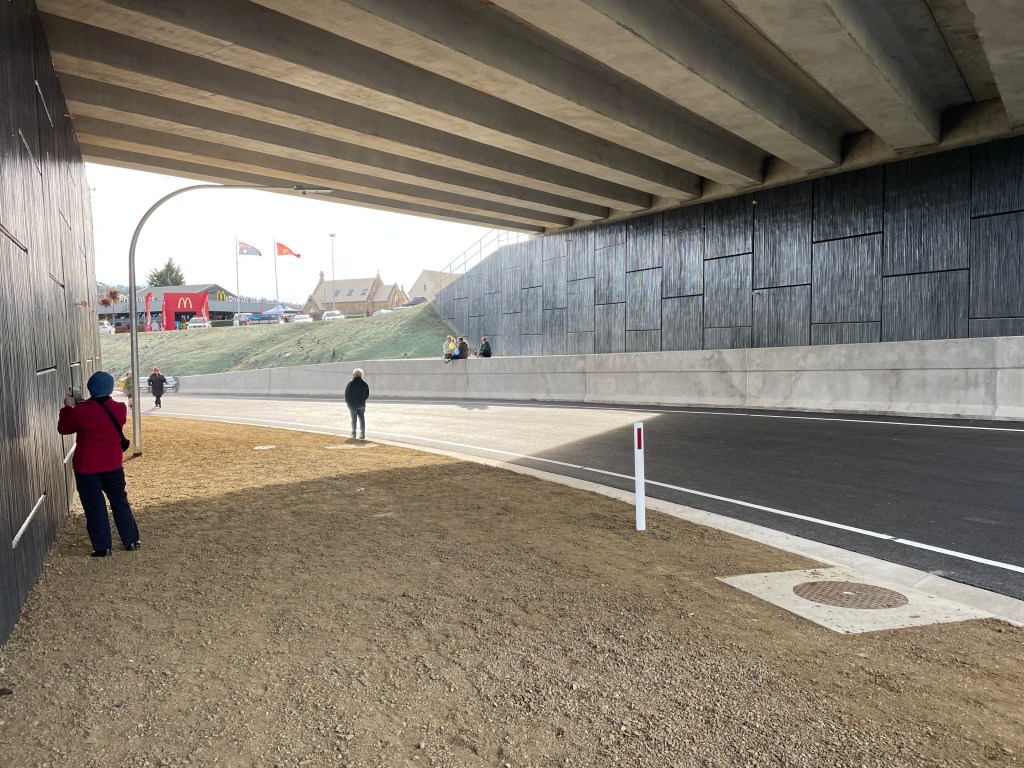
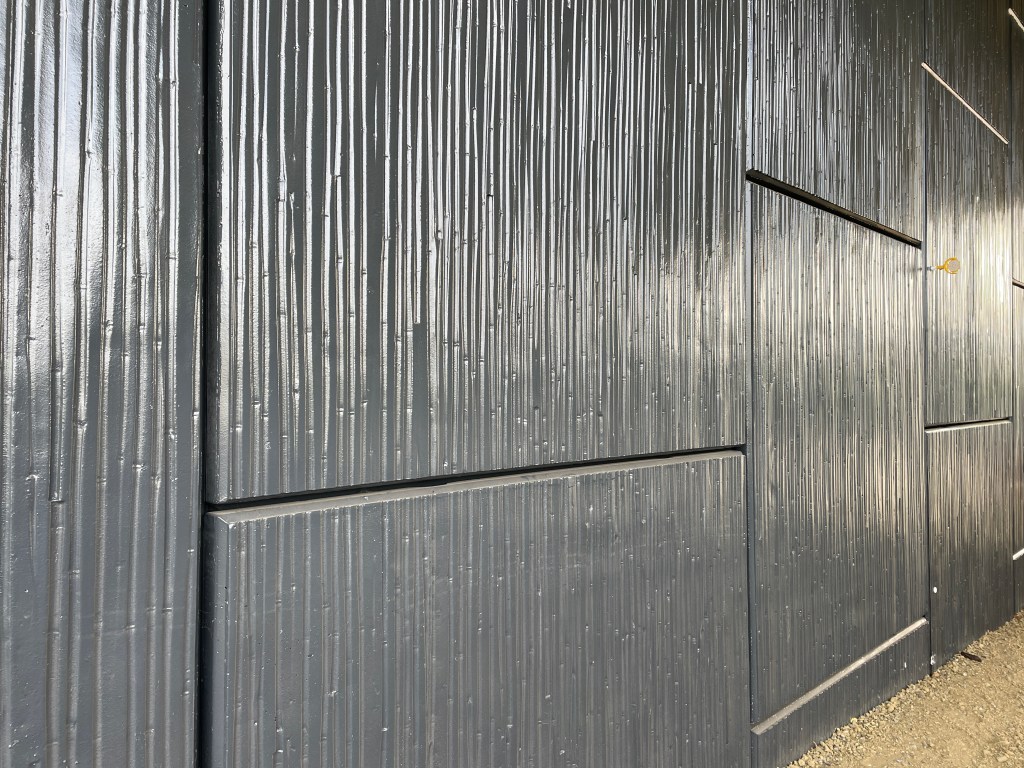
The concrete walls with their shiny paint finish were very impressive – and puzzling. What sort of paint was used?

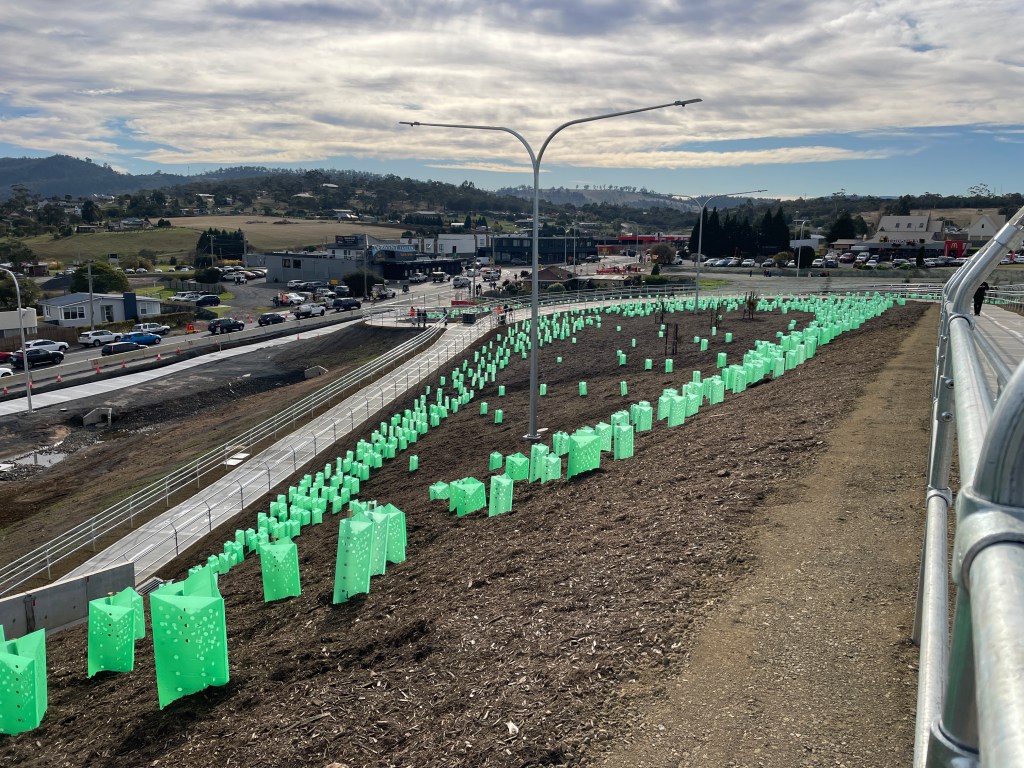
The number of plantings was impressive.
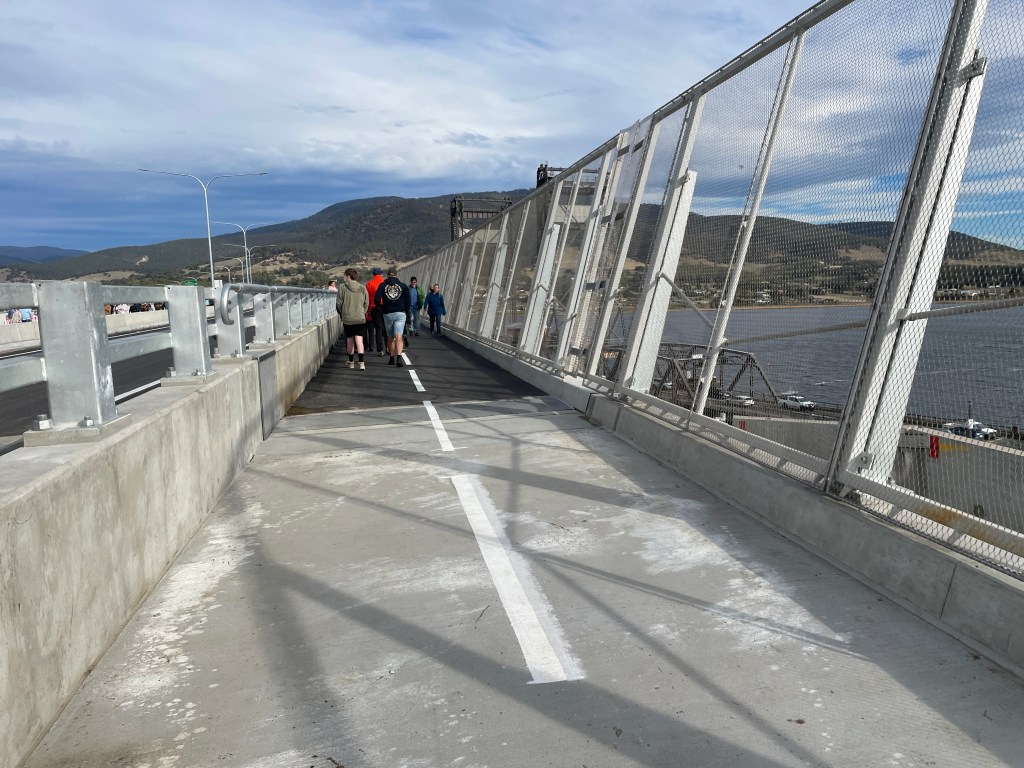
The three metre wide pathway offered adequate space for bikes, walkers and prams etc

The construction of the ‘railing’ which separated the pathway from the road was exceptionally sturdy – suggested excellent protection from road accidents.
Eventually we bussed back to our parking point.


In the bridge-walk hub a stall displayed the variety of native plants that have been added around the bridge.
This was a once-in-a-lifetime experience; a historic moment. Over a decade ago, when I walked from the mouth to the source of the Derwent River, I walked across the old bridge. It is only right and proper that I walked across the new bridge.
I learnt today that the River Derwent is also known as timtumili minanya in the palawa kani language. At one end of the many feeder roads to the new bridge the aboriginal name is inscribed deeply into the concrete walls.
May everyone who travels across the new Bridgewater Bridge in the future, travel safely!
 Walking the Derwent River
That looks like a lovely occasion, and thanks for all the great photos: good to read a new post from you, after a while. There might have been some publicity recently [not sure how recent: could be last year?] for a visit by Sir David Suchet, who has featured in a new TV series about following Agatha Christie’s footsteps in her global travels, and this week he was in Tassie & Straya 😉 He started in Hobart, but if he went anywhere near my namesake place [Risdon], it wasn’t mentioned in the programme. Cheers, Jon.
LikeLike
Hi Wilfred There was never any mention of his itinerary down here in and around Hobart. But Risdon was probably not on his wavelength – its a more obscure and down market suburb on the edges of the Greater Hobart Area. Cheers, Helen
LikeLiked by 1 person
Hi Helen [please call me Jon, by the way: Wilfred was my grand uncle, after whom my publishing company is named 😀 ]. I know there was a jail at Risdon: is it still there? I just wondered if the Christie/Suchet production might have made reference to Risdon as it was an early settlement, before Hobart was established, and became the better area?
LikeLike
Sorry Jon – its been so long since we communicated. Yes Tasmania’s main gaol is at Risdon and you should easily pick it out on a Google map. The first settlers only lasted a few weeks at Risdon in 1803 before determining the Hobart area was a better area for them – and they werent immediately standing on frequently used aboriginal hunting grounds once they moved (after a massive massacre of local indigenous people).
LikeLiked by 1 person
No worries, thanks for that, Helen. I don’t mind that my name is associated with the jail there: if there is any family connection with the Risdon after whom the area was named — William Bellamy Risdon, I believe — it would be a very distant one, which I can use in my defence 😉 I don’t think we should be responsible for the actions of our ancestors anyway, but that doesn’t mean that we shouldn’t try and make restitution, as in the case of the shameful treatment of the original indigenous people in Tasmania. I have an aged aunt who lives in the far north of the island, but I fear I will never manage to visit her 😦 I hope winter is treating you well. Cheers, Jon.
LikeLike
Hi Jon
Cant really say winter has arrived – thats more July and August like your coldest months are often Jan and Feb. So all rather gorgeous sunny days – cool yes – but comfortable. As usual, dry and so I am still watering the garden.
LikeLiked by 1 person
Not so bad then, apart from the lack of rain. We’ve had a very dry spring here, but it’s reverting to type now 😉 I think the seasons have changed pretty much everywhere, but I don’t want to ascribe any foreboding to that. There’s a saying in Britain that “We don’t have seasons: we just have weather!” Cheers, Jon.
LikeLike